How HAL Tejas fighter jet maintains control during sudden altitude changes

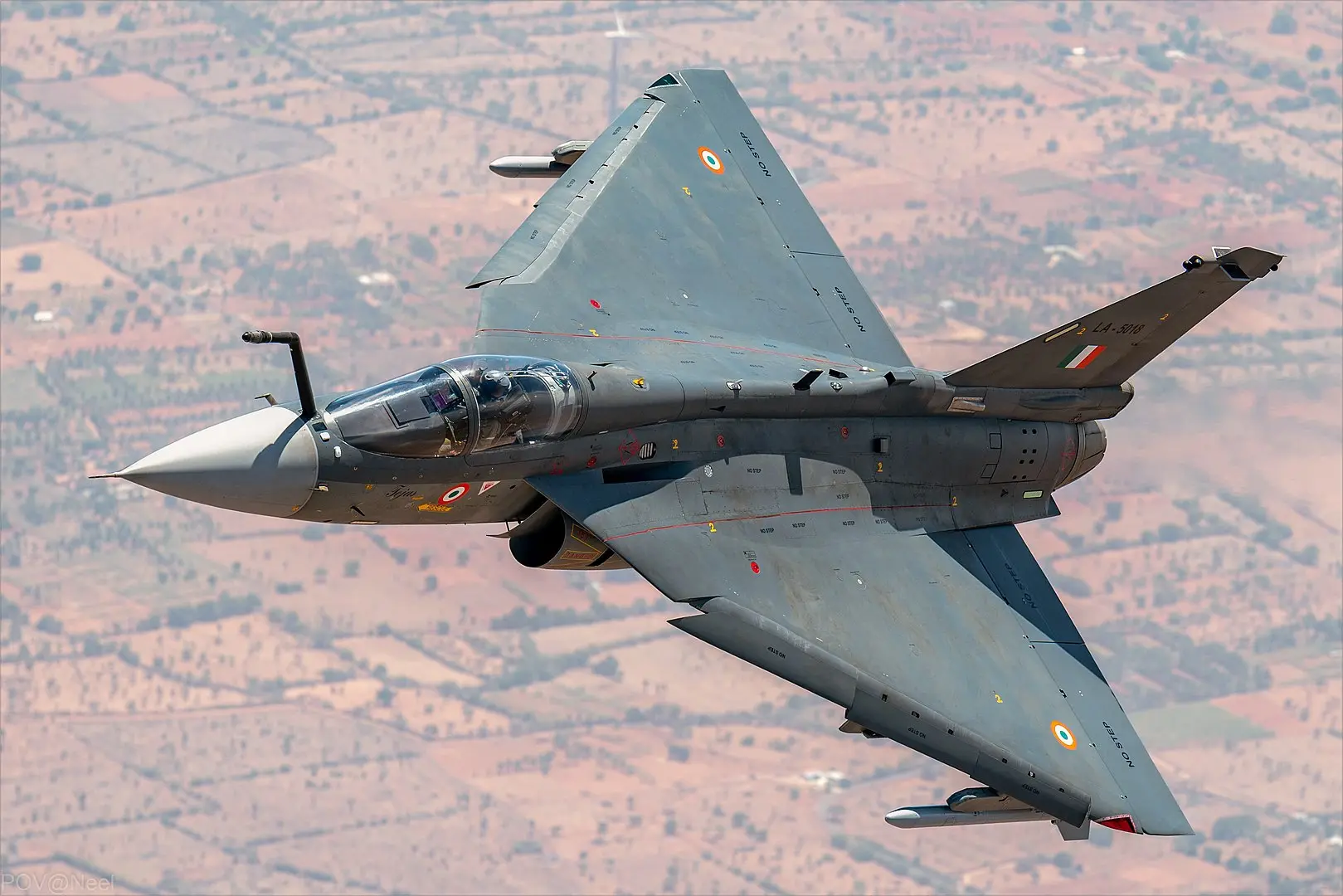
The Tejas uses smart sensors, autopilot systems, and automatic pitch control to stay perfectly steady during climbs and descents. From elevator adjustments to flap compensation, the jet manages altitude with precise computer help far more complex than it appears from the cockpit.
What Is Altitude Control And Why It Matters
When an aircraft climbs or dives, many things happen simultaneously. The aircraft's nose points up or down. The wings must stay level. The airspeed changes. The air pressure changes. The aircraft must stay balanced throughout this change. If the pilot had to adjust manually for every change, flying would be exhausting. Instead, the Tejas has automatic systems that manage altitude changes. These systems keep the aircraft level and stable. The pilot tells the computer what altitude to reach, and the computer handles the details.
The Altitude Sensors Measuring Height Constantly
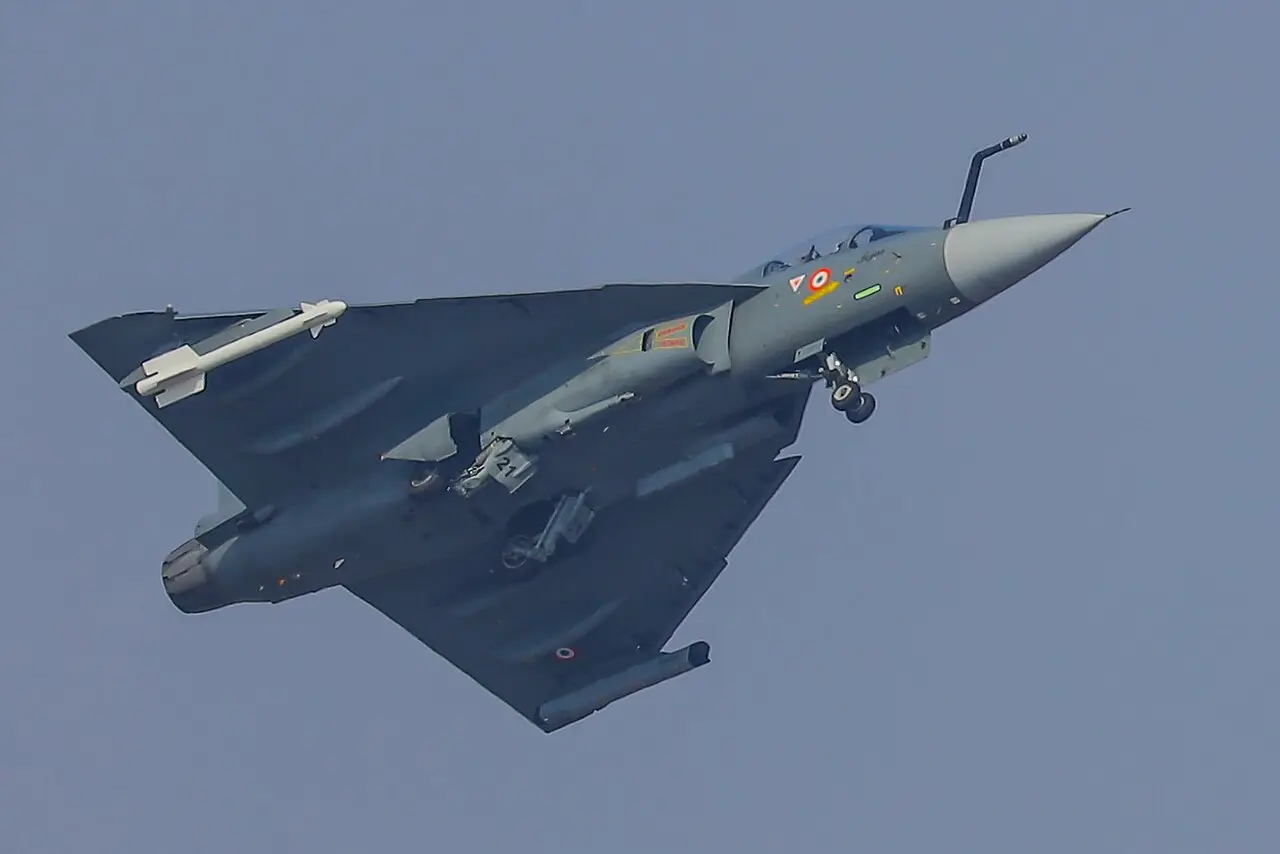
The Tejas has sensors that constantly measure how high the aircraft is flying. These sensors measure air pressure. Lower pressure means higher altitude. Higher pressure means lower altitude. The computer converts pressure reading into actual altitude. The Tejas also has inertial sensors that measure pitch attitude. These sensors detect which direction the nose is pointing. Combining altitude measurement with pitch attitude creates a complete picture. This happens 40 times every second. The computer knows the altitude and knows the pitch angle. Using this information, it can make tiny adjustments.
The Integrated Autopilot System
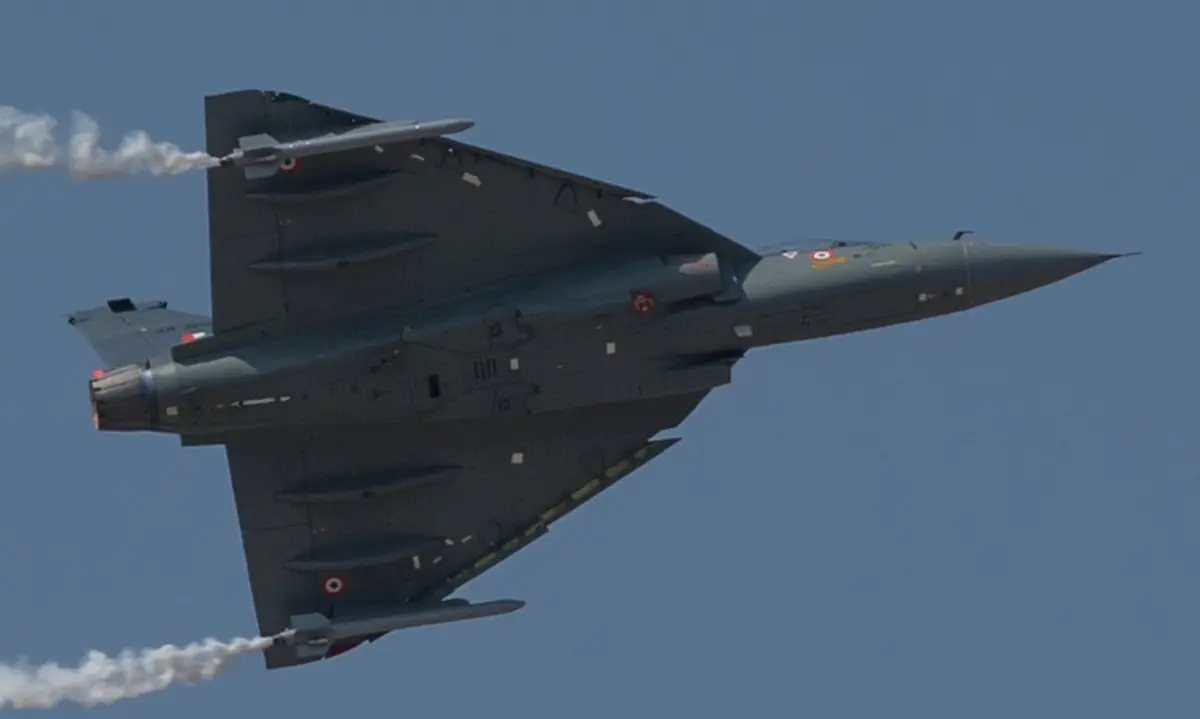
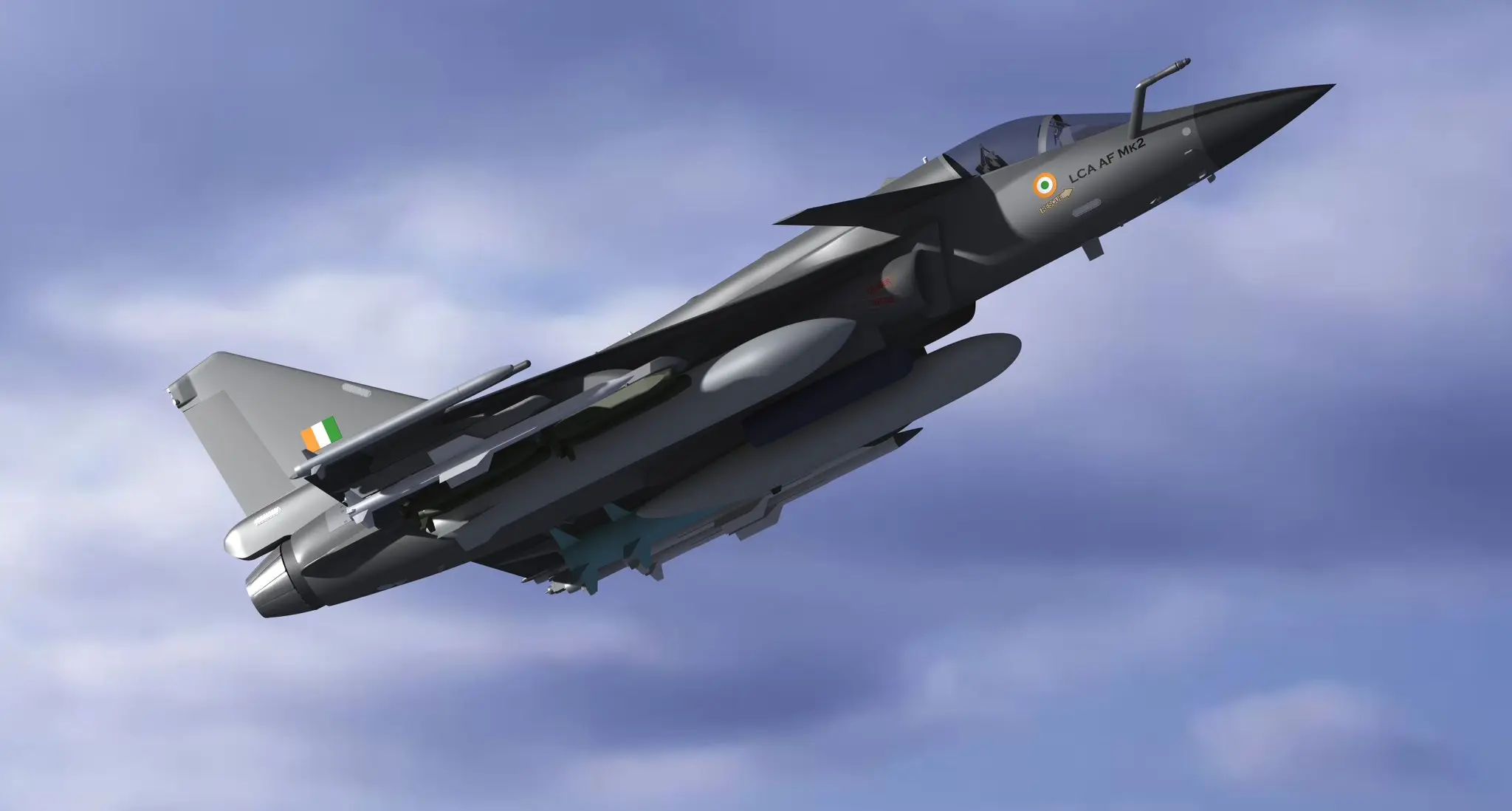
The Tejas Mk2 has an integrated autopilot that manages four different things at once. It manages position, which is where the aircraft is flying. It manages altitude, which is how high. It manages time, which helps with route planning. It manages speed, which is how fast the aircraft flies. The autopilot allows the pilot to focus on tactical decisions. Instead of manually flying the aircraft, the pilot tells the autopilot the destination and altitude. The autopilot handles the flying details. This is revolutionary because it keeps the pilot thinking about combat, not hand-flying the jet.
How The Elevator Adjusts During Altitude Changes
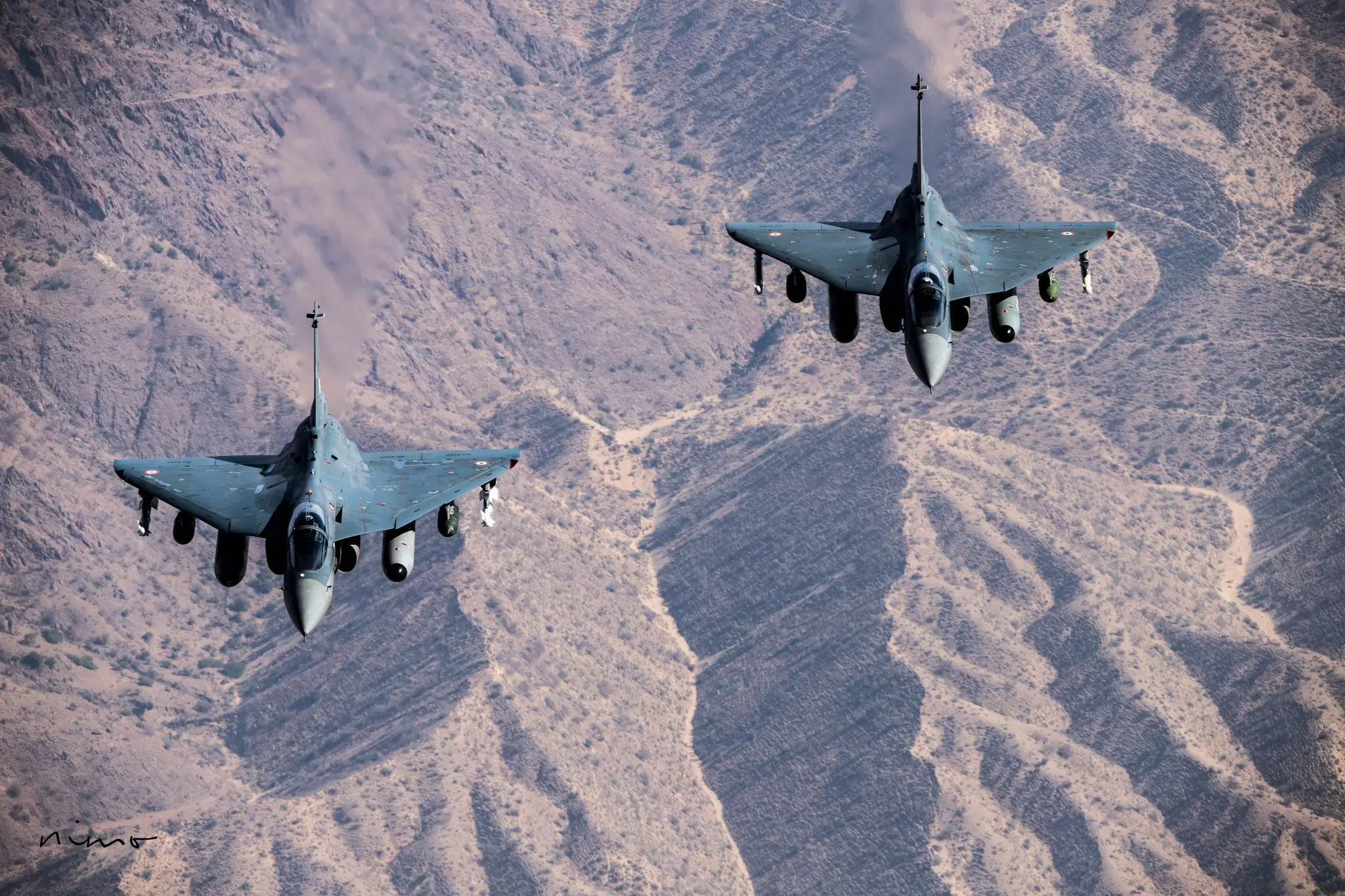
On the Tejas, the elevators are the surfaces that move up and down on the tail. When the pilot commands altitude change, the flight control computer calculates how much the elevator must move. If climbing, the elevator tilts up, pushing the nose upward. If descending, the elevator tilts down. The computer adjusts the elevator constantly during the climb to maintain a steady climb rate. If climbing too fast, it reduces elevator deflection slightly. If climbing too slowly, it increases it. This happens automatically so the climb stays smooth and steady.
Pitch Attitude Protection During Rapid Changes
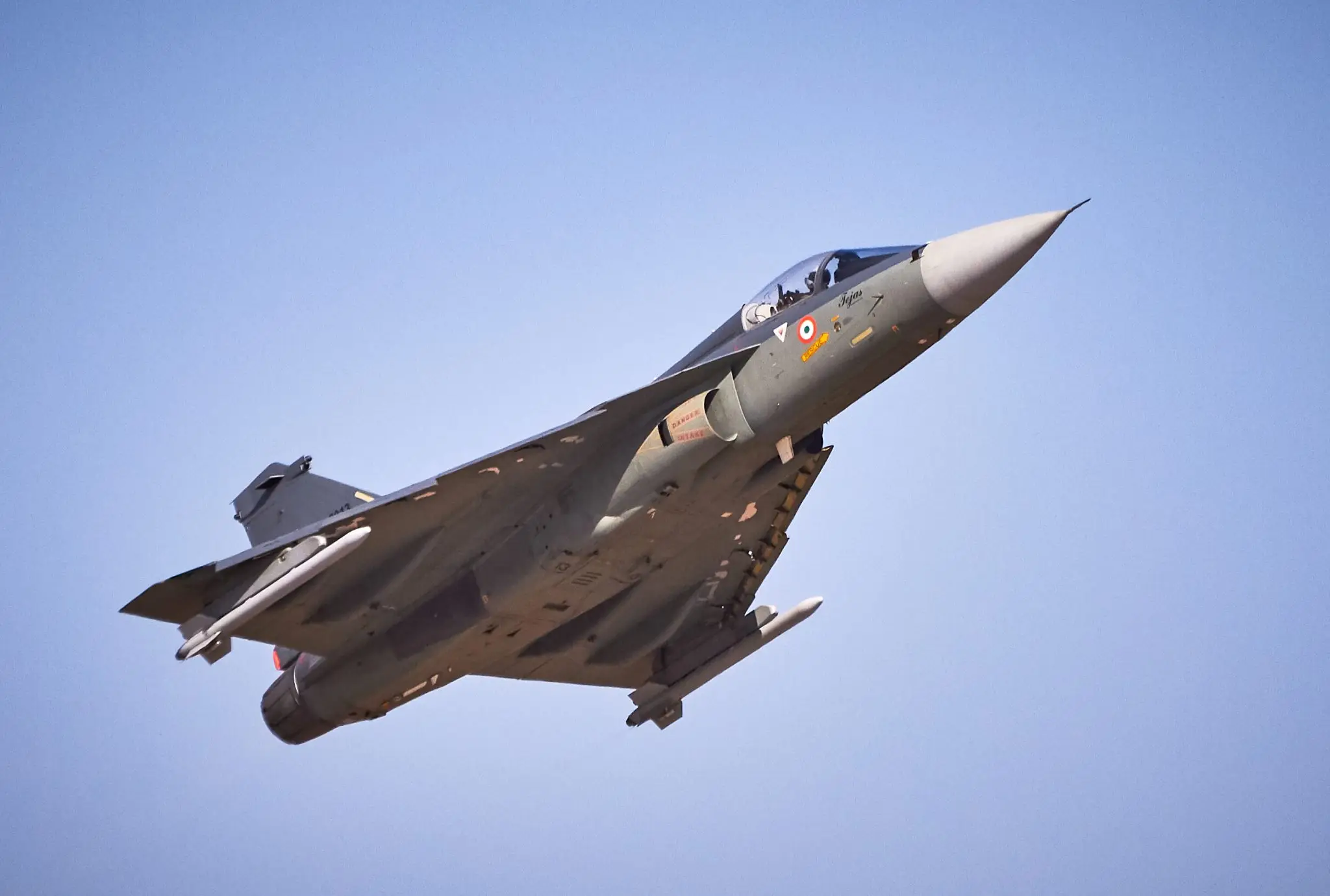
During rapid altitude changes, the aircraft could pitch too steeply if the computer corrects too aggressively. The Tejas has pitch attitude protection to prevent this. The flight control computer limits how steeply the nose can point up or down. If a pilot tries to make the aircraft climb too steeply, the computer limits it. This prevents the wings from stalling at high angles of attack. If a pilot tries to descend too steeply, the computer limits that too. This protection lets pilots make aggressive manoeuvres without losing control. The computer keeps the aircraft flying within safe limits.
Flap Compensation During Altitude Adjustments
When the Tejas deploys its flaps for landing or turning, the aerodynamics change suddenly. The flaps create extra lift and drag. This changes the pitch of the aircraft. Without compensation, the nose would pitch up or down unexpectedly. The Tejas has a flap compensation system. When flaps deploy, the computer automatically adjusts the pitch to maintain level flight. The system measures flap position and makes tiny adjustments to the elevators. This happens so smoothly that the pilot feels no sudden pitch change. The aircraft stays perfectly level whilst flaps deploy.
Future Improvements In Altitude Control
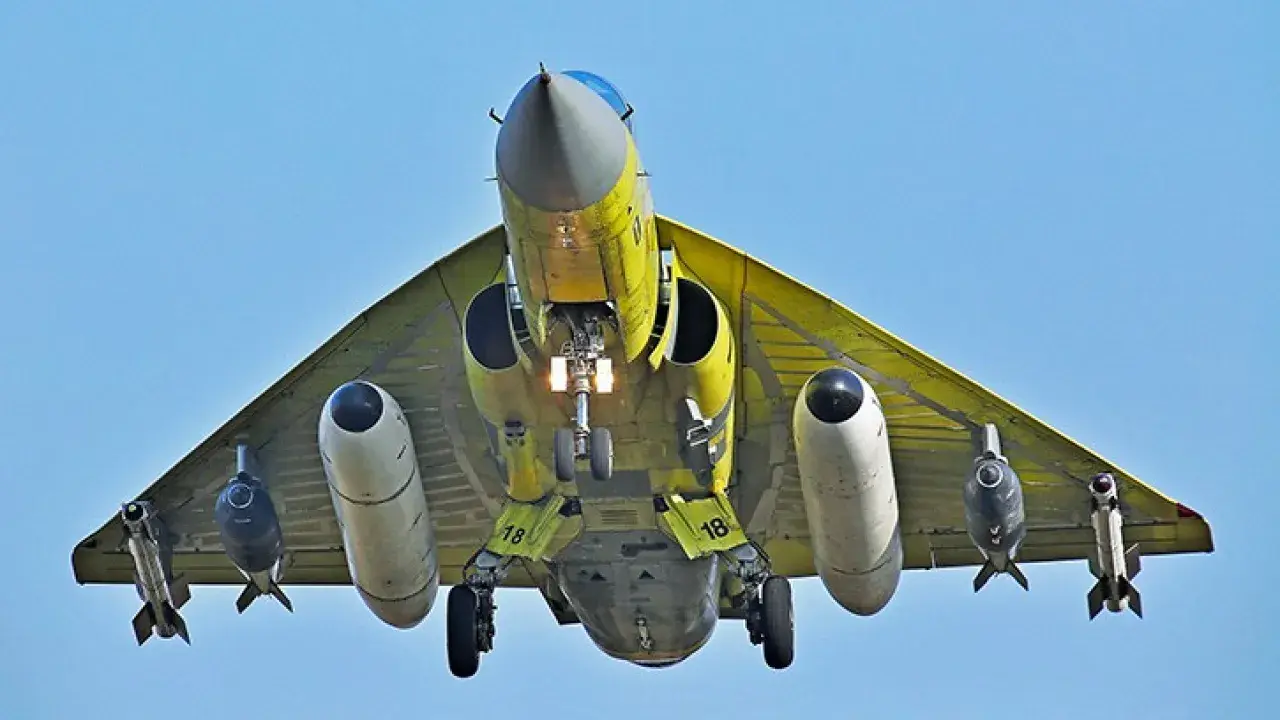
The current Tejas altitude hold mode keeps the aircraft within plus or minus 50 feet of the desired altitude. For future versions, engineers are working on better accuracy. The goal is to hold altitude within plus or minus 25 feet. This requires even faster sensors and quicker computer calculations. The Tejas Mk2 has tested successfully at altitudes up to 50,000 feet with high-G manoeuvres included. Each generation of Tejas will incorporate better altitude control. Future engines and control systems will allow even faster altitude changes without loss of control. The science of altitude management continues evolving.
)
)
)
)
)