How HAL’s LCH Prachand glass cockpit works: Flight controls, targeting displays and survivability systems

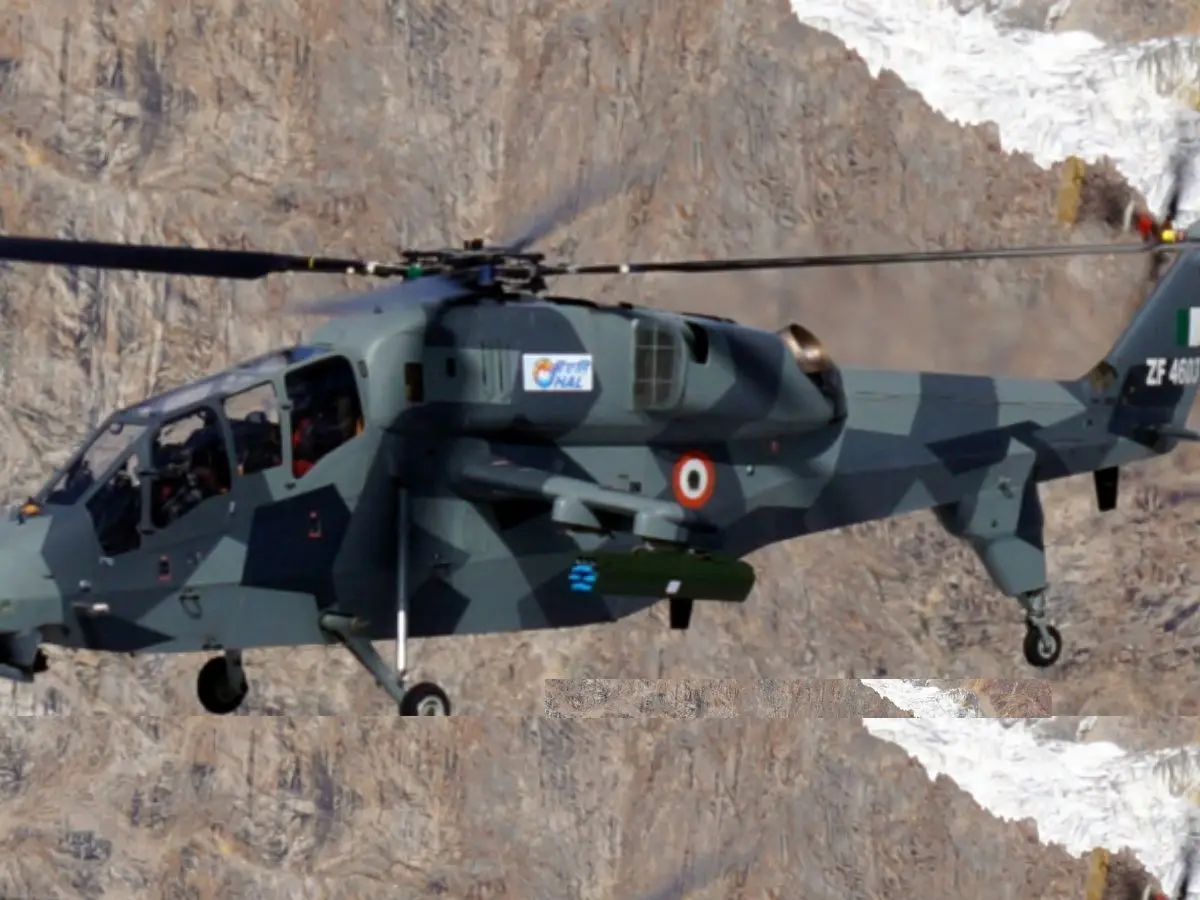
The LCH is the first indigenous multi-role combat helicopter for the Indian Air Force and Indian Army, and the cockpit systems of the helicopter plays a central role in delivering modern battlefield performance.
Introduction: India’s first indigenous attack helicopter
India's Light Combat Helicopter (LCH) was proposed to meet IAF’s requirement of a dedicated light helicopter for combat operations. Later named ‘Prachanda’ at its induction on October 3, 2022, the helicopter was designed and developed by Hindustan Aeronautics Limited (HAL), marking a significant milestone in India’s defence aerospace capability. According to the Press Information Bureau, the LCH is the first indigenous multi-role combat helicopter for the Indian Air Force and Indian Army, and the cockpit systems of the helicopter plays a central role in delivering modern battlefield performance.

The glass cockpit concept
The LCH features a glass cockpit architecture that replaces separate analogue instruments with integrated digital displays. According to HAL’s official material, Prachanda's cockpit hosts a multifunction display units.
Flight controls and avionics integration
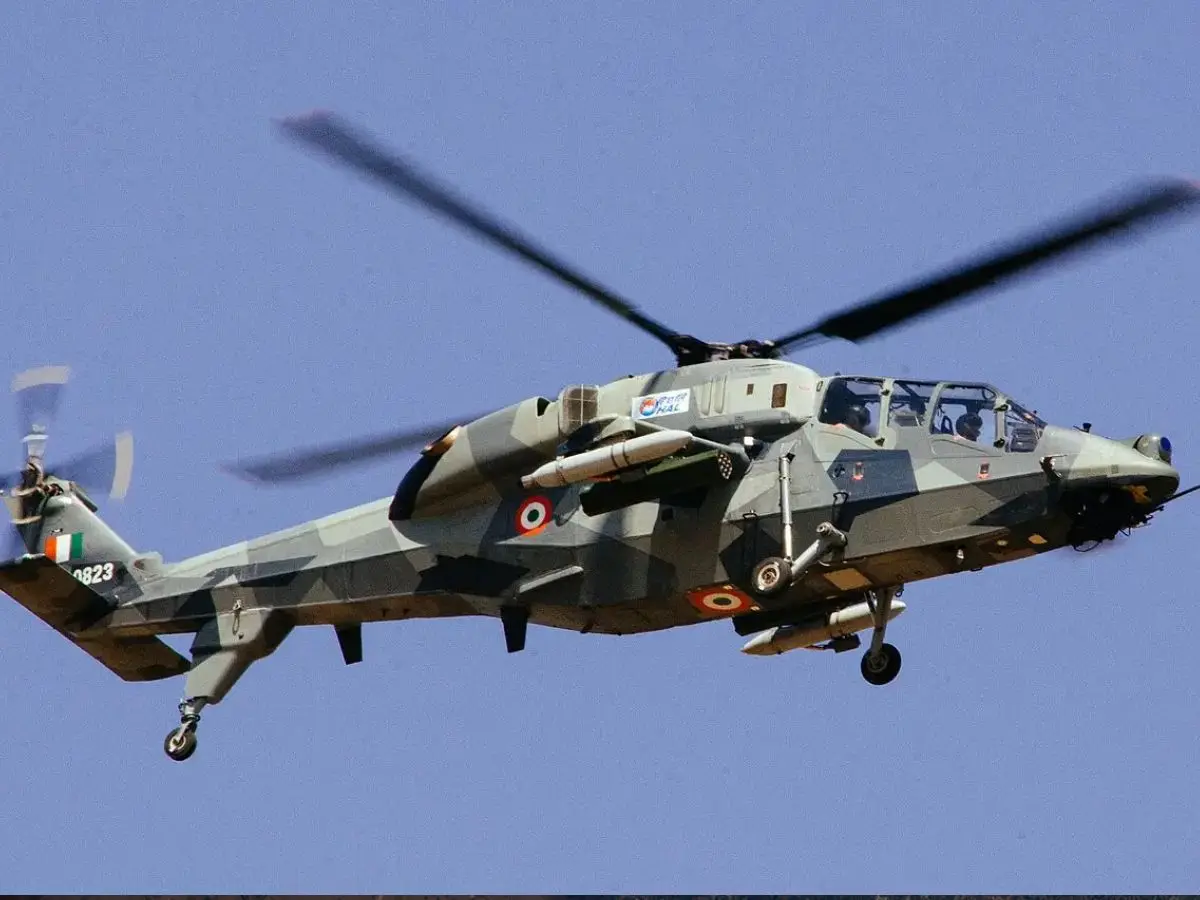
The LCH’s flight controls are interfaced with avionics systems that support automatic stability and control. HAL notes that the cockpit avionics suite includes (very high frequency) VHF and (Ultra high frequency) UHF communications, intercom systems, flight data and cockpit voice recorders, emergency locator transmitters and a digital video recorder system. All these systems contribute to situational awareness and operational continuity.

Helmet-mounted display system
A central element of the LCH’s targeting capability and it's performance is the helmet-mounted display system (HMDS). HMDS displays symbology of sensors or weapons on Pilot's sight through electromagnetic tracking, thus allowing pilots to aim them simply by looking at the target.
Night operations and sensor interfaces
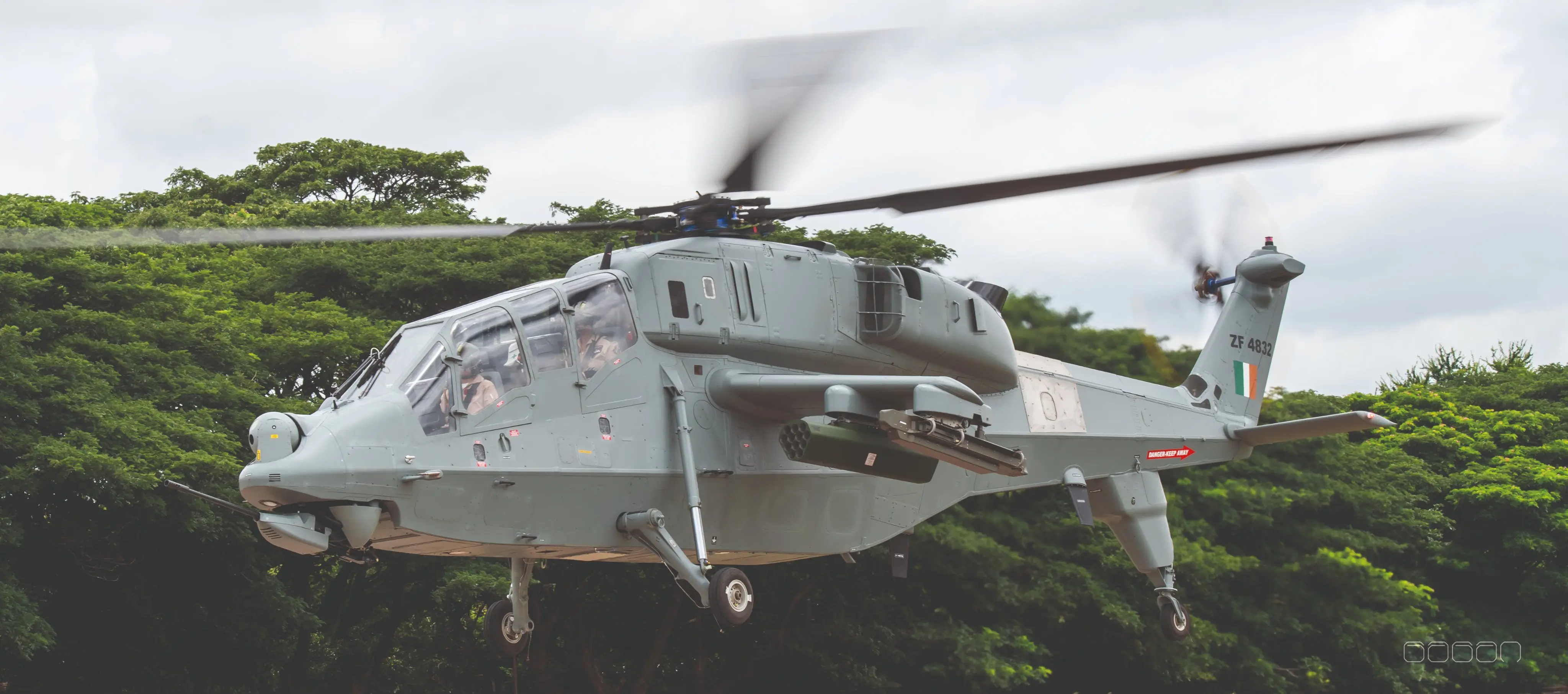
The LCH cockpit is designed to interface with night vision goggles (NVG), oxygen systems for high-altitude operations along with HMDS sensors & displays. All the displays and controls are compatible with NVG use, thus enabling pilots to even conduct missions during reduced light conditions, at night, while maintaining a clear access to targeting and navigation data.

Targeting displays and weapon integration
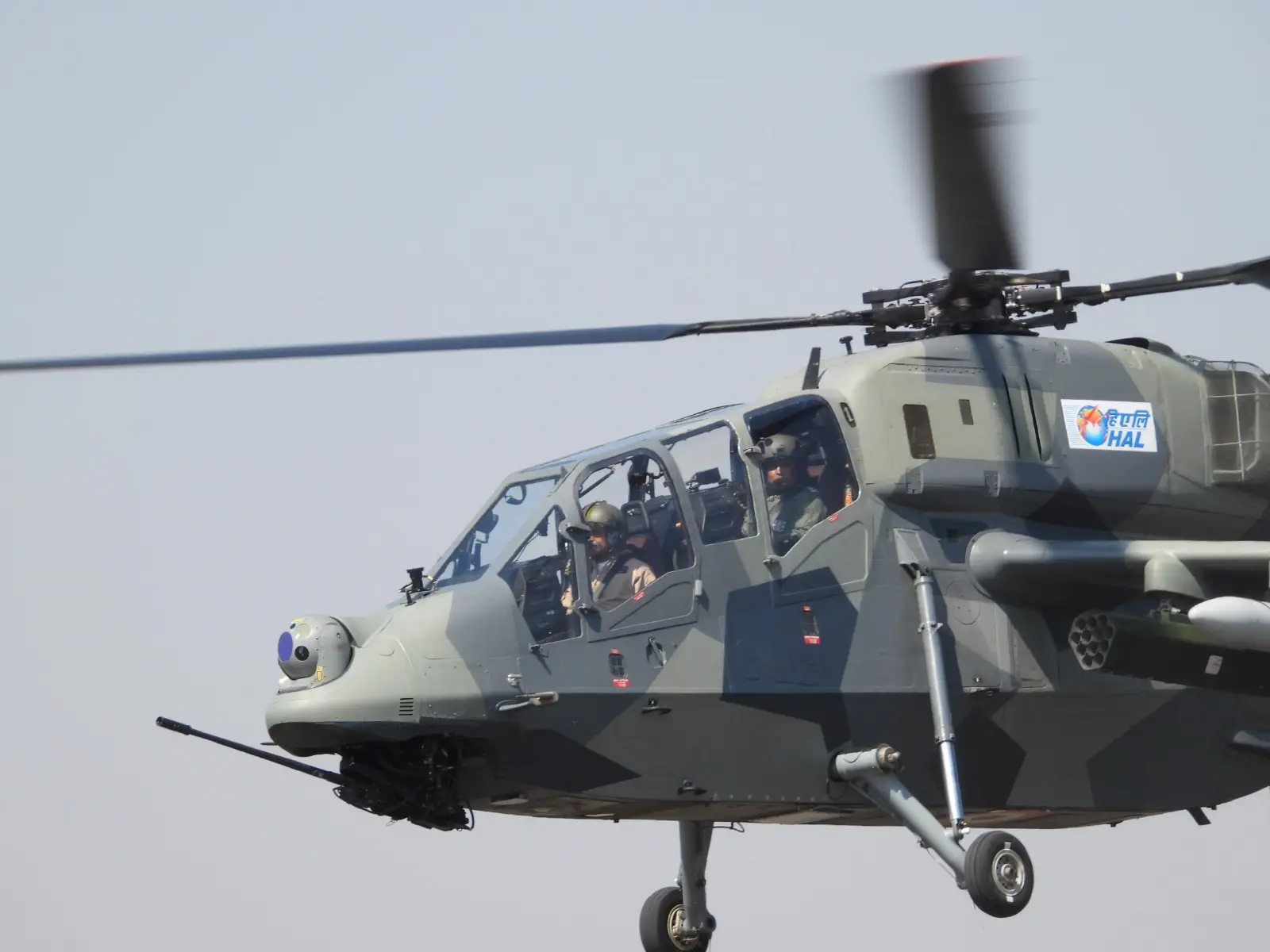
With the help of unified display, the crew can manage weapons such as the turret gun, rockets and guided missiles with greater situational awareness. The helicopter features a 70mm caliber rocket along with 20mm calibre gun mounted on the nose, capable of engaging soft and lightly armoured targets. The gun has a capability of firing at the rate if 800 rounds per minute and has a firing range upto 2 kms.
Conclusion: cockpit as combat centre
The LCH’s glass cockpit serves as both the flight control centre and combat interface, combining not only avionics, or communication, but also targeting and survivability systems into a very coherent, pilot-centric environment. This integration is fundamental to the helicopter’s capability to operate in diverse terrain and modern combat scenarios.
)
)
)
)
)