How gravity creates Einstein Ring's optical illusion?

For a perfect Einstein Ring to form, the distant source, the massive “lens” object (like a galaxy or black hole), and Earth must be precisely aligned. Without this alignment, we only see arcs or distorted shapes instead of a full circle.
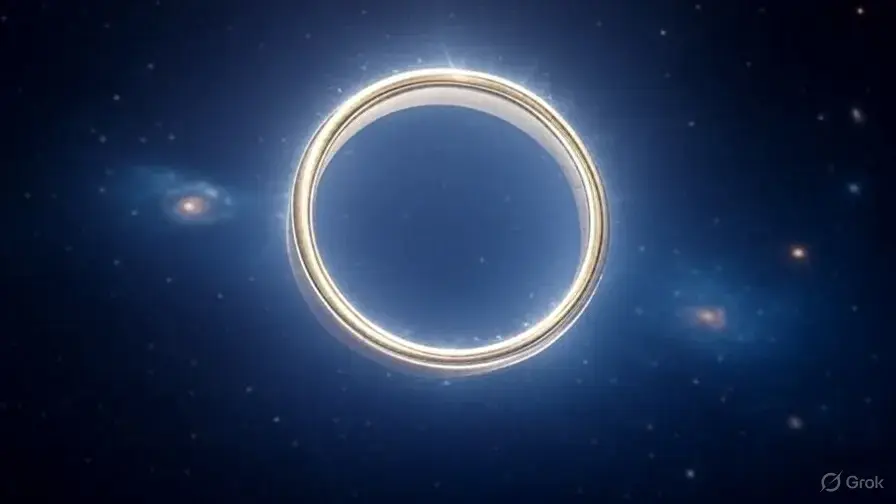
What is an Einstein Ring?
An Einstein Ring is a dazzling optical illusion in space where light from a distant galaxy or star is bent into a circle by the gravitational pull of a massive object lying between it and Earth.
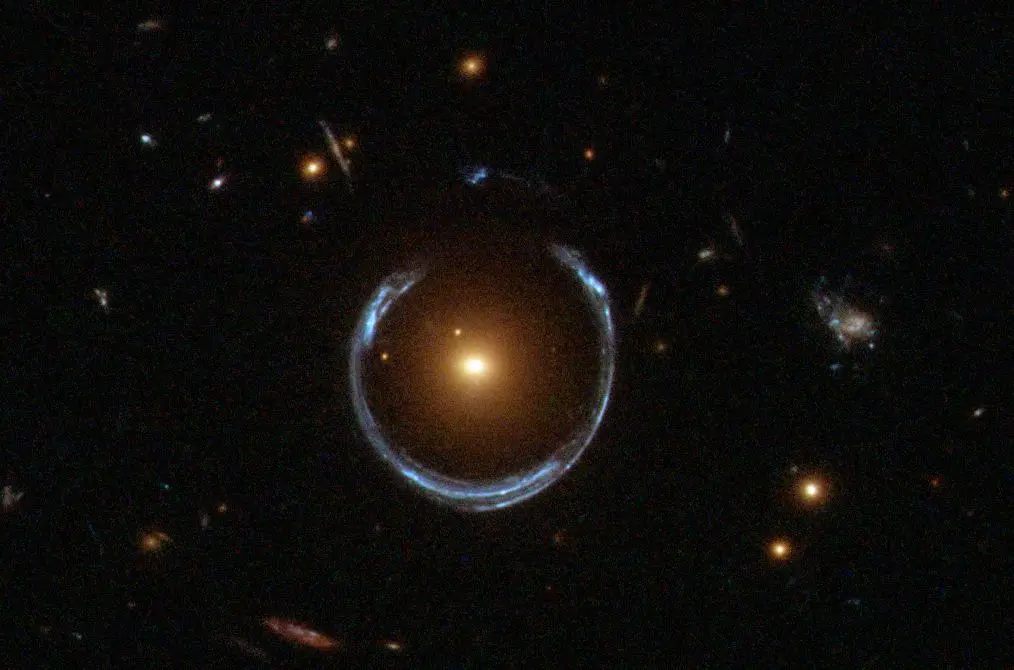
The science of gravity bending light
Einstein’s general relativity tells us that gravity doesn’t just pull on objects, it bends space and time itself. Light traveling through this warped space follows a curved path, making it look like the light is bending.
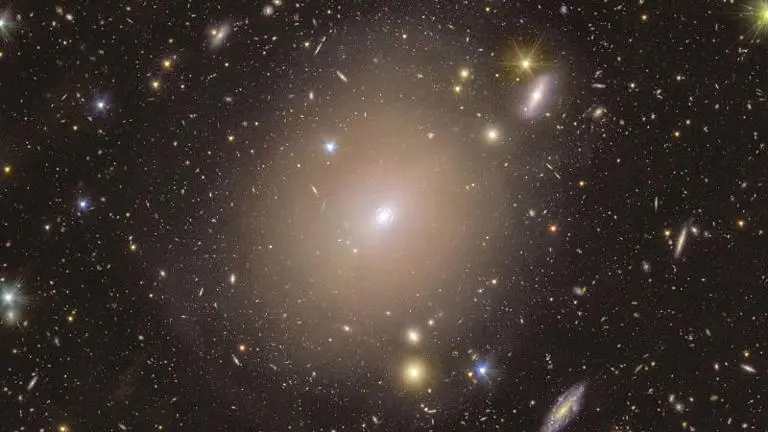
Alignment is everything
For a perfect Einstein Ring to form, the distant source, the massive “lens” object (like a galaxy or black hole), and Earth must be precisely aligned. Without this alignment, we only see arcs or distorted shapes instead of a full circle.
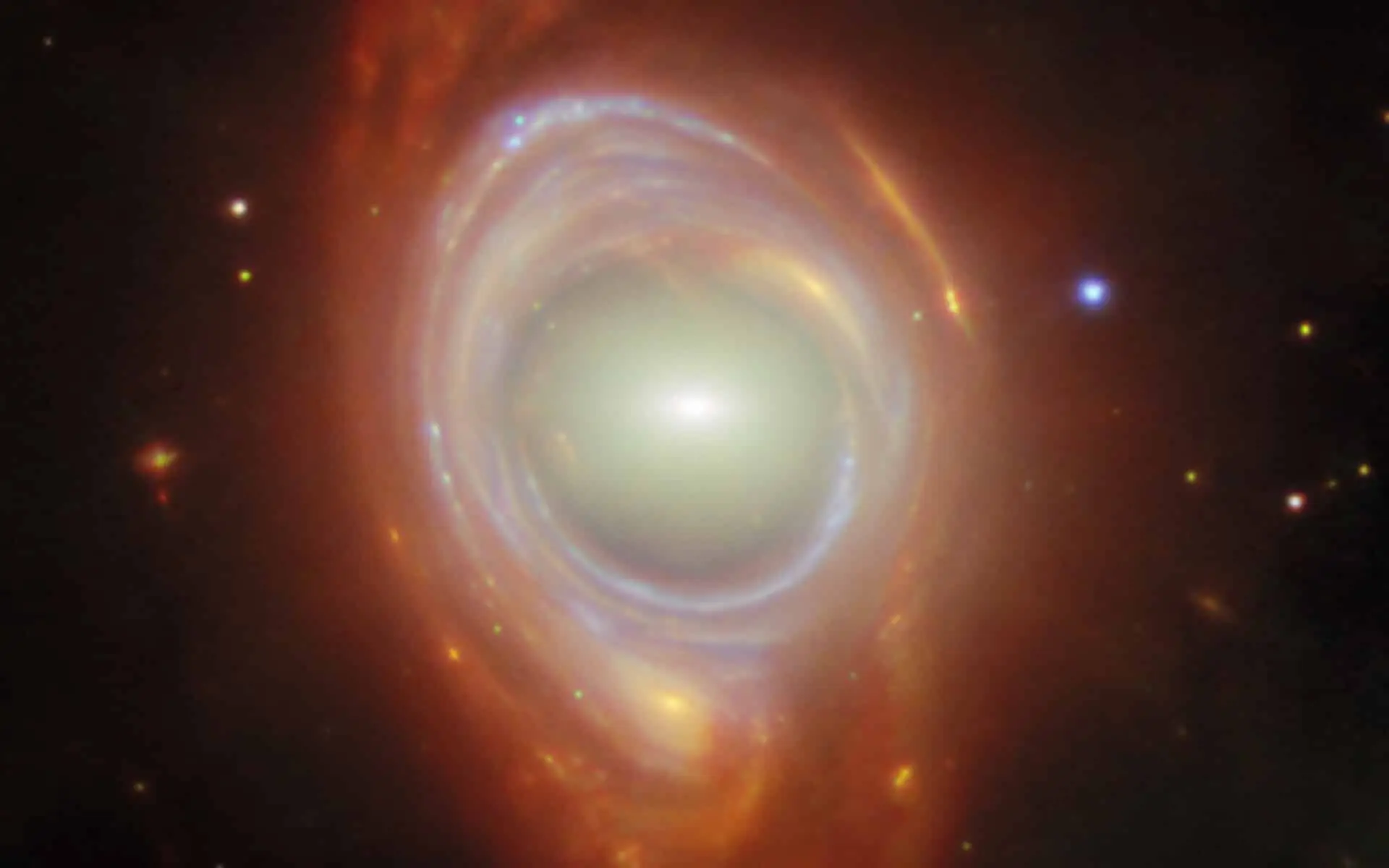
Why it looks like a ring
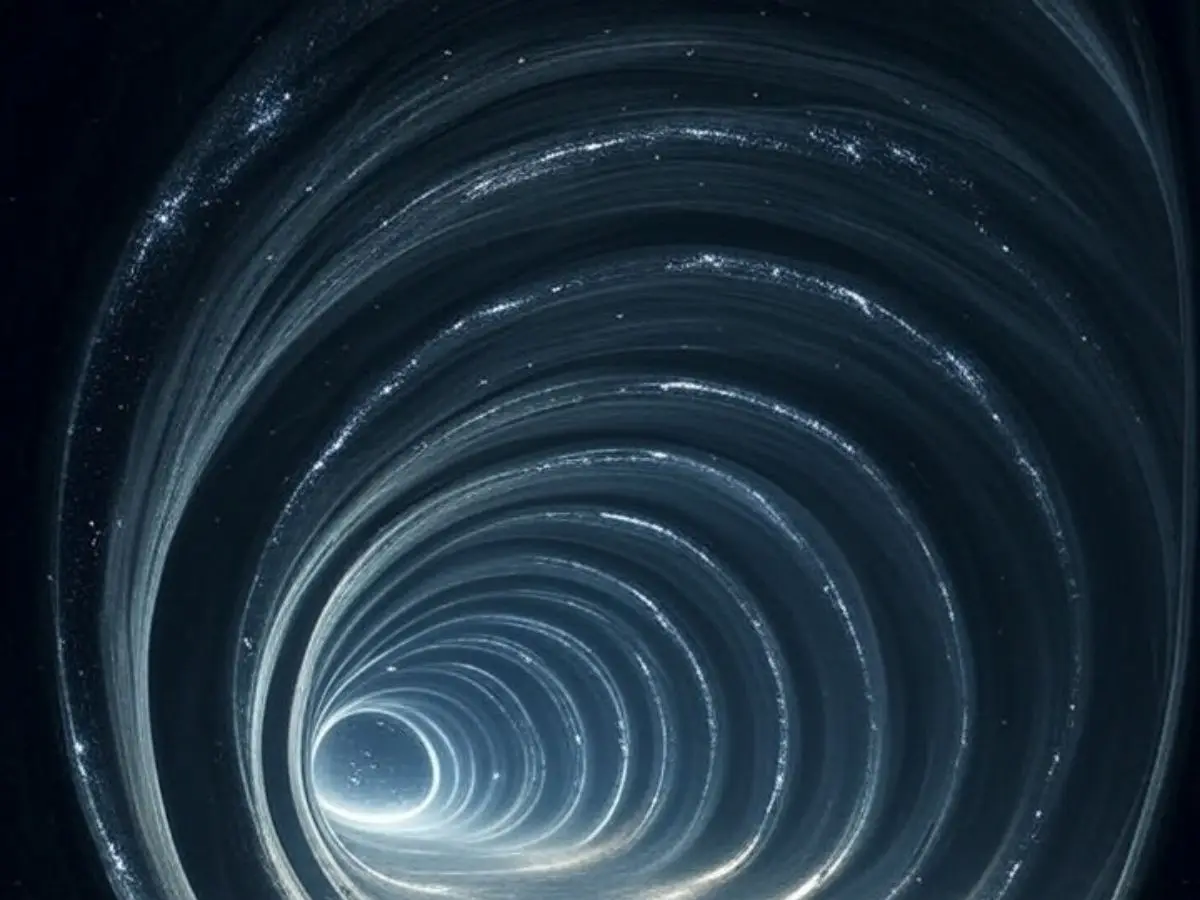
As the light curves equally in all directions around the massive lensing object, it reaches Earth as a glowing circle of light, a cosmic halo that looks like a perfect ring in space.
The magnifying effect
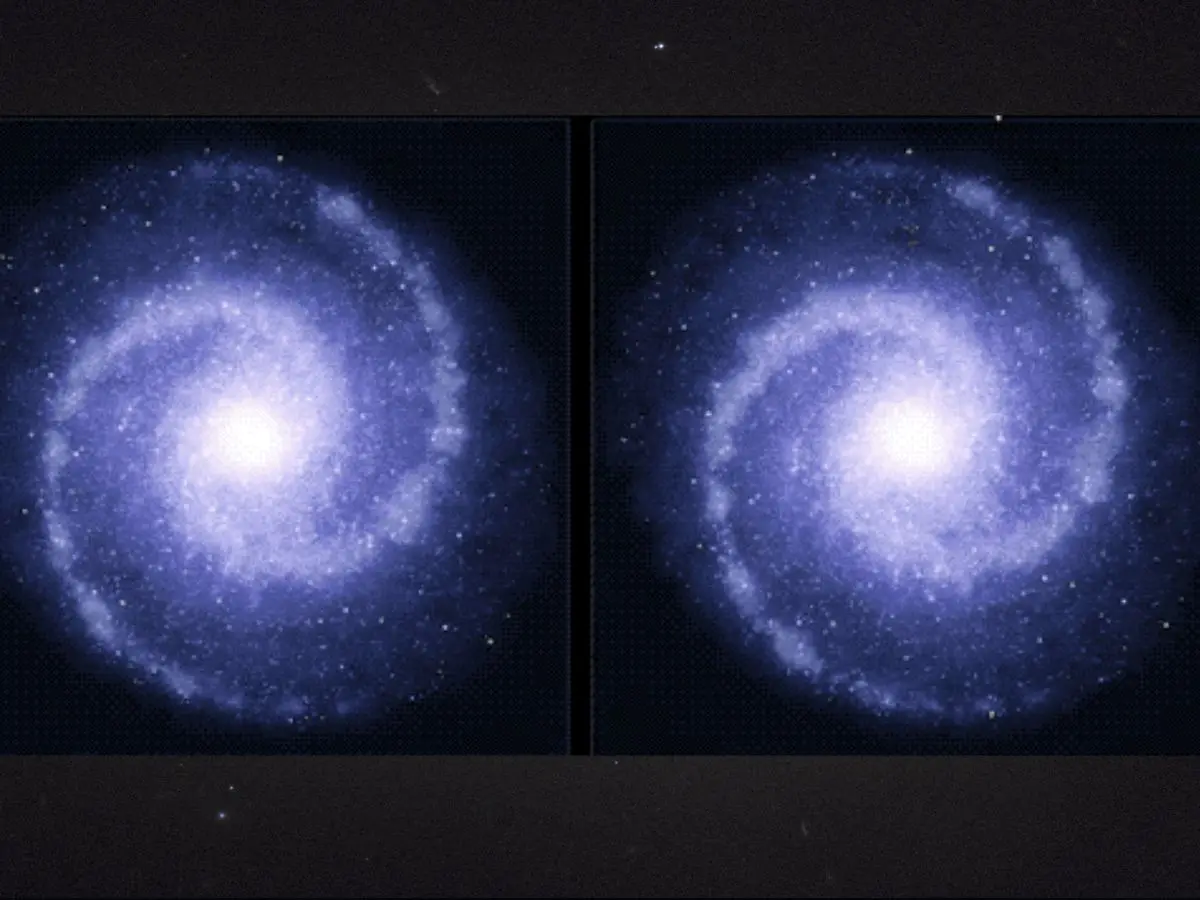
This gravitational lensing acts like nature’s telescope, magnifying galaxies so distant they’d normally be invisible. It lets scientists study the early universe, hidden galaxies, and faint cosmic structures.
Einstein’s prediction in action
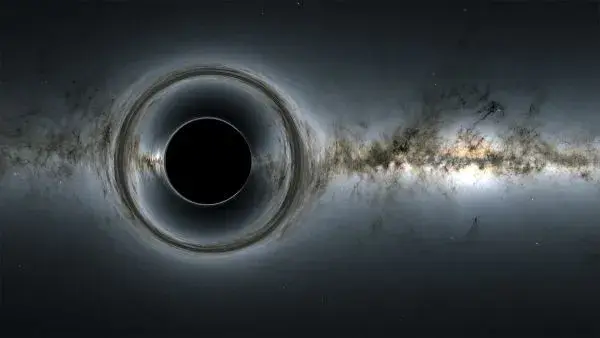
Albert Einstein first predicted light bending in 1915. More than a century later, Einstein Rings provide direct, visual proof of his theory, making them one of the most striking confirmations of modern physics.
Beyond the illusion
Einstein Rings are more than a visual wonder, they help astronomers map dark matter, measure cosmic expansion, and even hunt for exoplanets orbiting distant stars.
)
)
)
)
)