How global oil prices are impacting gold & silver markets

Global oil prices are not just a matter for petrol pumps, they have far-reaching effects on commodities like gold and silver. Analysts say rising crude prices often push precious metals higher, while declining oil can cool demand. Here’s how the connection works:

1. Inflation and Purchasing Power
When crude oil prices rise, production and transportation costs increase across the economy, leading to higher inflation. Investors often turn to gold and silver as hedges against inflation, driving up prices. According to Kitco News, a $10 rise in Brent crude historically correlates with a noticeable uptick in gold prices.
2. US Dollar Movements
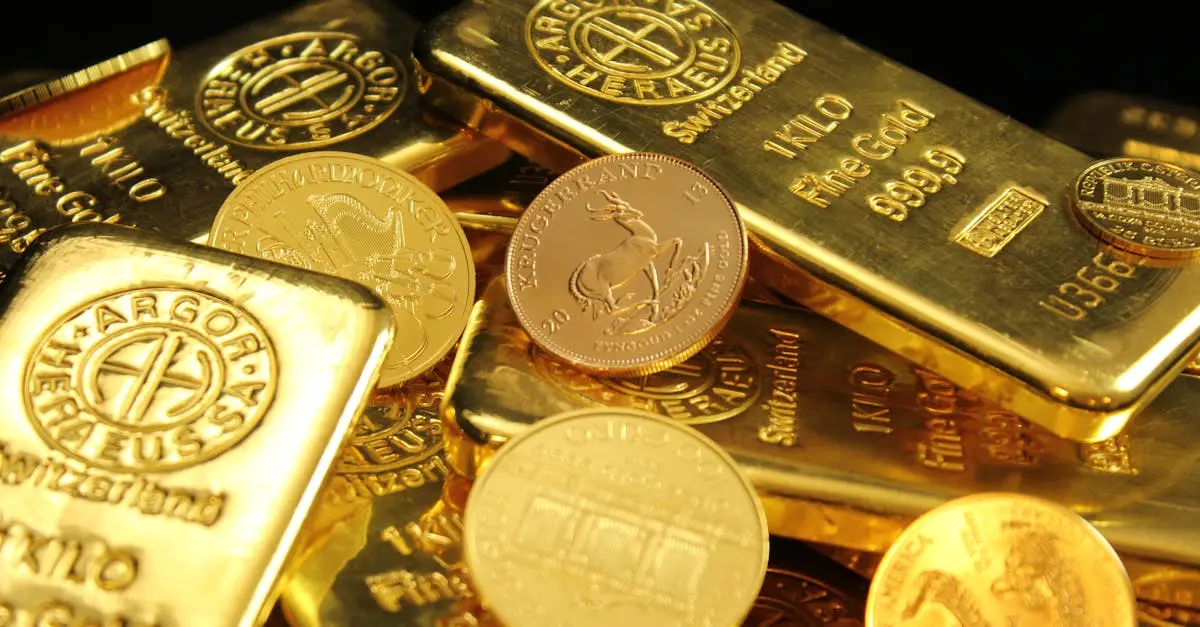
Oil is traded globally in US dollars. When oil prices surge, countries need more dollars to pay for imports, strengthening the currency. A stronger dollar can pressure gold and silver prices, as these metals become costlier for non-dollar holders. Analysts at Investing.com note this inverse relationship as a key factor for short-term price swings.

3. Energy Costs in Mining
Mining gold and silver is energy-intensive. Higher crude prices increase operational costs for miners, which can reduce supply or increase metal prices. World Gold Council data shows that surges in energy prices have historically coincided with spikes in mining costs and metal prices.
4. Investor Sentiment
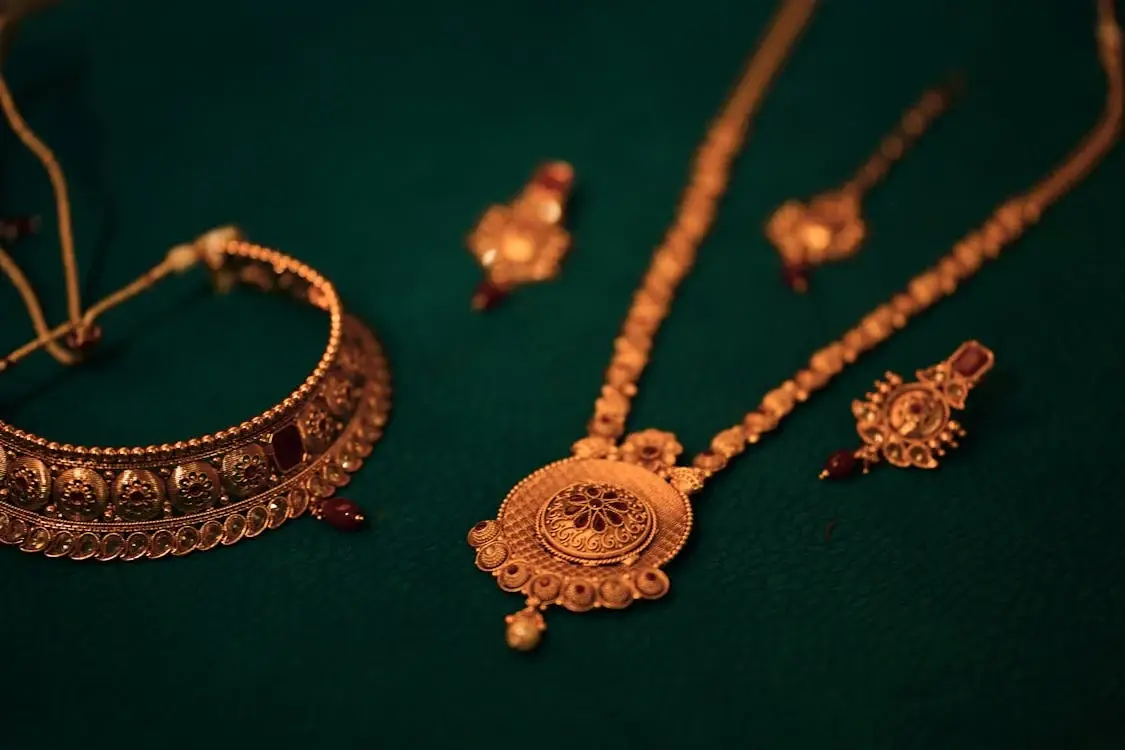
Oil price volatility affects investor confidence in equities and bonds. During periods of oil instability, markets often see a flight to safety, with investors preferring tangible assets like gold and silver. Reuters reports that geopolitical tensions affecting oil supply often trigger simultaneous jumps in precious metal prices.
5. Industrial Demand
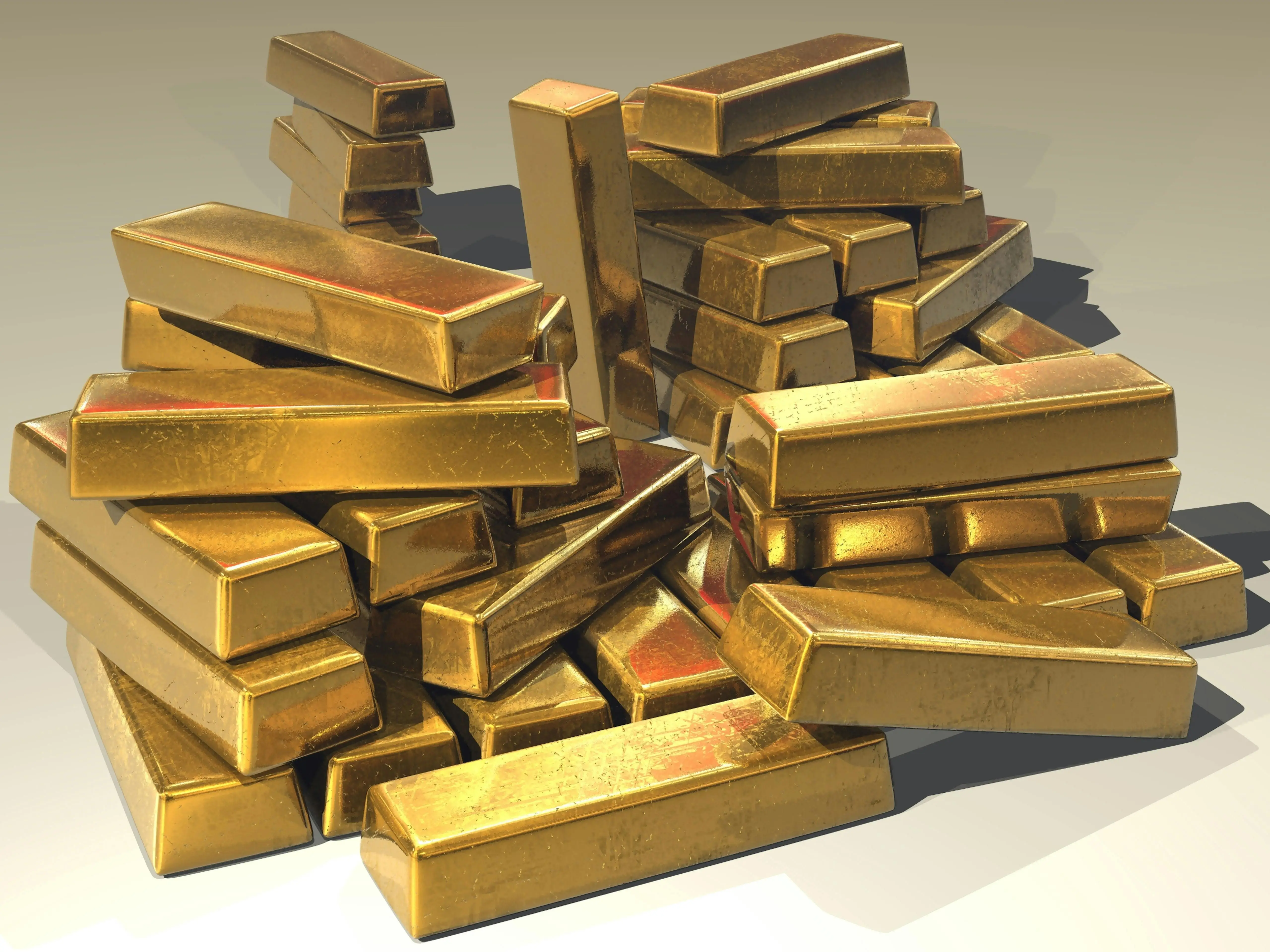
Silver, unlike gold, has significant industrial applications, including electronics and solar panels. Higher energy costs can slow industrial production, potentially reducing silver demand. Conversely, gold remains largely an investment asset, so its price reacts more to economic uncertainty than industrial use.
6. Global Economic Growth
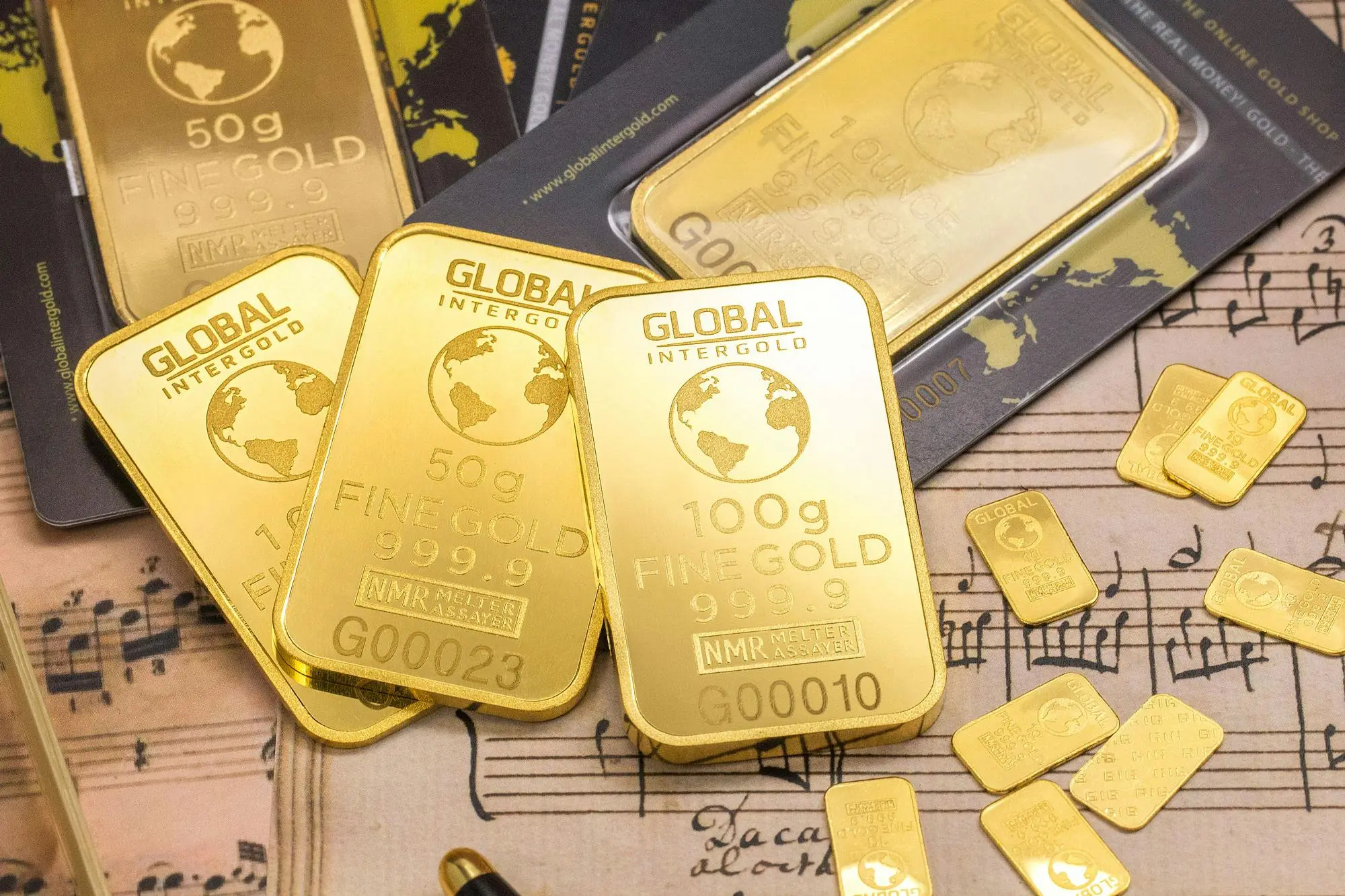
Sustained high oil prices can slow global economic growth, affecting commodity demand. Analysts from Bloomberg suggest that moderate oil prices are generally positive for gold and silver, as they maintain inflation pressure without severely damping industrial activity.
7. Market Outlook
With the current energy market seeing fluctuations due to geopolitical tensions and OPEC decisions, gold and silver are expected to remain volatile yet attractive. According to Trading Economics, traders are closely watching oil trends as a leading indicator for precious metal prices in the coming months.
)
)
)
)
)