How fighter pilots train their bodies to survive violent G-forces

Fighter pilots train in centrifuges to survive brutal 9-G forces. With breathing techniques, G-suits, and fitness conditioning, they push human limits far beyond normal tolerance. But mastering high-G pressure is more science than strength and one mistake can knock a pilot out instantly.
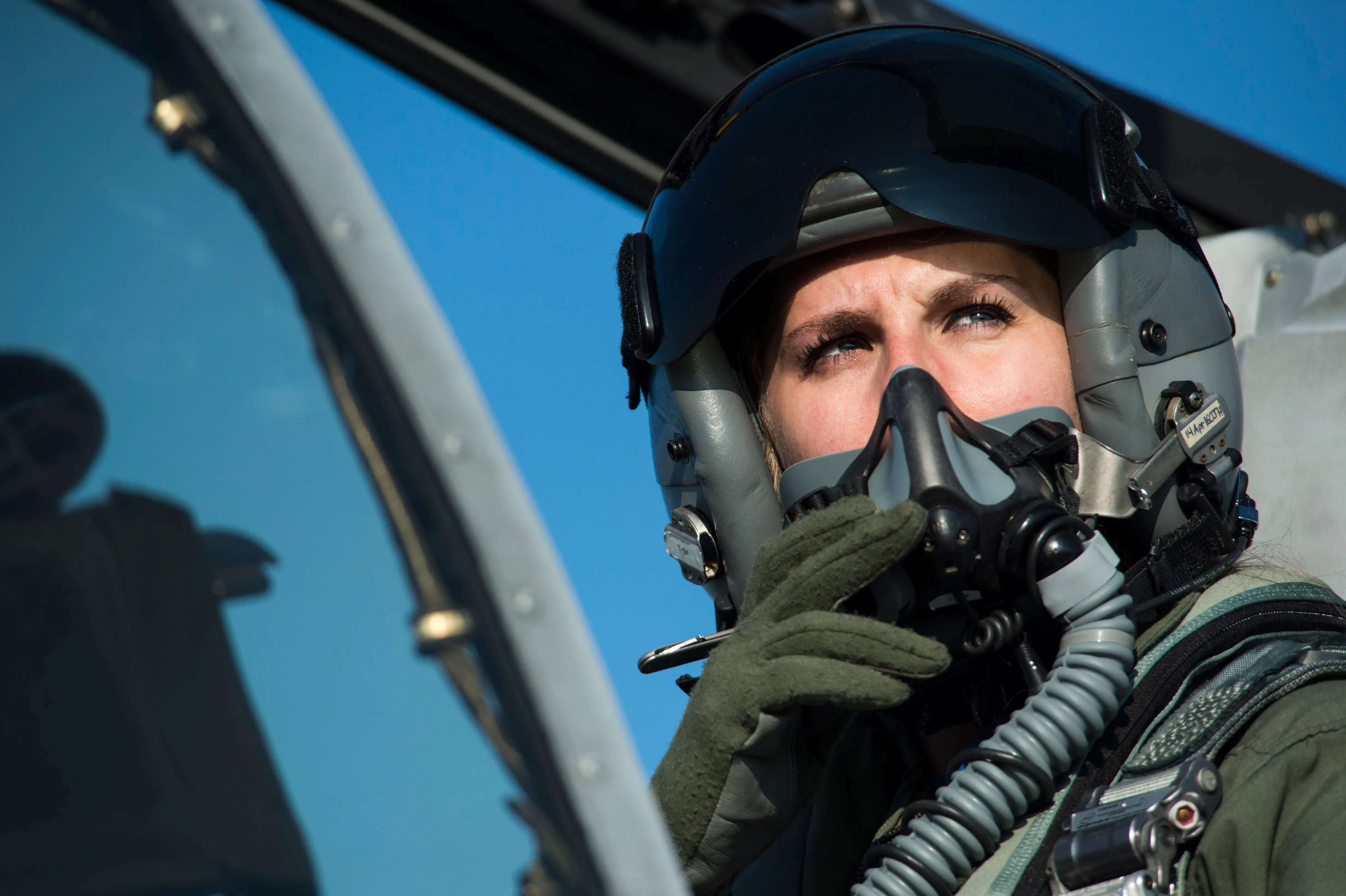
Centrifuge Training Simulates Combat
Fighter pilots train in centrifuges that spin them around at extreme speeds. The centrifuge arm extends 20 feet from the centre. Hydraulic systems accelerate to 6 G-forces per second. The pilot sits in a simulated cockpit at the end of the arm. This safe environment teaches them to survive extreme G-forces.
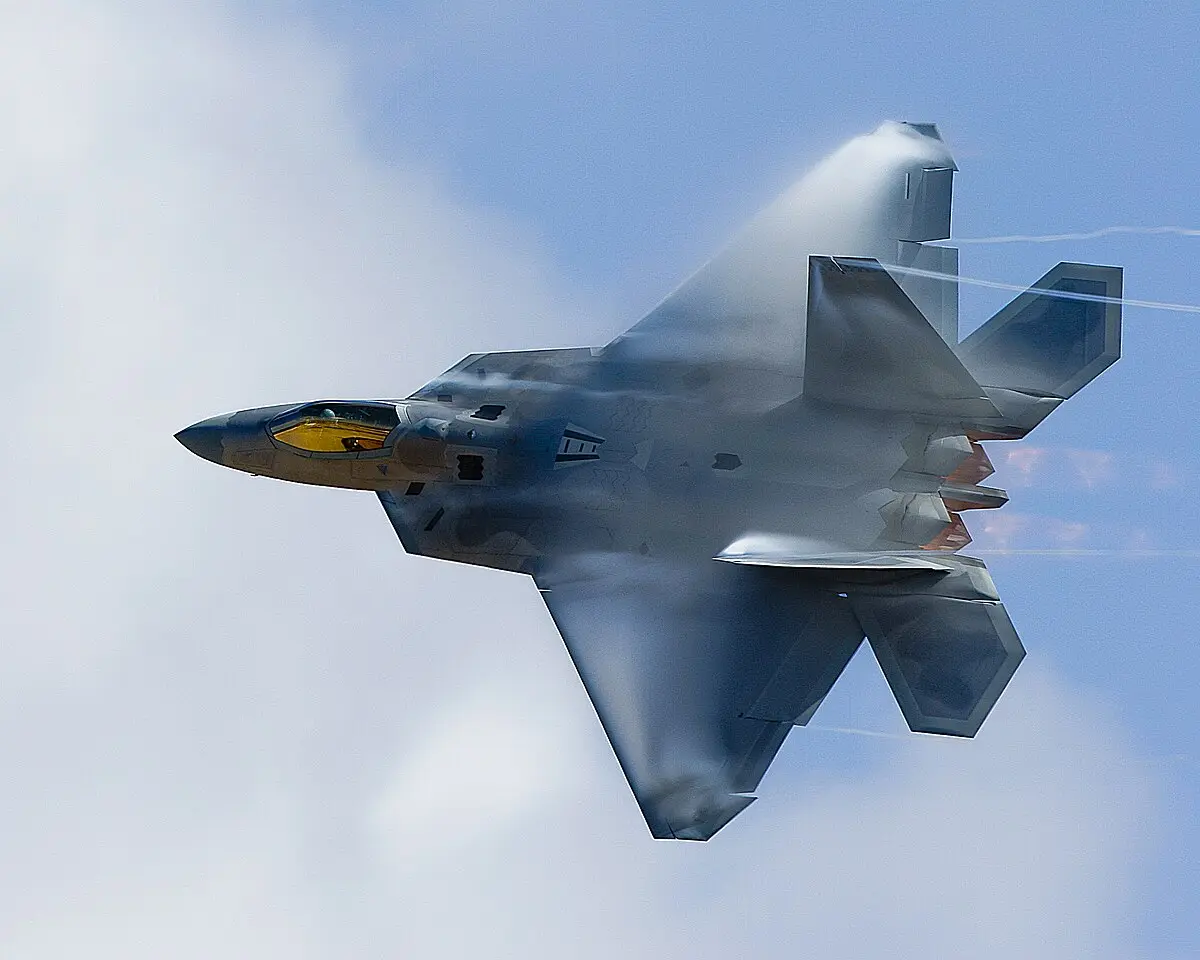
Relaxed Tolerance Before Training
Without any training, humans can tolerate only 4.5 to 5.2 G-forces. At this level, blood pools in the legs and vision greying occurs. The brain receives insufficient blood flow. Fighter pilots start training with this baseline tolerance. Through training, they increase tolerance dramatically.
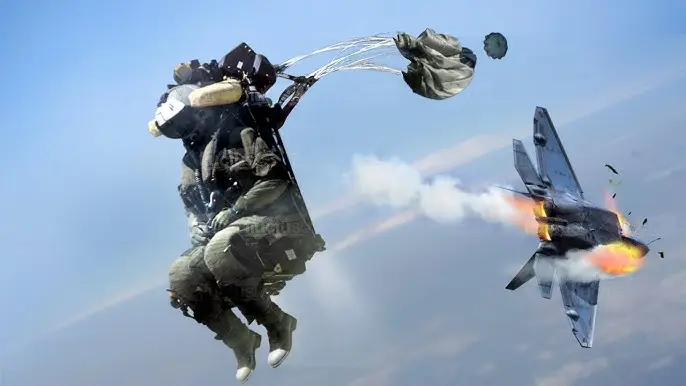
The Anti-G Straining Manoeuvre
The anti-G straining manoeuvre combines two techniques. First, pilots breathe forcefully against a closed throat every 3 seconds. Second, they contract leg and abdominal muscles intensely. This creates pressure that keeps blood flowing to the brain. Properly done, AGSM adds 4 G-forces of protection.
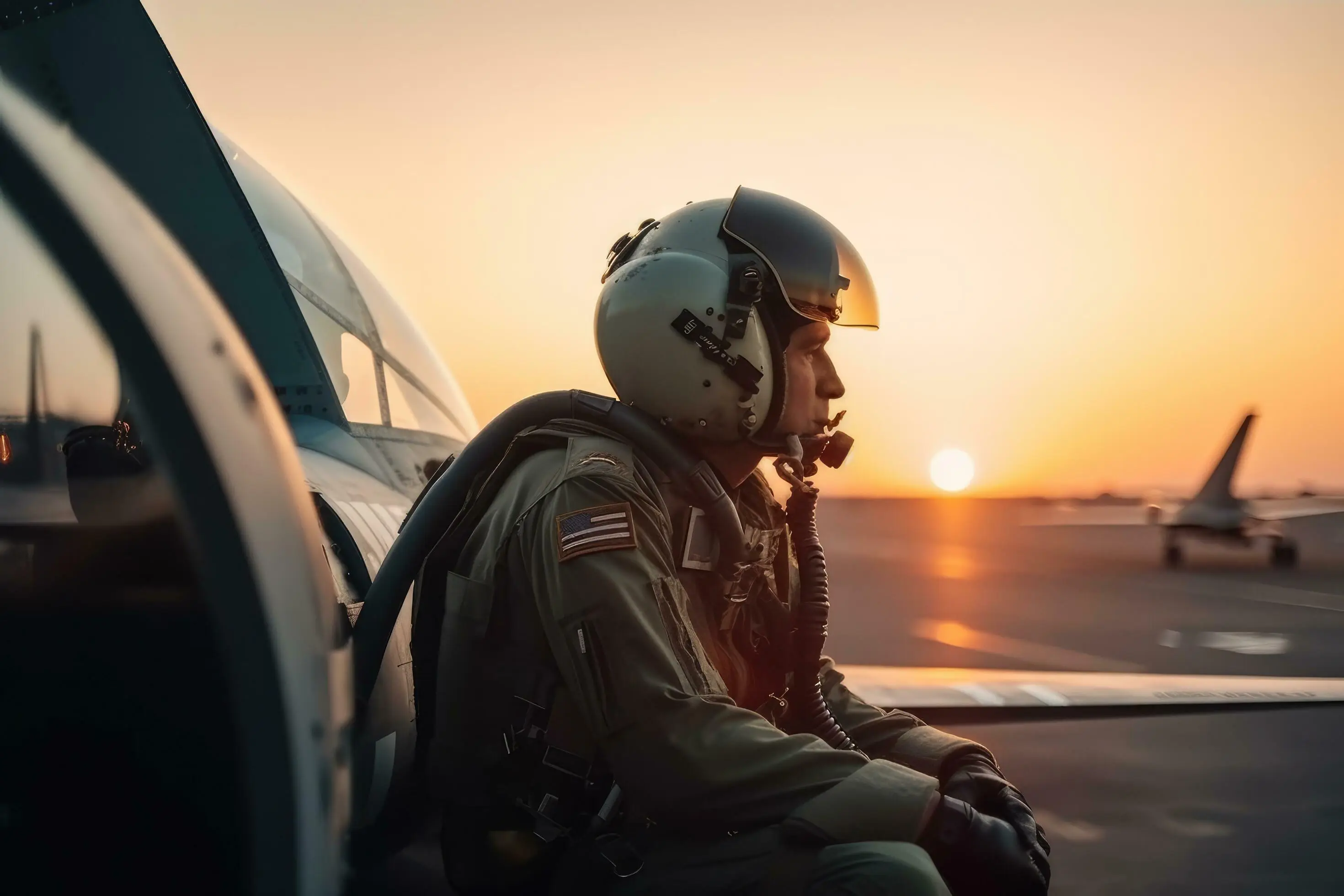
The Three-Layer Protection System
Fighter pilots combine three protection methods. The baseline relaxed tolerance is 4.5 G. The G-suit adds 1 G protection through inflation. The AGSM technique adds 4 G protection through breathing and muscle tension. Combined, they reach approximately 9 G tolerance.
Physical Conditioning Programme
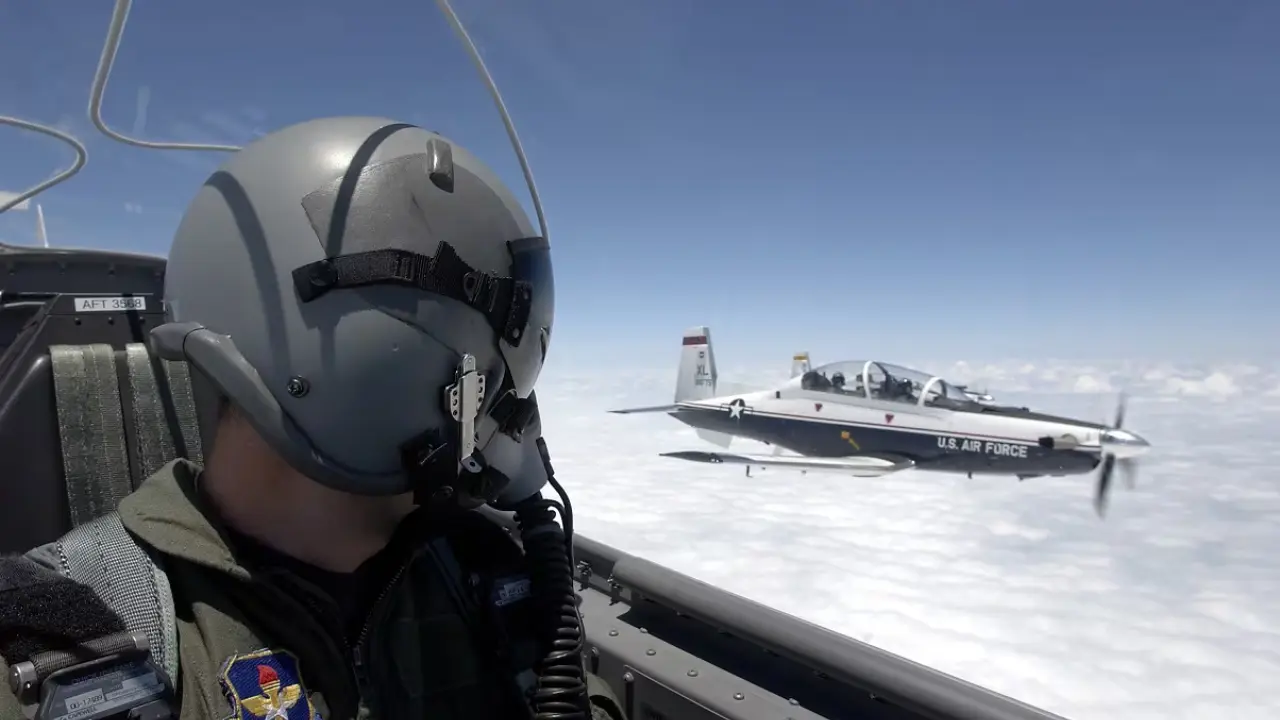
Pilots undergo comprehensive physical training. Cardiovascular training strengthens the heart and improves circulation. Leg strength training builds muscle mass to support the G-suit. Core training improves overall stability and muscle control. Without this conditioning, pilots cannot perform AGSM effectively.
The Breathing Technique
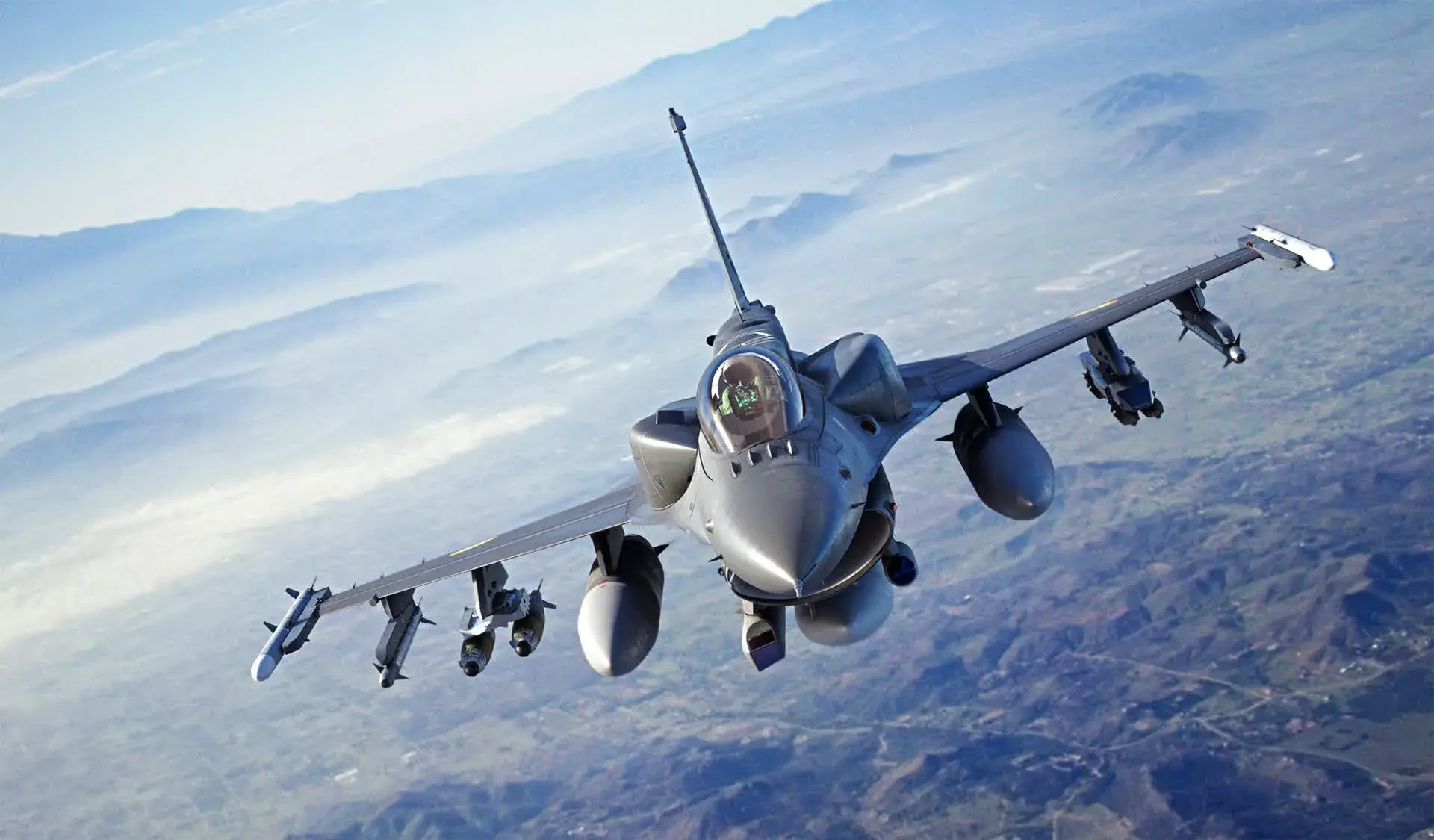
During high-G, pilots use specific breathing patterns. They strain against a closed glottis for 3 seconds. They take a quick breath. They return to straining. This pattern repeats continuously. Poor timing worsens oxygen flow to the brain. Perfect timing maintains consciousness.
Safety And Physiological Monitoring
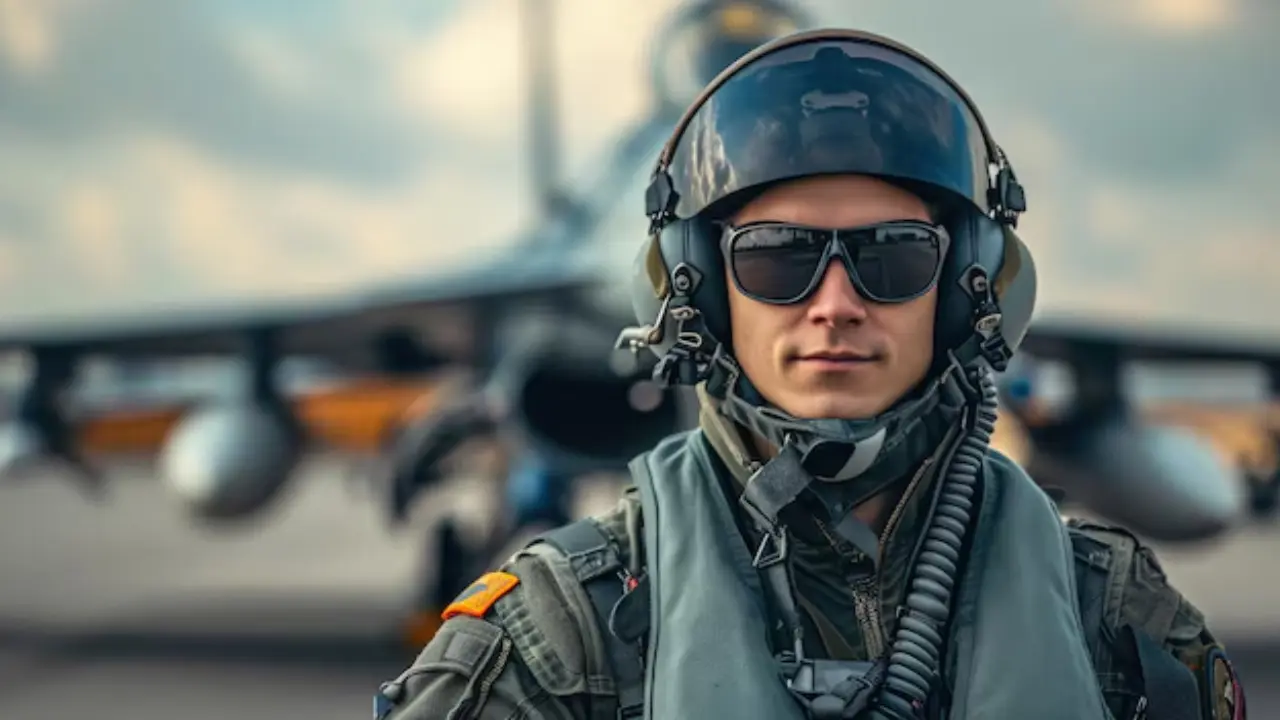
During centrifuge training, aviation physiologists monitor each pilot's heart rate and blood pressure. They watch for signs of stress or improper technique. Heart rate increase indicates proper baroreflex activation. Fast heart rate recovery shows good physical fitness. Pilots who fail to recover quickly need more conditioning.
)
)
)
)
)