How fighter jets refuel mid-air at supersonic speed and high altitude?

Aerial refuelling helps fighter jets fly farther and stay in action by transferring fuel at high altitude. Precise flying and smart systems make the process smooth for pilots, even at fast speeds. Know more below.
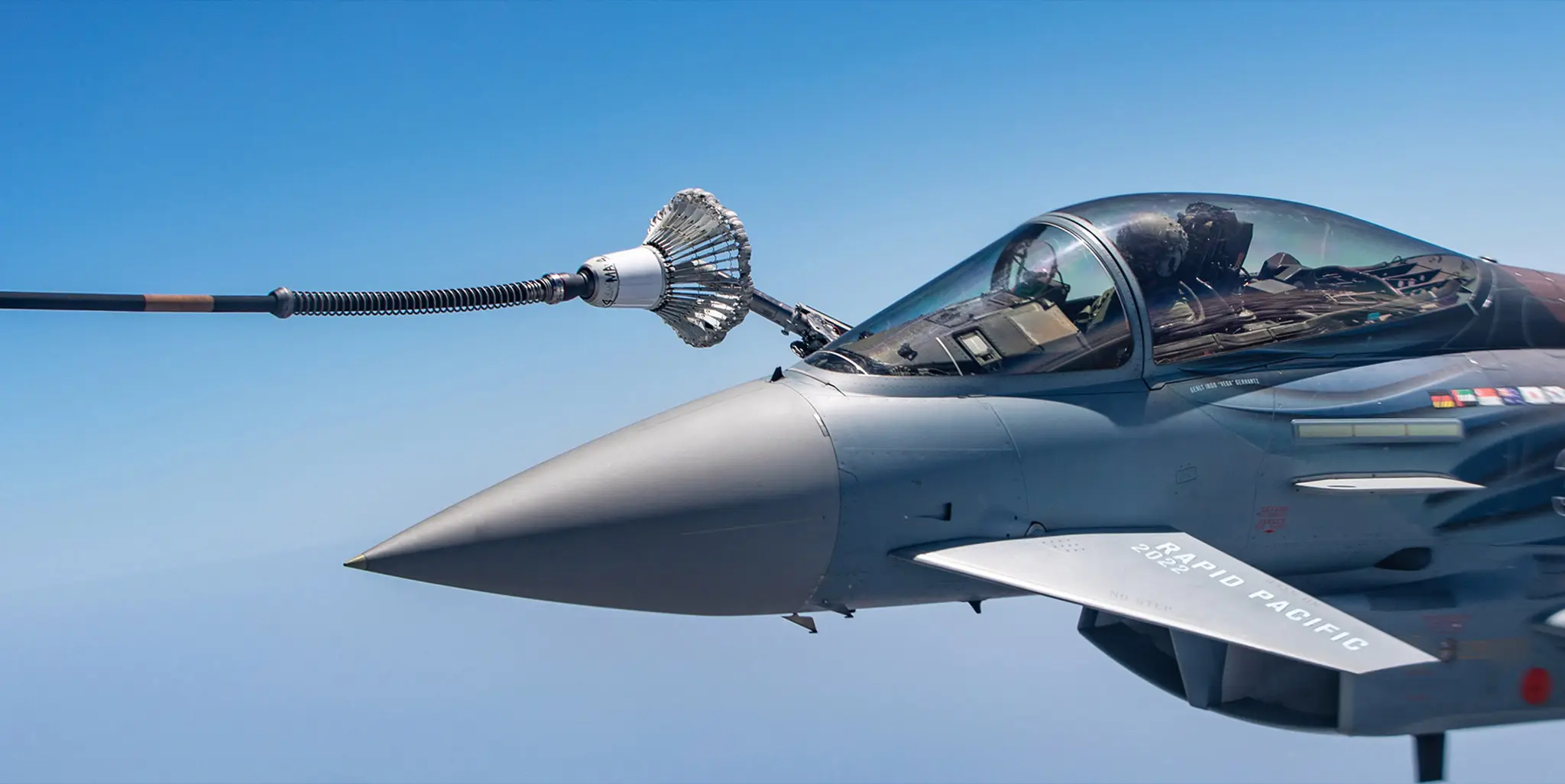
Aerial Refuelling in fighter jets
Aerial refuelling is when one aircraft supplies fuel to another while flying in the sky. It helps fighter jets travel further and stay in the air longer, even during long missions. This is done with tankers that carry extra fuel and special systems to connect with the jets.
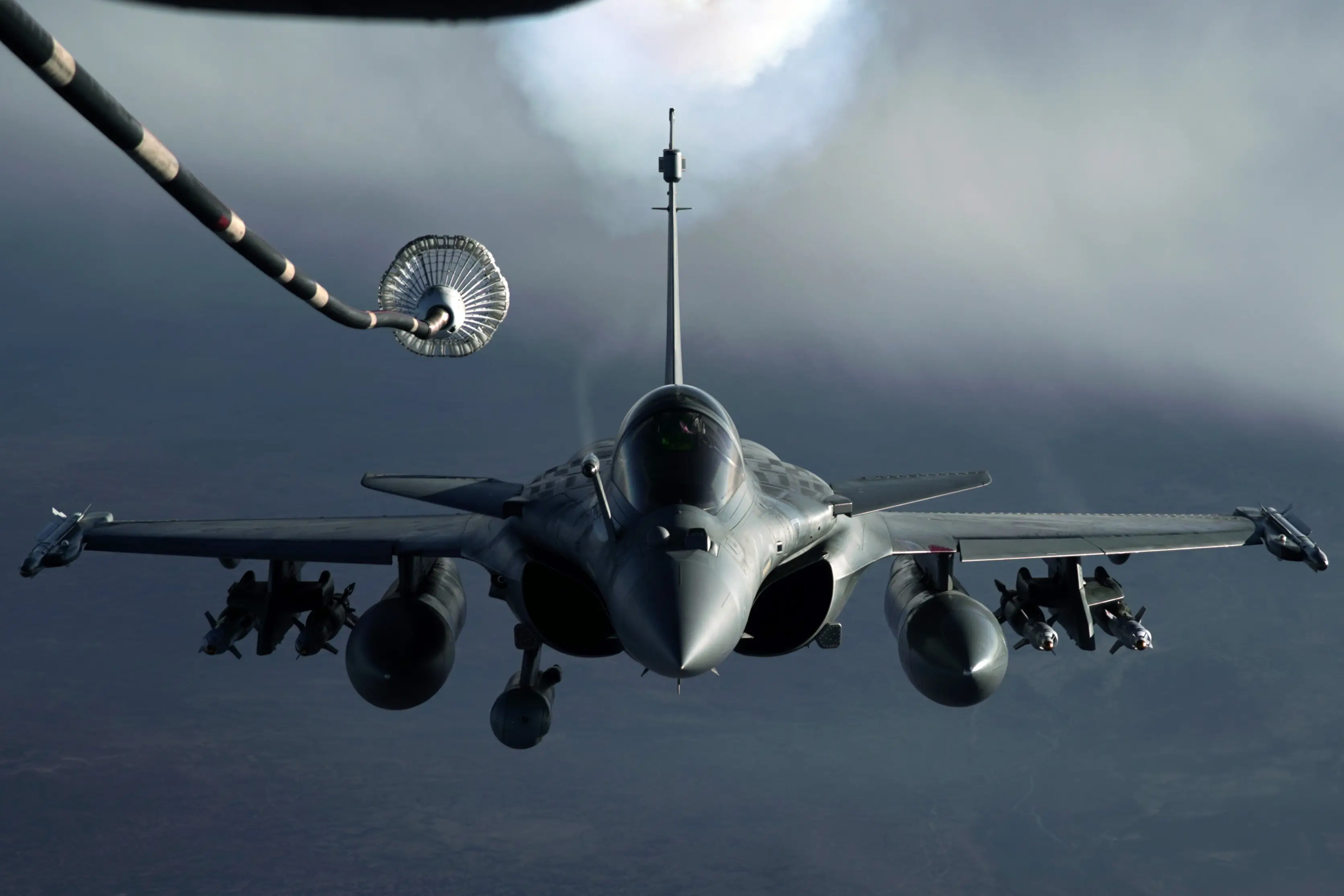
How Does Refuelling Work At High Altitude?
Refuelling at high altitude is not easy; it usually takes place between 1,500 and 10,000 metres above ground. The tanker and the fighter jet must fly at the same speed and hold their height. Both pilots have to be precise, as the aircraft often fly just 20 metres apart. The process lasts around ten minutes, with up to 1,590 kilogrammes of fuel transferred each minute.
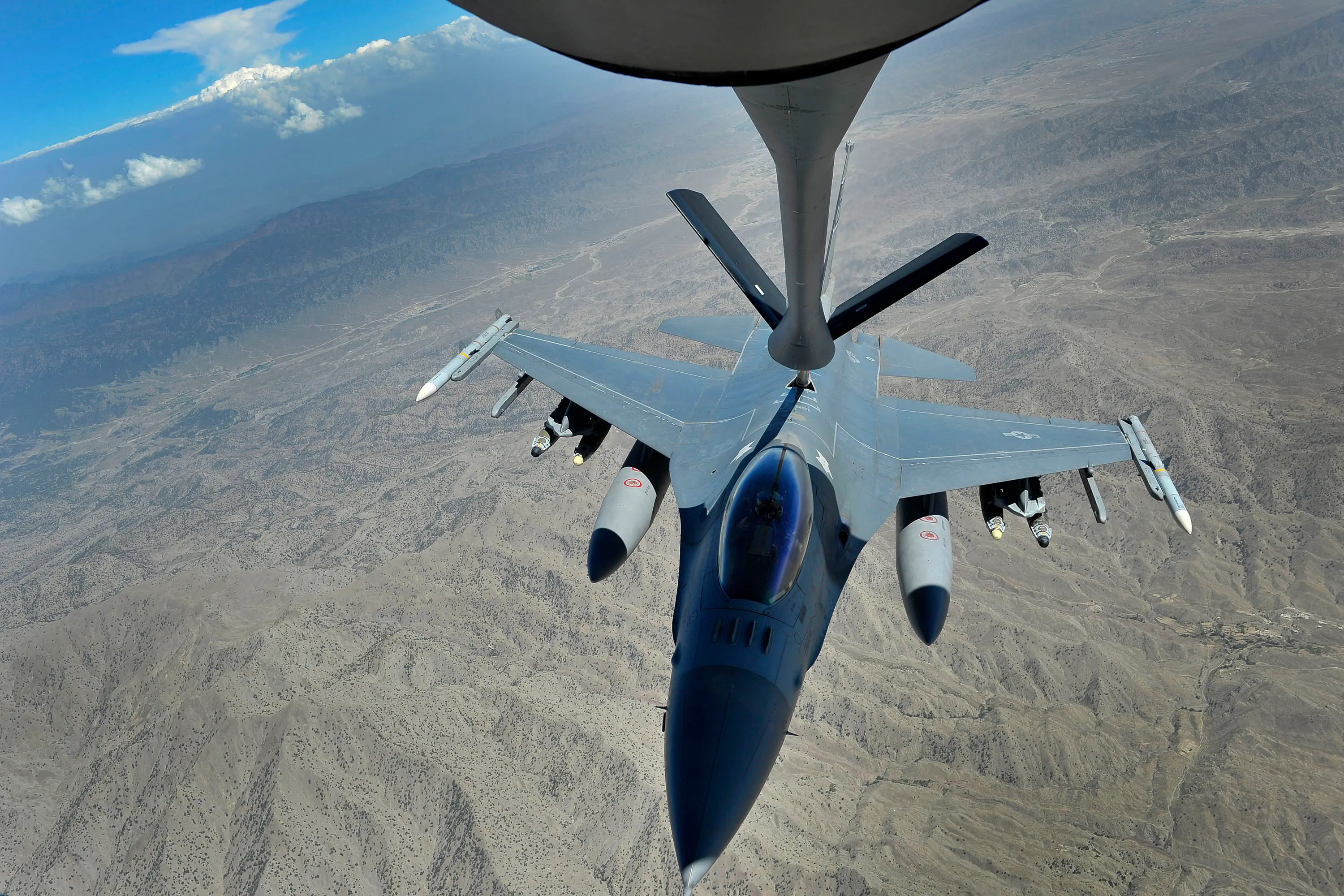
Systems Used For Safe Refuelling
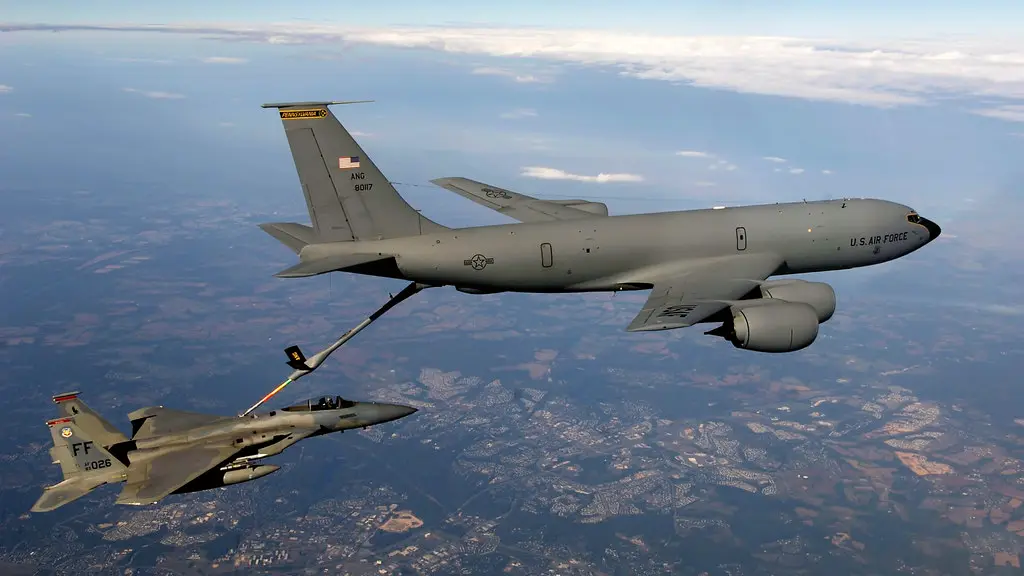
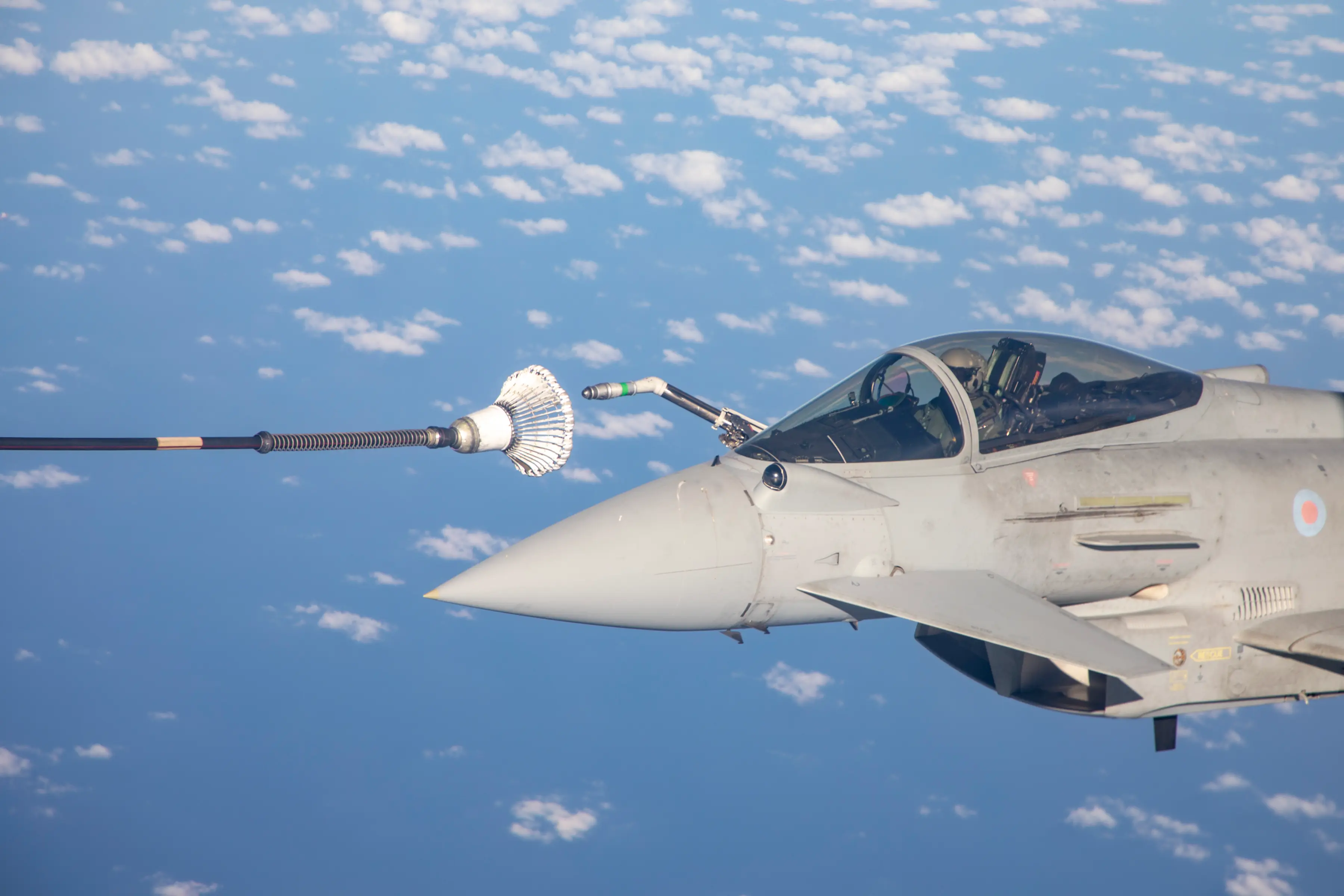
There are two main refuelling systems. The “flying boom” system uses a rigid tube and can refuel faster, while the “probe-and-drogue” method has a flexible hose with a basket at the end. The fighter jet must guide the probe into the drogue for the fuel to flow.
Both systems are designed to keep the planes at a safe distance but close enough for the transfer to work.
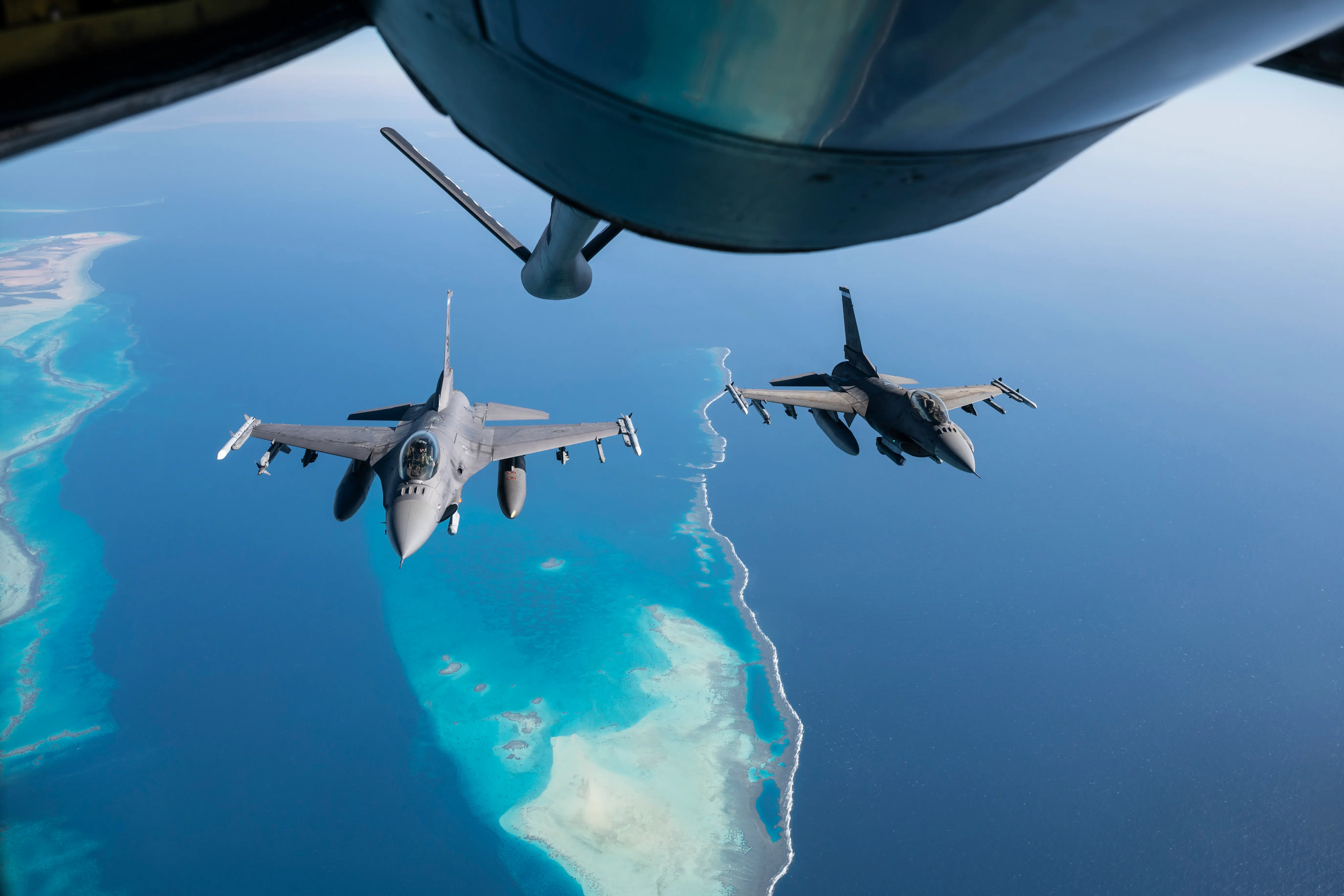
Why Precision Matters
At high altitude during refuelling, keeping a steady speed and position is critical. Small changes in airspeed or movement can stop the fuel flow or even cause the system to disconnect. The tanker has safety features and a refuelling officer watching camera footage to monitor everything. Pilots train often to keep their skills sharp for these tasks.[
Is Refuelling Done At Supersonic Speed?
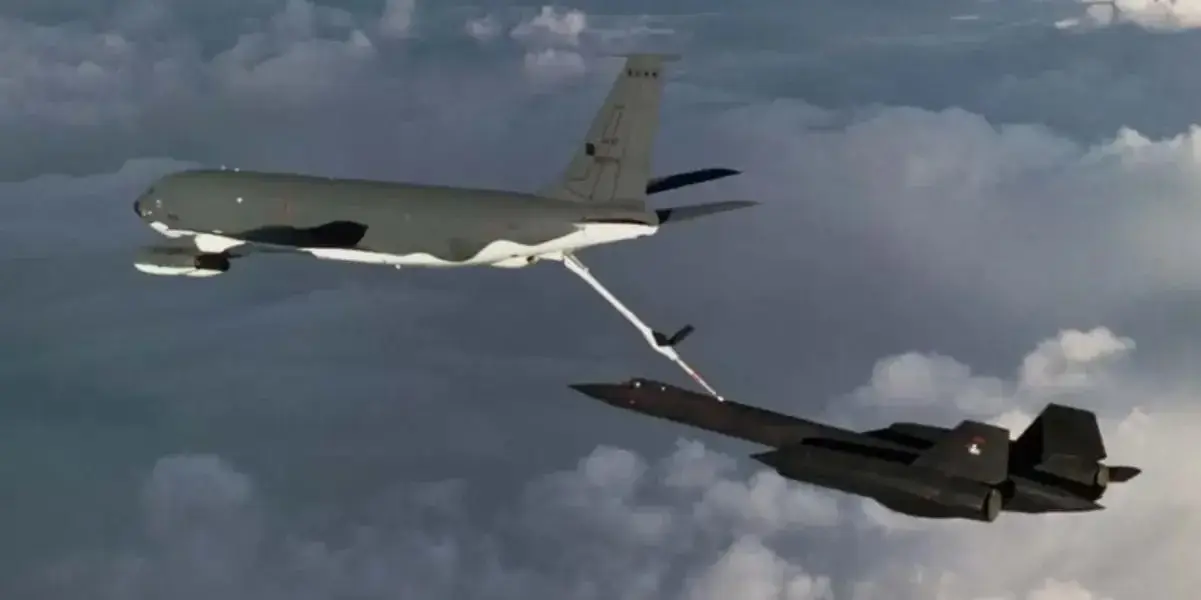
Most aerial refuelling happens at subsonic speeds because flying faster than sound creates turbulent shock waves. These make it unsafe and technically hard for two aircraft to stay close together, as studies have shown. Even aircraft designed for supersonic speed, like the SR-71, slow down first before refuelling. Supersonic refuelling is possible in theory, but not practical for regular operations.
Techniques
Modern tankers use automation, cameras, and screens to guide the process. Using a probe-and-drogue system with a 22-metre hose allows the planes to be farther apart, making engagement safer. With practice and training, pilots refine their approach, and tanker aircraft can refuel several jets in quick succession, saving time and fuel.
Aerial Refuelling
Aerial refuelling lets fighter jets carry more weapons (or combat equipment), take off from shorter airstrips, and travel longer distances without landing. Regular refuelling missions over 400 in Germany alone last year prove the process is reliable and safe for military pilots worldwide.
The ease comes from advanced technology, pilot skill, and strict safety processes.
)
)
)
)
)