How fighter jets lock targets within 2-3 seconds

Modern fighter jets lock targets in 2 to 3 seconds using advanced fire-control radar systems that scan airspace, identify threats, and switch to tracking mode. Infrared sensors and helmet-mounted displays enhance speed further.
The Radar Search Begins
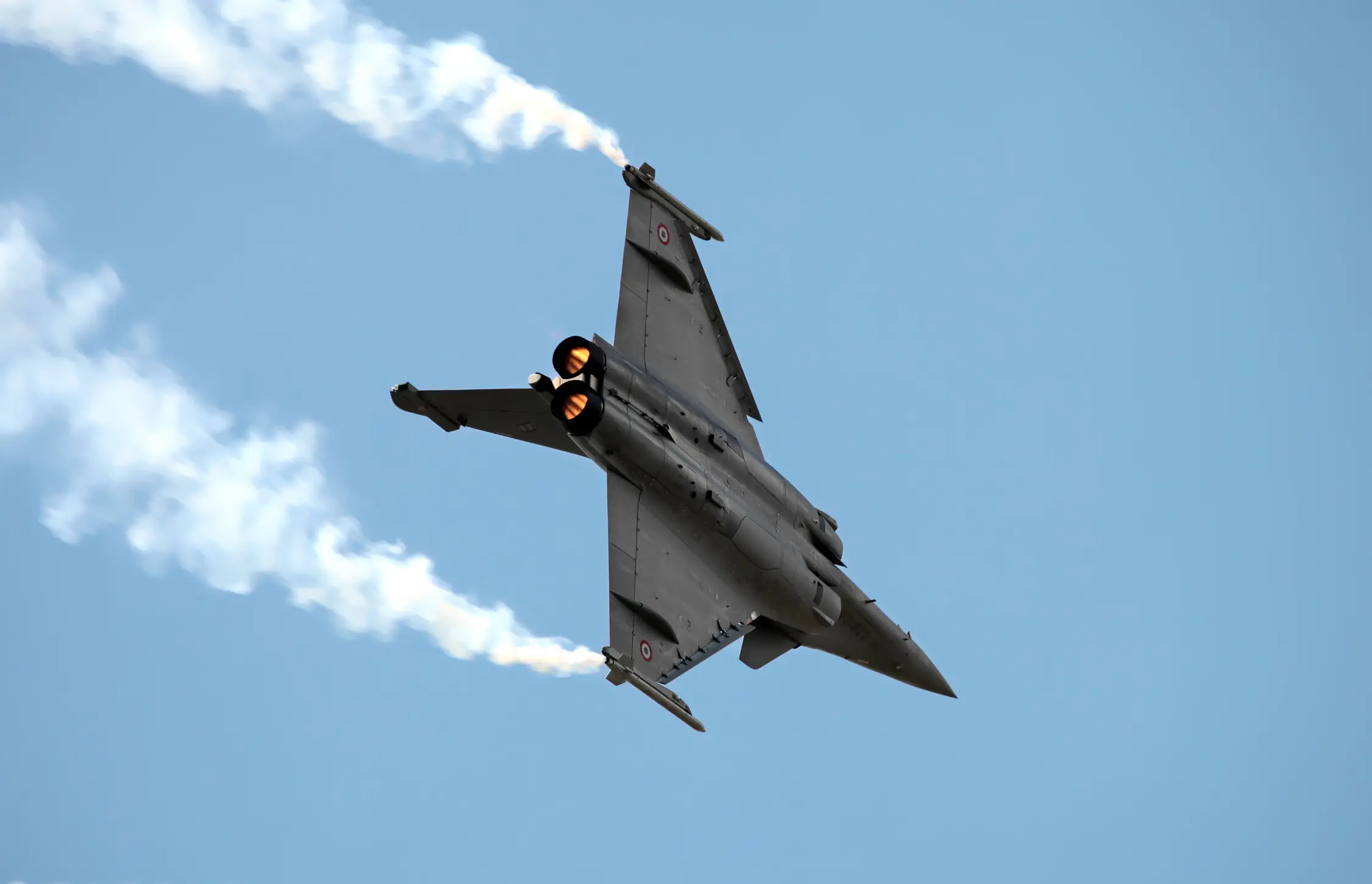
When a fighter pilot enters hostile airspace, the first step is to scan for targets. The onboard radar switches to search mode, sweeping a radio beam across the sky in a zig-zag pattern. This wide search covers a large area, typically up to 100 kilometres or more, depending on the aircraft type and radar capability. The radar displays multiple aircraft as symbols on the pilot's screen. Modern radars can track multiple targets simultaneously, but the pilot must decide which one to engage first.
Identifying the Threat
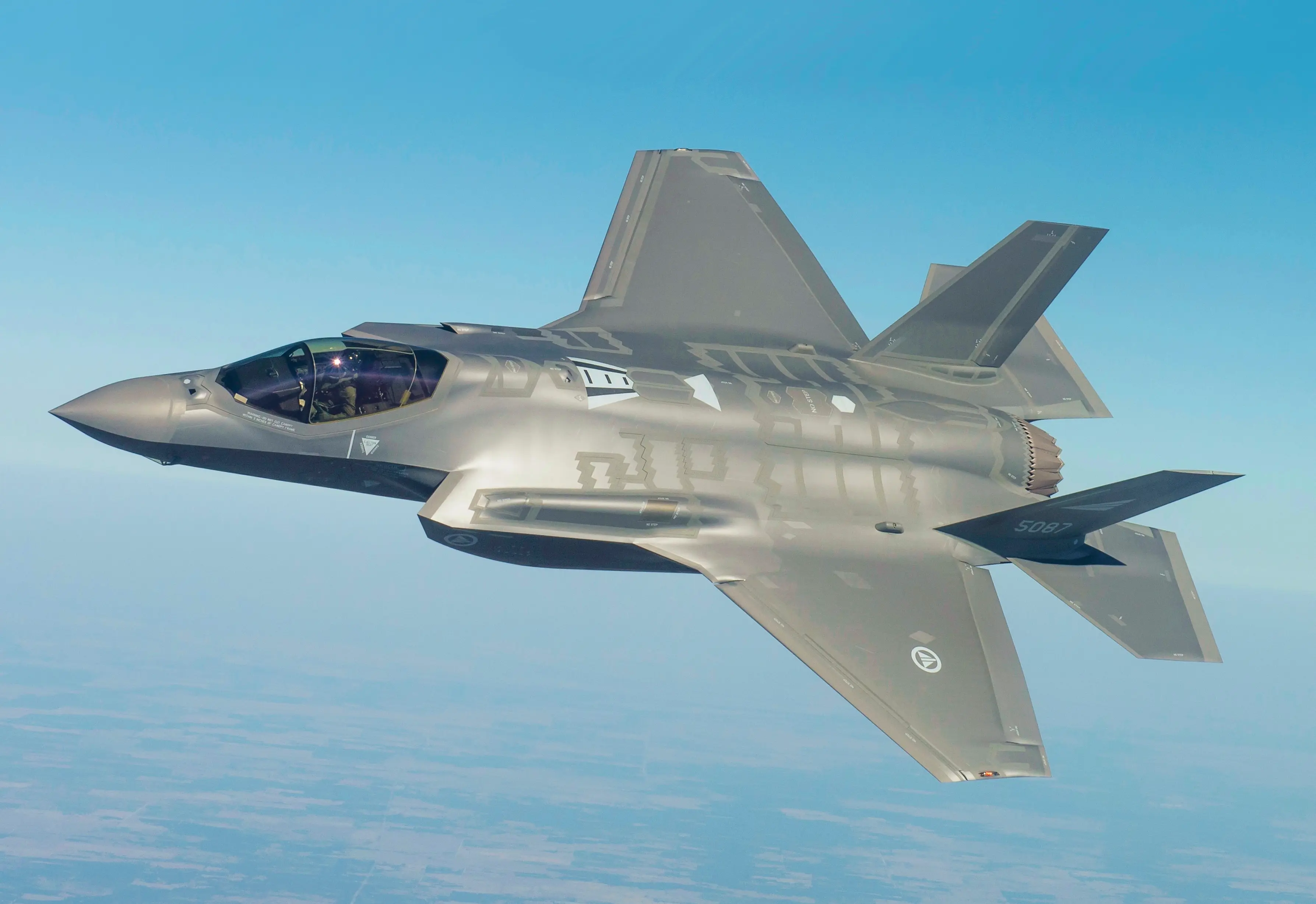
Once the radar detects a potential target, the pilot must verify it is an enemy aircraft. The radar provides information about the target's distance, direction, speed, and altitude. The pilot uses this data to determine if the aircraft is a threat or a friendly aircraft. Additional systems, such as identification friend or foe (IFF) transponders, help confirm whether the target is hostile. This identification process takes seconds but is critical to avoid engaging friendly aircraft.
Switching to Tracking Mode
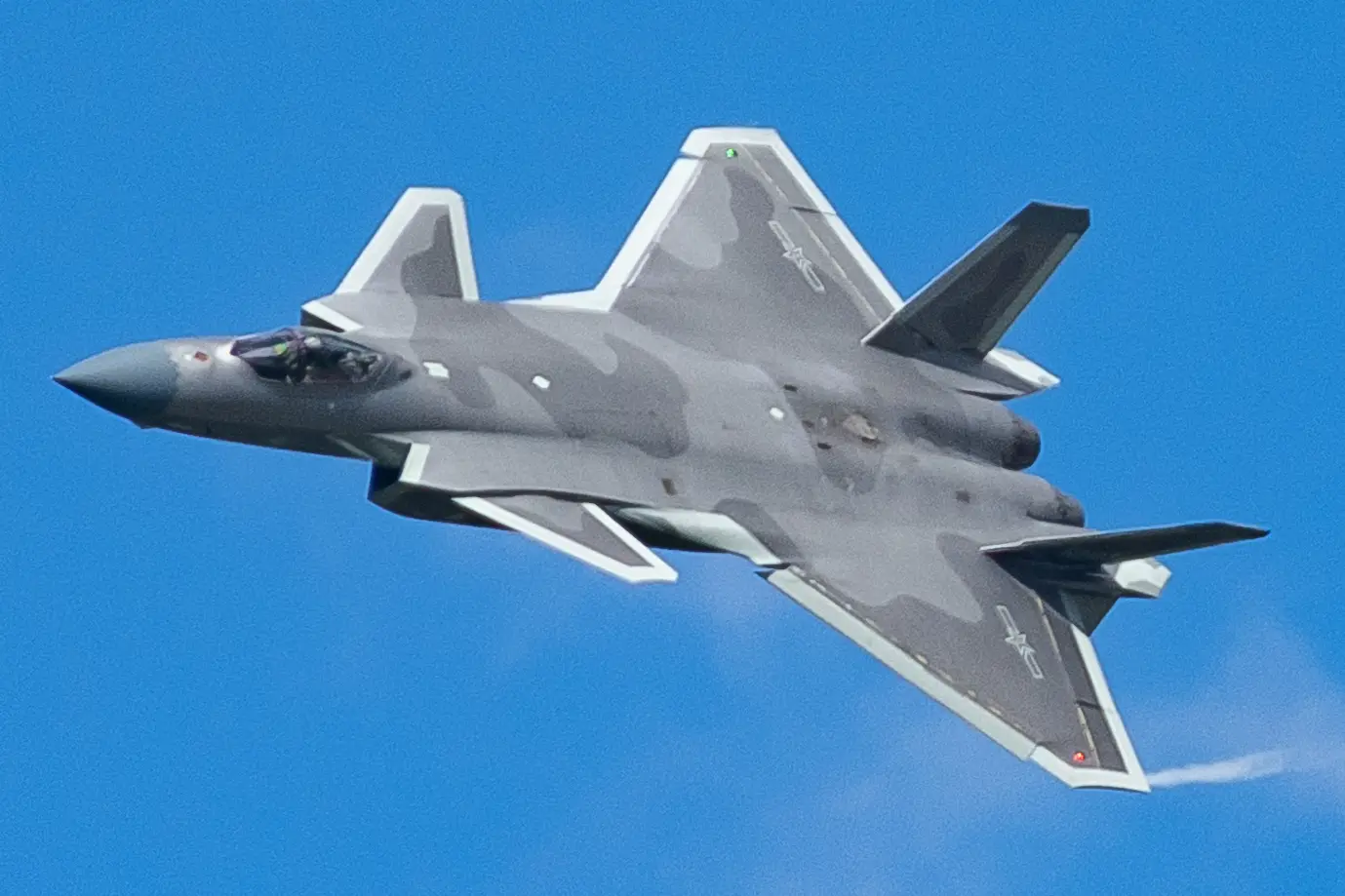
When the pilot selects a target and confirms it as hostile, the radar switches from search mode to tracking mode. This is the moment when target locking begins. The fire-control radar now focuses its energy on a single aircraft instead of scanning a wide area. The radar beam becomes narrower and more concentrated, allowing the system to gather detailed information continuously. This transition marks the start of the 2 to 3-second locking sequence.
The Fire-Control Radar Lock
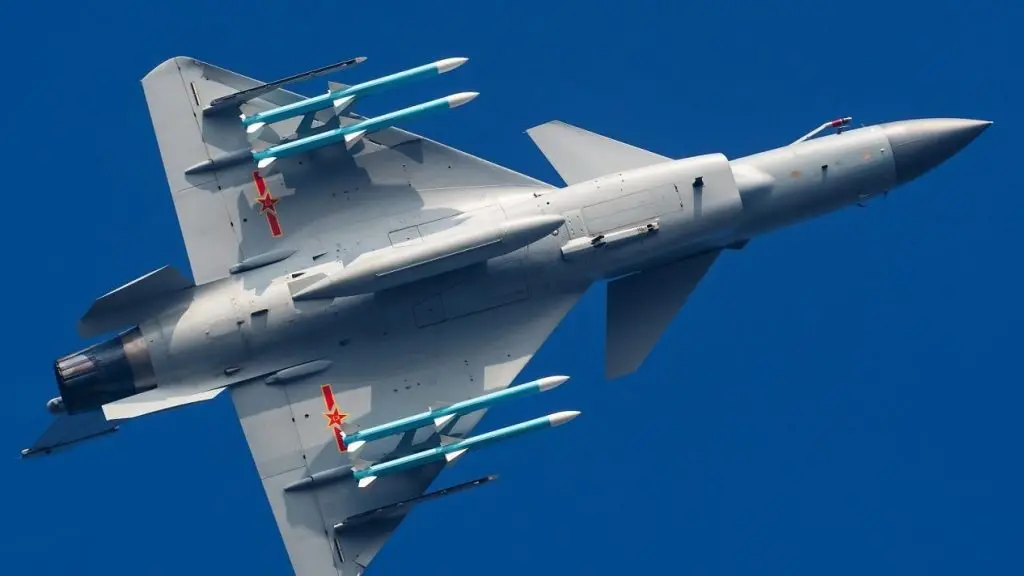
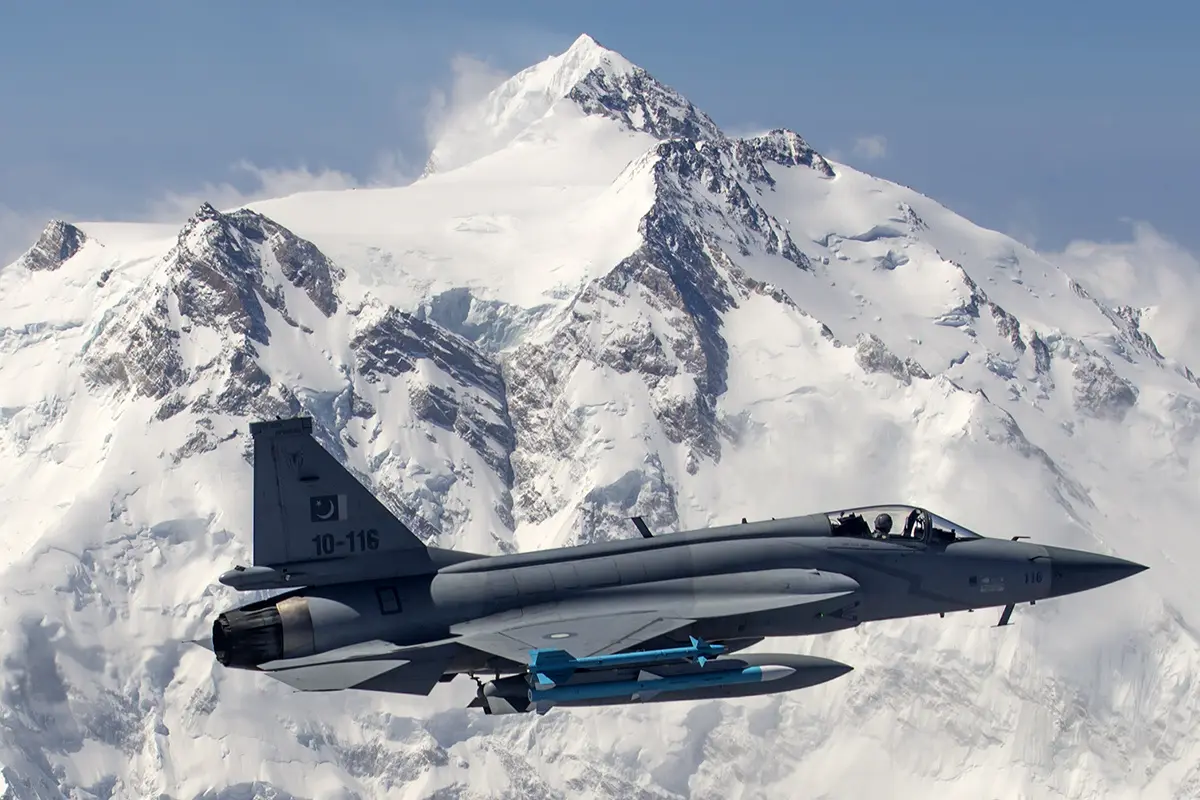
The fire-control radar (FCR) is the key system that locks targets. Once in tracking mode, the FCR emits a narrow radio beam directly at the selected aircraft. The radar continuously measures the target's position, speed, and direction. Within seconds, the system has enough data to establish a solid lock. The pilot receives audio confirmation through a distinctive trill sound in their headset when the lock is achieved. Modern FCRs, like those in the Rafale and F-16, can lock targets in 2 to 3 seconds.
Multi-Target Tracking Advantage
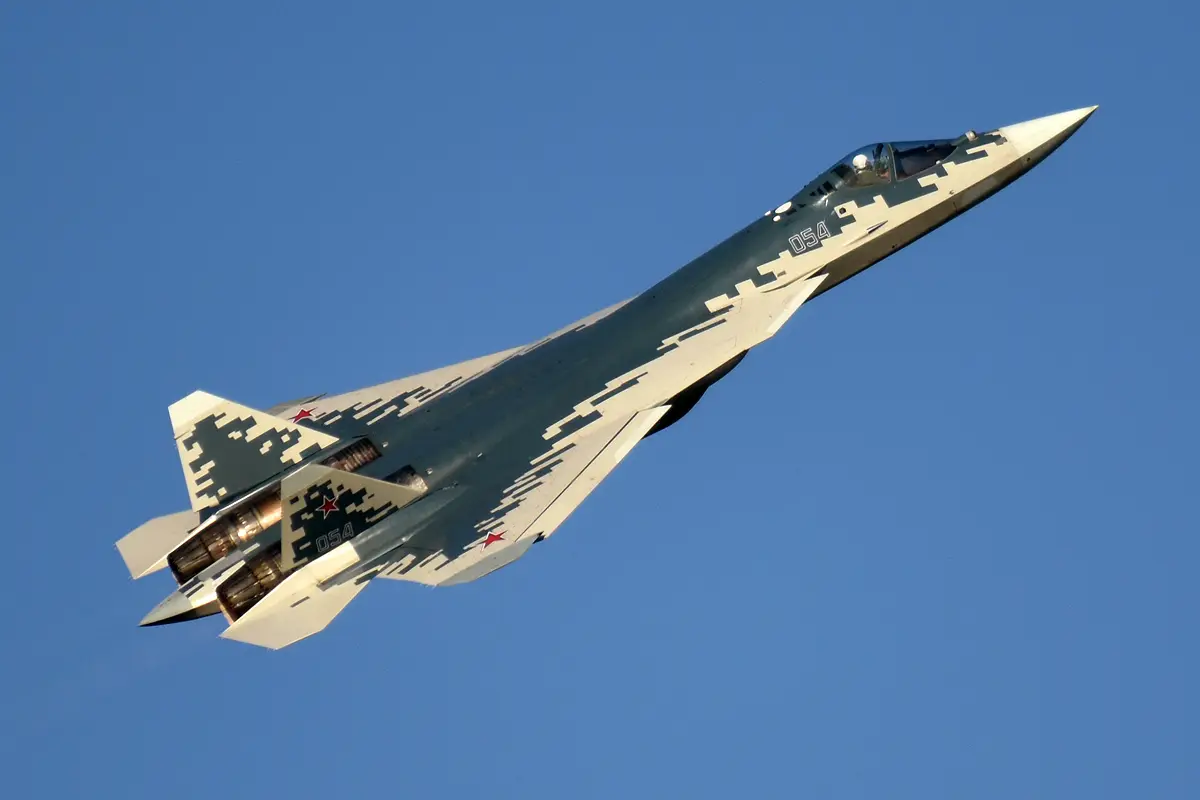
Advanced fighter jets like the Gripen E/F and Rafale can track multiple targets simultaneously without losing the primary lock. Using a technology called Track While Scan (TWS), these aircraft continue to search for new threats while maintaining radar lock on one target. This capability allows pilots to monitor several enemy aircraft at once and switch targets rapidly if needed. The AESA (Active Electronically Scanned Array) radars in modern jets enable this superior multi-target capability.
Infrared Systems Enhance Locking
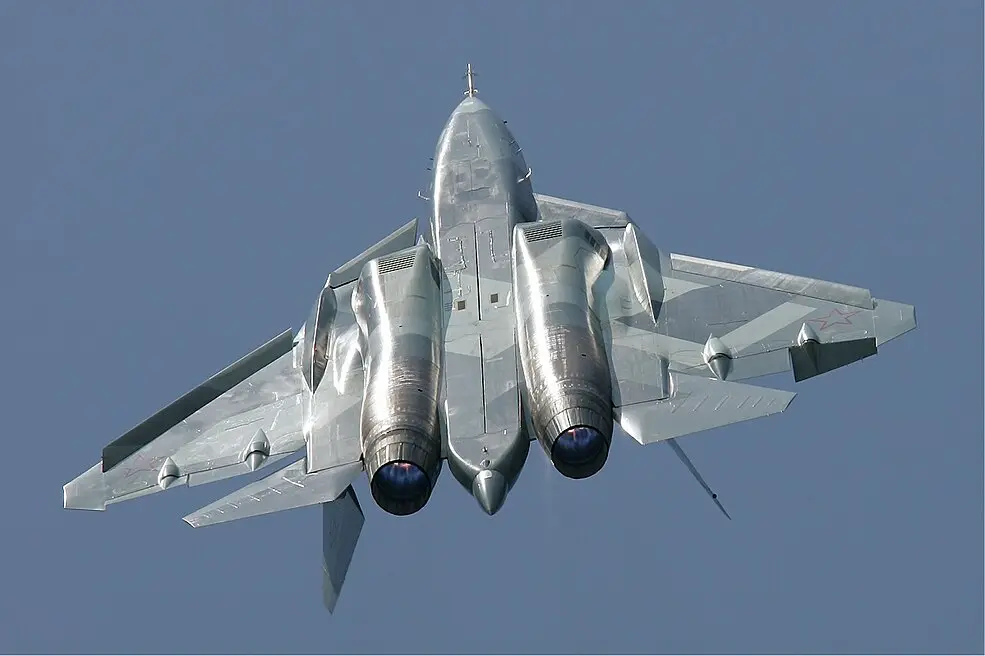
Beyond radar, modern fighters use infrared search and track (IRST) systems to lock targets passively. IRST detects the heat signature from an aircraft's engines, allowing pilots to lock targets without emitting detectable radar signals. The Gripen E/F features an integrated Skyward-G IRST system that can track stealth aircraft and complement the radar lock. This dual-system approach gives pilots flexibility in how they acquire and lock targets during combat.
Helmet-Mounted Target Locking
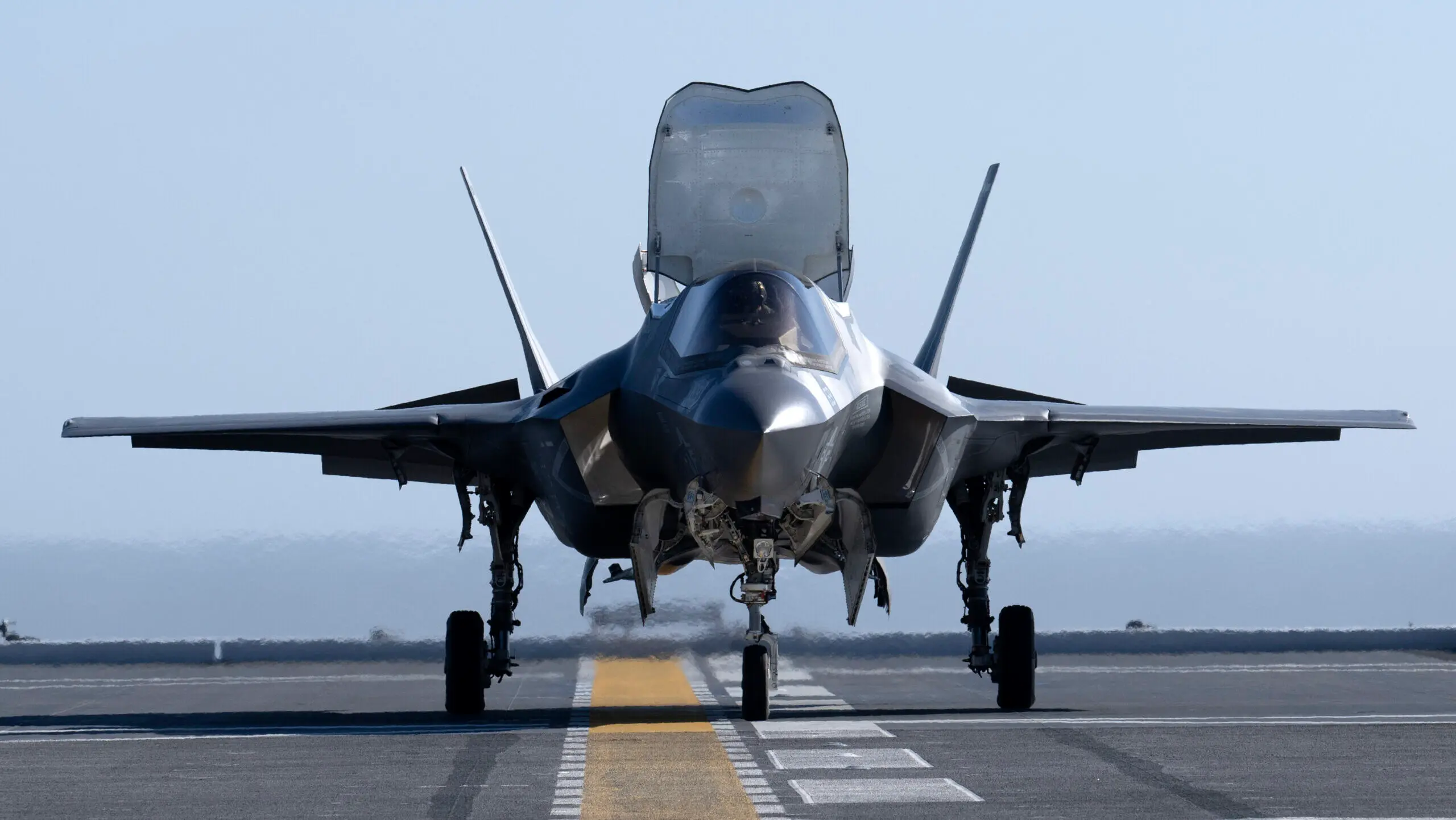
The latest generation fighter jets, including the F-35, use helmet-mounted display systems that revolutionise target locking. Pilots can now lock targets simply by looking at them. The helmet's integrated infrared camera and radar data combine to track a target in the pilot's line of sight. This technology reduces reaction time dramatically, as the pilot no longer needs to manually slew the radar to the target. The lock can be achieved in under 2 seconds with this advanced system.
Missile Guidance After Lock
Once a target is locked, the pilot can fire guided missiles. Semi-active radar homing (SARH) missiles rely on the launching aircraft to maintain the radar lock, continuously painting the target with radio waves so the missile can track it. Modern air-to-air missiles like the METEOR and MICA can engage targets at ranges exceeding 100 kilometres. The fire-control system guides the missile to the target while the aircraft's radar maintains continuous lock.
Detecting Enemy Lock
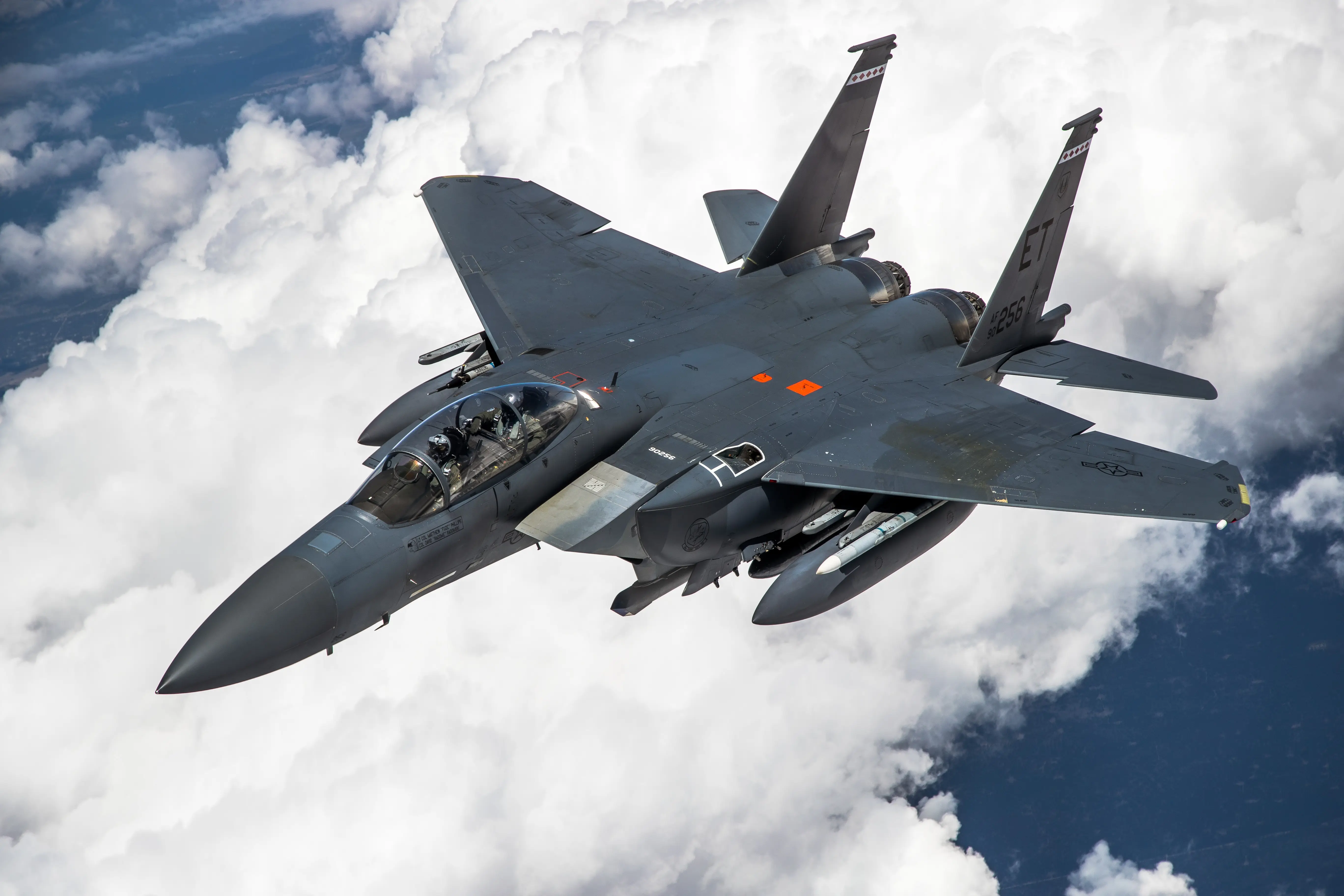
Fighter jets are equipped with radar warning receivers (RWRs) that detect when an enemy has locked their radar. When an enemy fire-control radar beam hits the aircraft, the RWR alerts the pilot through visual and audio warnings. This gives pilots precious seconds to take evasive action, deploy countermeasures, or launch defensive missiles. The RWR essentially detects the same radar signals used to lock targets, creating a continuous cycle of detection and evasion in aerial combat.
The Future of Target Locking
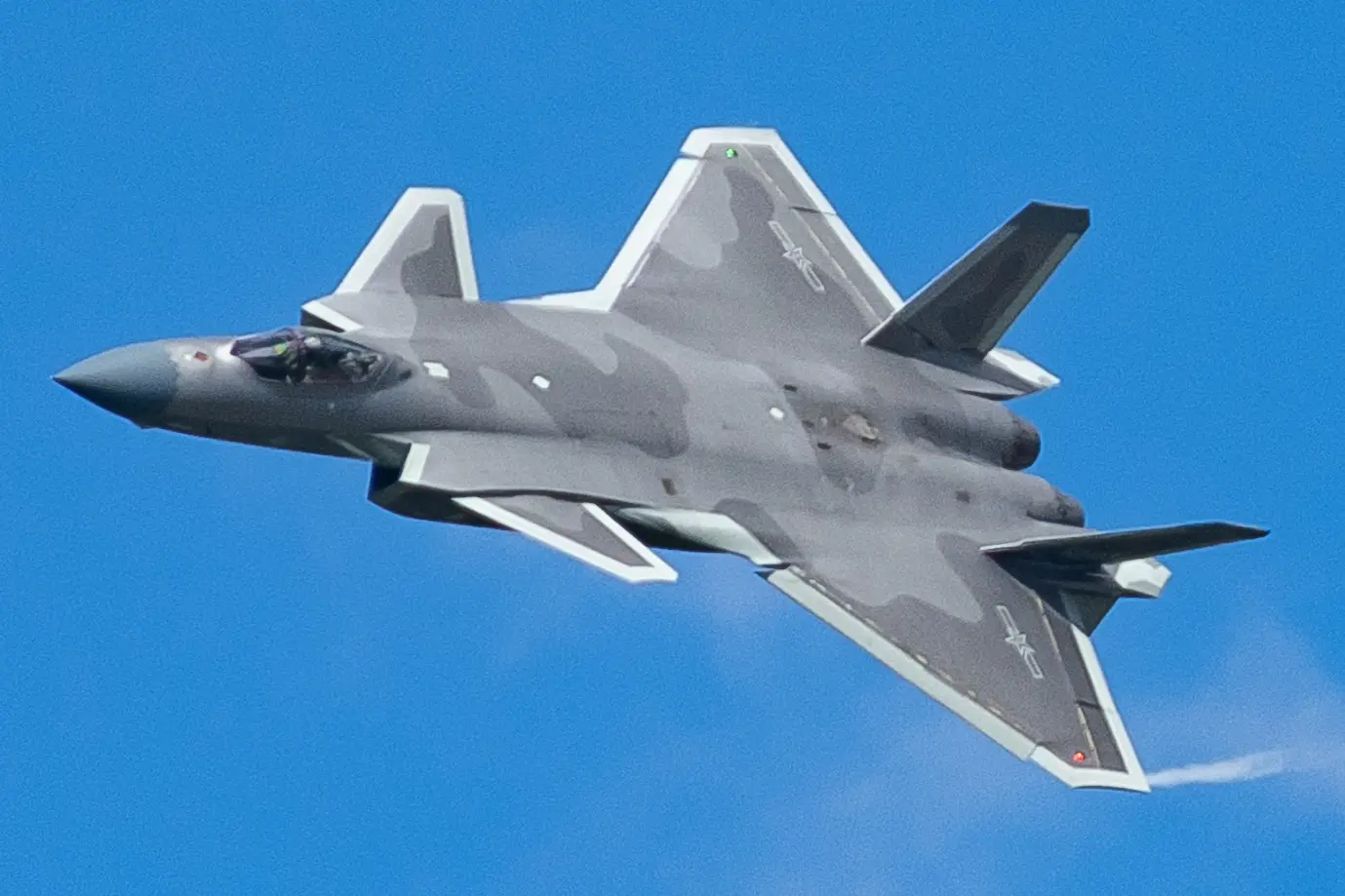
Artificial intelligence and advanced sensor fusion are reshaping target locking technology. Next-generation fighters will integrate data from multiple radar, infrared, electronic warfare systems, and satellite links - to achieve locks faster than ever before. Some defence analysts predict locking times could reduce to under 1 second in future combat aircraft. The integration of AI-assisted targeting systems will enable pilots to process information faster and engage threats with unprecedented speed and precision.
)

)
)
)