How fighter jets land on moving aircraft carriers

Landing a jet on a moving aircraft carrier is one of the hardest tasks in aviation. Pilots face waves, weather, and tight spaces using advanced tech and intense training. But even with all this, human skill still decides success or failure. Here’s what makes it so tough.
The moving runway challenge
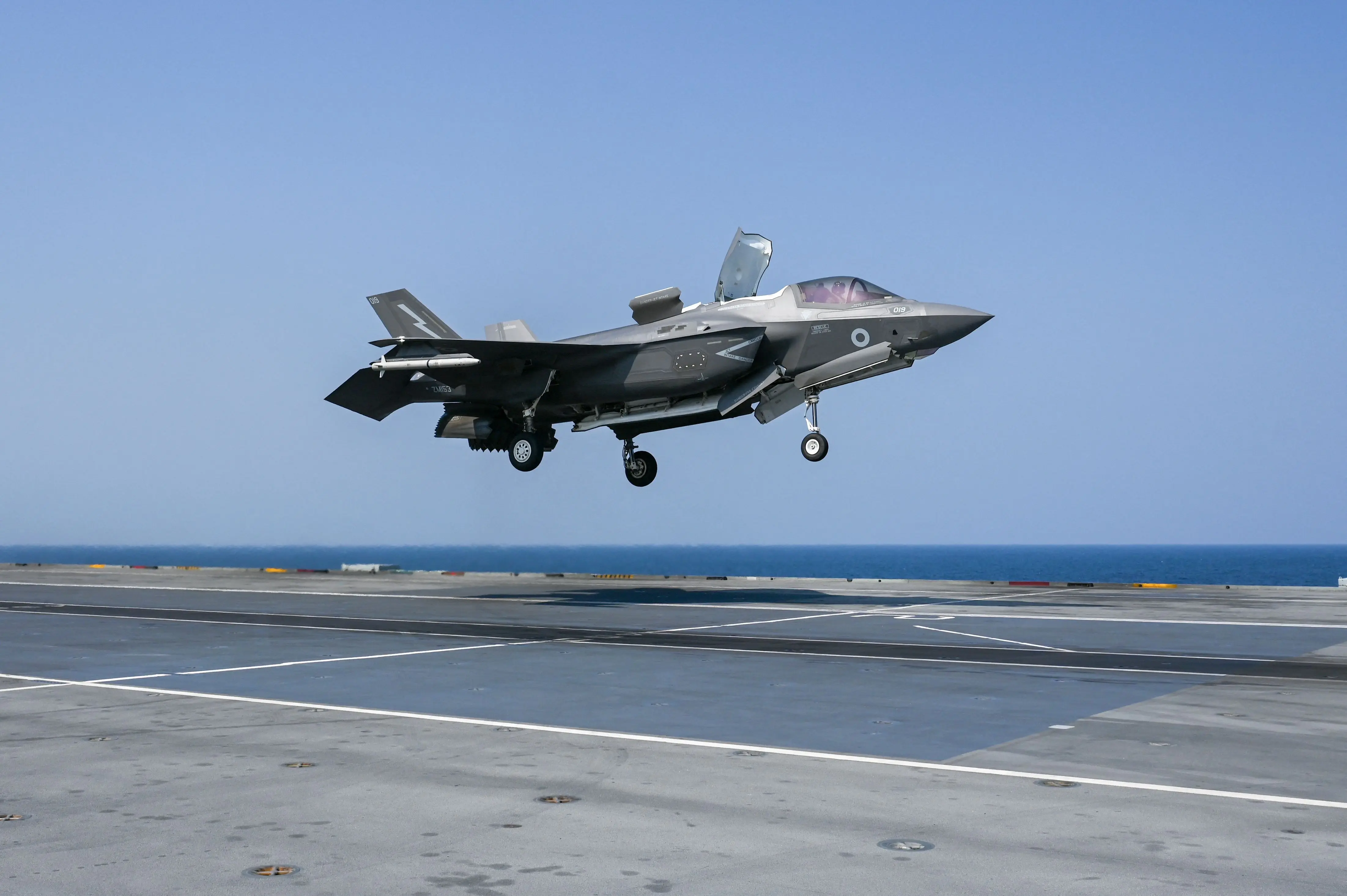
Aircraft carriers are huge ships hundreds of metres long but the usable landing deck is small and constantly moving with the waves. Pilots describe landing as aiming for a “dot in the ocean” that rolls, pitches, and moves forward at 50 km/h or more.
Tailhooks and steel cables
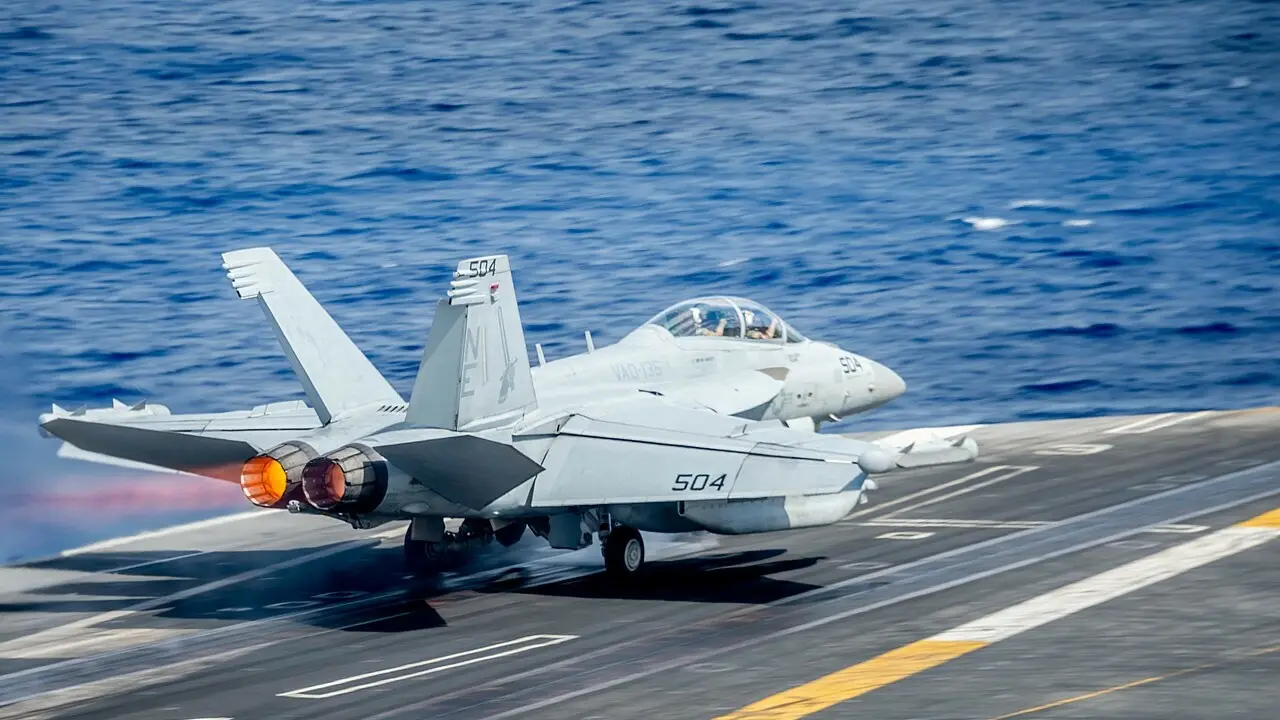
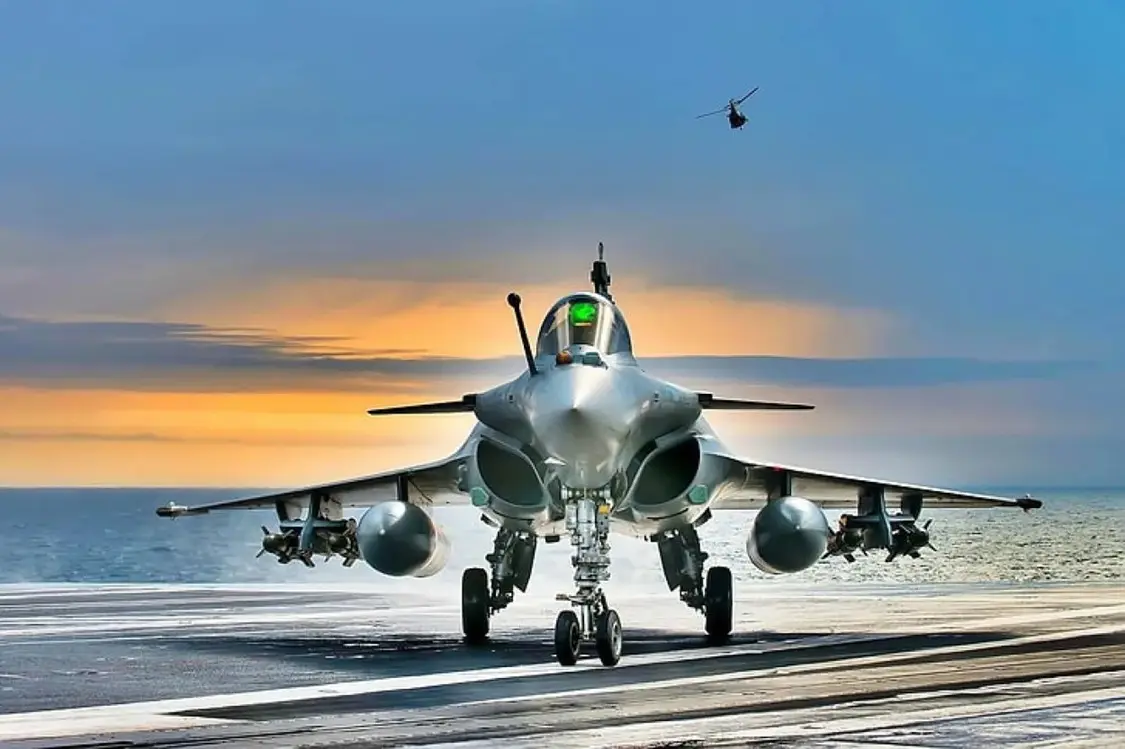
Fighter jets use a strong tailhook to catch one of several arresting wires on the deck. These cables are spaced tightly and stop a 15-tonne jet travelling at 240 km/h in less than 100 metres and under three seconds.
Landing techniques in bad weather
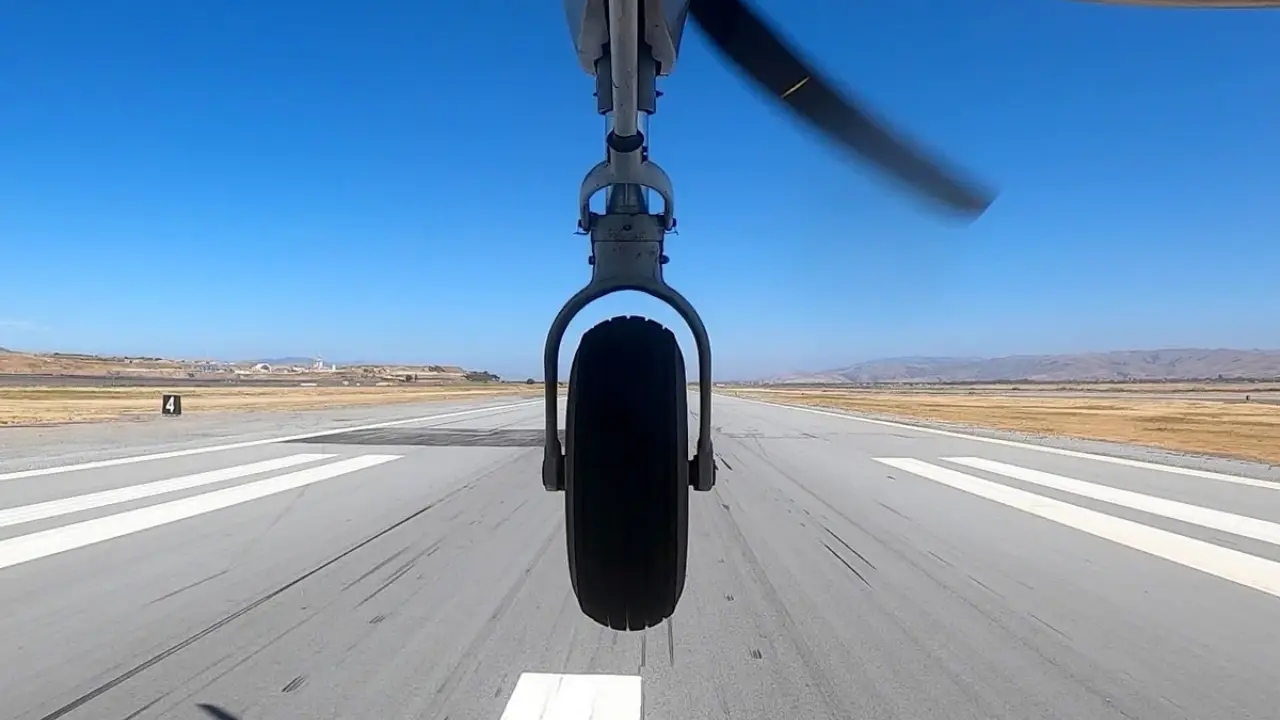
In rough seas, landing officers and pilots adjust glide paths constantly. Carriers are fitted with specialised landing aids like the Automatic Carrier Landing System (ACLS), which guides jets with radar and data links. Deck lights show pilots their angle of approach, and radioed corrections are relayed right up to touchdown.
Advanced technology helps
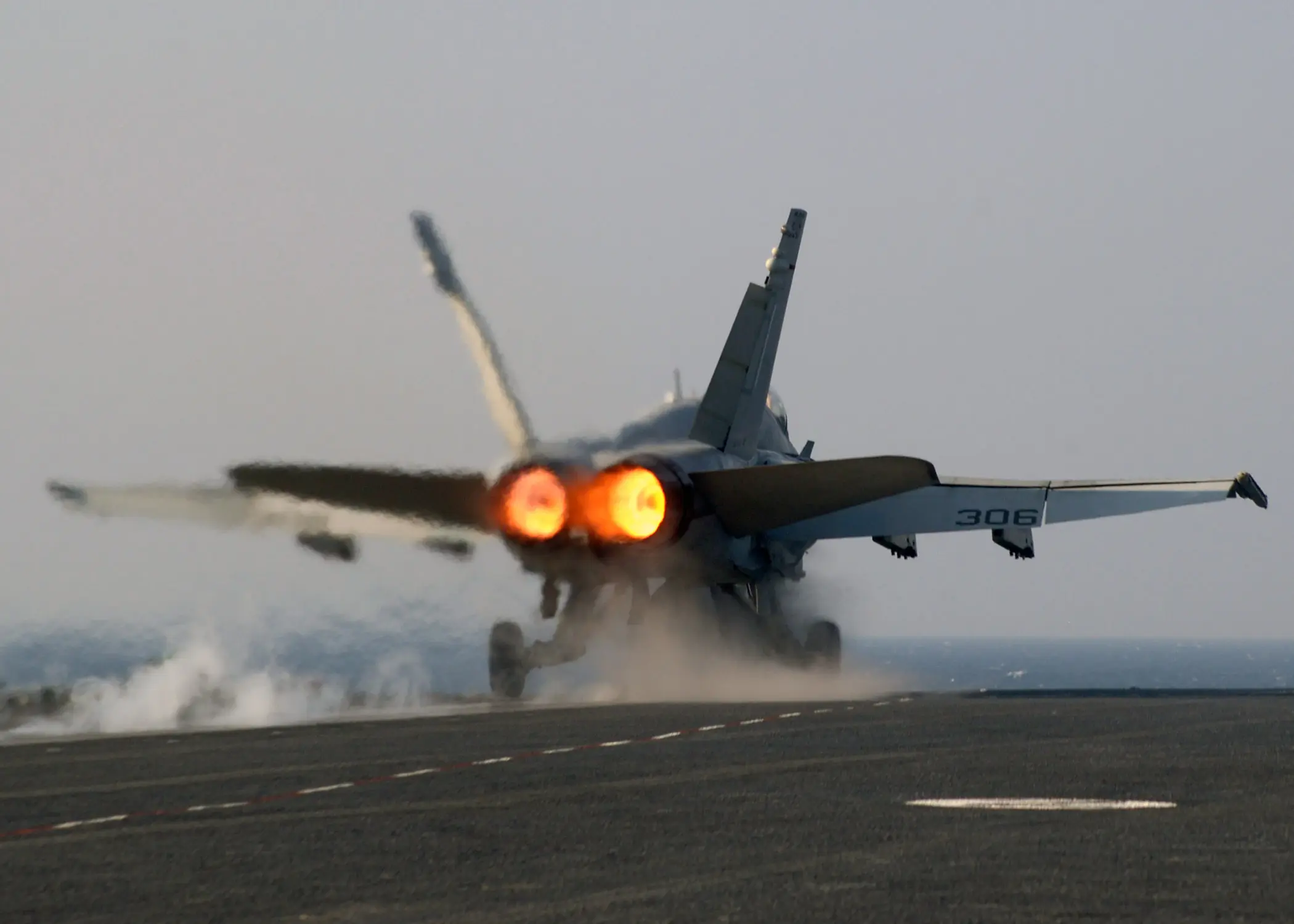
Modern carriers use advanced arresting gears, digital avionics, and computer-aided landing systems such as the US Navy’s Magic Carpet or Delta Flight Path. These upgrade pilot control and compensate for deck motion, helping even during night or high-sea conditions.
Pilot training for the worst
Carrier pilots undergo months of simulator and live training for stormy landings. Many say every landing is a “controlled crash” full power is applied so if the hook misses, the jet can launch off the deck again in a go-around called a “bolter”.
The human factor
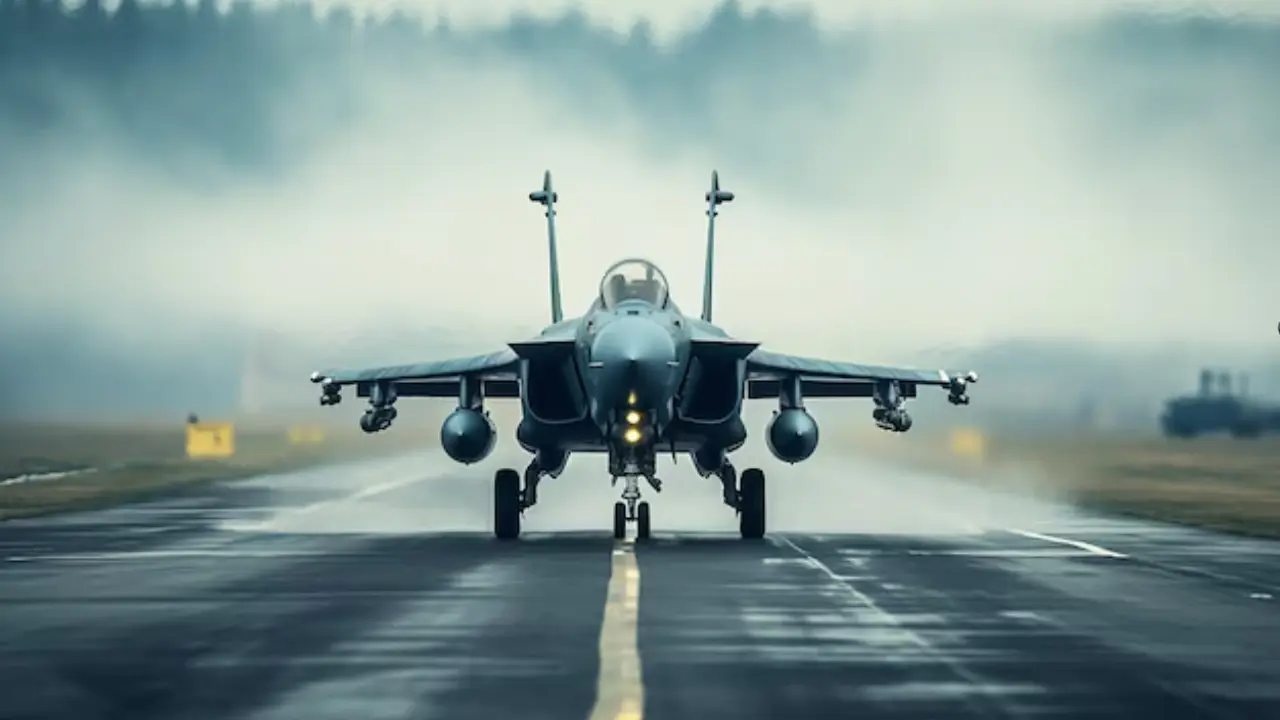
Despite all the technology, the final metres rely on the pilot’s skill and lightning-fast reactions. Landing signal officers (LSOs) stand by with wave-off lights in case the landing is unsafe safety never depends on automation alone.
Constant improvements
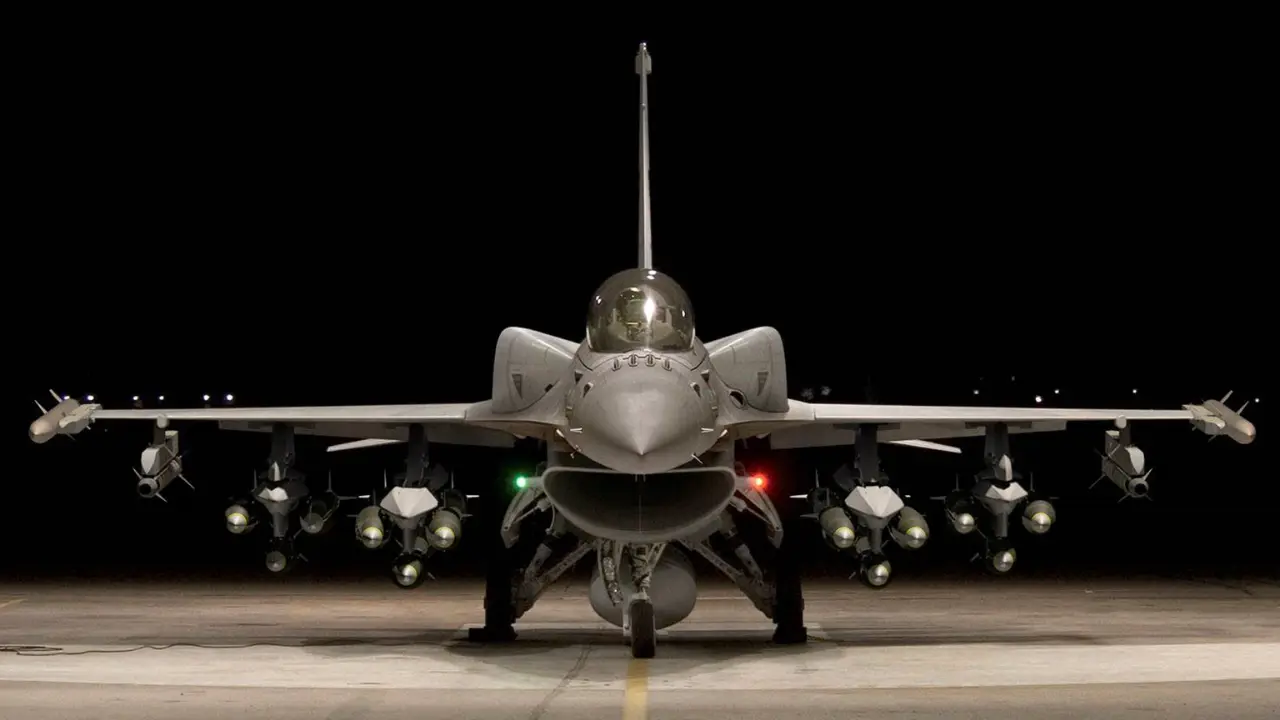
With each generation, navies add sensors, stabilisers, and better algorithms to landing systems. China is developing new systems to help its stealth jets land in rough weather, showing this challenge drives military innovation worldwide.
)
)
)
)
)