How fighter jets land on a moving ship in middle of the ocean? Tech, skill and science explained

Landing on an aircraft carrier is one of the most difficult manoeuvres a fighter pilot can perform. The landing area is just a few hundred feet long, and it's often pitching and rolling with ocean waves.
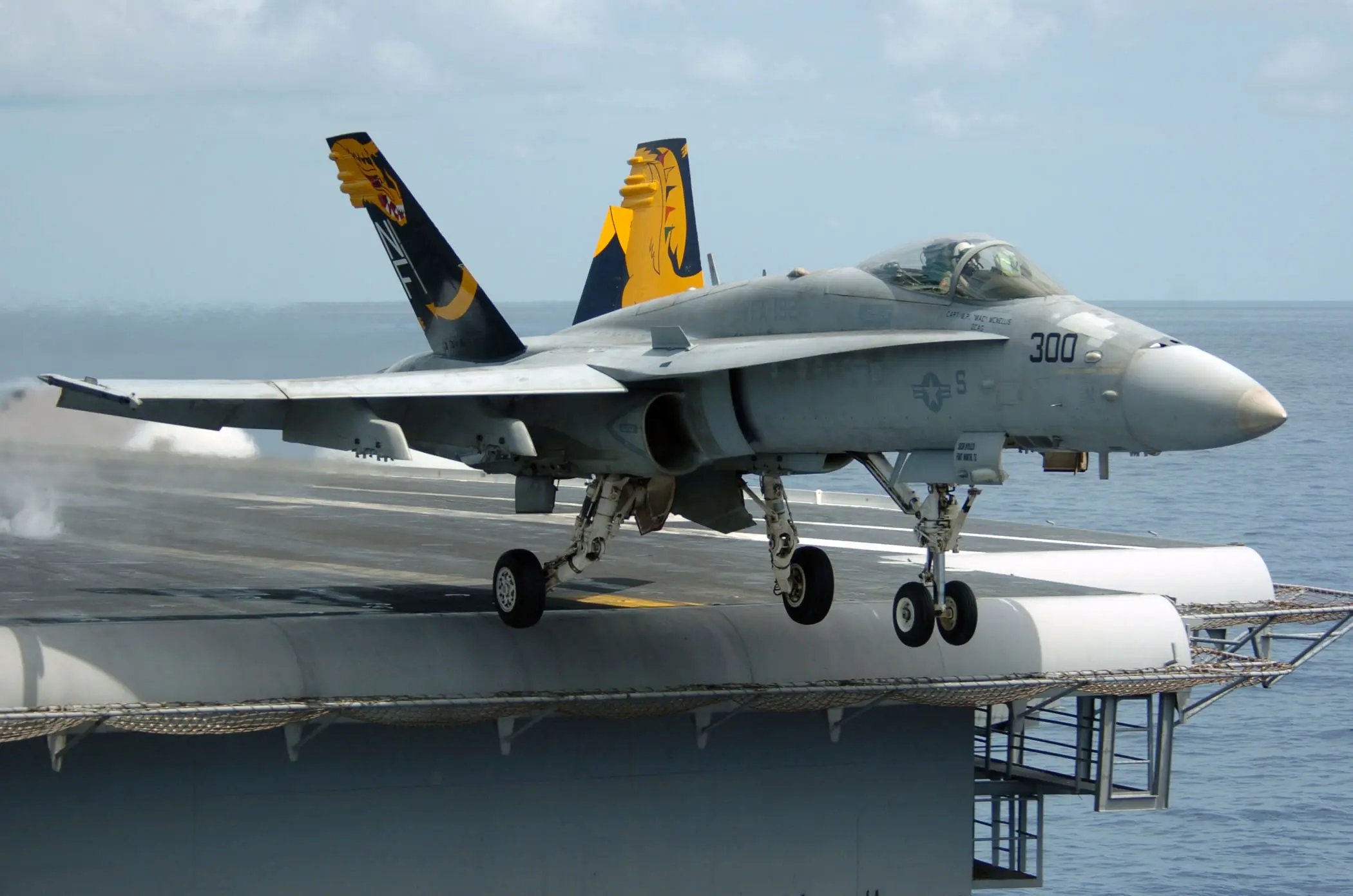
The Ship Never Stops
Unlike traditional runways, aircraft carriers are constantly in motion, often at speeds over 30 knots. This movement provides additional wind speed over the deck, helping fighter jets achieve safer takeoffs and landings in shorter distances.
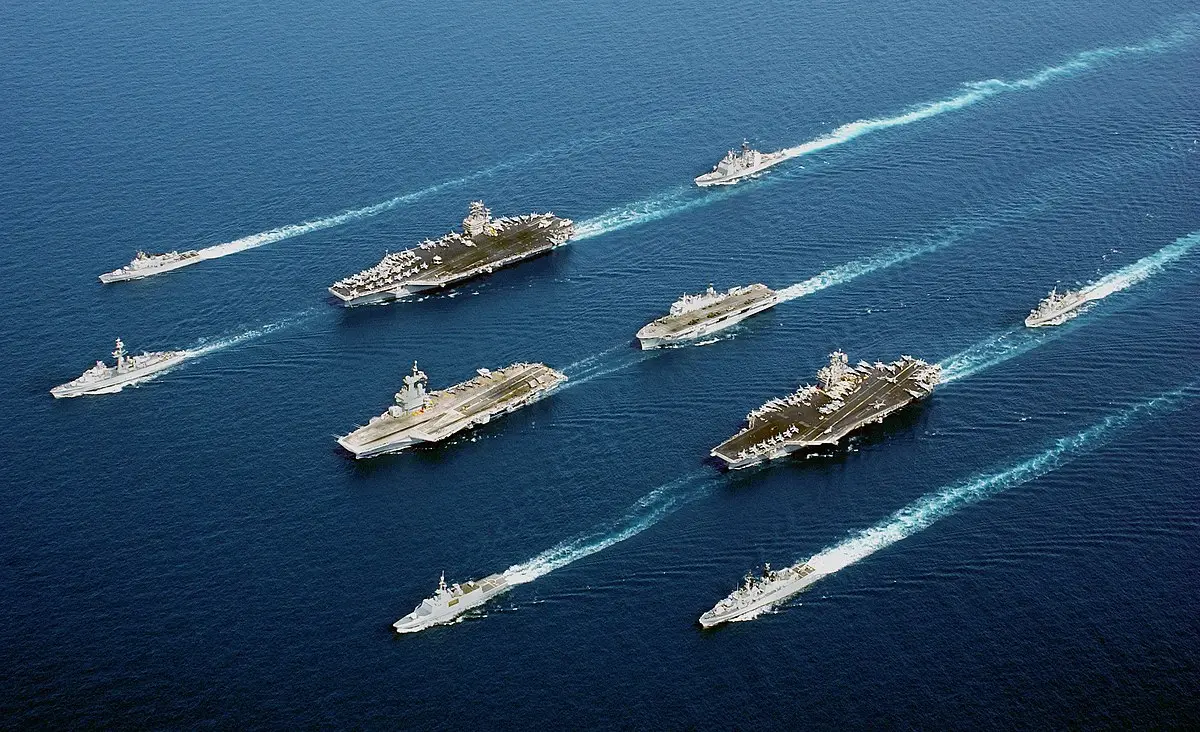
Precision Landing on a Floating Target
Landing on an aircraft carrier is one of the most difficult manoeuvres a fighter pilot can perform. The landing area is just a few hundred feet long, and it's often pitching and rolling with ocean waves. Pilots must align their approach perfectly, using both visual landing aids and precise radio signals from the carrier.
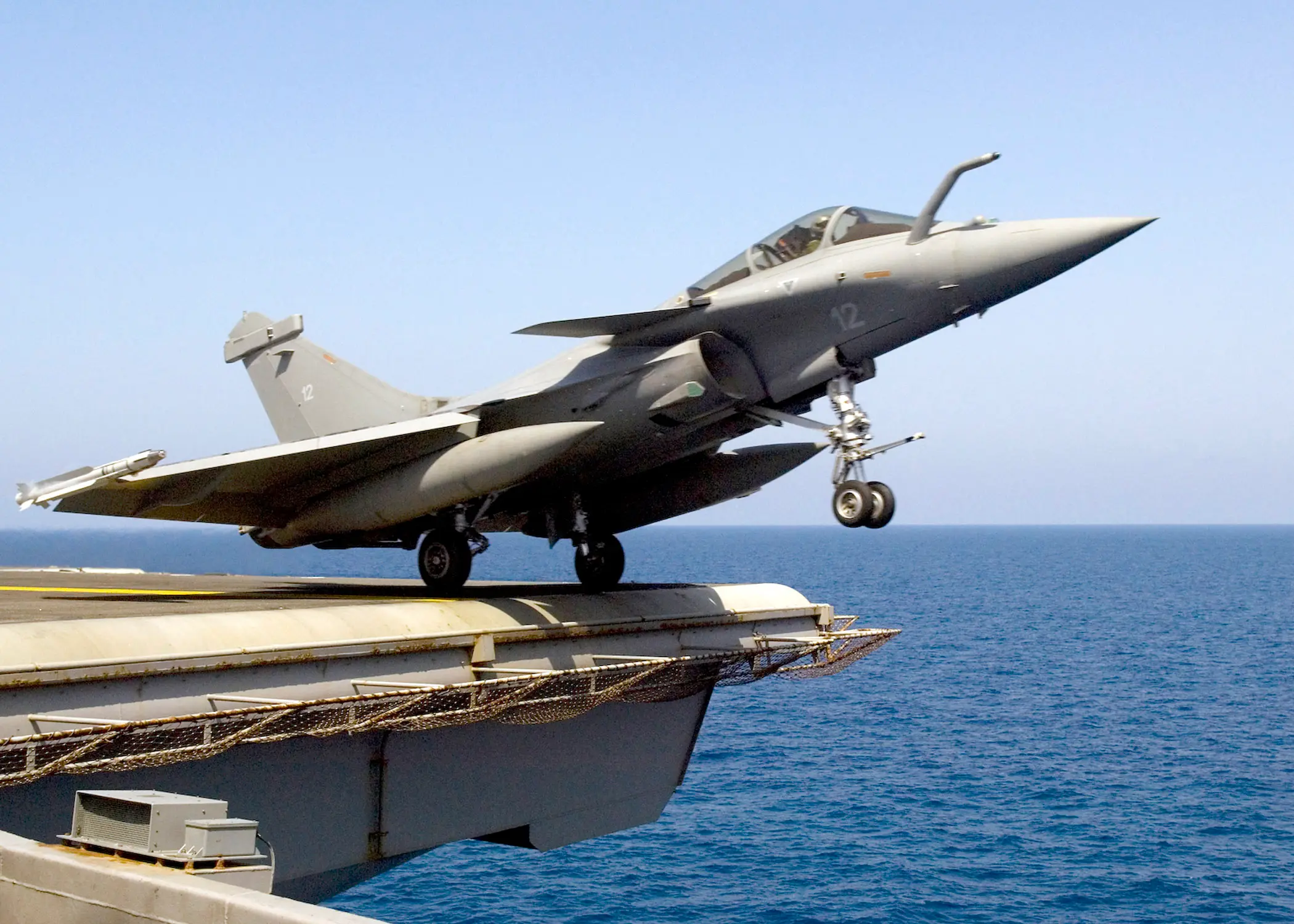
The Tailhook Trick
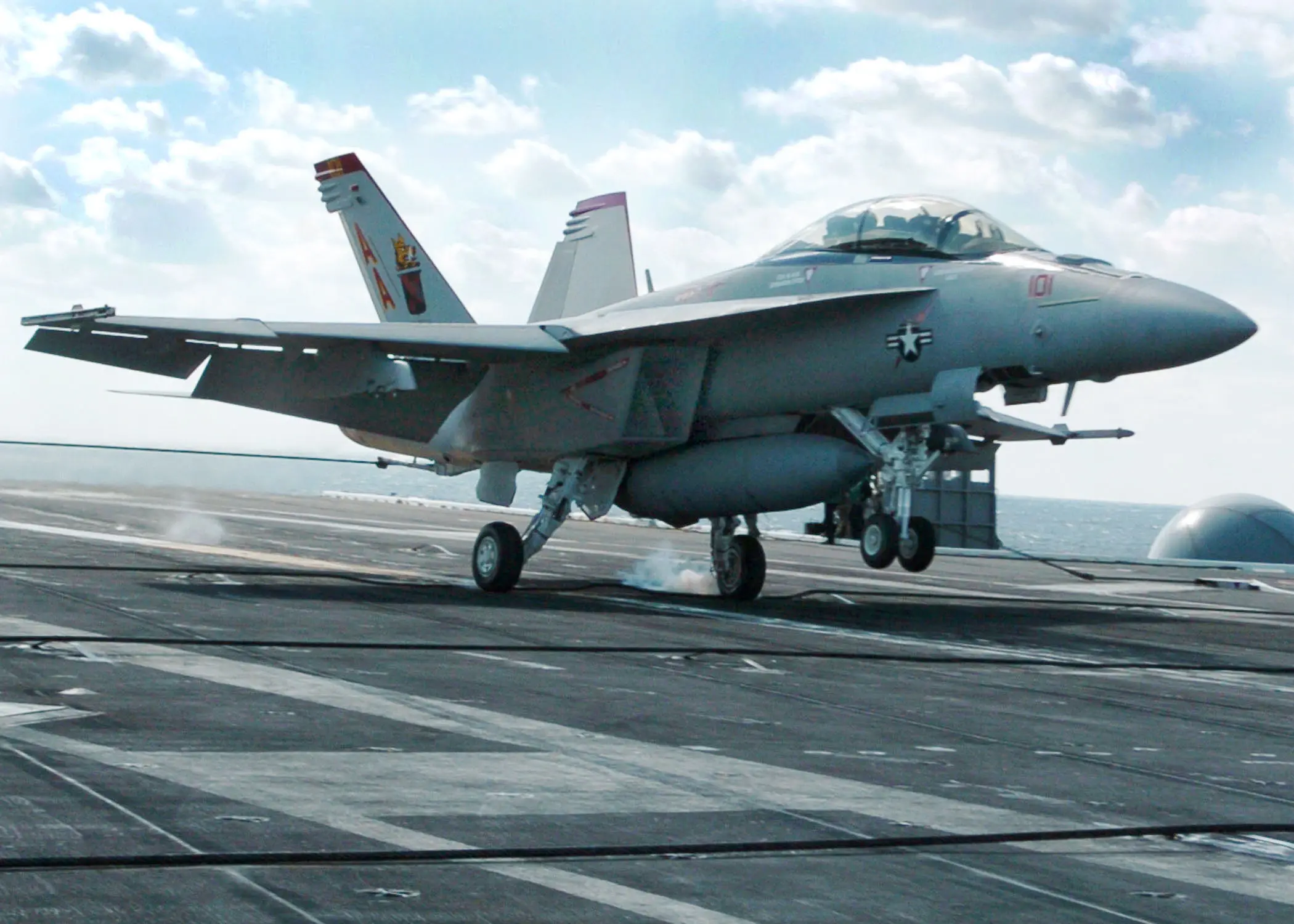
Fighter jets designed for carrier operations are equipped with a tailhook, a strong metal hook attached to the rear of the aircraft. As the jet lands, this hook catches one of several high-tension arresting wires stretched across the deck, bringing the jet from 250+ km/h to a dead stop in about 2 seconds.
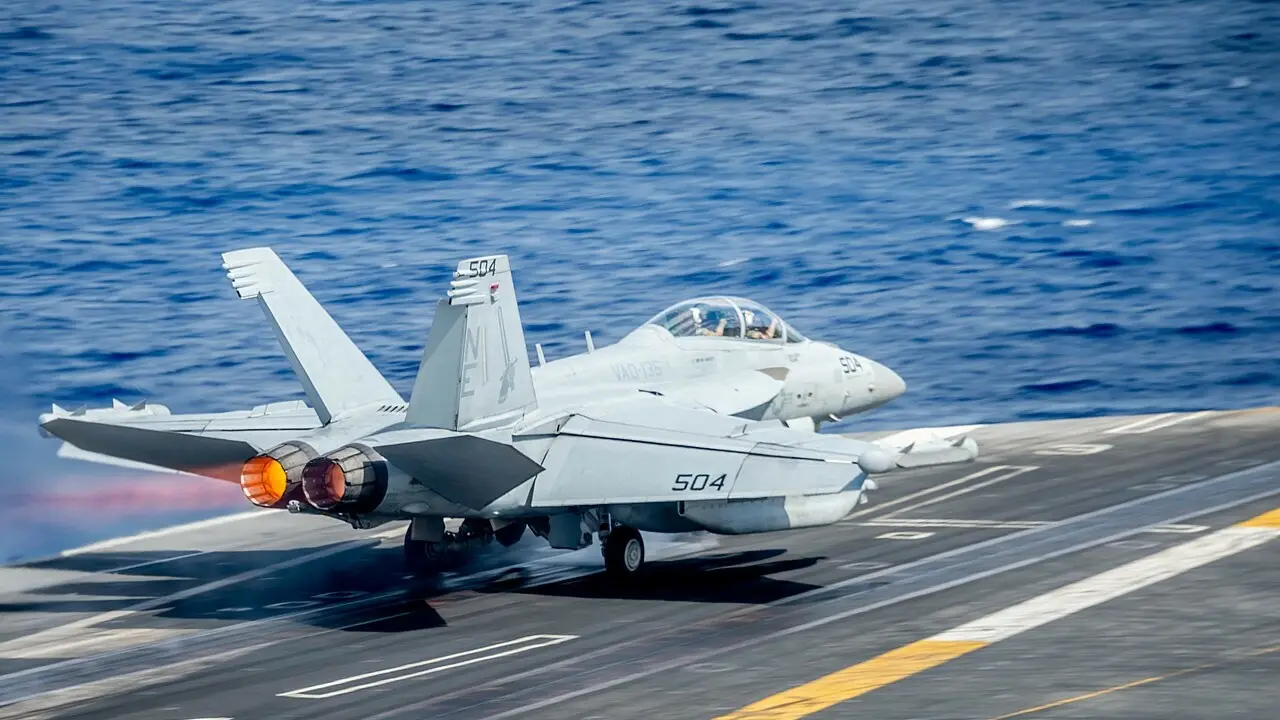
The Landing Signal Officer (LSO)
A trained Landing Signal Officer stands on the deck and helps guide each pilot with visual cues and radio instructions. The LSO monitors the jet's glide slope, speed, and trajectory in real time, and can even wave off a landing if something seems unsafe.
Stabilisation Systems at Sea
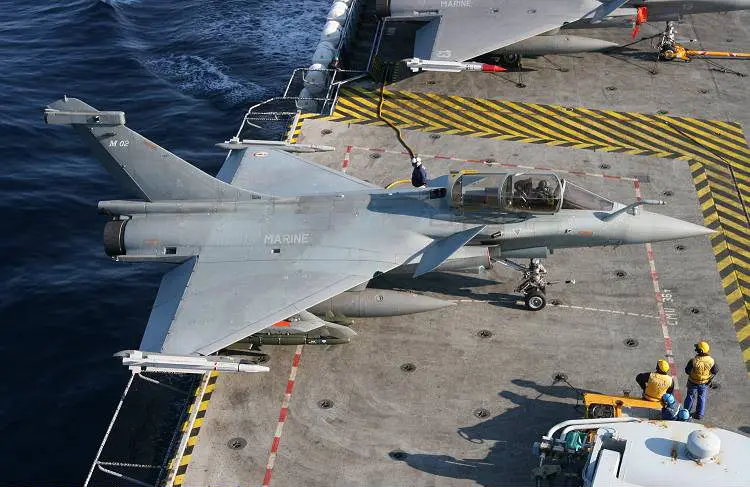
Modern carriers have built-in gyroscopic stabilisation and advanced computer systems that help keep the flight deck as steady as possible during operations. Even in rough seas, the flight deck adjusts to reduce pitch and roll during critical landing moments.
Auto-Assist Tech: Not Just Skill, but Software
New-age fighter jets like the F-35C come equipped with automated landing assistance systems that sync with the carrier’s tech. These systems can help guide the aircraft to a smoother landing, even in poor visibility, making modern carrier landings safer and more reliable than ever before.
)
)
)
)
)