How fighter jets identify friend-or-foe in milliseconds

Fighter jets identify friendly aircraft using IFF systems that transmit encrypted challenge-response signals within milliseconds. Mode 5 technology uses spread-spectrum encryption and changes daily keys, resisting jamming and spoofing.
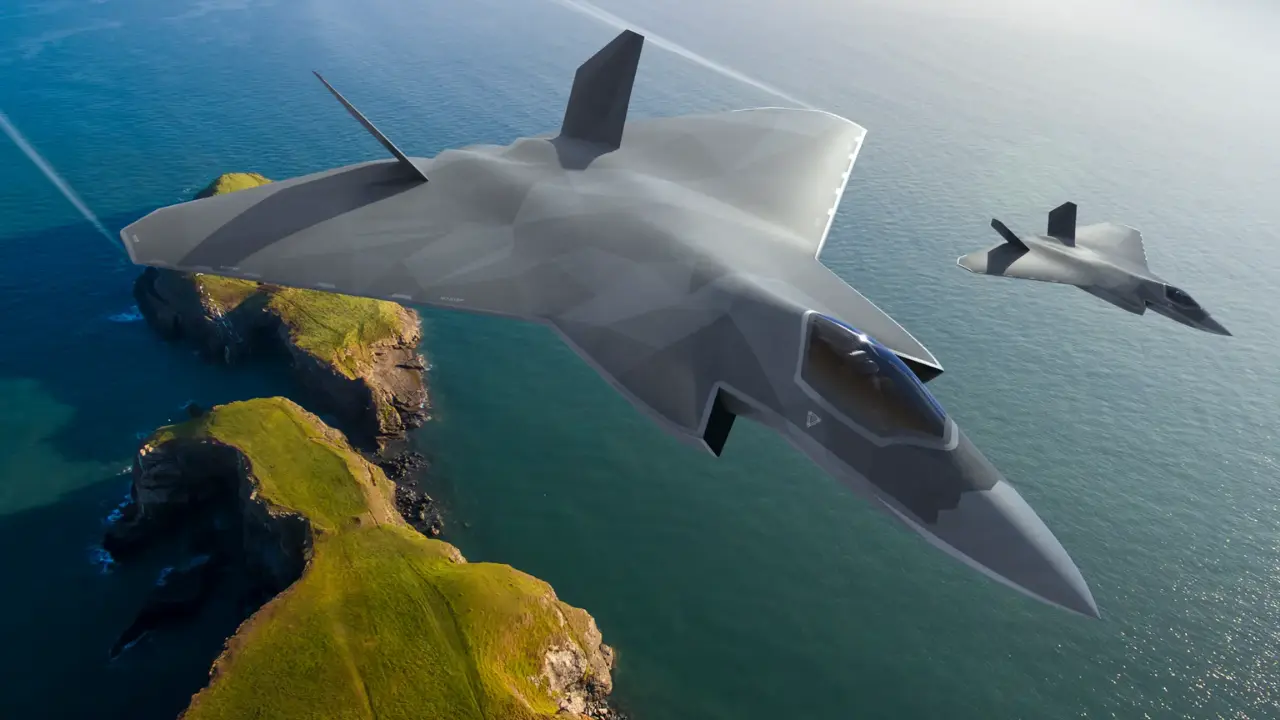
The Challenge-Response System Explained
IFF systems work like a digital password exchange between ground radars and aircraft. A ground-based radar station acts as an interrogator, sending a coded challenge signal on 1030 MHz to all aircraft in its range. Each friendly aircraft carries a transponder that receives this signal and, if correctly configured, transmits an encrypted reply on 1090 MHz. This exchange happens automatically within milliseconds. The ground station receives the response and displays the aircraft as friendly on the radar screen. Hostile aircraft either lack transponders or transmit no response, appearing as unidentified contacts. This simple but effective system has prevented countless friendly fire incidents since World War Two.
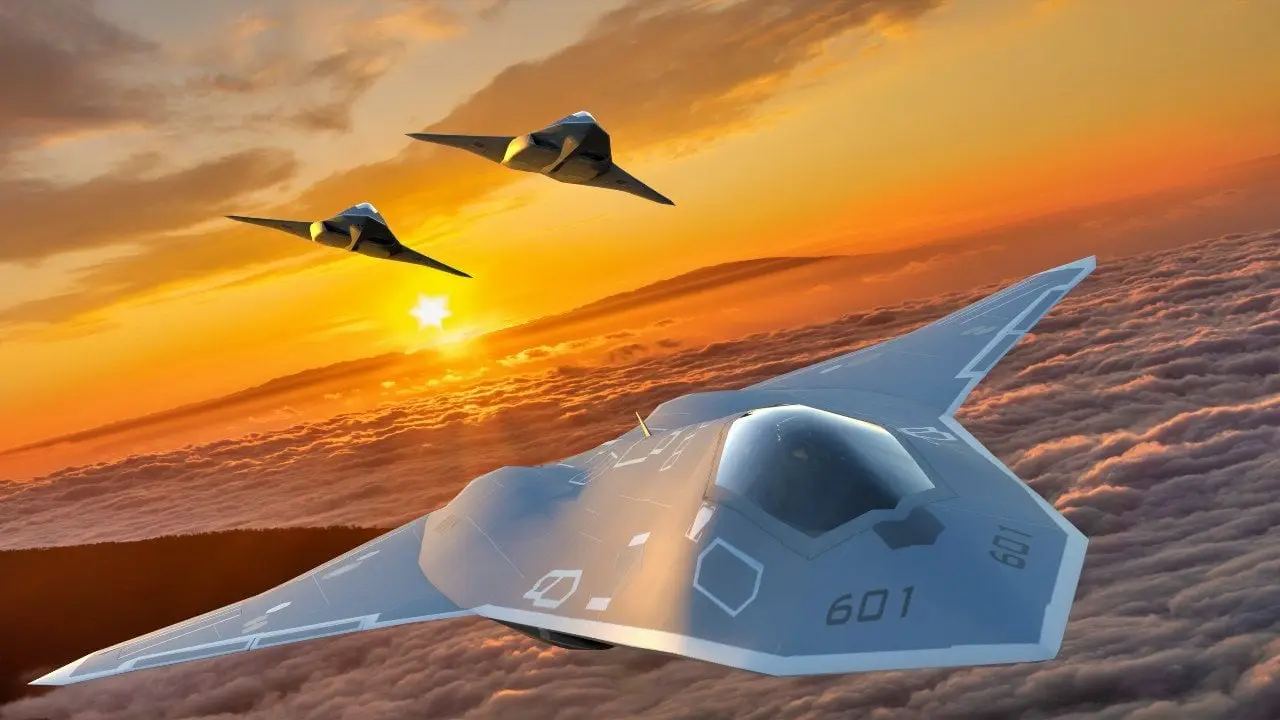
Mode 1 and Mode 2 Basic Identification
Early IFF systems introduced Mode 1 and Mode 2 for basic aircraft identification. Mode 1 provides a simple numeric code that identifies individual aircraft. Mode 2 offers a more specific identification when an operator requests it from a particular aircraft. These modes operate on a basic level without encryption, making them vulnerable to spoofing or interception. During the Cold War, these modes were primarily used by NATO forces. Modern aircraft still carry Mode 1 and Mode 2 capability, but operators rely on more secure modes for critical military operations. These basic modes remain useful for civilian air traffic control and training scenarios.
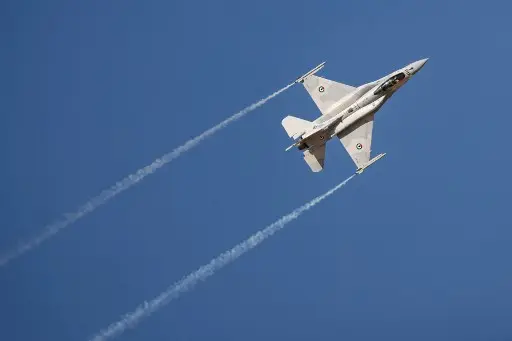
Mode 3 and Mode A Expansion
Mode 3 expanded IFF capability by allowing ground operators to identify entire aircraft formations with a single interrogation. An aircraft set to Mode 3 transmits a unique code that distinguishes it from other aircraft in the formation. Mode A is essentially the NATO equivalent of Mode 3, used by aircraft requiring higher security protocols. These modes transmit between 4,096 distinct codes, allowing operators to track specific aircraft across the radar display. The response comes within microseconds of interrogation. Mode 3 and Mode A remain widely used in modern military operations where encryption is not required, such as within NATO airspace during peacetime.
Mode 4 Secure Military Identification
Mode 4 introduces encryption and higher security to the IFF system. When a ground radar interrogates an aircraft using Mode 4, the challenge signal includes a 12-bit code that changes daily. The aircraft's transponder receives this code, applies additional cryptographic encoding, and compares the result with a pre-dialled value. Only if the values match does the transponder reply. This authentication process prevents unauthorised aircraft or adversaries from spoofing friendly responses. Mode 4 became the standard military identification system for NATO forces and allied nations during the 1990s. Without the correct daily key code, even an aircraft with a Mode 4 transponder cannot respond as friendly.
Mode 5 Advanced Secure System
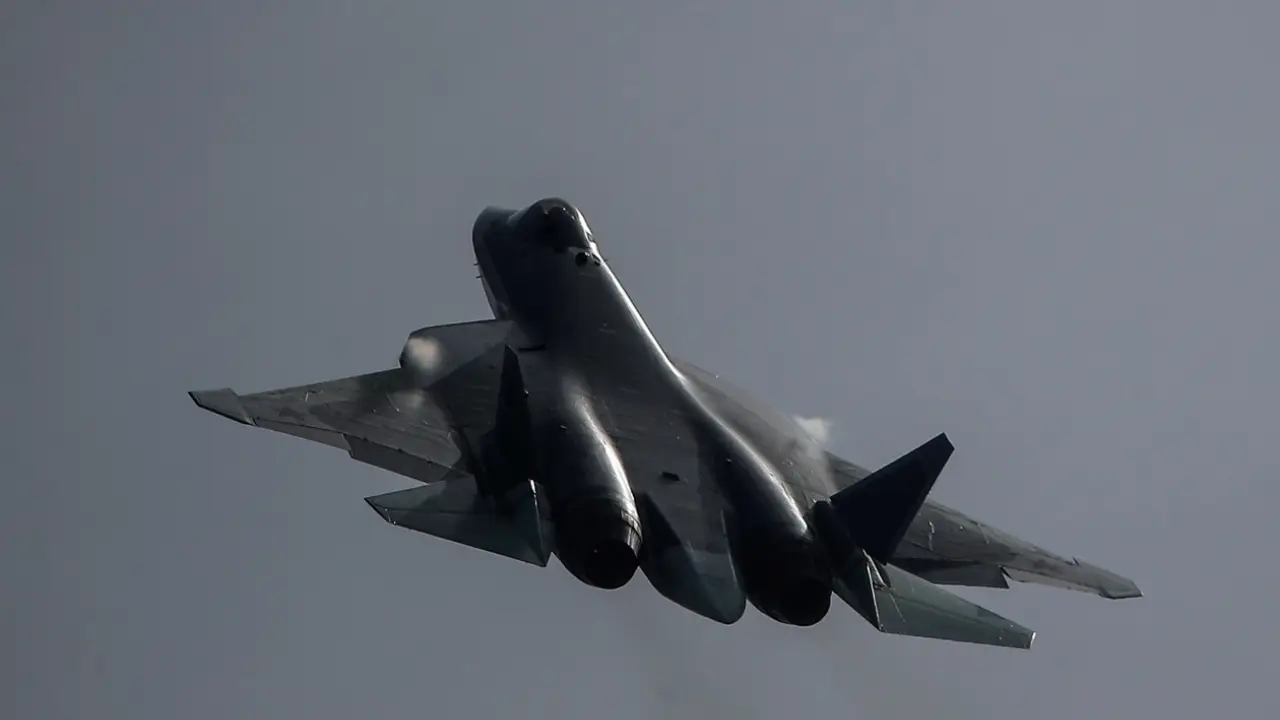
Mode 5 represents the latest advancement in military IFF technology and is mandatory for NATO aircraft. This system uses spread-spectrum radio transmissions that are extremely difficult for adversaries to intercept or jam. Mode 5 incorporates secure encryption based on cryptographic algorithms unknown to hostile forces. The system transmits aircraft identification, altitude, and heading within the encrypted signal. Advanced anti-jamming capabilities allow Mode 5 to function even in dense electromagnetic environments. Identification occurs within 100 milliseconds, significantly faster than earlier modes. Transition to Mode 5 has been ongoing across NATO since the 2000s, with most modern fighter jets now fully Mode 5 capable.
Spread-Spectrum Technology Resists Jamming
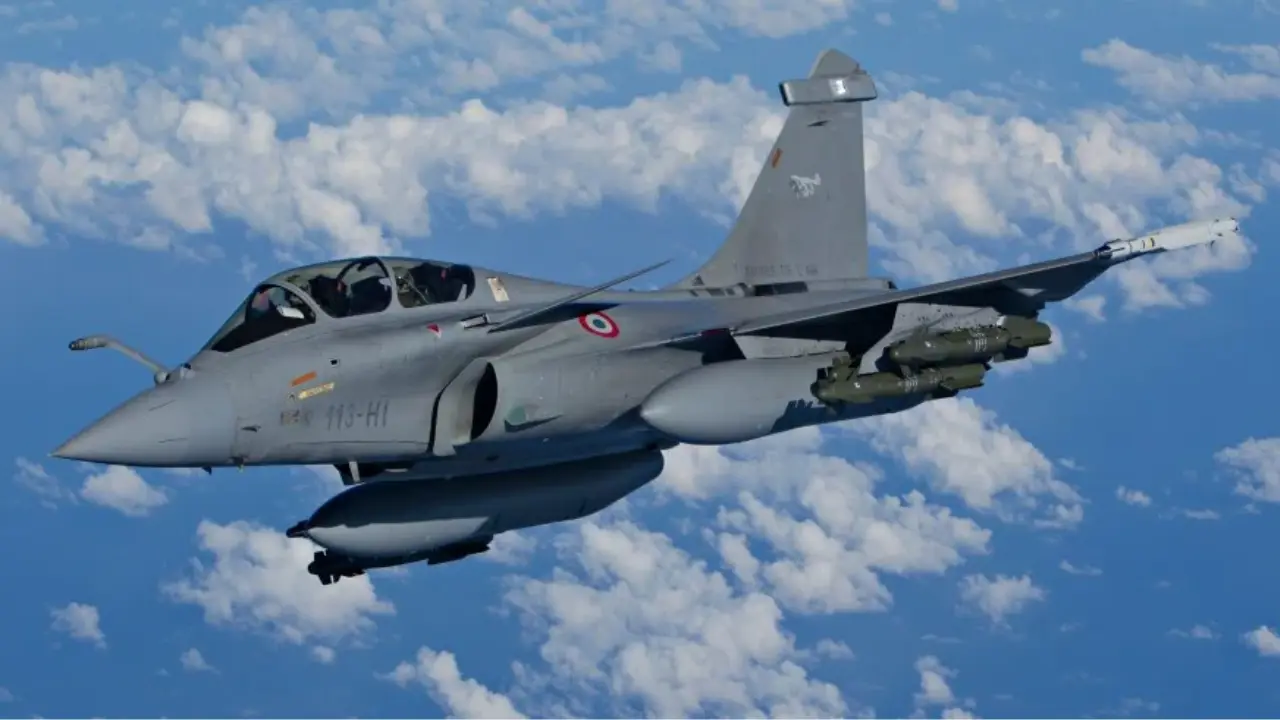
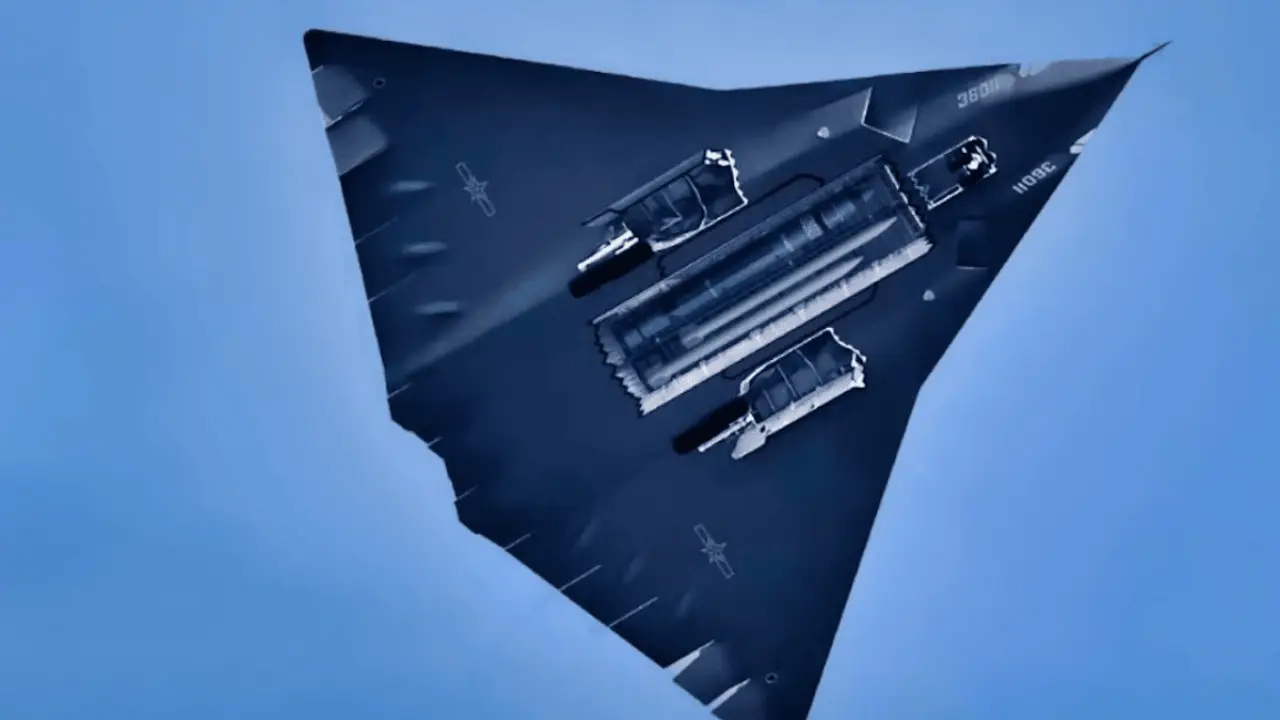
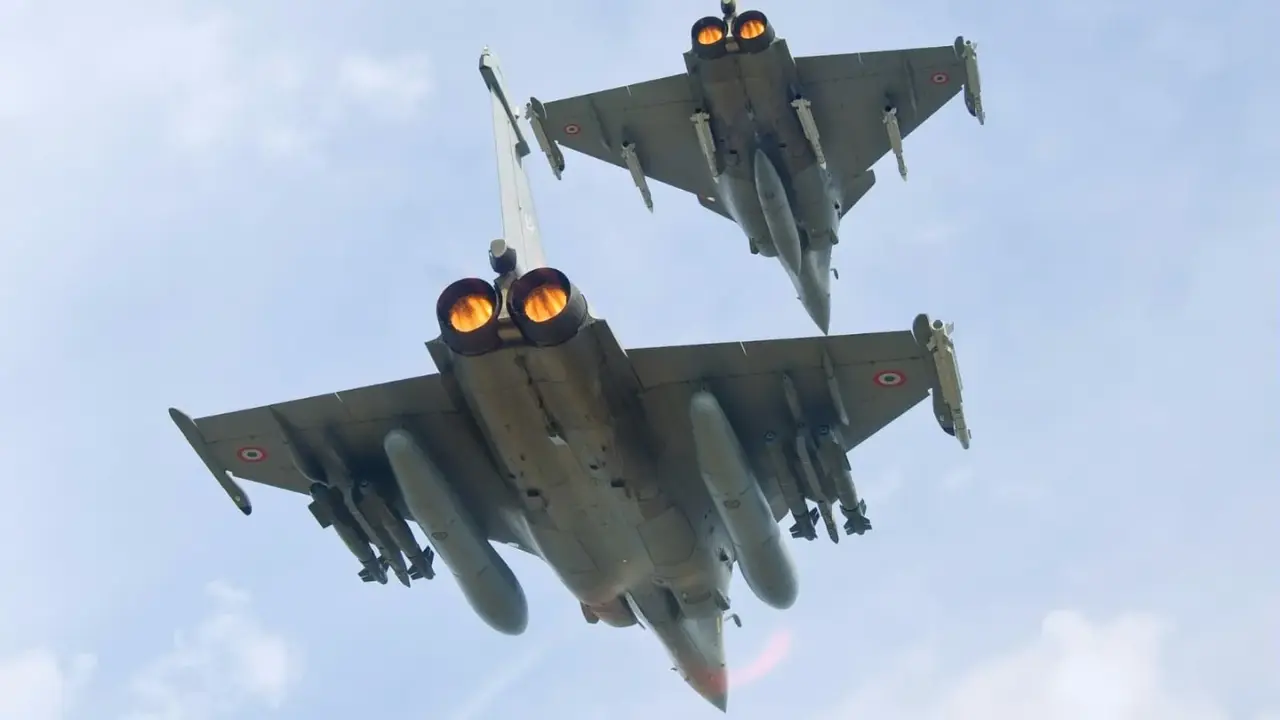
Spread-spectrum transmission spreads the IFF signal across a wide frequency range, making it nearly impossible to jam or intercept effectively. Unlike narrow-band signals that adversaries can easily disrupt, spread-spectrum signals maintain communication integrity in hostile electromagnetic environments. Modern aircraft radar warning receivers detect jamming attempts but continue operating through automated frequency hopping. The Rafale fighter's SPECTRA system detects radar emissions between 0.5 and 20 GHz and activates directional jamming within 100 milliseconds. This rapid response capability ensures that even during coordinated electronic warfare attacks, IFF systems continue functioning. The spread-spectrum approach provides resilience that earlier modes simply could not achieve.
Encryption Keys Change Daily
Military IFF systems employ encryption keys that change every 24 hours at coordinated times across all allied forces. Each morning, pilots input a new key code into their IFF transponders before flight. These daily keys are distributed through secure military channels and kept classified. Without the correct key for the current date, an aircraft cannot respond correctly to Mode 4 or Mode 5 interrogations. This prevents adversaries from capturing an IFF system and using it to spoof friendly aircraft. The daily key rotation adds multiple layers of security against interception or reverse engineering. In wartime scenarios, key rotation frequencies may increase to provide even greater security assurance.
Interrogation Ranges and Reliability
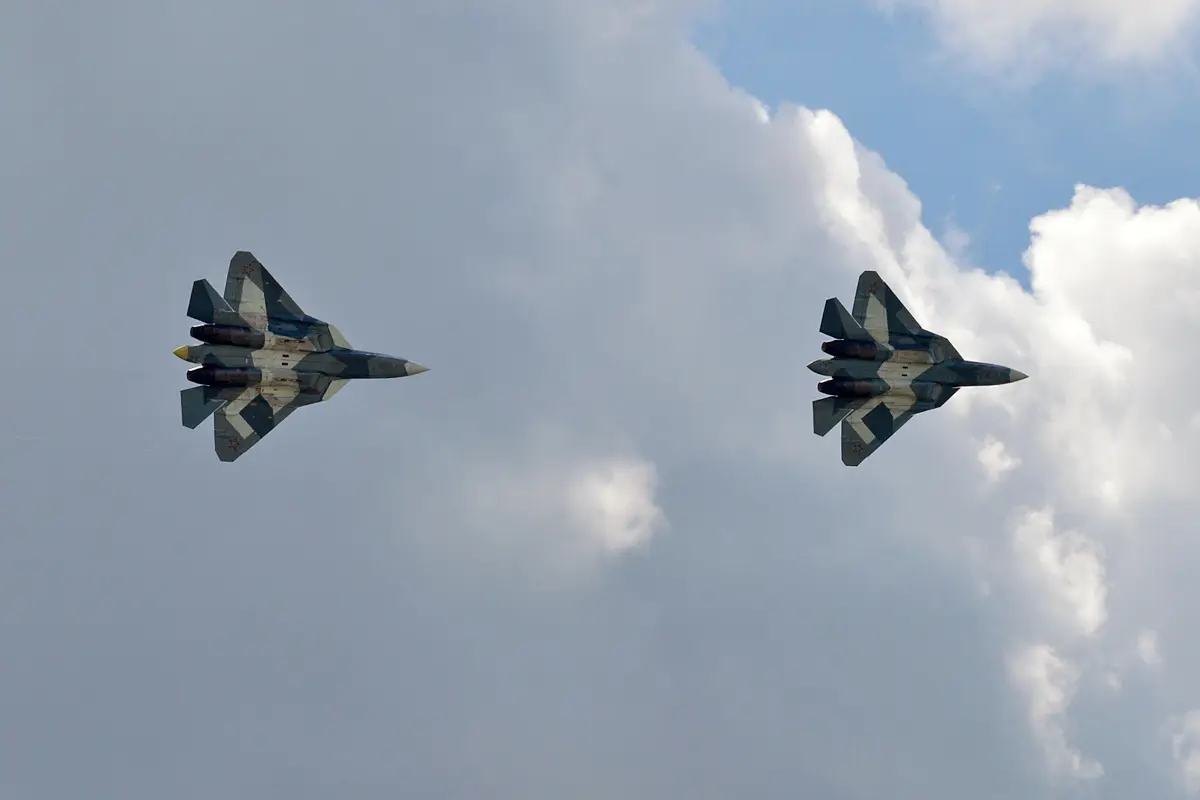
IFF systems operate effectively at different ranges depending on the interrogator and transponder power. Ground-based interrogators can identify aircraft up to 300 kilometres away under ideal conditions. Airborne interrogators mounted on fighter jets have shorter ranges, typically 50 to 100 kilometres. The interrogation and response process completes in less than one microsecond, making identification essentially instantaneous from the pilot's perspective. Reliability exceeds 99 per cent in standard operational environments. In extremely crowded airspace with multiple interrogators and transponders, system congestion can occasionally cause delayed responses. Modern systems employ advanced signal processing to prevent collisions between simultaneous interrogations.
Preventing Friendly Fire Incidents
Friendly fire, or fratricide, remains a persistent danger in military operations. IFF systems have become the primary tool for preventing such incidents since World War Two. Modern rules of engagement require positive IFF identification before engaging aircraft at beyond visual range. Pilots must interrogate unknown aircraft and confirm friendly status before considering them targets. The millisecond identification capability ensures that friendly aircraft can be distinguished from hostile ones even in fast-moving combat scenarios. NATO analysis shows that aircraft equipped with operational IFF systems experience significantly lower fratricide rates. However, system failures or pilot error can still result in tragic incidents, highlighting the continued importance of proper training and procedure compliance.
Future IFF Technologies and Integration
Future military aviation will see IFF systems integrated with advanced data-link networks and artificial intelligence. Next-generation fighters will share IFF data across entire combat networks, providing real-time identification information to all participating forces. Autonomous systems analysing IFF signals may alert pilots to threats faster than manual interpretation. Integration with satellite-based surveillance will enable identification beyond line-of-sight constraints. Emerging quantum encryption technologies promise even greater security against potential adversaries. As the electromagnetic environment becomes increasingly contested, IFF systems will continue evolving to maintain reliability. The transition to these advanced systems is already underway in leading military air forces worldwide.
)
)
)
)
)