How fighter jets cross 100 km in under 6 minute

Fighter jets at Mach 1.8 to 2.5 cover 100 km in 2.5 to 3 minutes. The F-16 at Mach 2.0 reaches 40 kilometres per minute, the Rafale at Mach 1.8 reaches 36 km/min. Supersonic speeds require afterburner engagement, consuming fuel rapidly.
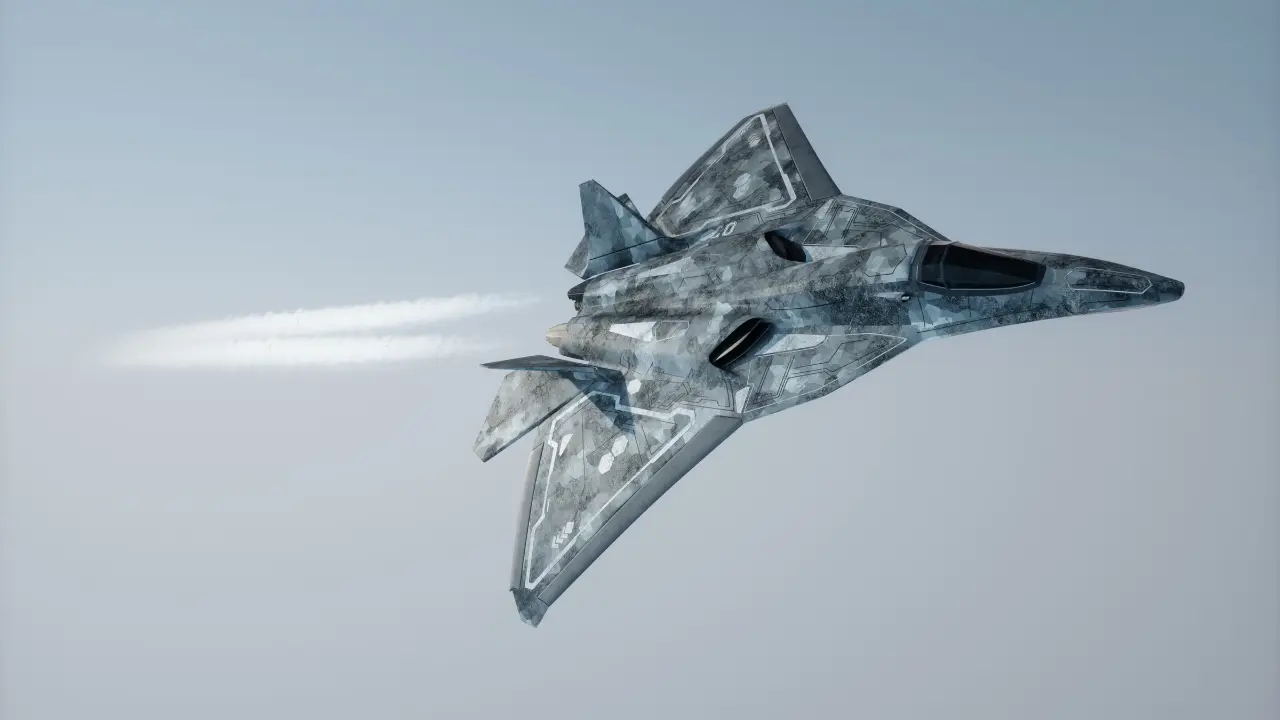
Mach Speed System - Understanding Supersonic Velocity Measurements
Speed measurement at high altitudes uses Mach numbers representing ratios to the speed of sound. Mach 1 equals sound speed approximately 1,235 km/h at sea level. Mach 2.0 represents twice sound speed approximately 2,470 km/h. The F-16 reaches Mach 2.0, Rafale reaches Mach 1.8, and F-35 reaches Mach 1.6. These speeds vary with altitude; air density and temperature affect actual speed conversions. Understanding Mach numbers is essential to calculating distance coverage times for fighter aircraft operations.
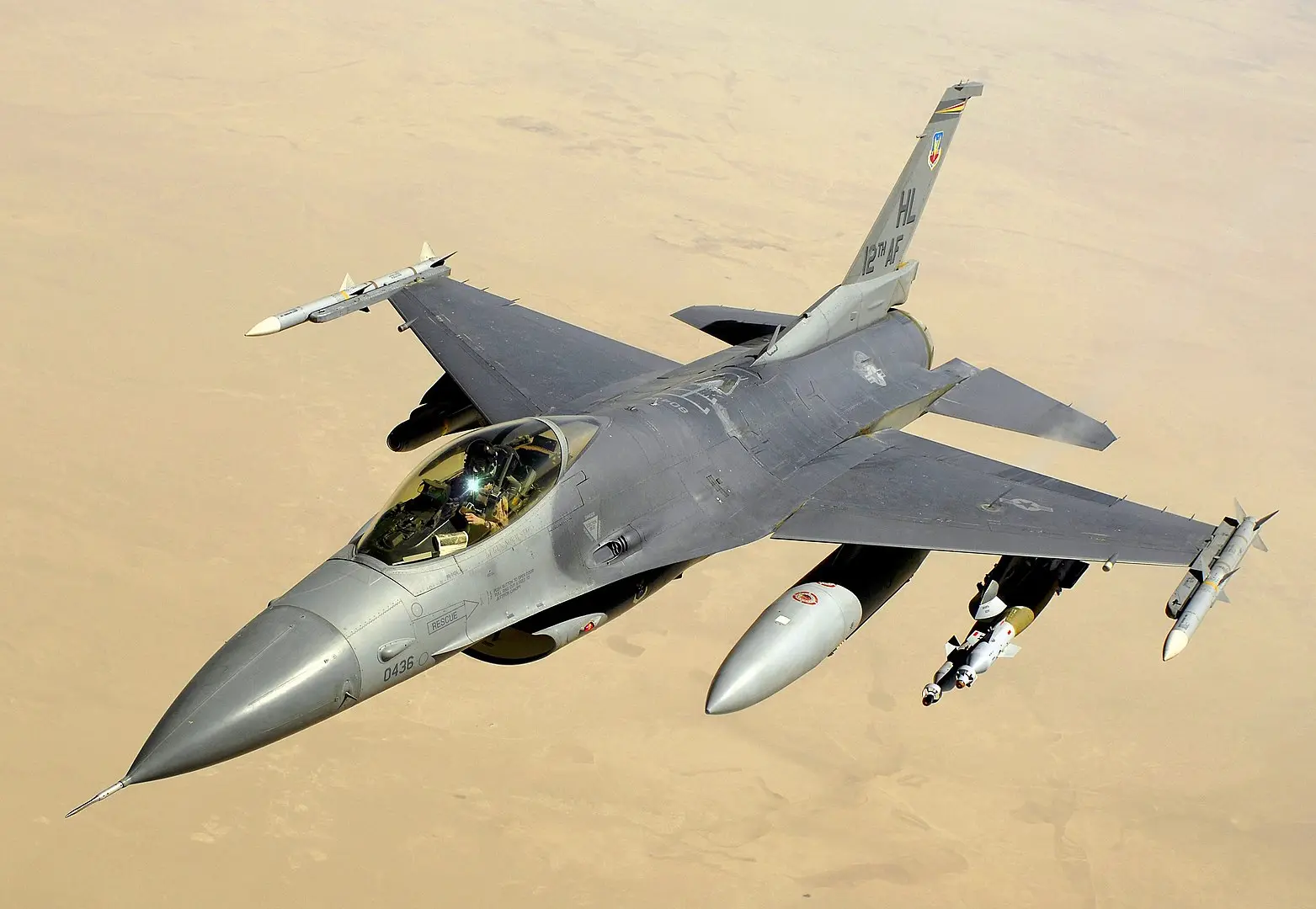
F-16 Speed Capability - Mach 2.0 and 100 km Coverage
The F-16 Fighting Falcon reaches maximum speed of Mach 2.0 (approximately 2,414 km/h or 1,500 mph). At this velocity, the F-16 covers 40 kilometres per minute. Covering 100 kilometres requires approximately 2.5 minutes of flight at sustained Mach 2.0 speed. However, afterburner fuel consumption is extremely high, limiting sustained supersonic flight duration. Fighters typically cruise at subsonic speeds and engage afterburners only when tactical situations demand rapid speed.

Rafale Performance - Mach 1.8 Speed and Distance Coverage
The Rafale fighter jet reaches maximum speed of Mach 1.8 (approximately 2,176 km/h or 1,350 mph). At Mach 1.8, the Rafale covers approximately 36 kilometres per minute. Covering 100 kilometres requires approximately 2.8 minutes. The Rafale's speed provides rapid tactical deployment and interception capability. French and Indian air forces leverage this speed for rapid response missions and air defence operations.
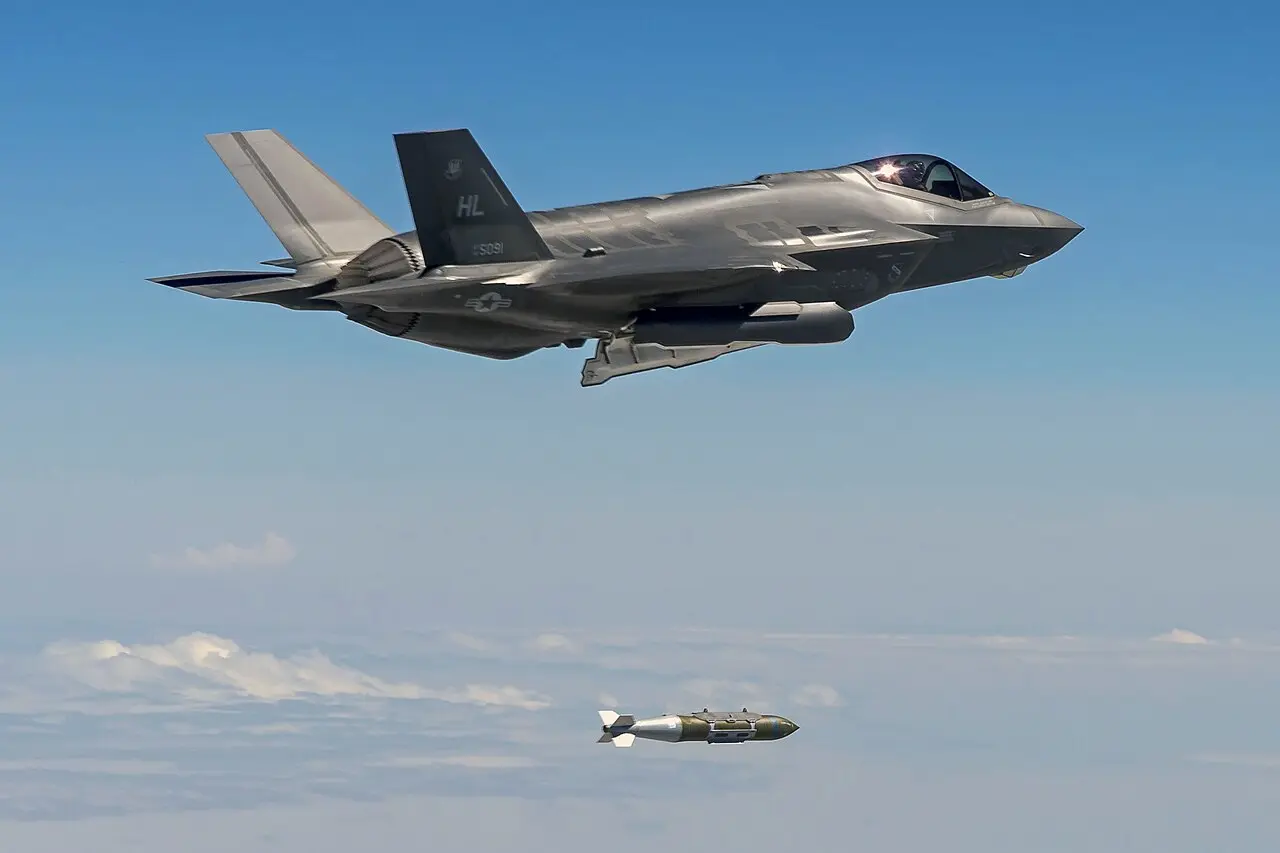
F-35 Lightning II - Mach 1.6 Speed Limitations
The F-35 Lightning II reaches maximum speed of Mach 1.6 (approximately 1,930 km/h or 1,200 mph) but cannot sustain this speed indefinitely. The F-35 can fly at Mach 1.2 for approximately 150 miles (240 km) with afterburner activated. Covering 100 kilometres at Mach 1.6 requires approximately 3.1 minutes. The F-35's lower speed reflects its design priority for stealth and sensor capability rather than pure speed performance.
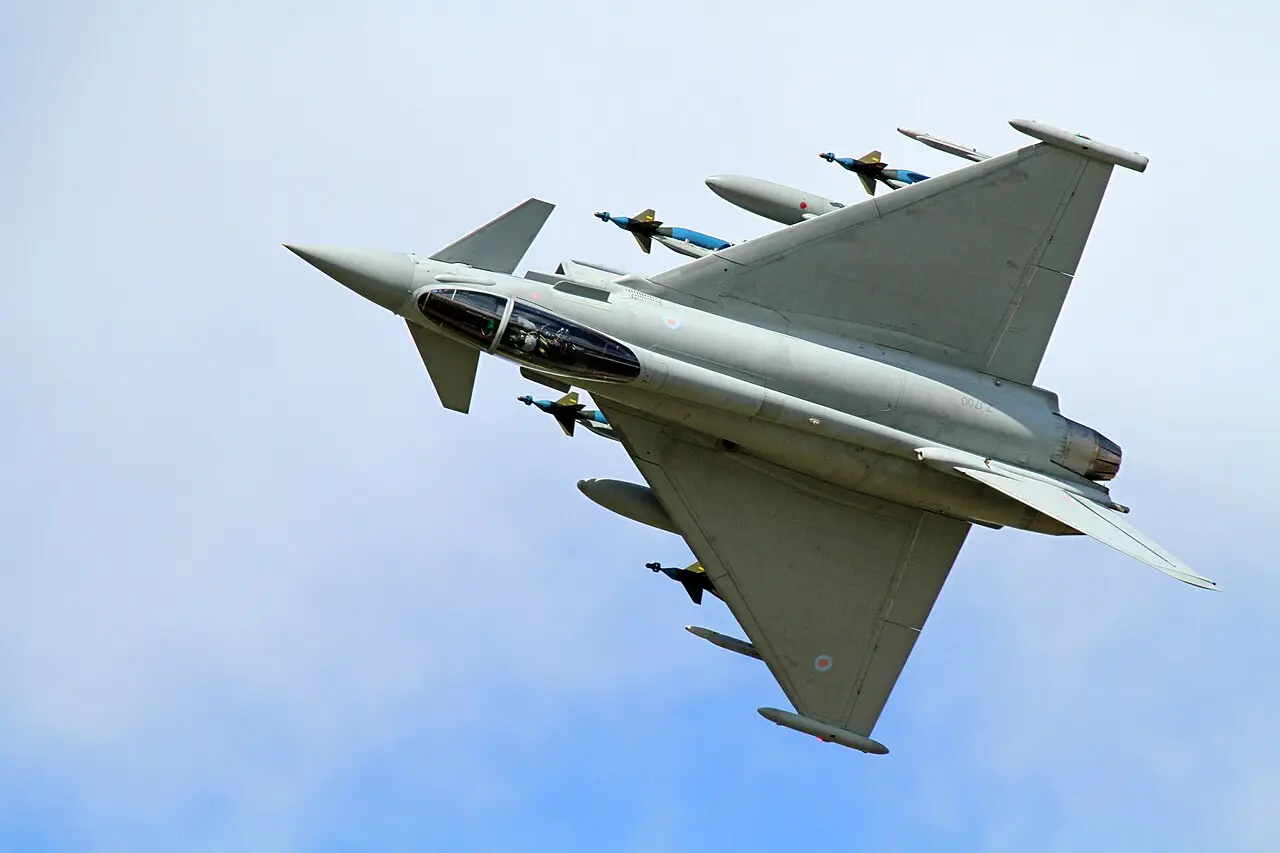
Eurofighter Typhoon - Mach 2.0 Capabilities
The Eurofighter Typhoon reaches maximum speed of Mach 2.0 (approximately 2,495 km/h) at altitude. At this velocity, it covers 100 kilometres in approximately 2.4 minutes. The Eurofighter provides rapid interception and air defence capability for NATO member nations. Quick acceleration and high speed enable effective response to airborne threats.
Acceleration to Supersonic Speed - Time Required
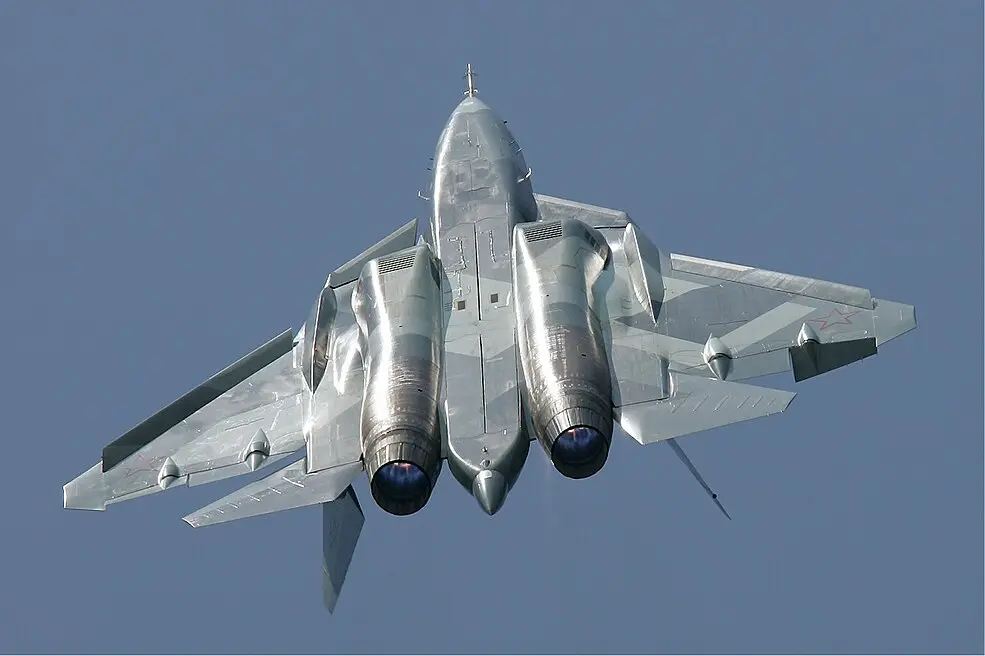
Reaching Mach 2.0 from takeoff requires approximately 5 to 10 minutes depending on aircraft weight and atmospheric conditions. Fighters accelerate initially at subsonic speeds through lower altitude, then climb to altitude whilst accelerating to supersonic velocity. Fuel consumption during acceleration is significant, requiring mission planners to factor acceleration time into overall mission planning. Rapid acceleration to supersonic speed is crucial for interception and tactical response scenarios.

Fuel Consumption at High Speed - Why Sustained Mach 2 Is Temporary
Flying at Mach 2.0 consumes approximately 3 to 4 times the fuel required for subsonic cruise flight. A fighter carrying 7,000 litres of fuel can sustain Mach 2.0 supersonic flight for only 20 to 30 minutes maximum. This extreme fuel consumption explains why fighters engage afterburners only for tactical necessities. Subsonic cruise at approximately Mach 0.85 provides 10 to 12 times greater fuel efficiency, enabling longer operational ranges.
Afterburner Engagement - Rapid Speed Achievement System
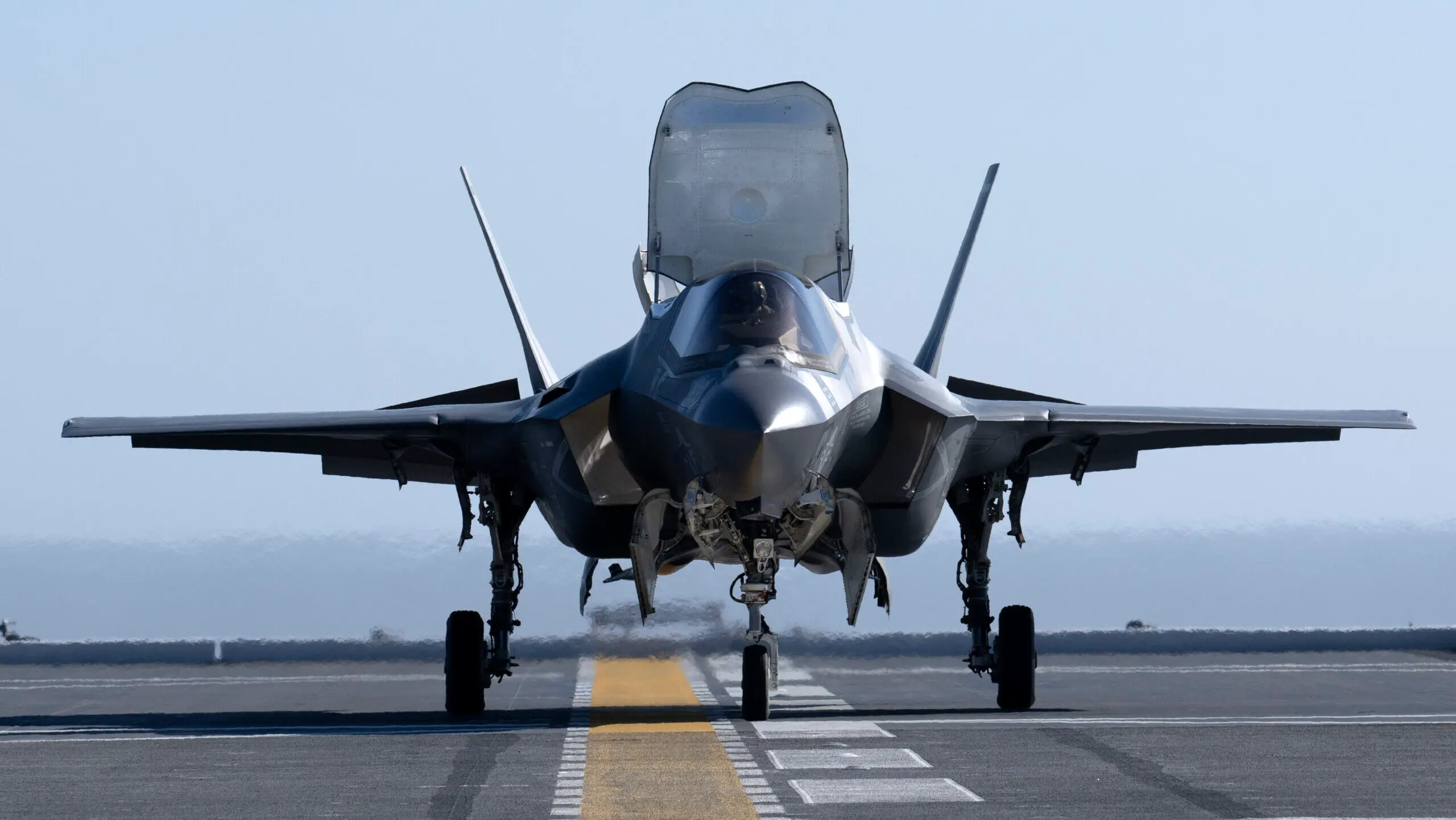
Afterburner systems allow fighters to achieve rapid acceleration to supersonic speeds. Engaging afterburner increases available thrust by 50 to 70 per cent, enabling faster acceleration. The F-16's afterburner activation increases speed rapidly, but fuel consumption increases approximately fourfold. Pilots use afterburner selectively, typically engaging it only during tactical situations requiring maximum speed. Proper fuel management ensures pilots maintain sufficient reserves for safe return to base.
Interception Response Times - Why Speed Matters Tactically
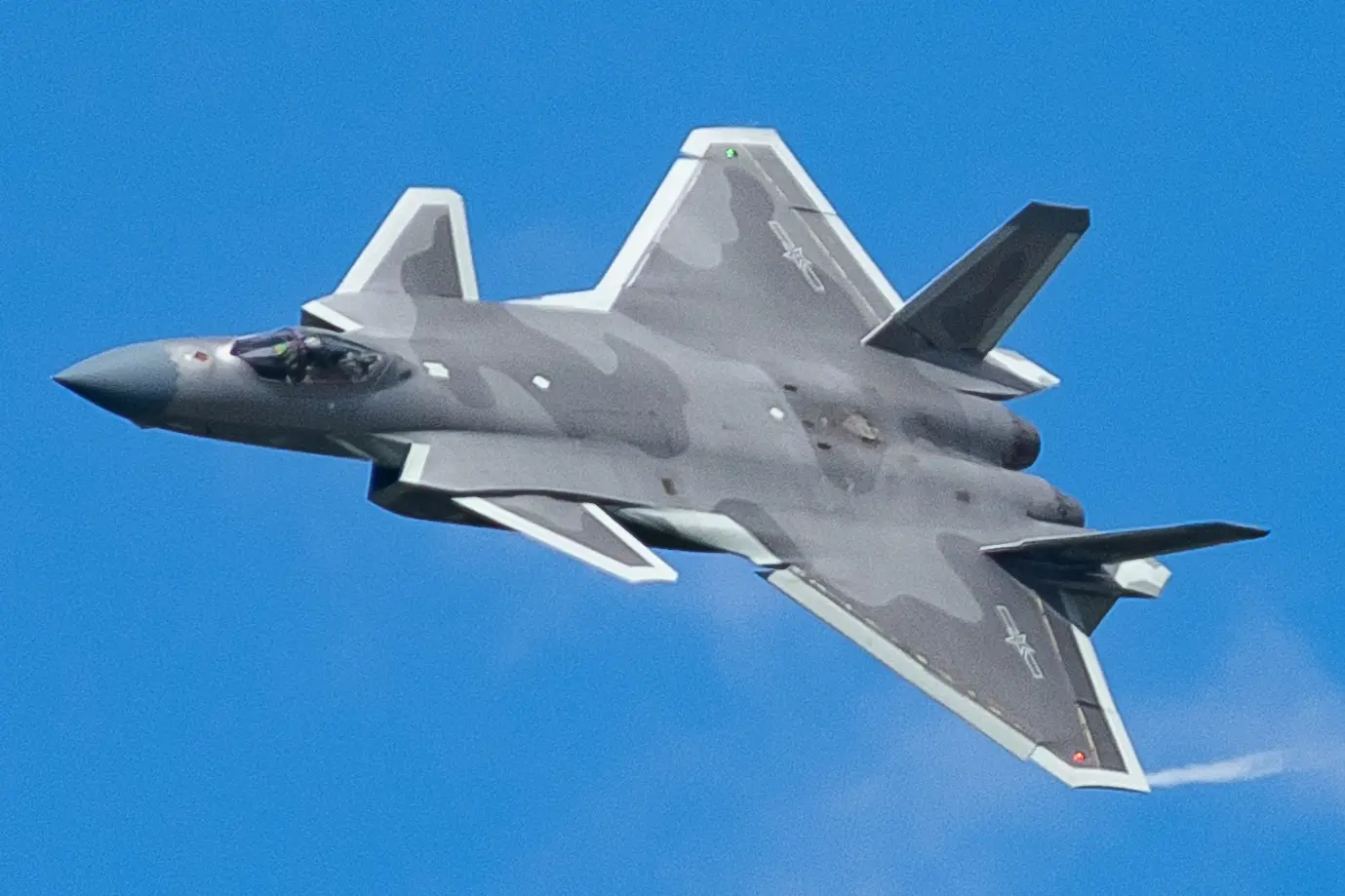
Fighter jets must achieve altitude and speed rapidly to intercept airborne threats. Modern interceptors receive alert and must become airborne, climb to altitude, and achieve intercept within 10 to 20 minutes. High maximum speed reduces the distance threats can travel before interception occurs. At Mach 2.0, interception distances expand significantly compared to subsonic-only interceptors. This tactical advantage makes speed capability essential for modern air defence systems.
Future Hypersonic Development - Beyond Mach 5
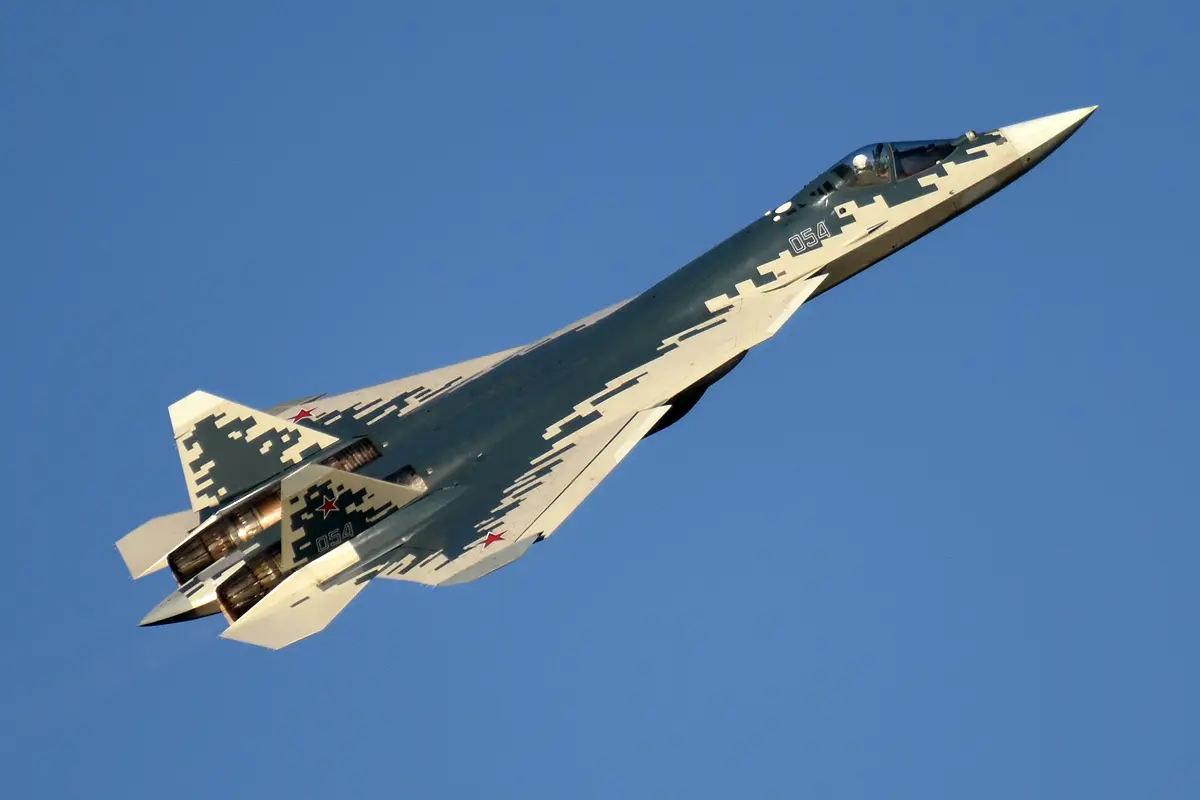
Future military aircraft research explores hypersonic speeds exceeding Mach 5. Hypersonic aircraft could cover 100 kilometres in approximately one minute. Current experimental hypersonic vehicles face extreme structural heating and material challenges. Practical hypersonic combat aircraft development remains in early research phases. Current Mach 2.0 to 2.5 speeds represent practical balance between performance capability and sustainable flight operations.
)
)
)
)
)