How fighter jets counter threats coming at Mach 1+

Fighter jets counter supersonic missile threats using radar warning receivers, electronic jamming, chaff and flare countermeasures, and aggressive manoeuvres. Advanced systems fuse sensor data to provide automated responses.
The Supersonic Threat Reality
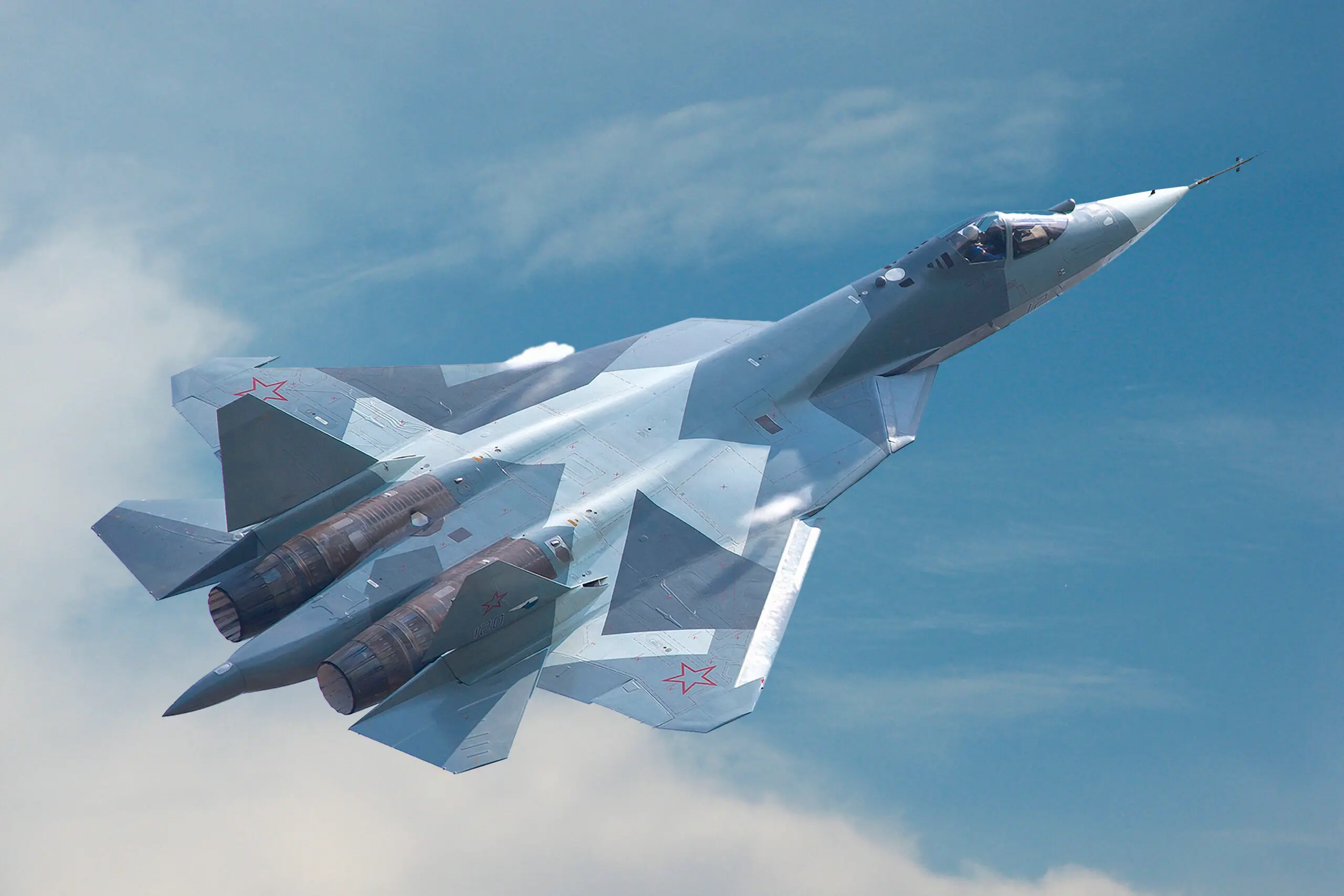
Modern fighter jets face missiles travelling faster than Mach 1, meaning they move at speeds exceeding 1,235 kilometres per hour. These high-speed threats include radar-guided missiles like the Russian Alamo and heat-seeking variants like the Sidewinder. Pilots have only seconds to detect an incoming threat and respond. Traditional methods like spotting incoming missiles visually are nearly impossible at these speeds. This requires aircraft to carry sophisticated sensor systems that detect threats automatically and alert pilots instantly so they can take evasive action within critical timeframes.
Radar Warning Receivers Alert Pilots
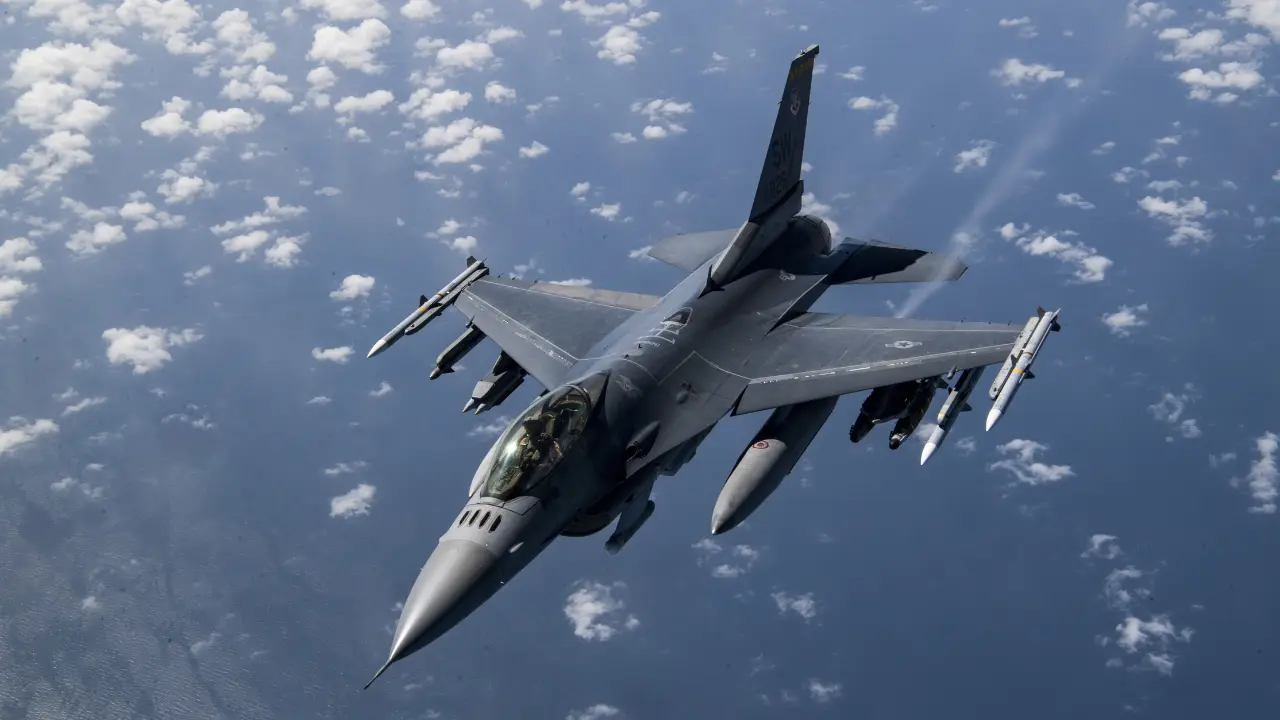
The first line of defence is detecting the threat itself. Radar Warning Receivers (RWRs) scan the electromagnetic environment and detect enemy radars before missiles are even launched. When a hostile radar locks onto a fighter jet, the RWR alerts the pilot through audio and visual signals. Modern RWRs can simultaneously track multiple radar threats and display them on the cockpit display. This early warning gives pilots precious seconds to launch countermeasures or manoeuvre away from danger. The faster a pilot knows about a threat, the better their survival chances become.
Electronic Jamming Creates False Targets
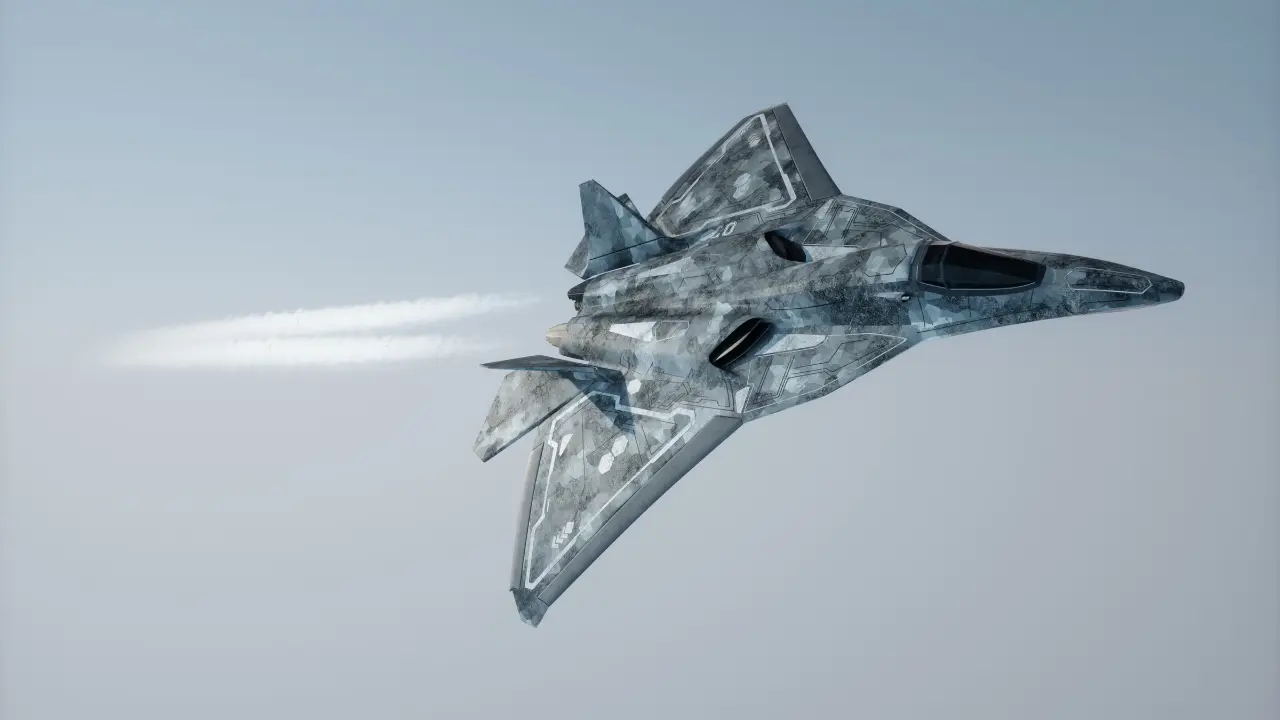
Electronic warfare (EW) pods mounted on fighter jets transmit powerful radio signals that jam enemy radars. These systems generate so much interference that radar operators cannot distinguish the real aircraft from false echoes. Advanced jamming systems like those on the Boeing Growler can create up to 256 artificial radar targets, completely disorienting air defence batteries. Active jamming forces enemy operators to either fire blindly or fail to detect the actual aircraft. This technique has become central to modern military doctrine for penetrating defended airspace and escaping missile threats.
Chaff Deployment Against Radar Missiles
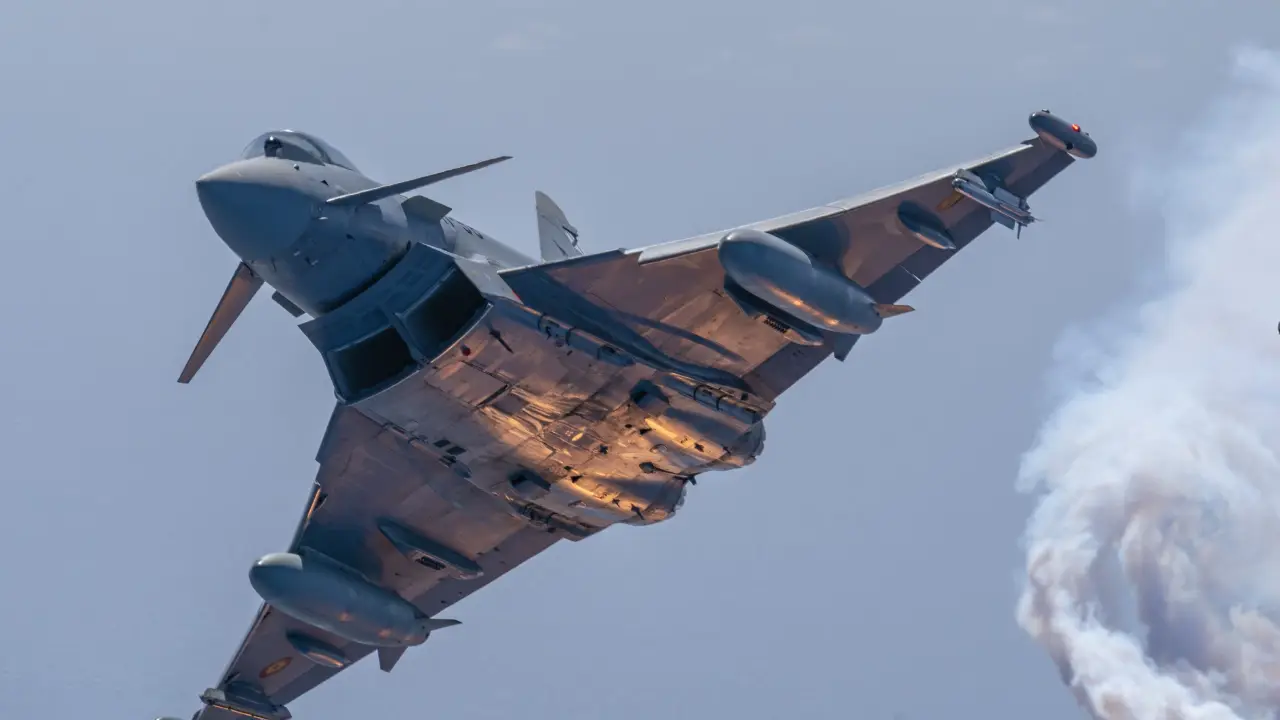
Chaff consists of thin strips of aluminium or metallic material dispensed in clouds behind the aircraft. When radar-guided missiles approach, pilots deploy chaff patterns that create multiple false reflections. Missile guidance systems struggle to determine which return belongs to the actual aircraft. Modern chaff patterns are designed to precisely match the radar frequency of incoming threats. Aircraft dispense chaff in complex sequences to maximise confusion and force the missile to target empty air instead of the jet. Combined with manoeuvring, chaff deployment significantly reduces the probability of a missile hitting its target.
Flares Against Heat-Seeking Missiles
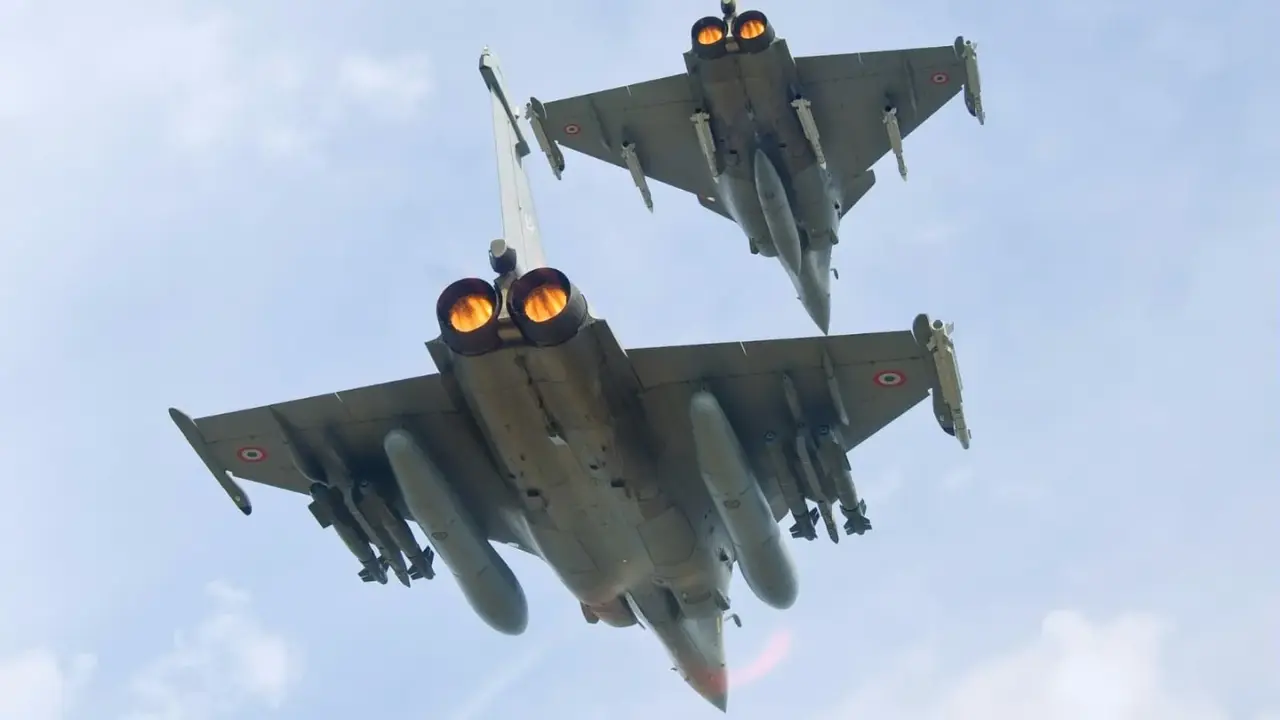
Heat-seeking missiles lock onto aircraft engine exhaust. Fighter jets carry advanced flare dispensers that eject decoys producing intense heat signatures. Modern flares burn at temperatures matching or exceeding jet engine heat output, creating multiple attractive targets. Pilots deploy flares in specific patterns timed to confusion incoming missiles. Advanced imaging-infrared missiles require more sophisticated countermeasures, leading to newer flare designs with different heat signatures. The timing and quantity of flare deployment depends on pilot experience and threat type. Flares remain the primary defence against heat-seeking missiles at high speed.
Directed-Infrared CounterMeasures (DIRCM)
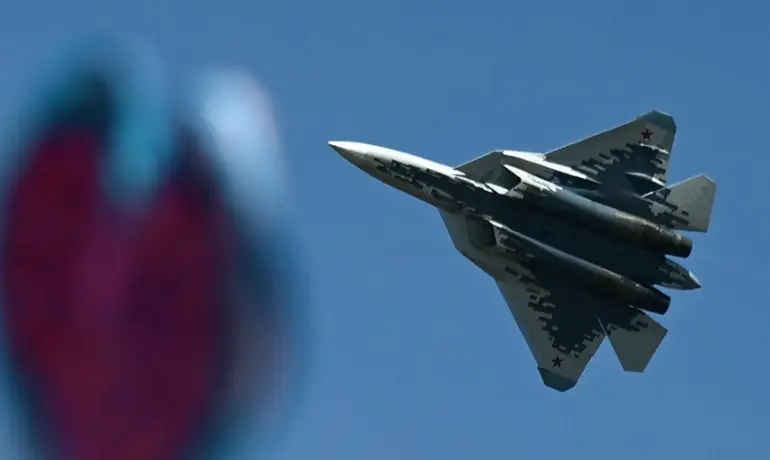
The newest defence against advanced imaging-infrared missiles uses Directed-Infrared CounterMeasures (DIRCM). These systems employ lasers or similar high-energy devices to blind incoming missile seekers. DIRCM systems track the missile in real-time and emit focused beams that overload the seeker's sensors. This prevents the missile from maintaining track on the aircraft. DIRCM systems are highly effective against modern heat-seeking missiles but require precise target tracking and timing. As missile technology advances, DIRCM systems continue to evolve to maintain the critical defence advantage.

High-Speed Manoeuvres Outrun Missiles
The kinematic advantage of fighter jets plays a crucial role in surviving missile attacks. When a pilot receives a missile warning, turning 180 degrees and accelerating in the opposite direction can outrun the incoming threat. Missiles have finite fuel supplies and turn performance, making them unable to chase aircraft beyond certain escape distances. Modern jets achieve supersonic speeds, often exceeding Mach 2, giving them a critical advantage. Skilled pilots combine speed, turn performance, and altitude changes to put the aircraft in positions where missiles cannot reach them based purely on physics and fuel limitations.
Multi-Layered Defence Strategy
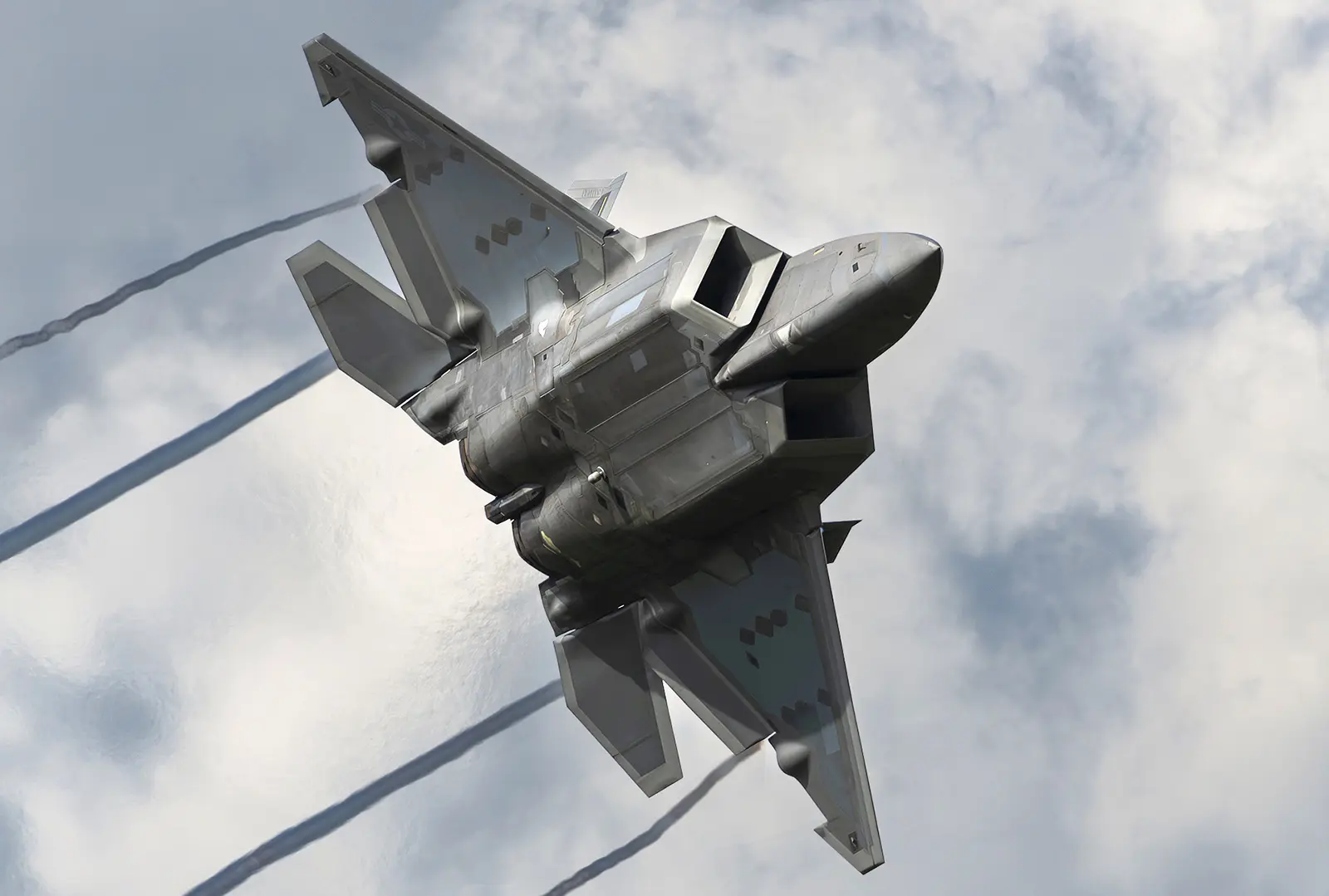
Modern fighter jets integrate all defence systems into a unified approach. RWRs detect threats, EW systems jam radars, whilst chaff and flares provide additional deception. Pilots simultaneously manoeuvre aggressively whilst these systems operate. This layered defence means that even if one countermeasure fails, others provide backup protection. The integration of sensors, jamming systems, and dispensers into the aircraft's computer networks ensures coordinated responses. NATO simulations demonstrate that aircraft with integrated active electronic warfare systems achieve significantly higher survival rates against integrated air defence systems.
Sensor Fusion and Automated Response
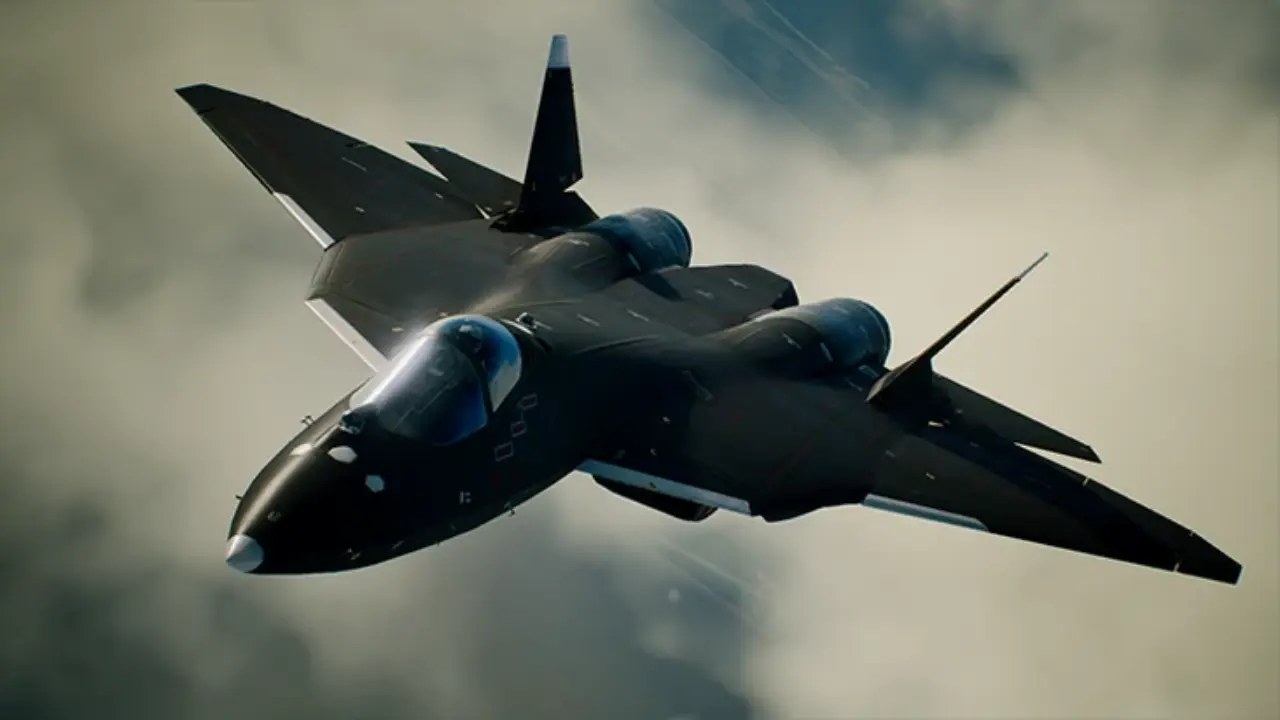
Modern aircraft increasingly employ automated threat response systems. When a missile threat is detected, the aircraft's computers automatically activate appropriate countermeasures without waiting for pilot input. Sensor fusion combines data from multiple systems - radar, infrared, electronic warfare - into a unified tactical picture. This real-time integration allows aircraft systems to respond faster than human reaction times permit. Advanced AI-assisted systems evaluate threats and recommend optimal manoeuvre and countermeasure combinations. Automation reduces pilot workload during high-stress combat situations where quick decisions determine survival.
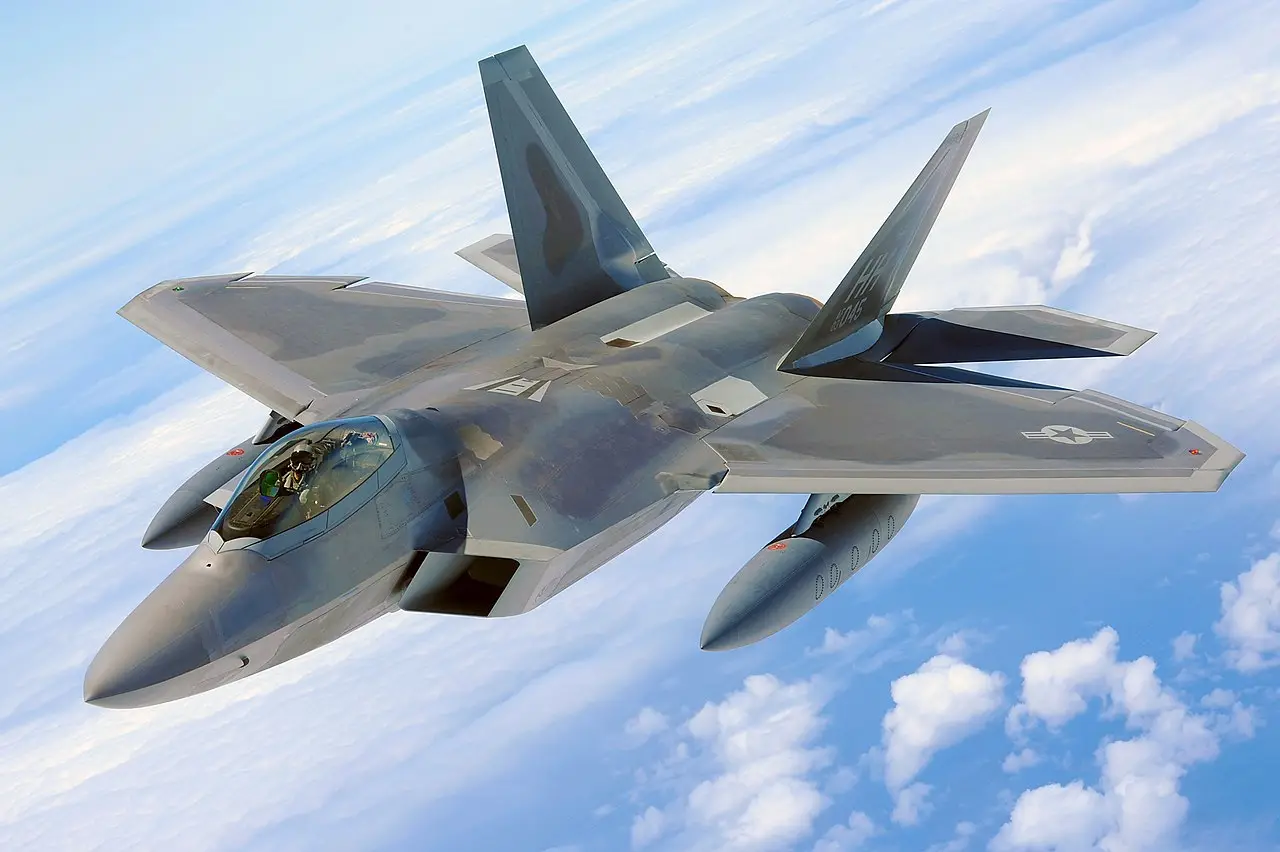
Future Defence Against Hypersonic Threats
Emerging hypersonic missiles travelling at Mach 5 or faster present a new challenge. These weapons are too fast for conventional chaff and flare defences. Future countermeasures will combine improved jamming, directed-energy systems, and manoeuvring tactics. Space-based sensor networks are under development to detect hypersonic launches earlier, providing more reaction time. Ground-based and air-based interceptor systems capable of engaging hypersonic threats are in development. The defence against hypersonic weapons requires technological innovation across multiple domains, from detection systems to energy-directed countermeasures.
)
)
)
)
)