How fighter jets avoid crashing into each other during formation flying

How do fighter pilots fly so close without crashing? Flying in formation is more than just visuals; fighter pilots train for hundreds of hours to fly metres apart at high speed. From strict mid-air rules to cutting-edge safety tech, here’s how they pull it off safely and precisely.
Formation flying basics
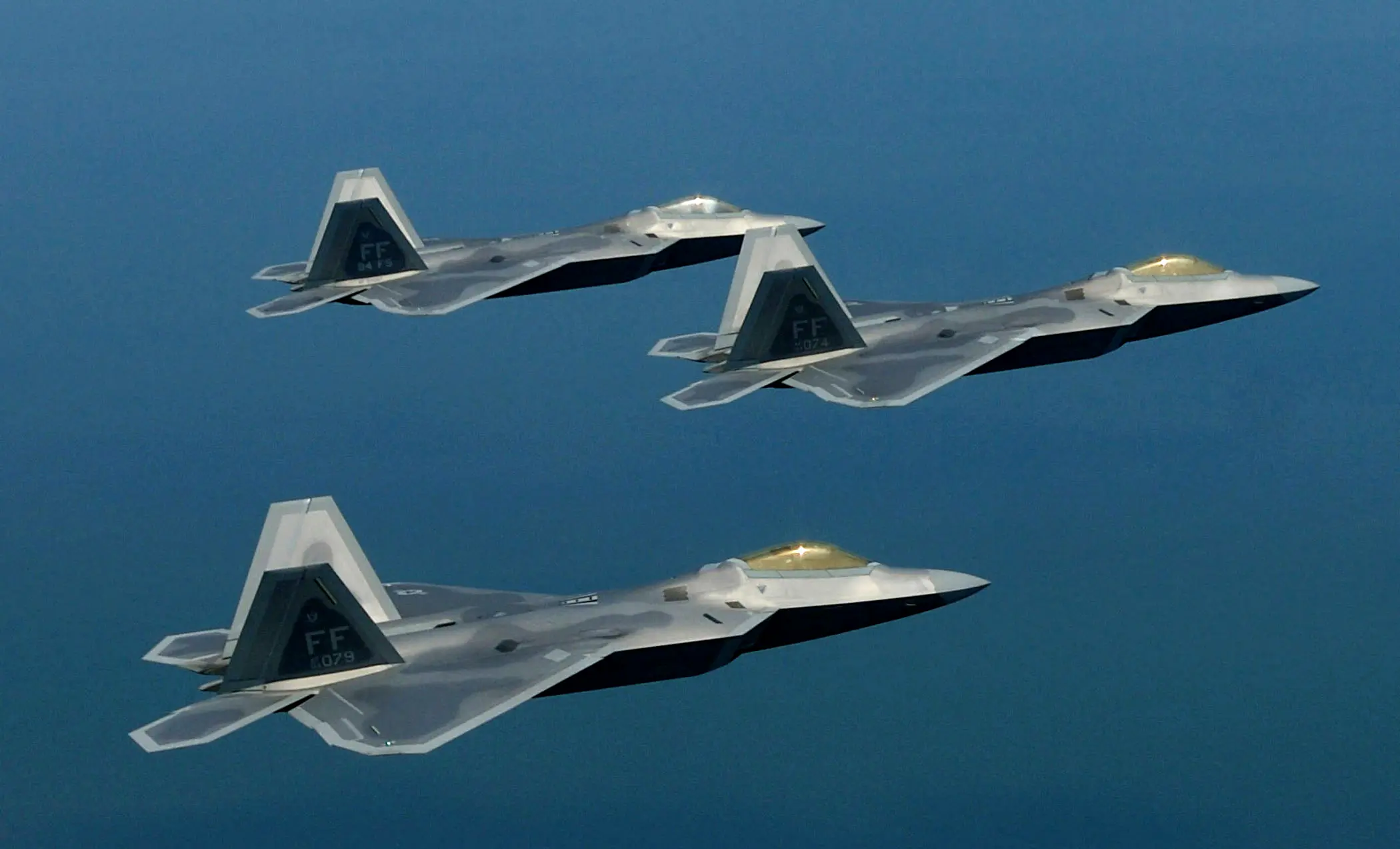
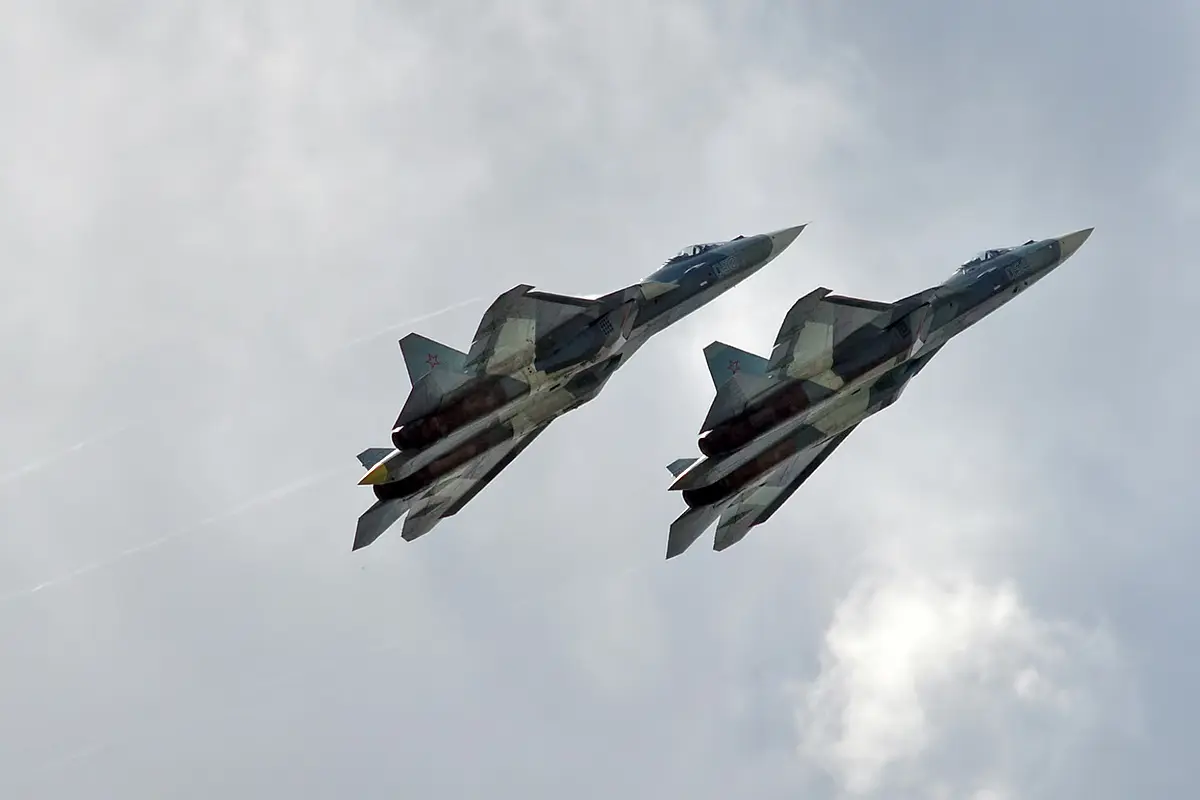
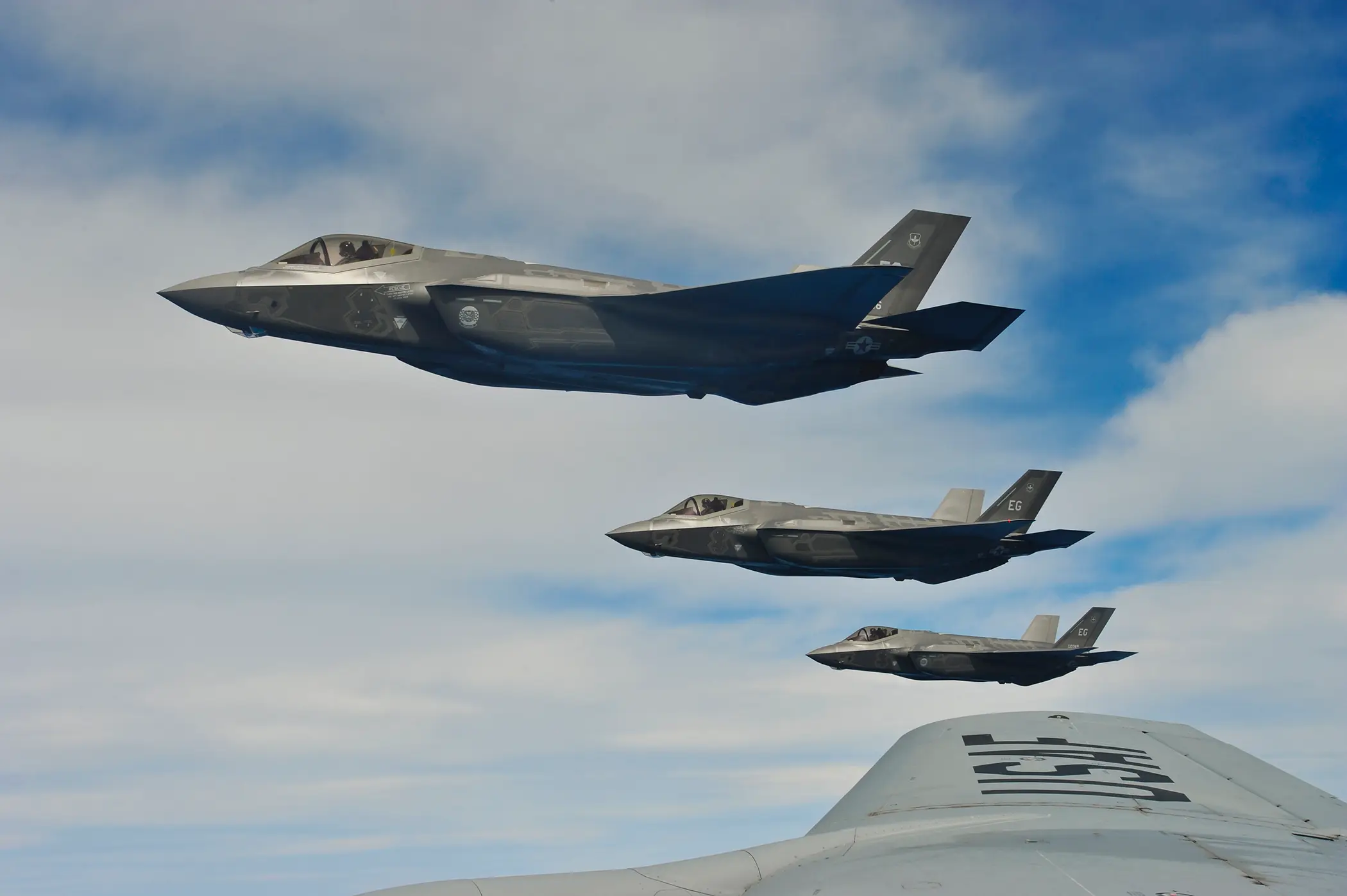
Fighter jets often fly in close formation, sometimes as near as 1.6 kilometres side-to-side and 30 metres vertically. Pilots maintain tight positions through practice and discipline, following set patterns like V-shape, echelon, or diamond, according to aviation experts and official manuals.
Precision training starts on day one
Military pilots go through hundreds of hours practising formation flying. Early lessons use simulators, progressing to real jets. Only with proven skill do pilots fly tight formations in real-world missions or at air shows.
Communication is the lifeline
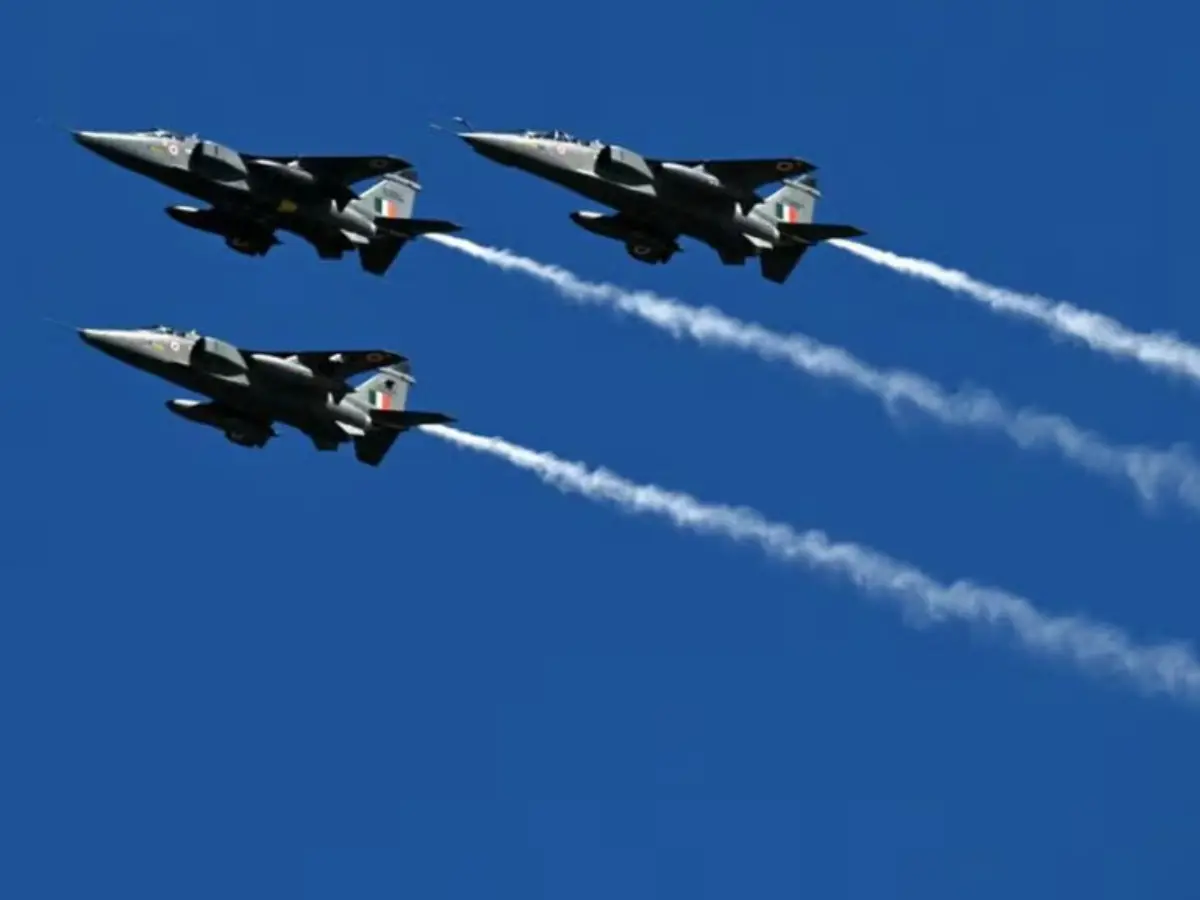
Leaders and wingmen use a mix of radio calls, hand signals, and aircraft movement to give instructions. Standard procedures mean everyone knows what to expect, reducing the risk of sudden moves that could cause a crash.
Wingmen’s golden rules
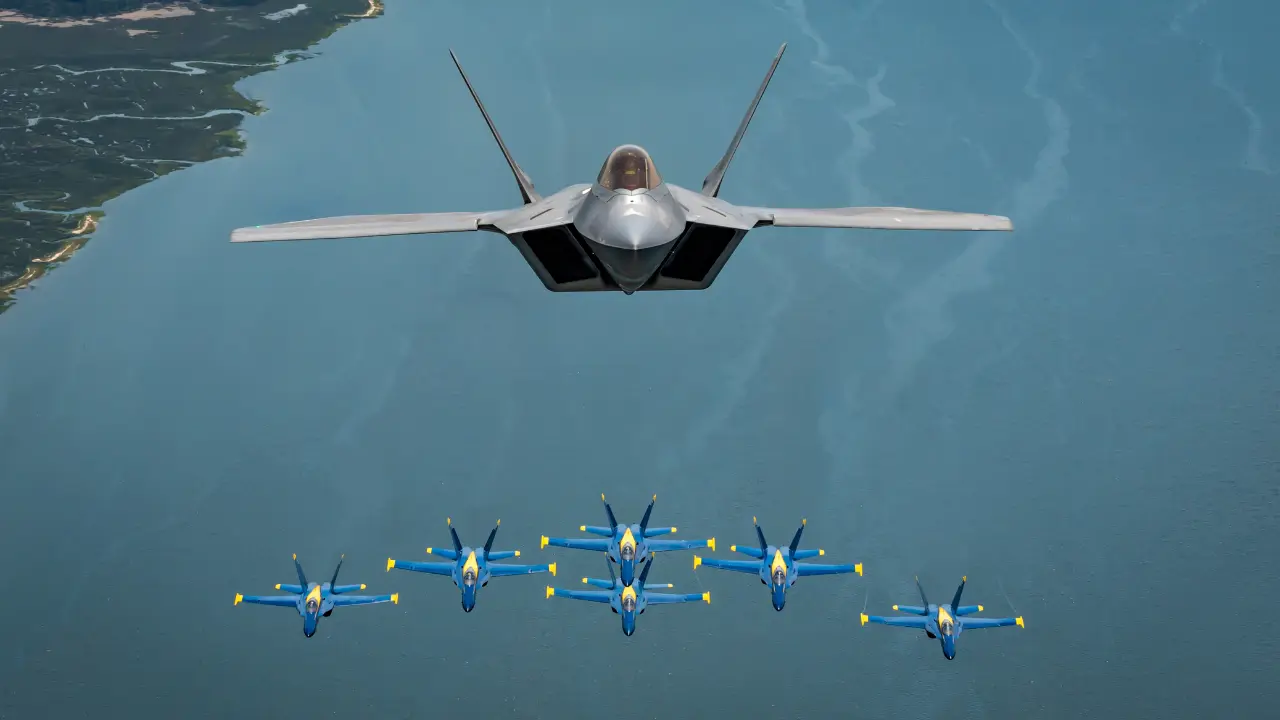
The lead pilot sets the pace and moves first. Wingmen focus intensely on the leader’s position and copy every small adjustment. This strict discipline ensures the whole group acts almost as a single aircraft.
Advanced technology on board
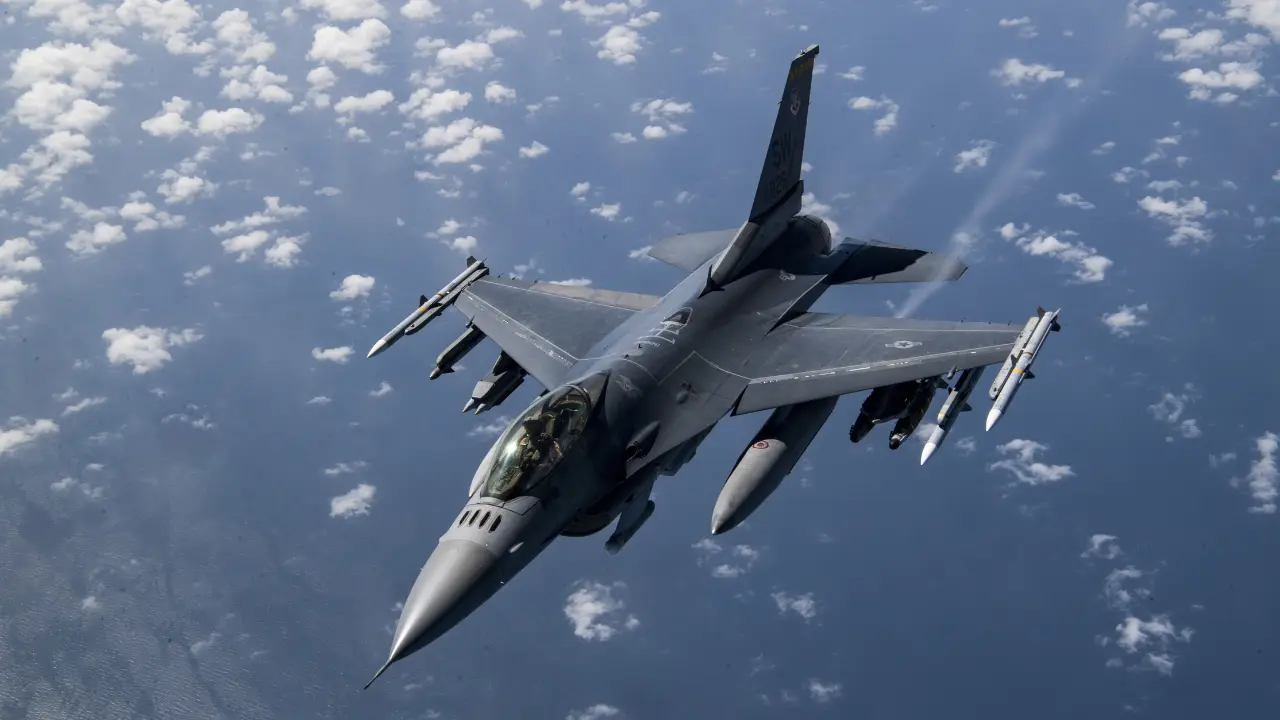
Modern jets are fitted with radar, digital displays, and sometimes collision-warning systems. Innovations like the Automatic Ground and Collision Avoidance System (Auto GCAS) and new air-to-air datalinks can even take control automatically to steer jets apart if a crash is imminent.
Strict mid-air rules and spacing
Military guidelines say combat jets should never get closer than a set legal minimum often 500 feet (about 150 metres) during air combat training. Real-time sensors keep every pilot aware of their team’s location, and strict flight “contracts” are agreed before take-off.
Adapting to changing skies
Formation-flying pilots train to quickly adapt to weather, turbulence, sudden threats, or emergency calls. Wingmen learn when to break formation for safety and how to rapidly rejoin, making the technique both flexible and safe.
)
)
)
)
)