How fighter jets are using Formula 1 tech to enhance performance and development?

At first glance, a Formula 1 car and a fighter jet seem worlds apart, one races on tarmac, the other cuts through the sky at supersonic speeds. But when it comes to advanced engineering, speed, and precision, their worlds are colliding fast.
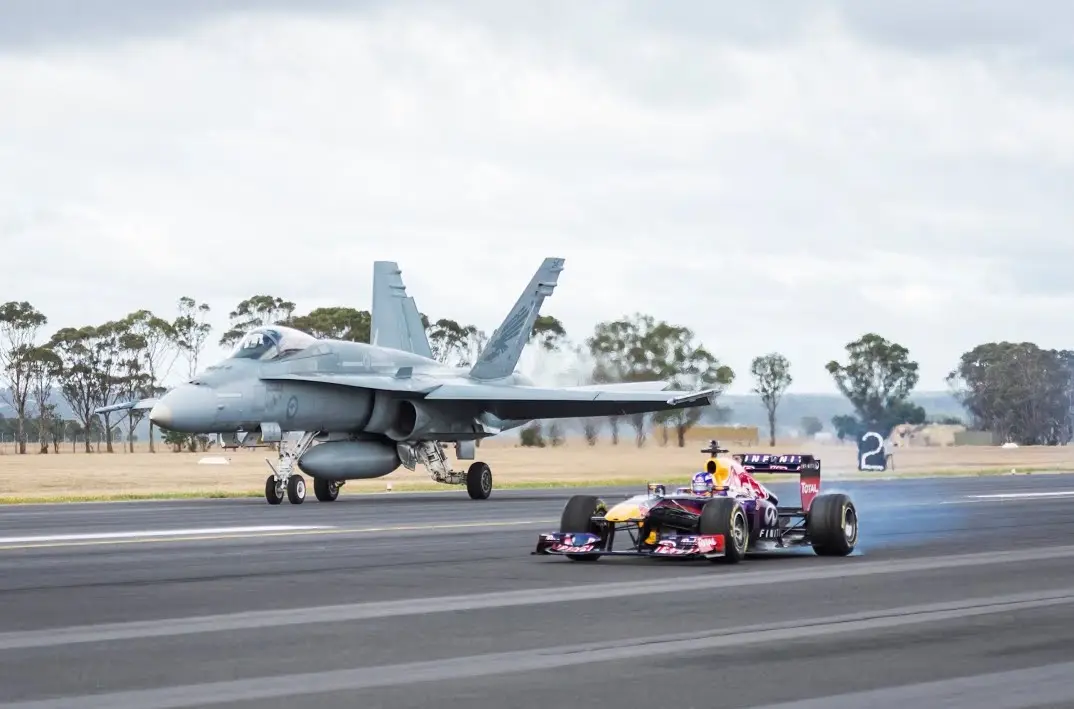
Carbon Fibre Bodywork and Lightweight Materials
Formula 1 pioneered the widespread use of carbon fibre composites, incredibly strong yet lightweight materials that can withstand extreme stress. Fighter jets now use similar carbon composites in airframes and internal structures, improving durability and fuel efficiency while reducing weight for better manoeuvrability.
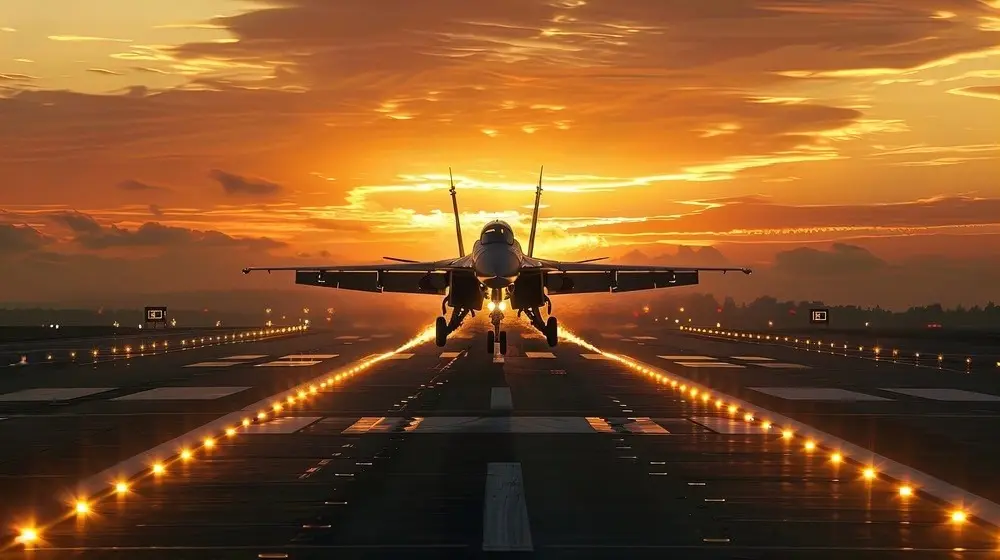
Data Telemetry and Real-Time Analytics
Just like F1 cars transmit real-time data to pit crews during a race, modern fighter jets send live performance metrics to ground stations. Engineers can now monitor engine, performance, fuel consumption, and system integrity mid-flight, just like race strategists do in Formula 1.
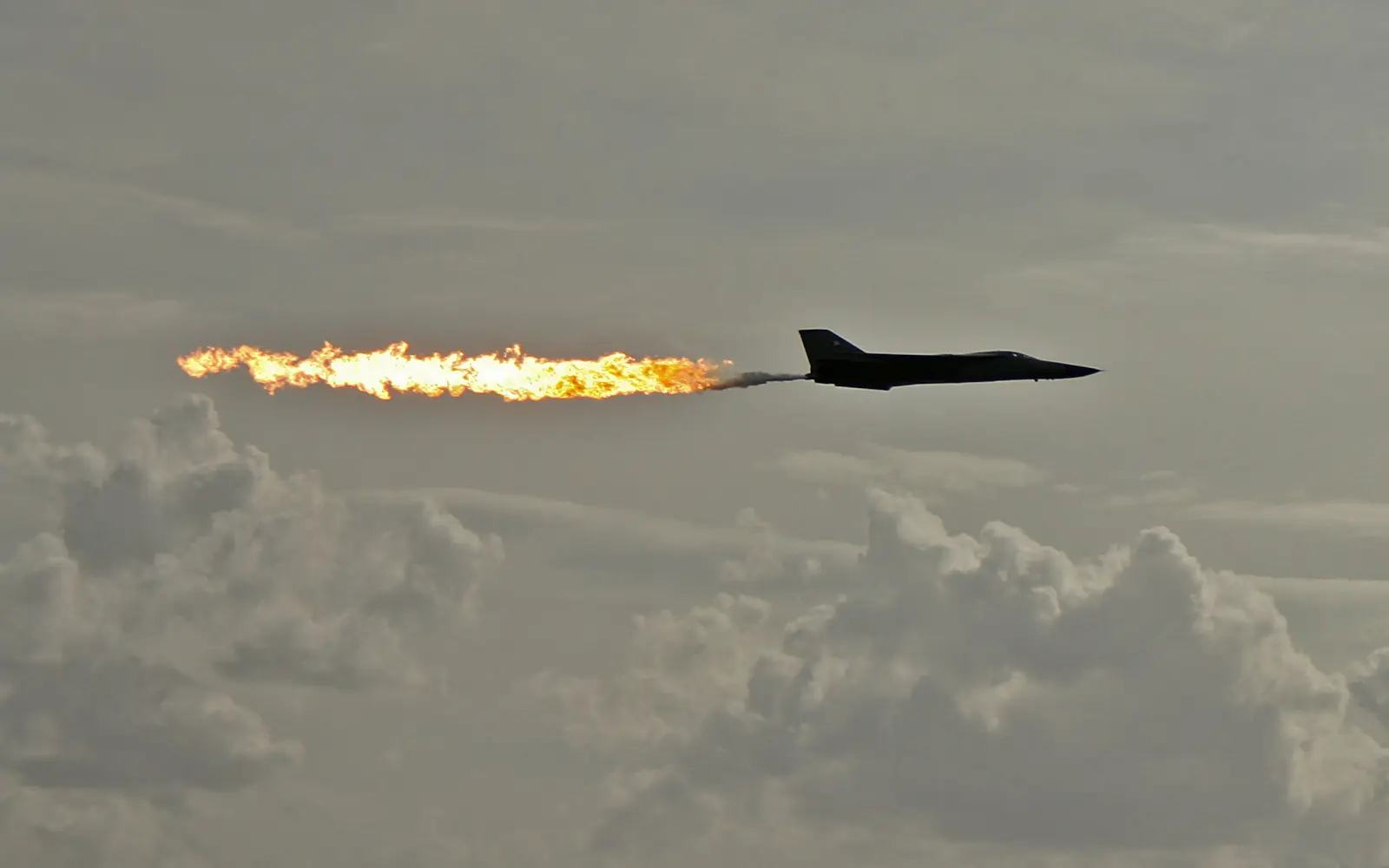
Advanced Cooling Systems
F1 engines deal with intense heat in compact spaces, the same issue faced by jet engines. Technologies like micro-cooling channels and liquid-cooled electronics first developed for F1 are now being adapted for fighter jet avionics and radar systems, keeping critical components cool under pressure.
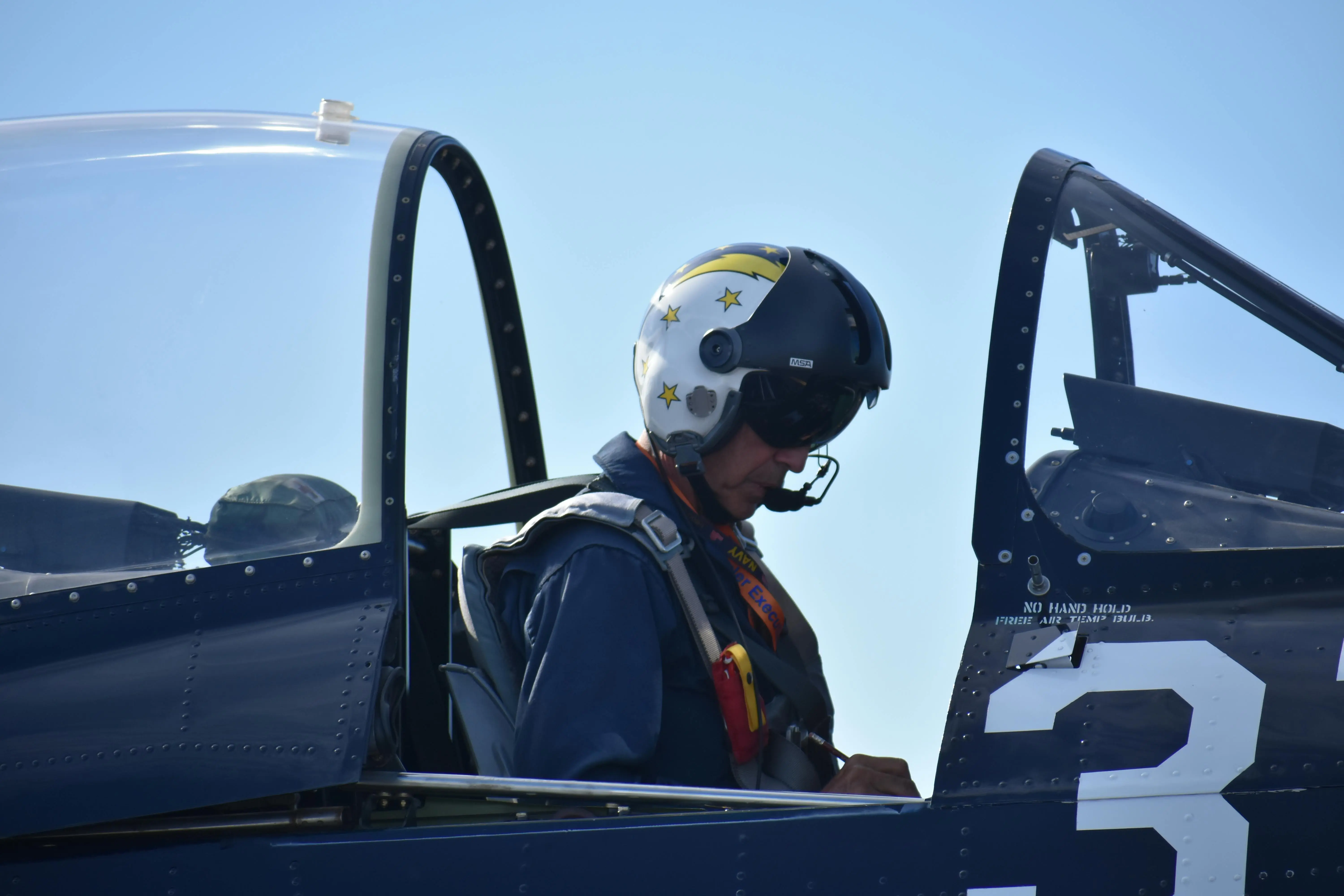
Steering and Suspension Influence Flight Controls
F1’s electronic steering systems and adaptive suspension tech have inspired fly-by-wire improvements in jets. Precise control systems, honed for racetrack responsiveness, help fighter pilots execute more fluid and precise movements, especially in dogfights or evasive manoeuvres.
Aerodynamics and Wind Tunnel Testing
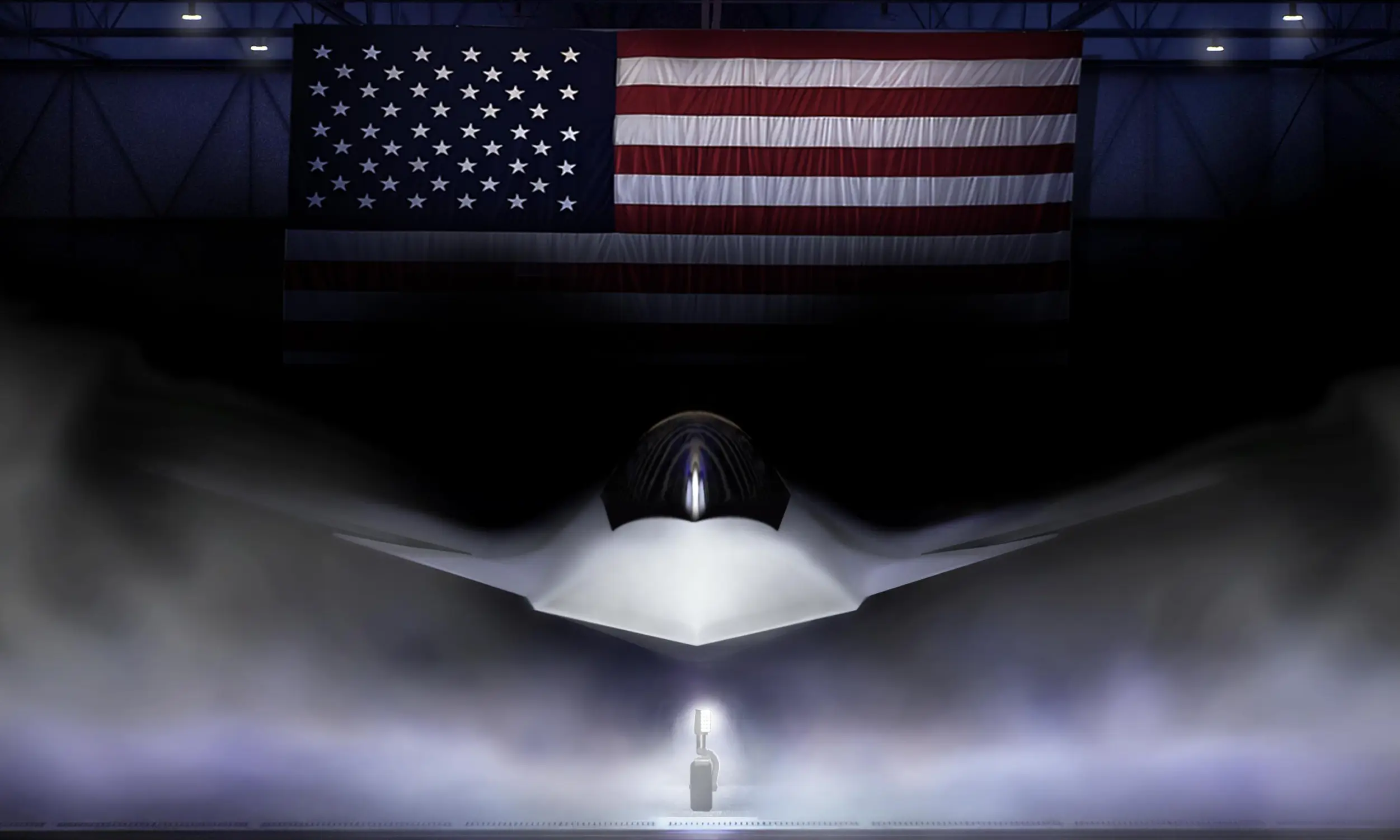
The aerodynamics teams in F1 spend thousands of hours in wind tunnels testing drag, lift, and downforce. The same wind tunnel modeling techniques are now being used by aerospace engineers to refine jet contours, reduce drag, and improve fuel economy.
Pit Stop Efficiency Meets Jet Maintenance
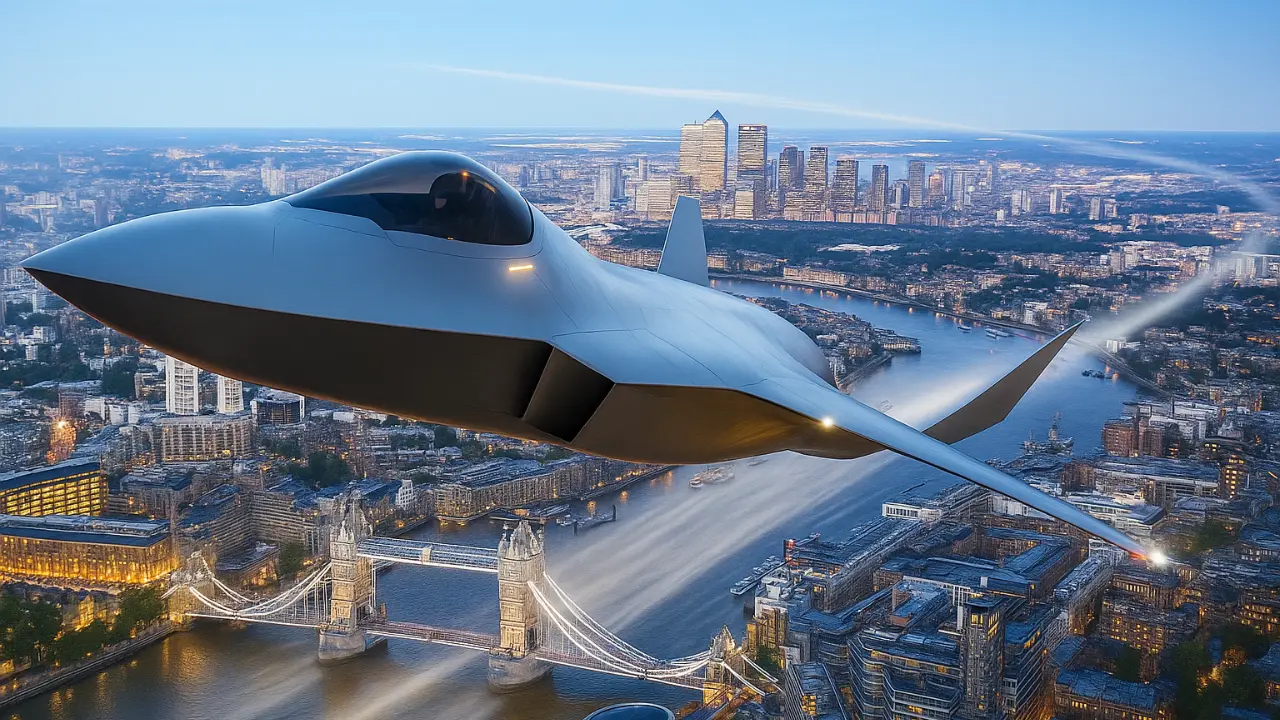
F1 pit stops are the gold standard of speed and precision. Military aviation units are now learning from F1’s approach to modular design and rapid repair, aiming to reduce jet downtime and increase sortie rates during missions.
Simulation and Training
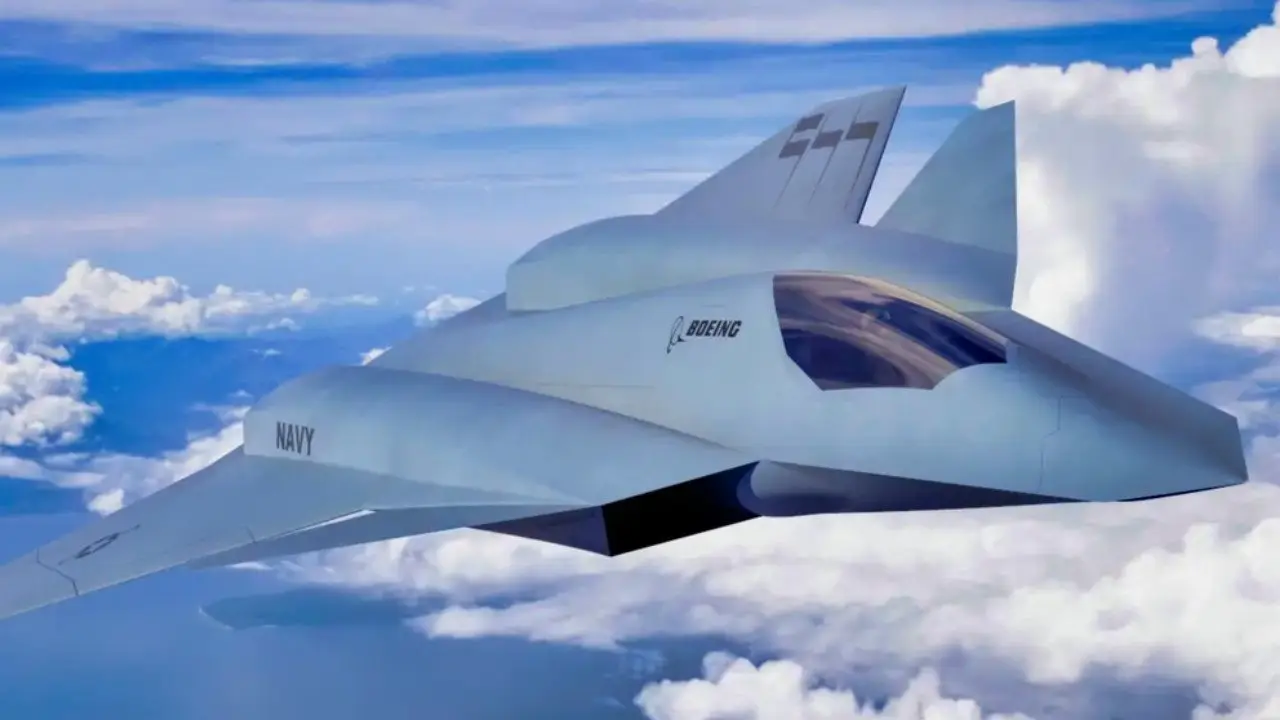
Race drivers train extensively in motion-based simulators, often more advanced than actual cockpit tech. Fighter pilot simulators now borrow F1’s gaming-style realism and feedback systems for better muscle memory and faster reaction times in critical scenarios.
Fast Tech for Fast Combat
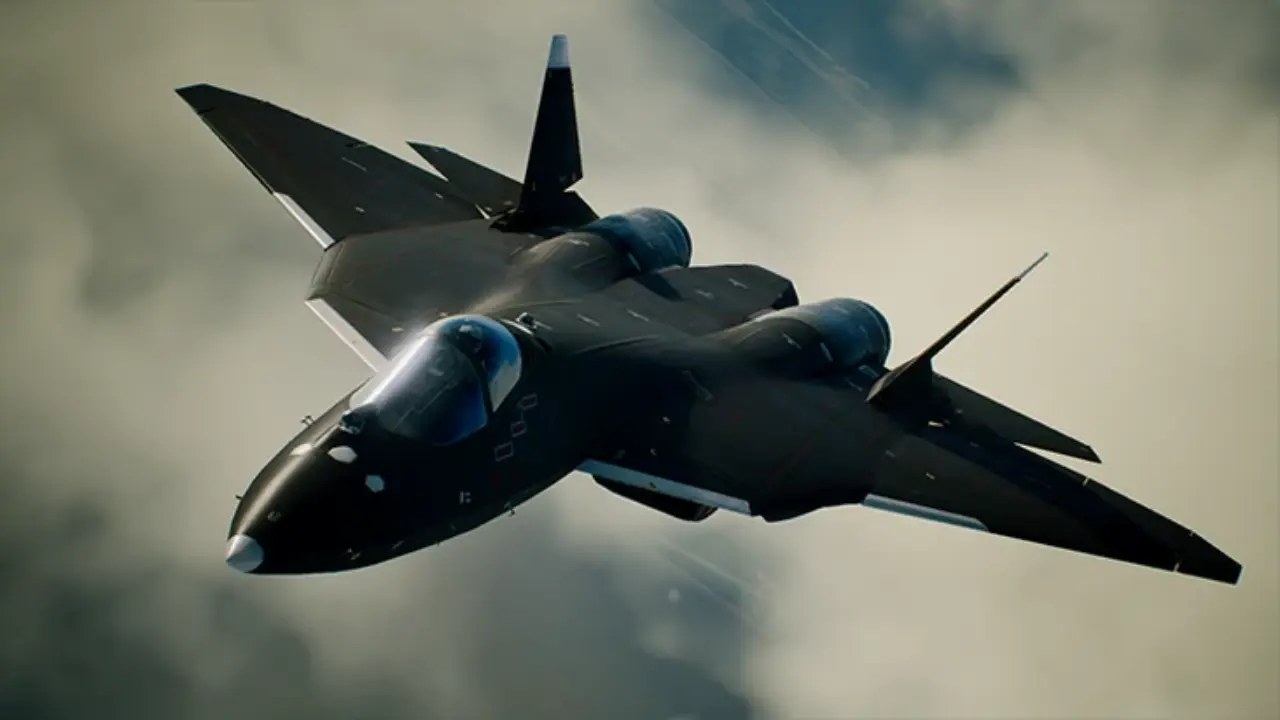
From materials and mechanics to analytics and aerodynamics, Formula 1 technology is shaping the next generation of fighter jets. When the world's fastest cars inspire the world’s fastest aircraft, innovation flies at full throttle.
)
)
)
)
)