How fighter jets are designed? A deep dive inside the science of it

Ever wondered how a fighter jet is built? From stealth shaping to advanced materials and cutting-edge computer testing, building a jet is a mix of science, speed, and serious testing. Read a simple breakdown here.
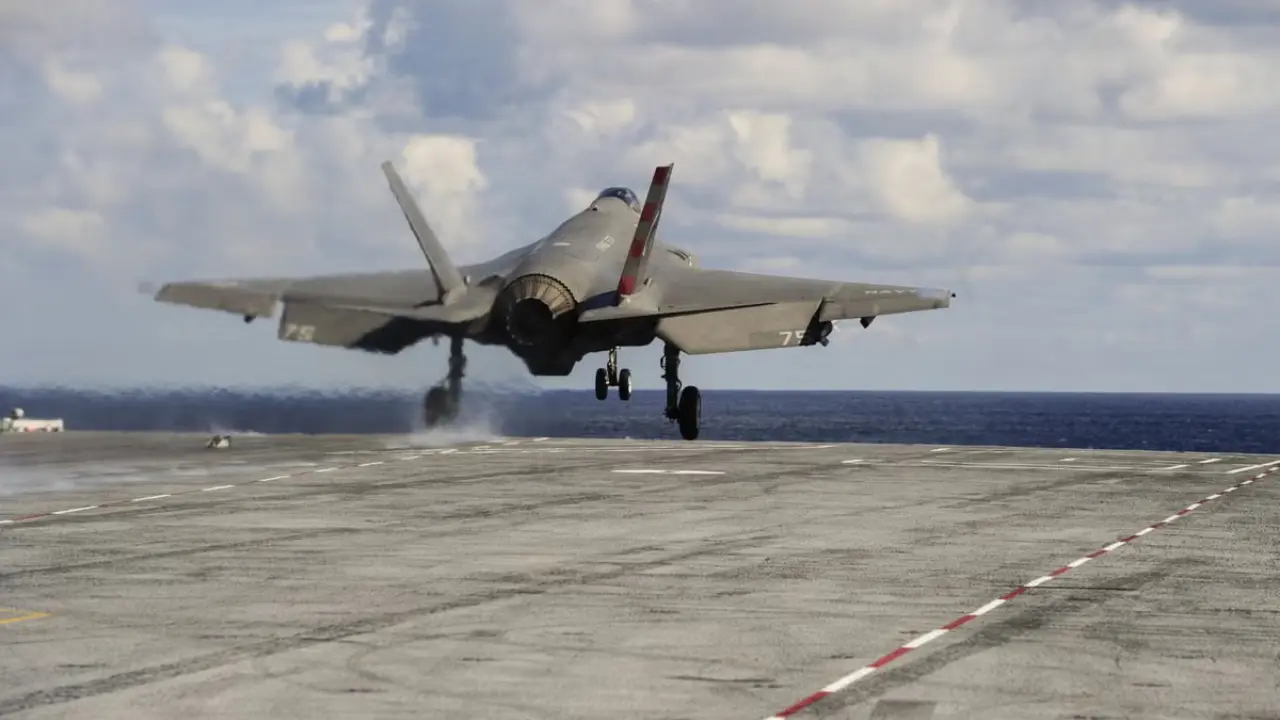
The start of fighter jet design
If you think of how a fighter jet is designed so it begins with a simple idea: create an aircraft that is fast, agile and can carry weapons. This is not easy, as designers must balance many features. Each new jet starts with drawing basic shapes and listing what the plane must do for the air force.
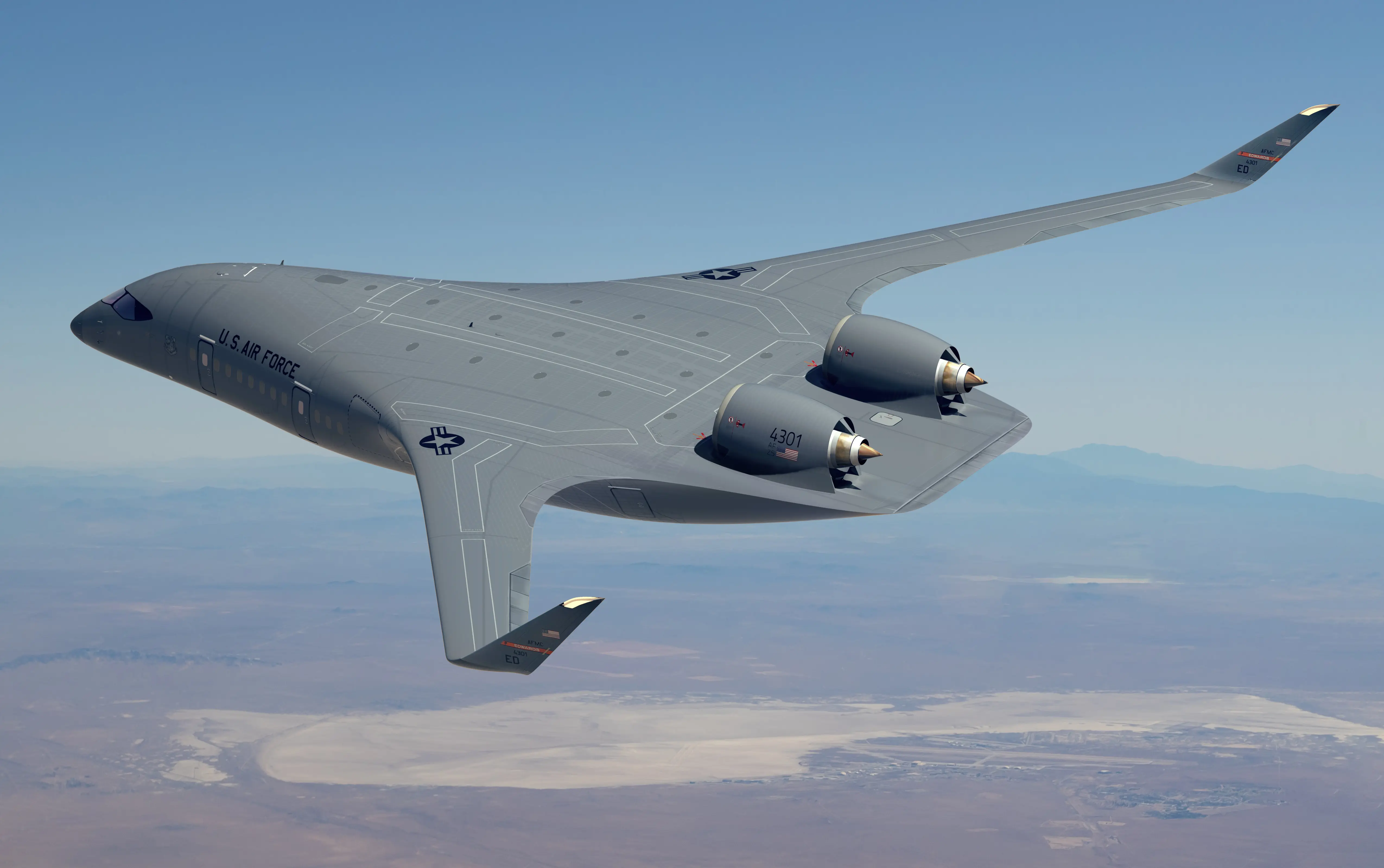
Balancing speed and agility
A fighter jet must move quickly and turn with ease. The jet’s body shape is made to cut through air with as little drag as possible. Its designers use streamlined bodies and special wings to help the jet go supersonic and make sharp turns without losing its control.
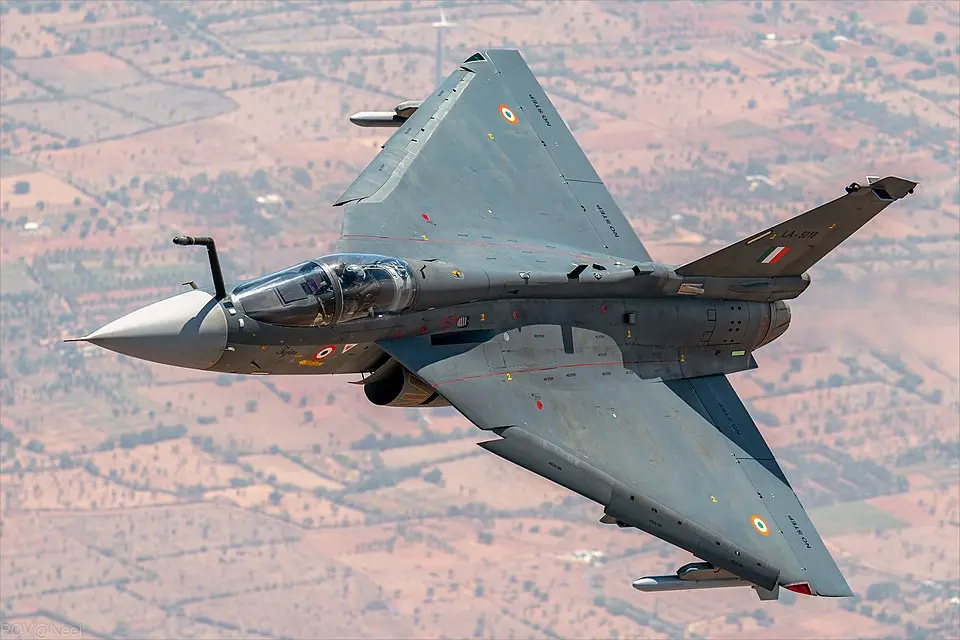
Choosing the right materials
Strong and light materials make a big difference in fighter jet design. Engineers use aluminium, titanium, and carbon fibre composites to keep the aircraft light and strong. These materials help jets fly faster and carry more weight.
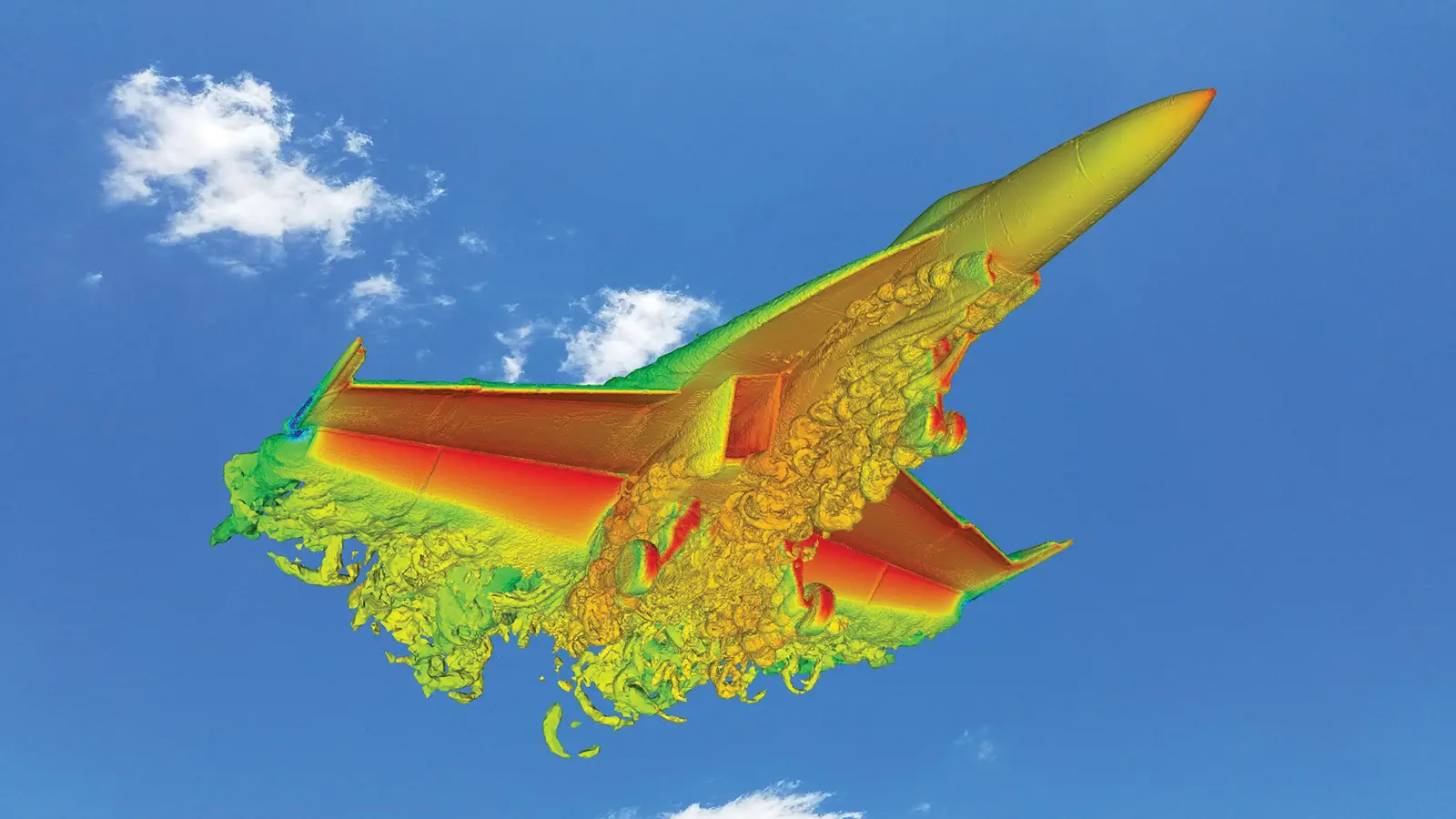
Using computers to shape the jet
Modern jets are designed using computer tools, like Computational Fluid Dynamics (CFD). CFD lets engineers study how air moves over the wing and body. This computer testing finds the best shape before building any real parts, which saves both money and time.
Fitting in stealth and weapons
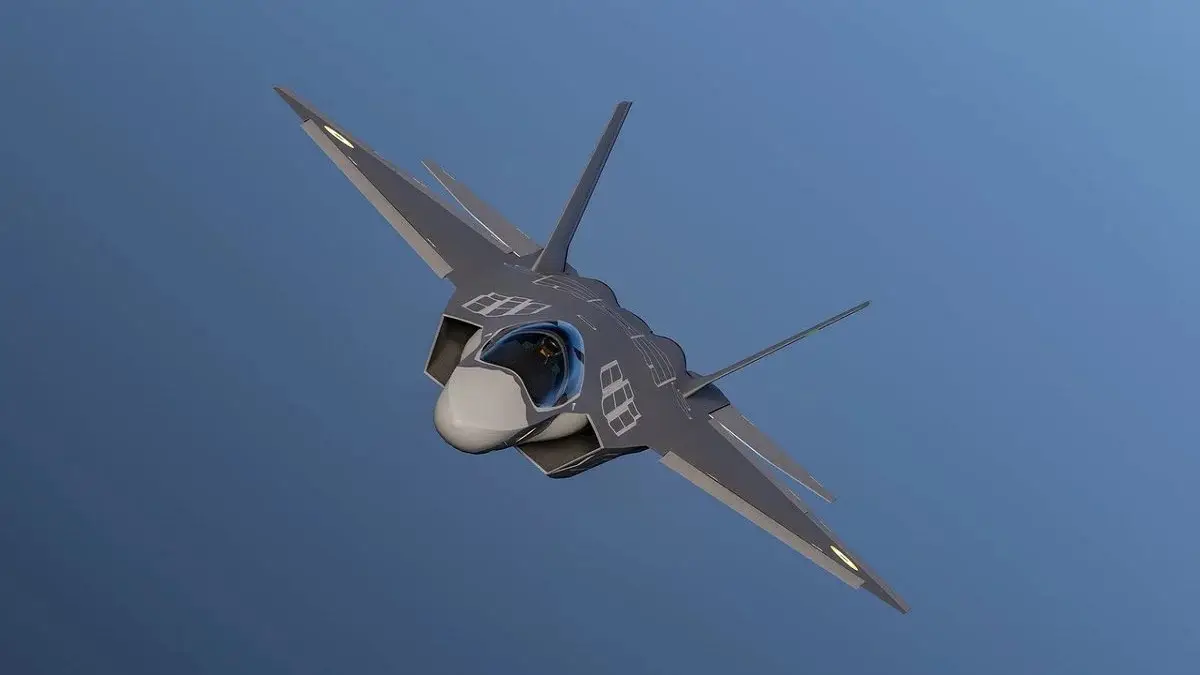
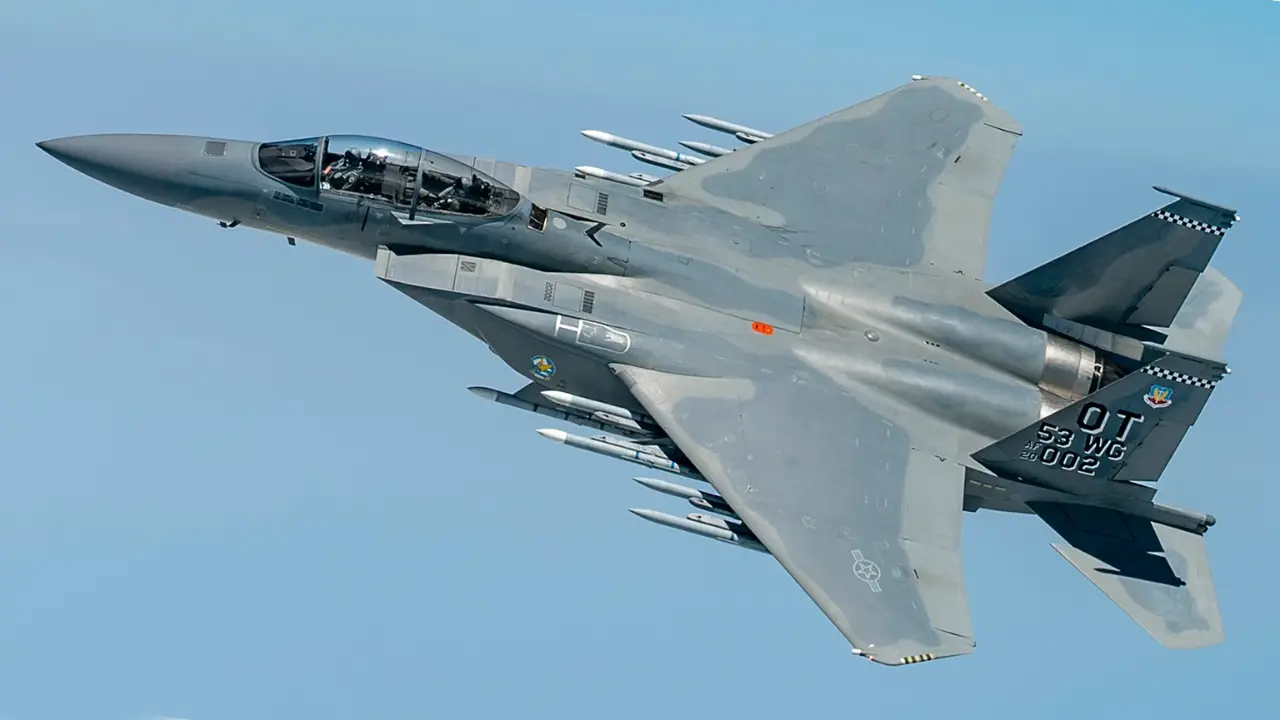
Fighter jets must often avoid radar and carry weapons. Jets designers hide engines and shape the body to reflect less radar. Weapons are stored inside or fit closely under the wings to keep the jet’s shape smooth, which helps both stealth and speed.
Meeting serious engineering challenges
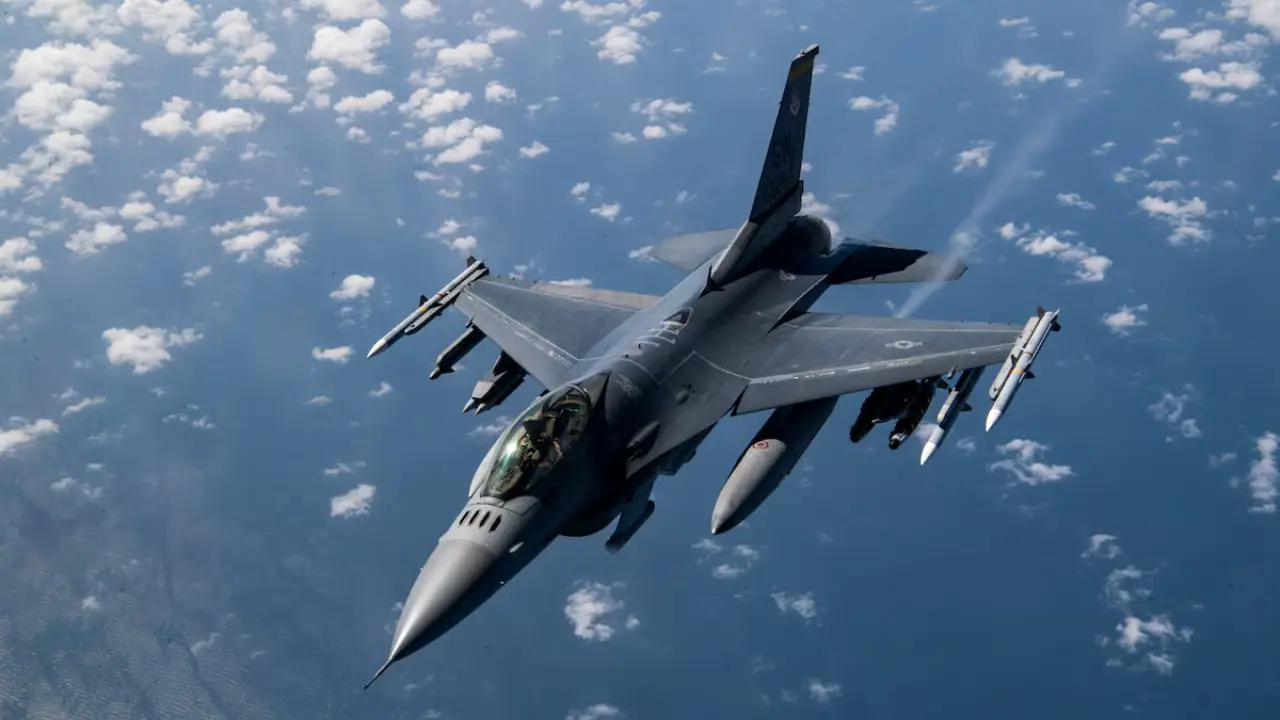
Building a fighter jet takes years because every part must work safely at high speeds and pressures. Small changes can cause problems, so designs are tested many times. Delays happen if parts are not ready or if testing shows something is unsafe.
Final checks before flight
Before a jet is ready to fly, it goes through many ground and flight tests a regular check ups. Only after passing all checks does it join the Air Force. till then, engineers work together to fit the best ideas into each jet, making sure it can do its job in real missions.
)
)
)
)
)