How fighter jets accelerate from 0 to 200 km/h in seconds

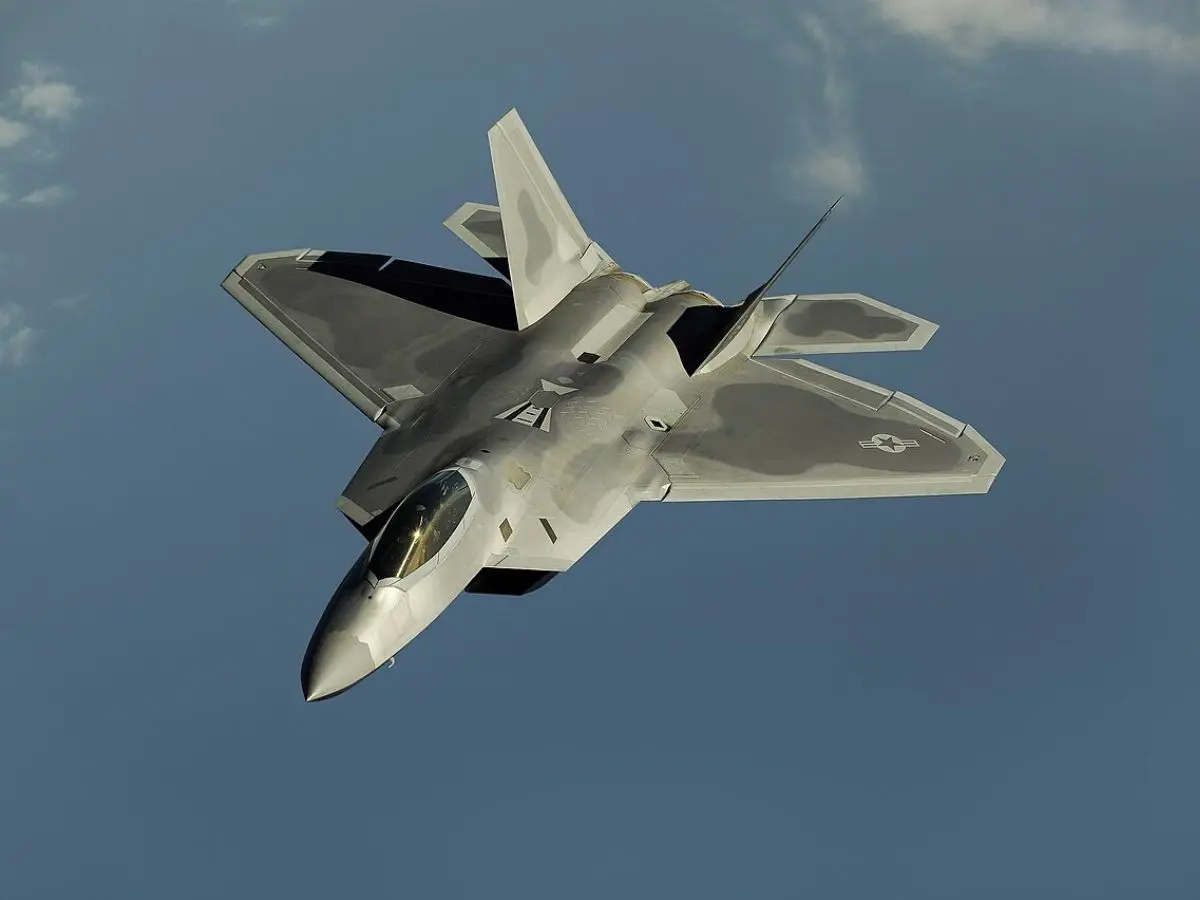
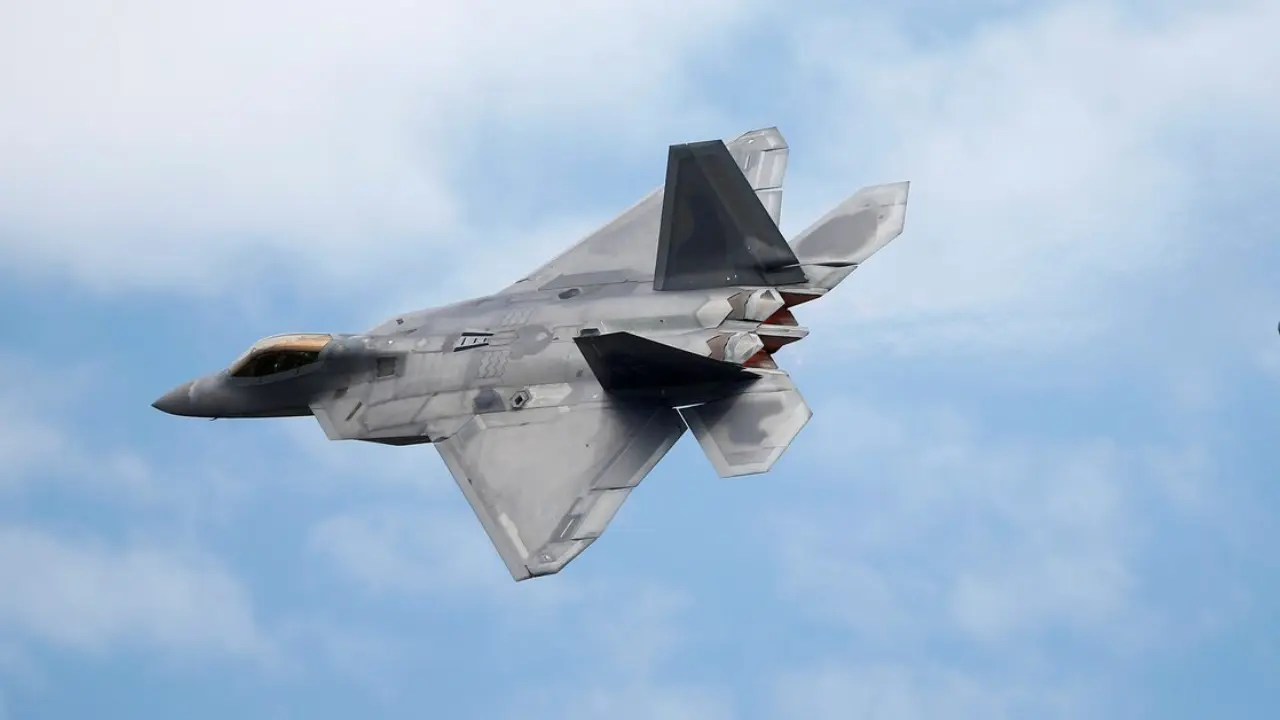
Fighter jets accelerate from 0 to 200 km/h in 10 to 15 seconds using high thrust-to-weight ratios and powerful engines. The F-22 Raptor reaches Mach 1.2 in just 25 seconds. Pilots experience 3 to 5 Gs during takeoff acceleration.
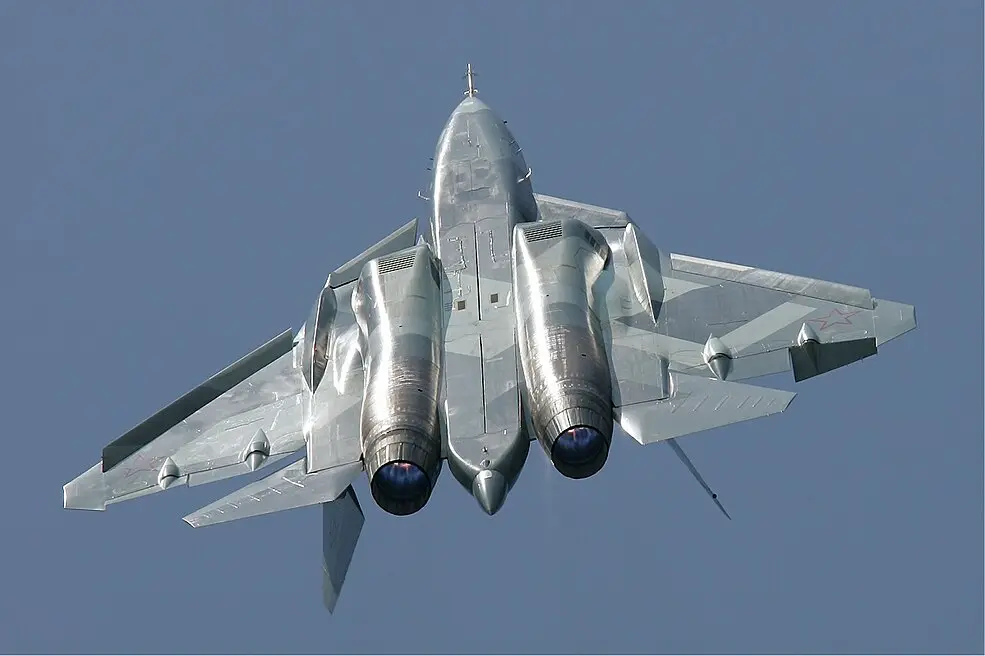
Takeoff Speed Requirements - The Minimum Velocity Threshold
Fighter jets require sufficient airspeed to generate lift for safe takeoff. The minimum takeoff speed for most modern fighters is approximately 200 to 220 km/h, depending on aircraft weight, runway conditions, and atmospheric temperature. The F-16 Fighting Falcon requires approximately this velocity to lift off safely. This speed threshold is determined by aerodynamic principles: at lower speeds, wings cannot generate sufficient lift to overcome the aircraft's weight. Pilots and crew calculate exact takeoff speeds based on fuel load, external weapons, and atmospheric conditions before each flight.
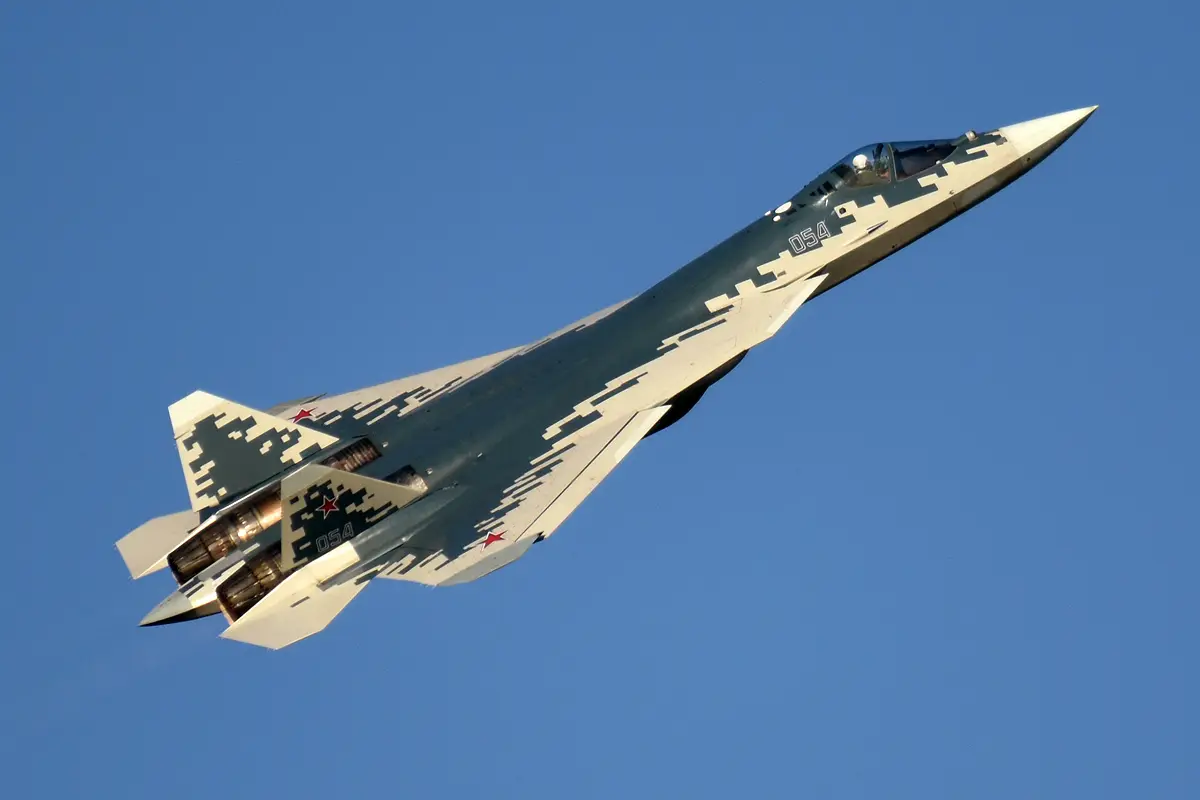
Thrust-to-Weight Ratio - The Key to Rapid Acceleration
Thrust-to-weight ratio determines how quickly an aircraft can accelerate. The F-16 Fighting Falcon has a thrust-to-weight ratio of approximately 1.1 to 1.2, meaning the engine can generate thrust equal to or exceeding the aircraft's full weight. The F-22 Raptor, with two powerful Pratt & Whitney F119 engines generating 26,000 pounds of thrust (35,000 with afterburner), achieves an exceptional thrust-to-weight ratio of approximately 1.09 at combat weight. This high ratio enables rapid acceleration from stationary to operational speeds within seconds. By comparison, commercial aircraft have thrust-to-weight ratios around 0.25 to 0.3, explaining why fighters accelerate far faster than passenger planes.
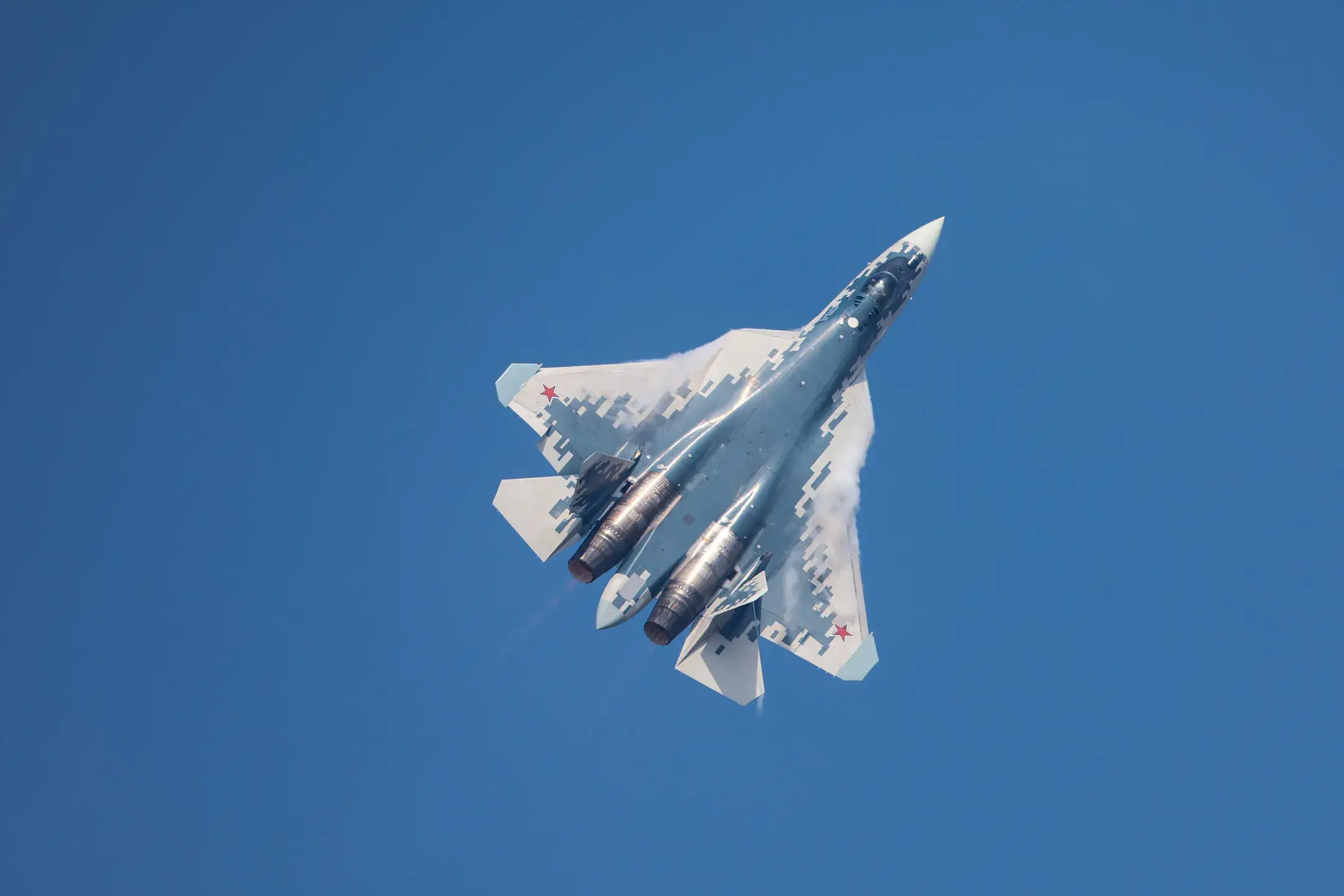
Engine Power - How 20,000 to 35,000 Pounds of Thrust Achieves Acceleration
The F-16's General Electric F100 turbofan engine produces approximately 14,670 pounds of thrust at full military power and 23,830 pounds with afterburner engaged. The F-22 Raptor's two Pratt & Whitney F119 engines produce 26,000 pounds combined thrust, reaching 35,000 pounds with both afterburners activated. This enormous thrust generation allows fighters to overcome aerodynamic drag and propel the aircraft forward at tremendous rates. The afterburner system, which injects additional fuel into the exhaust stream, provides the extra thrust surge needed for maximum acceleration during takeoff operations.
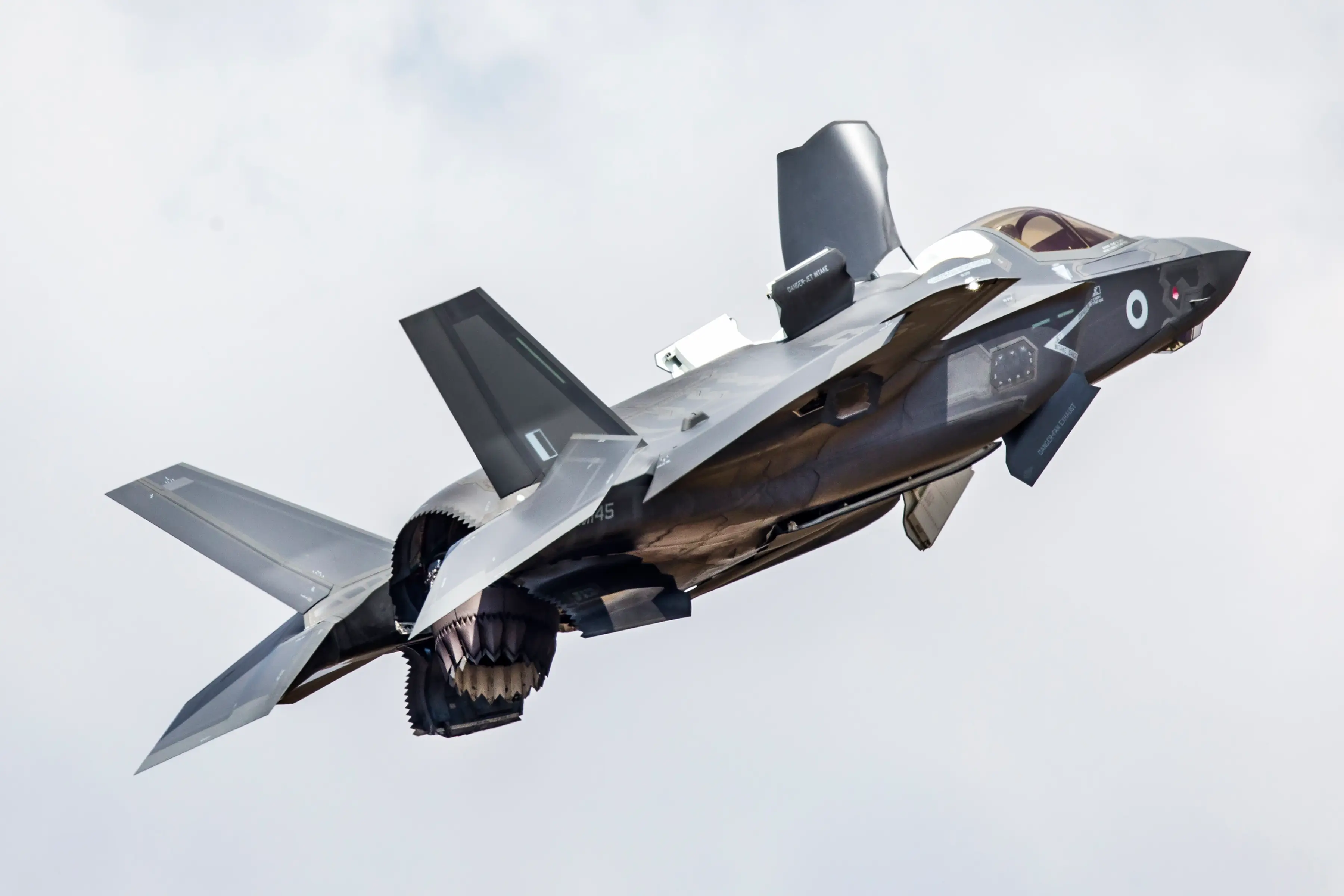
Takeoff Distance - Runway Requirements for Rapid Acceleration
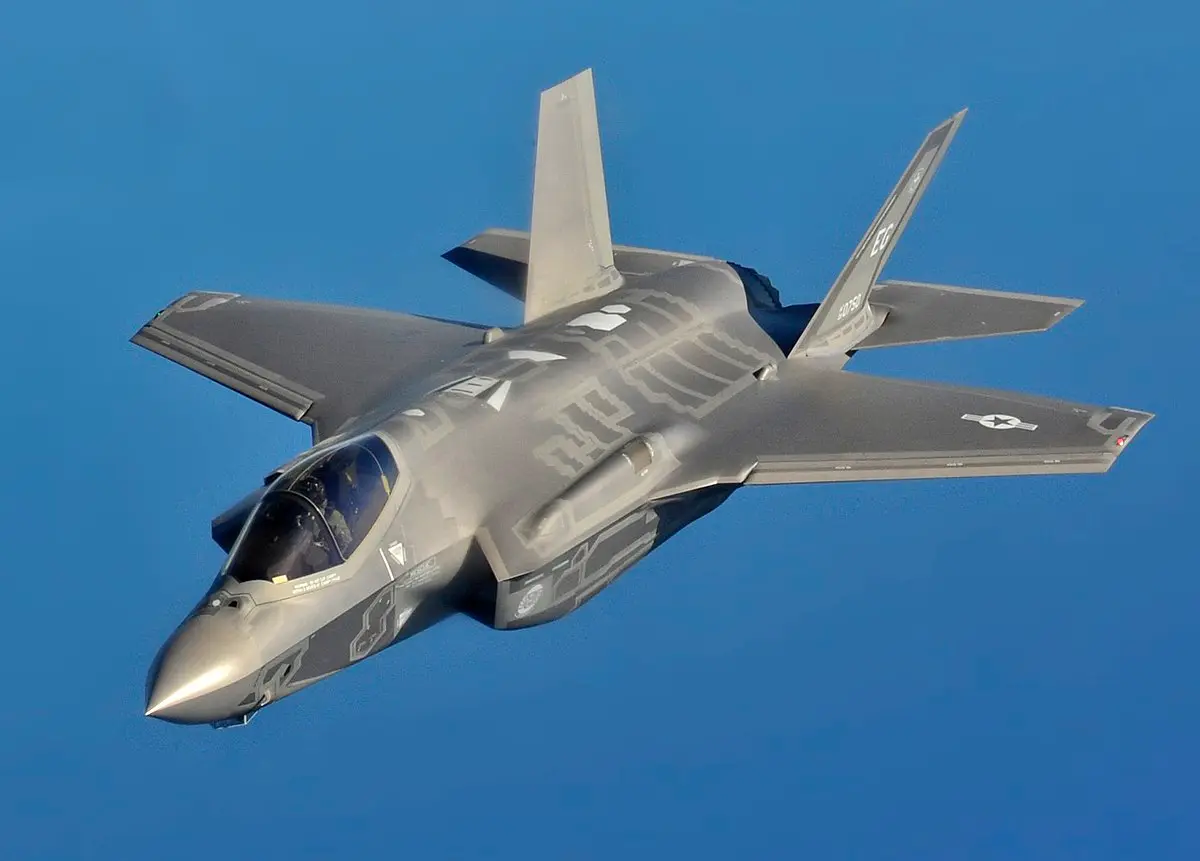
The F-16 Fighting Falcon requires approximately 900 to 1,200 metres of runway to accelerate safely and achieve takeoff. This relatively short distance demonstrates the effectiveness of high thrust-to-weight ratios in enabling rapid acceleration. Advanced fighter jets like the F-35B can achieve vertical takeoff using thrust vectoring, though traditional horizontal takeoff requires similar or slightly longer distances depending on payload. Modern military bases maintain longer runways (typically 2,400 to 3,600 metres) to accommodate heavier loads and provide safety margins.
Acceleration Time - From 0 to 200 km/h in Seconds
The F-16 Fighting Falcon reaches 200 km/h acceleration speed within approximately 10 to 15 seconds during standard takeoff operations. The F-22 Raptor demonstrates even faster acceleration, reaching Mach 1.2 (approximately 1,470 km/h) in just 25 seconds. This means the F-22 achieves speeds exceeding 140 km/h in the first few seconds alone. These acceleration times are extraordinary compared to commercial aircraft, which typically require 30 to 45 seconds to reach takeoff speed. Fighter jets' superior acceleration is directly attributable to high thrust-to-weight ratios and powerful engine systems.
G-Forces During Acceleration - Physical Effects on Pilots
During rapid takeoff acceleration, pilots experience significant g-forces - multiples of Earth's gravitational force. A standard fighter jet takeoff acceleration might subject pilots to 3 to 5 Gs of force during the ground run phase. Well-trained military pilots can sustain 7 to 9 Gs for short periods using specialised breathing techniques and muscular conditioning. Pilots undergo intensive training in centrifuges to prepare for these extreme forces. During aerial combat manoeuvres, pilots can experience sustained g-forces up to 9 Gs for short durations.
Weight and Payload Effects - How Fuel and Weapons Affect Acceleration
An F-16 carrying full internal fuel and external weapons requires longer takeoff distance and experiences slightly reduced acceleration compared to a lightly-armed configuration. Maximum takeoff weight for the F-16 is 37,500 pounds (16,875 kilograms), whilst empty weight is approximately 19,000 pounds (8,600 kilograms). The additional weight reduces the thrust-to-weight ratio proportionally, meaning heavier loads require more runway and longer acceleration time. Pilots and mission planners carefully calculate fuel loads and weapons configurations to optimise takeoff performance and ensure safe operations.
Runway Surface and Temperature Effects - Environmental Factors on Acceleration
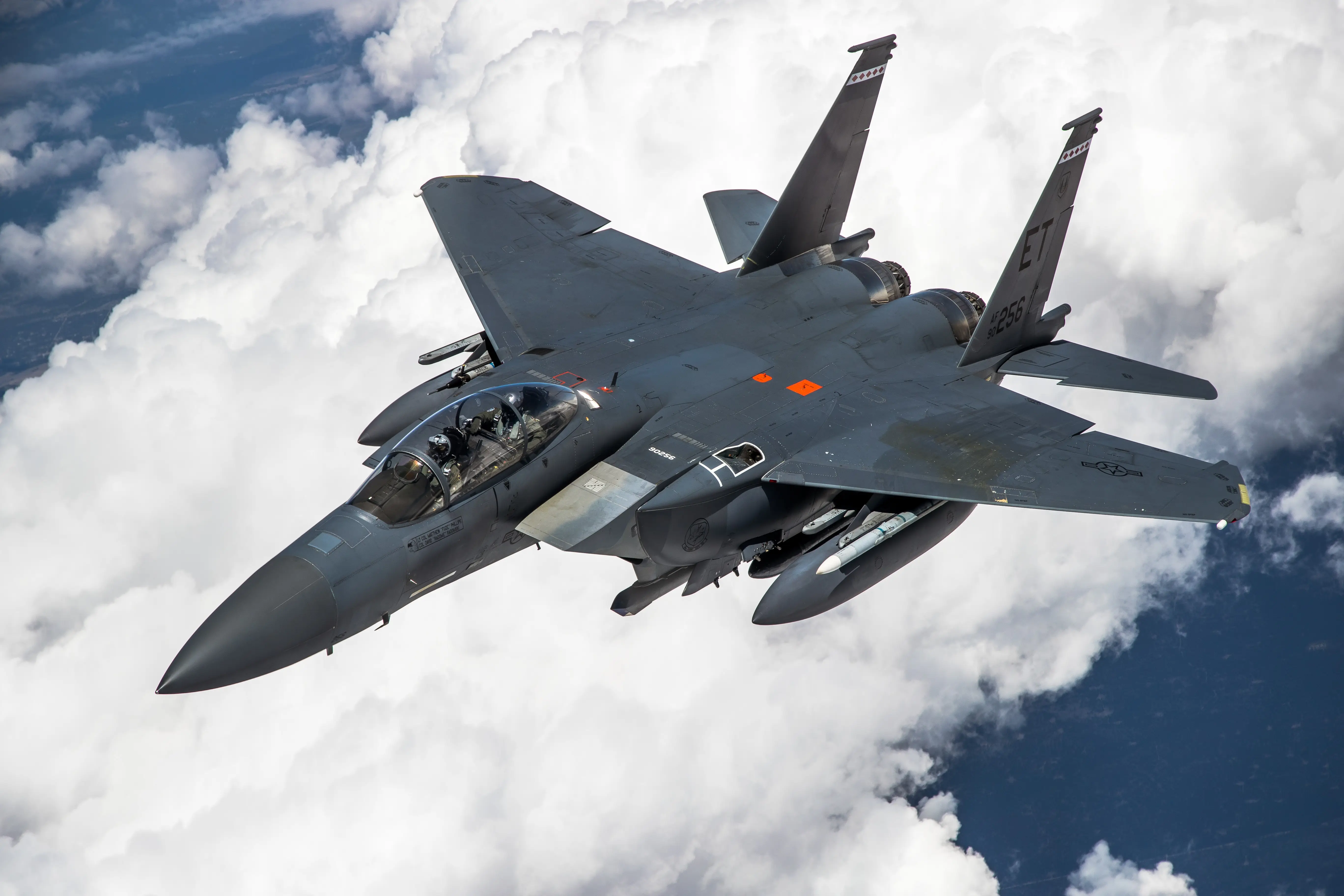
Environmental conditions significantly affect fighter jet acceleration performance. Wet or slippery runway surfaces increase friction and reduce acceleration rate. High ambient temperature reduces air density, which decreases engine thrust output (engines produce less power in hot, thin air than in cool, dense air). Cold, high-altitude bases provide superior acceleration conditions compared to hot, low-altitude bases. Pilots and crew account for these environmental factors when calculating takeoff performance and determining whether conditions are safe for flight operations with specific payload configurations.
Afterburner Activation - Maximum Acceleration Performance System
Activating the afterburner system increases engine thrust significantly during takeoff. The F-16's afterburner increases thrust from 14,670 pounds to 23,830 pounds - roughly a 60 per cent increase. This extra thrust dramatically reduces takeoff time and distance, though at substantial fuel consumption cost. Pilots use afterburner selectively during takeoff when runway distance is limited or when rapid acceleration is tactically necessary. The F-22 Raptor's dual afterburners provide similar proportional thrust increases for maximum acceleration capability.
Future Fighter Technology - Next-Generation Acceleration Systems
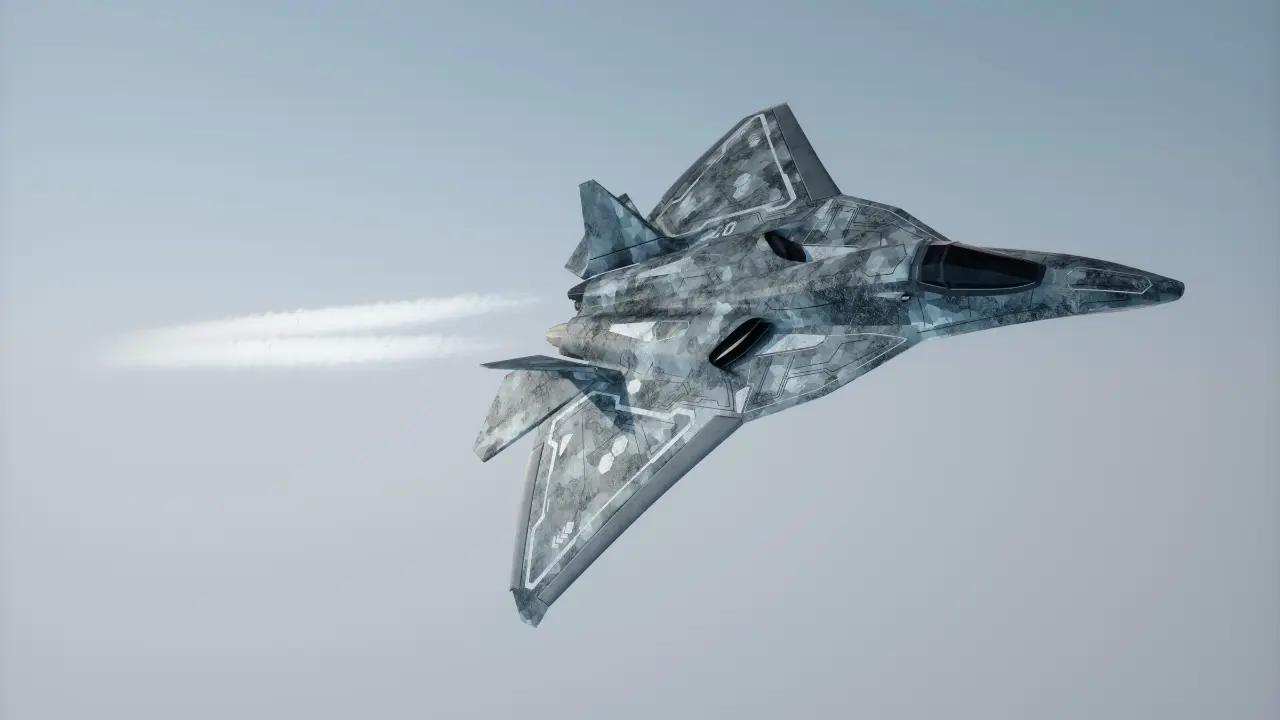
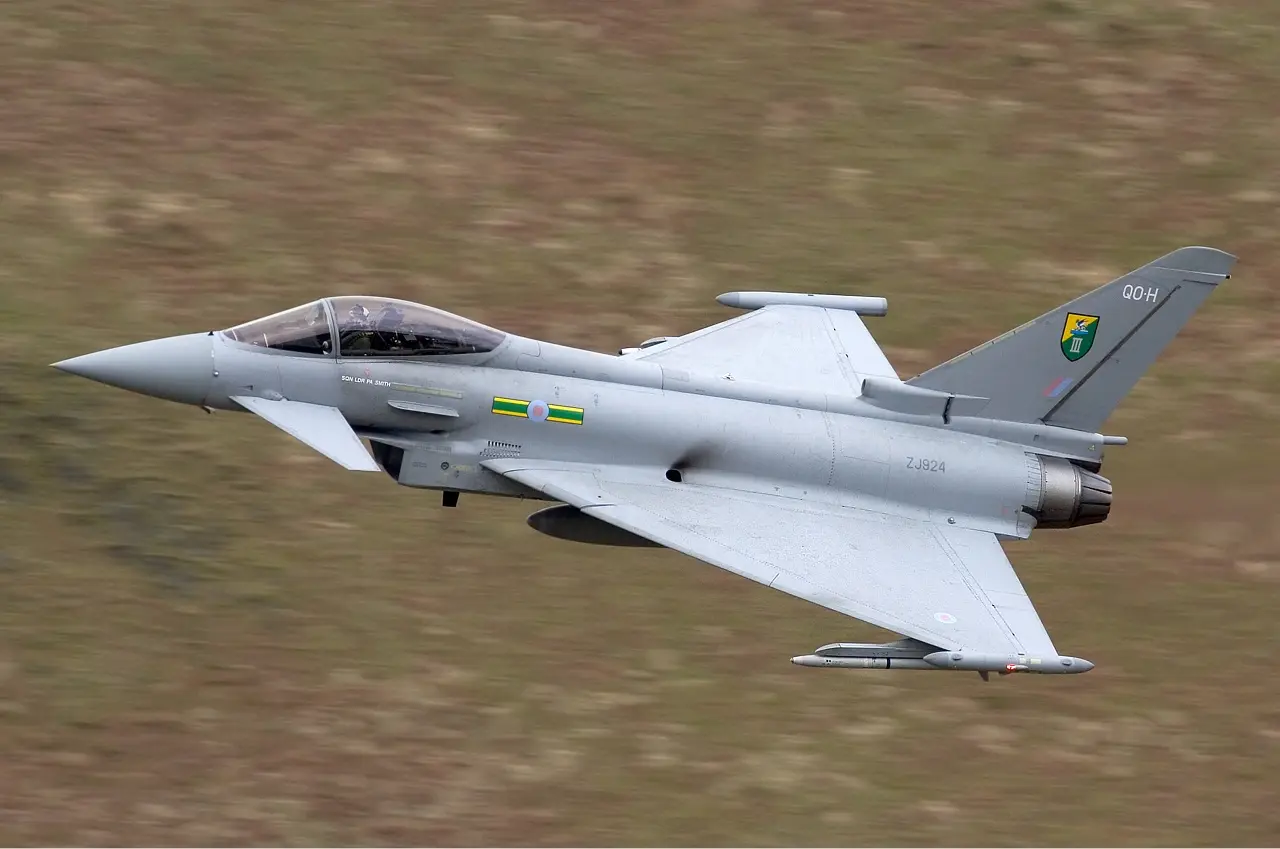
Future sixth-generation fighters currently in development may achieve even faster acceleration through advanced engine technology and lightweight construction materials. Improved engine designs promise higher thrust-to-weight ratios and greater efficiency. Thrust vectoring systems may allow directional control during acceleration, improving manoeuvrability during takeoff phases. Advanced materials like carbon composites will reduce aircraft weight further, enhancing acceleration performance. However, fundamental physics principles limit maximum achievable acceleration rates - future improvements will be incremental rather than revolutionary.
)
)
)
)
)