How fighter jet pilots take decisions in under 2 seconds

Fighter jet pilots make life-or-death decisions in under two seconds using the OODA loop, training, and technology. They rapidly observe, interpret, decide, and act under pressure, accepting uncertainty and prioritising speed to maintain an advantage.
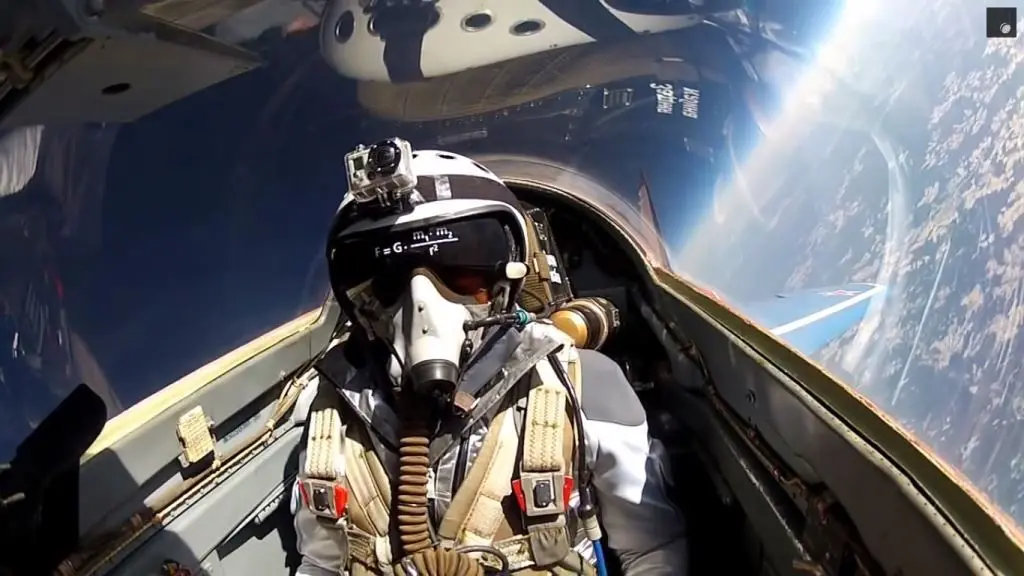
The Speed of Combat Decision-Making
Fighter pilots operate at closure rates of about a mile every three seconds, requiring decisions within seconds to survive. A single moment’s hesitation can be fatal, making rapid decision-making essential.
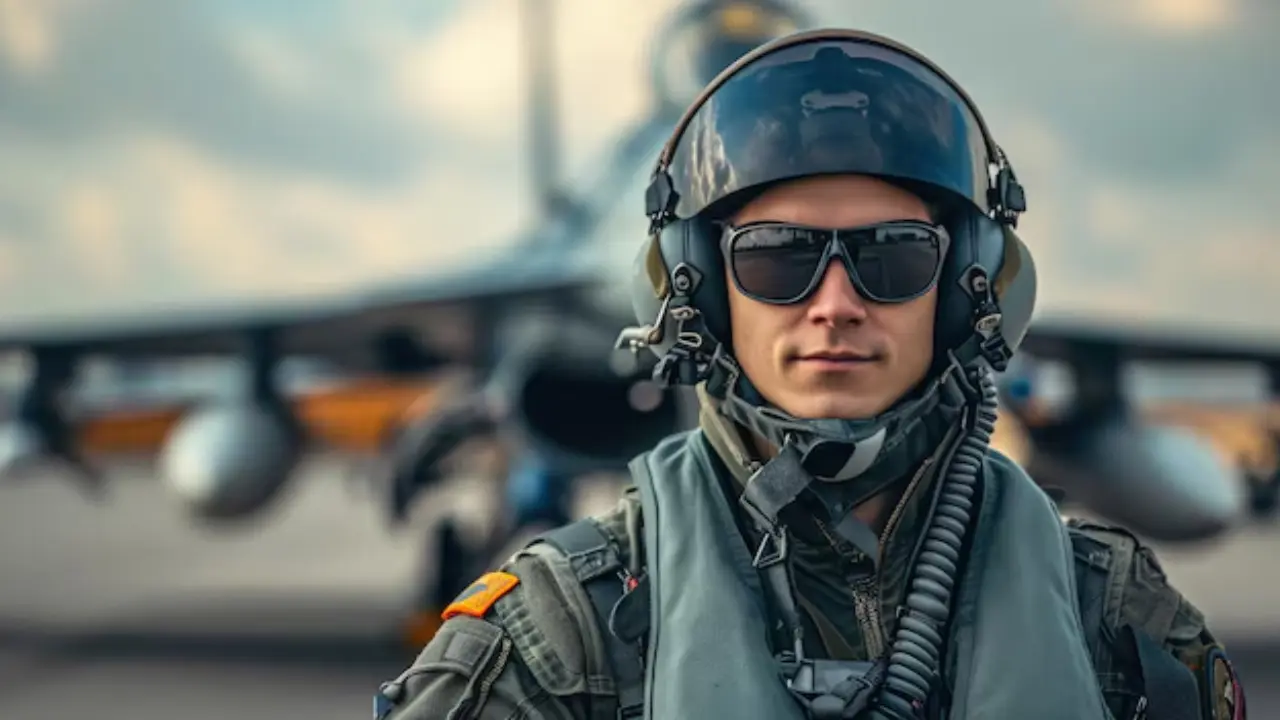
The OODA Loop Explained
Pilots use the OODA Loop—Observe, Orient, Decide, Act—cycling through it quickly to analyse their environment, understand threats, choose actions, and respond without delay.
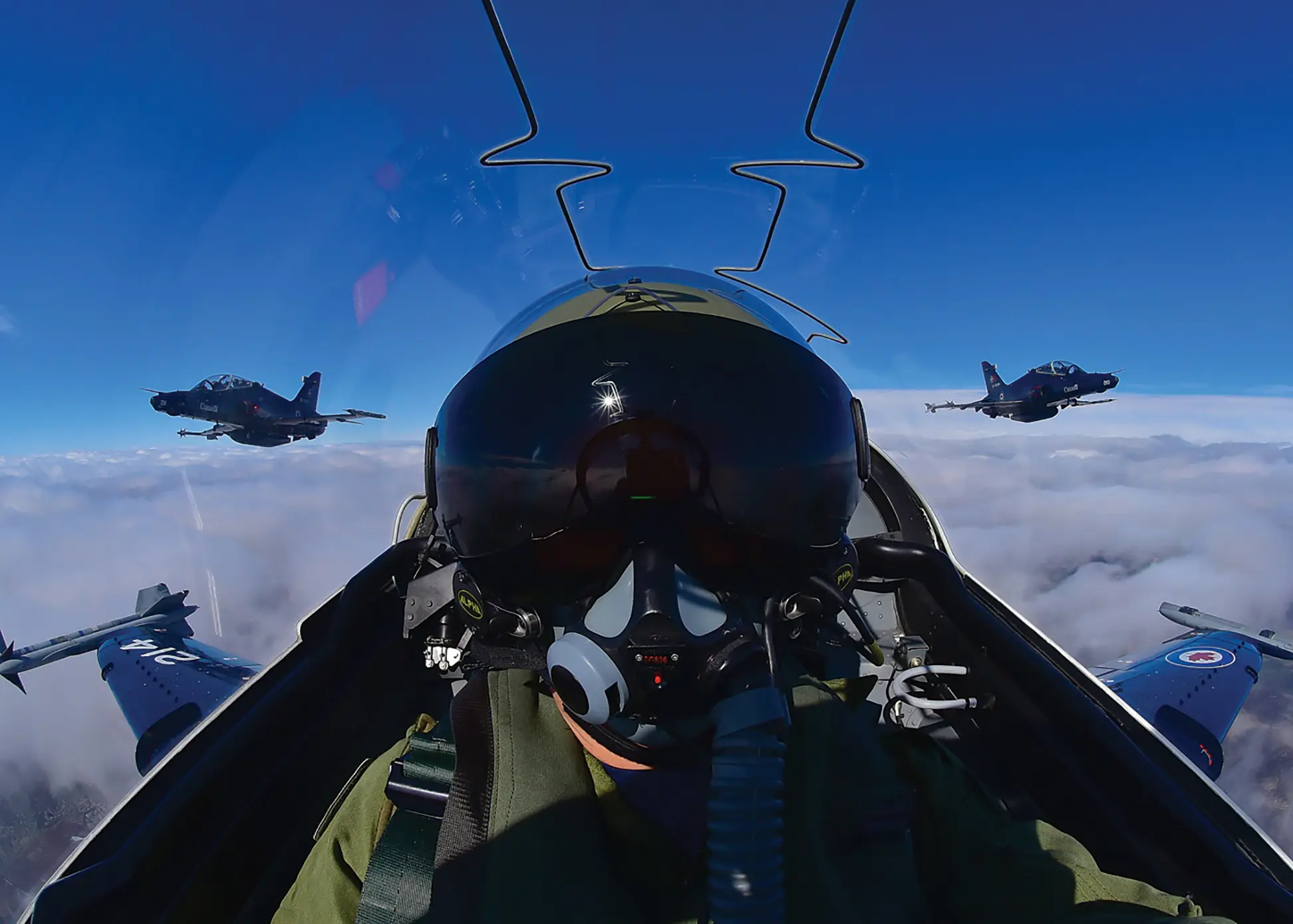
Observe Phase
Pilots assess multiple factors: their own position, enemy movements, terrain, fuel, and more. Broad and fluid observation helps filter relevant information rapidly within seconds.
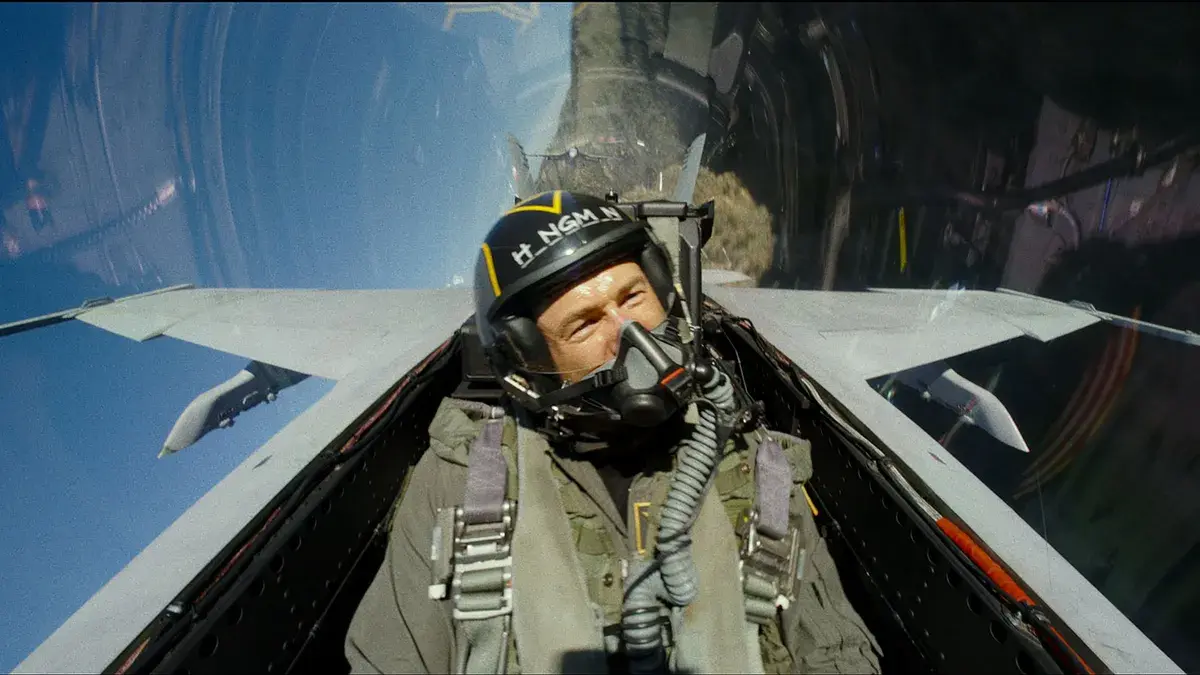
Orient Phase
This phase involves making sense of the observations by considering prior experience, training, and mission objectives. Pilots interpret data swiftly to orient themselves in dynamic situations.
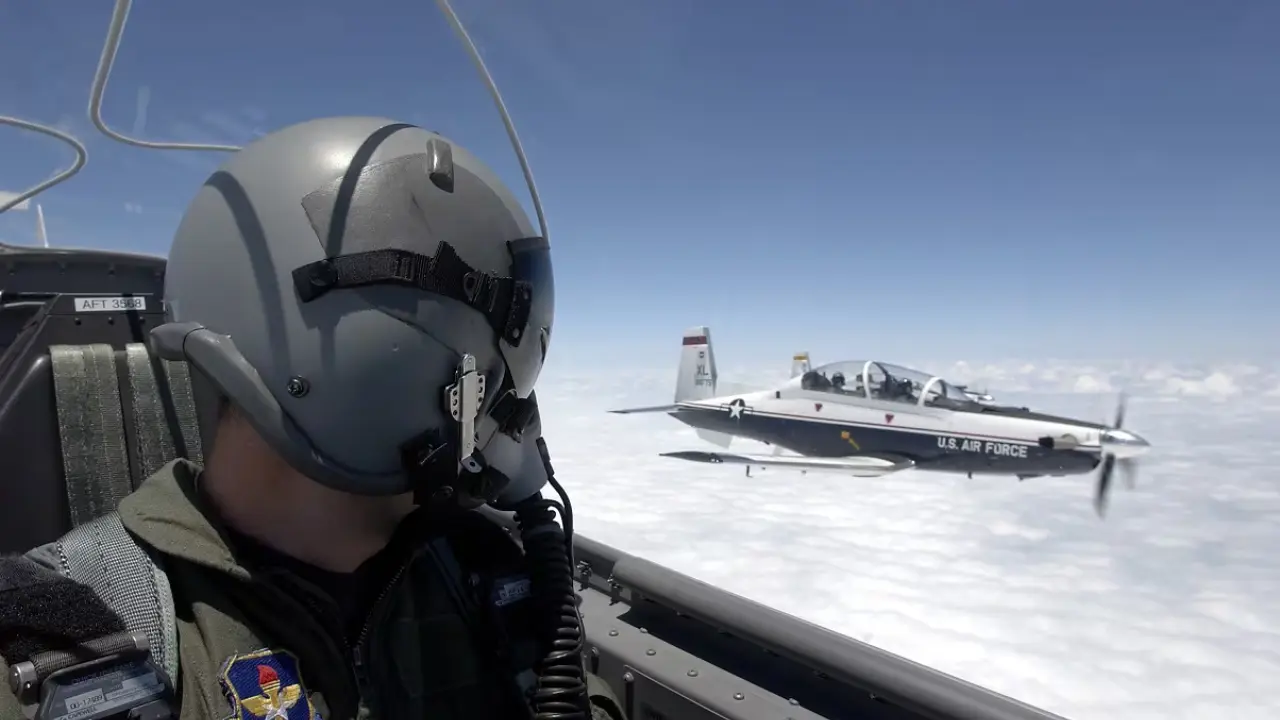
Decide Phase
Decisions must be made fast, weighing options without time for lengthy pros and cons. Pilots rely on practiced instincts and mental shortcuts to choose the best course of action rapidly.
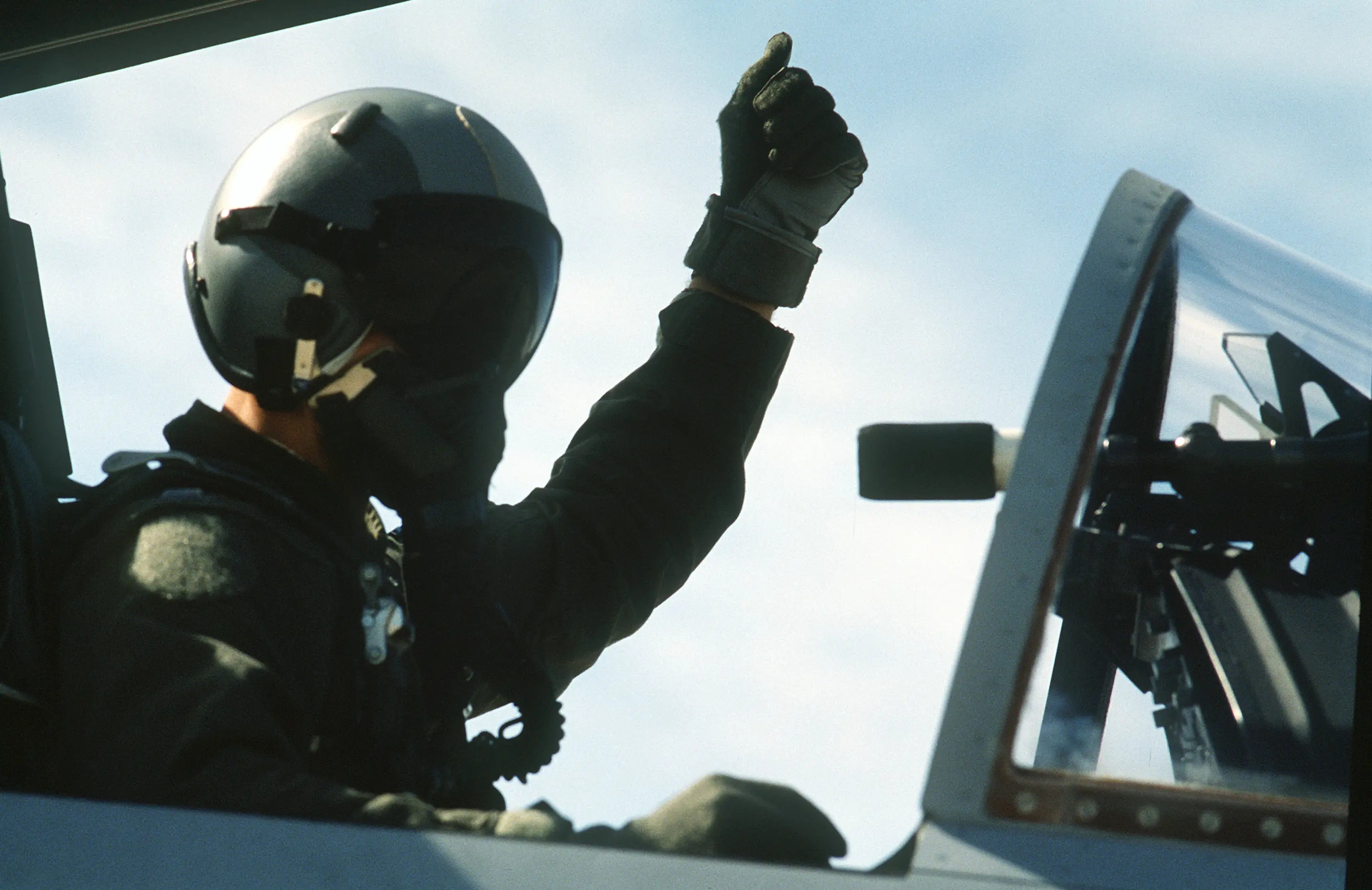
Act Phase
Once decided, pilots act immediately - changing course, firing weapons, or evasive manoeuvres. Speed here is critical to maintain tactical advantage and survival.
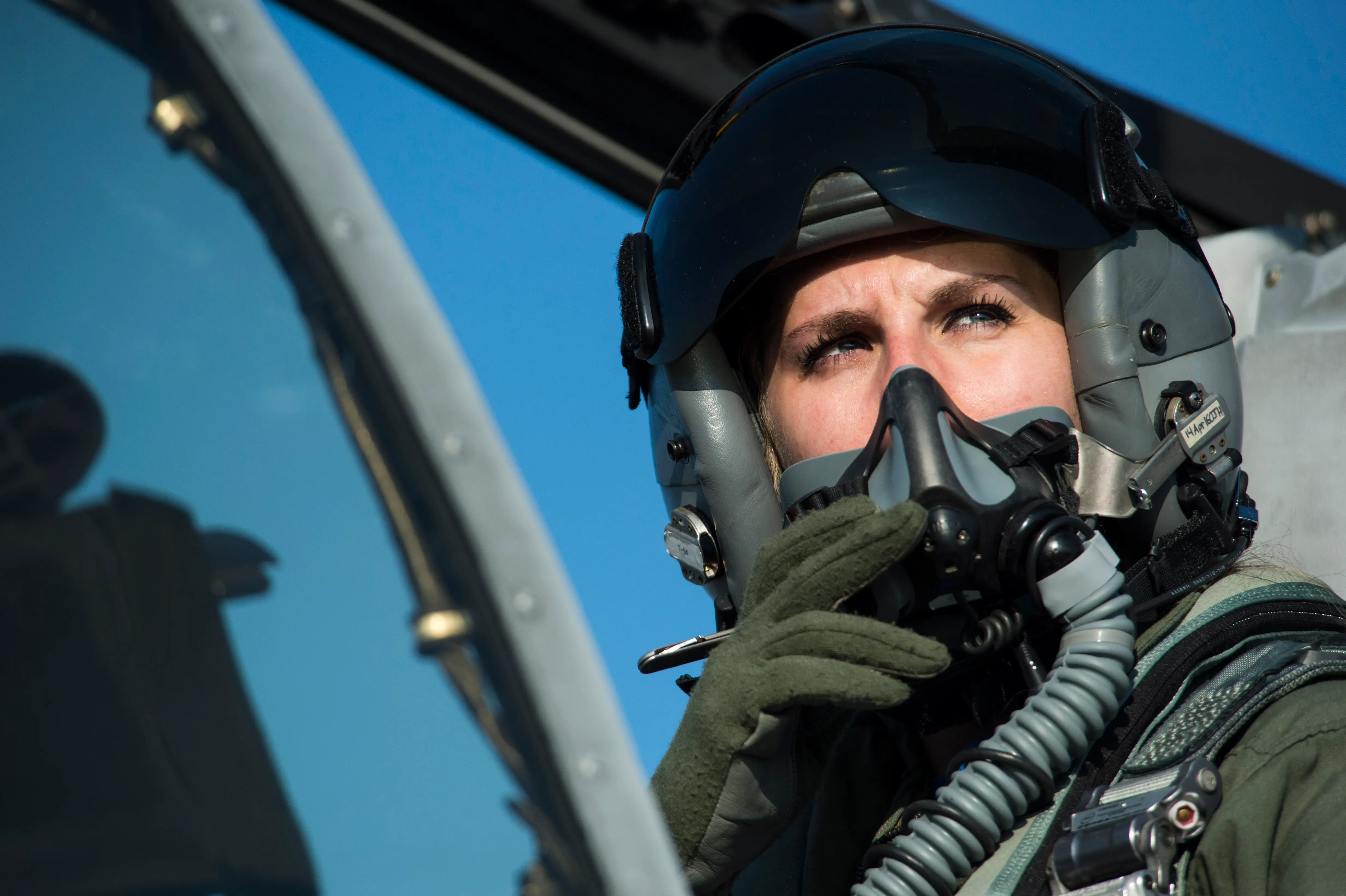
Training for Speed
Simulators and combat training cycles build pilots' ability to run through the OODA loop many times per minute, improving their speed and accuracy under stress.
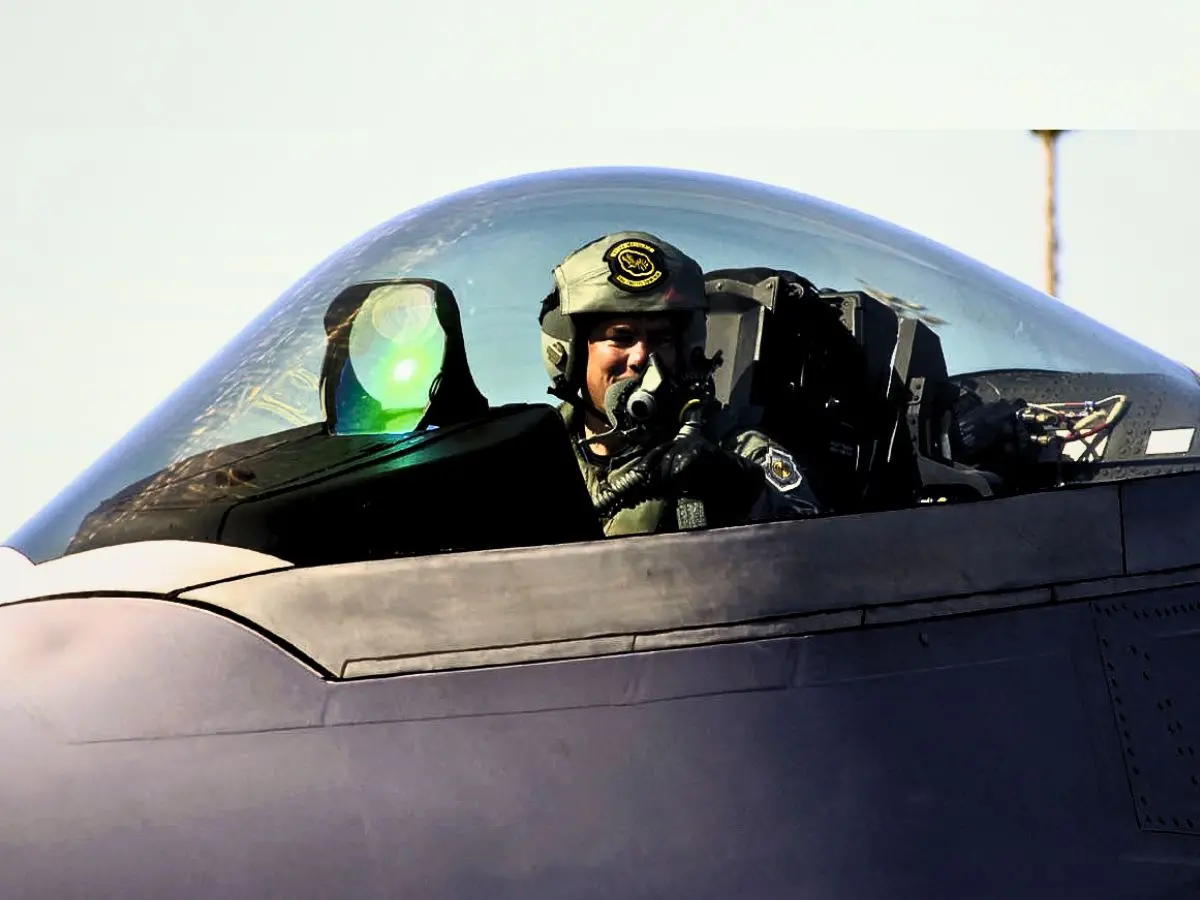
Comfort with Uncertainty
Pilots accept they’ll never have full information. Training helps them operate effectively despite uncertainty, using “filters” to focus on relevant facts and ignore noise.
Technology Aids Decision-Making
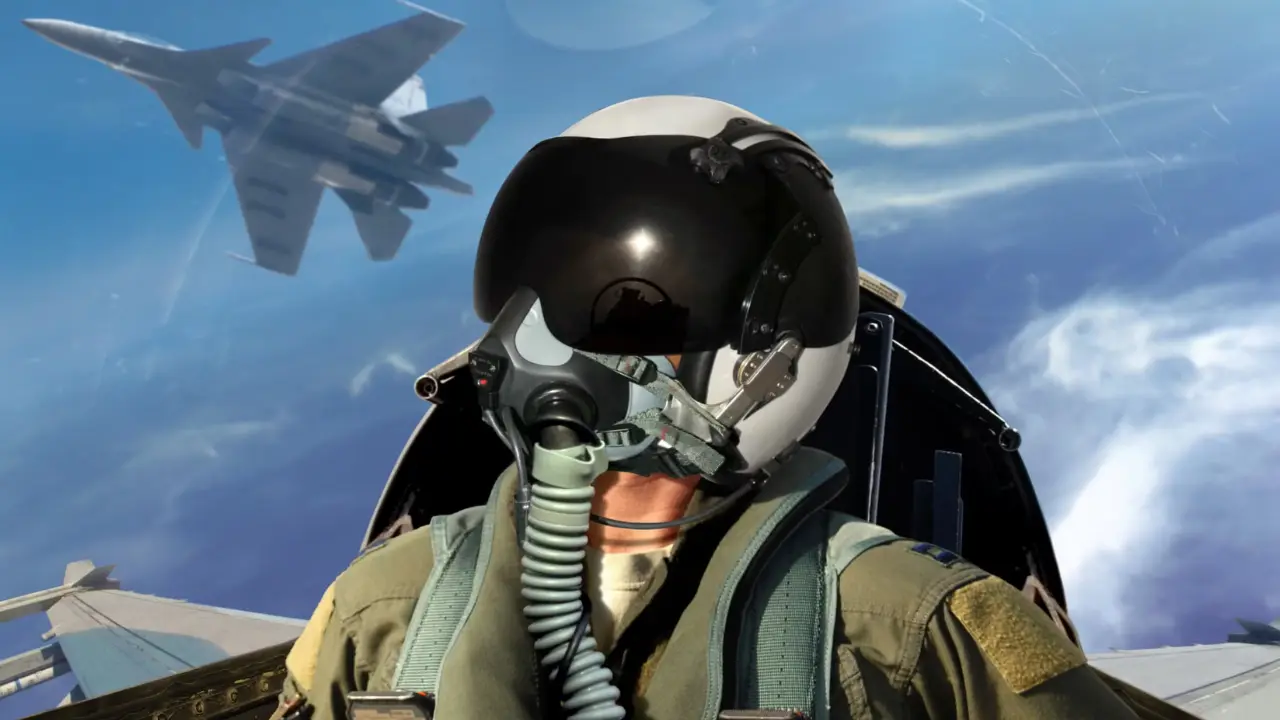
Advanced avionics and heads-up displays help present critical information clearly and quickly, enabling pilots to make faster, better-informed decisions.
Decision Quantity Over Perfection
Fighter pilots know no decision is worse than a bad decision. Making many good enough decisions quickly often outperforms slow, perfect choices, maintaining combat tempo and pressure on opponents.
)
)
)
)
)