How fighter jet pilots handle −3G to +9G manoeuvres

Fighter pilots handle −3G to +9G manoeuvres using techniques like AGSM and G-suits, physical fitness, and rigorous training. These methods help maintain consciousness, manage blood flow, and control the aircraft safely during extreme aerial forces.
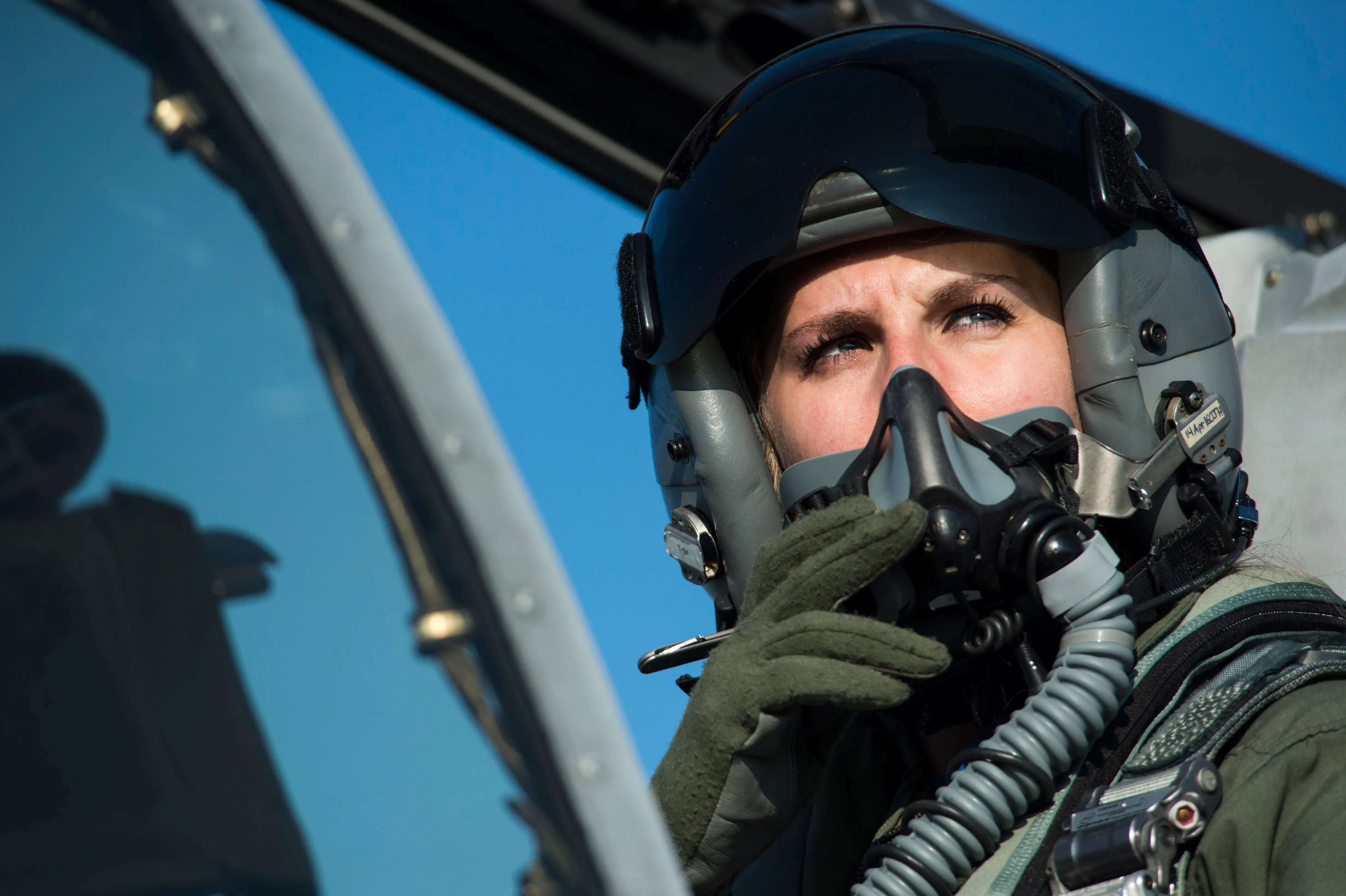
Understanding G-Forces in Flight
G-forces are accelerations relative to gravity that pilots feel during manoeuvres. Positive Gs push blood away from the brain, while negative Gs push blood towards the head. Fighter jets typically push pilots between −3G and +9G during combat.
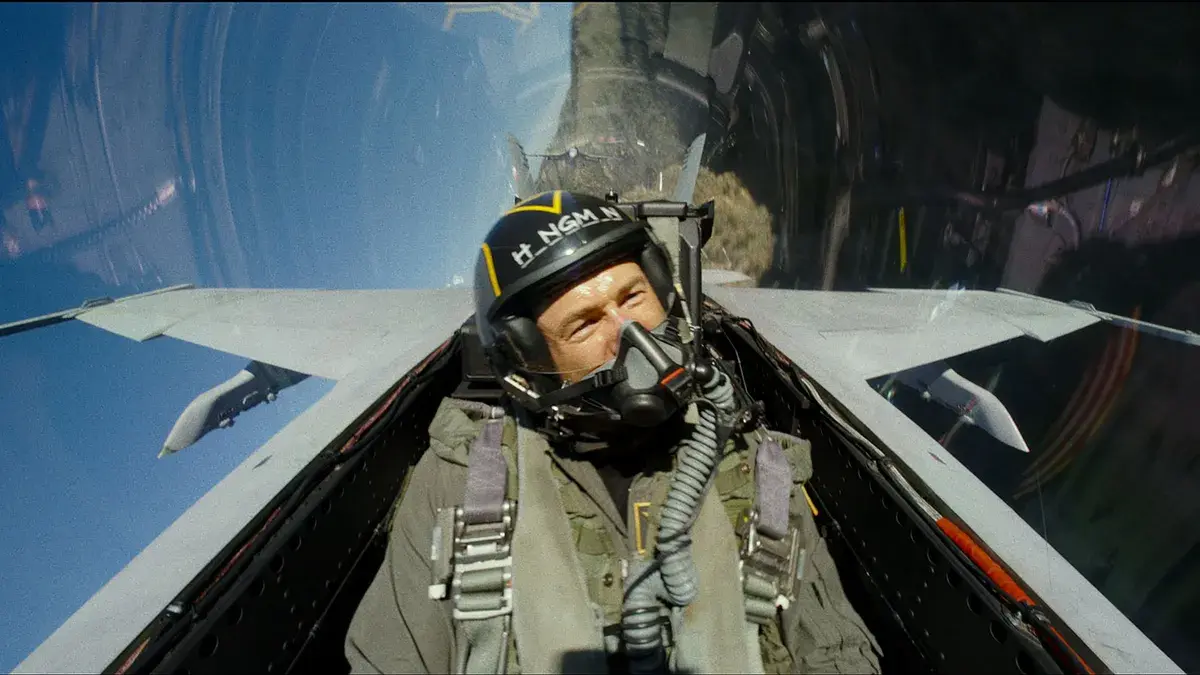
Effects of Positive G-Forces
At +9G, pilots feel nine times their body weight. This pressure can cause blood to pool in the lower body, risking blackouts due to reduced brain blood flow. Movement becomes almost impossible under such forces.
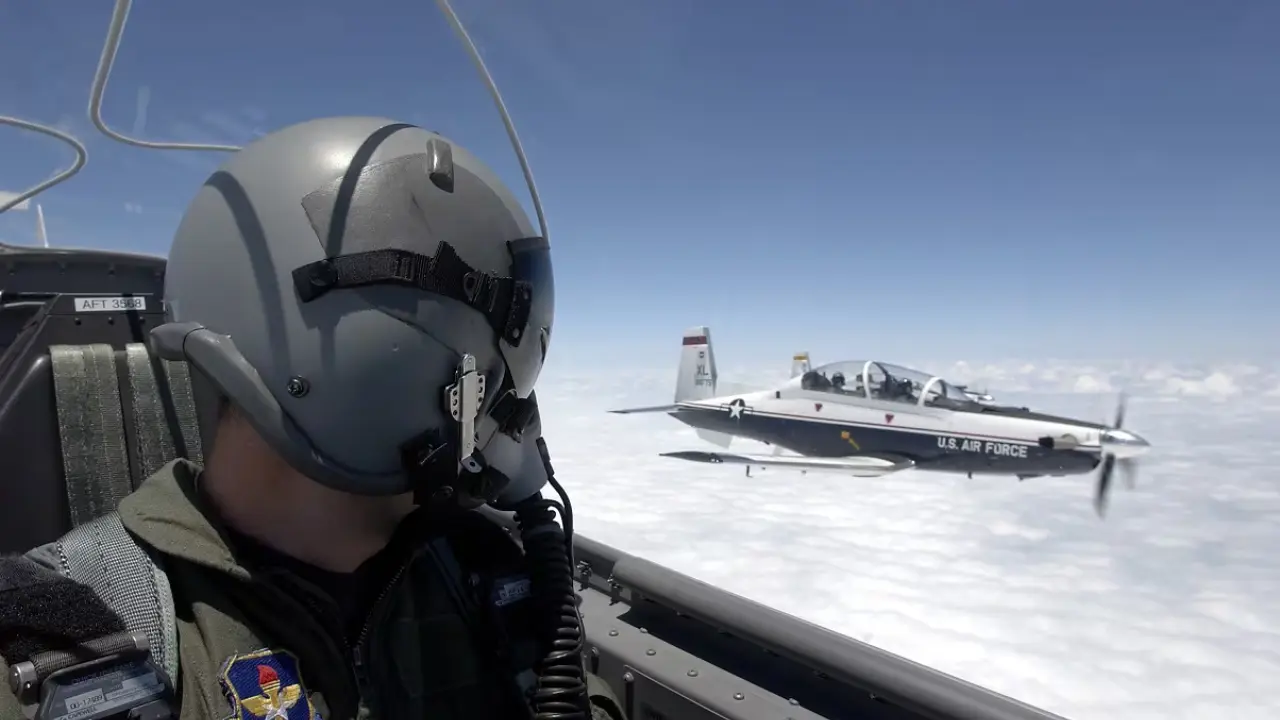
Challenges of Negative G-Forces
Negative Gs are less common but more dangerous. At −2 to −3G, blood rushes to the head, potentially causing headaches, vision problems, or eye haemorrhages. Pilots’ tolerance here is much lower than with positive Gs.
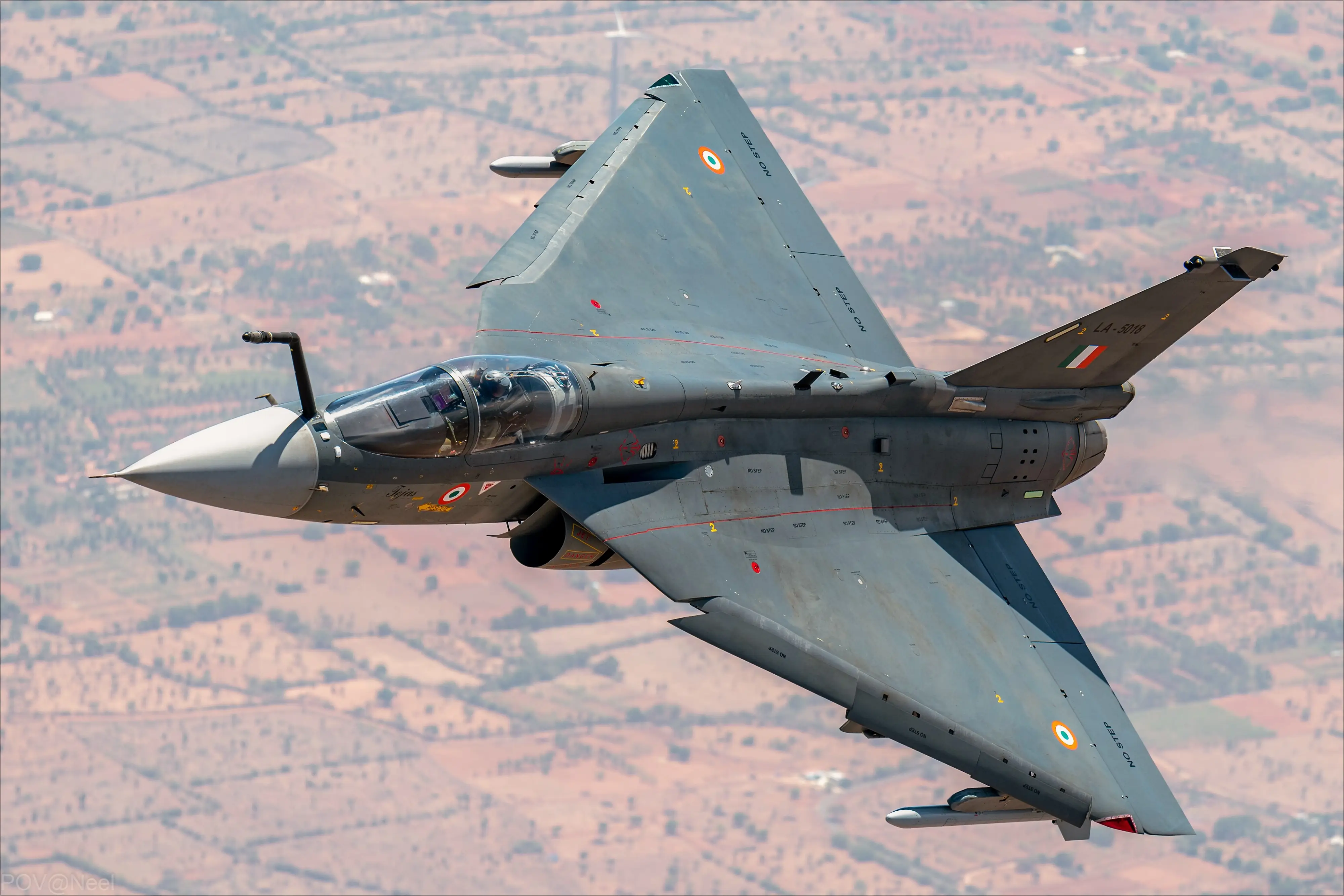
The Role of the G-Suit
The G-suit inflates around the legs and abdomen during high G maneuvers to prevent blood pooling. It adds about 1G of tolerance, supporting pilots in maintaining consciousness during high accelerations.
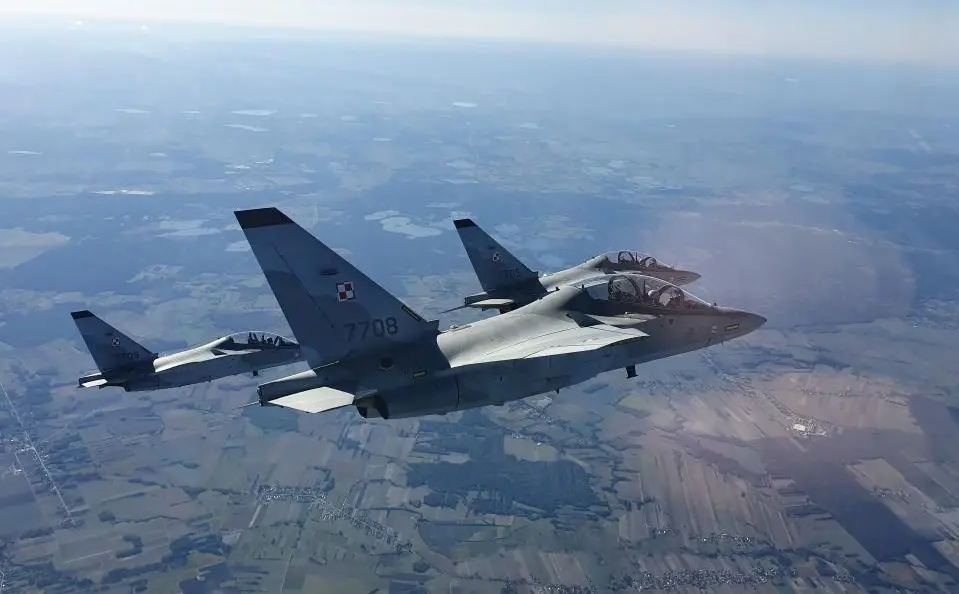
Anti-G Straining Maneuver (AGSM)
Pilots use AGSM, a breathing and muscle-tensing technique, to physically increase blood pressure in the brain. Proper AGSM can increase G tolerance by 1.5 to 2G, delaying blackout and maintaining alertness.
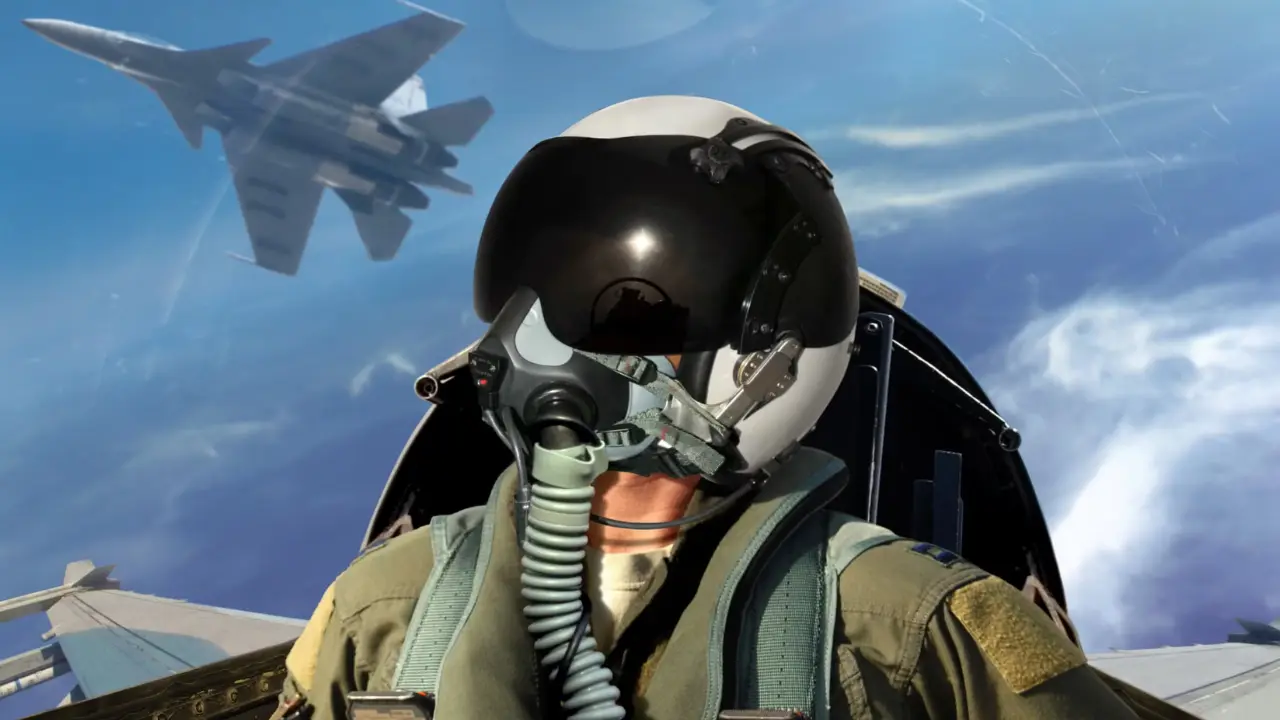
Pilot Physical Fitness
Physical strength, especially in the core and lower body, improves G-force tolerance. Cardiovascular fitness helps recovery after high-G manoeuvres, making endurance and training critical parts of a pilot’s prep.
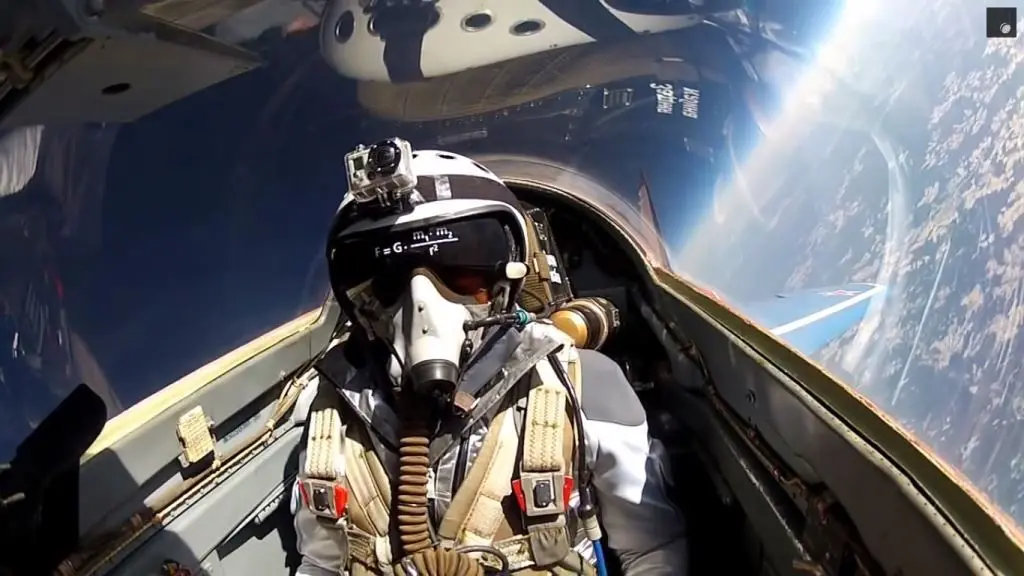
Training with Centrifuges
Pilots train in centrifuges simulating G-forces up to 9G. This helps them practice AGSM and adapt physiologically to the stresses they face in flight, improving confidence and safety.
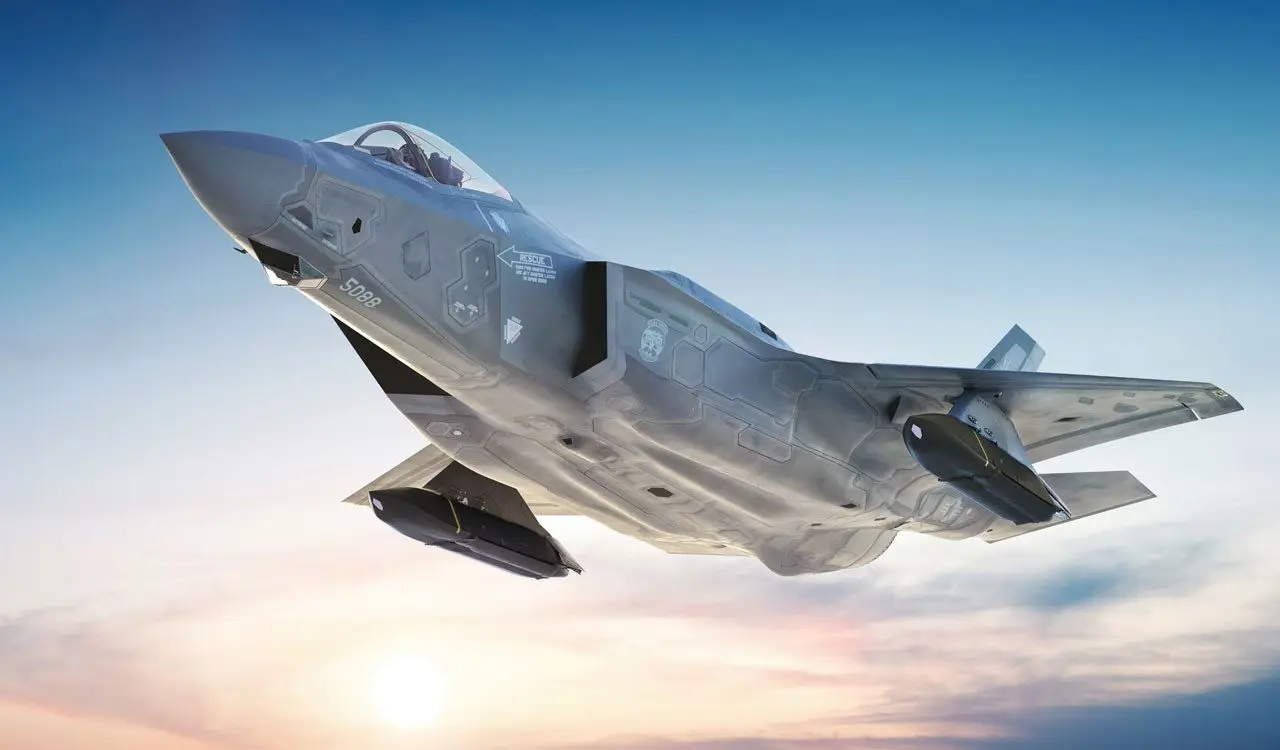
Managing Rapid G Transitions
Combat involves quick shifts between positive and negative Gs. Pilots must manage potential disorientation and maintain control, which requires experience, training, and physical resilience.
Technological Assistance
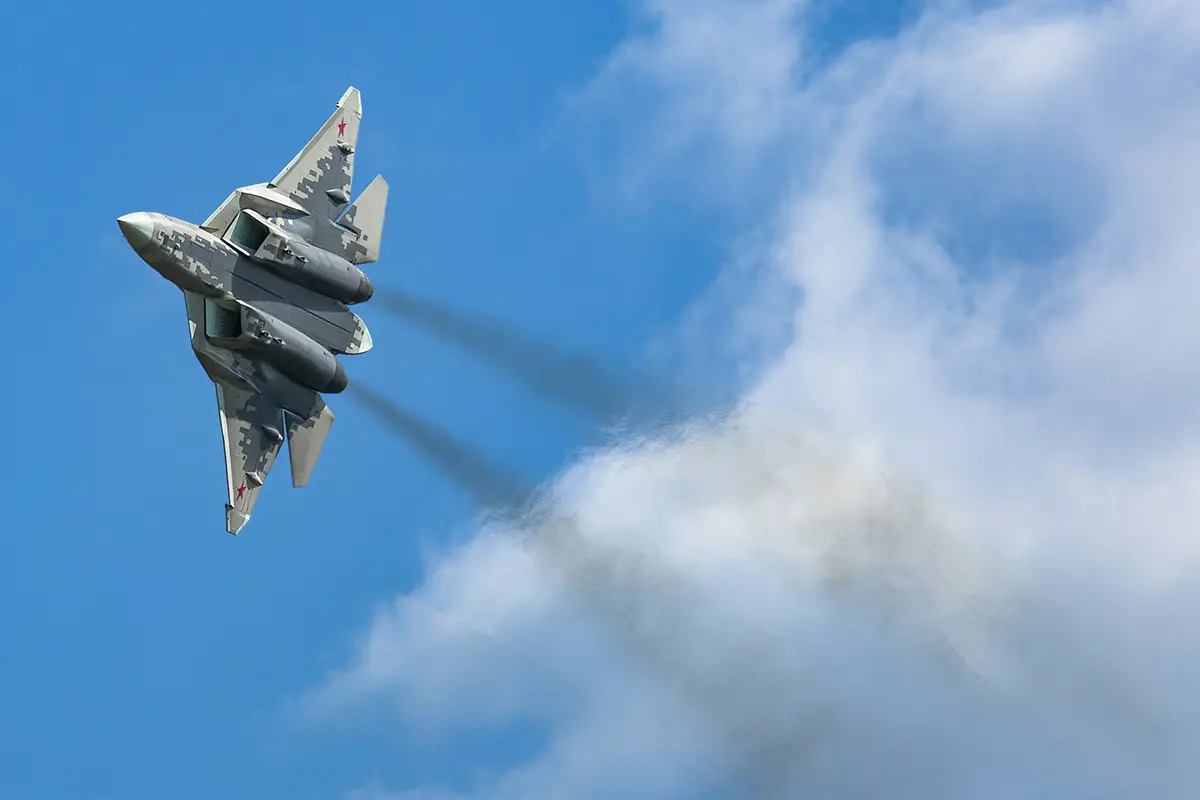
Modern jets include flight control systems and avionics to limit stresses beyond pilot capacity. These systems help avoid excessive G maneuvers that could risk a pilot’s consciousness.
Future Challenges
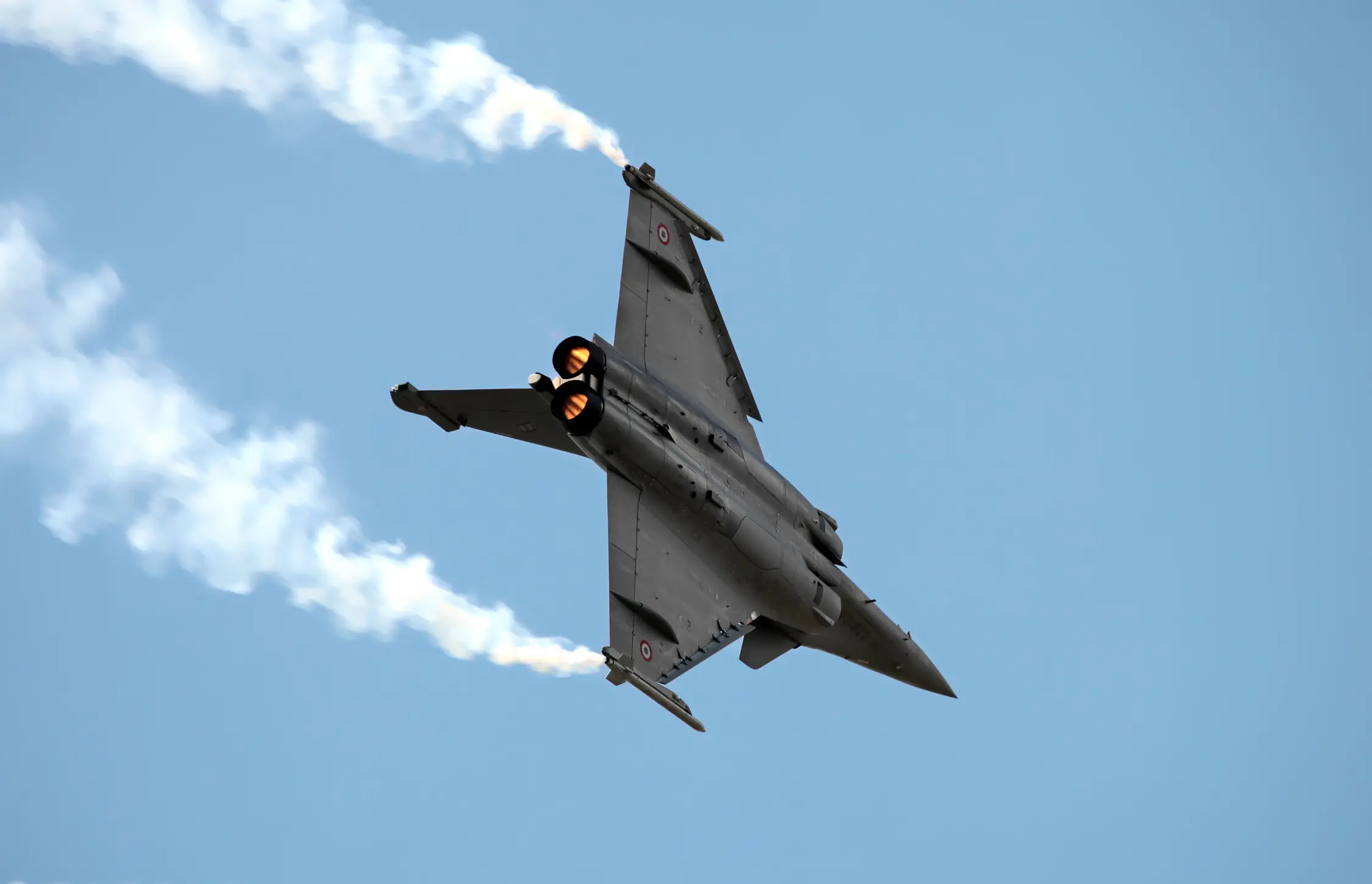
As jets push performance beyond 9G faster than humans can adapt, innovations in pilot support, like automated controls or enhanced suits, will be essential for safety and effectiveness in future combat.
)
)
)
)
)