How fighter jet missile design quietly reveals a nation’s war strategy

Missile architectures expose classified military doctrines. US designs prioritise internal stealth, Russia relies on passive heat-tracking to bypass jamming, and China builds massive long-range weapons to destroy slow-moving radar support planes.
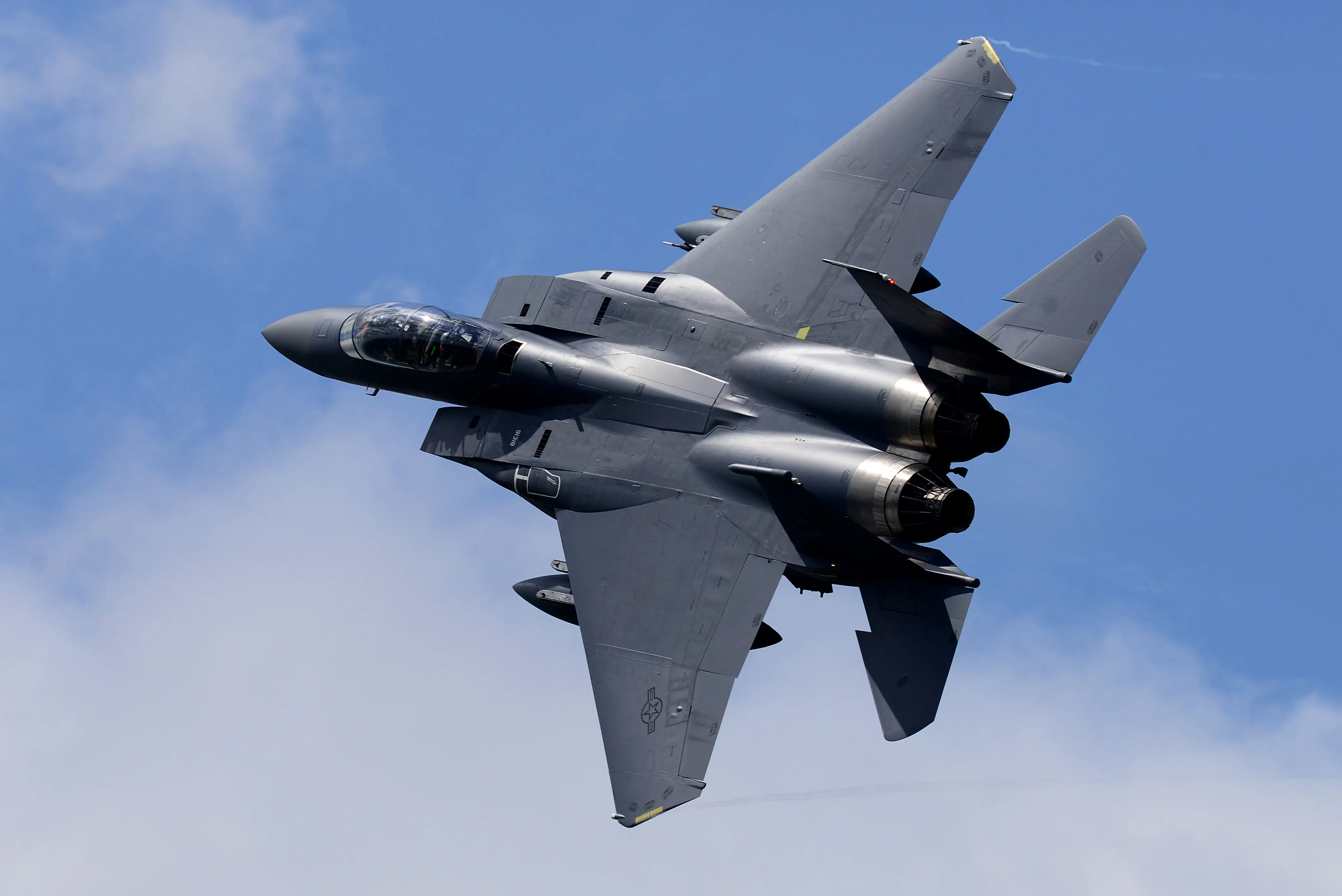
The Blueprint of War
A fighter jet missile is not just an explosive projectile; it is a physical manifestation of a nation's classified aerospace doctrine. By analysing the size, seeker technology, and propulsion of these weapons, military analysts can accurately predict how a country plans to fight its next war.
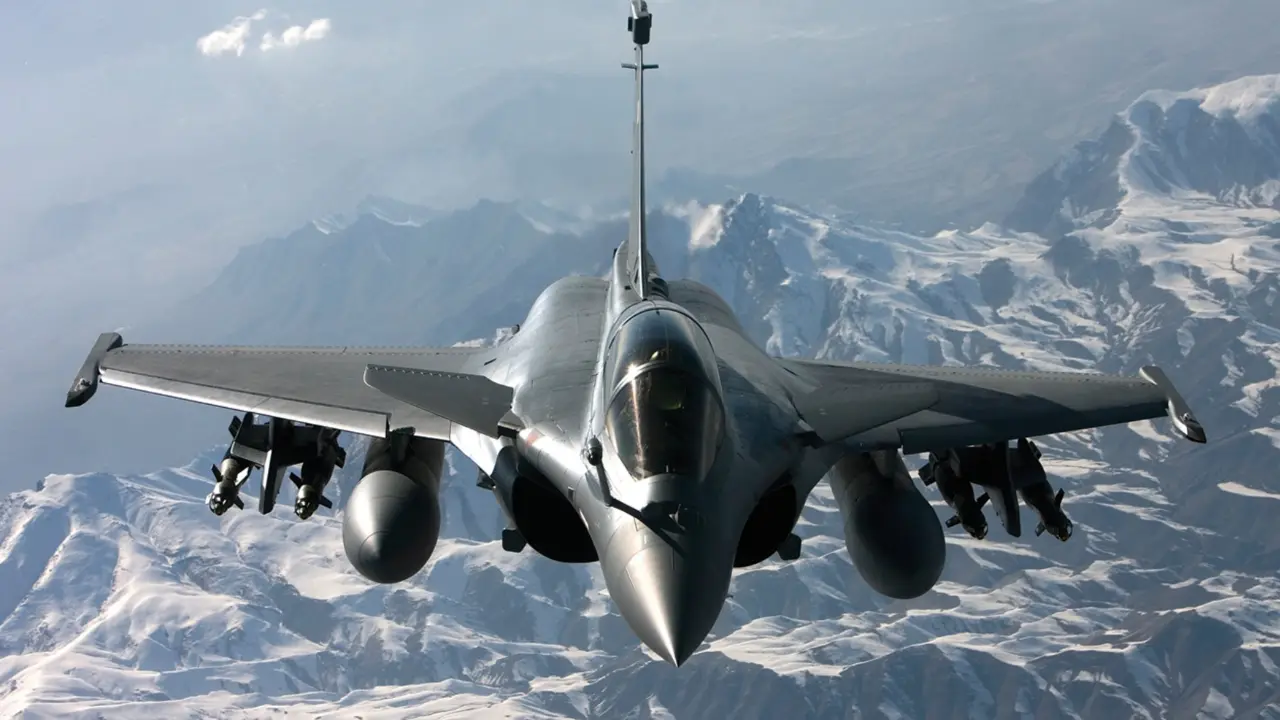
America’s Networked Stealth
The United States prioritises aerial invisibility, requiring weapons like the USD 1 million AIM-120D to be compact enough to fit securely inside the F-35's internal payload bays. This design confirms a strategy based on surviving via stealth and guiding networked weapons through a digital combat cloud.
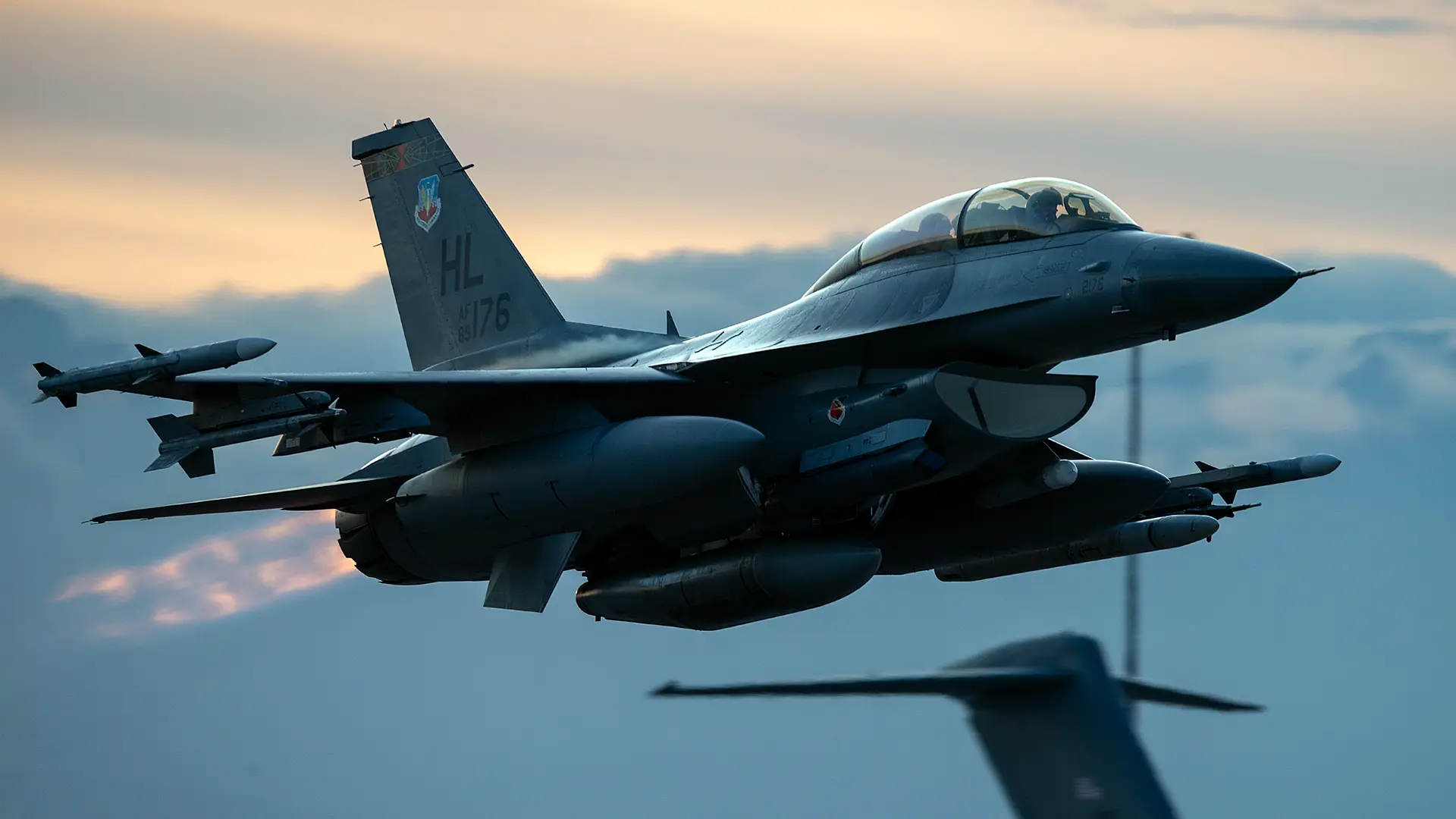
Russia's Passive Hunters
Russian aerospace doctrine assumes its jets will face overwhelming Western electronic warfare and radar jamming. To counter this, they heavily invest in passive infrared missiles like the R-27T, which silently track the 1,000-degree Celsius heat of an enemy engine without emitting any warning signals.
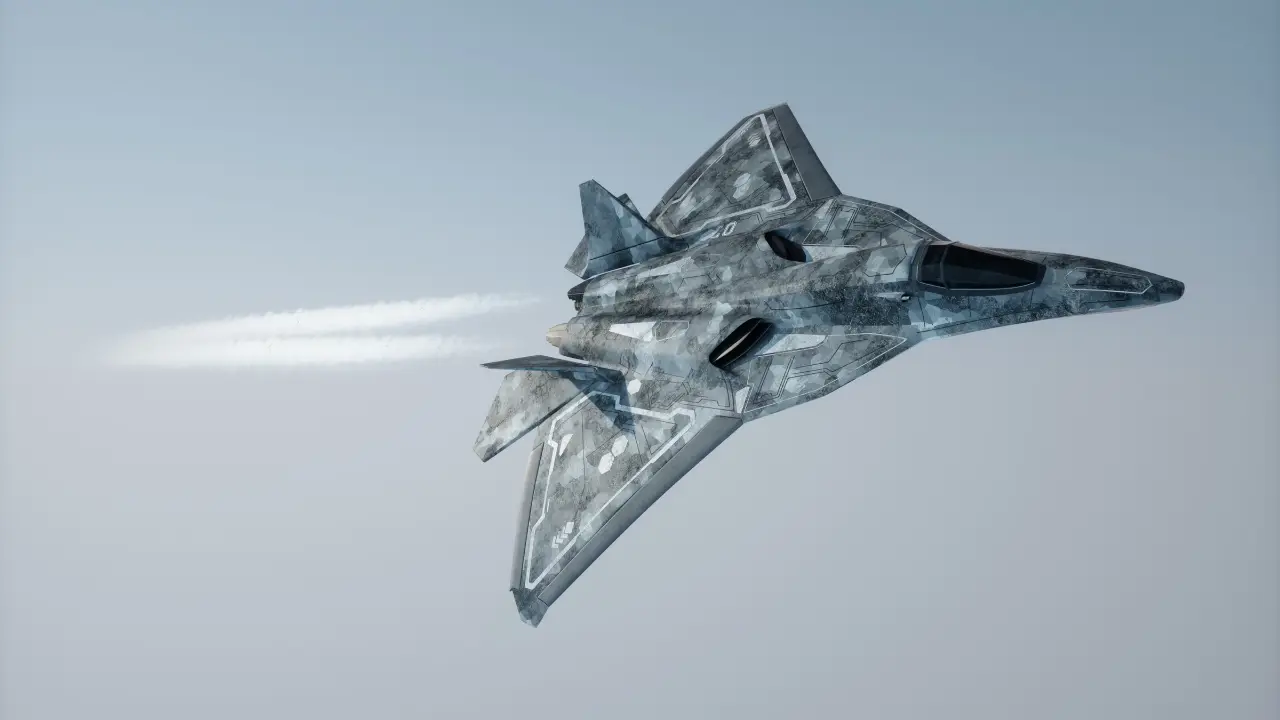
China’s AWACS Killers
China’s military strategy focuses on blinding adversaries by destroying their critical, slow-moving support aircraft from extreme distances. Consequently, they developed the massive PL-15 missile, an ultra-long-range weapon specifically engineered to eliminate aerial refuelling tankers and AWACS radar planes.
Europe’s Ramjet Dominance
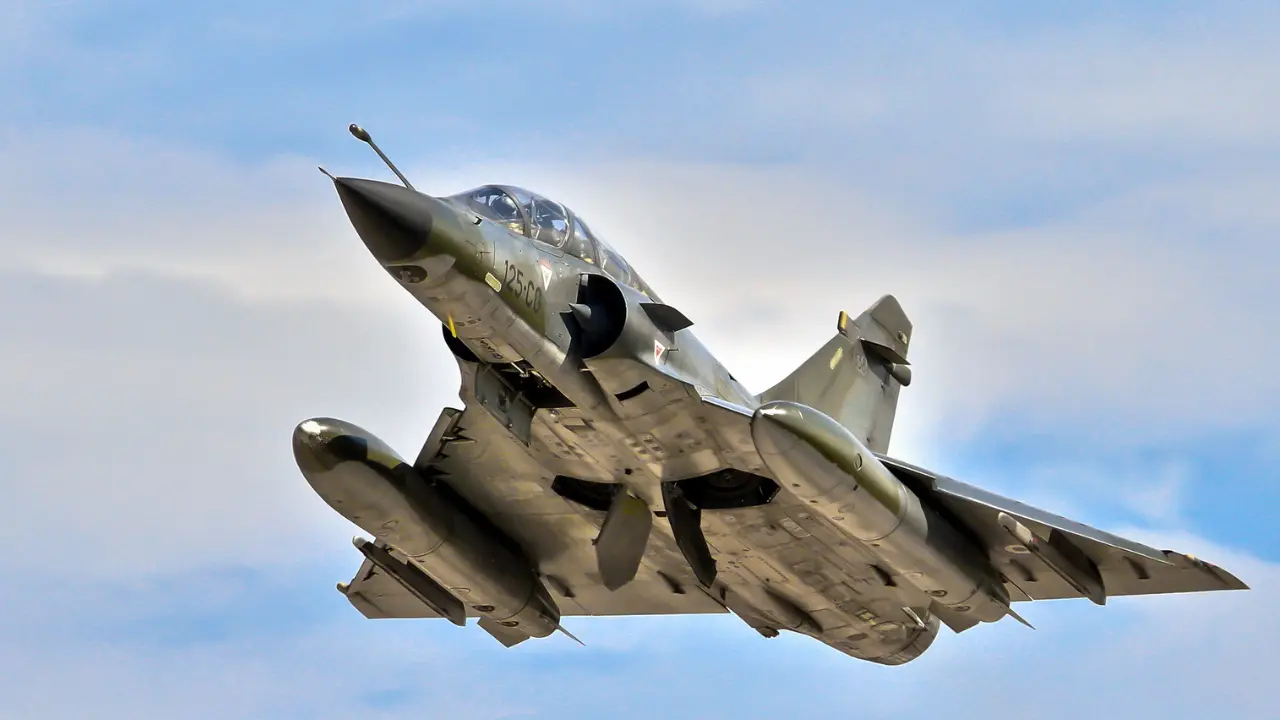
European air forces require absolute lethality over hostile borders, leading to the development of the MBDA Meteor. Instead of a traditional solid rocket motor that burns out quickly, this USD 2 million weapon uses a breathing ramjet to throttle its speed, guaranteeing a Mach 4 impact within an inescapable kill zone.
The Payload Compromise
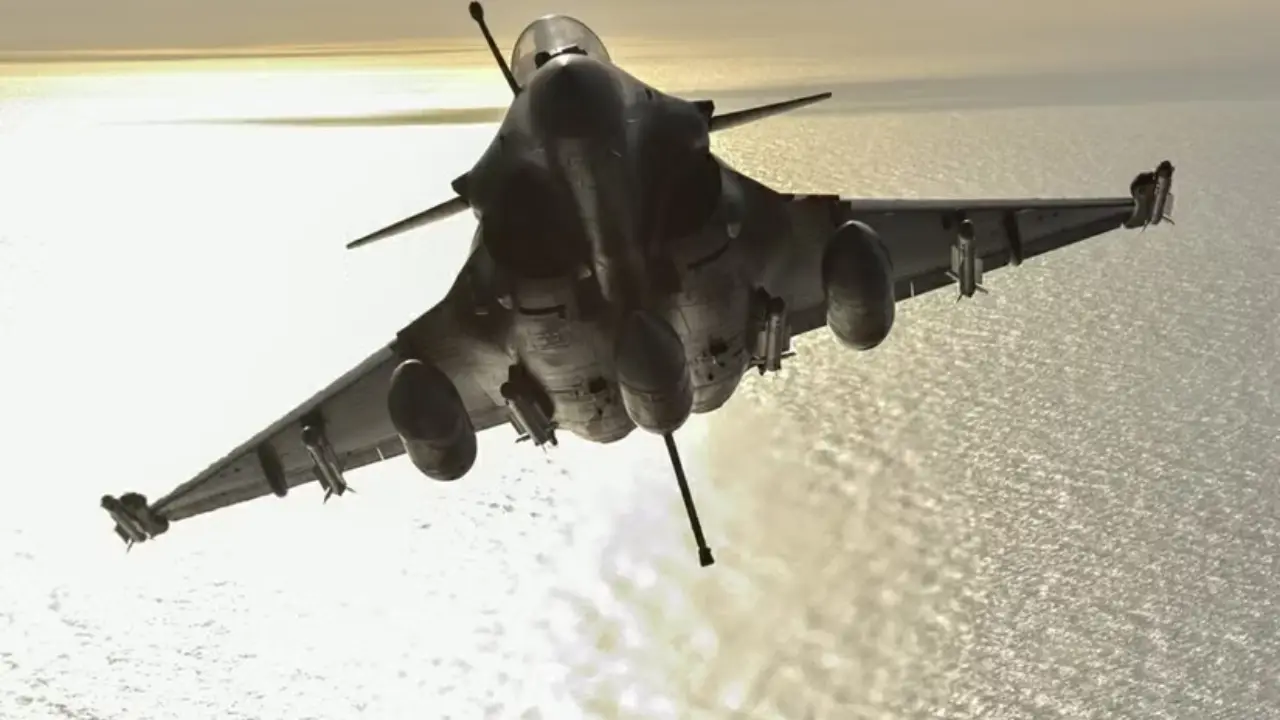
Every missile design forces a strategic compromise between aerodynamic stealth and raw explosive power. Nations relying on legacy fourth-generation fighters mount heavy, long-range missiles externally, deliberately sacrificing radar invisibility for a massive, overwhelming first-strike capability.
The Shift to Swarm Warfare
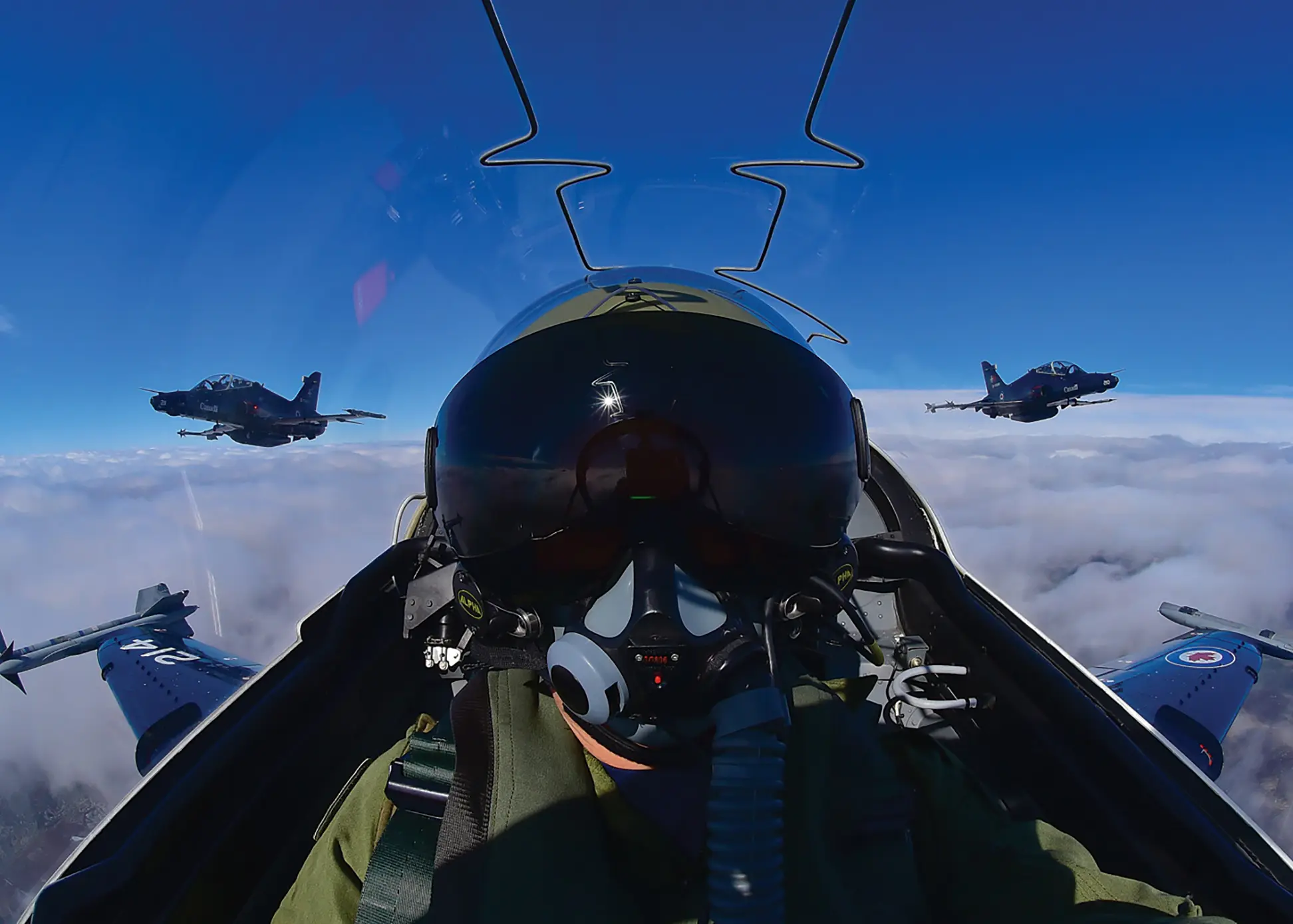
As global powers transition toward autonomous warfare, missile architectures are rapidly shrinking. Future weapons are being designed specifically for Collaborative Combat Aircraft (CCA), shifting the strategy from launching a few heavy missiles to overwhelming enemies with highly coordinated drone swarms.
)
)
)
)
)