How fighter jet hourly flying costs reach $20,000-$40,000 per hour

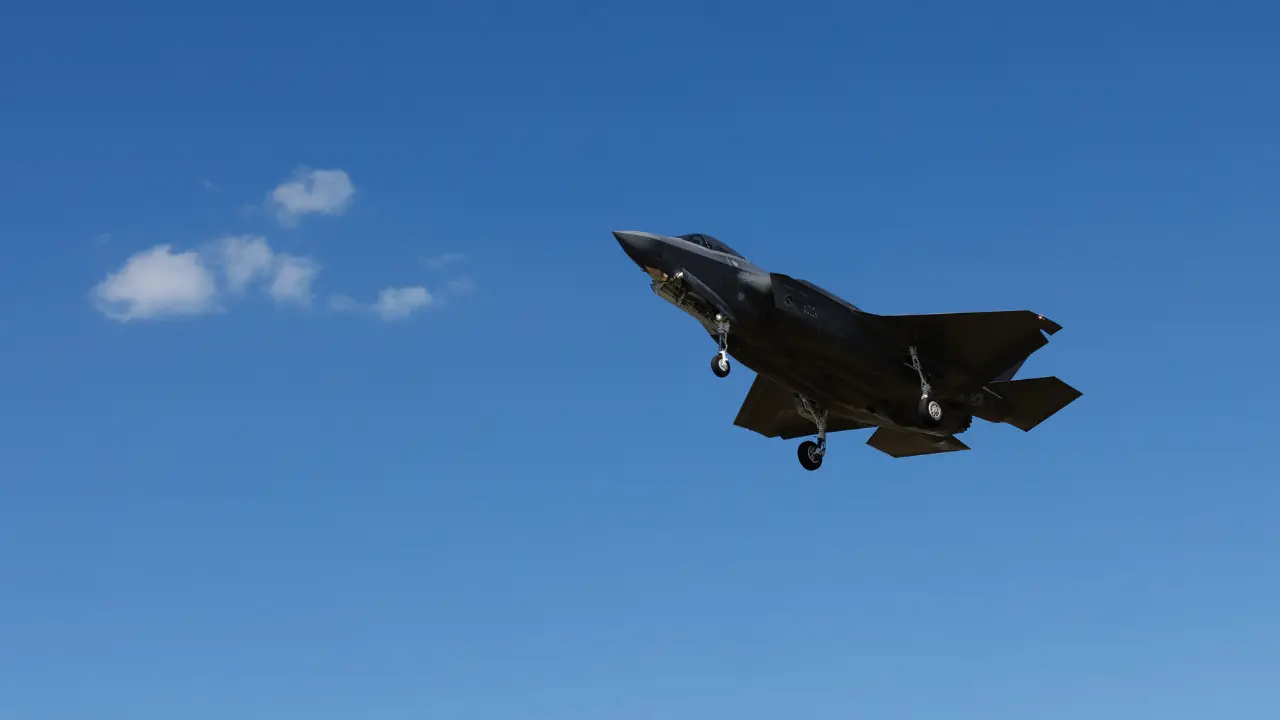
Fighter jet hourly costs range from $16,500 for Rafale to $42,000 for F-35. Fuel, maintenance, spare parts, and skilled personnel drive expenses. F-35 requires 13 maintenance hours per flight hour, substantially raising operational costs.
The Shocking Hourly Cost Reality
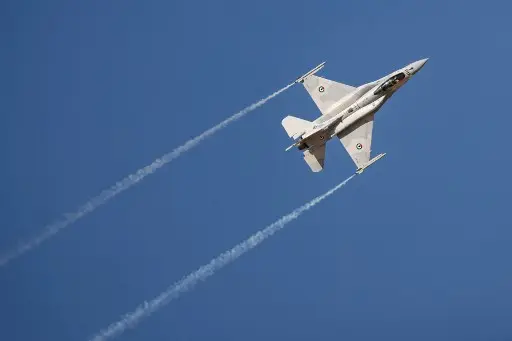
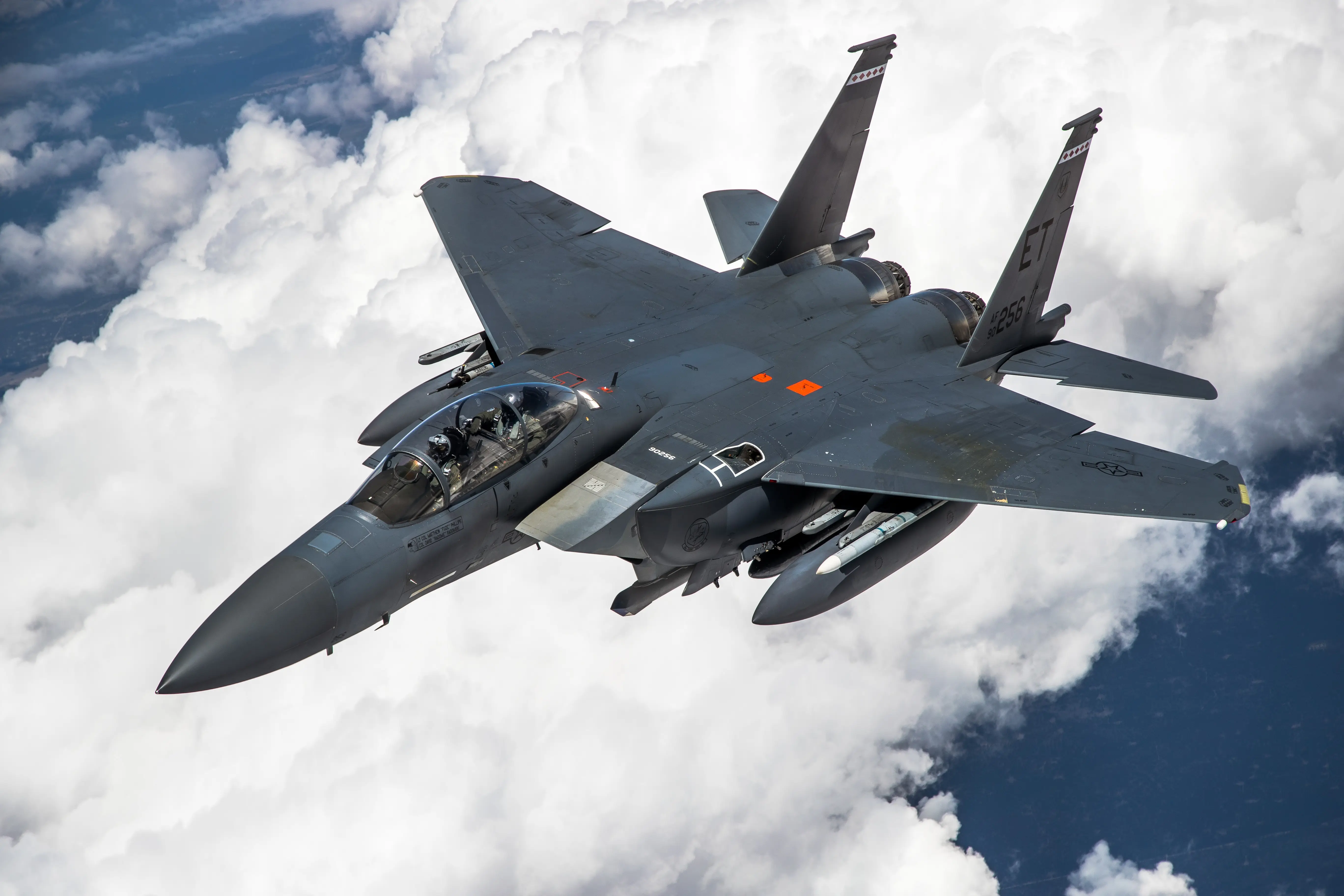
A modern fighter jet costs between $20,000 and $42,000 per flight hour, making it more expensive than hiring a private jet for commercial flights. The F-35 costs $42,000 hourly, whilst the Rafale costs $16,500 to $20,000. The F-16 costs approximately $27,000 per hour. For comparison, flying a commercial airliner costs between $8,000 and $12,000 per hour. These astronomical costs mean that flying a fighter jet for just one hour consumes what ordinary families earn in months. The Eurofighter Typhoon is the most expensive, reaching $60,000 per hour. These costs have prompted military officials to question whether expensive fifth-generation fighters justify their operating expenses.
Fuel Consumption Drives Costs Upward
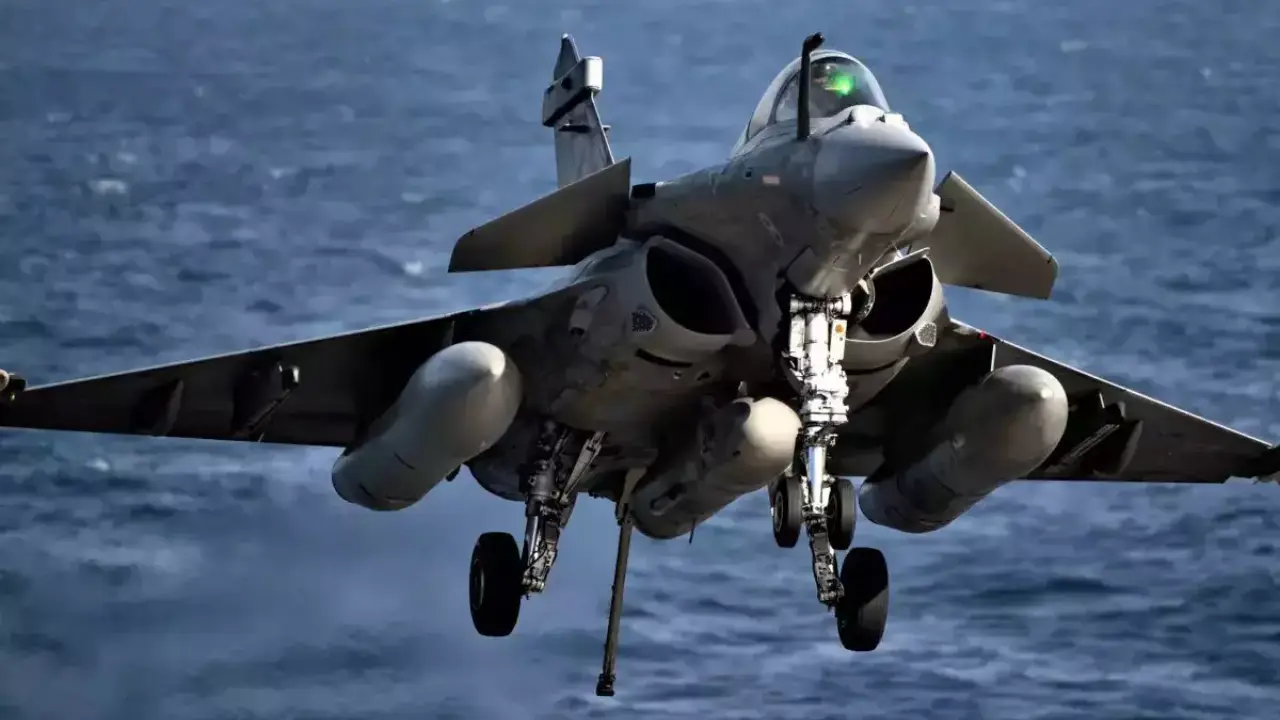
Fuel represents a substantial portion of fighter jet operating expenses, consuming between $3,000 and $6,500 per flight hour. The F-35 burns approximately 5,600 litres per flight hour, costing around $4,480 in fuel alone. The Rafale consumes between 2,600 and 3,000 litres hourly, costing approximately $3,900 per hour. Military jet fuel costs between $0.80 and $1.50 per litre, significantly more than civilian aviation fuel. Afterburner use dramatically increases fuel consumption; the F-35 consumes over 15,000 litres hourly when using afterburners for supersonic flight. Fuel costs alone justify the need for efficient aircraft design and optimised flight profiles to reduce operational expenses.
Maintenance: The Biggest Hidden Cost
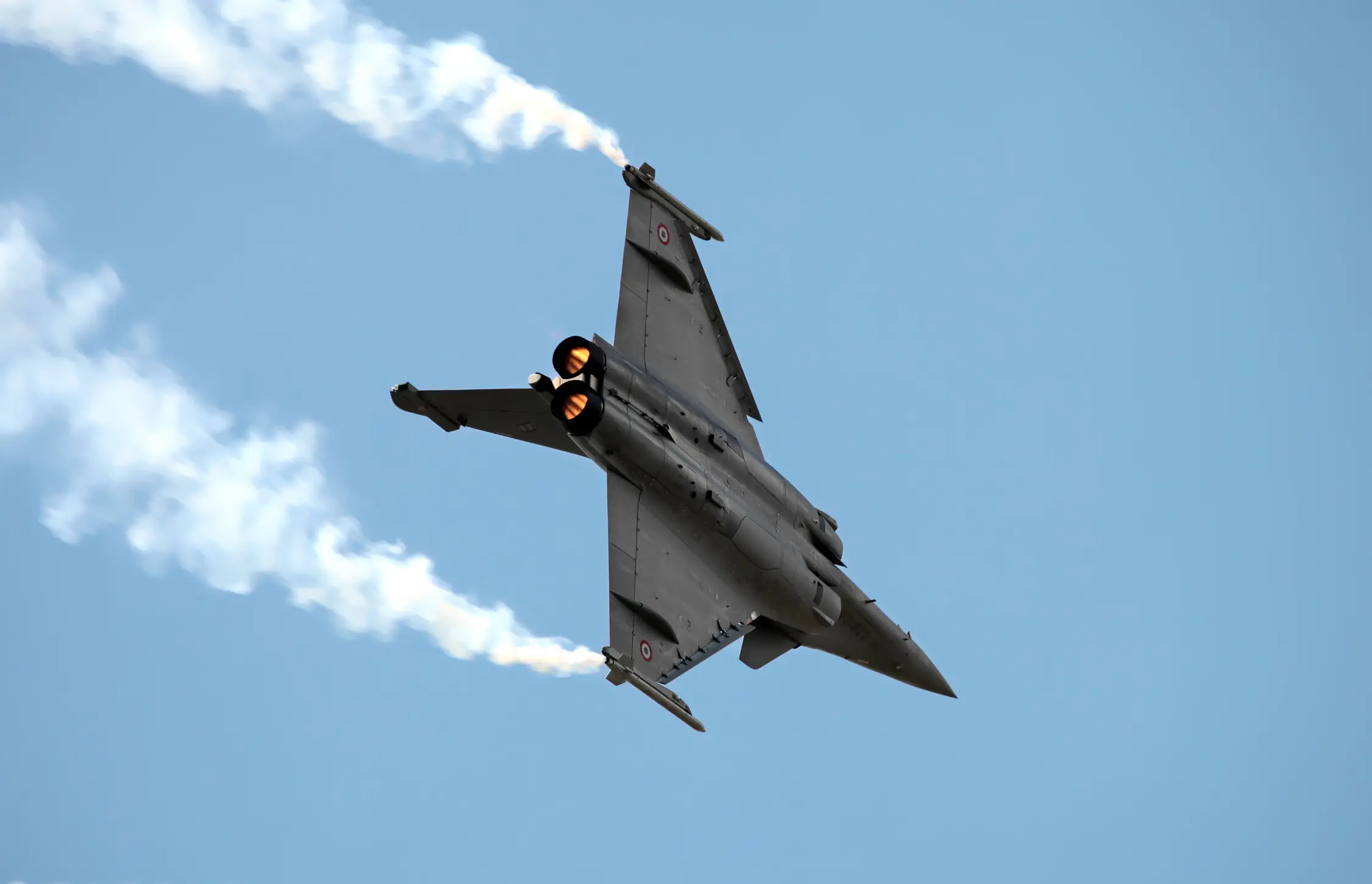
Maintenance represents 40 to 60 per cent of total operating costs for modern fighters. The F-35 requires approximately 13 hours of maintenance for every one hour of flight time. The F-22 Raptor requires even more—30 hours of maintenance per flight hour. Routine inspections include checking thousands of individual systems and replacing wear items. Complex avionics systems like the F-35's AN/APG-81 AESA radar demand specialist technicians earning high salaries. Maintenance labour costs exceed $3,000 to $6,000 per flight hour. The Rafale, designed for efficient maintenance, requires only 6 to 7 hours of maintenance per flight hour, making it significantly cheaper to operate than American fifth-generation fighters.
Spare Parts and Component Replacement
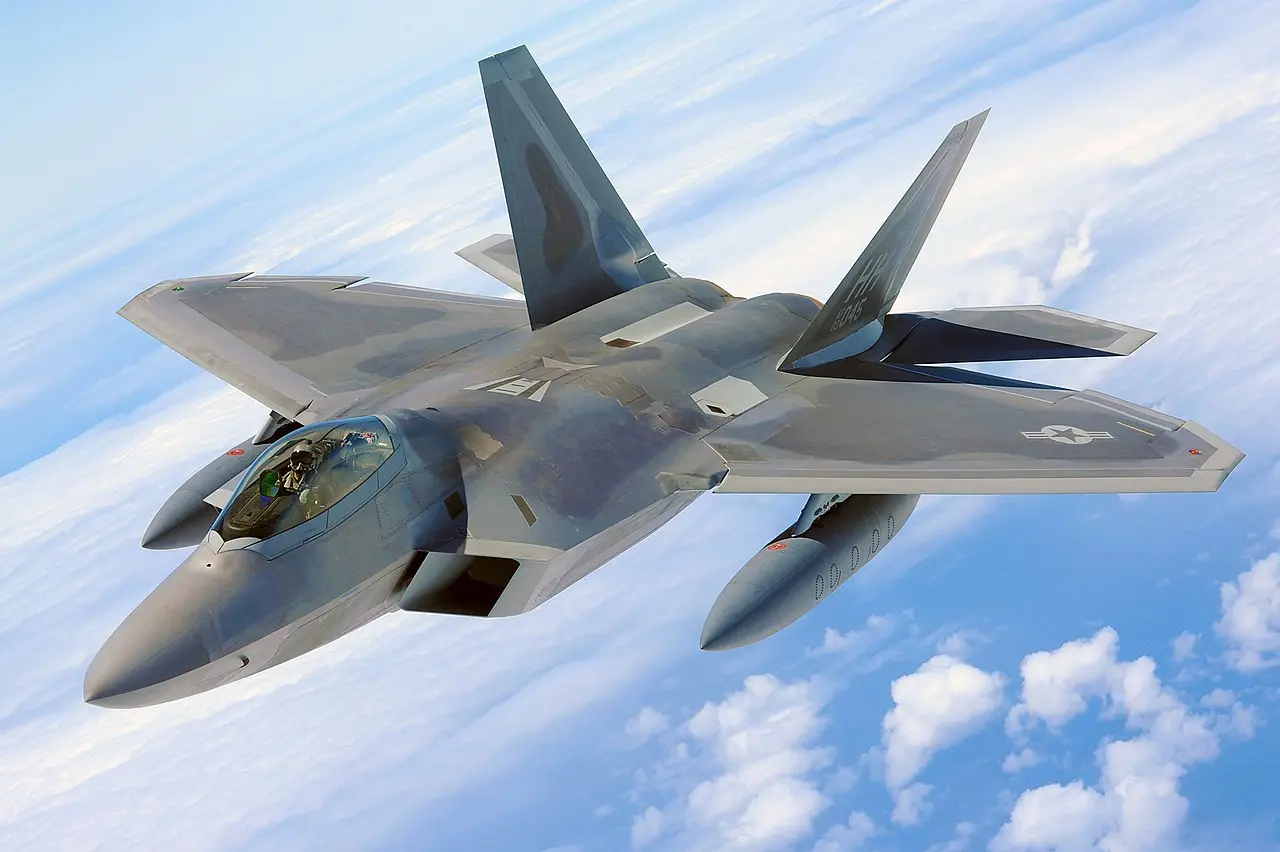
Spare parts for advanced fighter jets cost thousands of pounds each, with some components exceeding £50,000. An F-35 receives new components during each maintenance cycle, as parts reach service-life limits. Modern fighter engines require periodic overhauls costing £500,000 to £1 million each. The F-35 requires proprietary parts that only Lockheed Martin manufactures, eliminating cost competition. Spare parts costs range from $2,000 to $4,000 per flight hour. The Rafale, using more standardised components, has lower parts replacement costs. Building redundancy and advanced materials into modern fighters increases individual component prices. Nations operating these aircraft must maintain massive spare-parts inventories, adding permanent overhead expenses.
Skilled Personnel and Training Costs
Operating fighter jets requires highly trained personnel earning premium salaries. Pilot training costs exceed £500,000 per pilot through qualification and ongoing skills maintenance. Mechanics require years of specialised training and military certification. Technicians specialising in radar or electronic-warfare systems command salaries exceeding £80,000 annually. Personnel costs contribute $3,000 to $6,000 per flight hour. A single fighter squadron of 18 aircraft requires approximately 200 trained personnel across pilots, mechanics, and support staff. Pilot salaries, mechanic wages, and administrative costs represent significant recurring expenses. Retaining experienced personnel in competitive job markets requires investment, as civilian aviation offers lucrative alternatives.
Infrastructure and Facility Maintenance
Operating fighter jets requires specialised hangars, workshops, and testing facilities costing millions to construct and maintain. Climate-controlled maintenance facilities protect sensitive avionics systems. Specialized equipment like hydraulic test stands and radar calibration systems cost hundreds of thousands of pounds. Runway maintenance for supersonic aircraft requires reinforced concrete and specialized repairs. Fuel storage systems, ammunition bunkers, and weapons-loading facilities add infrastructure costs. These facility expenses are allocated across annual flight hours, adding $500 to $1,500 per flight hour. Nations operating large fighter fleets build dedicated infrastructure that serves no other purpose. Infrastructure depreciation and maintenance add permanent overhead expenses regardless of flight activity.
Depreciation and Aircraft Lifespan
An F-35 costs $82.5 million to acquire, with total lifecycle costs reaching $1.7 trillion for 2,700 planned aircraft. Spreading aircraft acquisition costs across operational life creates substantial depreciation expenses. The F-35 is planned for 40 years of service, making depreciation $2 million annually per aircraft. The Rafale, purchased at approximately £90 million per unit, spreads £2 million annually across 40-year service life. Depreciation costs add approximately $500 to $2,000 per flight hour depending on acquisition price. Extending aircraft service life reduces annual depreciation but increases maintenance costs as components age. Economic analysis shows whether aircraft should be retired early or maintained through extended service lives.
Specialised Testing and Certification
Fighter jets undergo continuous testing to maintain military certification and combat readiness. Periodic system checks on radar, electronic warfare, and weapons systems require specialised test equipment. Certification testing for new weapons integration adds costs. Software updates and security patches require specialised technicians and testing facilities. Radar calibration and alignment procedures require expensive test equipment. Structural inspections using ultrasonic and eddy-current techniques demand certified technicians. These specialised testing requirements add $200 to $500 per flight hour in costs. Modern fighters contain complex, interconnected systems that require comprehensive testing after any maintenance activity.
Deployment and Operational Expenses
Deploying fighter jets to operational theatres adds substantial costs beyond home-base operations. Transport costs for aircraft, equipment, and personnel reach hundreds of thousands of pounds. Establishing forward air bases requires construction, fuel storage, and ammunition bunker development. Meals, accommodation, and local support for deployed personnel add considerable expenses. Medical and administrative personnel accompany deployed squadrons, increasing total deployment costs. Overseas deployments cost 50 to 100 per cent more than home-base operations. A deployed squadron flying 1,000 hours monthly over six months costs £10 million beyond normal operating expenses. Humanitarian and training deployments reduce flying hours but maintain operating costs, making them inherently inefficient.
Future Cost Control and Efficiency Improvements
Military authorities are implementing measures to reduce fighter jet operating costs. Autonomous maintenance diagnostics predict failures before they occur, reducing emergency repairs. Open-architecture designs allow integration of non-proprietary components, increasing competition and reducing spare-parts costs. Extended maintenance intervals reduce labour costs, though requiring more durable components. Coalition support arrangements share infrastructure costs across multiple nations. Simulator training reduces expensive actual flying requirements. Some nations are extending older aircraft service life rather than replacing them with expensive new platforms. Future design emphasis on maintainability and efficiency may reduce hourly costs, though complexity typically drives expenses upward.
)
)
)
)
)