How fighter jet ejection seats are engineered to save lives

Fighter jet ejection seats are engineered to save lives in emergencies. The technology launches pilots out in seconds and deploys parachutes automatically, even at high speeds.
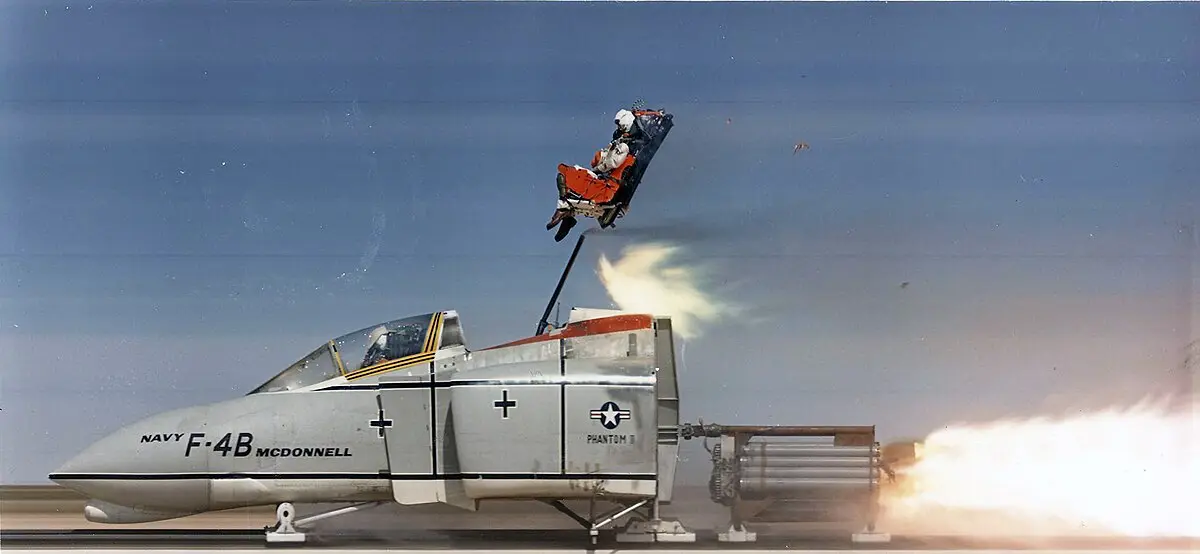
Why Ejection Seats Matter
Fighter jets move at extreme speeds. If a jet is damaged or control is lost, pilots must leave fast. The ejection seat is their last hope. Air Force data says, ejection seats have saved thousands of lives in flight emergencies.
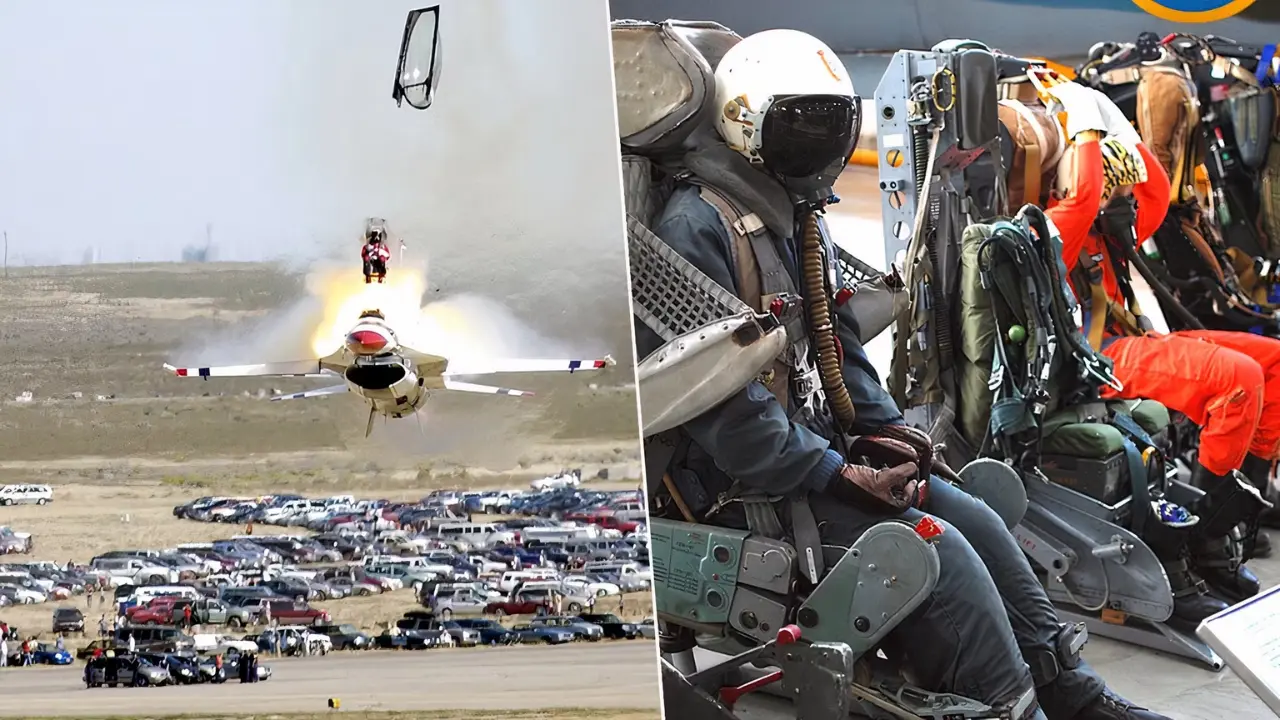
How Does an Ejection Seat Work?
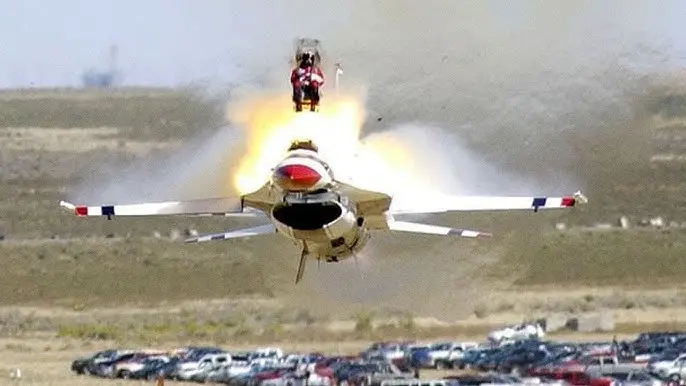
When a pilot pulls the ejection handle, explosive charges fire. This launches the seat out of the jet, clearing it in less than two seconds. The seat design ensures the pilot escapes tall tail fins and wings safely.
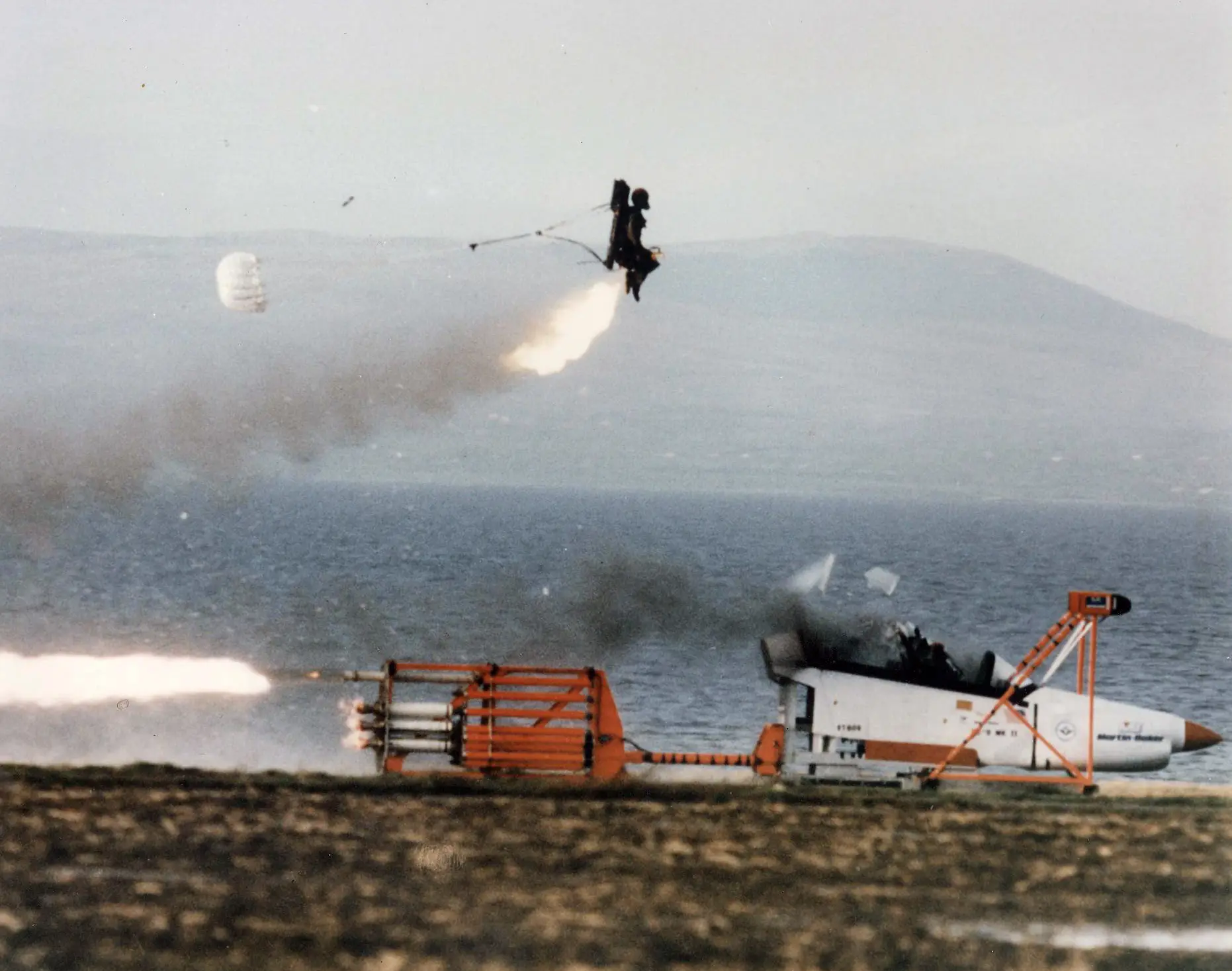
Safe Ejection at High Speed
Many ejection seats function at speeds over 1,100 km/h and from ground level to 15,000 metres altitude. Seats are built to protect pilots from wind, pressure and injury, using shields and reinforced materials.
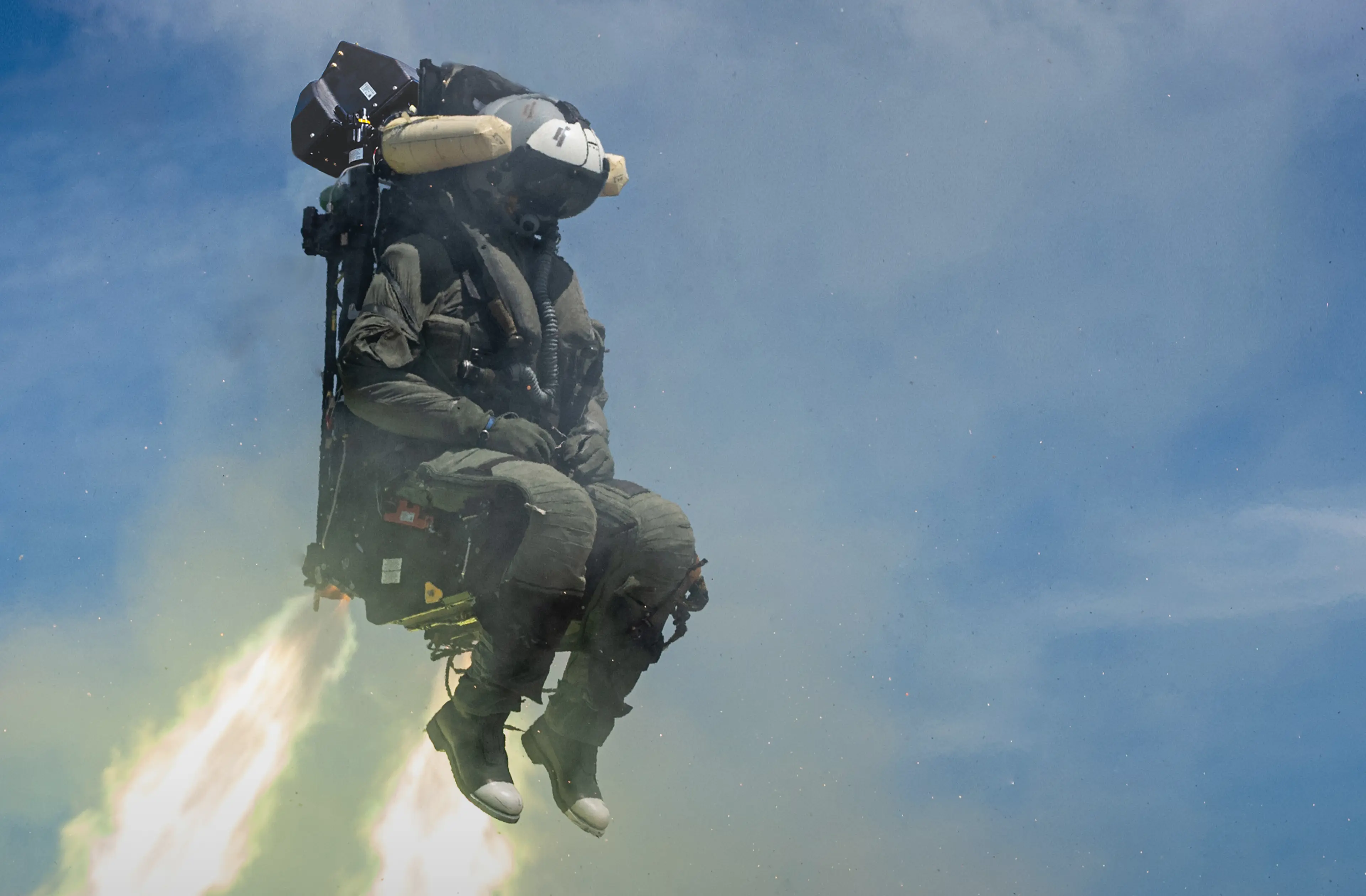
Automatic Parachute Sequence
As the seat leaves the plane, sensors and timers deploy a parachute at the right moment. Even if a pilot is unconscious, the system opens the parachute so they can land safely. According to design data, this is fully automatic.
Survival Kits and Extra Gear
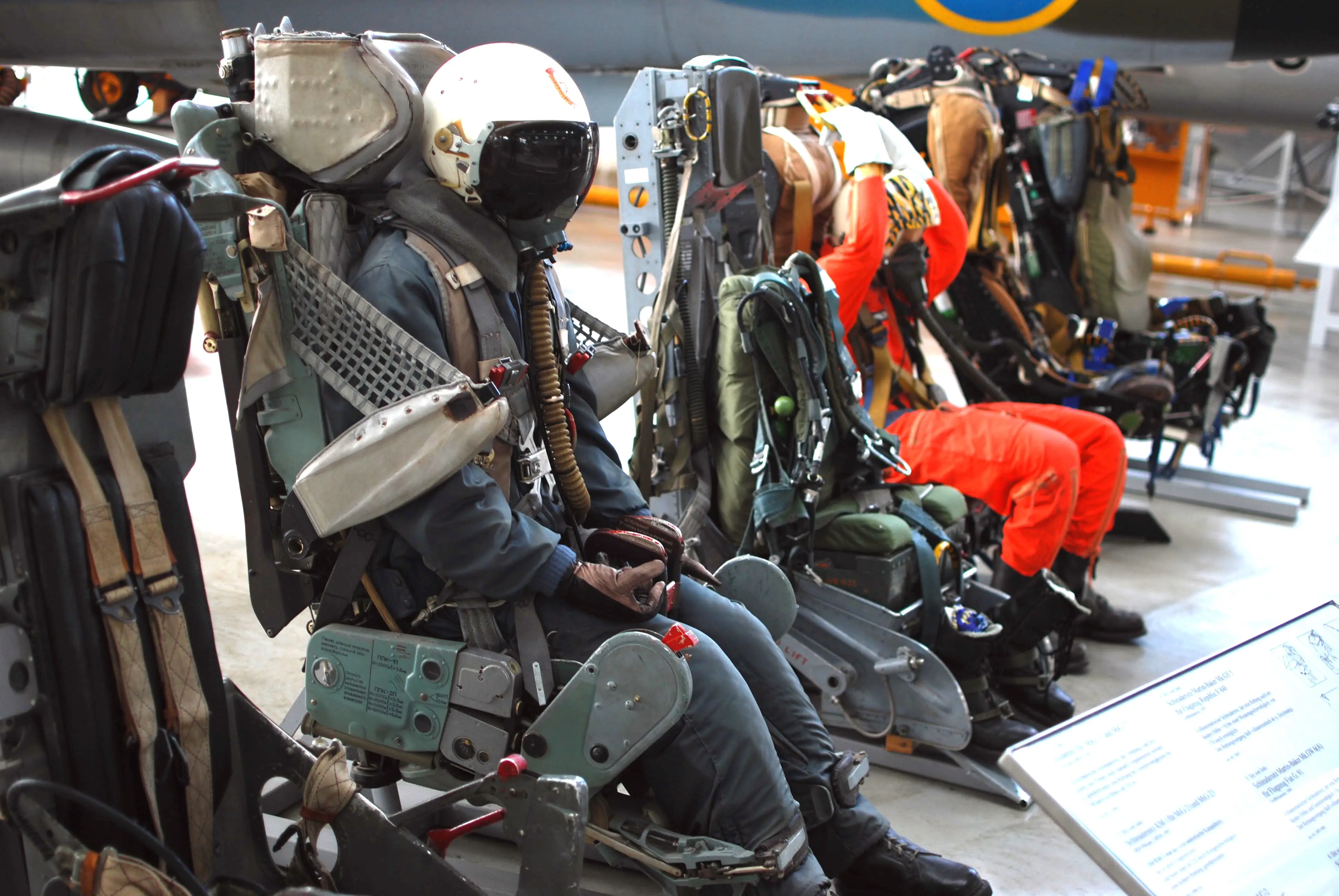
Under every seat, there is a kit with essentials – water, radio, flares and a raft. This helps the pilot survive after landing anywhere, be it sea, desert or forest. Engineers add this gear after pilot feedback to improve survival chances.
How Seats Keep Improving
Each new jet uses more advanced materials, better rockets and safer seat designs. Modern ejection seats are tested for all kinds of emergencies. Engineers study every accident to make seats safer for future pilots.
)
)
)
)
)