How fast can a fighter jet climb compared to commercial planes?

Commercial planes climb at 3,000 feet per minute, taking 20 minutes to reach cruising altitude. Fighter jets, powered by immense thrust-to-weight ratios, climb at an incredible 60,000 feet per minute, reaching the stratosphere in just 60 seconds.
The 20-Minute Climb
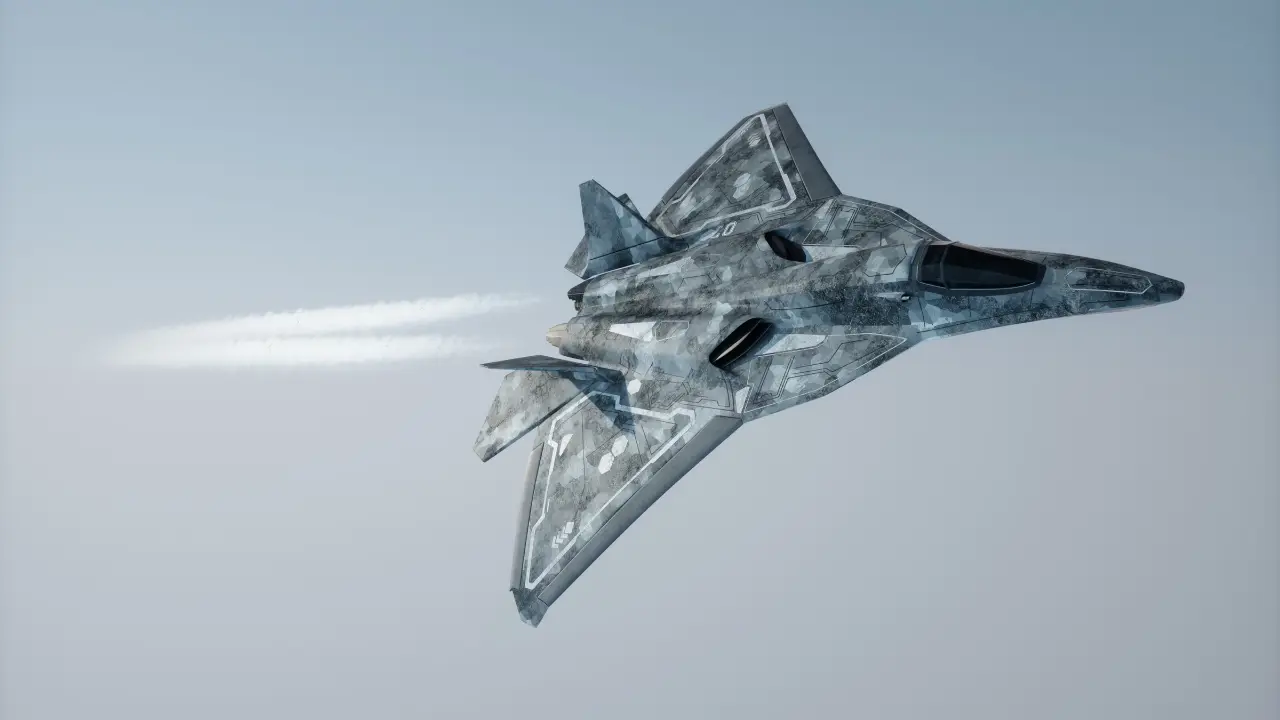
A standard commercial airliner like the Boeing 777 climbs at a steady rate of 2,000 to 3,000 feet per minute. This gradual ascent means it takes roughly 20 minutes for a passenger flight to reach a standard cruising altitude of 35,000 feet.
The 60-Second Vertical
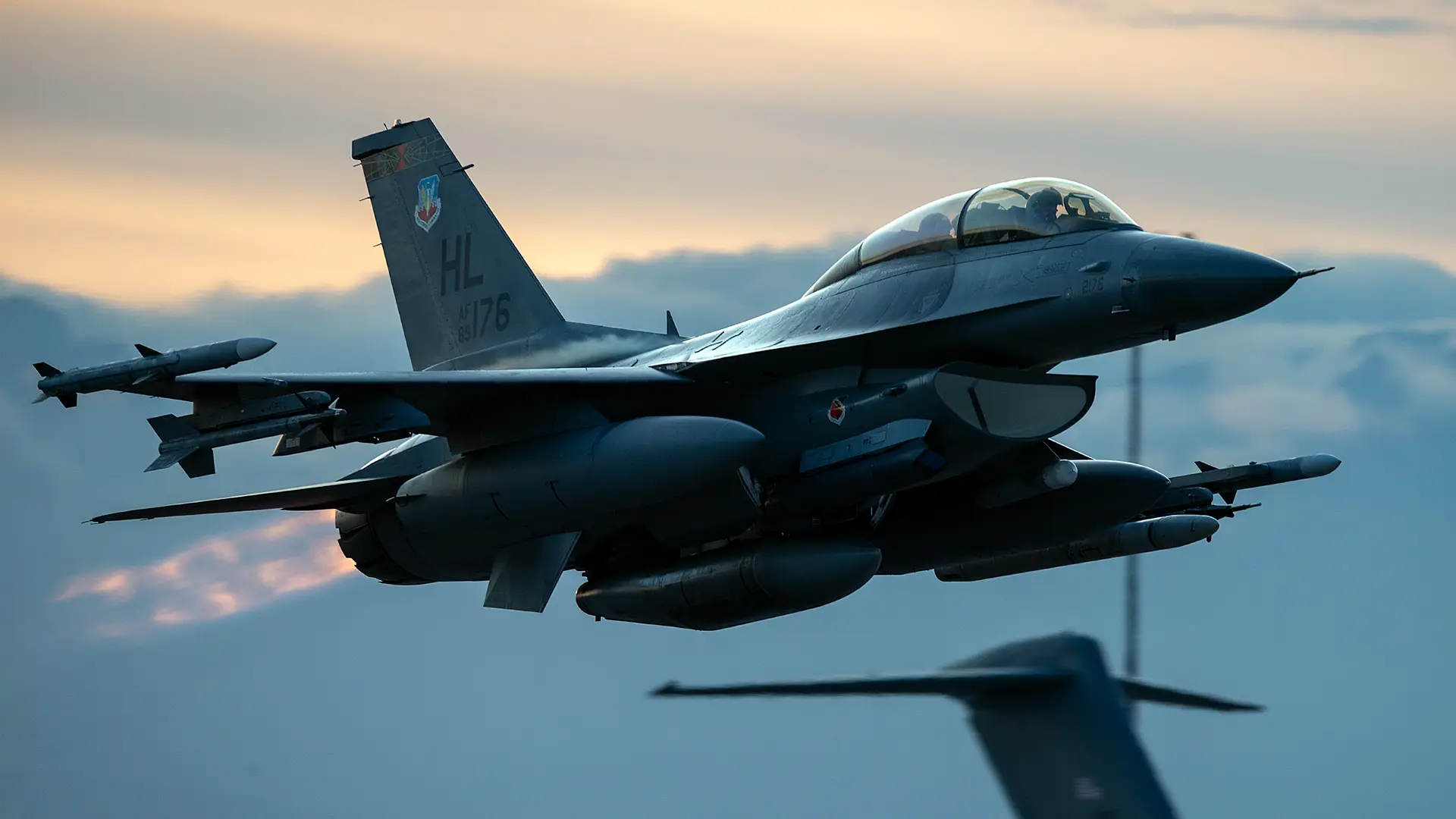
In stark contrast, a modern military interceptor completely defies passenger aviation physics. An aircraft like the USD 140 million F-22 Raptor can hit 35,000 feet in just 60 seconds, boasting a climb rate exceeding 60,000 feet per minute.
Thrust-to-Weight Ratio
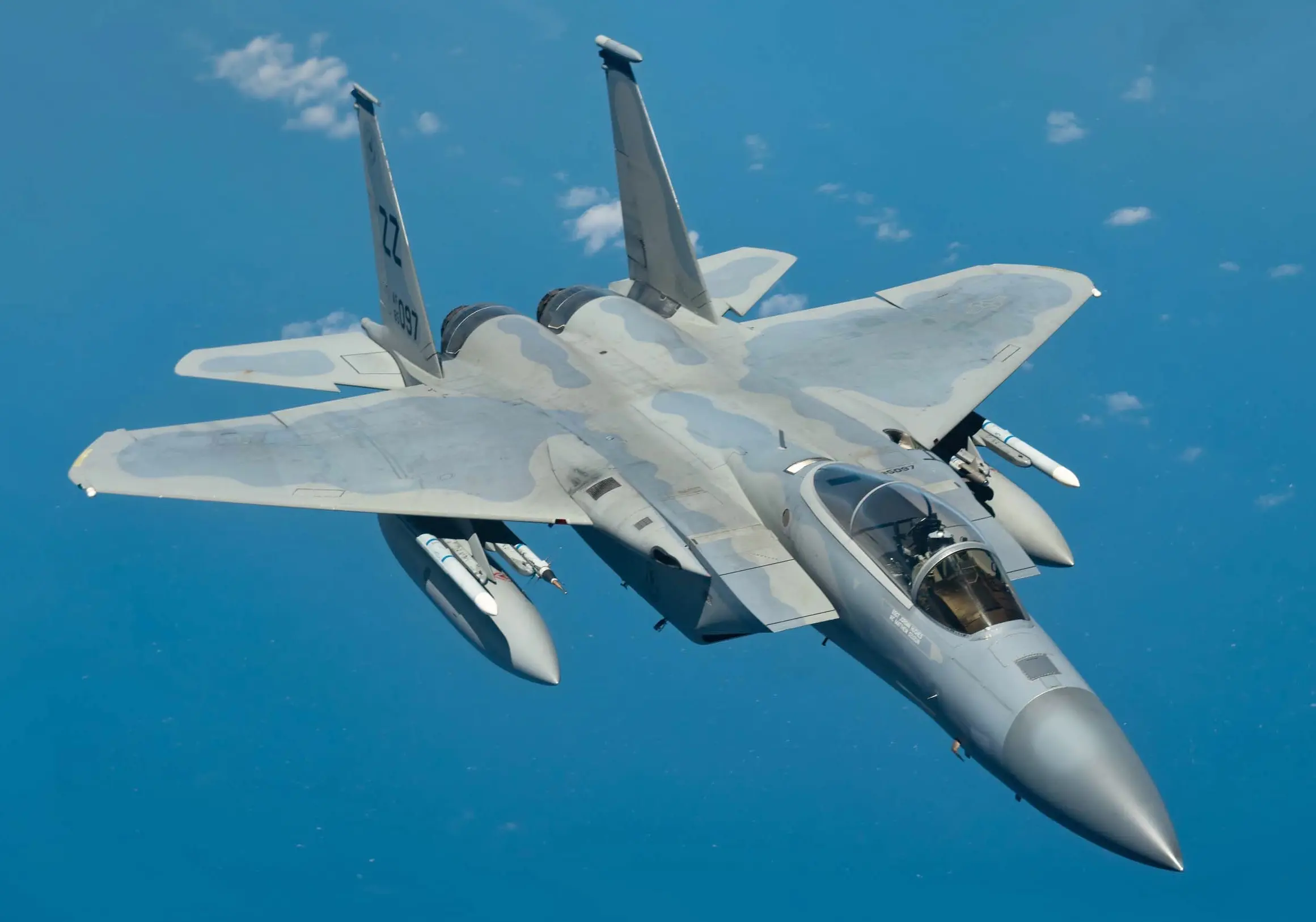
This massive performance gap relies entirely on the aerodynamic thrust-to-weight ratio. Commercial passenger jets possess a ratio of roughly 0.3, while advanced military fighters exceed 1.1, generating far more engine thrust than their own total gravitational weight.
Accelerating Straight Up
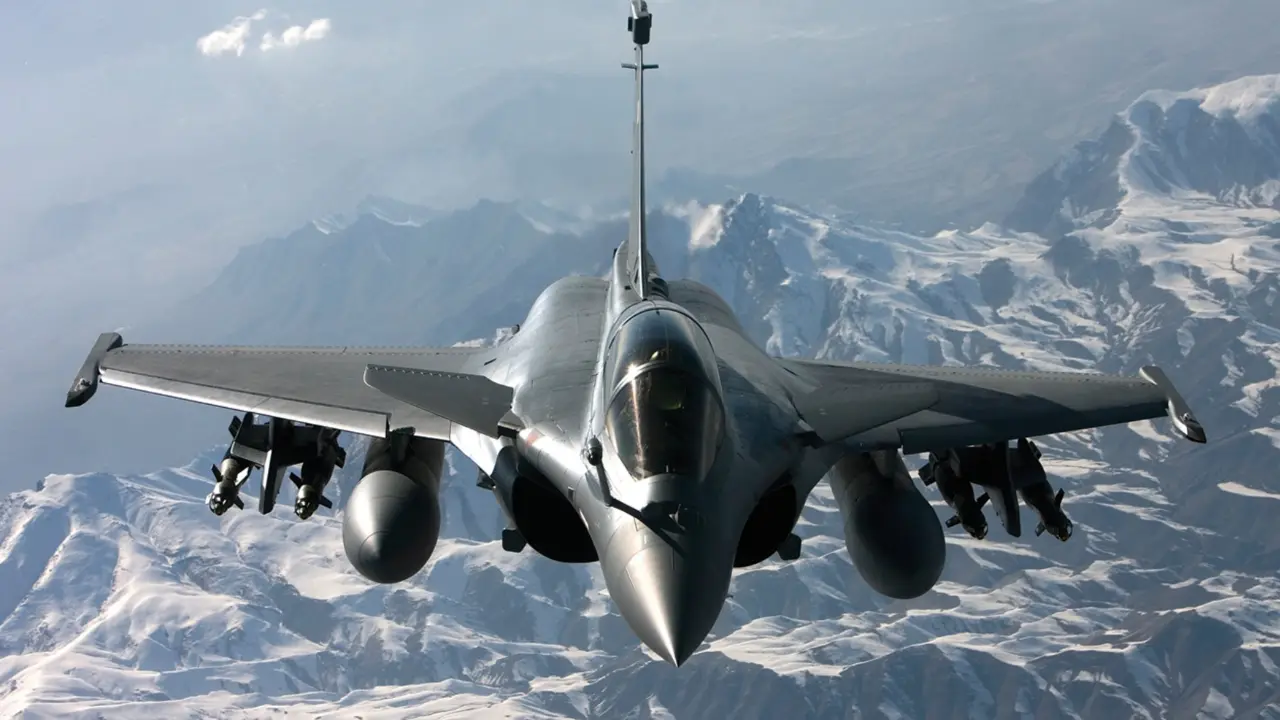
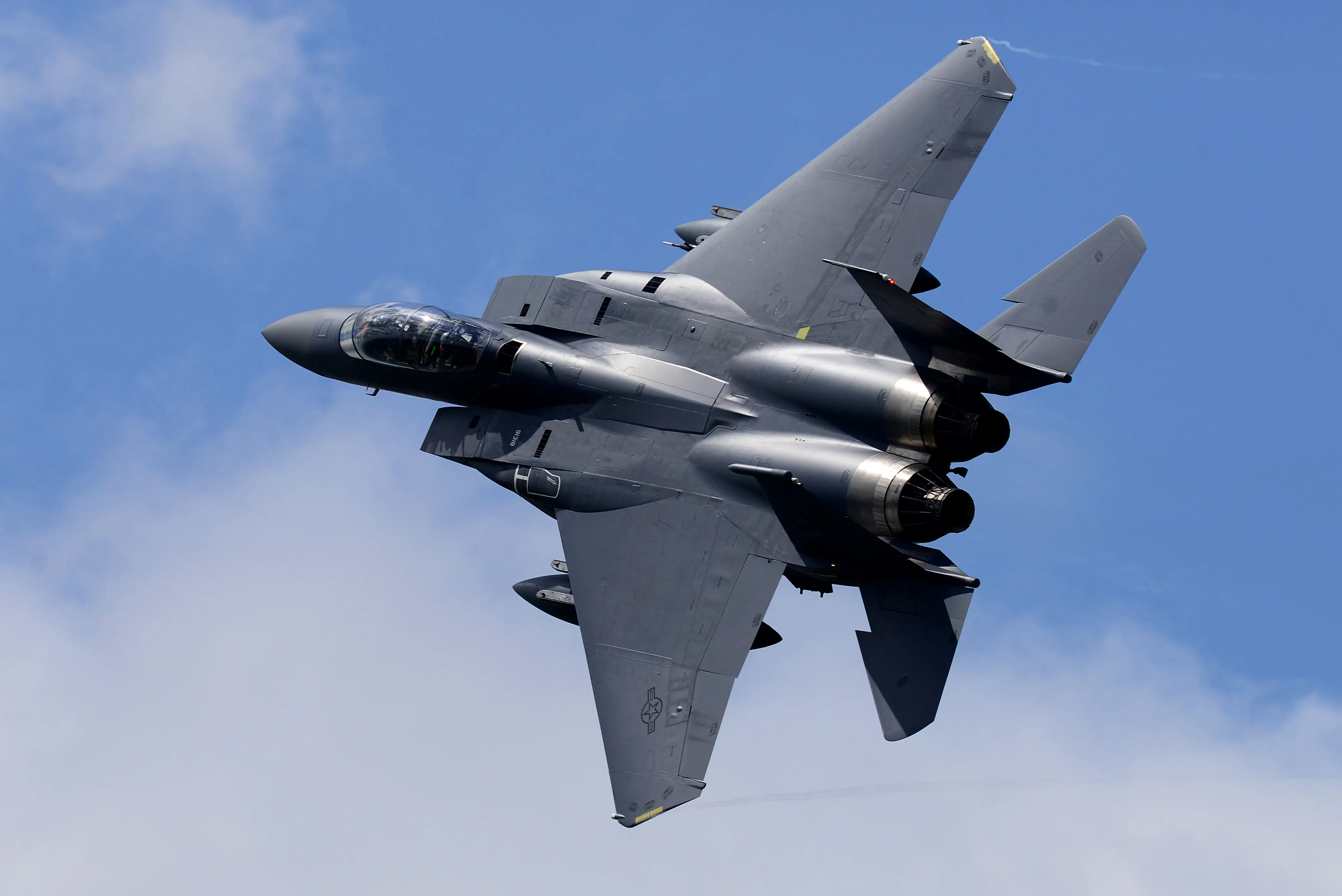
Because their thrust exceeds their total mass, modern fighter jets can execute true vertical climbs. Once airborne, a pilot can pull the nose 90 degrees straight up into the sky and continue accelerating against gravity without stalling the turbofan engines.
The Tactical Scramble
Raw climbing speed is a vital combat requirement, not an aerospace luxury. During a rapid scramble, a supersonic fighter must reach the stratosphere in seconds to intercept hostile bombers or unidentified aerial threats before they breach sovereign airspace.
The Physical Toll
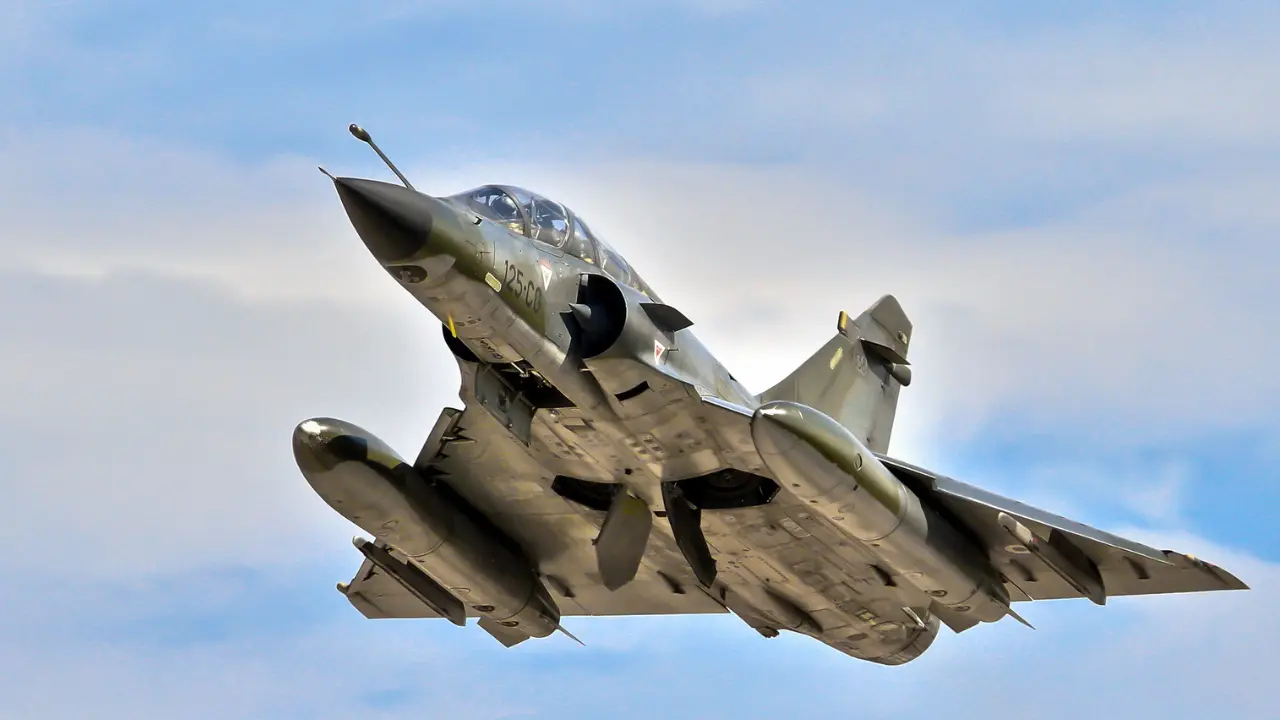
Climbing at 60,000 feet per minute subjects a military pilot to extreme gravitational forces that would instantly incapacitate a commercial passenger. To prevent blackout, fighter pilots wear specialised G-suits that forcibly compress their lower bodies to keep blood trapped in the brain.
The Fuel Burn Sacrifice
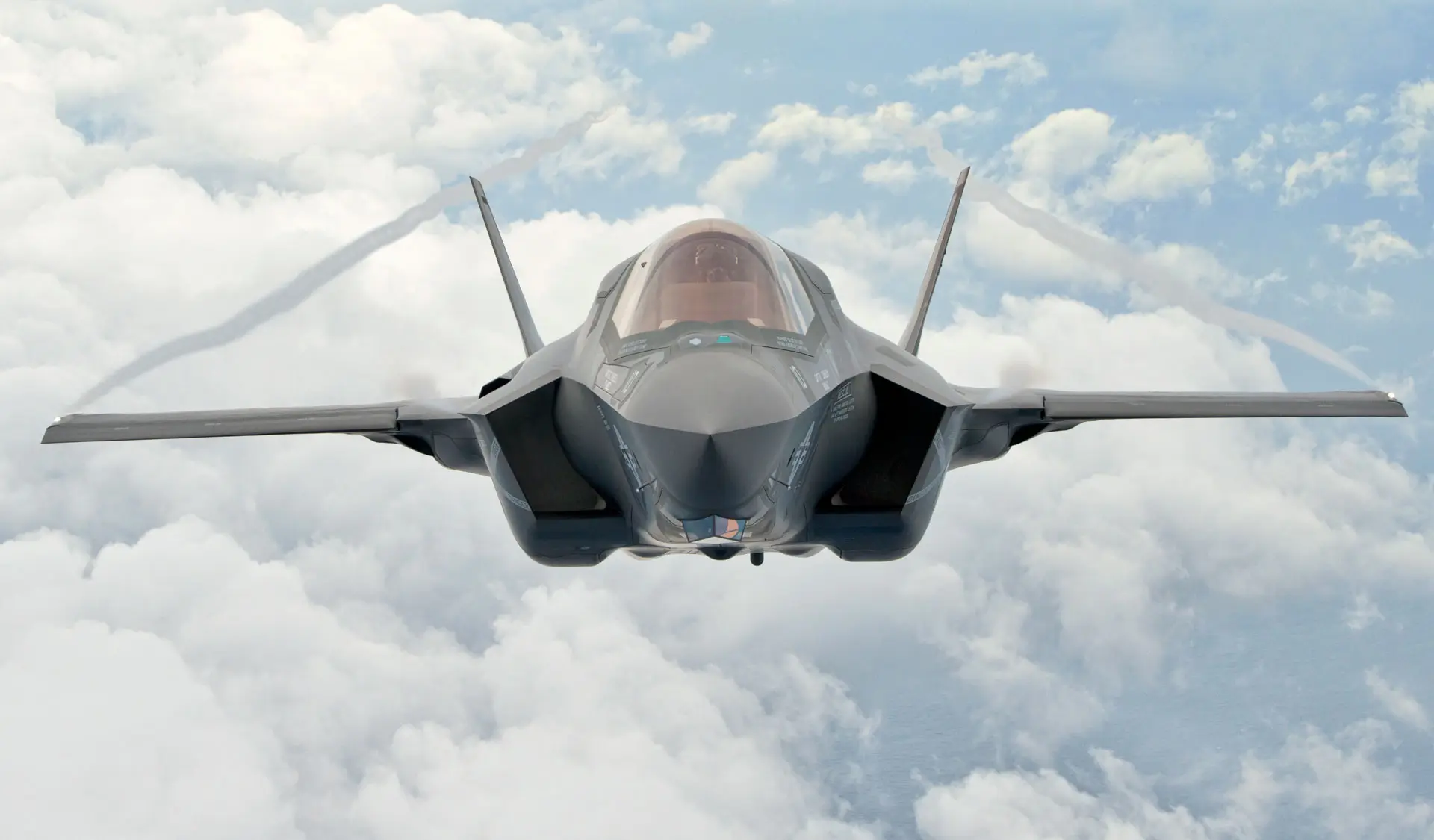
Achieving these staggering vertical speeds requires the heavy use of fuel-dumping afterburners. While a commercial jet climbs efficiently to strictly conserve aviation fuel, a fighter jet burns thousands of gallons in seconds to dominate the high-altitude battlespace.
)
)
)
)
)