How engineers design fighter jet parts that endure 9G turns?

Engineers push fighter airframes to their limits using FEA, strain gauges and multi-lifetime fatigue tests. These reveal hidden stress points long before flight, ensuring jets stay safe even with cracks or damage showing how modern fighters survive forces far beyond normal aircraft.

Predicting Stress With Computer Analysis
Engineers use Finite Element Analysis to predict component stress. FEA divides the component into thousands of tiny elements. The computer calculates stress in each element. This reveals high-stress areas before the part is manufactured. Problem areas can be redesigned before testing.
40,000 Hours Of Simulated Flying In The Lab
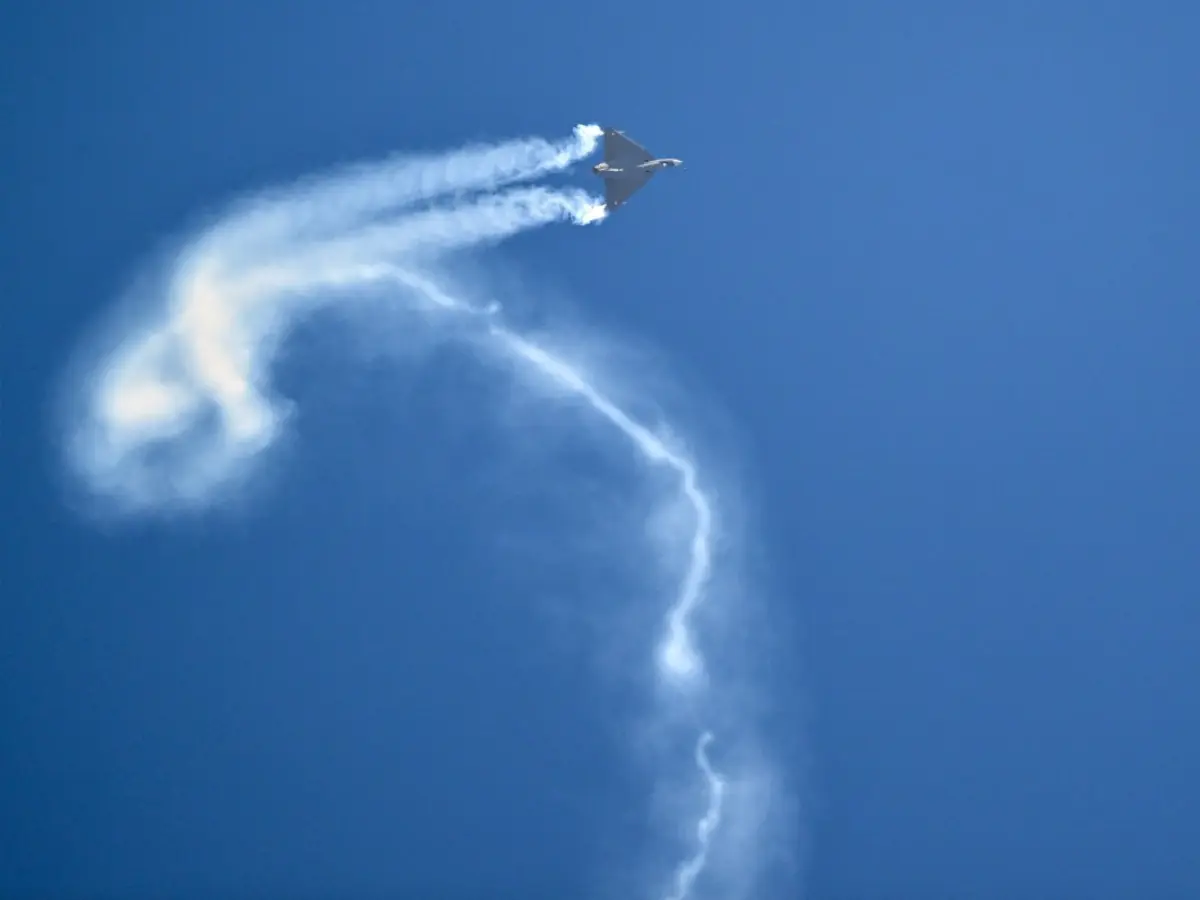
Full-scale fatigue testing simulates aircraft operating through its complete lifetime. Test rigs apply repeated structural loads to the actual aircraft. Testing continues for months. The goal is 40,000 simulated operating hours. This validates that the design survives the expected service life.
Testing Through Three Complete Aircraft Lifetimes
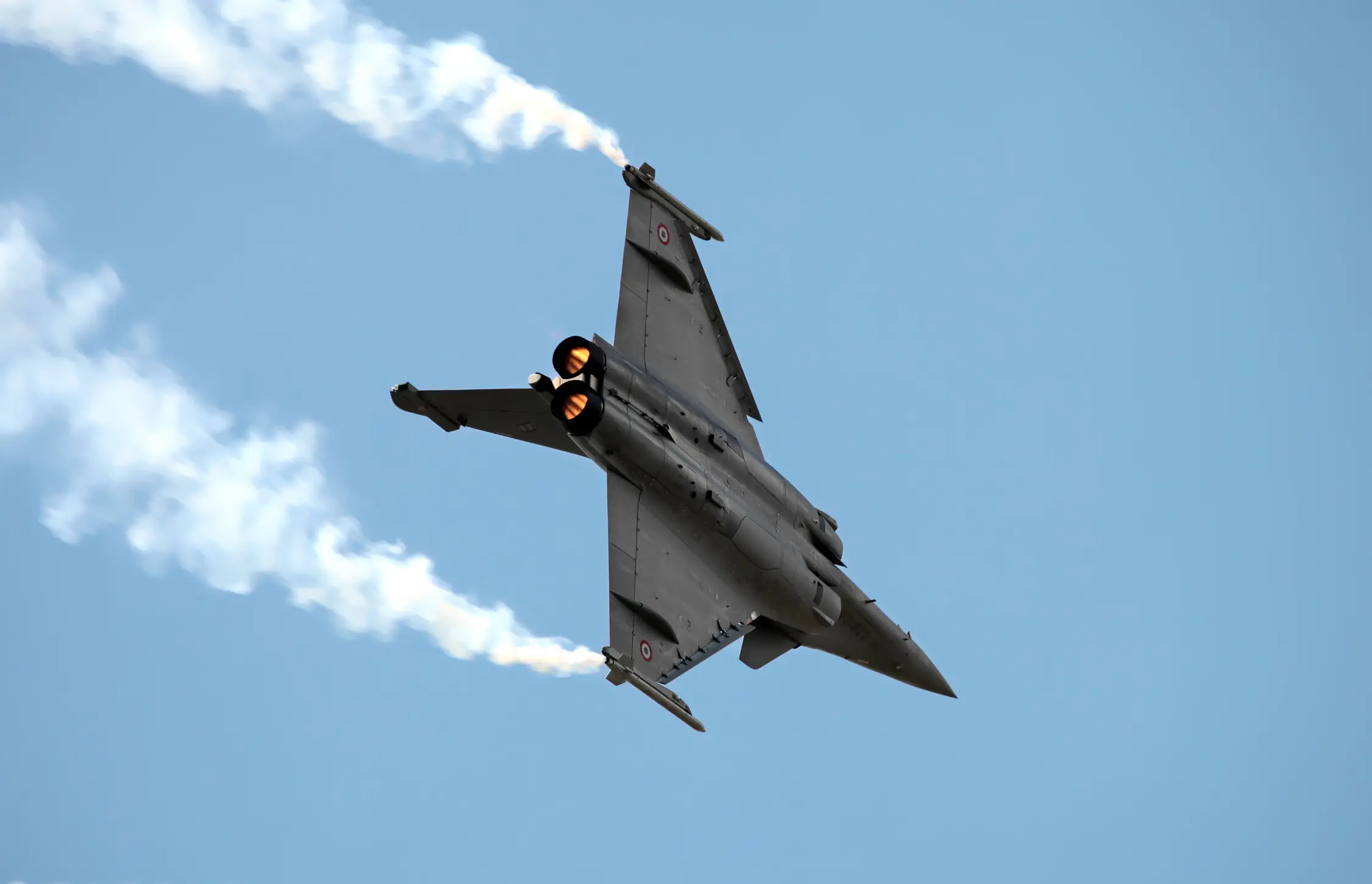
Modern aircraft standards require testing through three complete aircraft lifetimes. Two lifetimes simulate normal operations. The third lifetime has intentional damage added to test damage tolerance. This proves the aircraft remains safe even with existing damage. Engineers inspect the airframe after each lifetime.
Combined High And Low Cycle Fatigue
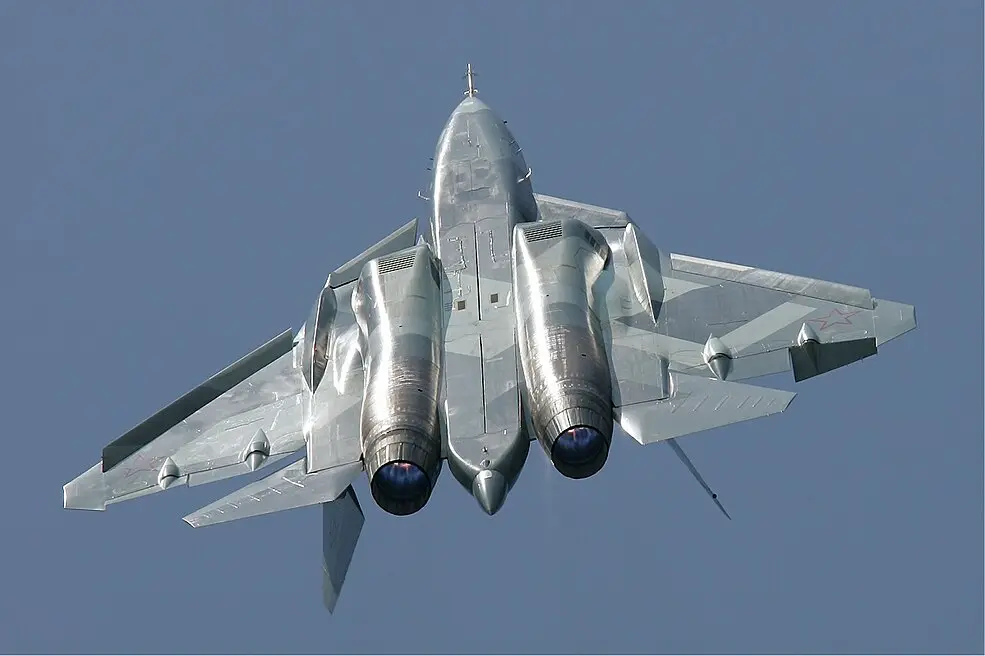
Aircraft components experience two types of fatigue simultaneously. Low-cycle fatigue comes from takeoff, cruise, and landing cycles. High-cycle fatigue comes from vibrations during flight. Both stresses combine to reduce component life. Engineers must account for both when predicting fatigue life.
Safety Factors Protect Against Unknown Variables
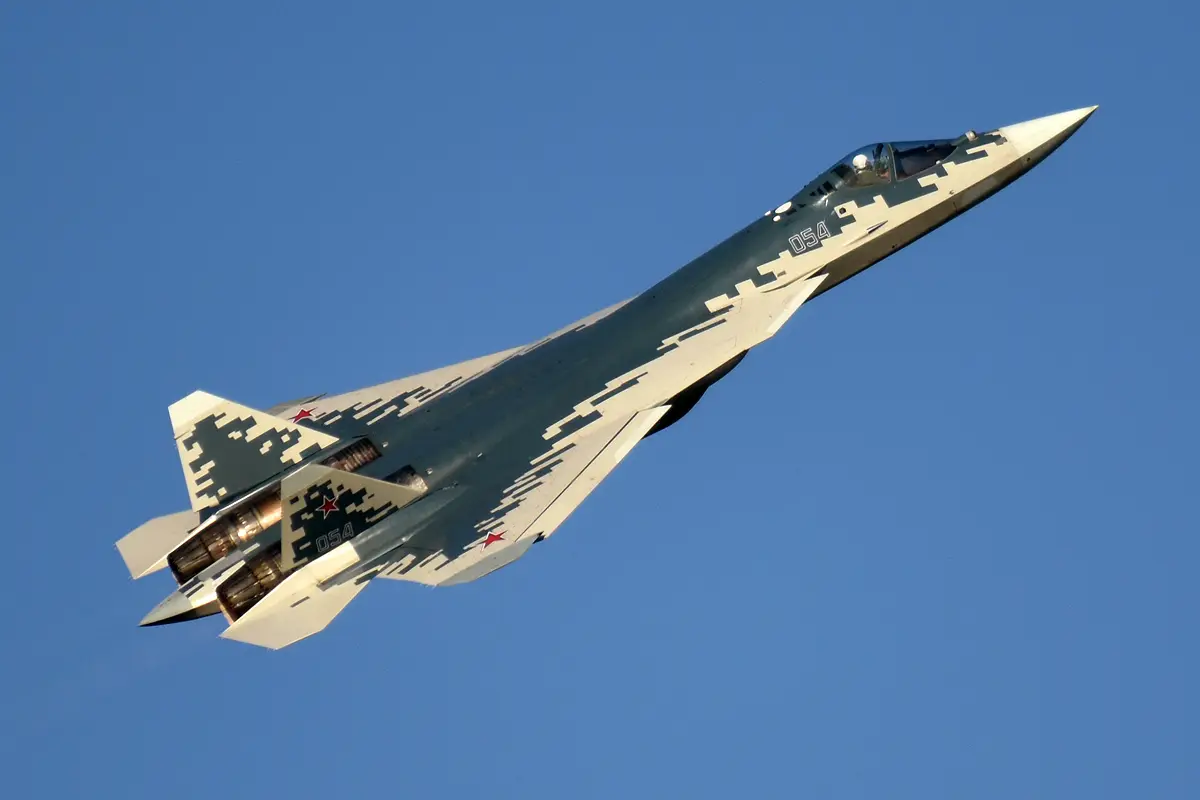
Engineers apply safety factors to allowable stress limits. Safety factors range from 1.5 to 2.0 times. This means the actual maximum stress is 1.5 to 2.0 times lower than the material's breaking point. Safety factors account for unknown variables and uncertainties. They protect pilots and aircraft.
Strain Measurement Validates Predictions
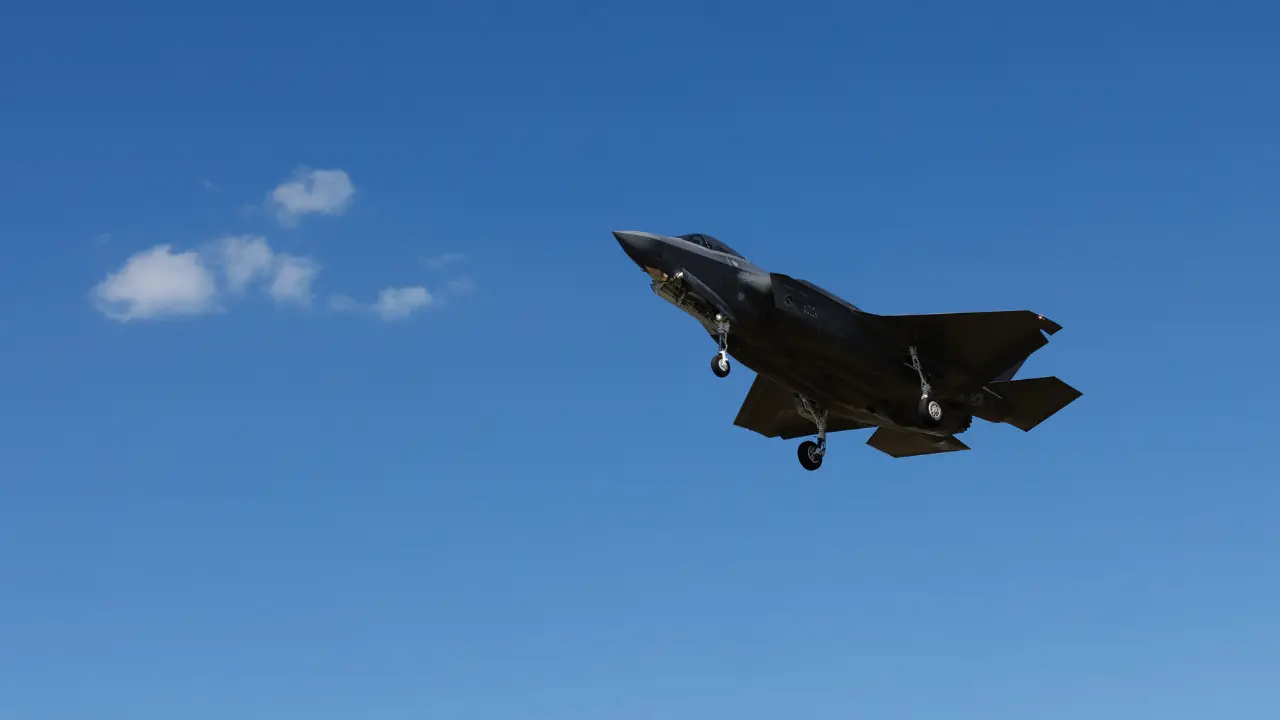
Strain gauges measure actual stresses on components during ground and flight testing. These sensors detect tiny changes in component length during loading. Measured stresses are compared to predictions from FEA. If measurements differ from predictions, the model is refined. Accuracy improves over time.
Damage Tolerance Design
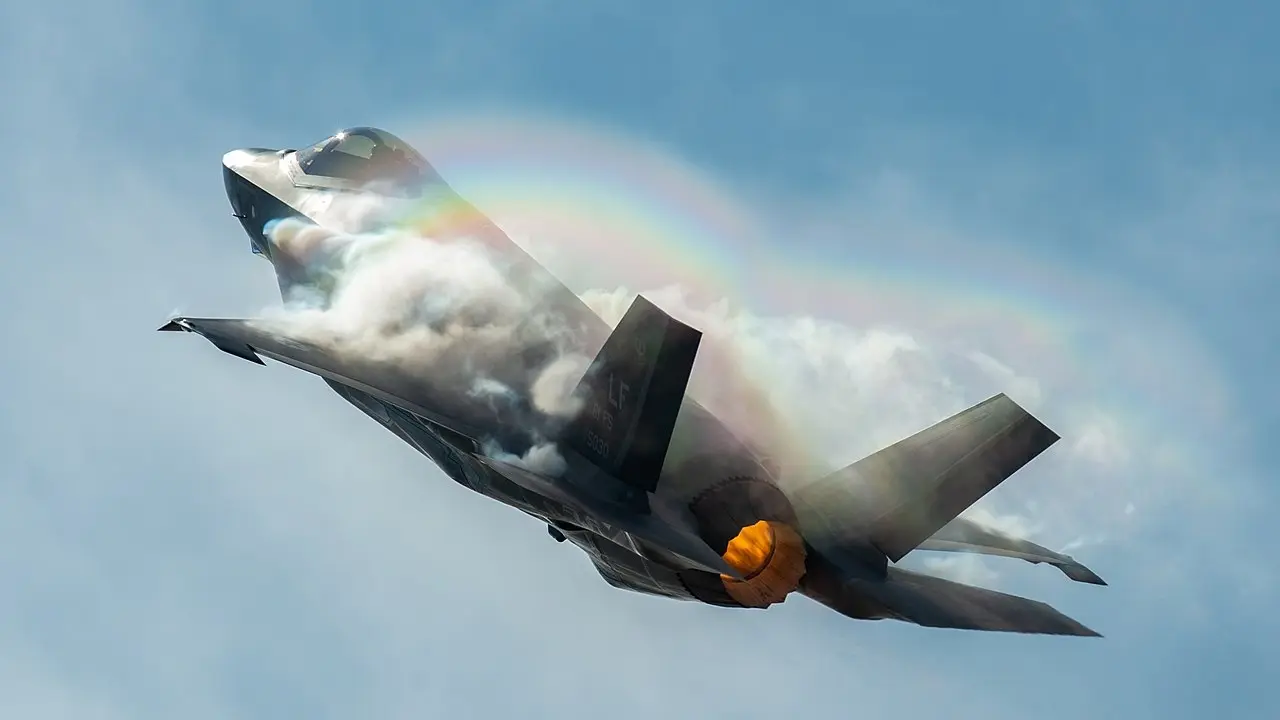
Modern design philosophy includes damage tolerance. The aircraft is designed to continue safe operation even with existing cracks. Inspection programs catch cracks before they become dangerous. Pilots can complete missions even if damage is discovered. This improves operational reliability and safety.
)
)
)
)
)