How Earth’s ‘wind’ is secretly rusting the Moon: Scientists reveal the truth

This discovery challenges existing assumptions, because both abundant oxygen and liquid water, normally required for rust formation, are largely absent on the Moon.
A surprising discovery on the Moon
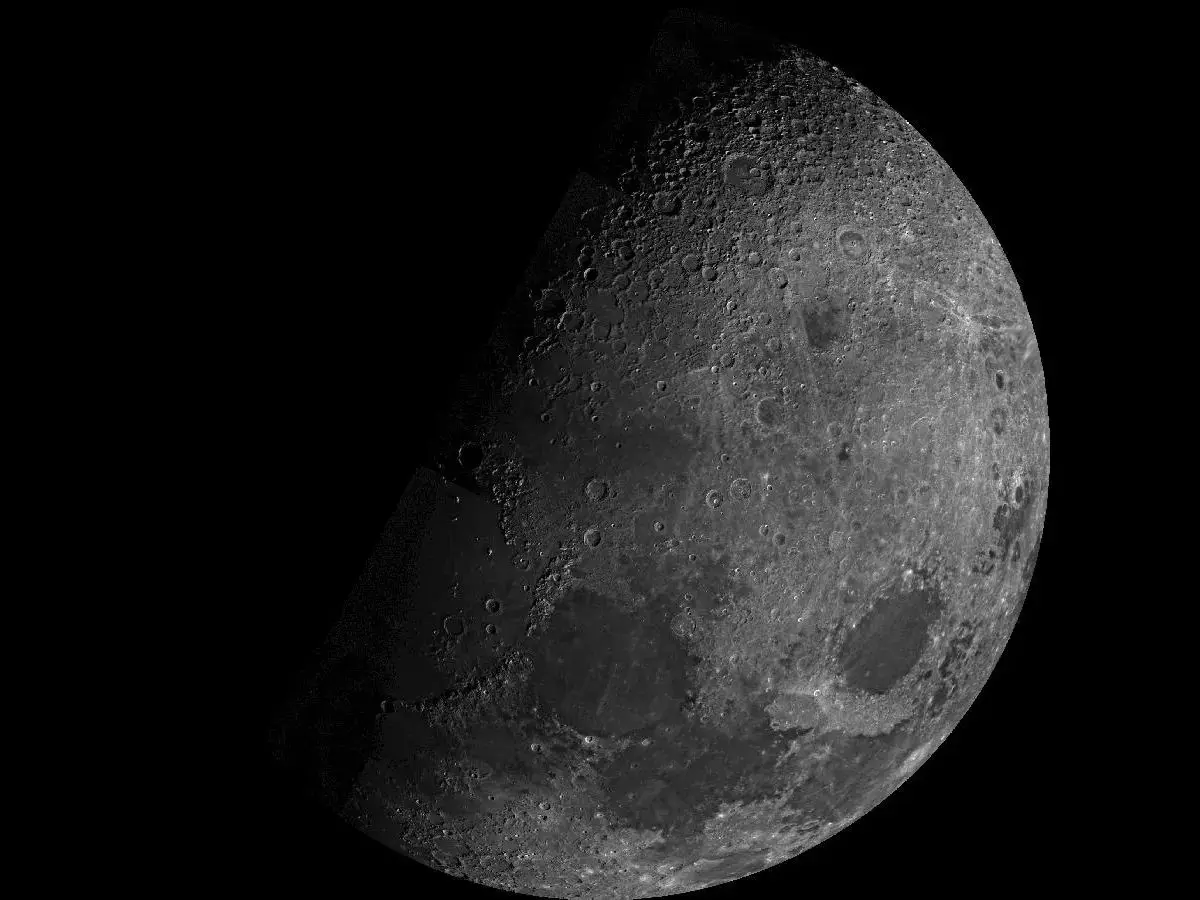
The Moon, long thought to be geologically inert and dry, has surprised scientists once again. In recent years, researchers have detected haematite, a form of iron oxide commonly known as rust, on its surface, particularly near the poles. Recent reporting in Nature reveals that the Moon is undergoing a form of rusting, with the mineral haematite (a variant of iron oxide) observed on its surface, especially in polar regions. This discovery challenges existing assumptions, because both abundant oxygen and liquid water, normally required for rust formation, are largely absent on the Moon.
The puzzle of lunar rust
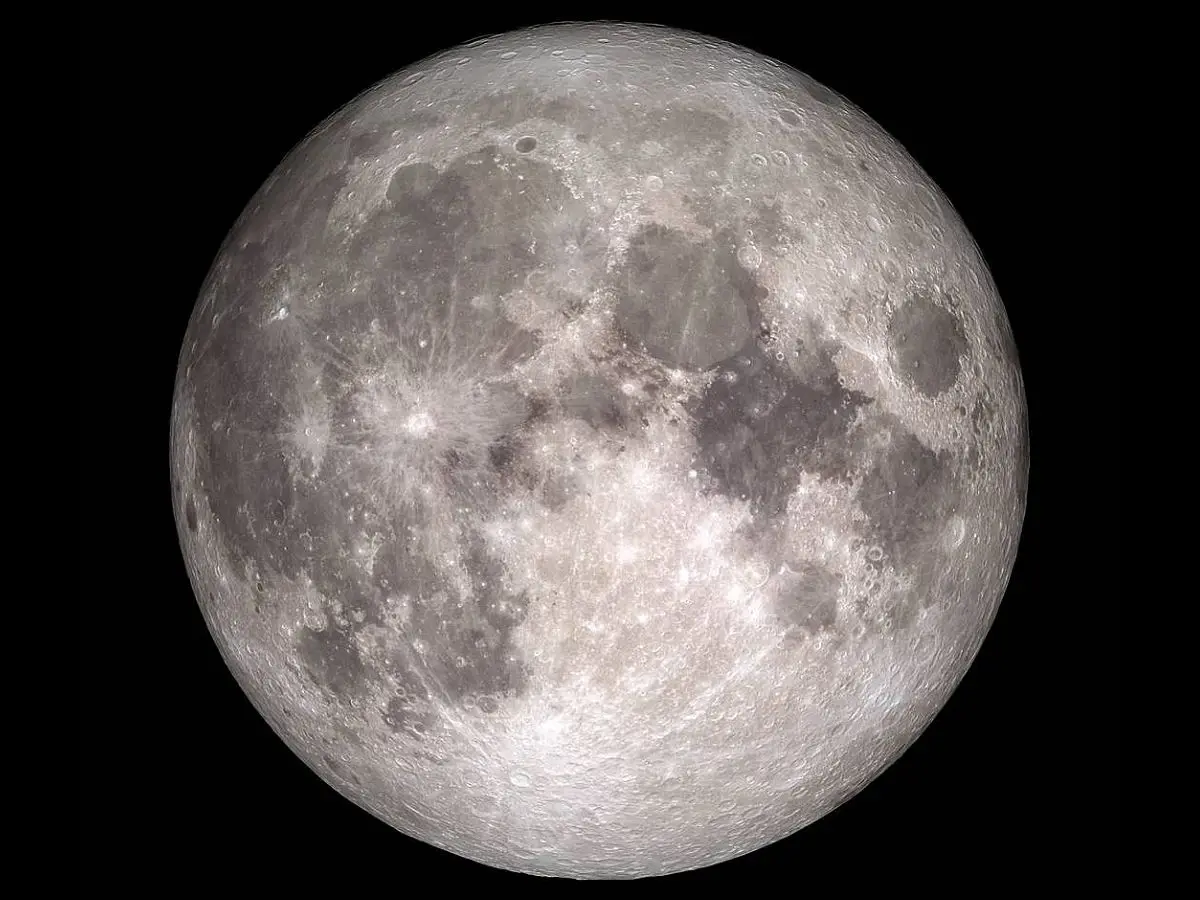
On Earth, iron oxidises when exposed to oxygen and moisture over time. The Moon’s environment is harsh: hydrogen from the solar wind tends to reduce any oxidised iron back to its metallic state, thus preventing persistent rust. Given the Moon’s scarcity of atmosphere and liquid water, the presence of haematite remained a mystery, until scientists began exploring the possibility of Earth’s involvement. The study was done by Ziliang Jin, a planetary scientist at Macau University of Science and Technology in China. He and his colleagues reported their findings in Geophysical Research Letters.
Earth’s “wind” reaches the Moon
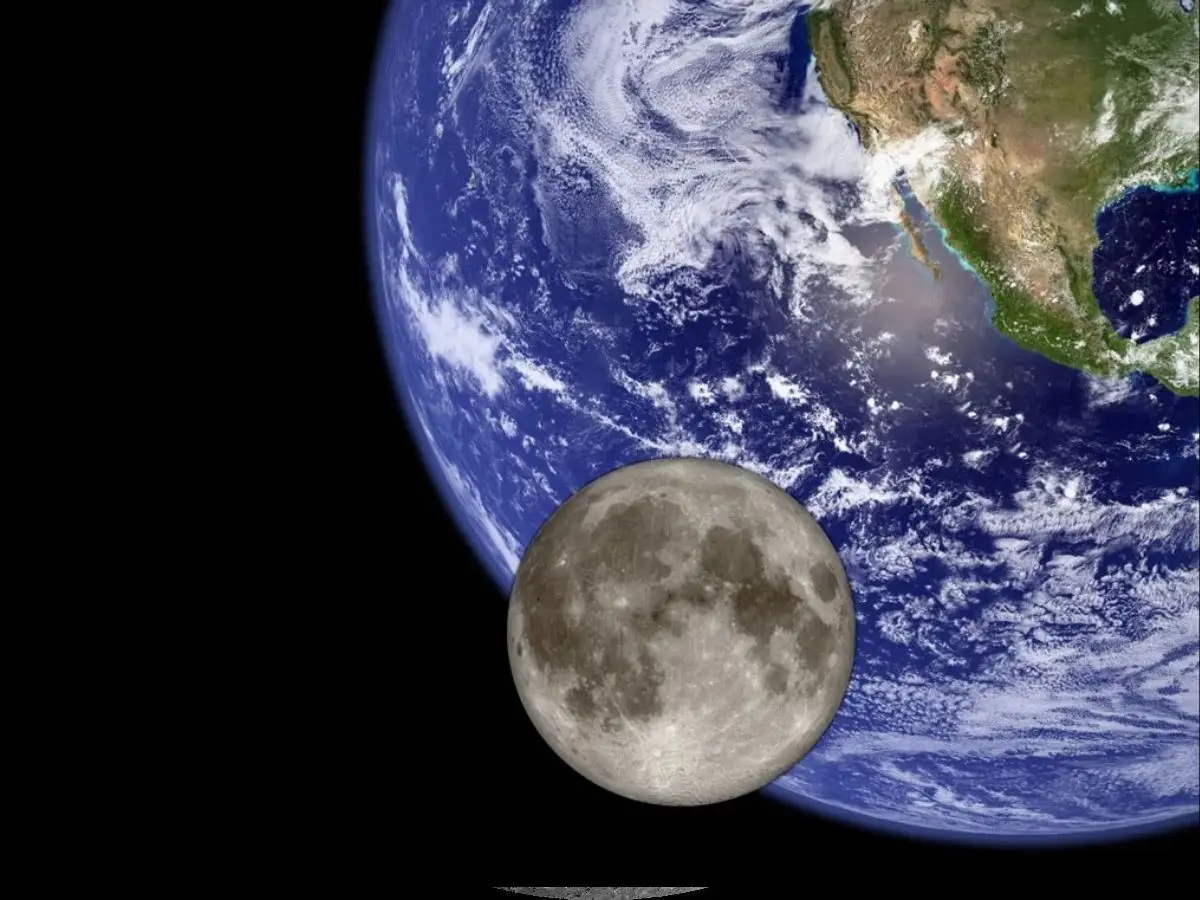
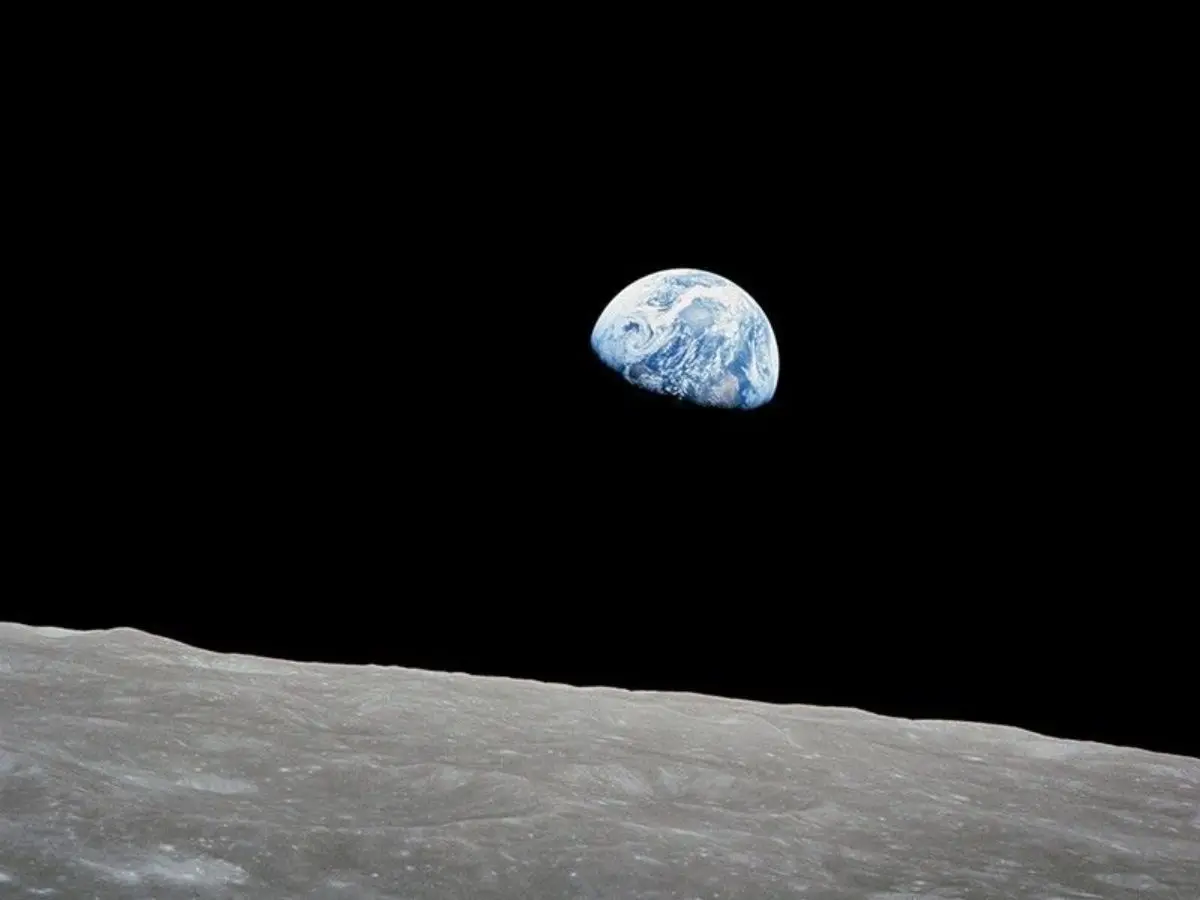
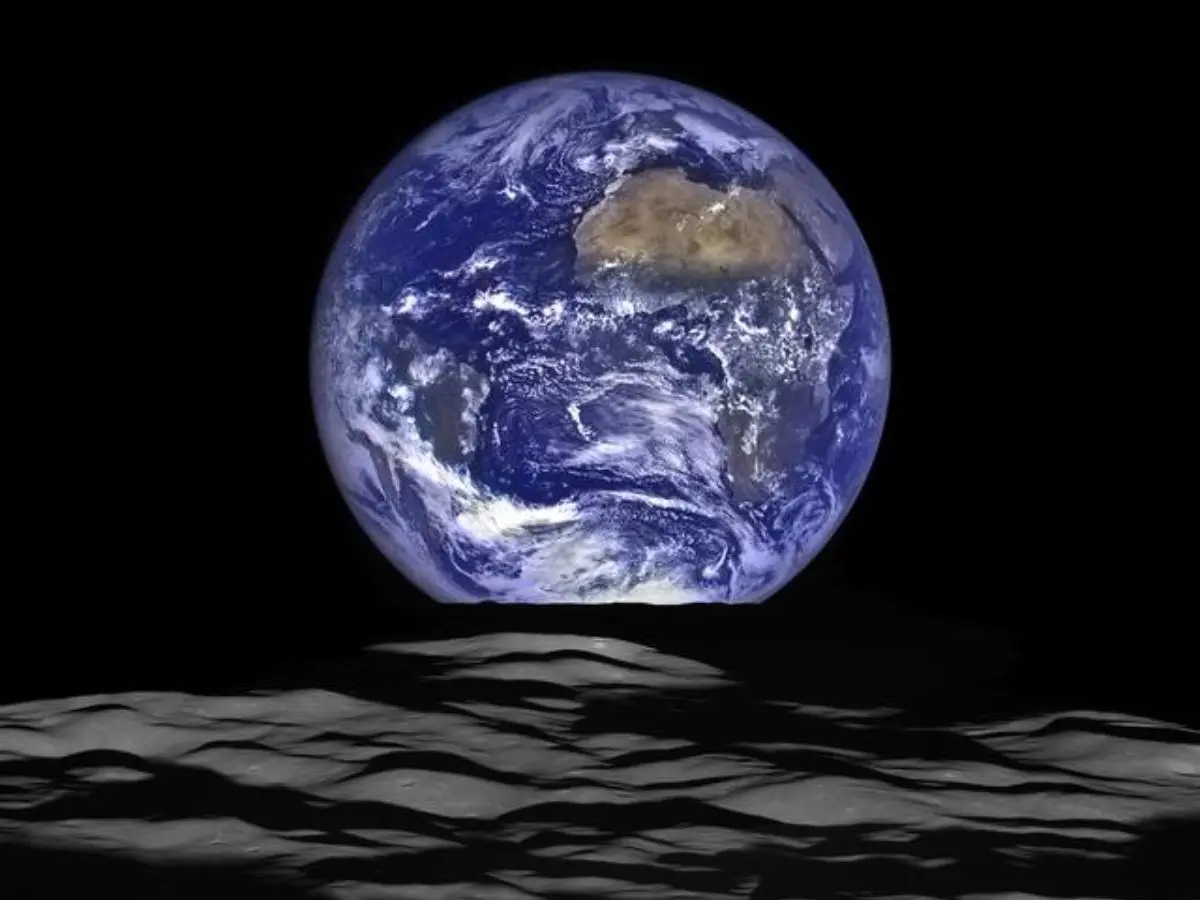
The Nature report highlights a mechanism known as 'Earth wind'. For about five days each lunar cycle, Earth lies between the Sun and the Moon, positioning the Moon within Earth’s magnetotail. During this period, Earth’s magnetosphere shields the Moon from many solar particles and channels oxygen ions (and other atmospheric particles) outward. These oxygen ions may implant into the lunar surface and facilitate oxidation, creating haematite over time.
Magnetotail and Earth wind
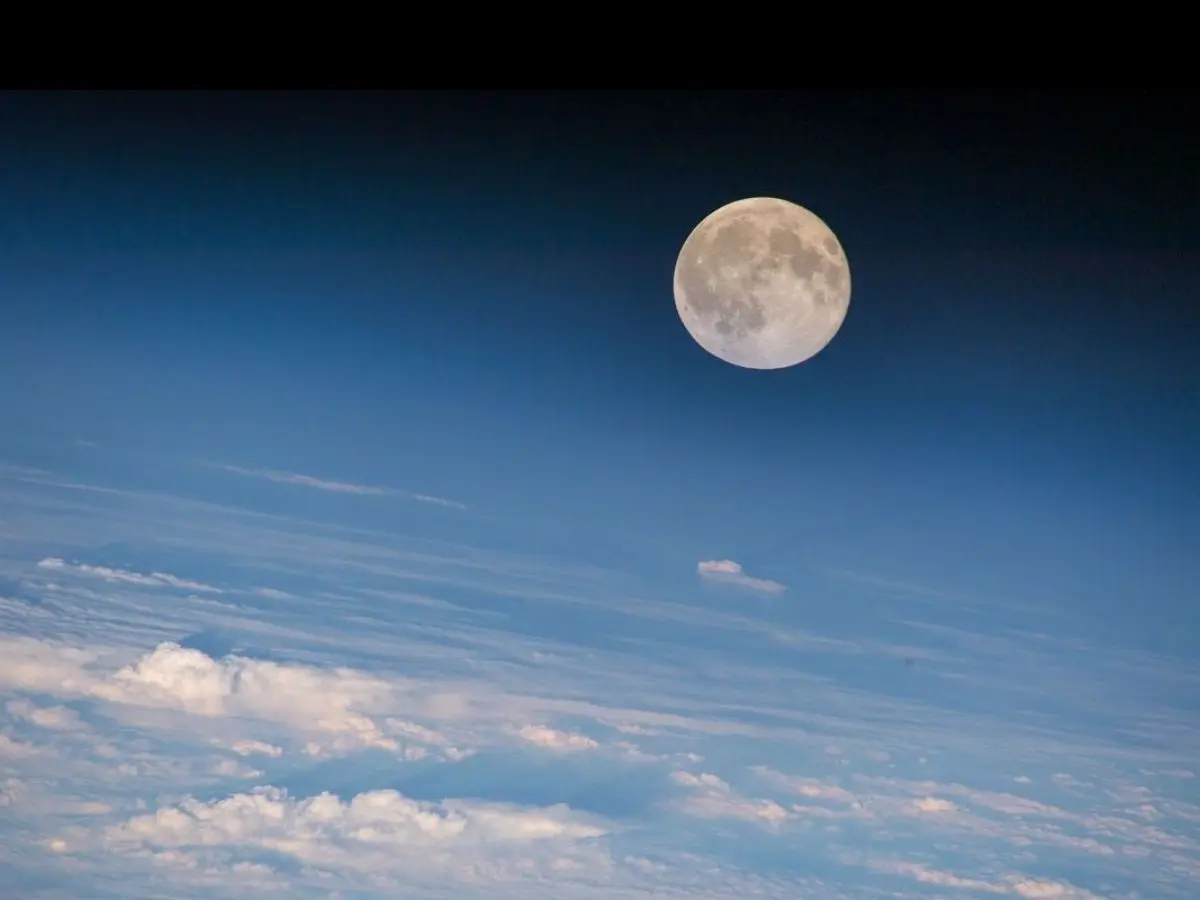
Earth’s magnetotail not only channels oxygen to the Moon but also shields it from the usual stream of solar particles. By reducing hydrogen bombardment, the magnetotail creates conditions more favourable for oxidation. Scientists describe this as a window of opportunity when lunar iron can react with oxygen and form rust. It is during these phases of the lunar cycle, about five to six days each month, that oxidation is thought to take place most effectively.
Experimental confirmation
To test this theory, Jin and colleagues carried out laboratory simulations. They accelerated ions of hydrogen and oxygen and directed them onto iron-rich mineral crystals similar to those on the Moon. The experiments showed that oxygen ions could convert iron minerals into haematite, while hydrogen ions tended to reverse the process. This supports the idea that Earth’s atmospheric oxygen, carried by the magnetotail, could slowly be rusting the Moon.
Chandrayaan-1’s role in the discovery
India’s Chandrayaan-1 orbiter, launched in 2008, played a pivotal role by collecting spectral data that revealed the unexpected presence of haematite near the poles. Later analysis by researchers at NASA and the University of Hawai‘i confirmed the finding and suggested that Earth wind-driven oxidation was a likely cause. These discoveries add to Chandrayaan-1’s legacy, which also includes the detection of water molecules on the lunar surface.
Implications for future exploration
The presence of rust on the Moon provides a new perspective on Earth–Moon interactions and highlights the subtle influence of our planet’s atmosphere beyond its immediate boundaries. Understanding these processes could have practical implications for future lunar exploration, including how equipment withstands long-term exposure to lunar soil and how resources might be utilised.
)
)
)
)
)