How drones are replacing traditional artillery on the battlefield

Drones, especially loitering munitions and swarms, are transforming battlefield firepower, blending with or replacing classic artillery in many conflicts. The future of fire support may fly, not boom.
A Shift in Firepower
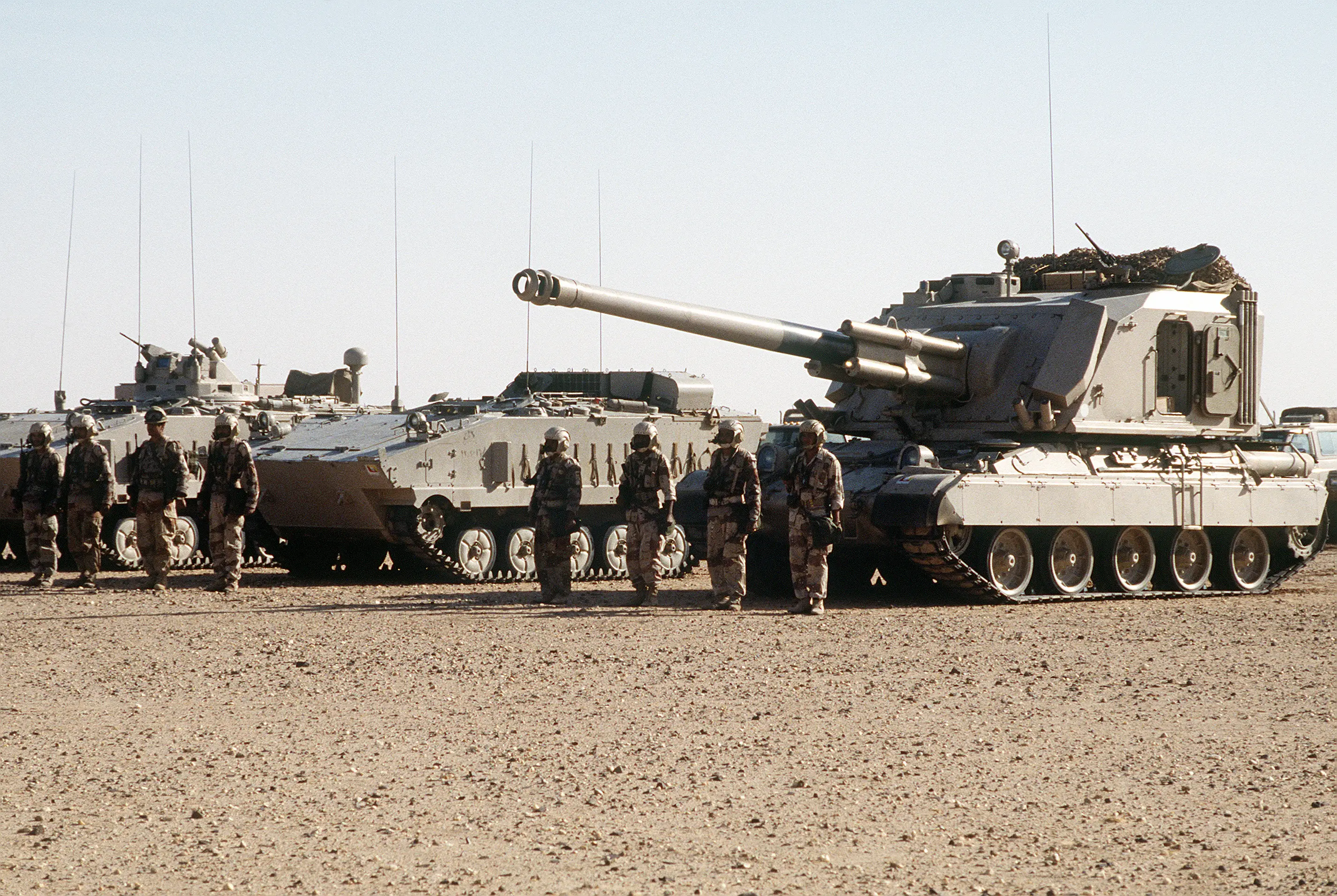
Traditional artillery relies on large, heavy guns to bombard enemy positions from miles away. Now, drones equipped with explosives (loitering munitions) can hover quietly, track moving targets, and strike with accuracy that was once only a dream for gunners. In Ukraine and the Middle East, kamikaze drones are hitting tanks, bunkers, and enemy artillery with pinpoint precision.
Smarter and Faster
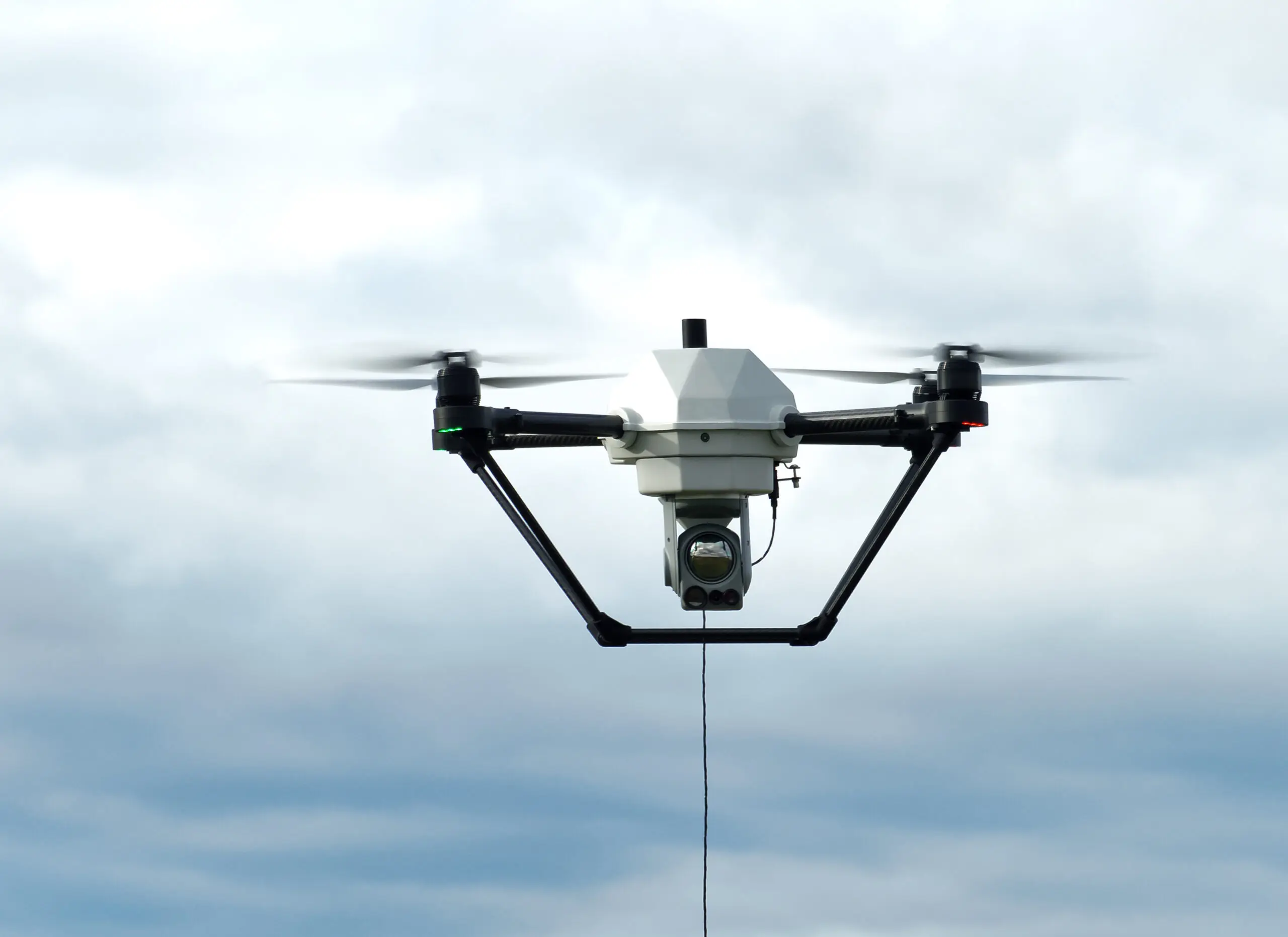
Drones do not just replace artillery; they make it better. Reconnaissance drones fly ahead to spot and follow moving vehicles. Live video feeds let artillery crews strike with less waste and greater effect. In many armies, artillery and drones now work together as a highly flexible, coordinated “kill chain,” shrinking the time between spotting a target and hitting it from hours to minutes.
Cost, Speed, and Flexibility - Big Advantages
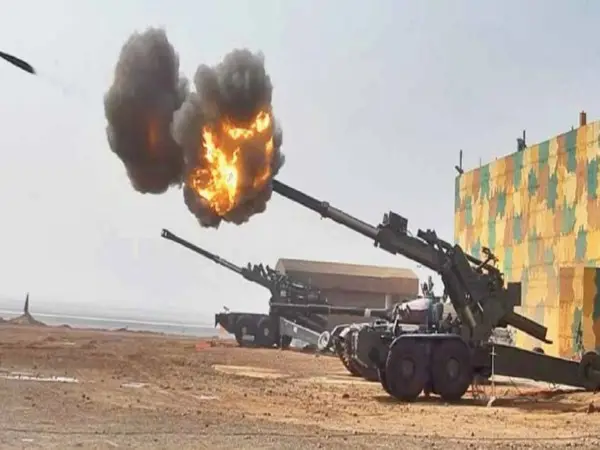
A single advanced artillery shell can cost thousands of dollars, and big guns need huge logistics trains. Small drones, in contrast, are cheap, quick to launch, and able to switch from surveillance to attack in seconds. Troops can carry “backpack drones” or launch swarms from simple trucks, giving them flexible firepower across any terrain.
Rise of Drone Swarms
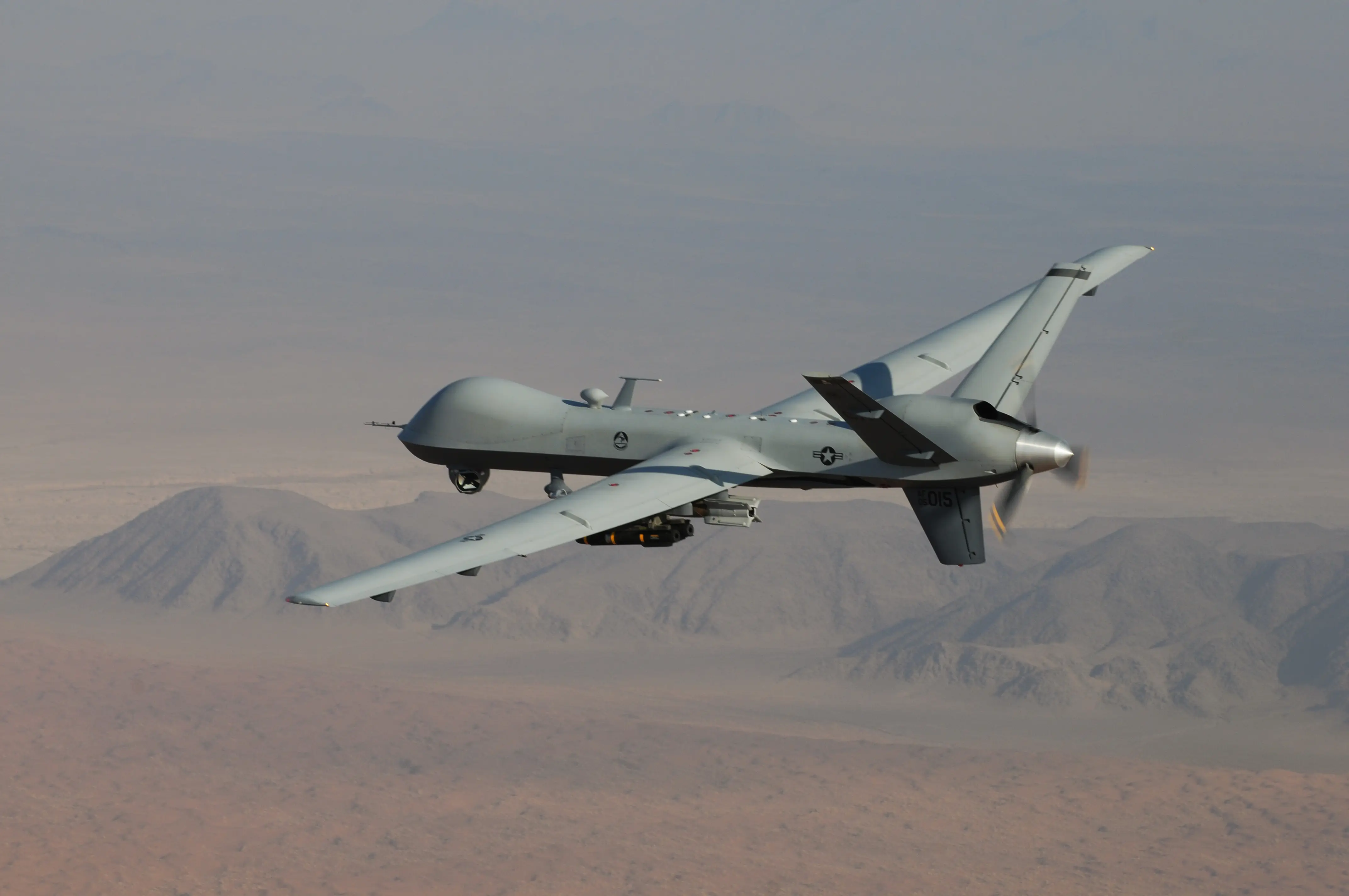
Recent wars have seen the first large-scale use of “swarm” tactics, where dozens or even hundreds of drones attack at once. These swarms overwhelm defences, saturate the battlefield, and destroy both enemy weapons and artillery units. As drone technology improves, swarms could become the future “artillery barrages”.
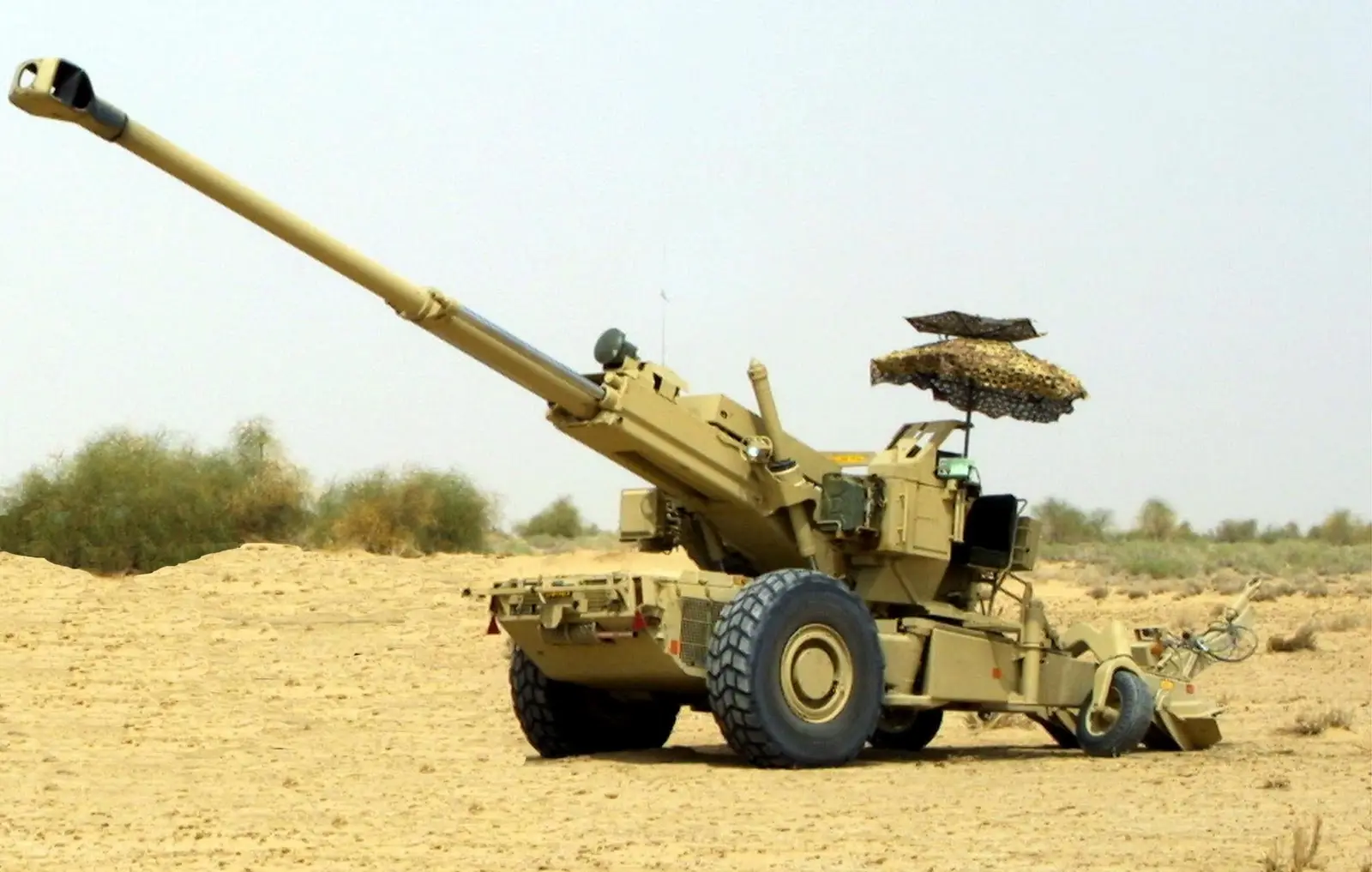
Artillery Strikes Back - Adapt or Disappear
Traditional artillery is not finished yet. Some shells now carry guidance kits inspired by drone technology. Armies pair new GPS-guided rounds with drone spotters for rapid, precise fire. But wherever drone coverage is thick, slow, static artillery becomes a bigger target and a major risk for crews, forcing armies to adapt or lose guns.
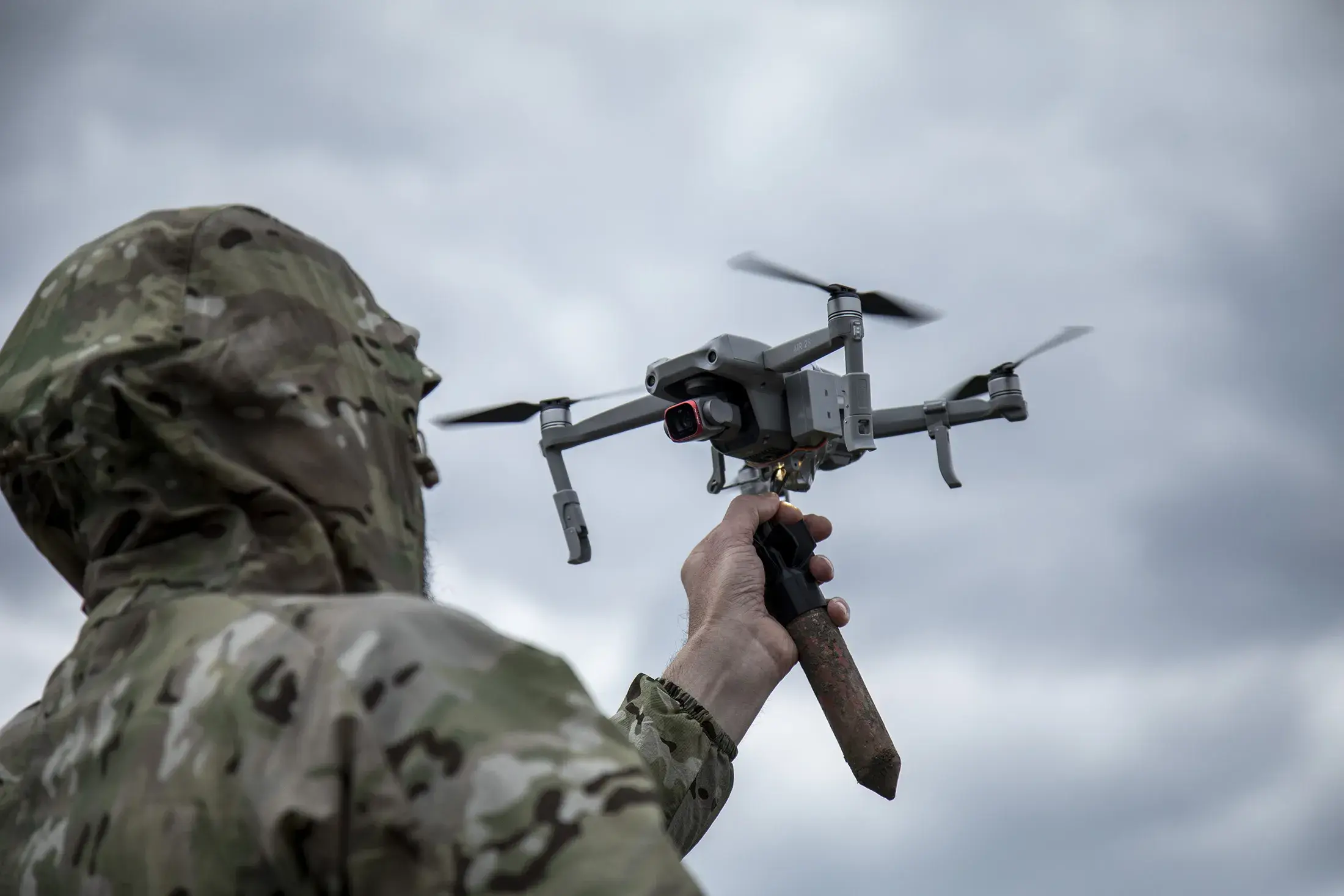
Autonomous Weapons
Drones today are more than flying cameras or missile droppers. Advanced systems now launch electronic attacks, jam enemy radios, lay emergency mines, or resupply front lines. By loading different warheads or tech modules, one drone can hit many targets cars now follow similar “modular” thinking for new artillery vehicles too.
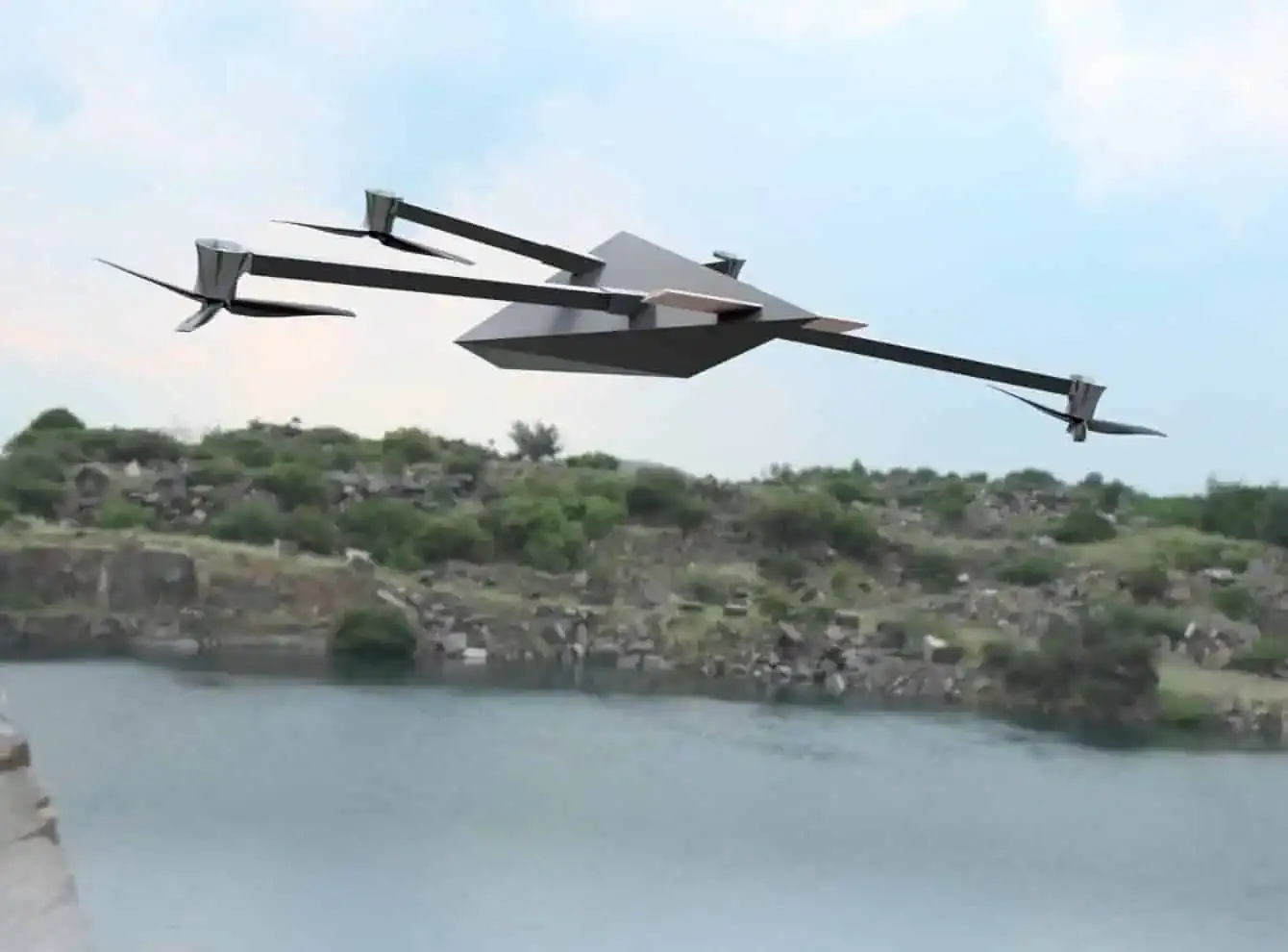
The Future - What Happens Next?
Drone-driven warfare is just getting started. As drones become more autonomous and harder to jam, “traditional” artillery units could shrink while human operators focus on controlling fleets of remote weapons. The role of “artillery” may increasingly belong to whoever best pilots, out-thinks, and produces the next generation of battlefield drones.
)
)
)
)
)