How does the F414 engine give Tejas Mk2 an edge over other fighter jets?

India is moving forward with local production of the GE F414 engine for Tejas Mk2. With 98 kN thrust, tech transfer talks, and upgrade options, this engine gives Mk2 more power, payload and future potential. What makes this deal so important?
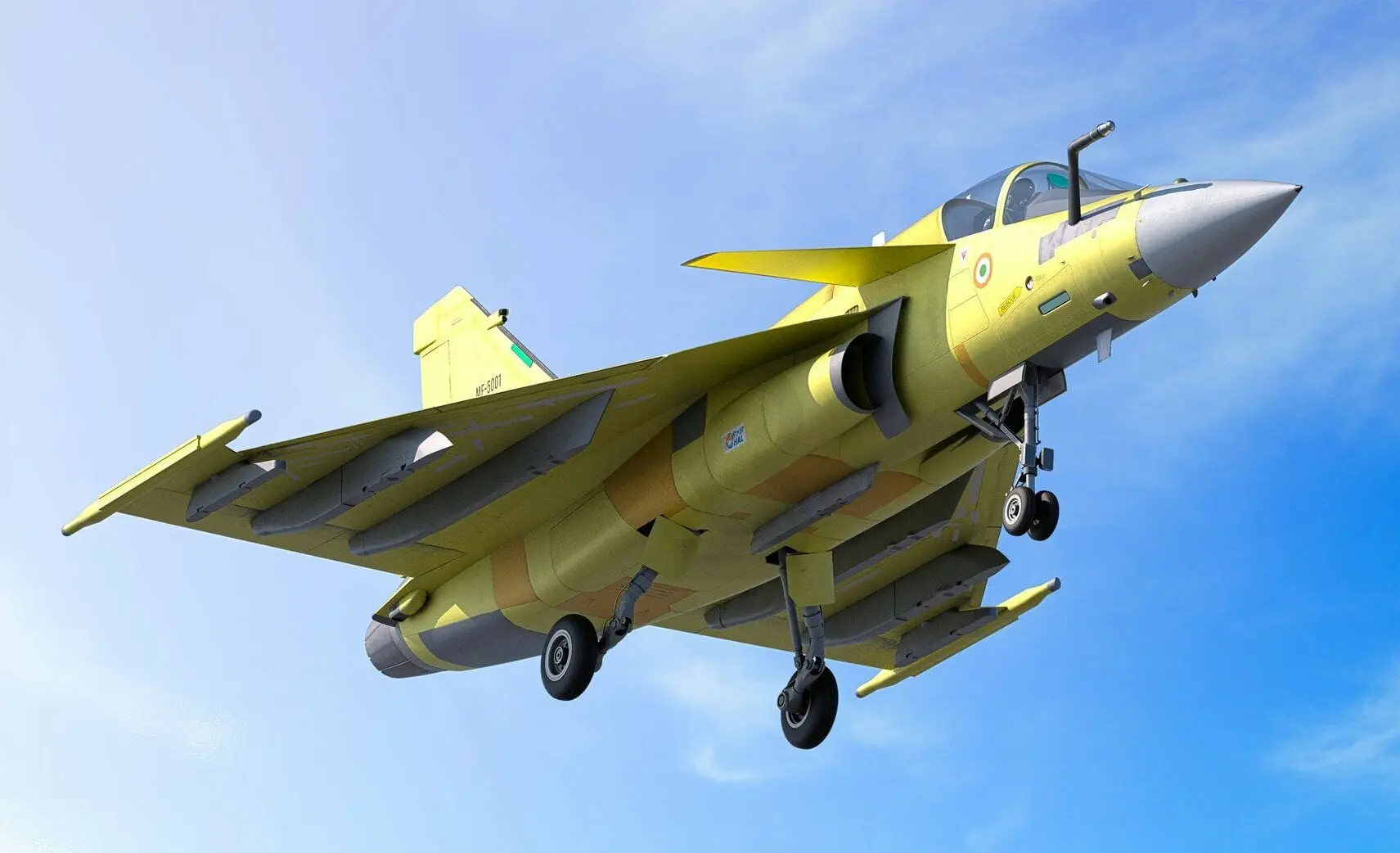
The deal what is confirmed so far
GE and HAL are moving ahead with licensed production of the F414 for Tejas Mk2. Indian officials indicate that about 80 per cent technology transfer is under negotiation, with bids submitted. The signing is targeted for the current financial year as the programme prepares for Mk2 milestones.
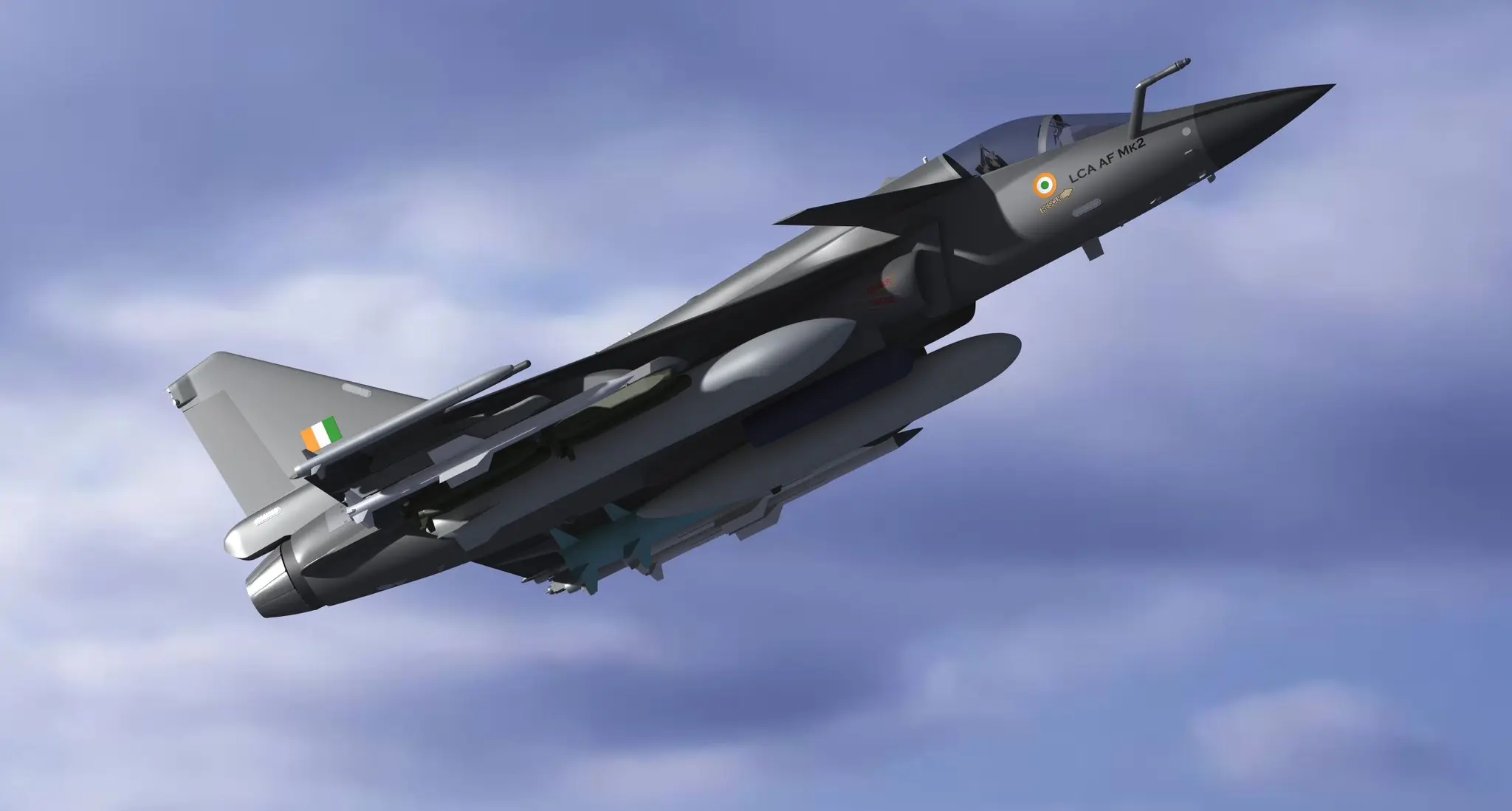
Thrust class why 98 kN matters
The F414 delivers about 22,000 pounds, or 98 kilonewtons, of thrust with afterburner. It has a modern core, FADEC control, and proven reliability on the Super Hornet and Gripen. This gives the Tejas Mk2 the power margin needed for higher payloads and hot and high performance.
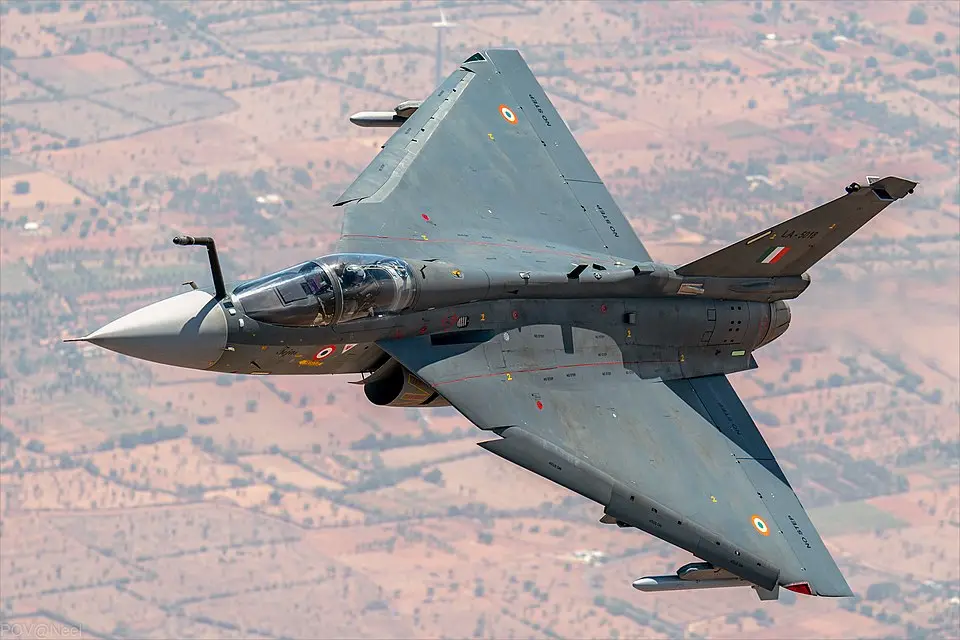
Growth potential EDE and EPE path
GE’s upgrade options include the F414 EDE for better durability and lower fuel use, and the F414 EPE with thrust up to about 117 kilonewtons. These are retrofit-friendly and can add thrust or extend engine life, creating headroom for future Mk2 blocks or heavier stores.
Technology transfer, how deep could it go
Open reports state that an 80 per cent ToT package is under discussion, including hot section coatings, single-crystal blade know-how, and laser drilling processes. These are critical for local manufacturing, full overhauls, and faster repair cycles in India.
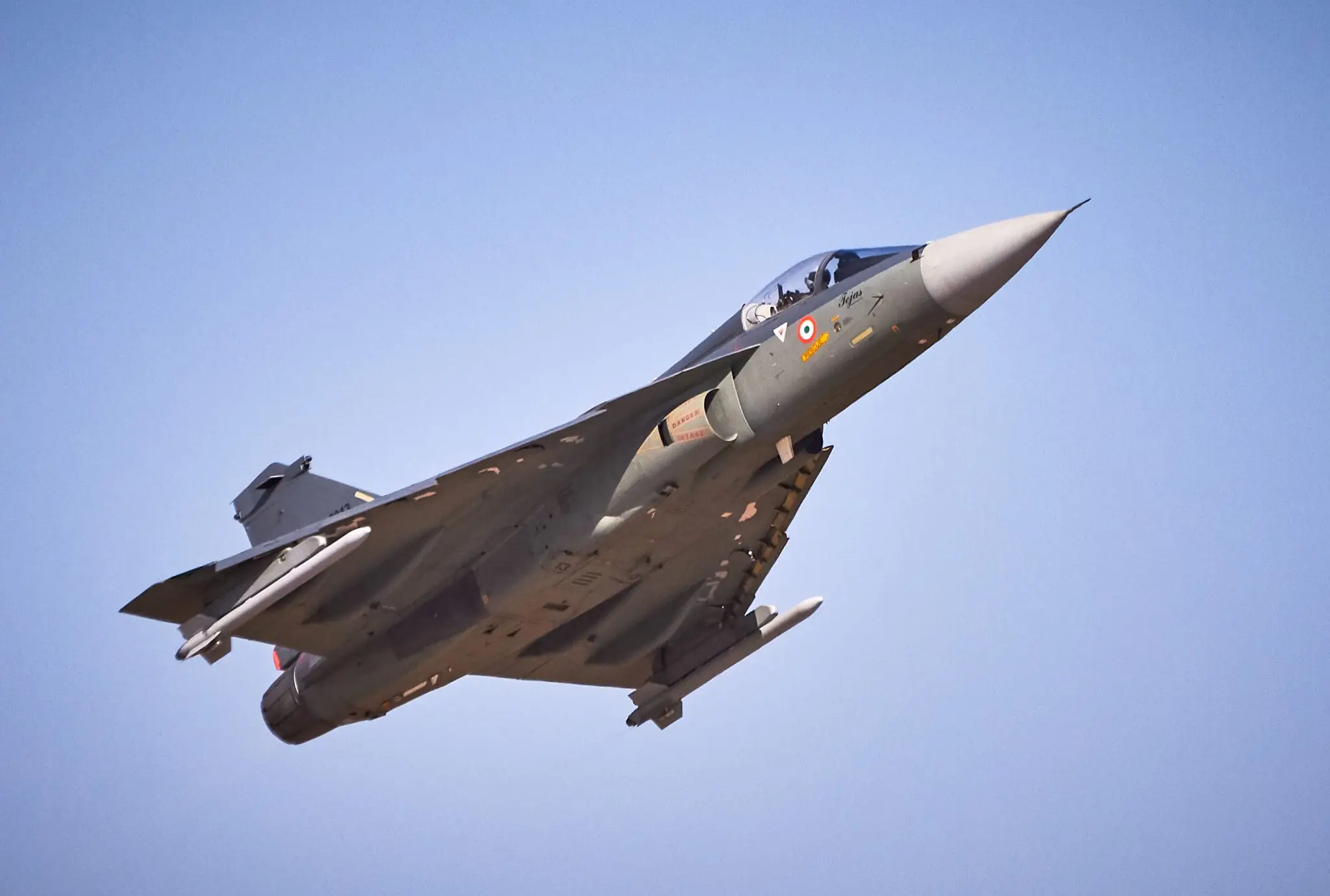
Tejas Mk2’s Payload and hardpoints
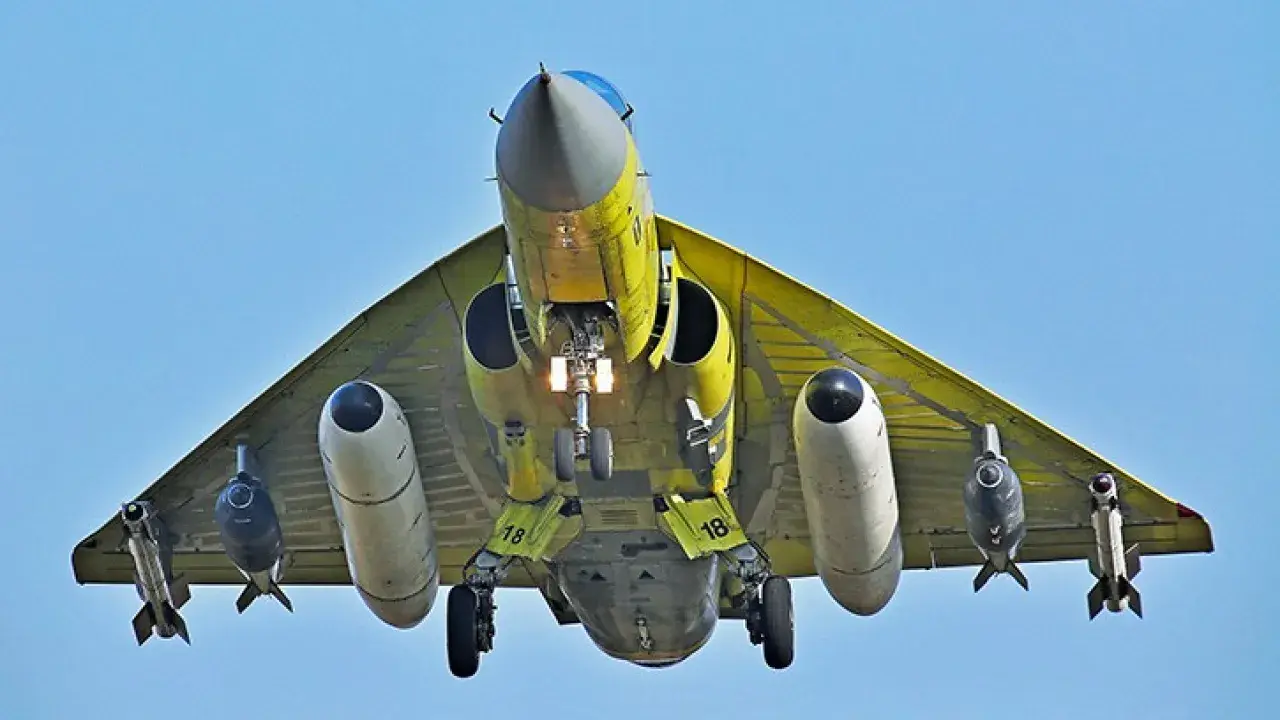
With the F414, Tejas Mk2 targets a 6,500 kilogramme external payload and 13 to 14 weapon stations. This exceeds the Mk1A’s load and enables heavy BVR mixes and precision strike loads without giving up range on typical missions.
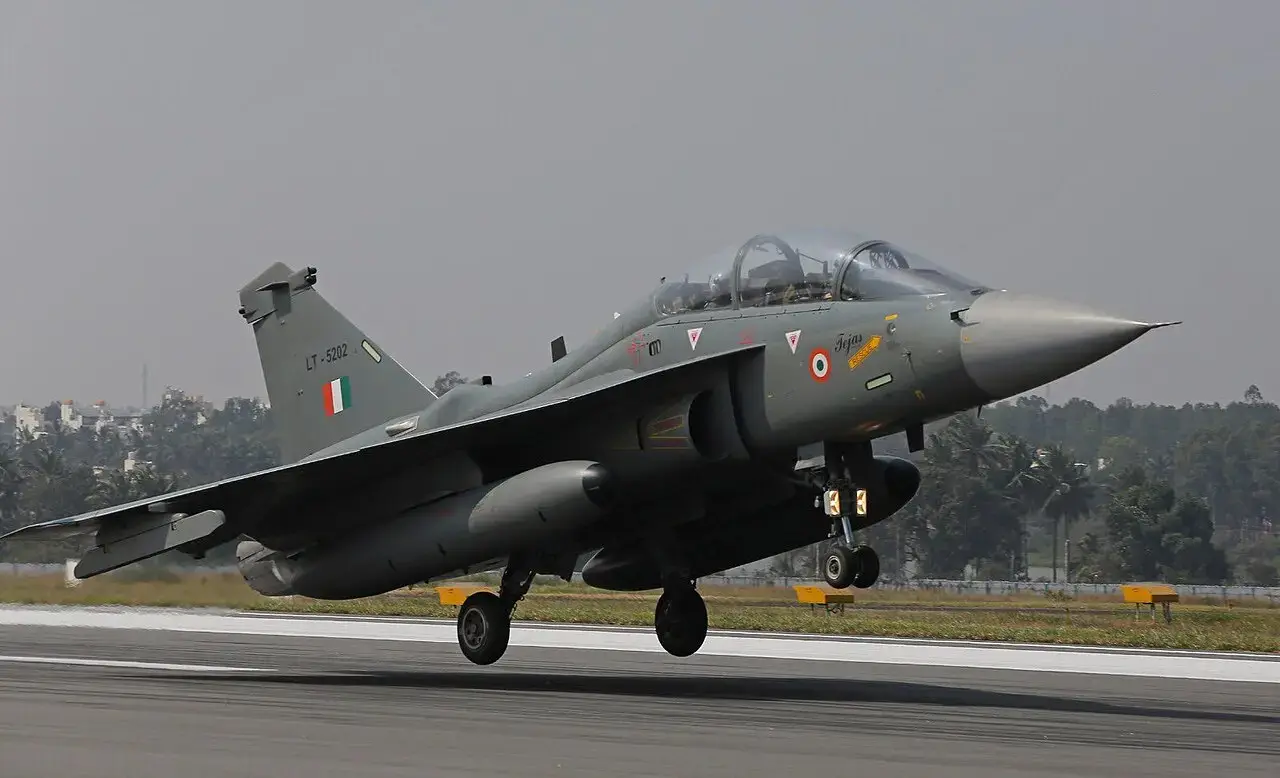
Sortie rates and availability, why local engines help
Local co-production and deeper ToT shorten the spares chain and depot turnaround. This improves mission-capable rates. A common F414 fleet also simplifies training and maintenance across Mk2 and future Indian twin-engine programmes.
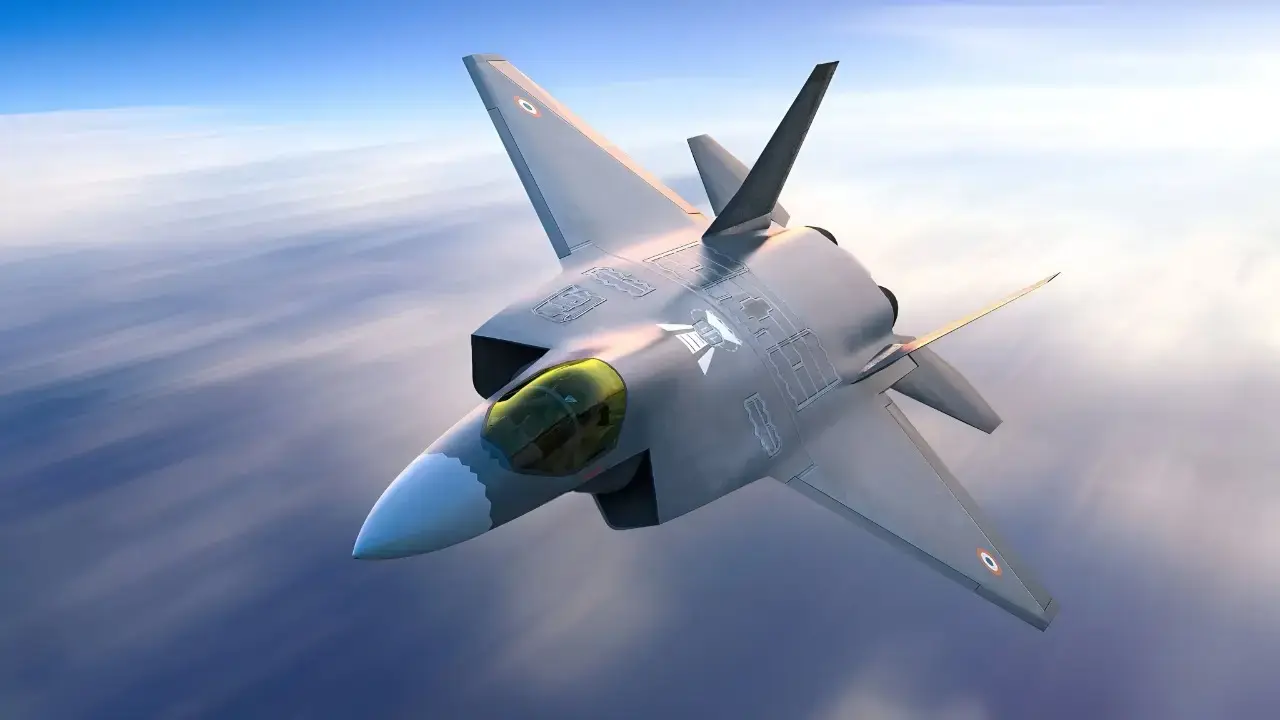
The bigger picture AMCA and beyond
The same engine family supports prototype work for India’s AMCA. The F414 line is a strategic bridge, allowing faster integration now and a clear upgrade path later, while domestic capacity scales to support the fleet for the long term.
)
)
)
)
)