How does Israel hunt down Iranian missiles? Inside its layered air defence: Arrow, Iron Dome, Beam & David’s Sling in action

Israel employs a multi-tiered system designed to intercept threats at varying ranges and altitudes. The architecture integrates Arrow, David’s Sling, and Iron Dome, Iron beam each calibrated for specific missile classes.
A conflict fought in the air
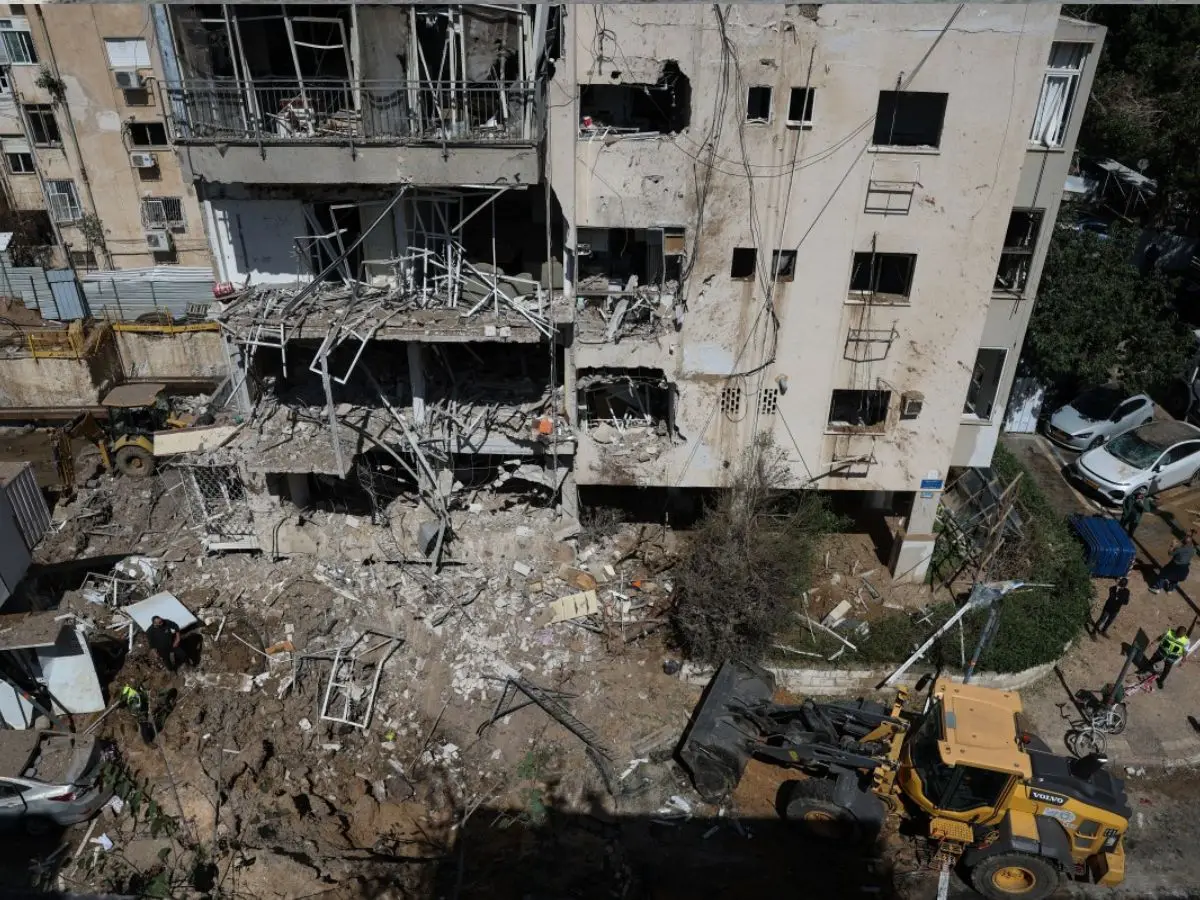
Israel has long been regarded as possessing the world’s most formidable aerial defence architecture. However, on Tuesday, this reputation faced a severe trial as waves of Iranian missiles targeted its territory, including a confirmed strike in the heart of Tel Aviv. This escalation unfolds against a backdrop of volatile diplomacy: US President Donald Trump has claimed "very good and productive conversations" toward a "total resolution of hostilities," yet Iranian officials have swiftly dismissed such rhetoric as "fake news." As the kinetic conflict and high-stakes negotiations occur in parallel, the efficacy of Israel’s interception systems has become the pivot upon which both military survival and political leverage now turn.
The architecture of layered defence
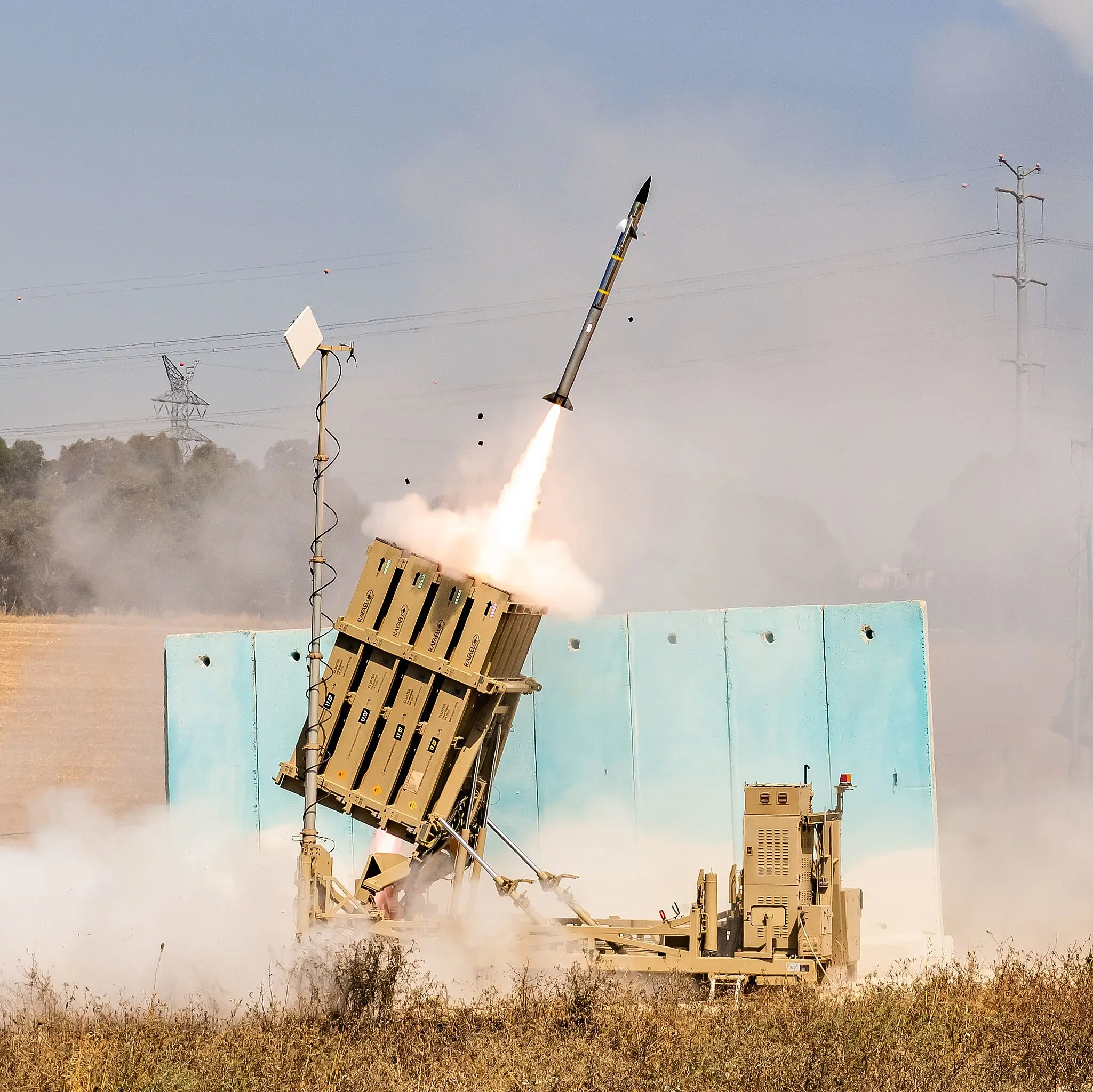
Israel employs a multi-tiered system designed to intercept threats at varying ranges and altitudes. The architecture integrates Arrow, David’s Sling, and Iron Dome, Iron beam each calibrated for specific missile classes. This layered approach ensures redundancy: if one system fails or is overwhelmed, another can engage the target.
Arrow: exo-atmospheric interception
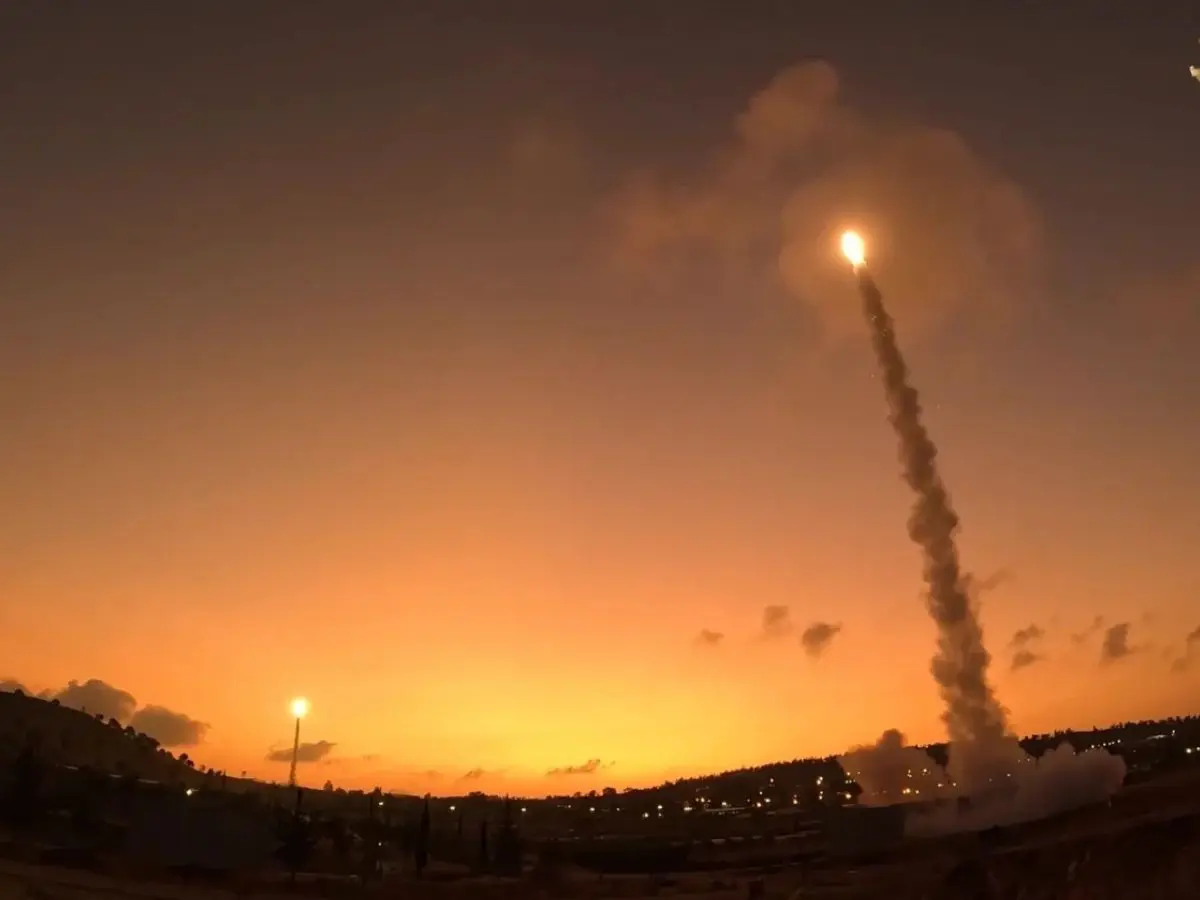
The Arrow systems are a joint product of Israel Aerospace Industries (IAI) and the US aerospace giant Boeing. The Arrow Weapon System (AWS) serves as the upper tier of Israel’s multi-layered missile defence, specifically engineered to intercept long-range ballistic threats. The Arrow 2 handles high-altitude, endo-atmospheric targets, using a fragmentation warhead to neutralise incoming missiles within the atmosphere. Conversely, the Arrow 3 utilises 'hit-to-kill' technology to destroy warheads in space (exo-atmospheric), providing a critical safety buffer against non-conventional weapons. The under-development Arrow 4, the latest generation, is expected to replace the Arrow 2, first deployed in 1998, in the coming decades. This synchronised network provides a comprehensive shield against Iran’s most sophisticated long-range missile salvos.
David’s Sling: mid-range shield
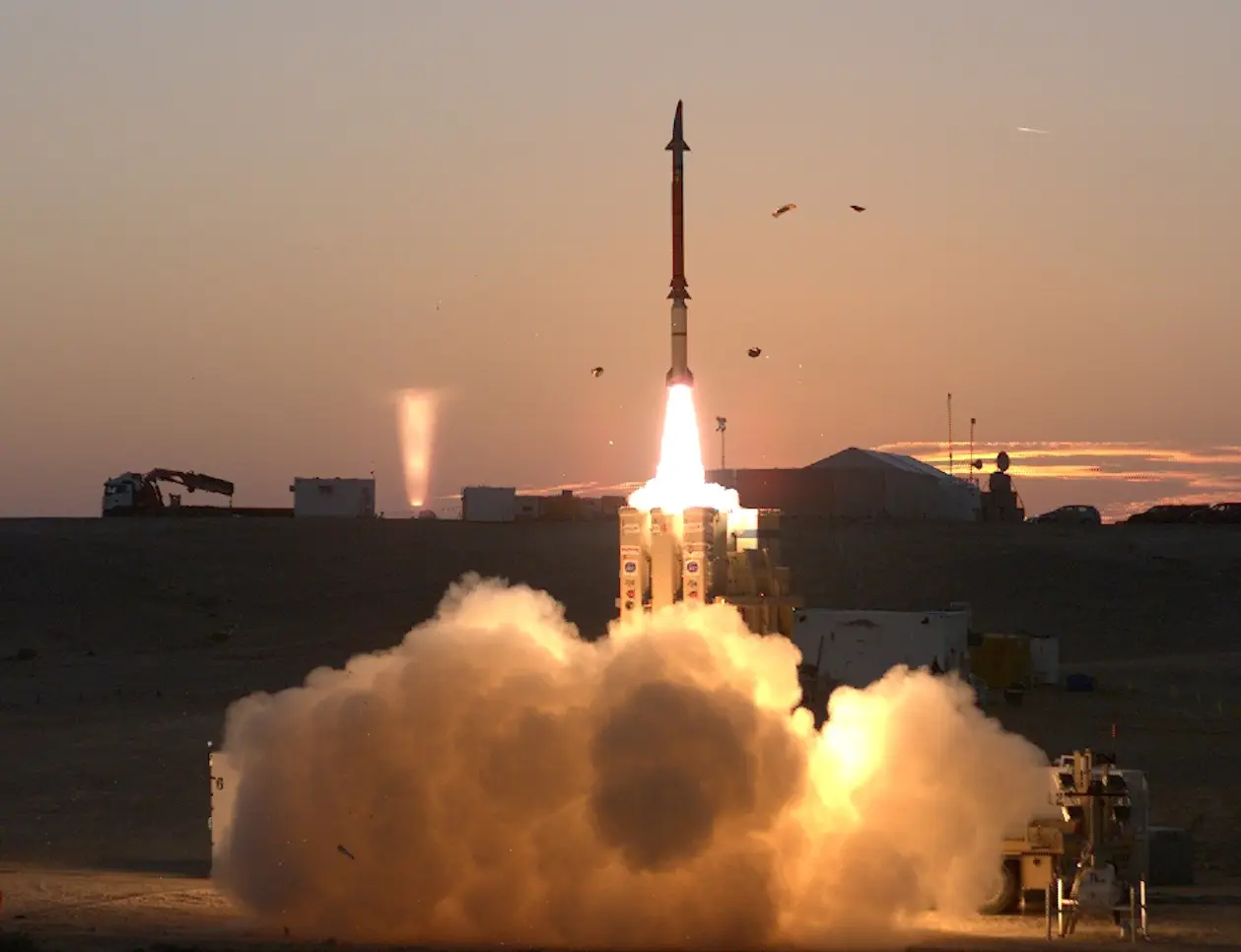
Positioned between Arrow and Iron Dome, David’s Sling was jointly developed by Rafael and RTX (formerly Raytheon Technologies) and became operational in 2017. According to RTX, it provides terminal-phase defence against tactical ballistic missiles, medium- and long-range rockets, drones and cruise missiles. Its Stunner interceptor uses an AESA radar and a hit-to-kill mechanism with no warhead. RTX notes that Stunner can defeat 92 per cent of the global short-range ballistic missile inventory and is in full-rate production.
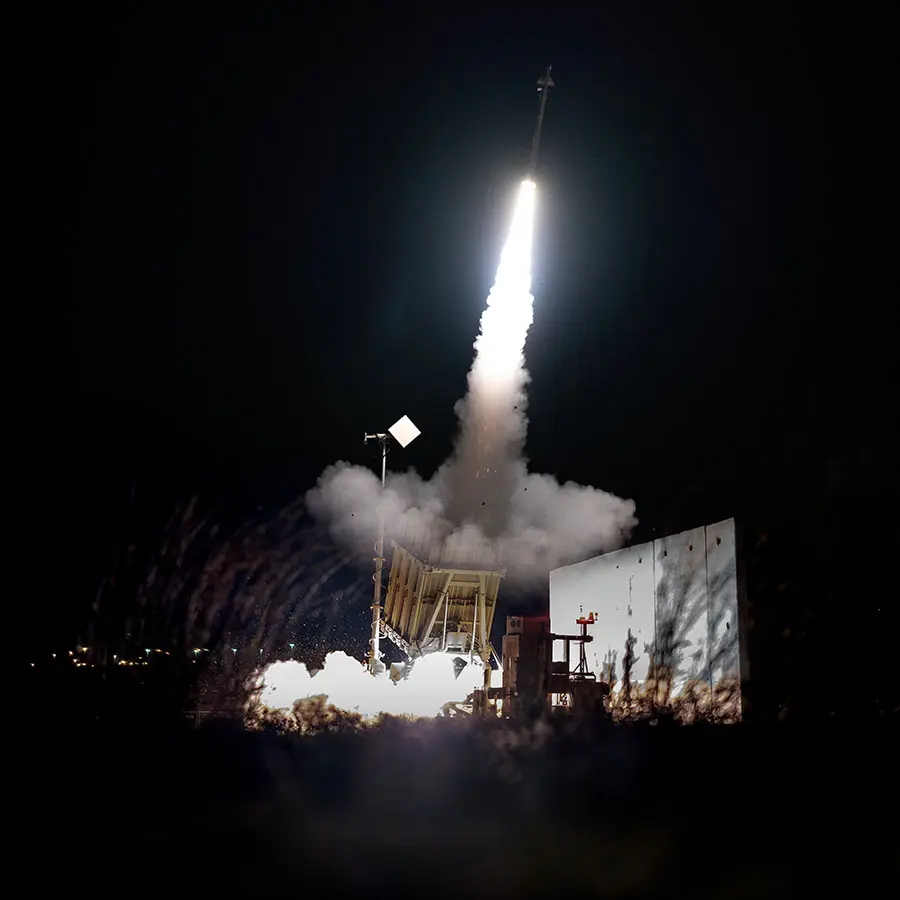
Iron Dome: the final barrier
Iron Dome is the most widely recognised component, intercepting short-range rockets and artillery shells, drones. It uses radar to track incoming threats and calculates their trajectory, engaging only those projected to hit populated areas. This selectivity preserves interceptor stockpiles during sustained attacks. According to Rafael Advanced Defense Systems, it has intercepted more than 5,000 rockets with an over 90 per cent success rate since becoming operational in 2011. The system also differentiates between threats that will hit defended areas and those falling into open terrain, thereby reducing unnecessary launches.
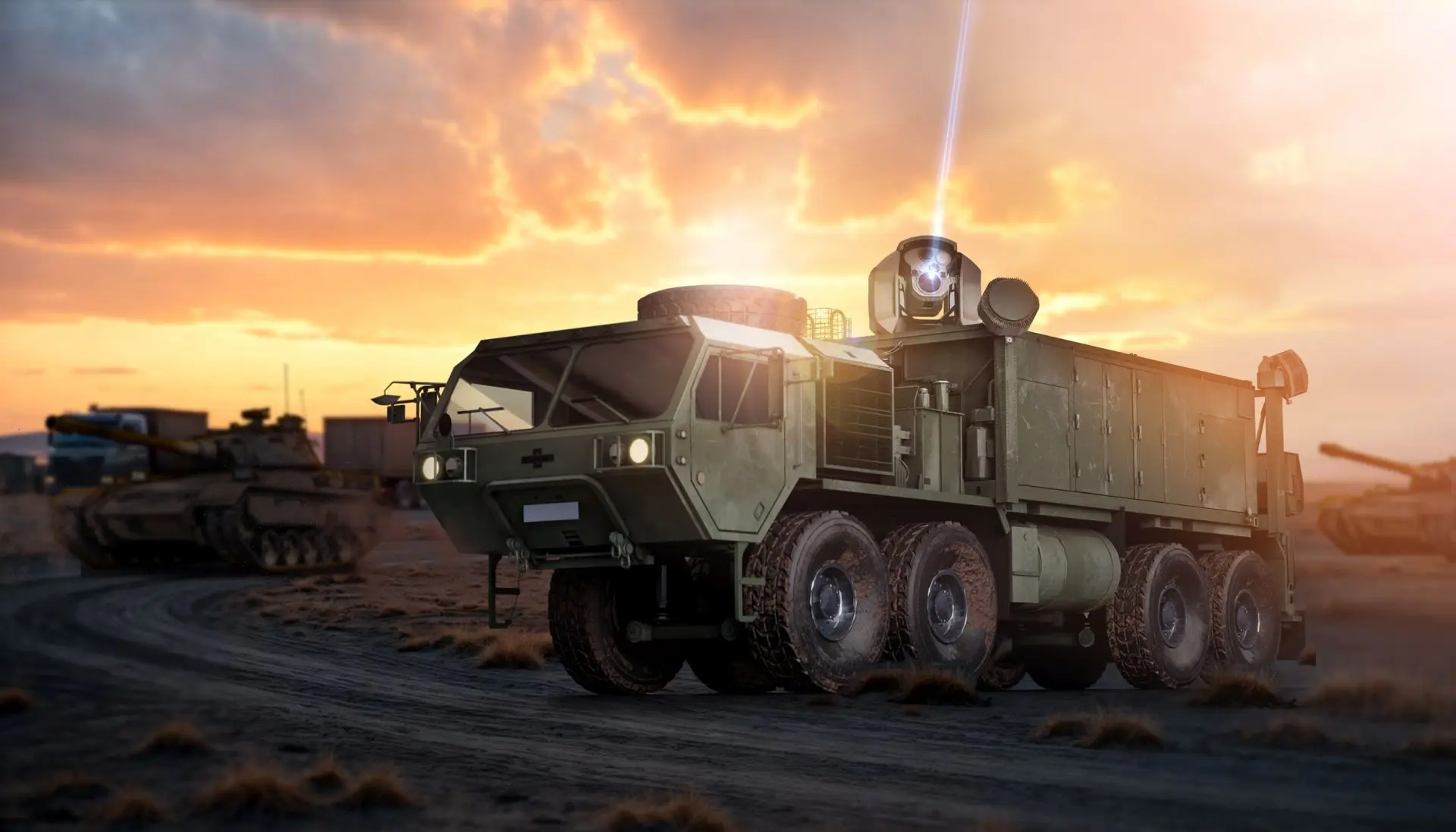
Iron beam
Iron Beam is designed to complement, not replace, Israel’s existing missile defence systems, including Iron Dome, David’s Sling, and Arrow. While missile batteries handle larger threats, Iron Beam focuses on smaller projectiles. Developed by RAFAEL, it uses a high-energy laser to neutralise targets at the speed of light, concentrating intense heat on precise نقاط of incoming threats. A key advantage is its near-zero cost per interception, as it relies on electricity rather than expensive munitions, making it suitable for sustained or high-volume attacks. The system can engage targets with high accuracy at ranges of up to 10 kilometres, including UAVs, rockets, mortars, artillery shells, and cruise missiles.
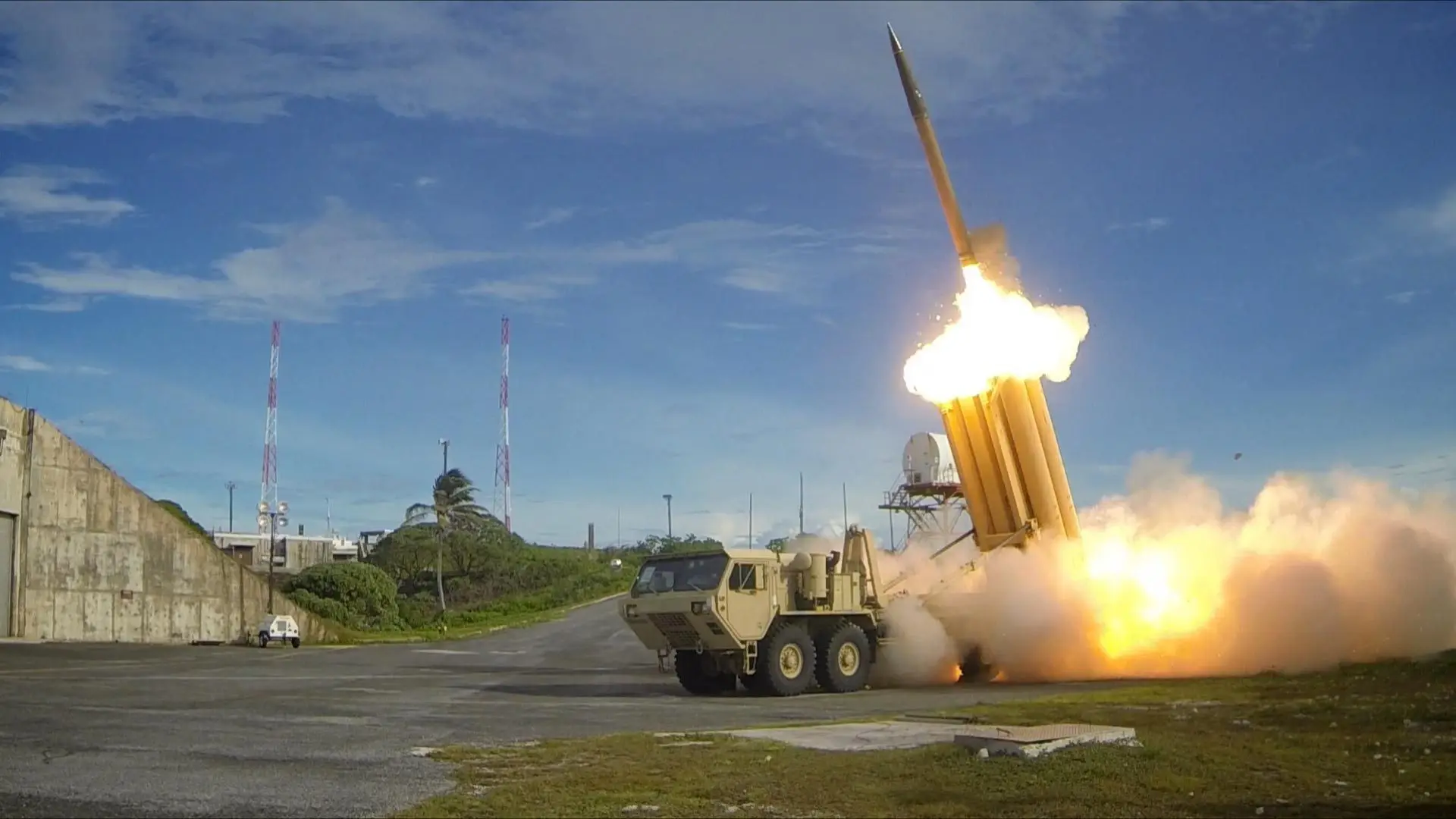
THAAD
THAAD is designed to intercept short, medium, and intermediate-range ballistic missiles in their terminal phase (the final stage of their flight as they re-enter the atmosphere and descend toward their target). THAAD operates via the AN/TPY-2 radar, which is currently integrated with Israel’s "Green Pine" radars. This creates a "dual-eye" system.
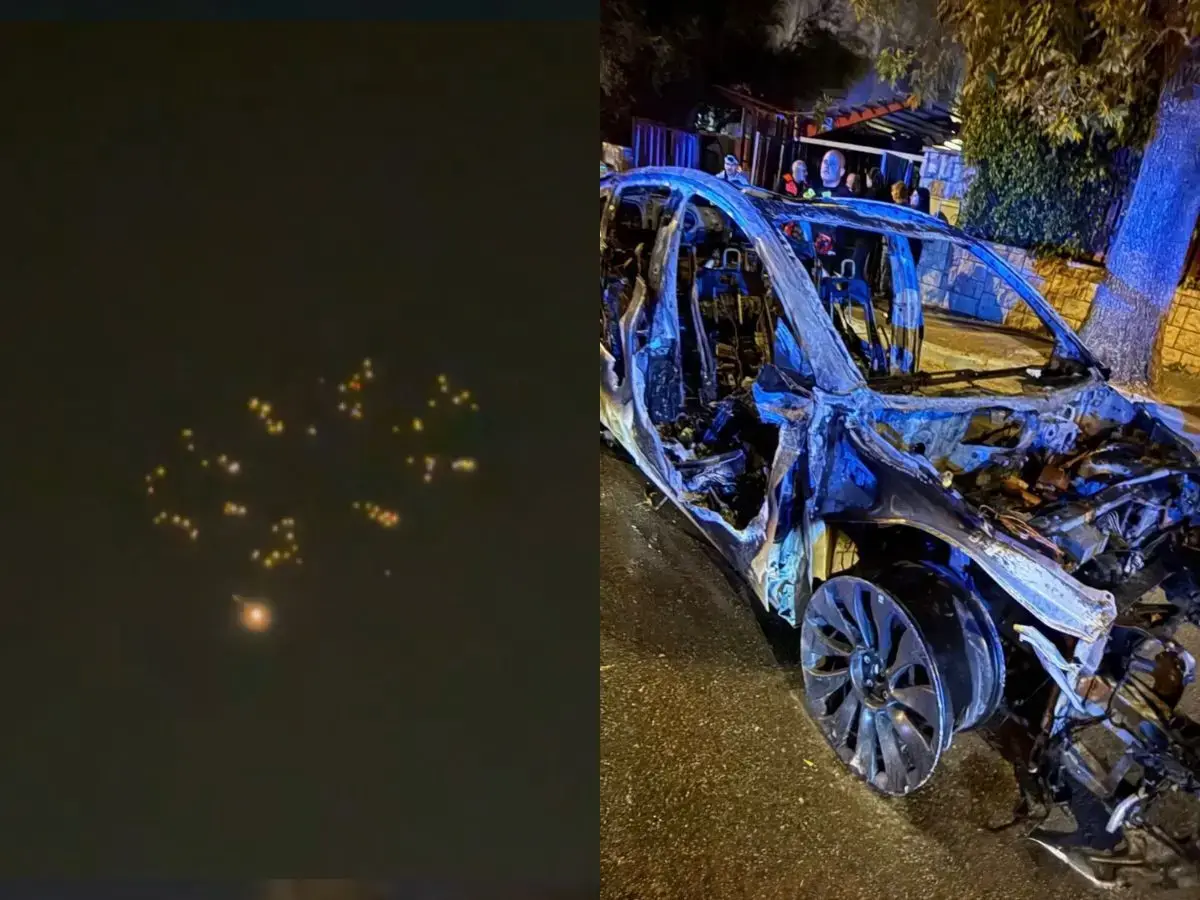
Why Interceptions Fail
Iranian missile penetration stems from a critical shift in cluster munition tactics. By launching high-volume salvos of drones and ballistic missiles simultaneously, Iran deliberately overwhelms radar processing and depletes Israel’s limited stockpile of $2.5 million Arrow 3 interceptors. This has forced a shift toward the cheaper David’s Sling system, which recently suffered technical malfunctions during strikes on Dimona. Furthermore, Iran’s new cluster warheads disperse dozens of submunitions mid-flight; while the primary missile may be hit, these smaller bomblets are nearly impossible to track or intercept individually once released.

Diplomacy under fire
While missiles are intercepted overhead, negotiations continue through indirect channels. Oman’s Foreign Minister Badr al-Busaidi confirmed “intensive” mediation, noting Iran has received US proposals “under review.” Meanwhile, Reuters reported potential talks in Islamabad.
)
)
)
)
)