How does India’s ‘unstable’ Tejas Mk rival F-22 and F-35 in air combat manoeuvres?

Developed by Hindustan Aeronautics Limited, the lightweight, multirole Tejas shares this philosophy with some of the world’s most advanced fighters, including the F-22, F-35 and Rafale.
Designed to be unstable, on purpose
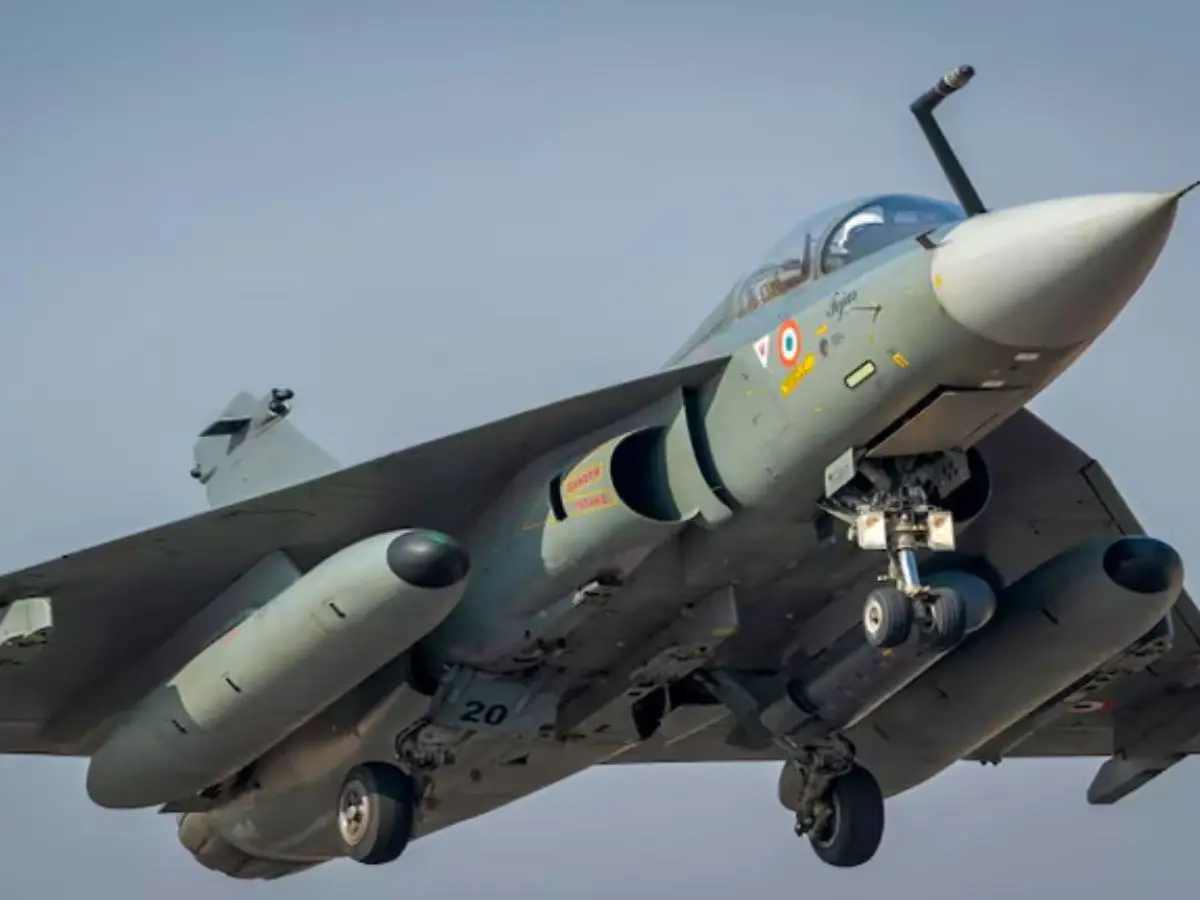
At first glance, calling a fighter jet ‘inherently unstable’ seems like a glaring design flaw. Yet for India’s HAL Tejas Mk series, this deliberate instability is precisely what makes it so agile. Engineered with what experts term ‘relaxed static stability’, the Tejas has its centre of gravity positioned behind its aerodynamic centre, making it naturally eager to pitch or change course. Far from being unsafe, this design grants exceptional manoeuvrability, a trait harnessed by its sophisticated digital fly-by-wire system, which keeps the aircraft responsive and controllable. Developed by Hindustan Aeronautics Limited, the lightweight, multirole Tejas shares this philosophy with some of the world’s most advanced fighters, including the F-22, F-35 and Rafale. By turning aerodynamic instability into an advantage, the Tejas stands as a significant achievement for India’s aerospace ambitions and demonstrates how a small fighter can deliver cutting-edge agility in modern air combat.
The secret: digital fly-by-wire
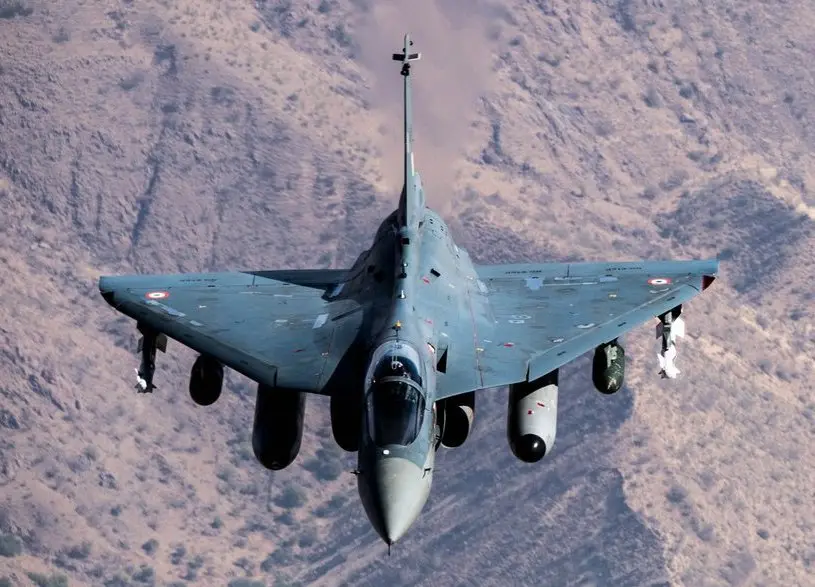
What keeps the Tejas from literally tumbling out of the sky is its sophisticated digital fly-by-wire (FBW) flight control system. Instead of relying on direct mechanical linkages between pilot and control surfaces, fly-by-wire uses electronic signals to interpret and execute pilot commands. The system makes thousands of micro-adjustments per second to stabilise the jet. This means the pilot can command aggressive manoeuvres without the aircraft becoming uncontrollable.
Borrowing from the best
Fly-by-wire isn’t unique to the Tejas. Some of the world’s most advanced fighter aircraft, including the American F-22 Raptor, F-35 Lightning II, the French Dassault Rafale, and the Eurofighter Typhoon, also rely on it. What these jets share is a design philosophy that trades passive aerodynamic stability for extreme agility, which is vital in modern air combat. The Tejas matches this approach, despite coming from a smaller domestic programme rather than a billion-dollar multinational consortium.
Compact design, exceptional agility
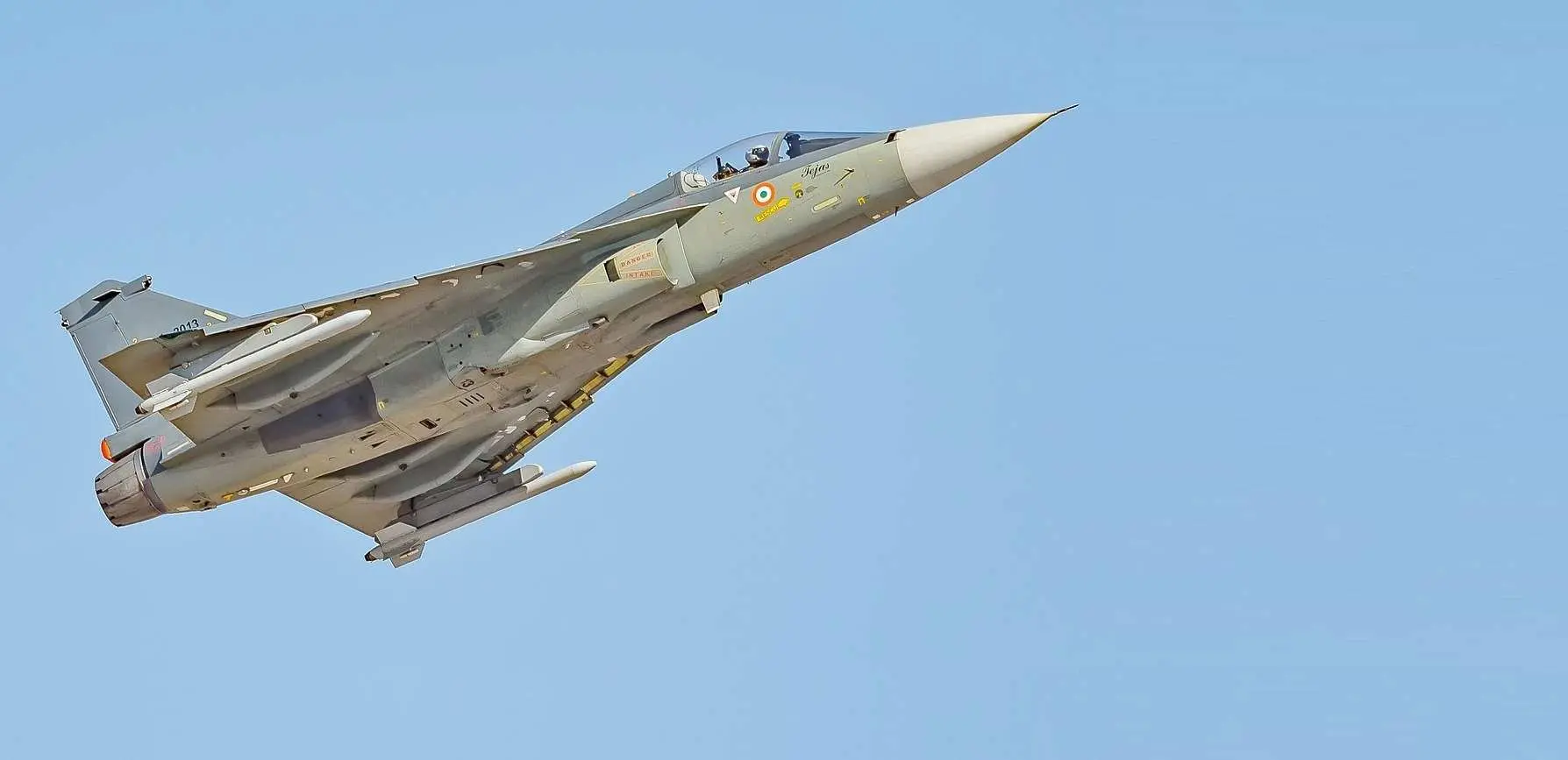
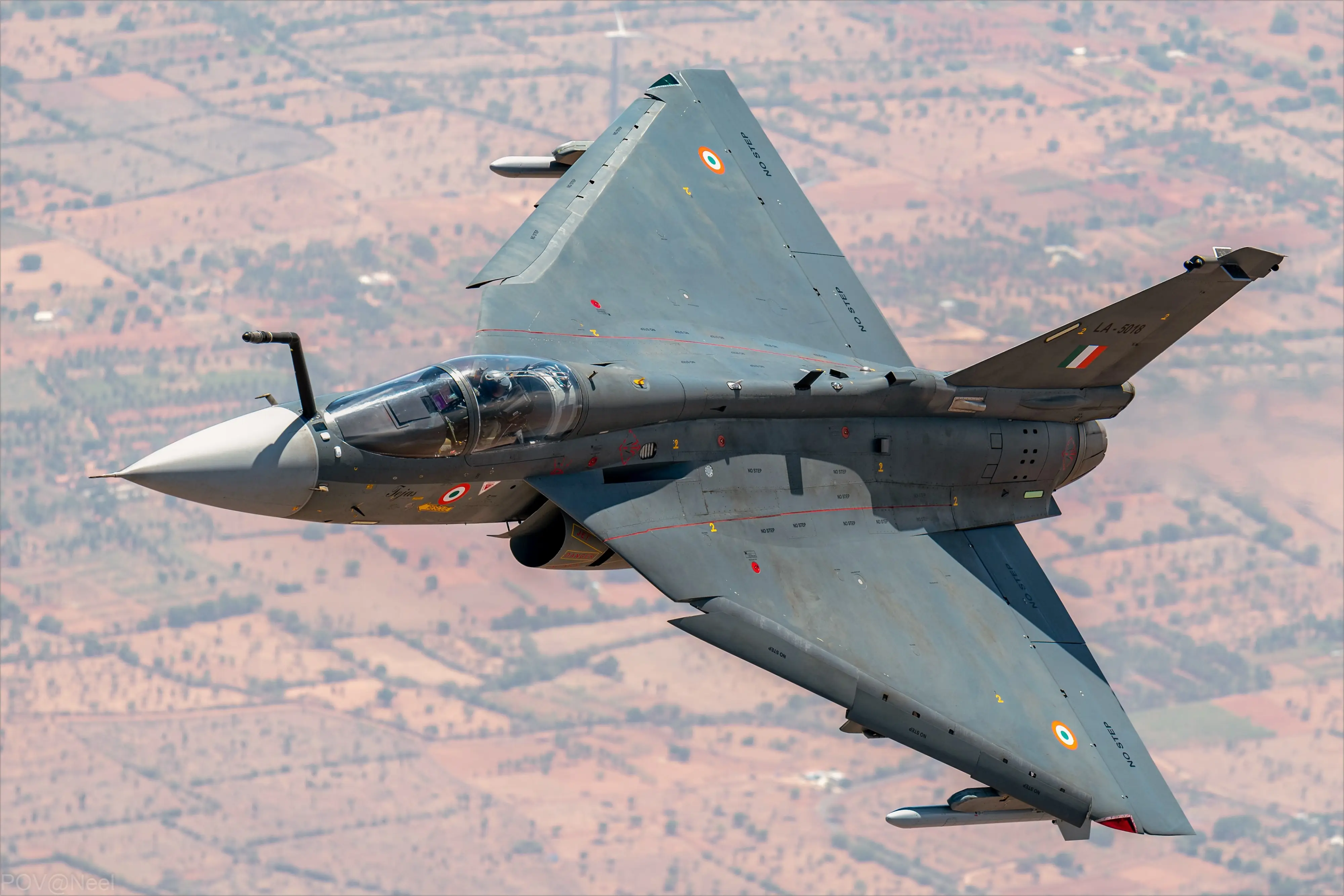
The Tejas was purpose-built as a lightweight, single-engine, multirole fighter. Its small size and blended delta wing design, when coupled with fly-by-wire, allow it to turn rapidly and recover quickly from high-angle manoeuvres. Pilots report that it can change direction and altitude with impressive responsiveness, an asset in close-range dogfights where seconds matter.
From prototype to combat readiness
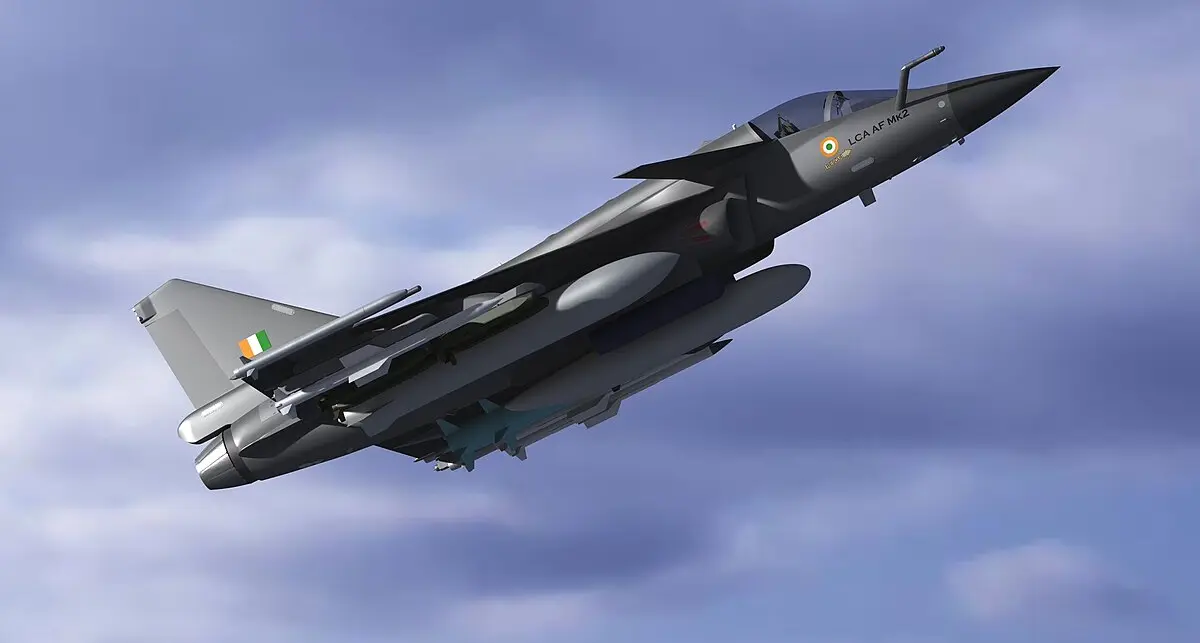
When the Tejas project began in the 1980s, India’s aerospace industry faced steep challenges in mastering digital fly-by-wire technology. Decades of research, software development, and flight testing followed. The result is an indigenous system that has proven its reliability and safety over hundreds of test flights. Subsequent variants, including the Tejas Mk1A and the planned Mk2, continue to refine both software and flight performance.
Why instability is an advantage
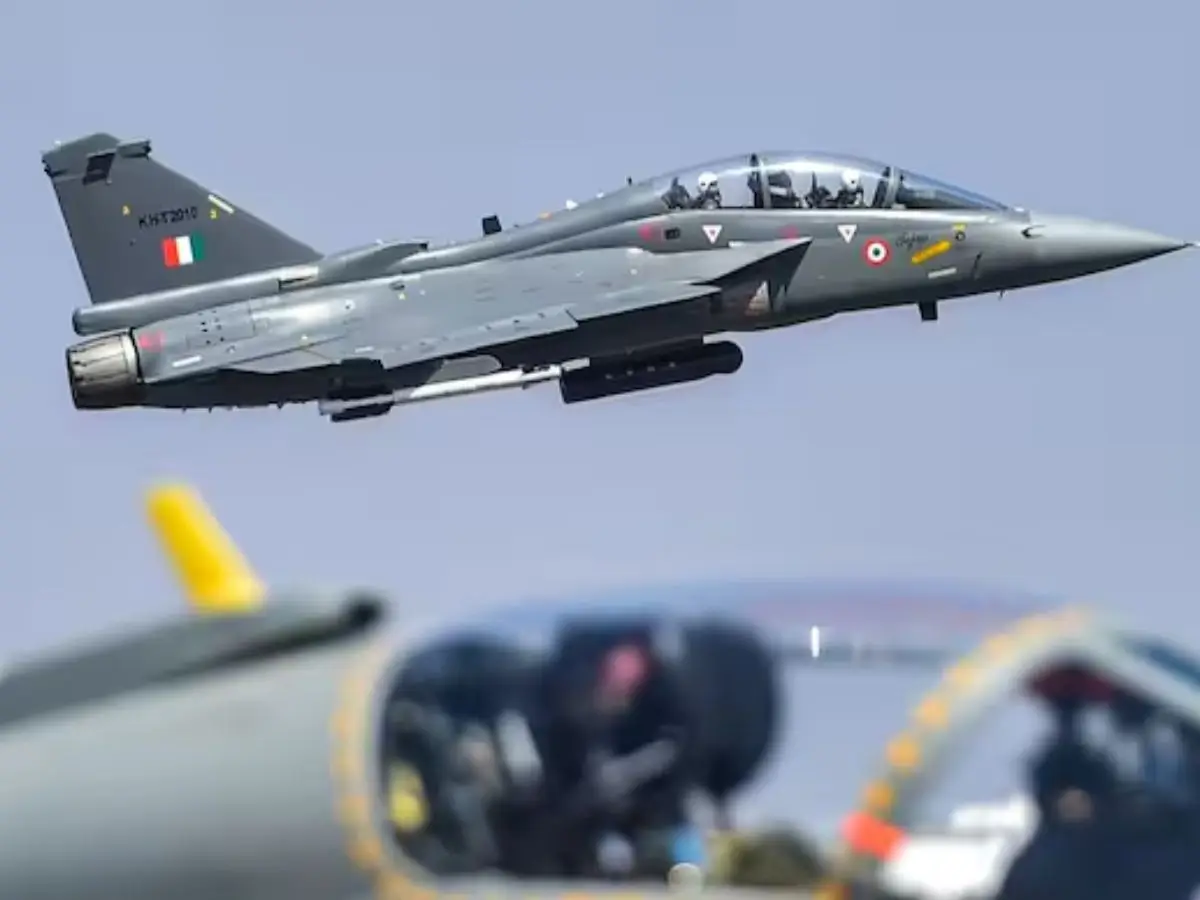
In aeronautical terms, a 'stable' aircraft resists changes in its attitude, which is helpful for transport planes but a disadvantage for fighters that need to turn sharply or rapidly change pitch. By making the Tejas naturally unstable, designers ensured it can achieve high roll rates and quick nose-pointing ability, critical in air combat. The fly-by-wire system is what makes this theoretically dangerous trait completely manageable, allowing pilots to exploit the instability rather than fight it.
Standing among global peers
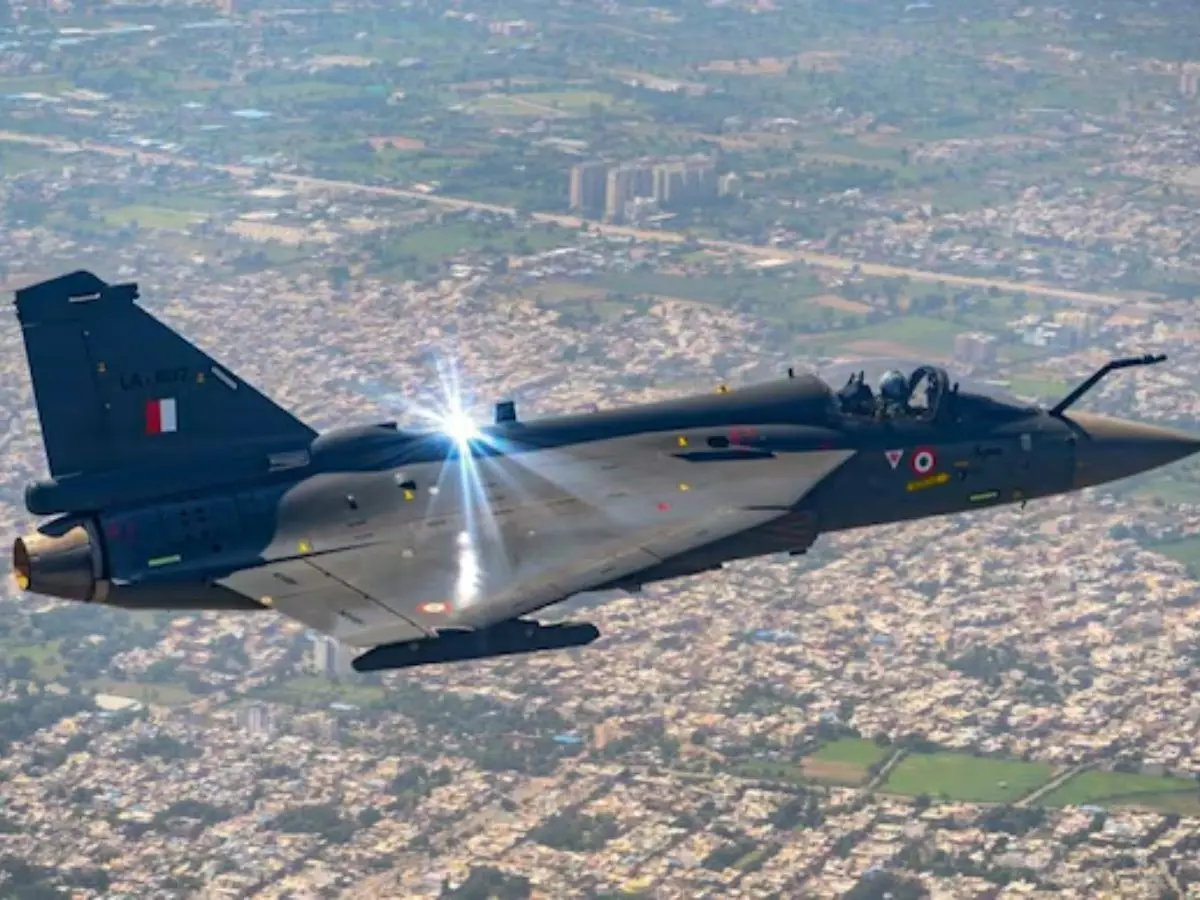
While the Tejas Mk series is smaller and lighter than the F-22 or F-35, its adoption of full authority digital fly-by-wire control places it in the same technological league as these and other top-tier fighters like the Rafale and Typhoon. For India, it is a significant step towards self-reliance in advanced combat aviation, proving that even a jet designed to be unstable can fly with remarkable precision and agility.
)
)
)
)
)