How does F-35 fighter jet’s shape & angled surfaces help deflect and scatter radar waves to avoid detection?

The F-35’s survivability is rooted in reducing its radar cross-section. The goal is not invisibility, but to make detection and tracking significantly harder.
A contested claim emerges
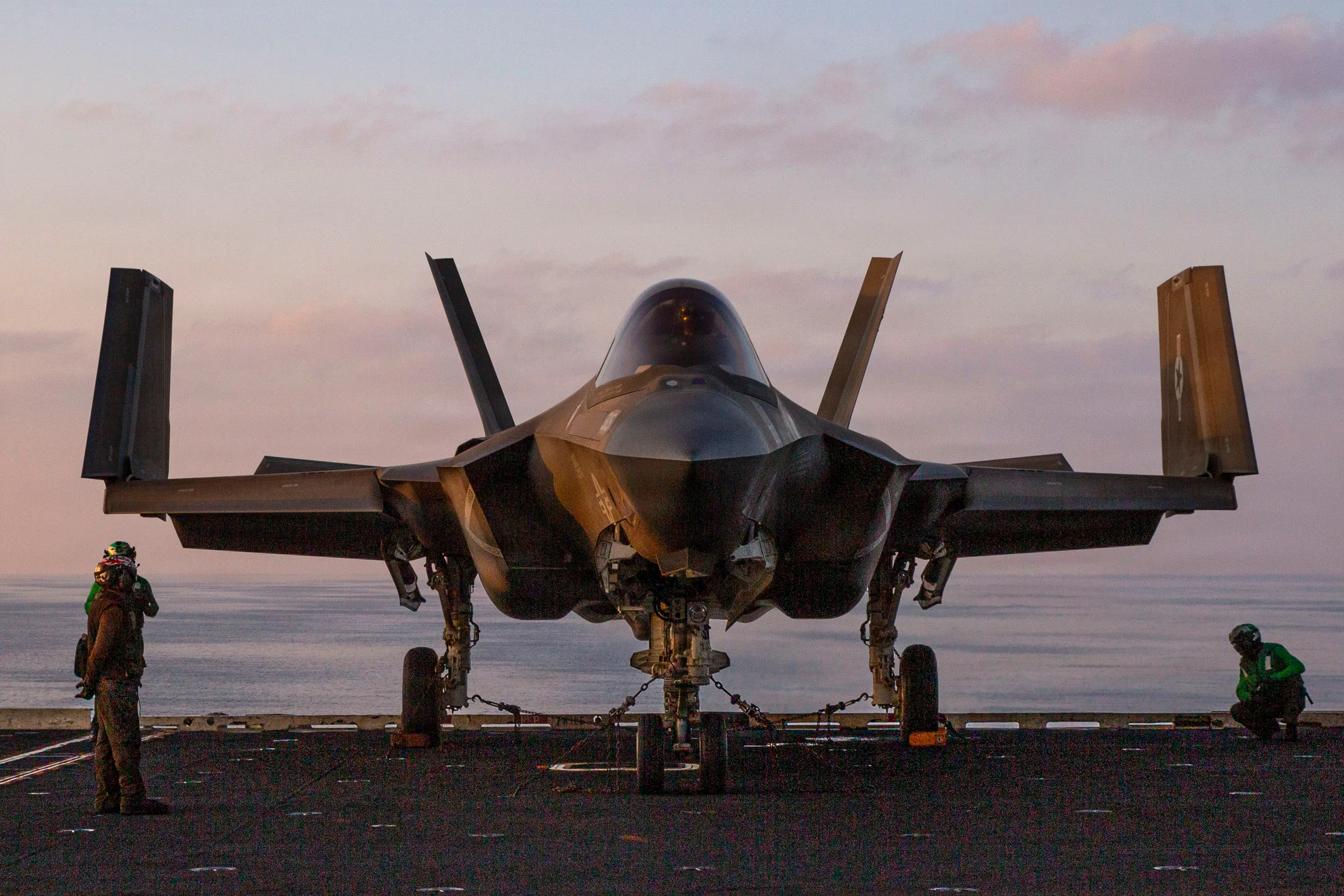
Iran has claimed that a United States F-35 stealth fighter was struck by its air-defence systems, forcing it to make an emergency landing at an American base in the Middle East, according to US media reports. Iran’s Parliament Speaker, Mohammad Bagher Ghalibaf, also said that it was ‘the first time in the world’ the jet had been hit. US officials have not confirmed the claim. “The aircraft landed safely, and the pilot is in stable condition,” said Captain Tim Hawkins, spokesman for US Central Command adding that the incident is under investigation.
The aircraft and its defining features
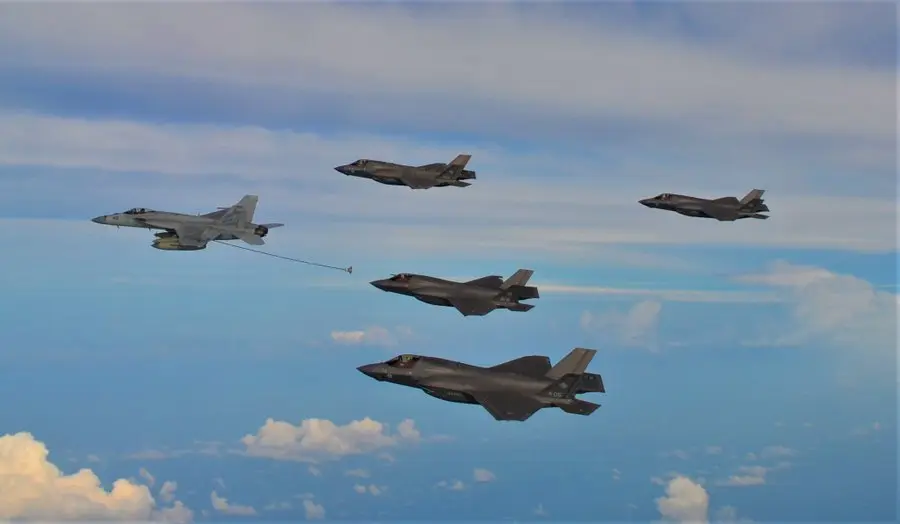
The F-35 Lightning II is a fifth-generation, multi-role fighter capable of air superiority, precision strike missions and intelligence gathering. It integrates stealth, advanced sensors and networked data-sharing, allowing it to operate effectively in highly contested environments. According to Lockheed Martin, the jet was designed to combine “unmatched stealth, advanced sensors and radar-jamming technology” to maintain dominance in the skies. Its systems also enable information fusion and network-enabled operations, giving pilots enhanced situational awareness and battlefield control.
Why shape is central to stealth
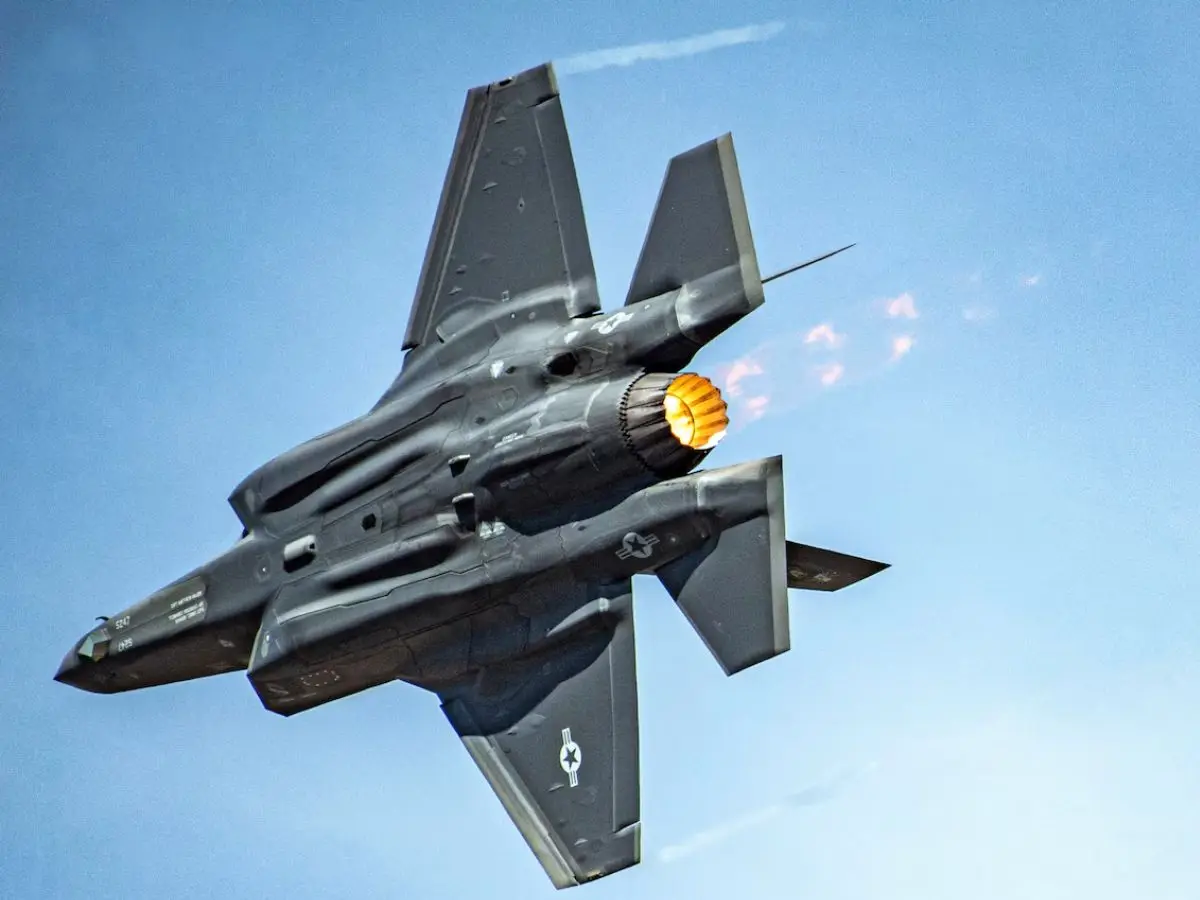
The F-35’s survivability is rooted in reducing its radar cross-section. According to official programme material, stealth is achieved by “a combination of aircraft shape, materials and edge alignment”. The goal is not invisibility, but to make detection and tracking significantly harder.
Angled surfaces and radar deflection
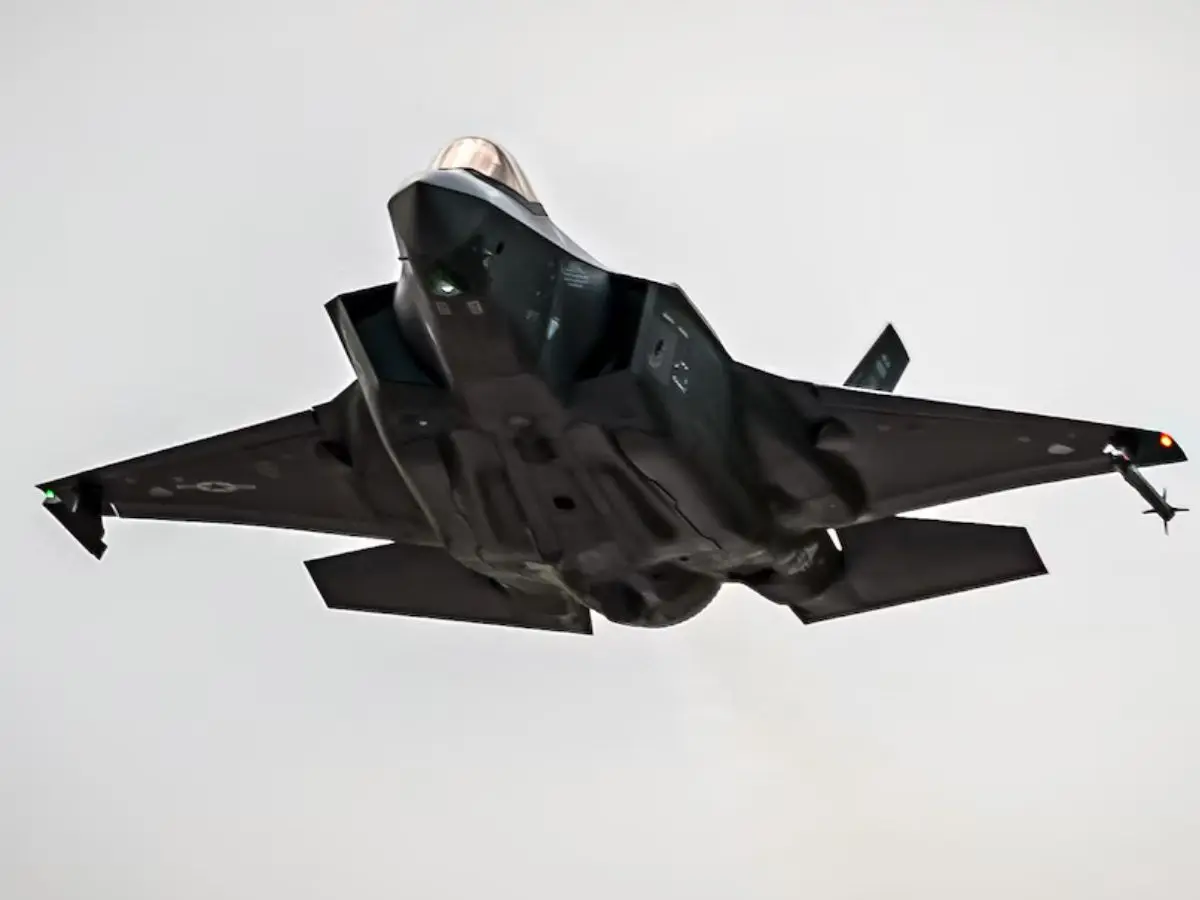
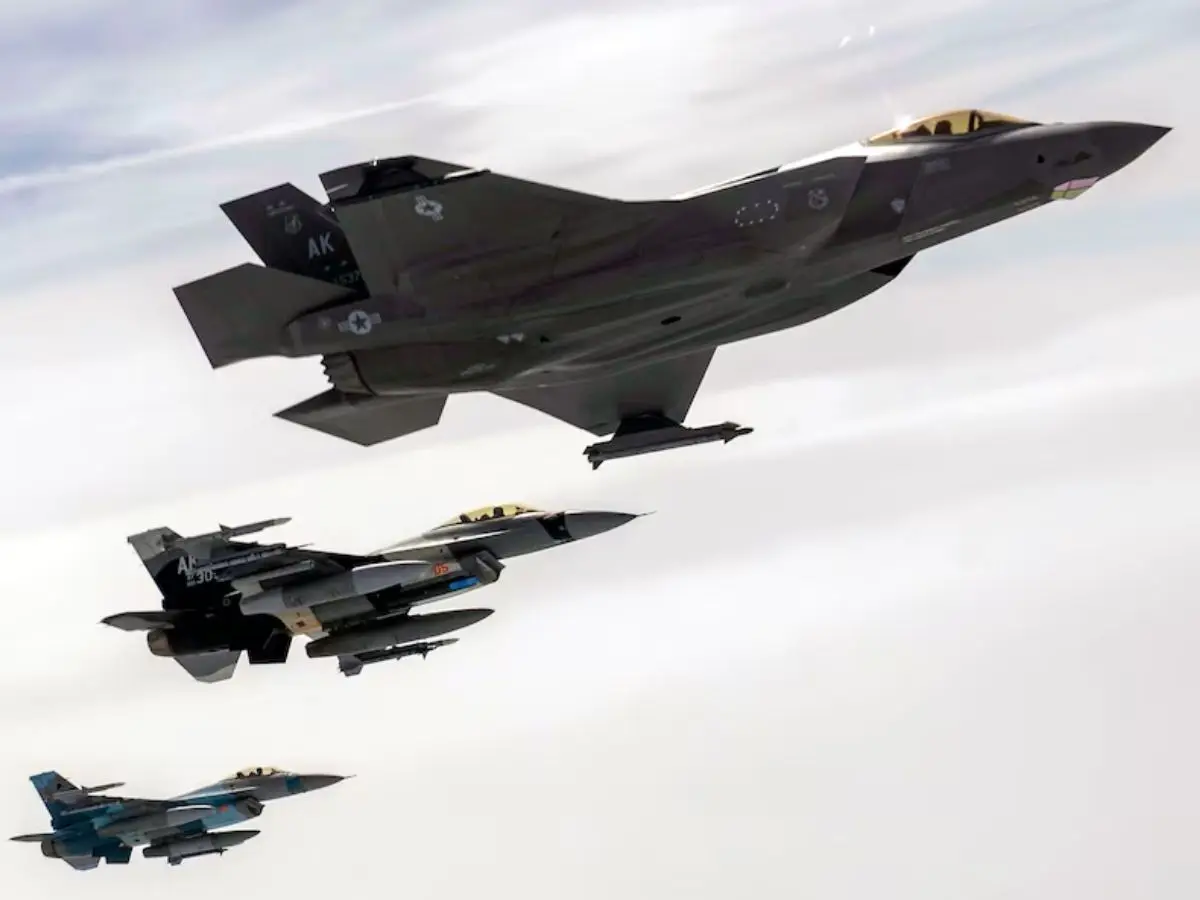
The aircraft’s surfaces are carefully angled so that incoming radar waves are deflected away from the source rather than reflected back. This prevents a strong return signal. The design avoids vertical surfaces and right angles, which would otherwise reflect energy directly to radar systems.
Scattering and edge alignment
Edges across the airframe are aligned in specific directions, ensuring radar waves are scattered in multiple directions. This reduces the concentration of reflected energy. Features such as access panels and inlets are designed to maintain this alignment and avoid creating detectable hotspots.
Role of materials and internal design
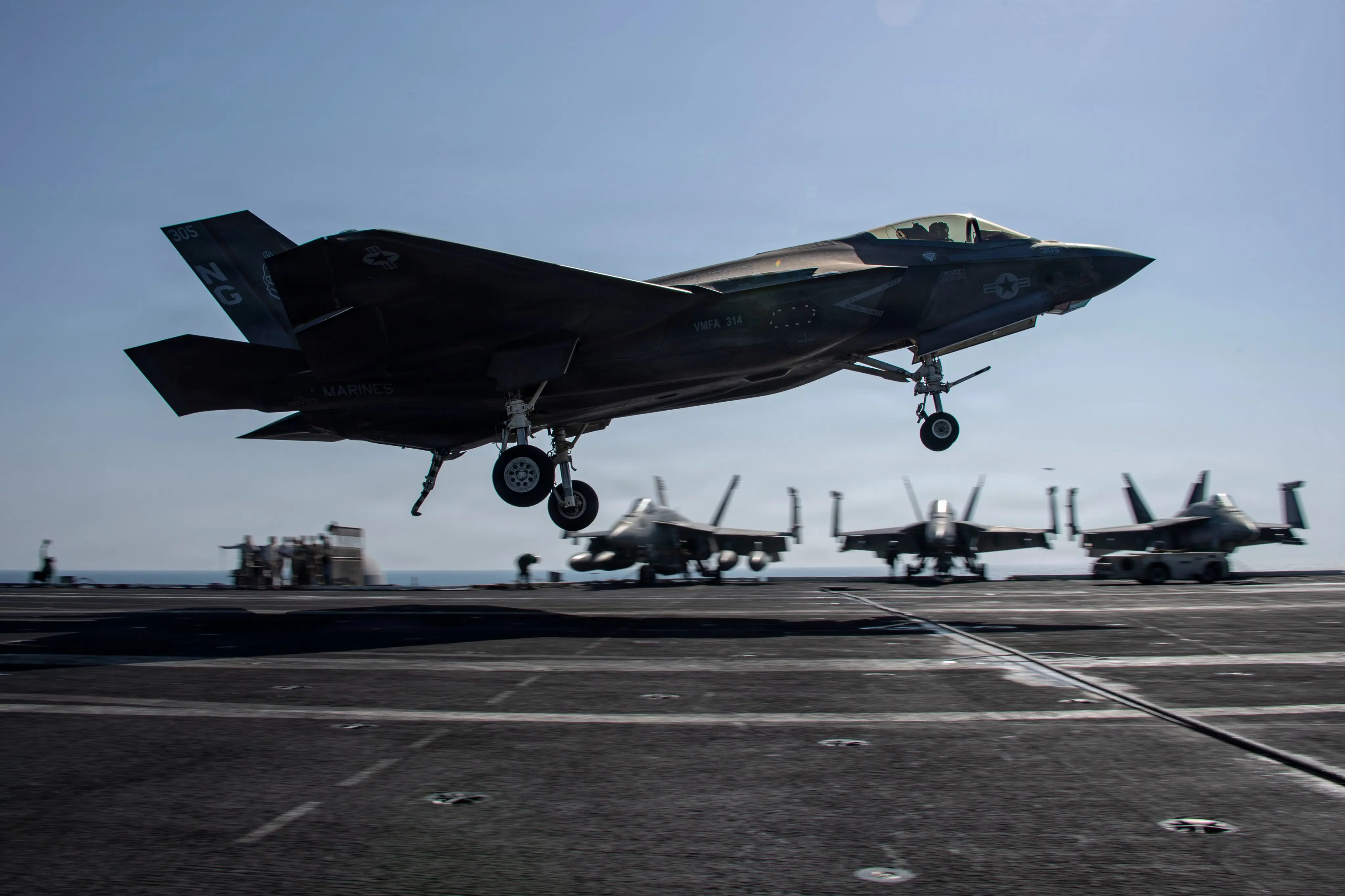
The F-35 also uses radar-absorbent materials to further reduce reflections. Weapons are carried internally to avoid external shapes that would increase radar visibility. According to official descriptions, this combination helps 'reduce and absorb radar signals'.
Why detection remains difficult
Together, shaping, angled surfaces and materials ensure that only a weak and scattered radar return reaches the source. The F-35 is not invisible, but its design delays detection and complicates targeting, allowing it to operate effectively in contested environments.
)
)
)
)
)