How does F-16 fighter jet's ejection process work and how pilots are trained for emergency?

Polish F-16 jets use advanced ACES II ejection seats that fire the pilot out safely in emergencies. Pilots train regularly for these situations with full simulators and safety briefings. Know more below.
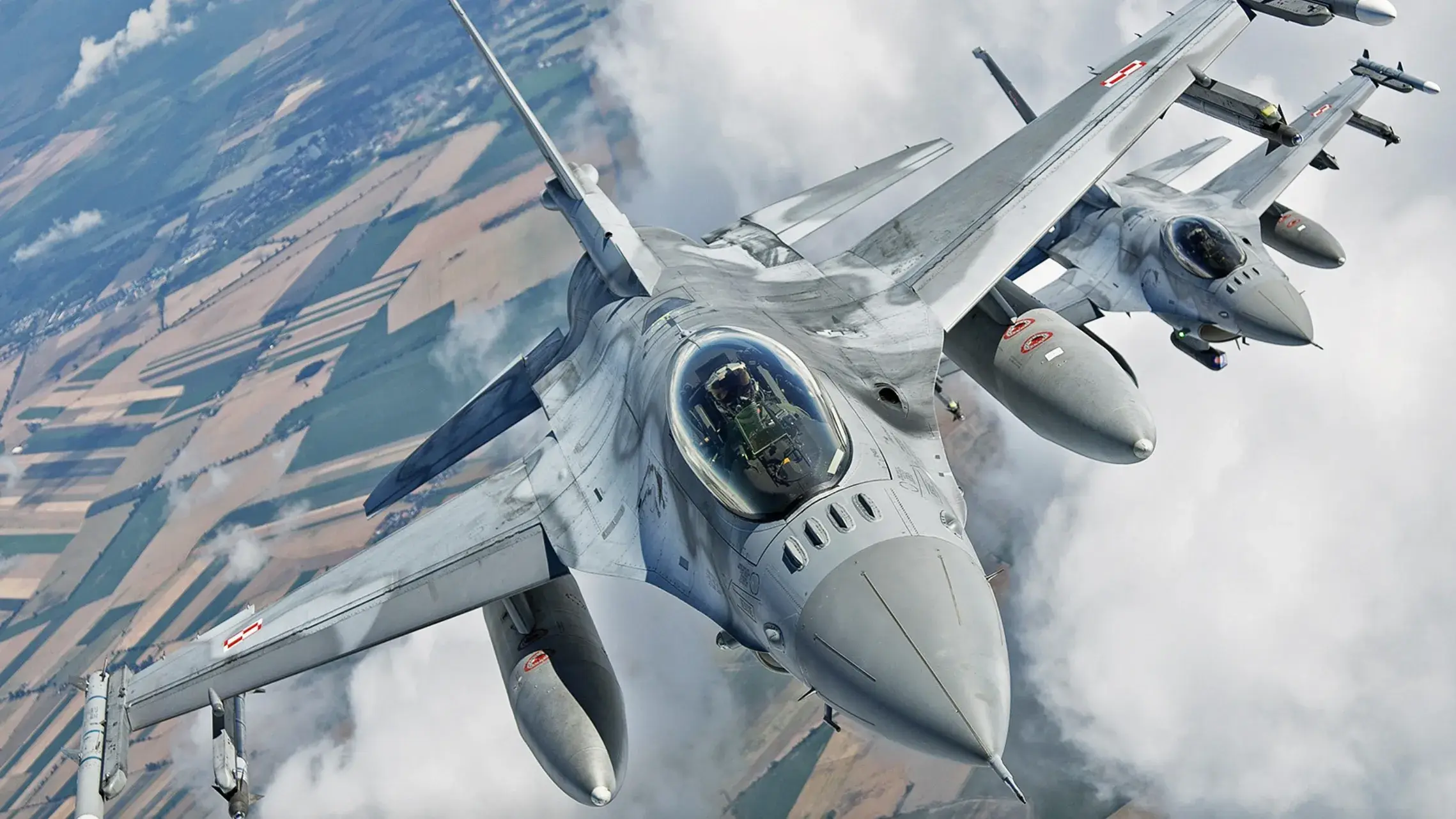
F-16s in Polish Air Force
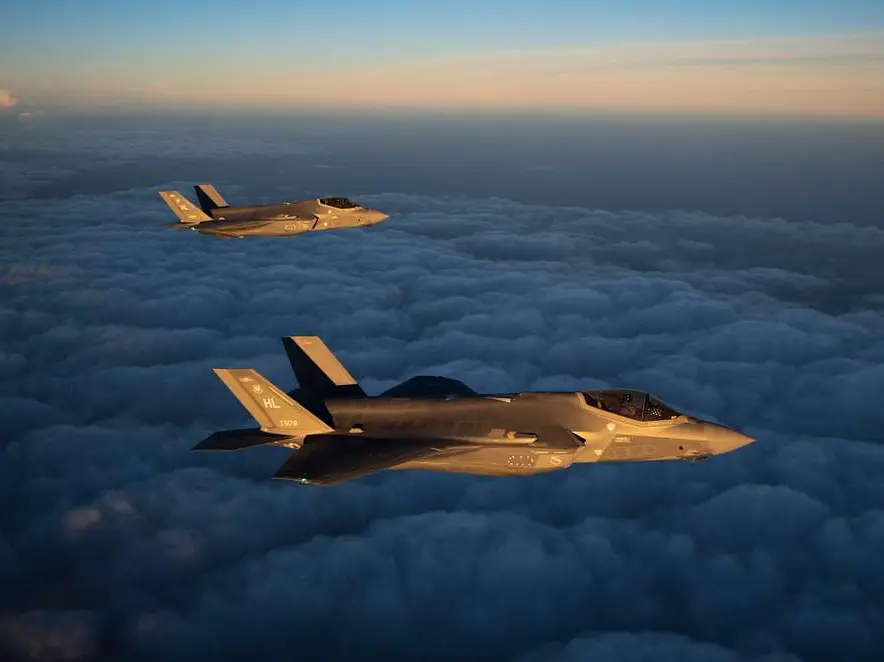
As per report, Poland operates 48 F-16C/D Block 52+ fighter jets, with all being upgraded to the F-16V Block 72 standard as part of a $3.8 billion modernisation deal. These jets form the backbone of Poland’s combat air fleet.
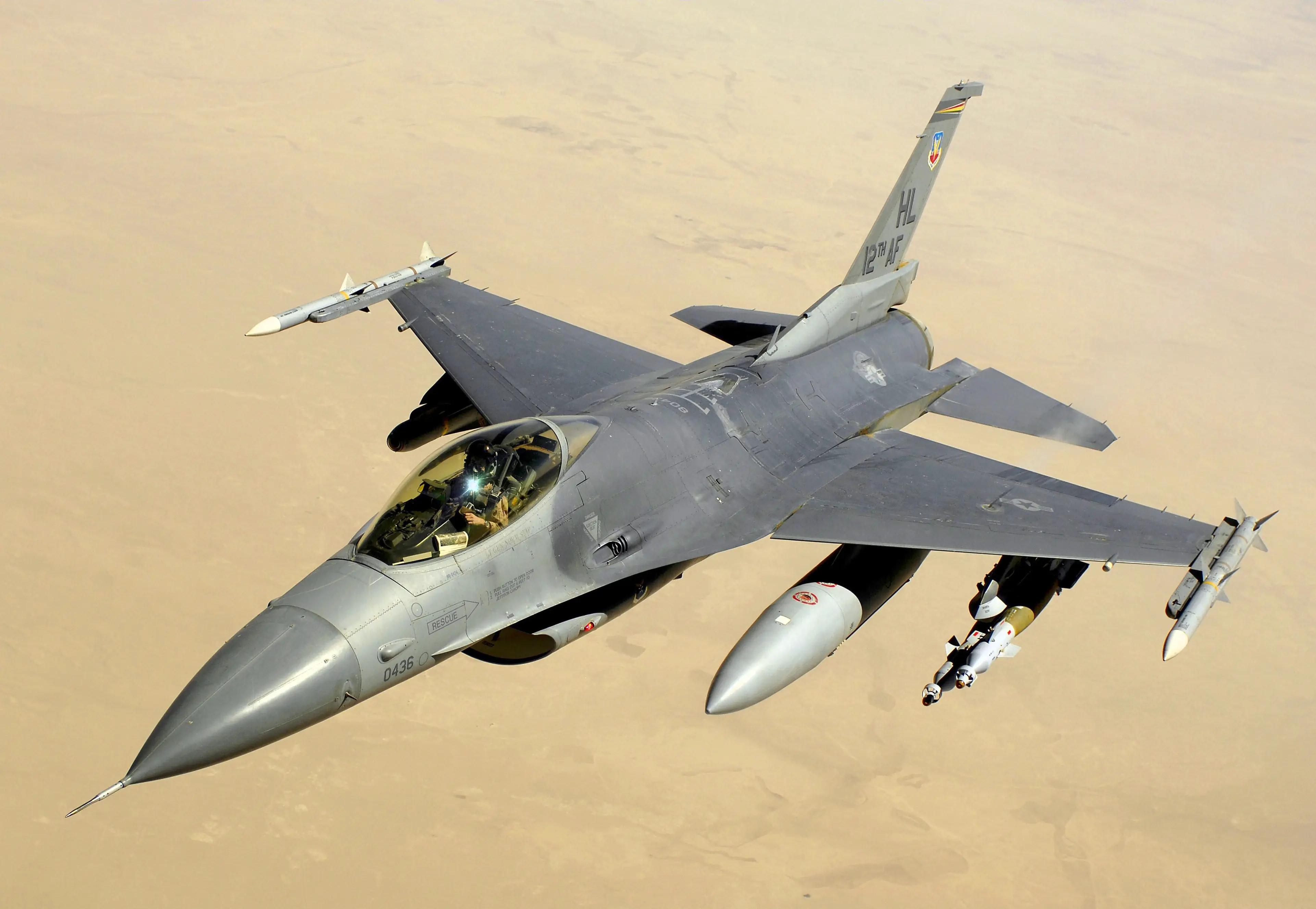
F-16 variants in Poland
All Polish F-16s are the Block 52+ variant, both C (single seat) and D (two seat) types. This version has modern avionics and safety systems, including advanced ejection seats to improve pilot survival.
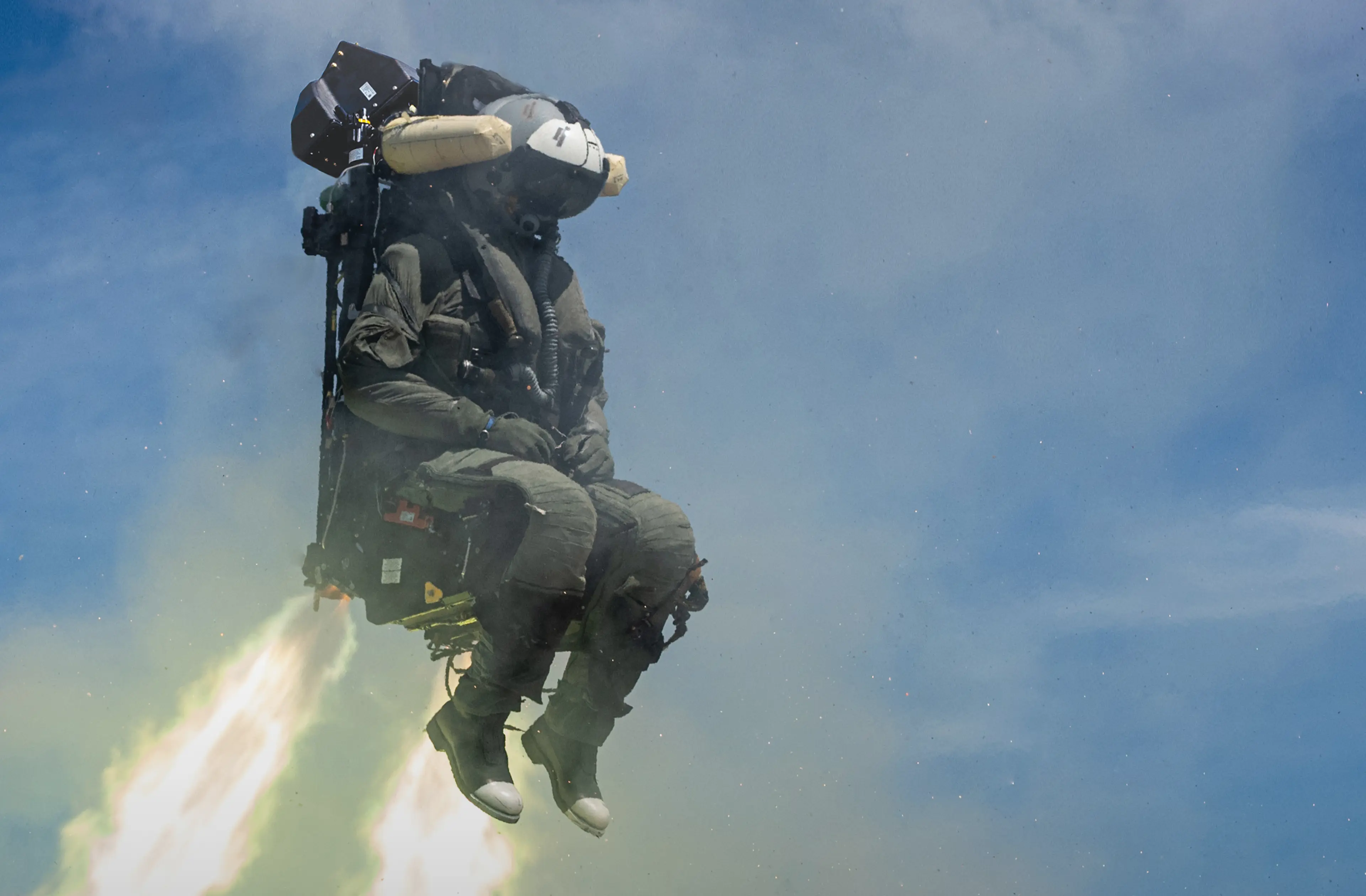
What is ejection?
Ejection is a process where the pilot escapes from a fighter jet in an emergency situation. The main goal is to propel the pilot safely out and away from the aircraft so they can parachute to the ground.
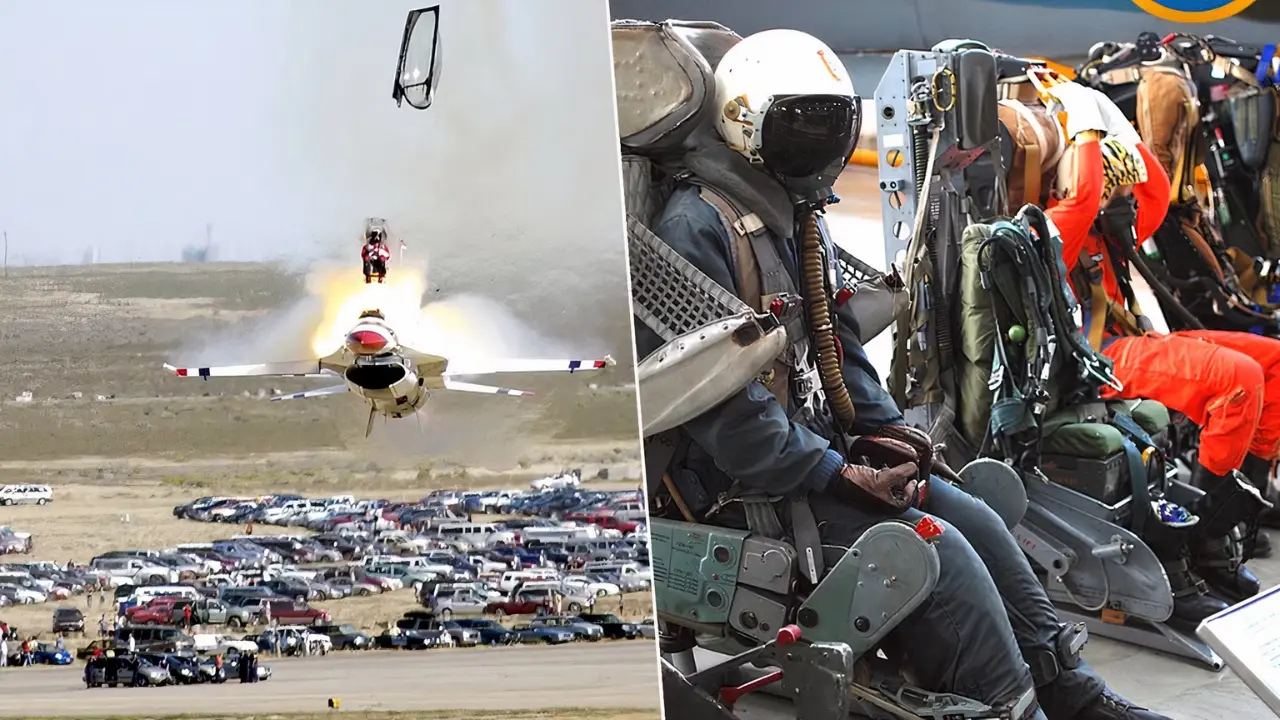
How ejection seats work in F-16s
The F-16 uses an ACES II ejection seat. When the pilot pulls the ejection handle (located between the knees), explosive charges jettison the canopy, then rockets launch the seat and pilot out.
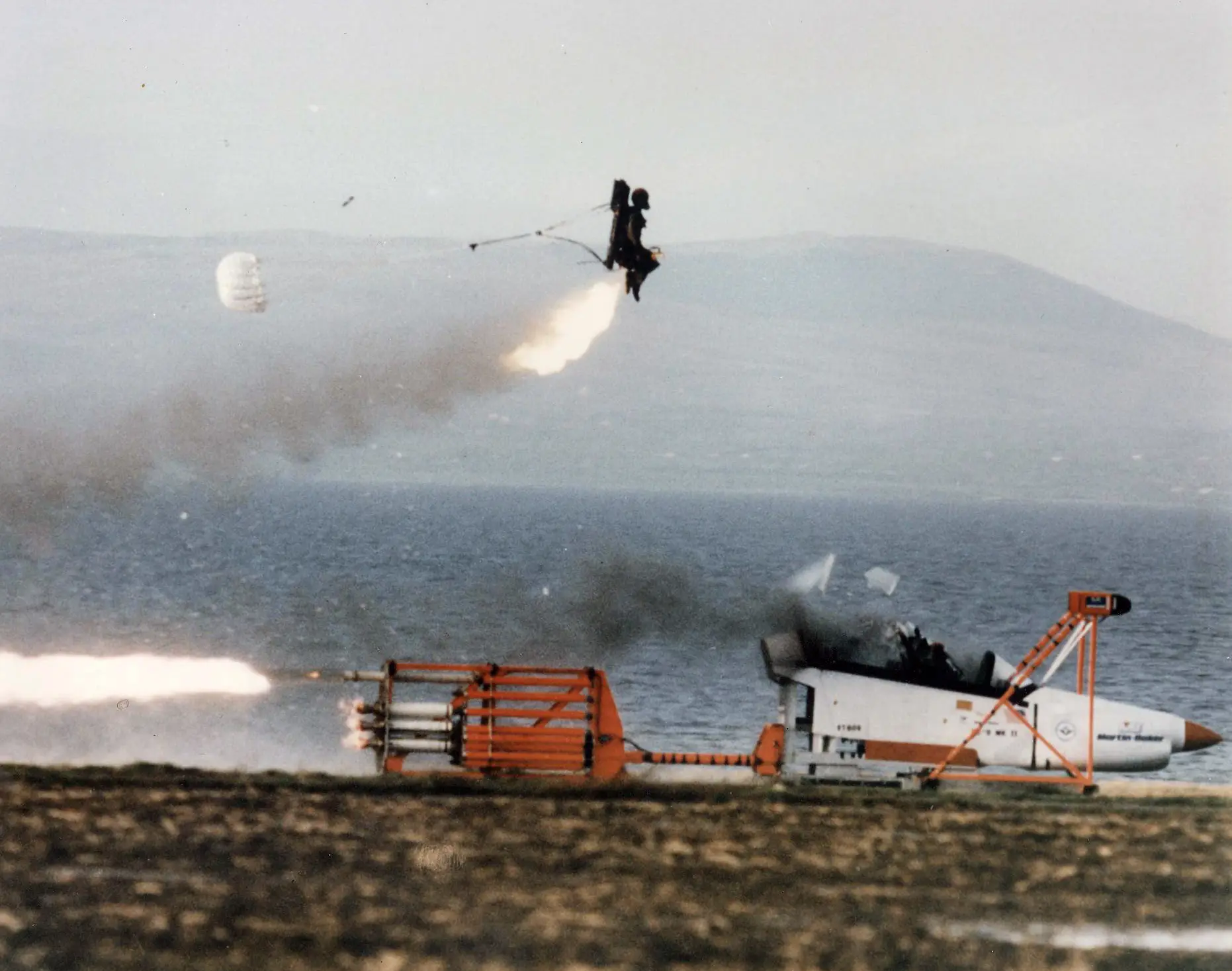
After ejection: parachuting safely
After the seat leaves the aircraft, small drogue parachutes stabilise it. At about 3,000 metres altitude, the main parachute opens, and the seat drops away so only the pilot hangs in the parachute for landing.
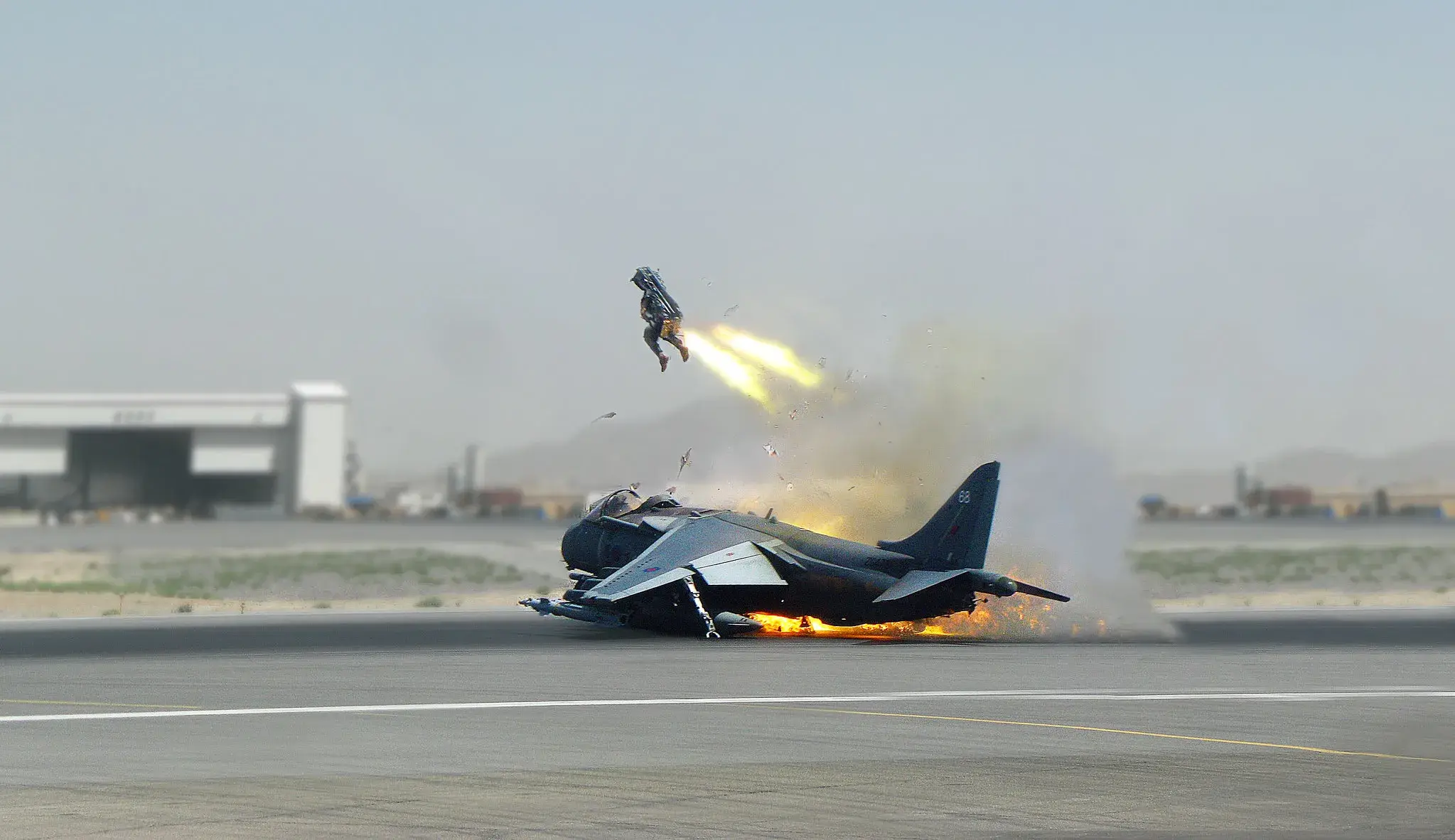
Polish pilot training
Polish F-16 pilots undergo repeated simulator and live ground training on emergency ejections. Simulators help them react fast, and pilots learn to eject at the safest angle and minimum altitude for survival.
)
)
)
)
)