How does a B-52 hit a single building from 50,000 feet? The evolution from carpet bombing to GPS precision

In Vietnam, B-52s dropped bombs in patterns that obliterated everything within a football-field-sized area. Today, the same aircraft can drop a weapon from the same altitude and hit a specific room in a specific building. Here is how bombing accuracy changed across seven decades — and what made the transformation possible.
Vietnam: Carpet Bombing And What It Actually Meant
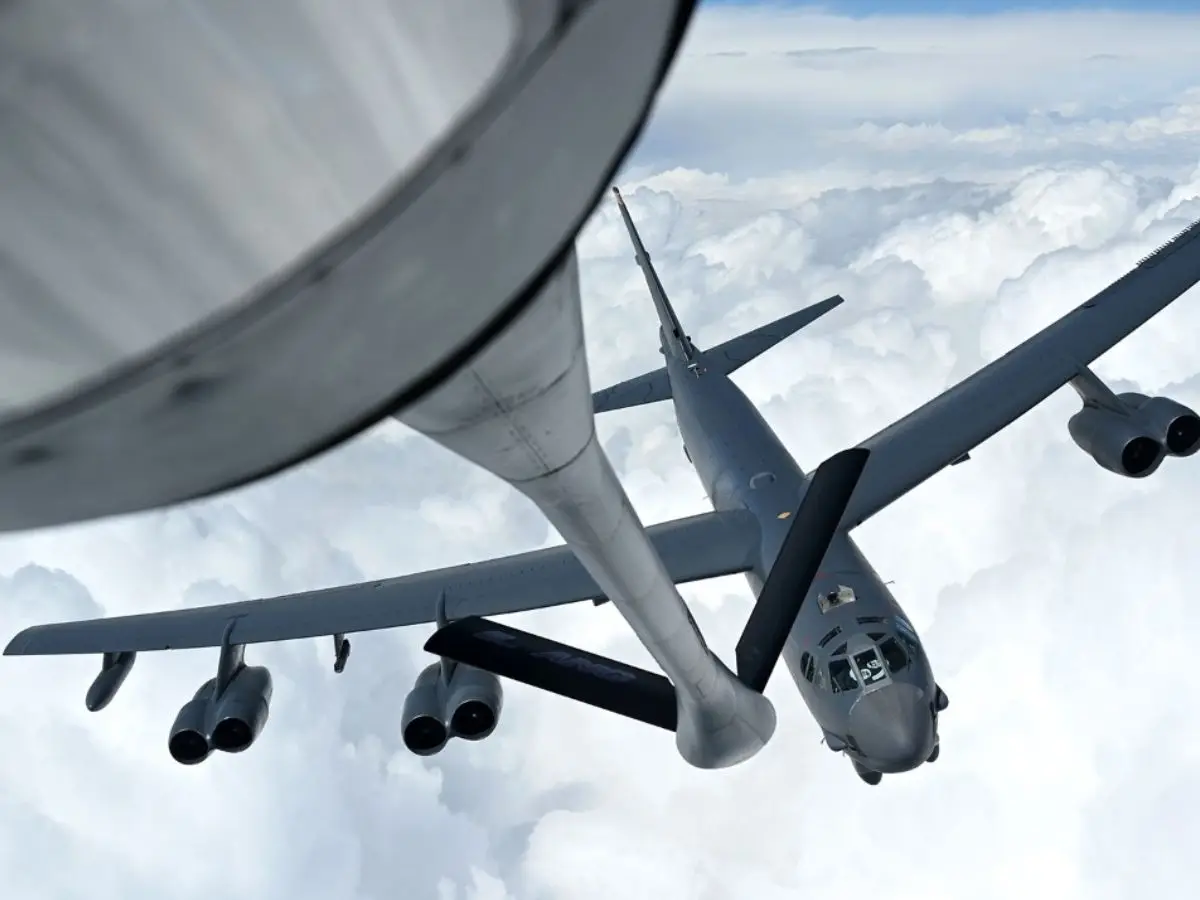
During the Vietnam War, B-52 missions used a technique called Arc Light strikes. Three B-52s flying in formation would release their bombs simultaneously, creating a pattern of explosions roughly 1.5 kilometres long and 900 metres wide. Nothing in that rectangle survived. The strategy was area denial — destroying everything in a zone rather than hitting specific targets. Accuracy was measured in hundreds of metres, not in metres. It was destruction at industrial scale.
The Problem With Bombing From High Altitude
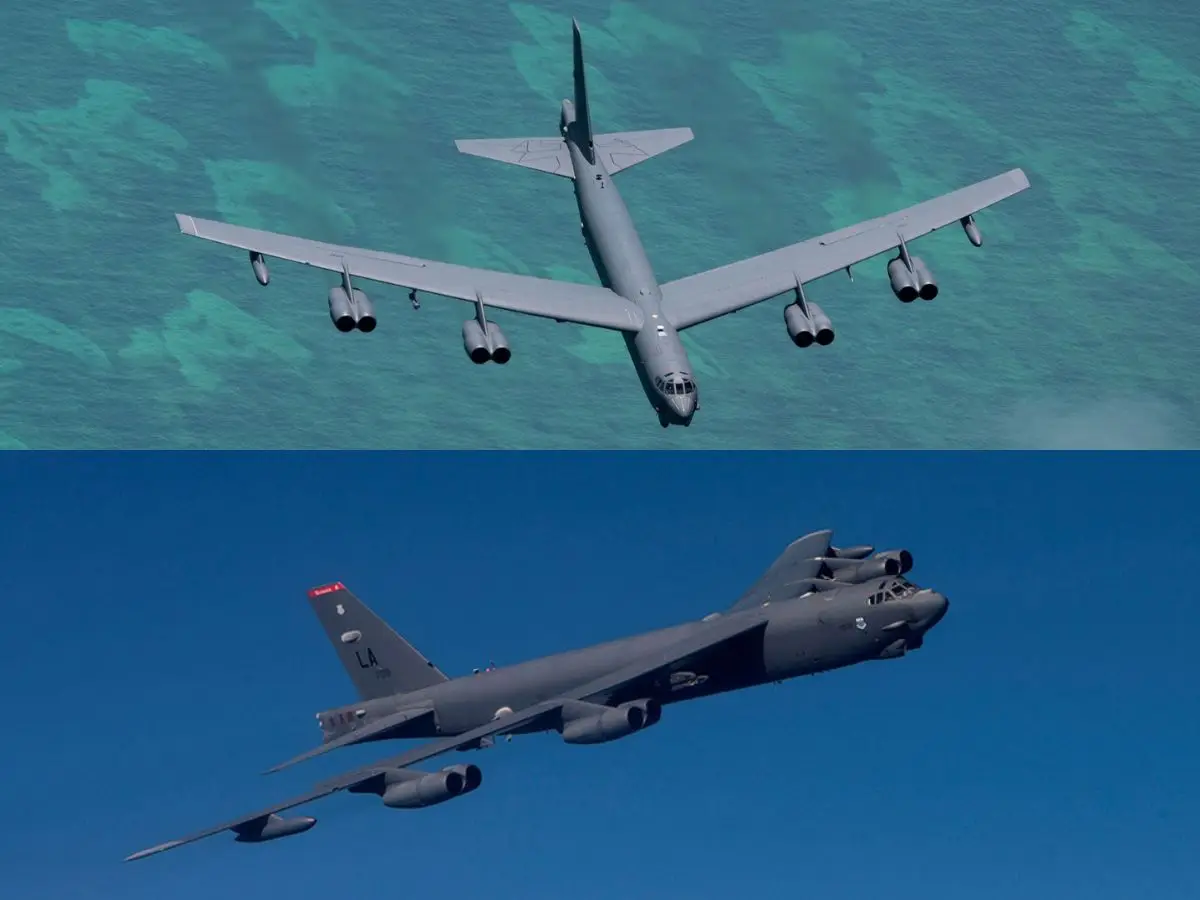
A bomb released from 50,000 feet does not fall straight down. It continues forward with the aircraft's momentum, arcs through changing winds at multiple altitudes, and can drift significantly from its release point before impact. In the 1950s and 60s, calculating where a bomb would land required mechanical computers, careful wind measurements, and expert bombardiers — and still produced circular error probables measured in hundreds of metres.

The Gulf War: Laser Guidance Changes Everything
By the Gulf War in 1991, laser-guided bombs had entered service. A designator — either on the aircraft or on the ground — would illuminate a target with a laser beam. The bomb's guidance fins would steer it toward the reflected laser spot. Accuracy improved dramatically — from hundreds of metres to within a few metres. The B-52 gained access to this capability, though it still primarily used unguided munitions in Desert Storm for area suppression of Iraqi positions.
GPS Bombs: Hitting A Target In Any Weather, Day Or Night
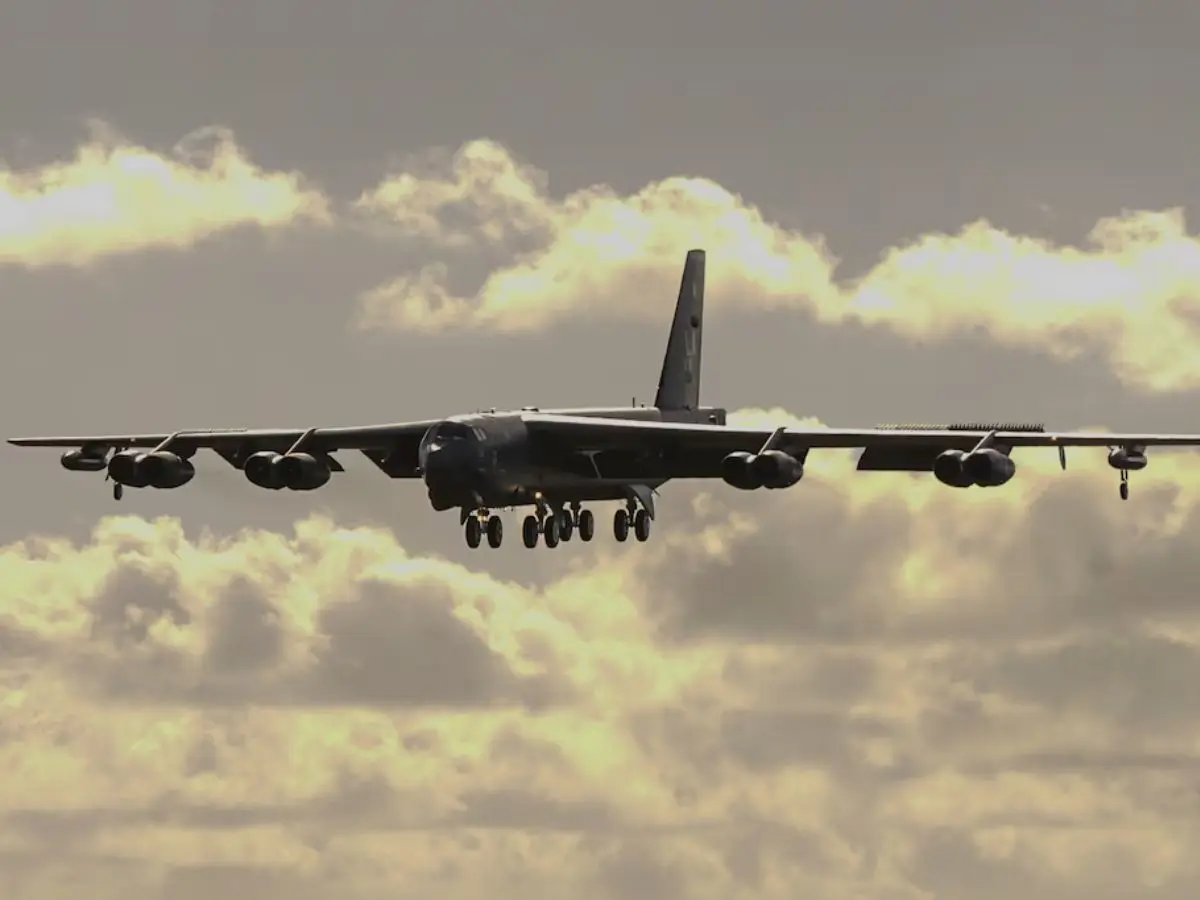
The game-changer was the Joint Direct Attack Munition — JDAM. Developed in the 1990s, JDAM is a guidance kit fitted to a conventional bomb that uses GPS to steer itself to pre-programmed coordinates. No laser required, no designator needed, works in cloud, rain, dust, and darkness. A B-52 can release multiple JDAMs simultaneously, each programmed for a different target. Accuracy: approximately five metres in most conditions. The bomb finds its own way to the address it has been given.
The Small Diameter Bomb: Precision At Scale
The GBU-39 Small Diameter Bomb takes precision further. It weighs 250 pounds — much smaller than conventional bombs — and can glide up to 60 miles from its release point using GPS guidance. A B-52 can carry dozens of them, releasing a salvo that fans out across a wide area and hits dozens of separate, precisely targeted points. The result is precision strike at the scale that only a B-52 can deliver — not one building, but thirty buildings, each hit within metres of the aim point.
Standoff Weapons: Accuracy Without Proximity
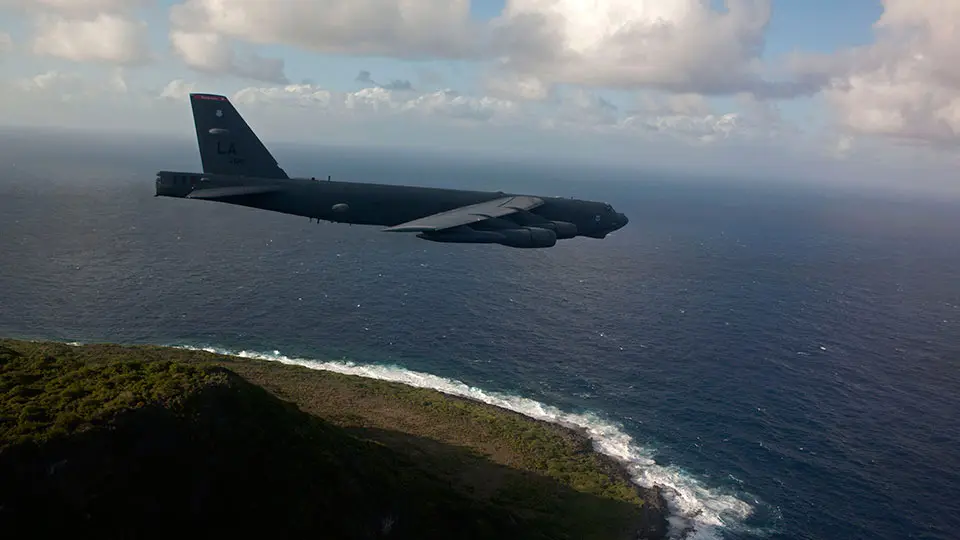
The latest evolution removes the B-52 even further from its targets. Modern cruise missiles like the JASSM-ER combine GPS with terrain-matching navigation and infrared terminal guidance, hitting within one metre of their aim point from ranges exceeding 500 miles. The B-52 releases the missile well outside any threat envelope. The weapon navigates autonomously, updates its position continuously, and adjusts its terminal approach to hit a specific structural point on a specific building. The bomber never sees the target.
From Levelling A Forest To Hitting A Specific Room
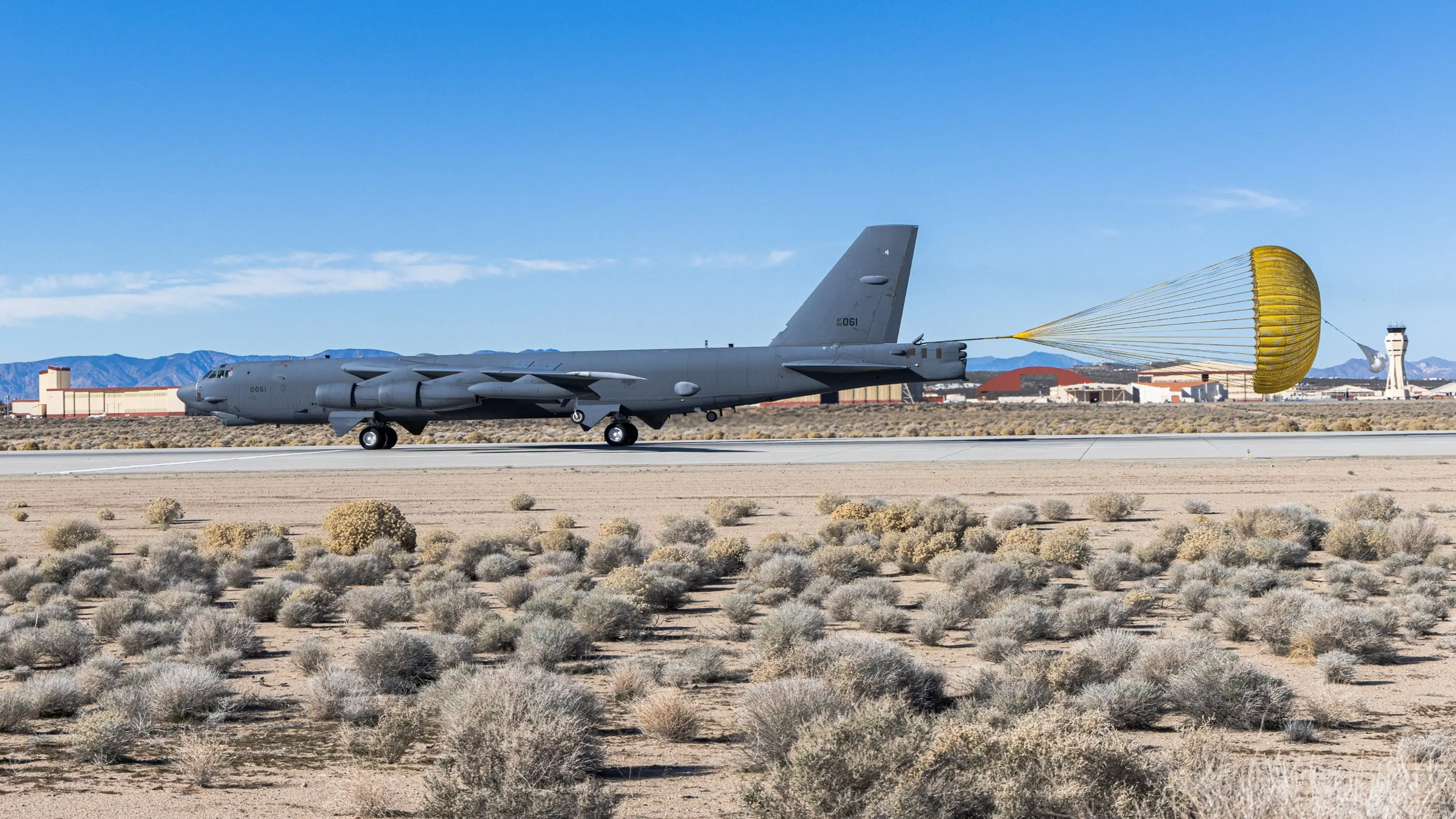
The difference between B-52 bombing in 1972 and B-52 bombing in 2026 is a difference in kind, not degree. In Vietnam, a strike mission destroyed an area. Today, a strike mission can be configured to destroy a target list — specific coordinates, specific structures, specific timing. The aircraft has not changed in its fundamental design. What has changed is the intelligence of the weapons it carries, and the result is an aircraft built to carpet-bomb that can now function as a precision strike platform. Both capabilities remain available. The mission determines which one is used.
)
)
)
)
)