How do smartphone processors differ from desktop computer CPUs?

Smartphone processors combine several functions in a compact, power-efficient chip, while desktop CPUs are designed for systems with more room for power and cooling. Their different designs serve different computing needs.
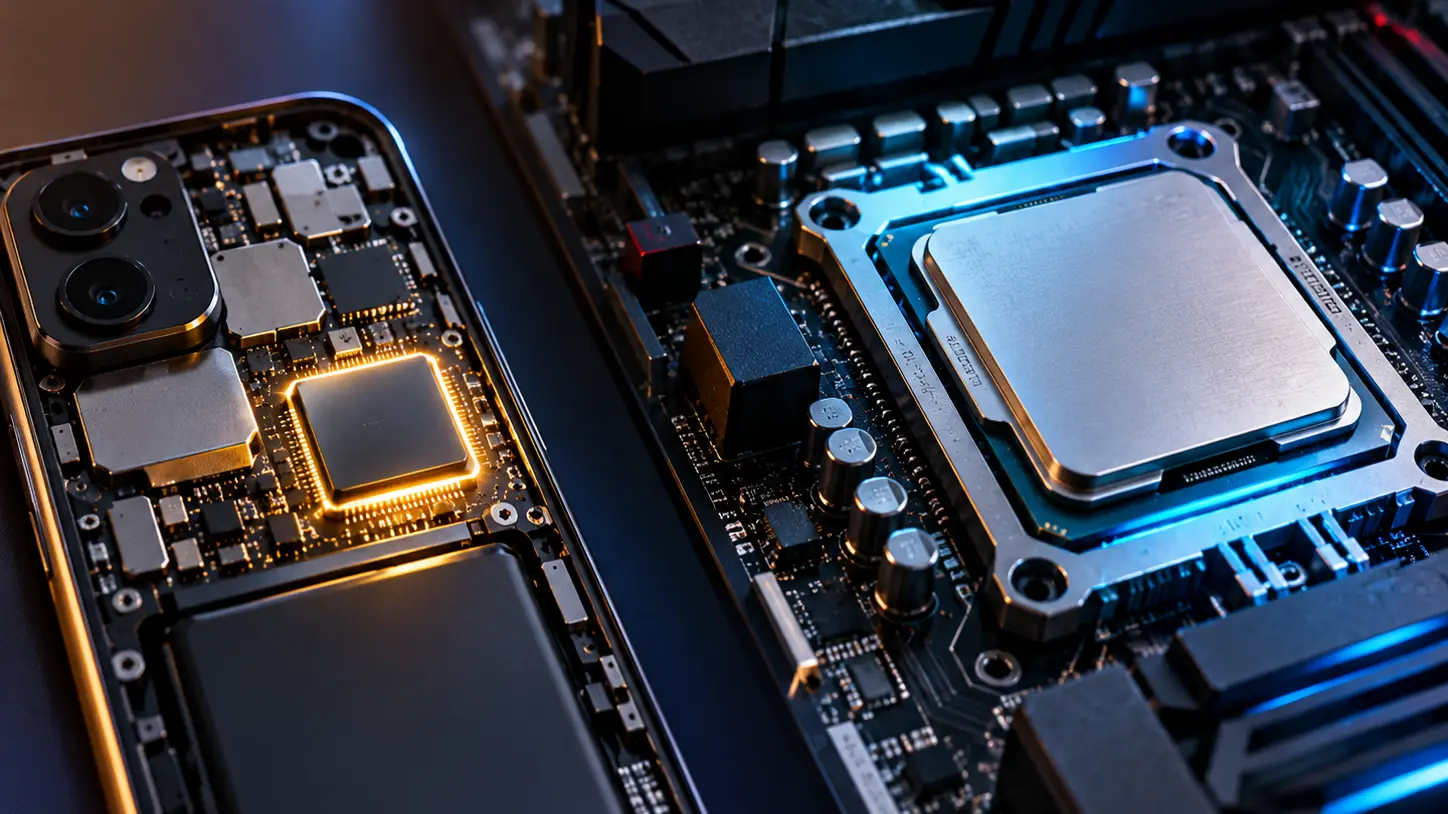
One Chip, Many Jobs
Most smartphone processors are part of a System-on-Chip (SoC). It combines the CPU with components such as the graphics processor, AI processor, image signal processor and, often, a mobile modem. A desktop CPU mainly handles general computing tasks, although many desktop processors also include graphics and other integrated functions.
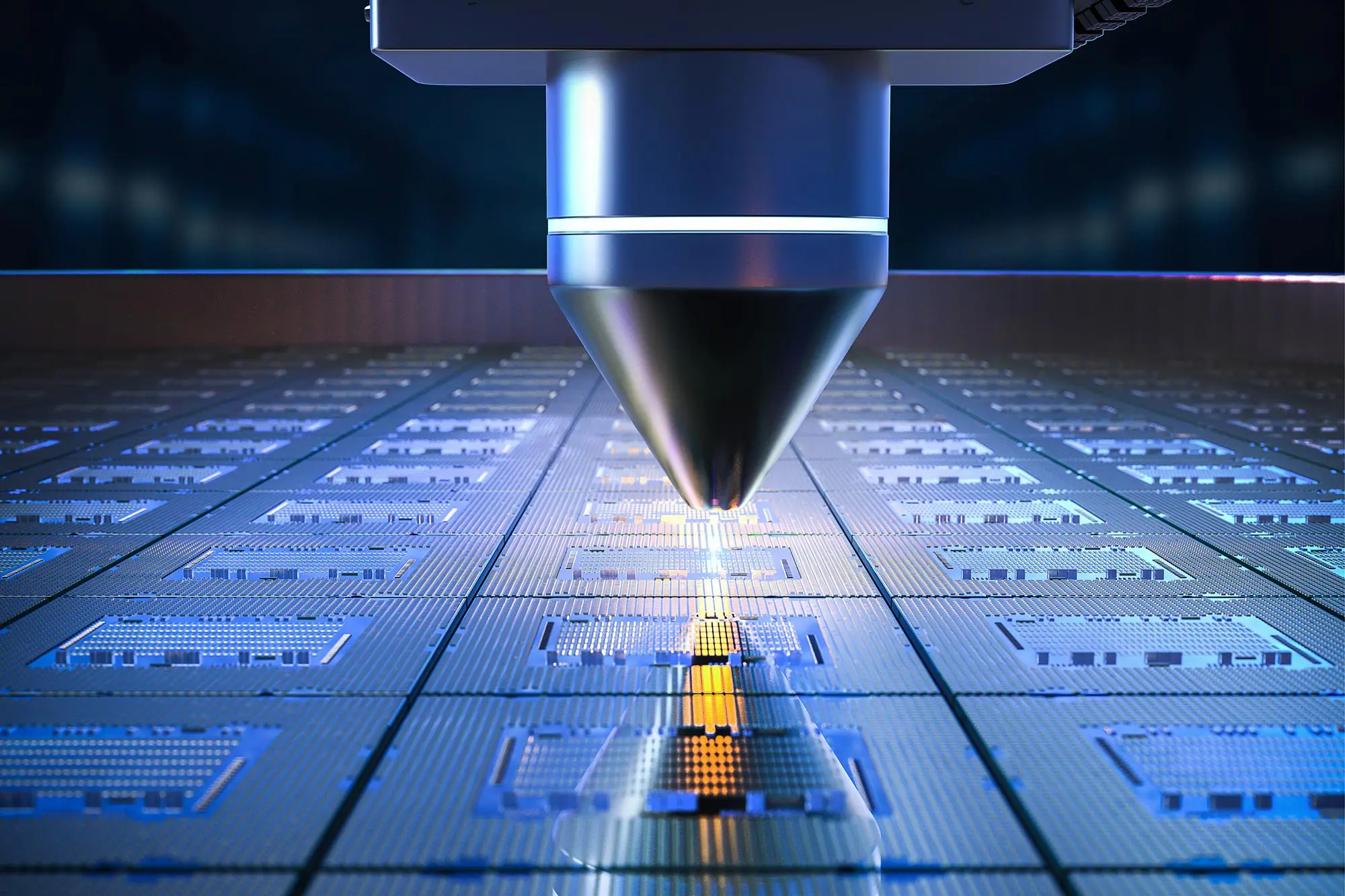
Big And Small Cores
Smartphone chips often combine high-performance cores with power-efficient cores. This allows the phone to use less energy for everyday tasks and more processing power for demanding apps and games. Desktop processors also use different types of cores in some designs, but their configurations are built around the needs of PCs.
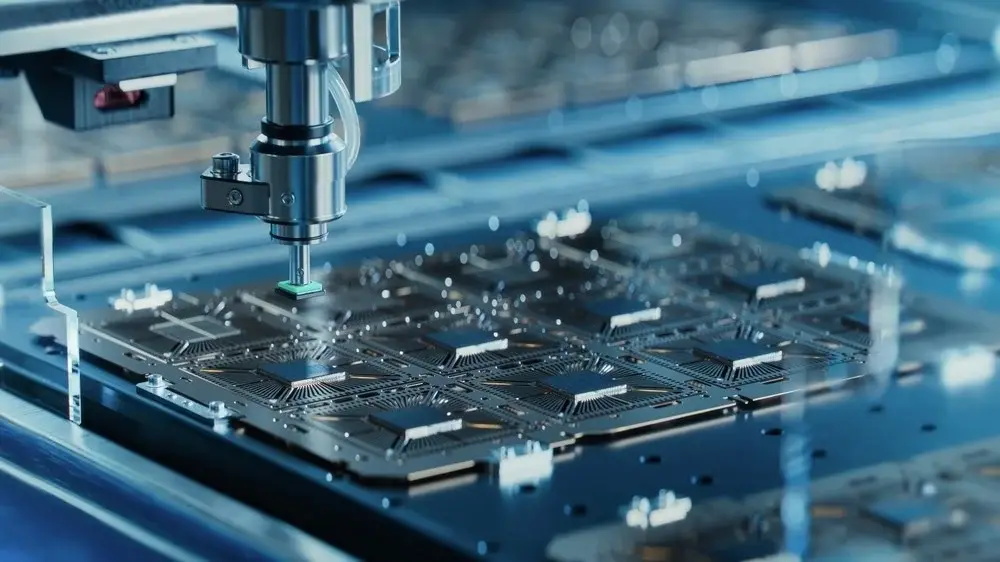
Battery First Design
A smartphone processor must deliver performance without quickly draining its battery. It adjusts power use according to the workload, switching between performance and efficiency modes. A desktop computer usually has a continuous power supply, giving its processor more scope to use energy for demanding tasks.
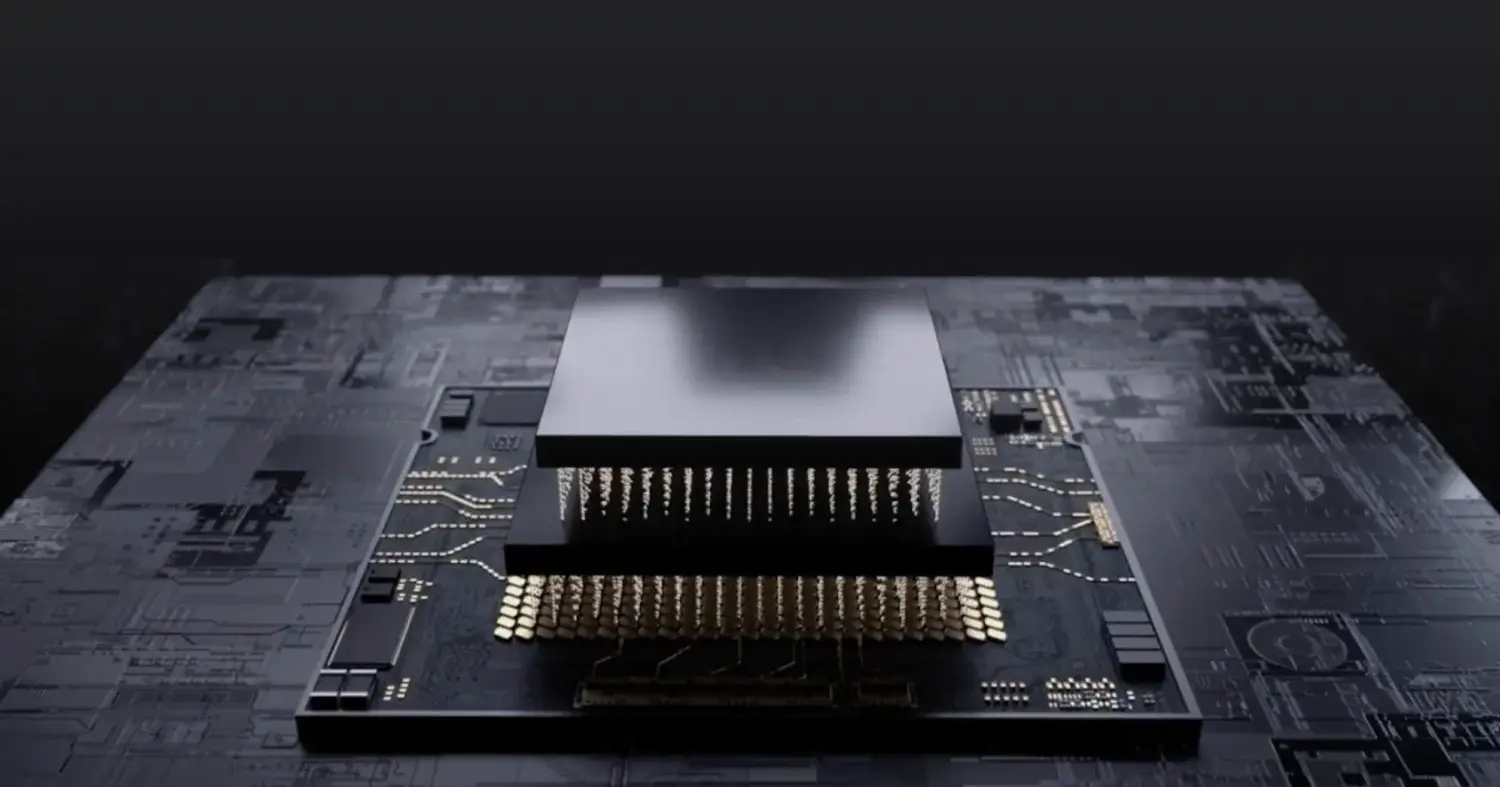
Cooling Changes Performance
Smartphones have limited space for cooling, so their processors must manage heat within a compact body. Under sustained heavy workloads, heat can cause the chip to reduce its speed, a process known as thermal throttling. Desktop computers can use larger heatsinks, fans and liquid-cooling systems, helping some CPUs maintain high performance for longer.
Different Computing Needs
Desktop CPUs are commonly designed for workloads such as video editing, software development, gaming and other demanding applications. They can also support larger memory configurations and expansion options, depending on the platform. Smartphone processors focus on mobile tasks, including photography, connectivity, navigation and on-device AI, while keeping power consumption and size under control.