How do fighter jets fly in freezing cold at high altitudes?

Fighter jets fly in freezing skies where temperatures drop below -50°C. But how do engines, electronics, and pilots survive such extreme cold? From heated fuel systems to survival gear, here’s how modern jets battle the chill at 12,000 metres.
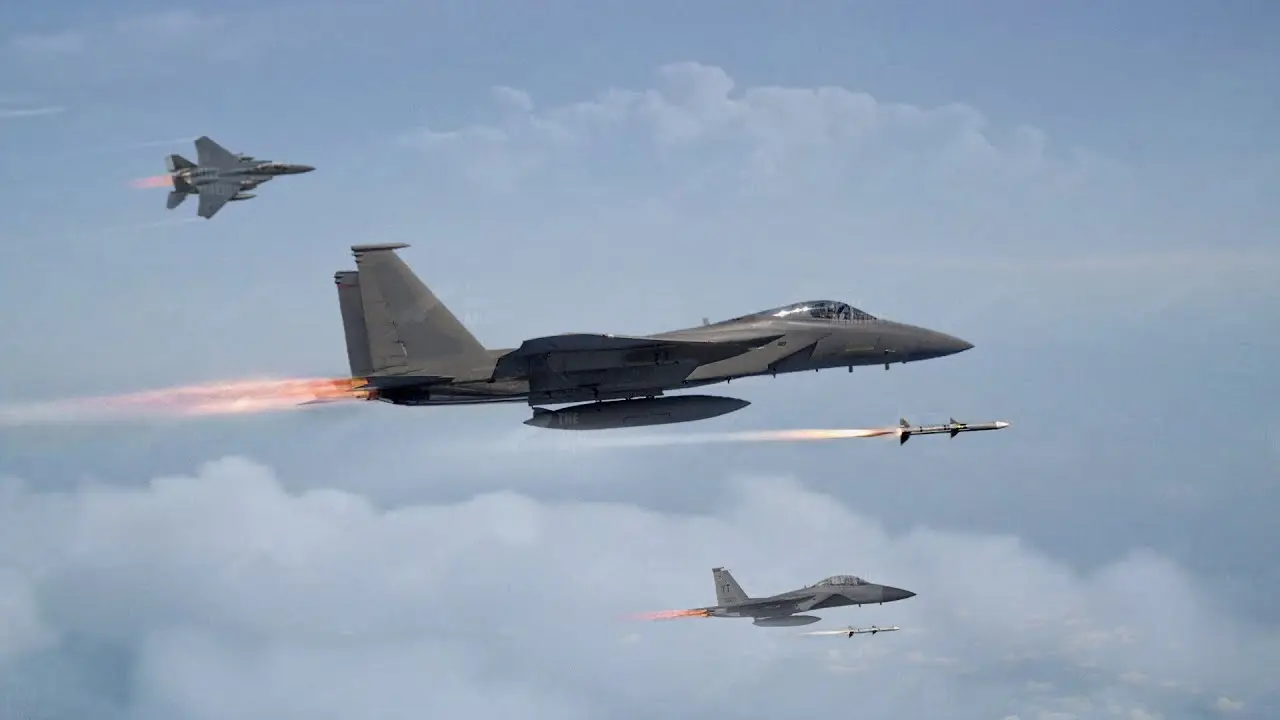
Sky-high, ice-cold
At 12,000 metres above sea level, the air temperature often drops below -50°C. Fighters routinely cruise here, where metal, fuel, and pilot gear must all withstand intense cold during every flight.
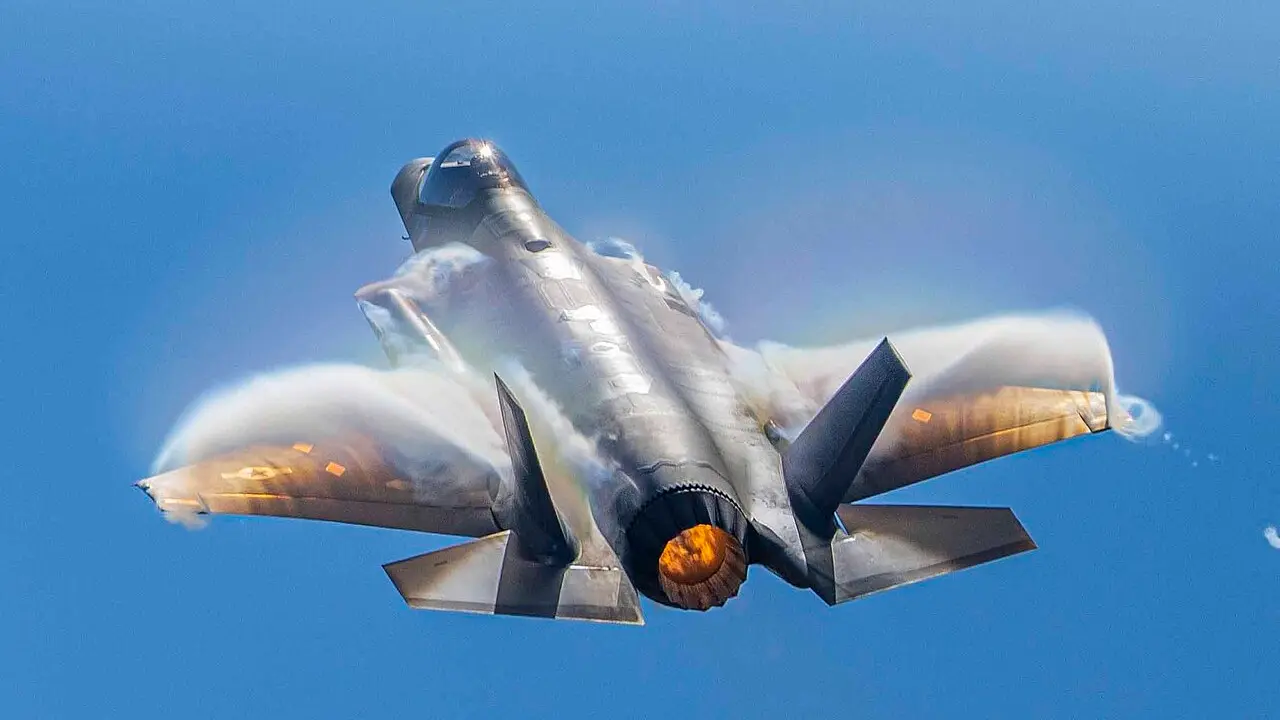
Jet engines
Jet engines are made with special metal alloys and design features to keep working in extreme cold. Cold air is actually denser, which can help engine power, but systems are carefully adjusted so air, fuel, and oil don’t thicken or freeze.
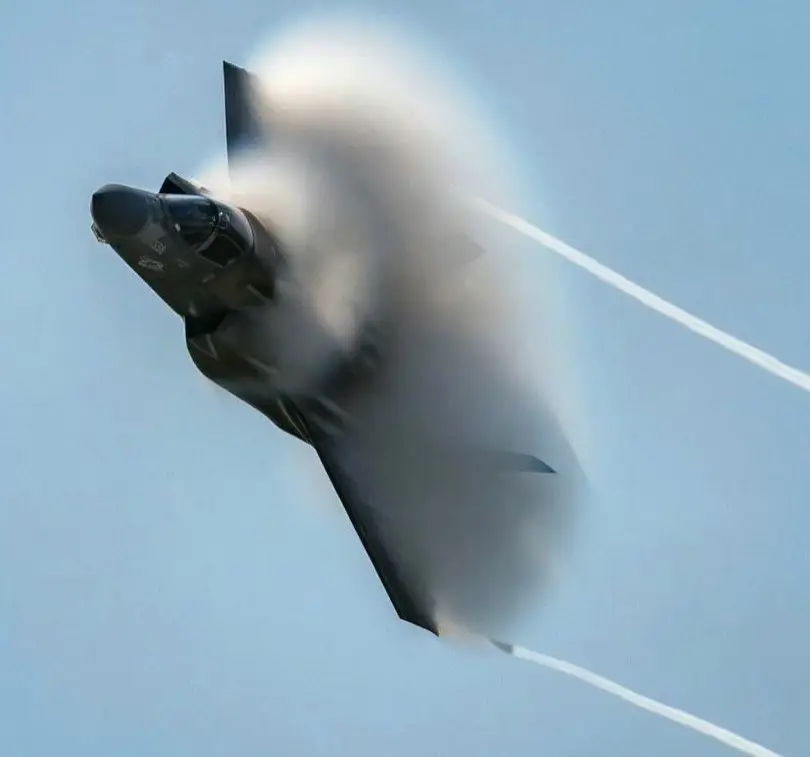
Hydraulic and electronic protection
Inside jets, heaters protect sensitive hydraulic lines, sensors, and computer chips. Wing edges, air data probes, and windshields have anti-icing devices, often using warm air bled from the engine or built-in electric heaters to stay ice-free.
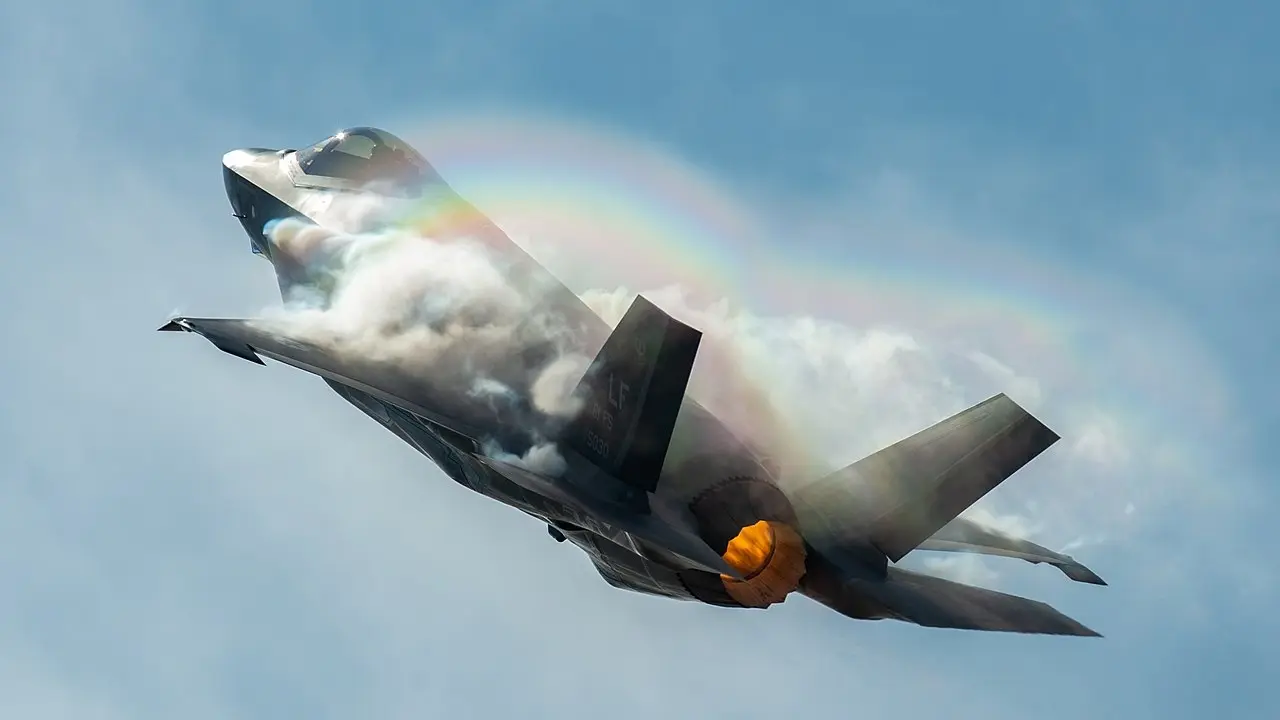
Fuel that won’t freeze
Aviation fuel is specially blended for cold conditions and may include anti-gel additives. Fuel tanks and pipes are routed to stay warm, often running near engine parts that generate heat. Regular checks catch any early signs of ice or blockage.
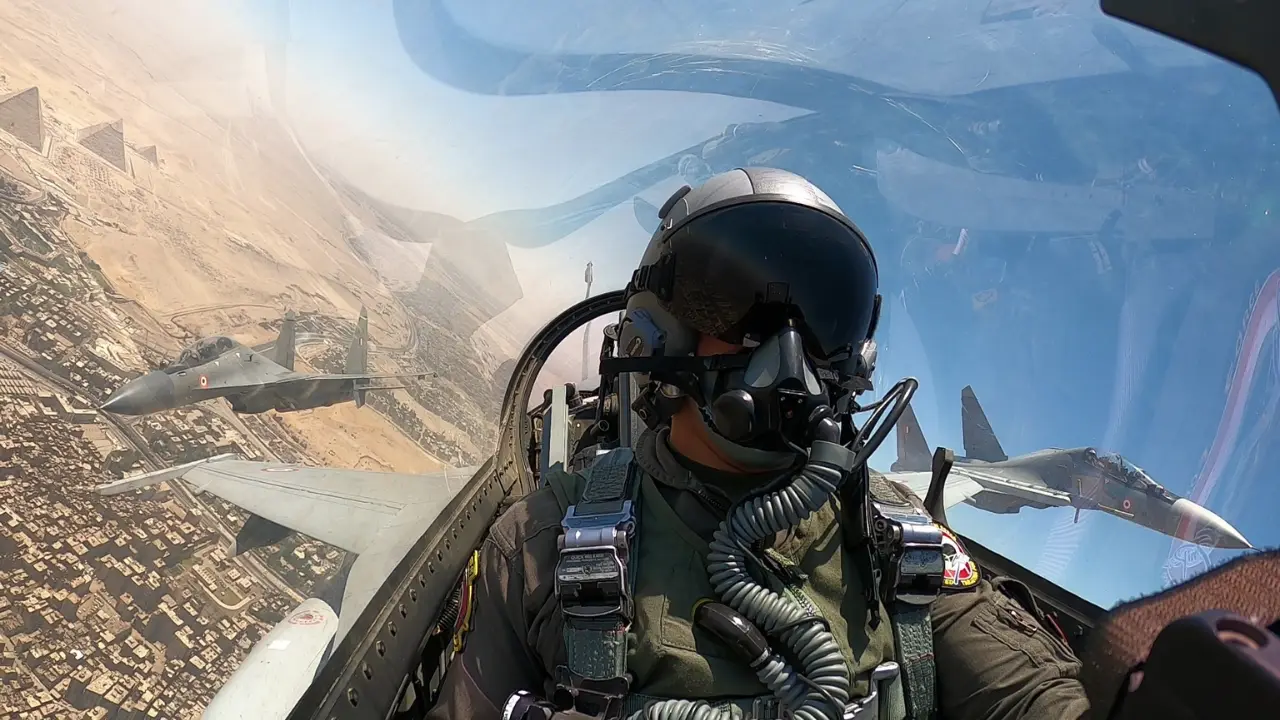
The cockpit: a warm bubble
Fighter cockpits are pressurised and heated for pilot safety and focus, mimicking room temperature even when the outside is colder than Antarctica. Flight suits, gloves, and sometimes electrical heating pads help pilots stay warm if heat fails.
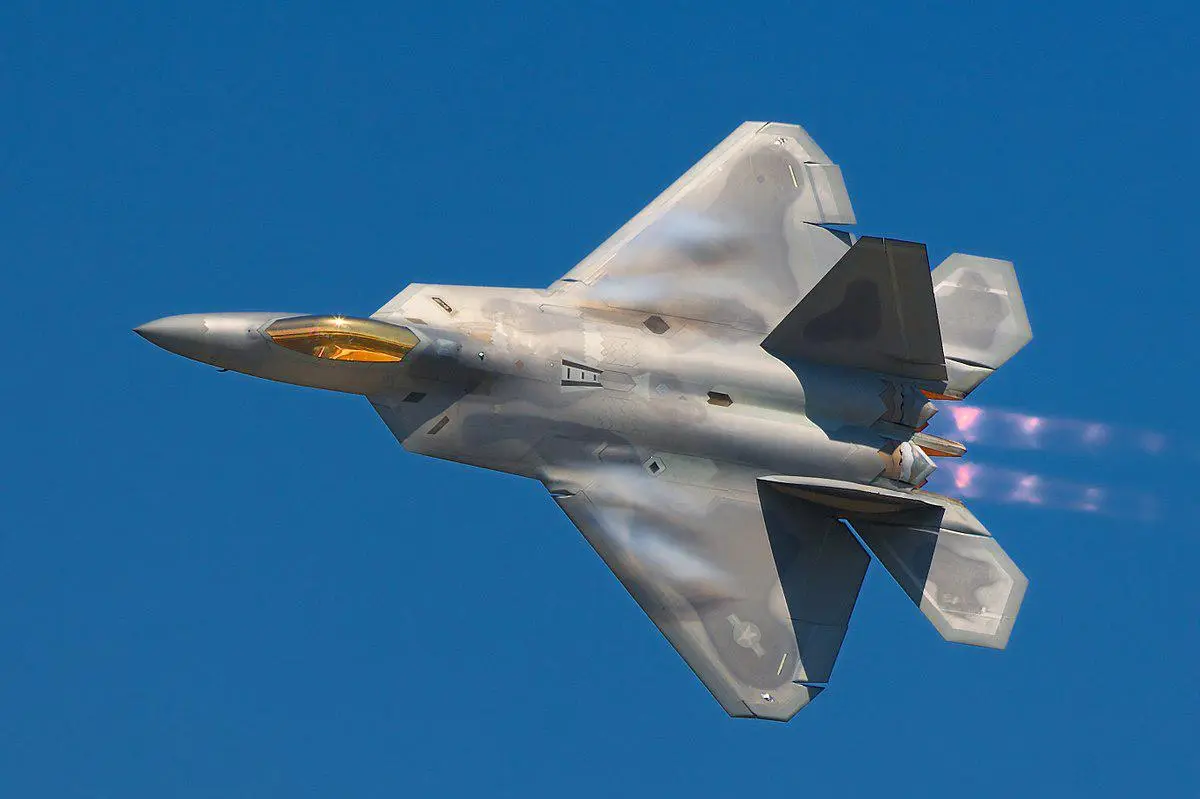
Surviving emergencies
Ejection and survival kits now include arctic packs special clothes, insulation, food, and signalling gear so downed pilots can last for hours or days in the world’s coldest places until rescue arrives.
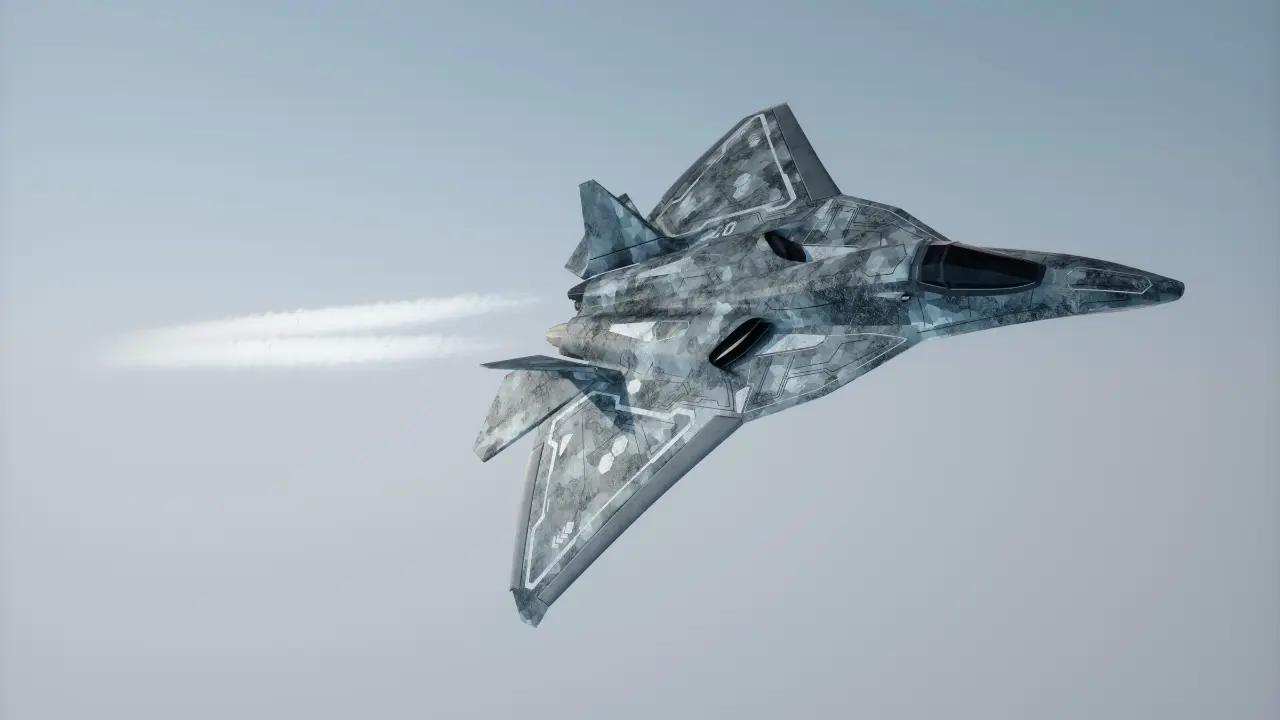
Cold-weather testing and constant care
Jets like the Gripen or F-35 are tested in arctic labs as well as real-world blizzards to prove their reliability. After every cold flight, ground crews check for ice damage, leaks, and wear, keeping fighters ready for the next mission.
)
)
)
)
)