How do fighter jet missiles lock on to targets? mechanism explained

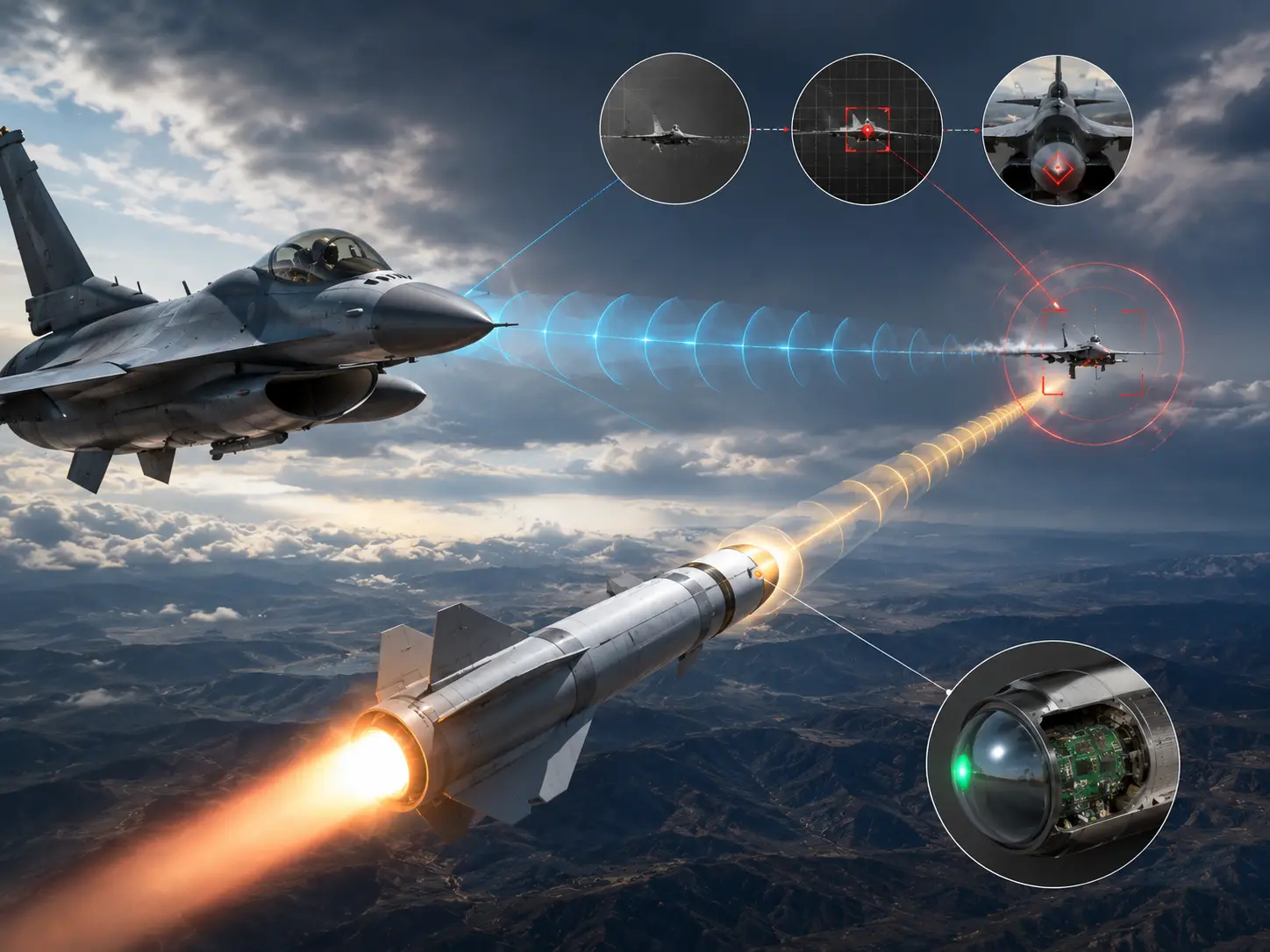
Air-to-air missiles track targets using passive thermal sensors, internal active radar, and mid-course data links. These distinct mechanisms ensure precision tracking across short and long ranges.
Detecting 1 thermal signature
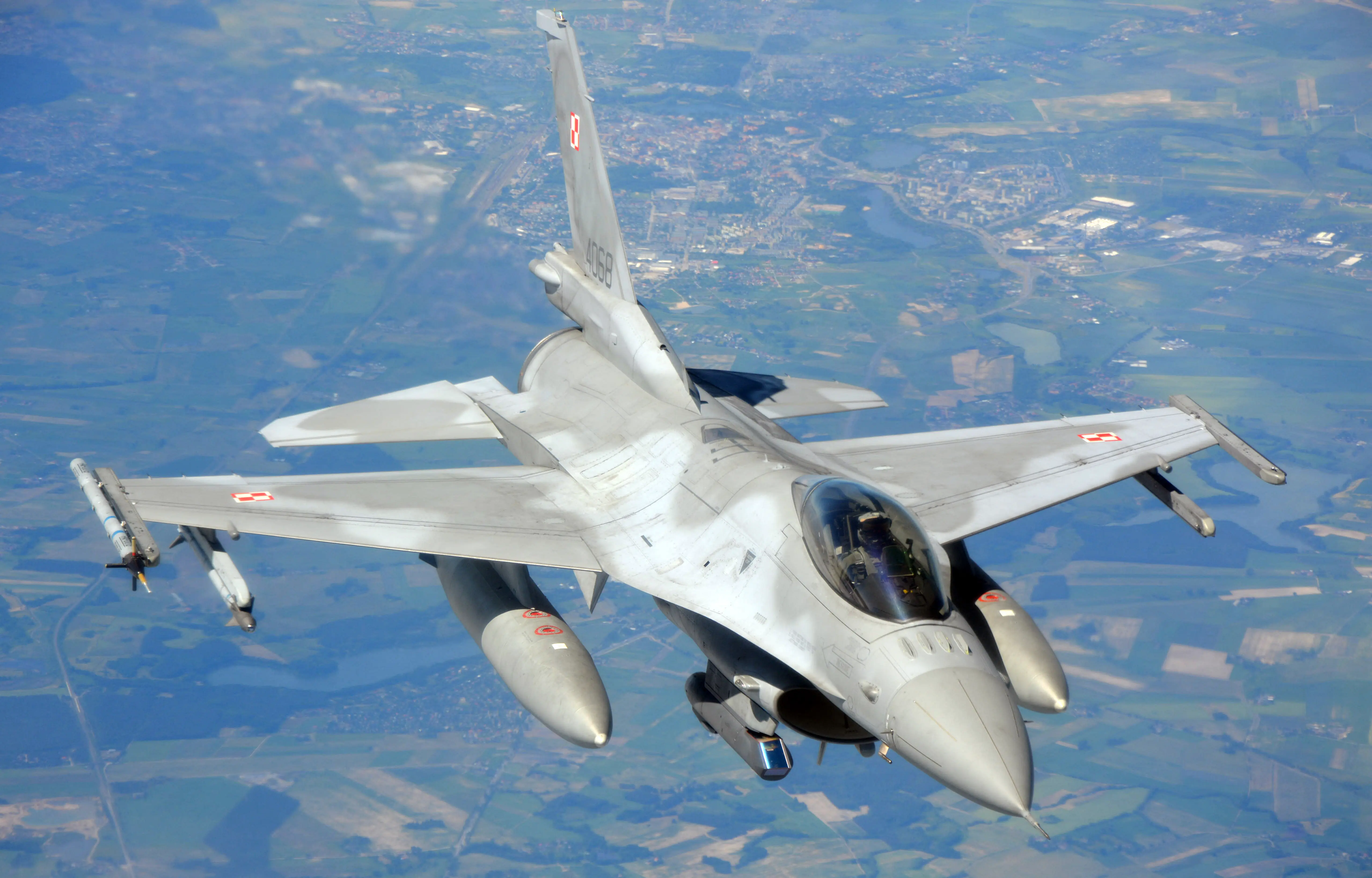
Short-range missiles rely on passive infrared seekers to lock on to the heat emitted by an aircraft engine. Because these sensors do not emit radar waves, they allow a pilot to launch a completely silent tracking attack without triggering the target plane's cockpit radar warning receivers.

Tracking 1 reflected wave
Semi-active radar homing requires the launching fighter jet to continuously paint the target with its own main radar beam. The missile nose cone carries a receiver that tracks the radar energy bouncing off the enemy aircraft, following this line of sight until interception.
Activating 1 onboard radar
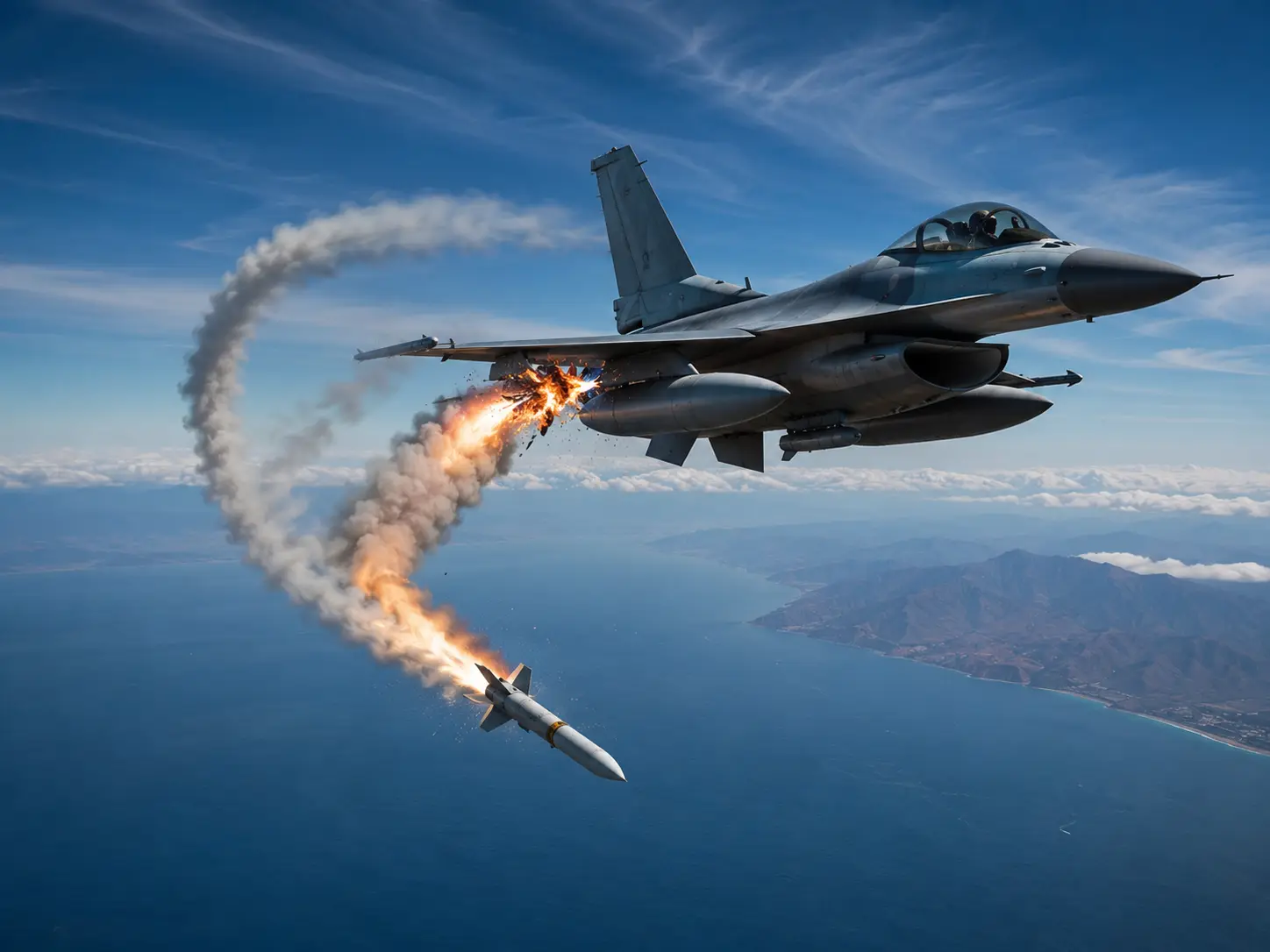
Active radar guided missiles carry an entirely self-contained radar transmitter and receiver inside their nose. For the final phase of flight, the weapon turns on its own radar to track the target independently, giving the pilot the freedom to safely turn away.
Receiving 2 way updates
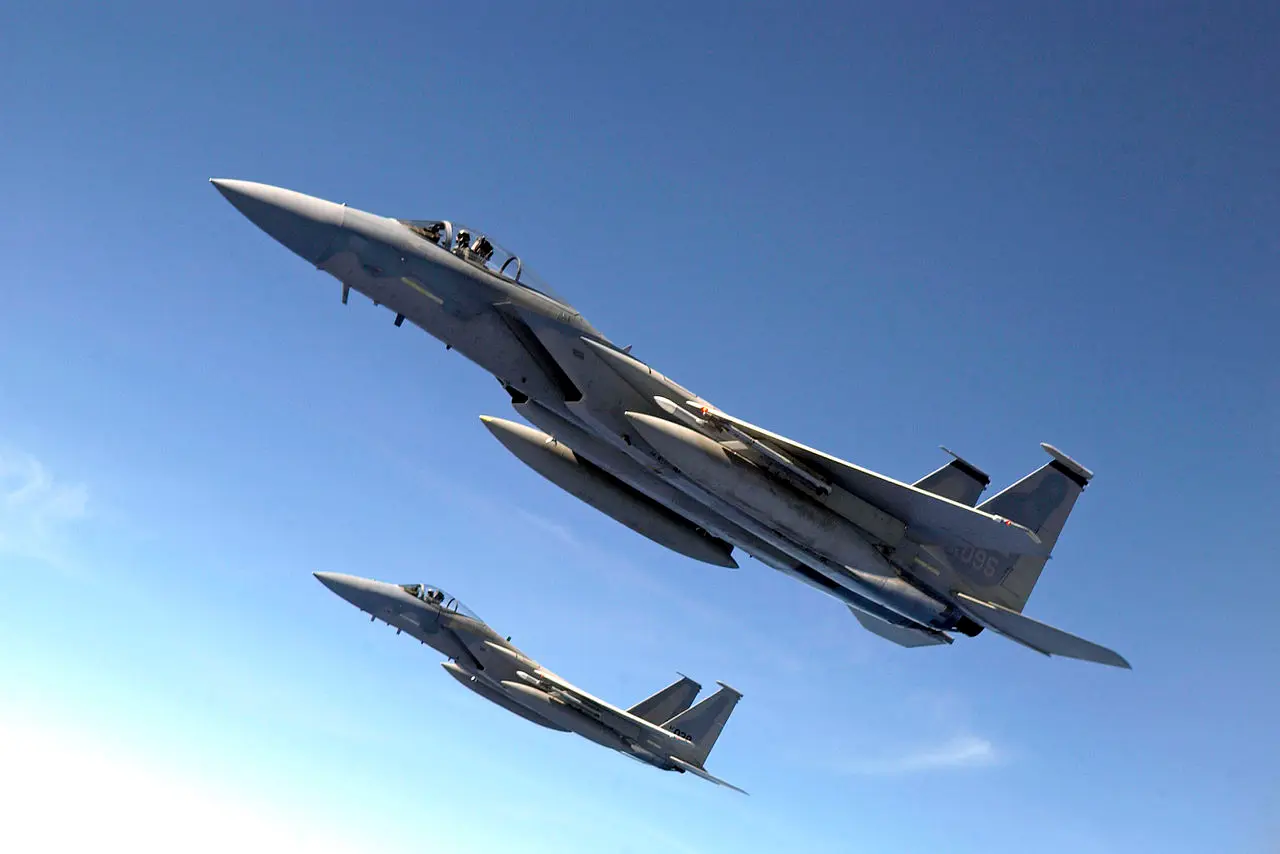
Beyond-visual-range missiles use mid-course guidance updates delivered via a wireless data link from the launching fighter jet. This system continuously corrects the trajectory of the weapon over long distances before its own radar seeker turns on for the final strike.
Scanning 1 optical matrix
Modern heat-seekers use an imaging infrared matrix that takes a full digital picture of the target plane instead of tracking a single heat point. This advanced optical system identifies the specific shape of the airframe, giving it a near-perfect success rate at ignoring traditional defensive flares.
)
)
)
)
)