How do F/A-18 Super Hornets maintain USS Abraham Lincoln’s combat edge?

The F/A-18 Super Hornet is considered the backbone of carrier air wings. It is a combat-proven, multirole strike fighter equipped with an advanced cockpit, AESA radar, IRST, and Block III networked capabilities.
Super Hornets in a volatile region
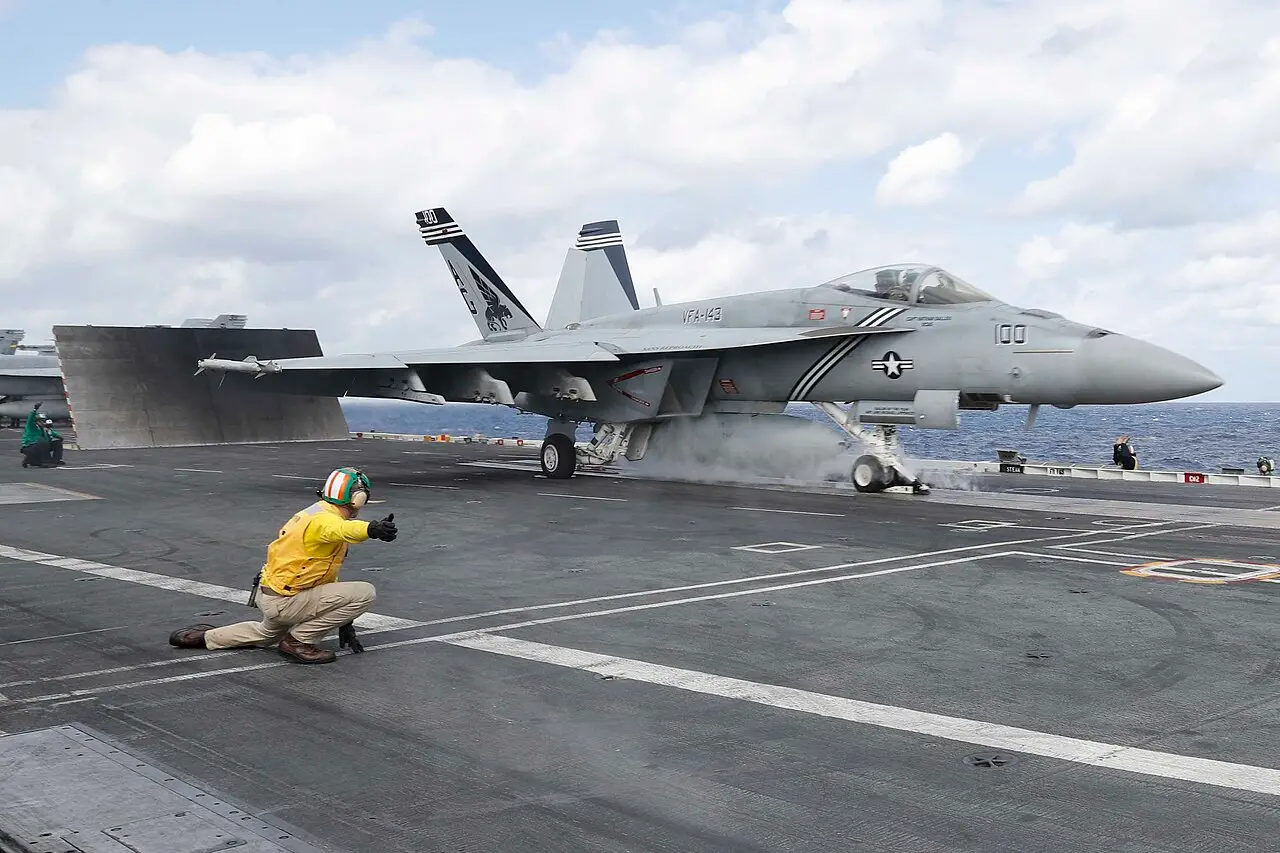
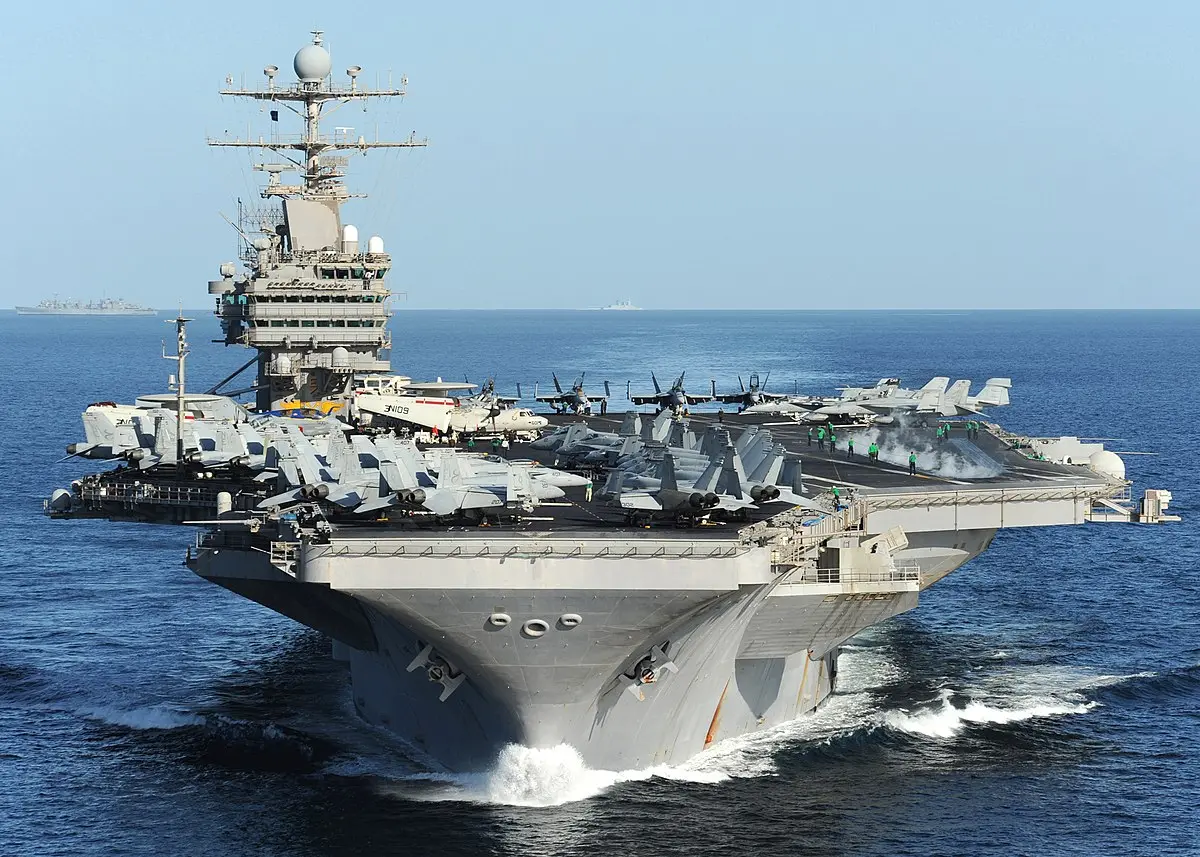
As US–Iran tensions rise, the deployment of the USS Abraham Lincoln (CVN-72) to the Middle East highlights the enduring importance of its air wing. Built for allied interoperability, the F/A-18E/F Super Hornet remains central to US naval strike capability. The carrier’s aircraft continue to provide flexible and sustained combat options in a region where speed, persistence and reliability are crucial.
The backbone of Carrier Air Wing Nine
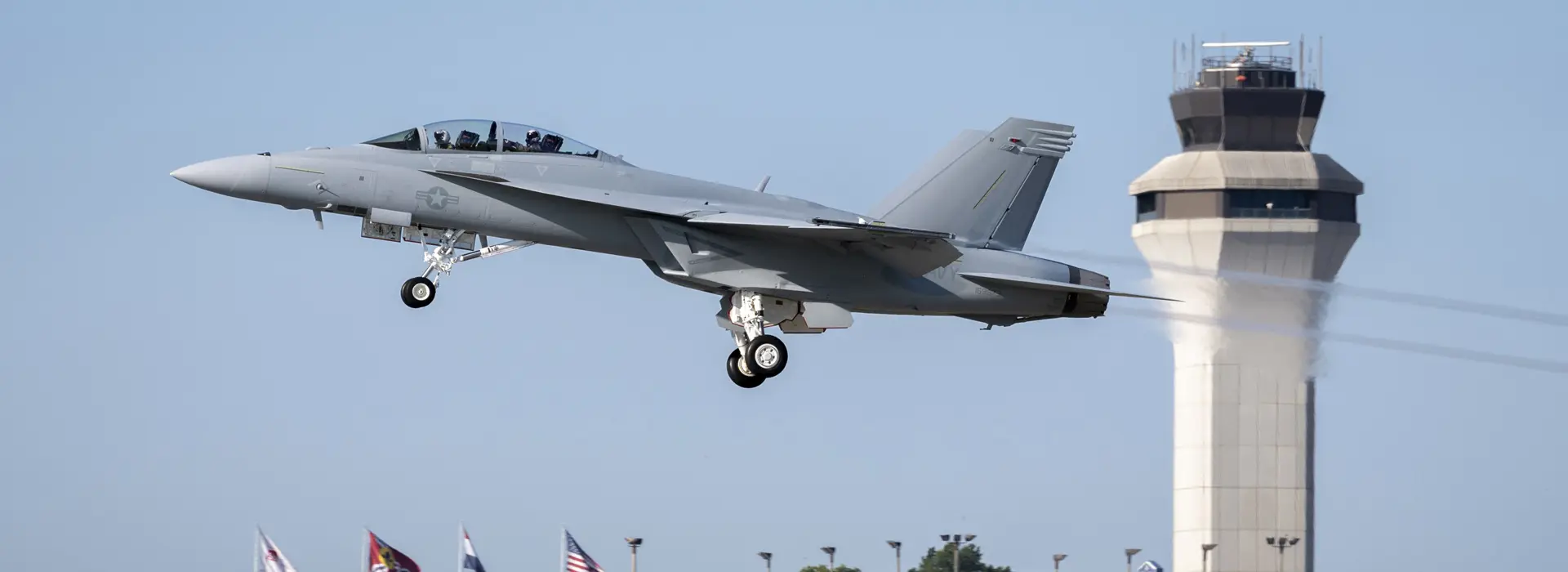
USS Abraham Lincoln operates Carrier Air Wing Nine (CVW-9), which includes eight squadrons flying F-35C Lightning IIs, F/A-18E/F Super Hornets, EA-18G Growlers, E-2D Hawkeyes, CMV-22B Ospreys and MH-60R/S Seahawks. The Super Hornets form the core strike and air-defence capability, capable of high-tempo operations across air, land and sea missions. The F/A-18 Super Hornet is considered the backbone of carrier air wings. It is a combat-proven, multirole strike fighter equipped with an advanced cockpit, AESA radar, IRST, and Block III networked capabilities.
Capacity
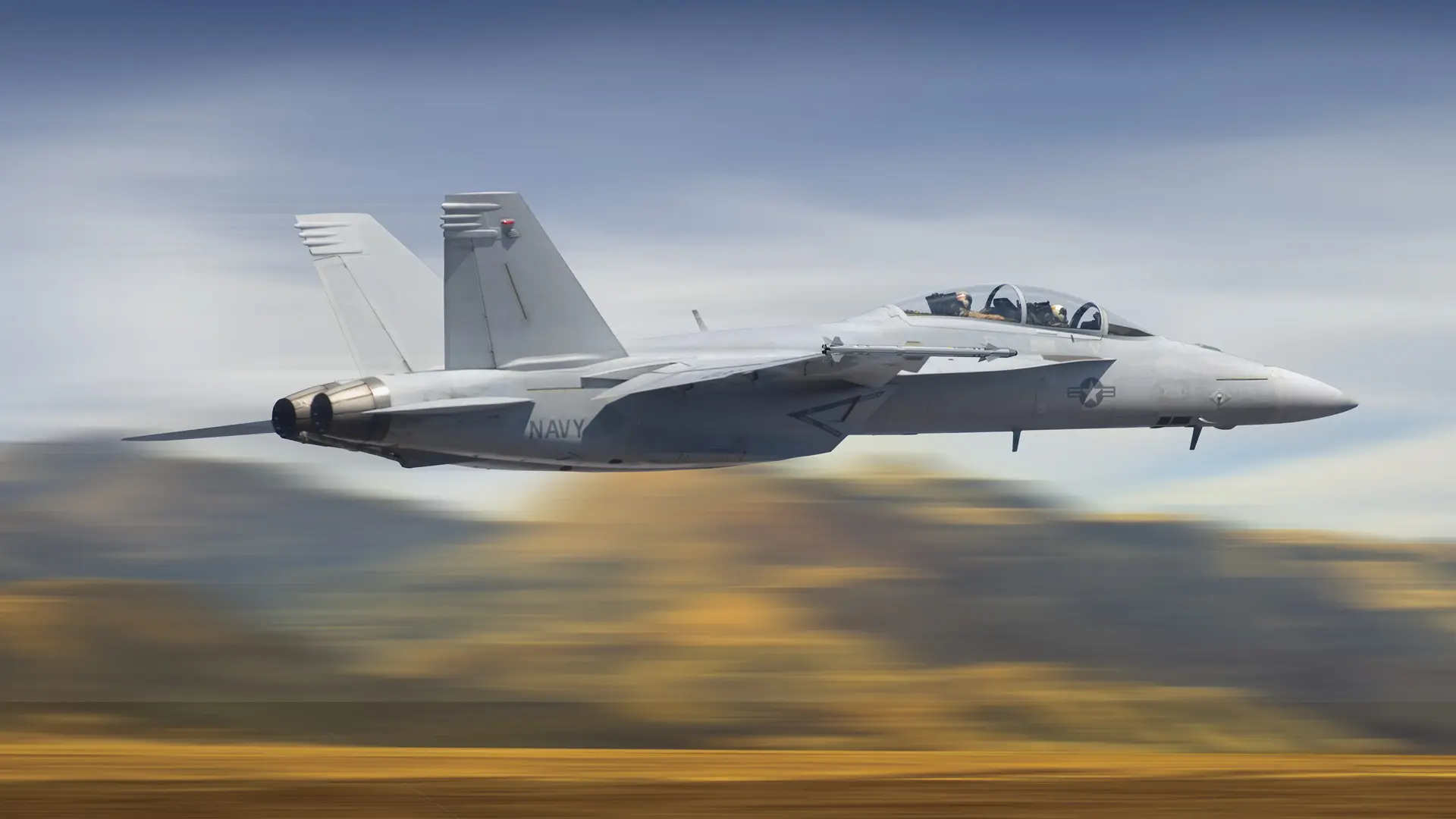
The F/A-18E/F Super Hornets are engineered for lethality, survivability and future upgrades. These 4.5-generation multirole jets can reach a maximum speed of Mach 1.6 and have an operational range of 2,700 kilometres. They are equipped with advanced mission computers, heads-up displays, radar and infrared sensing and targeting systems, as well as electronic warfare suites and infrared self-protection systems, ensuring they remain highly effective across a wide range of combat scenarios.
Payload and endurance
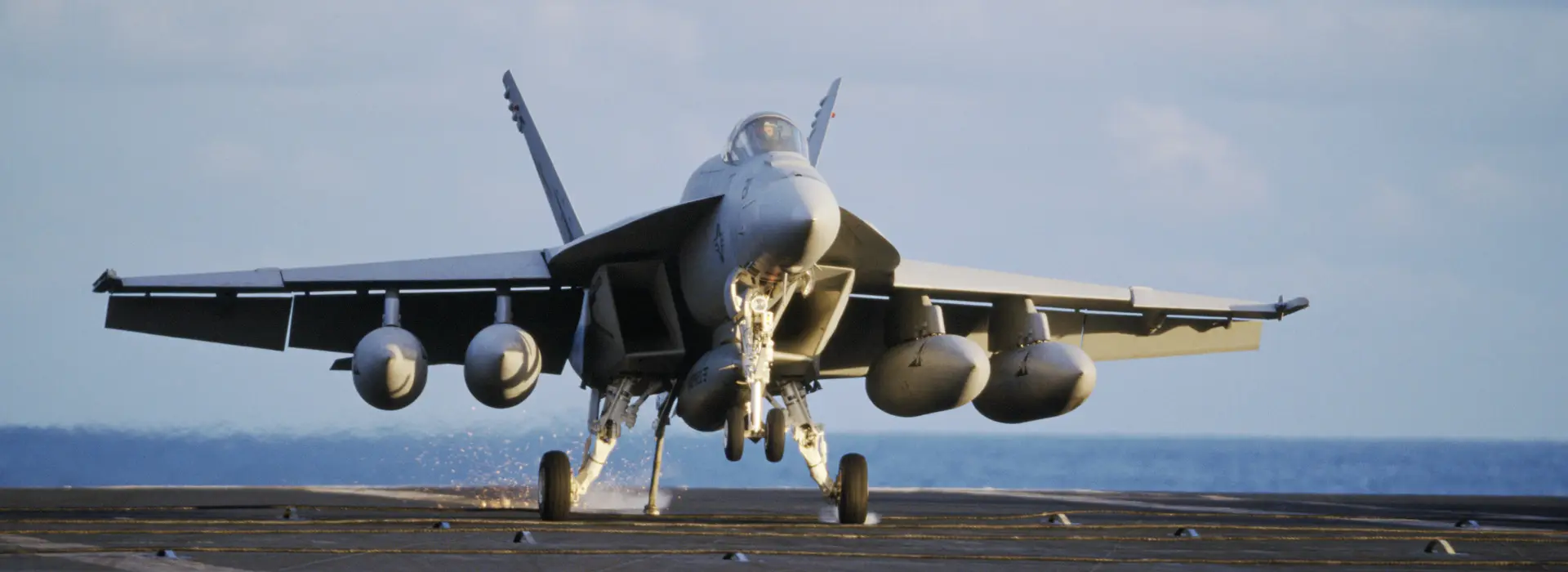
The F/A-18E/F can carry more than 17,700 pounds of ordnance, including AIM-9X "sidewinder" short range air-to-air Missile, joint direct attack munition (JDAM) and laser JDAM, conventional and laser-guided bombs, AGM-154 joint stand-off weapon (JSOW), anti-ship missile as well as M61A2 20mm nose-mounted gun system. Combined with aerial refuelling, this allows Super Hornets to strike targets hundreds of miles inland, sustaining continuous operations over extended periods, a critical factor in carrier-based missions.
Versatility across mission types
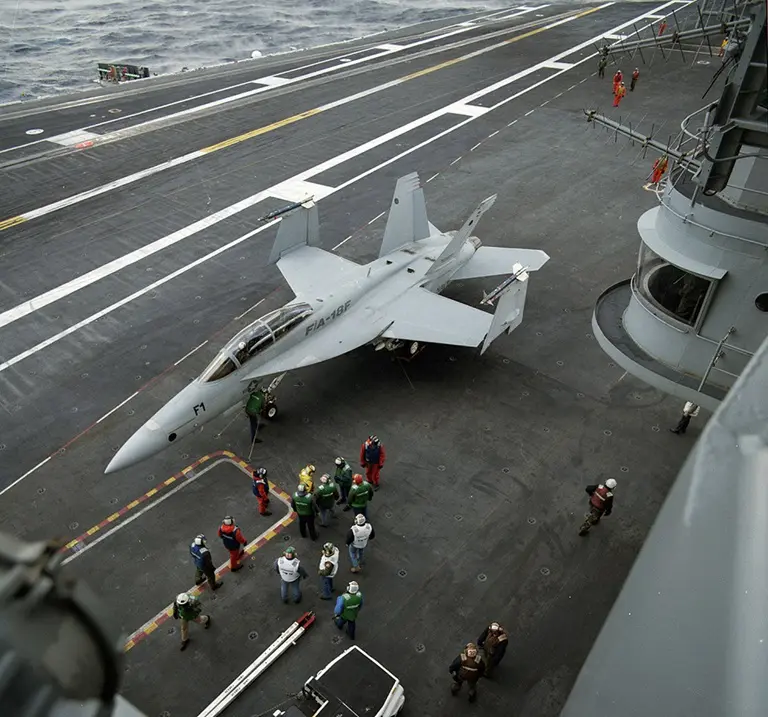
Unlike aircraft optimised for a single role, the Super Hornet can shift between air superiority, precision strike, and maritime attack during the same deployment. This flexibility ensures that USS Abraham Lincoln can respond to evolving threats, from Iranian missile sites to maritime interdiction scenarios, without needing to rotate aircraft types.
Integration with electronic warfare
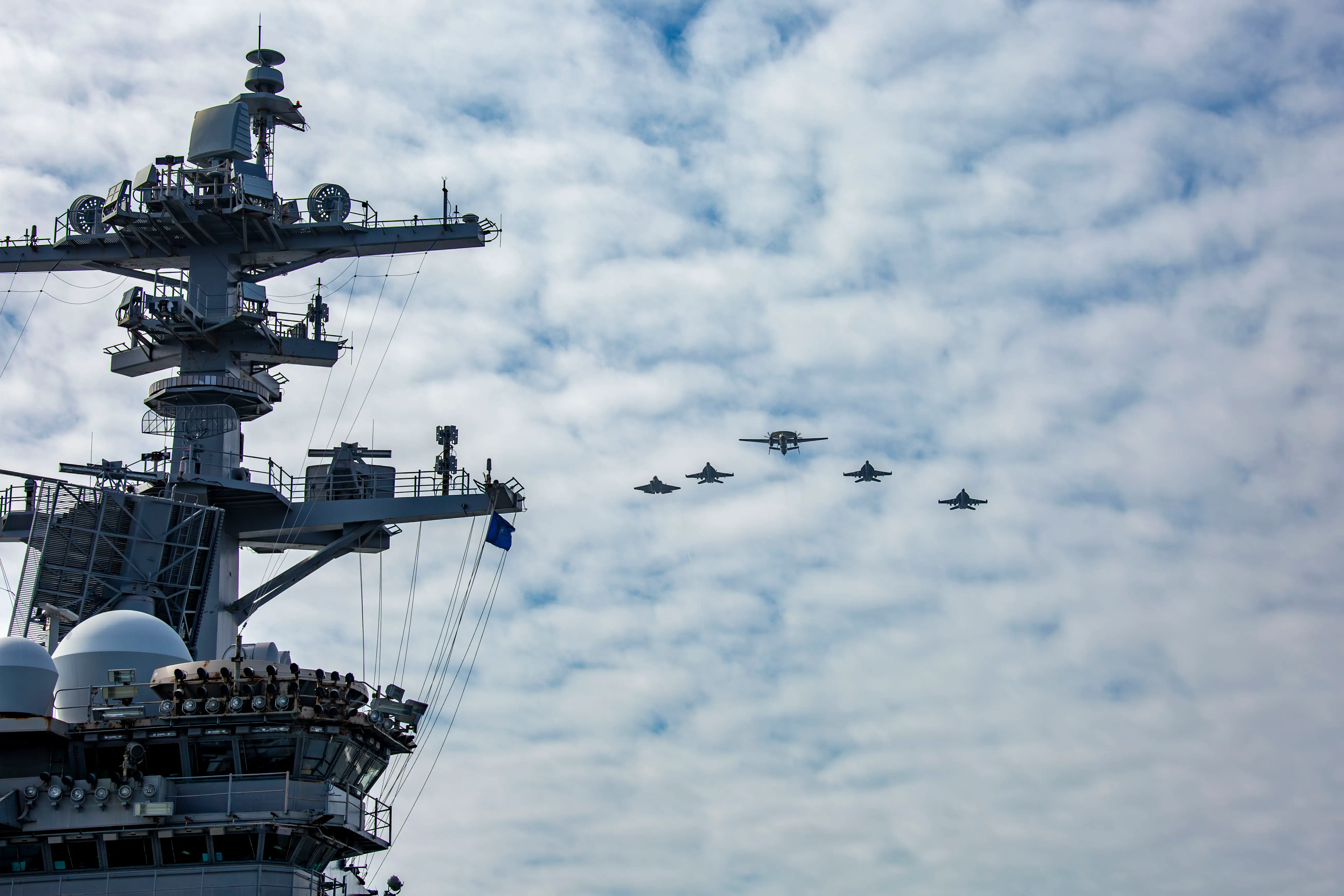
The F/A-18E/F’s effectiveness is magnified by the EA-18G Growler, its electronic-warfare variant. Working together, they suppress enemy radar, jam communications, and provide cover for stealth aircraft like the F-35C, enhancing the carrier strike group’s overall lethality.
Combat-proven performance
Super Hornets from USS Abraham Lincoln have flown combat missions in Iraq and Afghanistan, supporting Operation Iraqi Freedom and subsequent operations. Their proven ability to sustain sorties under combat conditions demonstrates that mature platforms remain vital even alongside newer fifth-generation fighter jet.
)
)
)
)
)