How did China defy Trump’s tariffs to post a record $1.2 trillion trade surplus?

China posted an unprecedented trade surplus of nearly $1.2 trillion in 2025, AP reported, the largest ever recorded by any nation, despite renewed tariff pressure from the United States under President Donald Trump.
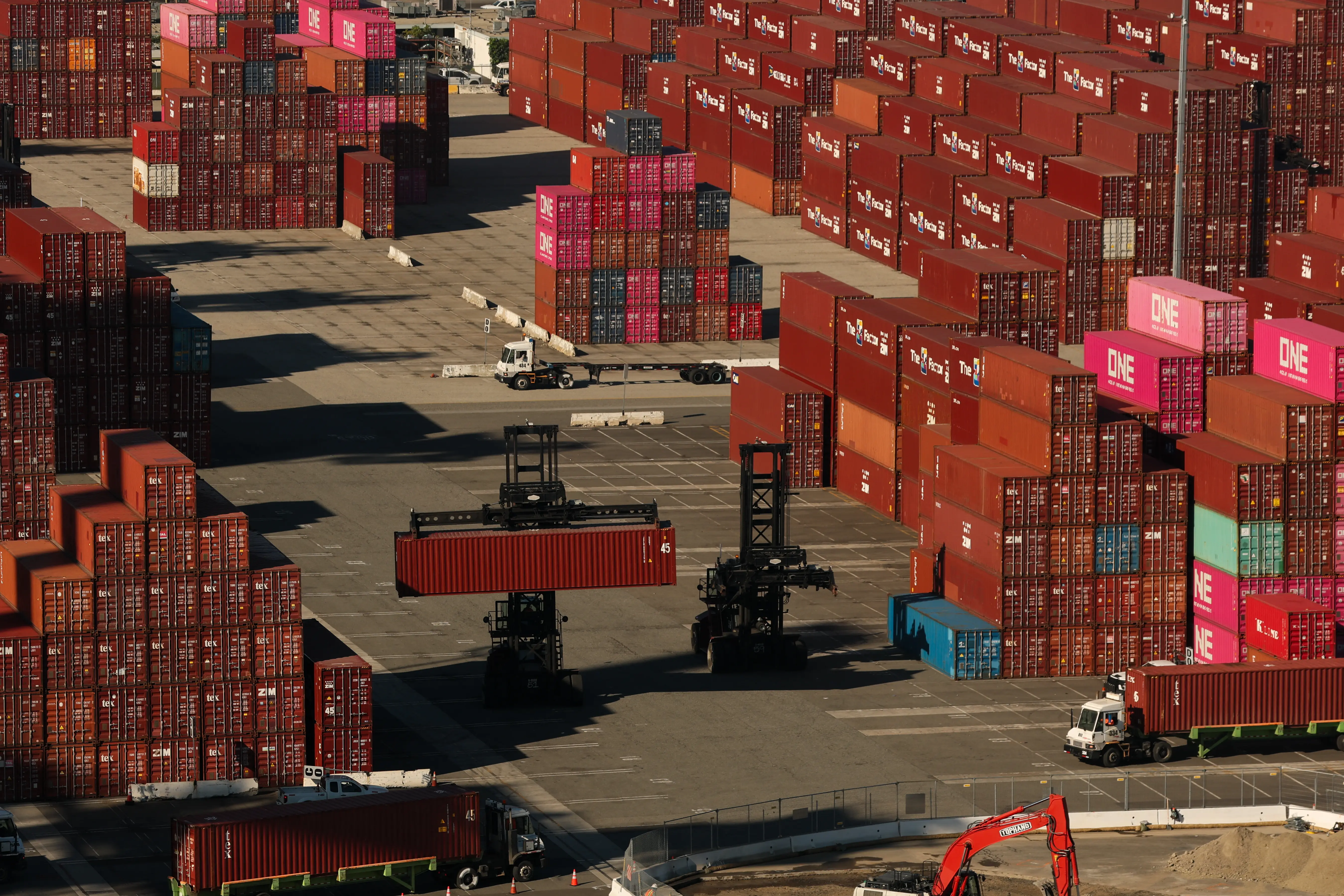
China’s trade data defies tariff expectations
China posted an unprecedented trade surplus of nearly $1.2 trillion in 2025, AP reported, the largest ever recorded by any nation, despite renewed tariff pressure from the United States under President Donald Trump. Government customs figures highlighted that the exports grew by about 5.5 per cent to roughly $3.77 trillion, while imports remained relatively flat at $2.58 trillion, resulting in a widening trade surplus. The 2024 trade surplus was over $992 billion.

Decline in US exports offset by global markets
While China’s exports to the US fell sharply after Trump returned to office and escalated his trade war with the world’s second-largest economy, that decline has been largely offset by shipments to other markets in South America, Southeast Asia, Africa and Europe. However, as exports to the US dropped sharply by about 20 per cent and imports declined by roughly 14.6 per cent, the Chinese exporters succeeded in shifting focus to other regions. Sales to countries in Southeast Asia, Africa, Latin America and the European Union rose strongly, helping cushion the impact of reduced US demand.

Strength in December trade and monthly surpluses
In December alone, Beijing had recorded a trade surplus of more than $114 billion, with export growth of about 6.6 per cent year-on-year and imports up 5.7 per cent. This was the seventh month in 2025 that monthly surpluses exceeded $100 billion, underlining the durability of China’s export momentum.
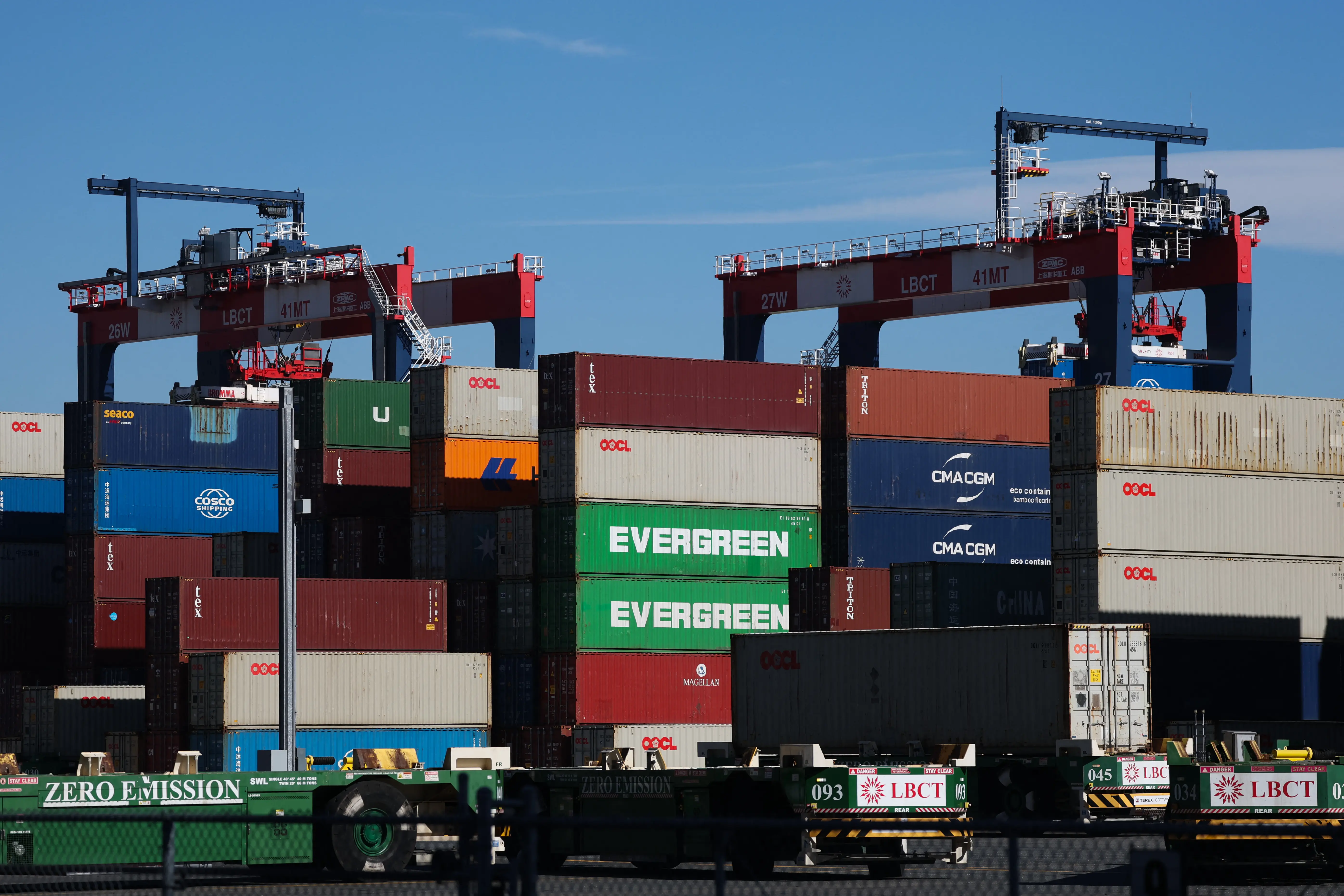
Strategic diversification of trade partners
Economists say China’s ability to redirect exports to non-US markets has been central to its strong performance. Growth in demand from emerging economies also proved to be helpful in the offset of losses in US trade, thus reflecting a broader shift in China’s global economic footprint and reducing the reliance on any single market.
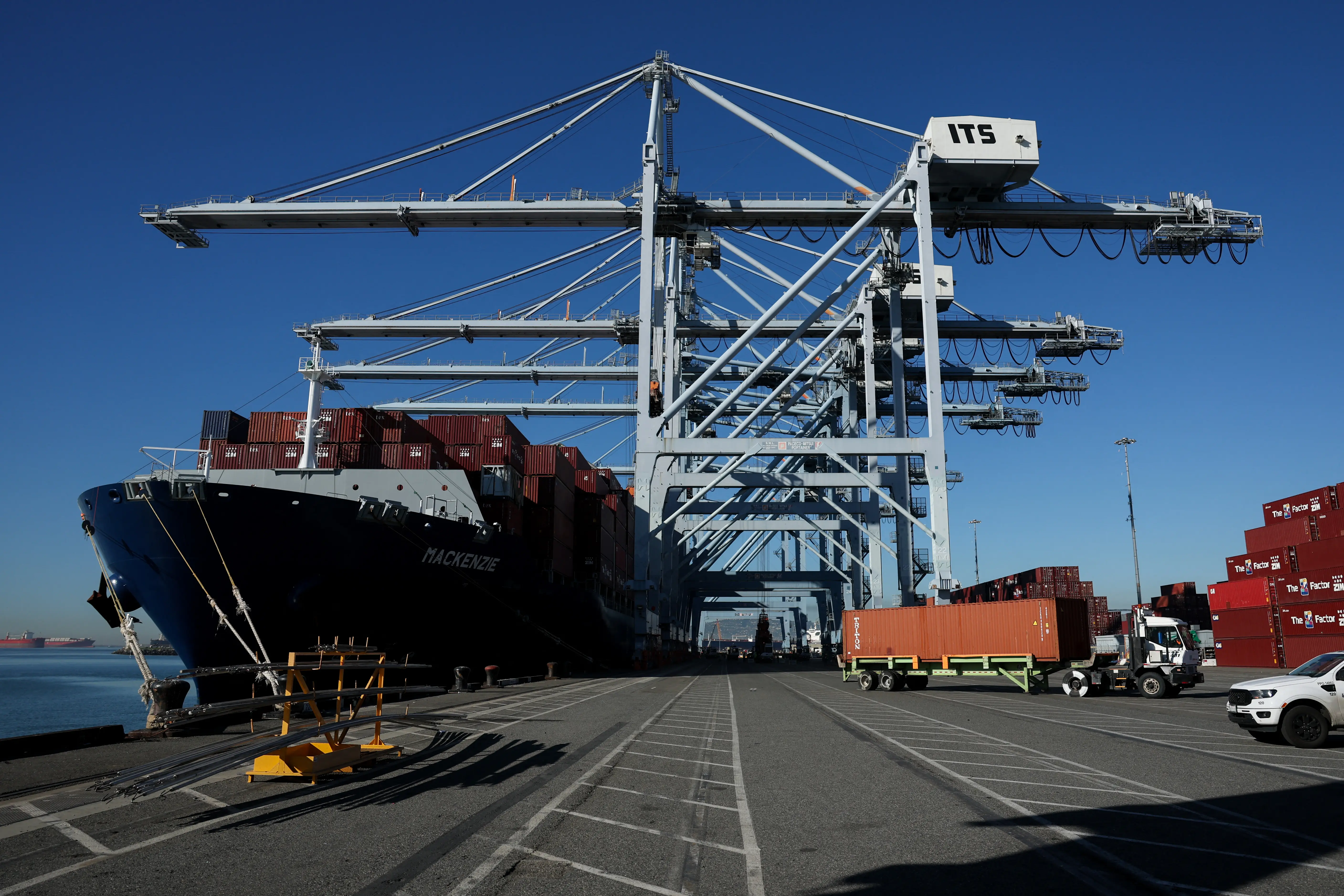
Weaker yuan and competitive edge
A relatively weaker yuan, up from just once in 2024, also supported export competitiveness, making Chinese goods more price-attractive worldwide. Chinese industries, particularly in electronics and manufactured goods, capitalised on this edge, sustaining strong overseas demand even as tariffs made sales to the US more difficult.
Broader economic picture in China
China’s overall economy met its 5 per cent growth target in 2025, boosted by export performance despite weak domestic consumption and structural challenges like a property downturn. Analysts, however, argue that such reliance on exports may not be sustainable long term without stronger internal demand.

Implications for global trade tensions
The record surplus highlights the limitations of tariffs as a tool to curb China’s trade dominance. Trump’s tariffs failed to stop China’s record $1.2 trillion trade surplus in 2025 because China rapidly adapted. Exports to the United States fell, but Chinese firms redirected shipments to Southeast Asia, Europe, Africa and Latin America. Weak domestic demand kept imports low, widening the surplus. A weaker yuan made Chinese goods more competitive, offsetting tariff costs. Deep integration into global supply chains meant buyers struggled to replace Chinese manufacturers. Tariffs reshaped trade routes rather than reducing overall demand, allowing China’s export-led economy to continue growing despite higher US trade barriers. While US-China trade tensions persist, China’s diversified export base and deep integration into global markets mean that tariff pressure alone has not restrained its foreign trade expansion.
)
)
)
)
)