How did a powerful Iranian dynasty quietly build country’s largest crypto exchange operating beyond US sanctions?

Blockchain analysis cited by investigators in the Reuters report shows the platform has processed between tens and hundreds of millions of dollars in transactions linked to to sanctioned bodies, including Iran’s central bank and the Islamic Revolutionary Guard Corps.
Overview of Nobitex’s rise
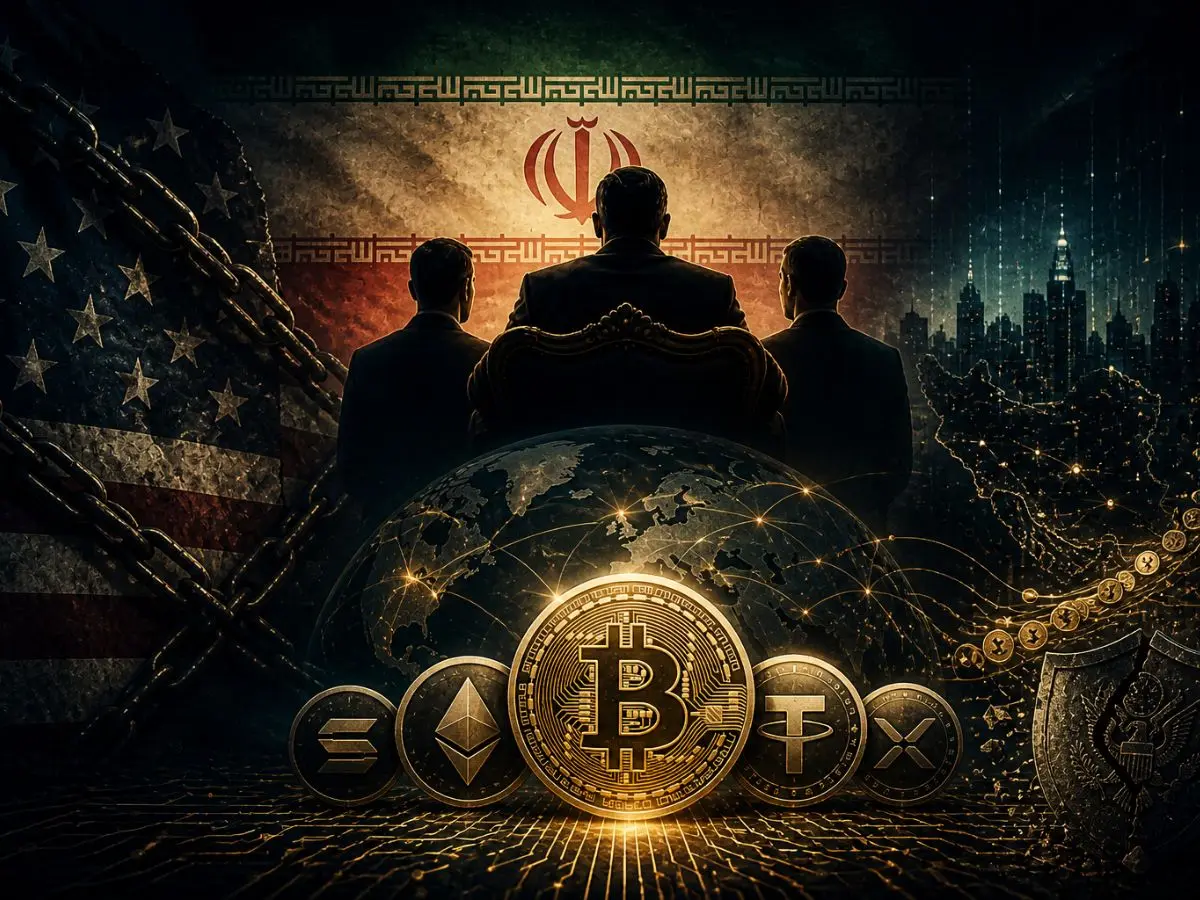
Nobitex has emerged as Iran’s largest cryptocurrency exchange, operating at the centre of a parallel financial system shaped by Western sanctions. It sits at the intersection of everyday Iranian users and state-linked activity, raising questions about the restricted economy. Locked out of international banking and facing a devalued rial and rampant inflation, ordinary Iranians use the exchange to buy and hold cryptocurrency.

Founding family and political lineage
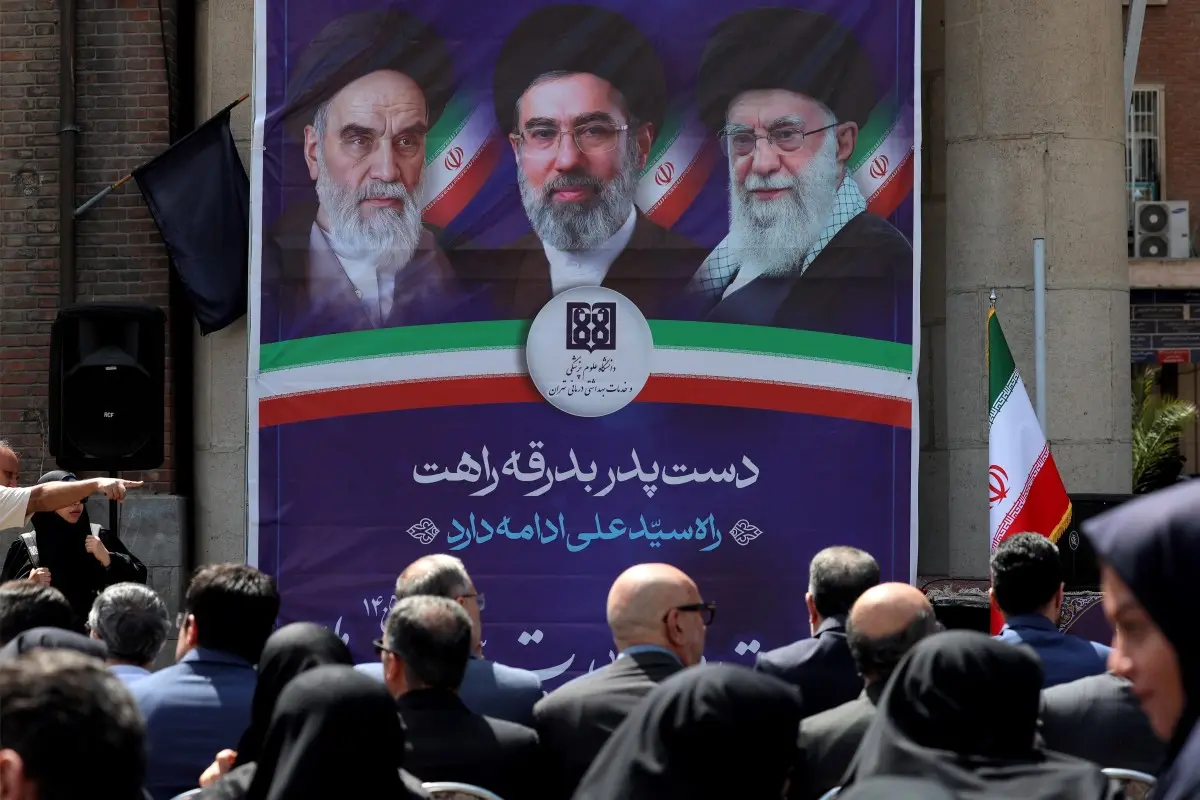
The exchange was founded in 2018 by brothers Ali and Mohammad Kharrazi, who used the family surname Aghamir in public records. They belong to the influential Kharrazi family, which has held senior religious and political positions across Iran’s Islamic Republic. Reports indicate the dynasty is connected by marriage to all three supreme leaders, embedding it within the country’s ruling establishment.
Scale and domestic reach
Reuters reported that Nobitex claims around 11 million users, more than a tenth of Iran’s population. It has become a key platform for Iranians unable to access global banking systems, allowing them to trade and store cryptocurrency amid inflation and a weakening currency.
Sanctions evasion allegations and blockchain findings
Blockchain analysis cited by investigators in the Reuters report shows the platform has processed between tens and hundreds of millions of dollars in transactions linked to to sanctioned bodies, including Iran’s central bank and the Islamic Revolutionary Guard Corps. Nick Smart of Crystal Intelligence told the news agency: “The concern with Nobitex is that since it has so much activity that belongs to normal Iranians, it is hard to separate the regime from the people using the platform.” Analysts estimate transaction flows tied to restricted entities.
Global links and scrutiny of crypto flows
Nobitex has reportedly stated earlier that its aim is to enable Iranians to invest in cryptocurrency despite what it calls the “shadow of sanctions,” and it advises users on ways to reduce the risk of their transactions being monitored or intercepted by Western authorities. Reuters also reported in 2022 that Binance processed around $7.8 billion in transactions linked to Nobitex, despite US sanctions on Iran. Binance’s founder, Changpeng Zhao, was sentenced in 2024 for money laundering violations and pardoned in 2025 by President Donald Trump.

Company response and denial of ties
Nobitex denies formal links to government bodies or sanctioned organisations. It stated: “Nobitex is a private and independent business. It has never been an arm of the government and has never had any relationship, arrangement, agreement, or contract with the Central Bank of Iran, the IRGC, or any other governmental body.” The company said illicit activity, if present, occurs without its approval.
International and political reactions
US Senator Elizabeth Warren called the findings “a flashing red light”, warning that “adversaries are using digital assets as an alternative to the US-led global financial system – moving billions easily because too many services across the crypto ecosystem lack basic controls to prevent money laundering and sanctions evasion.” A US official told Reuters that Washington is “utilizing all available tools” to pressure Iran.
Operational resilience and broader implications
Despite sanctions pressure and wartime disruptions, Nobitex has continued processing transactions, even amid a government-imposed nationwide internet shutdown and extensive power outages in Tehran, according to three blockchain analysis firms. Analysts quoted by Reuters estimate activity has exceeded $100 million even under restricted conditions, highlighting its role in sustaining Iran’s alternative financial channels within a heavily sanctioned economy.
)
)
)
)
)