What mystery odour forced the US Air Force to ground its entire fleet of F-22 Raptors?

Some even experienced dizziness, confusion and tingling sensations during flight, raising fears that the aircraft’s own life-support system could be poisoning its crew.
An unexpected flaw in a billion-dollar jet
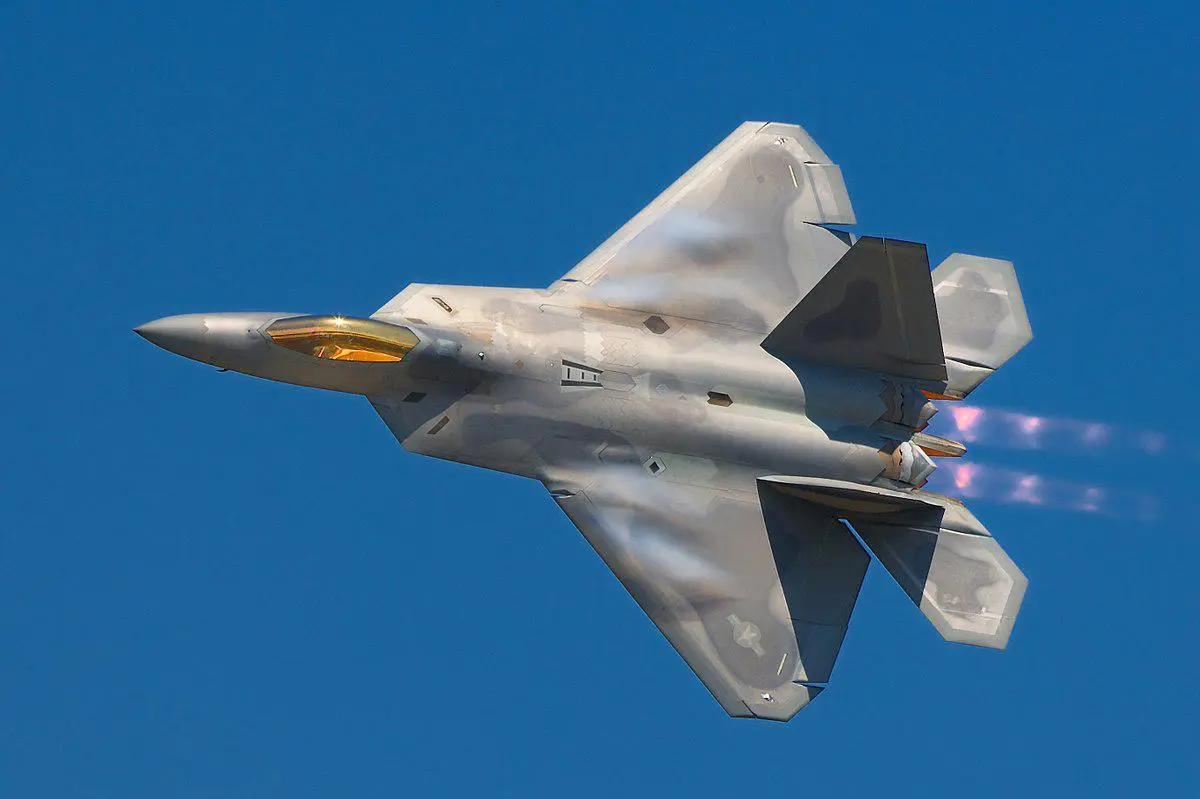
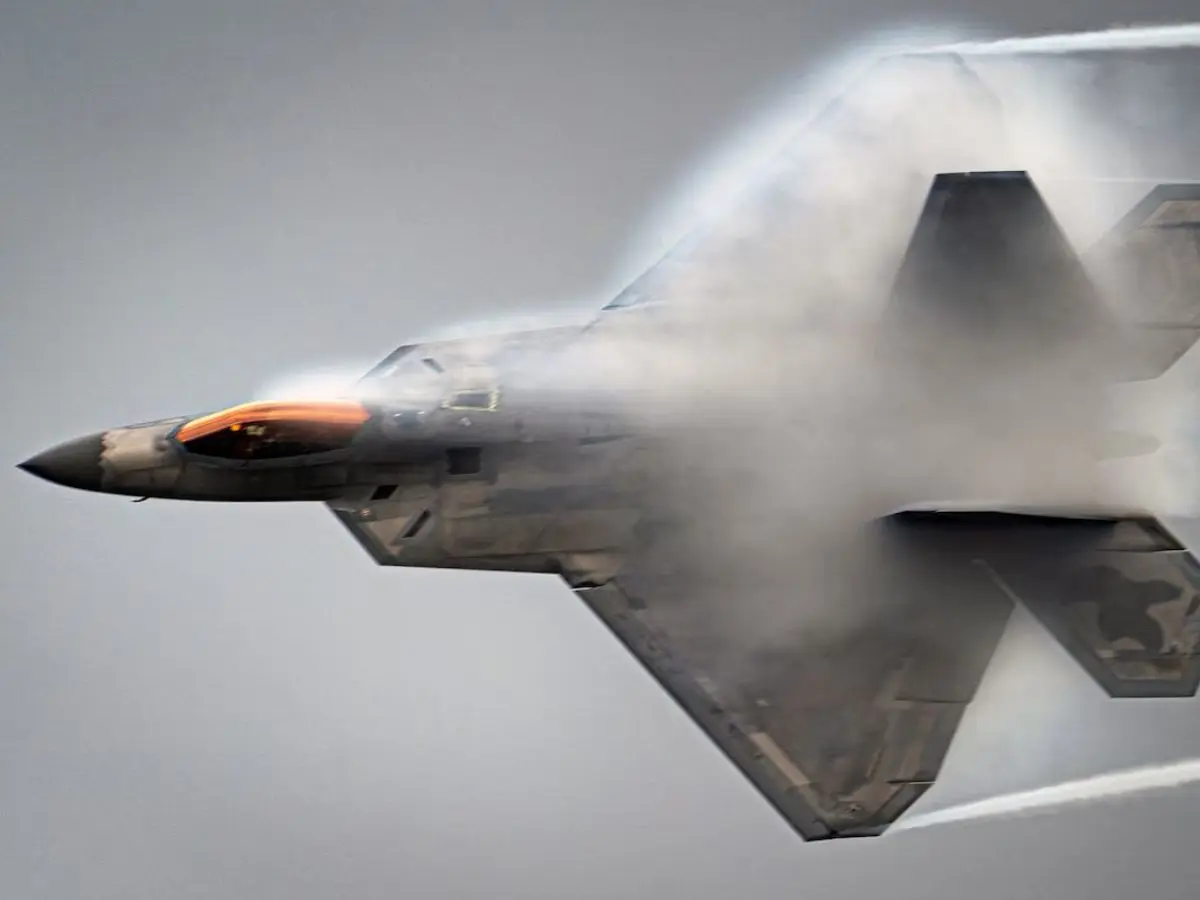
The F-22 Raptor was built to be the most advanced air superiority fighter in the world, with stealth, speed and unmatched manoeuvrability. Yet in 2011, the entire fleet was grounded for four months, not because of enemy action or technical failure in combat, but because of a bizarre and alarming mystery: pilots were reporting strange odours and fumes inside the cockpit. Some even experienced dizziness, confusion and tingling sensations during flight, raising fears that the aircraft’s own life-support system could be poisoning its crew.
The first signs of trouble
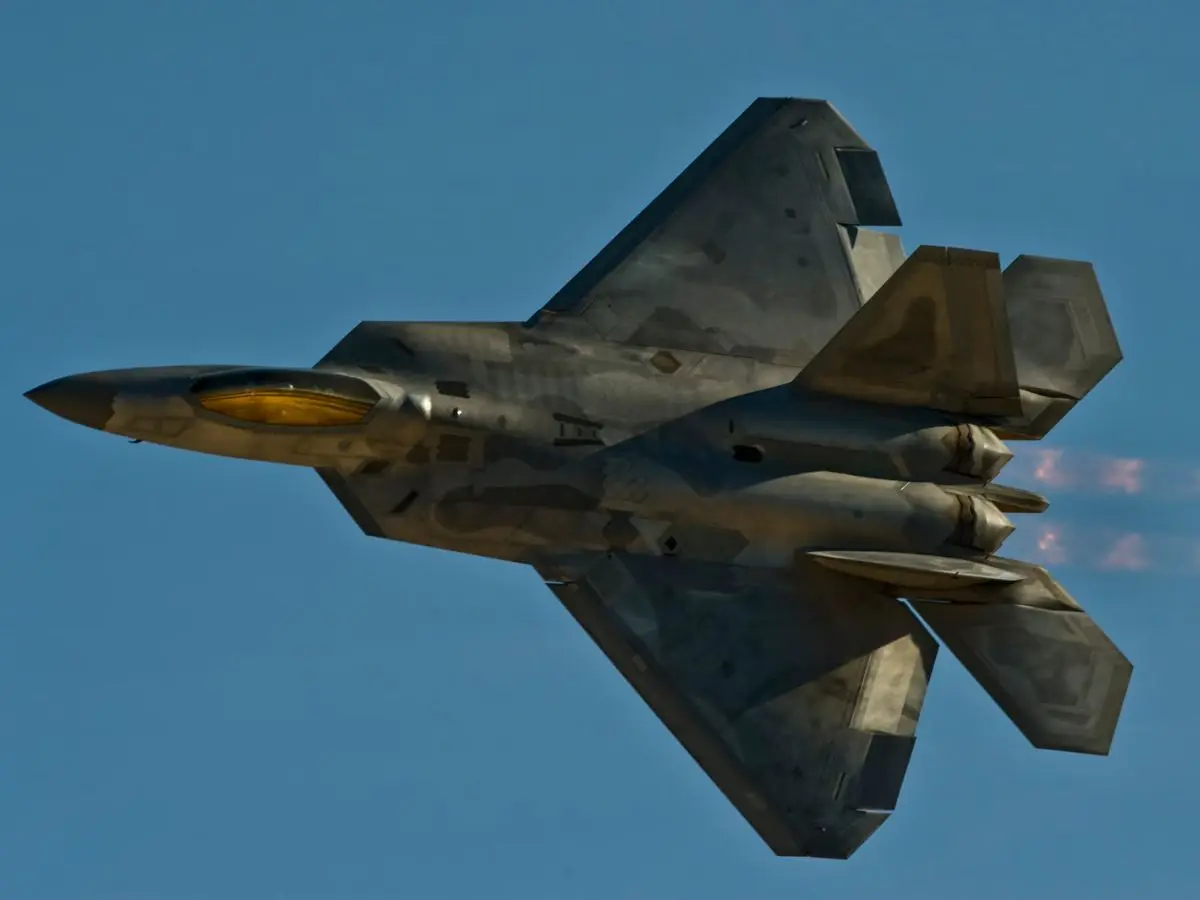
Concerns about the Raptor’s cockpit environment began emerging as early as 2008, but they gained wider attention when several incidents were reported during training missions. Pilots described smelling unusual fumes and then suffering from hypoxia-like symptoms, a dangerous lack of oxygen. The situation escalated to the point where some pilots were reluctant to fly the aircraft at all, an extraordinary development given the Raptor’s status as the most prized fighter in the US Air Force.
The grounding of 2011
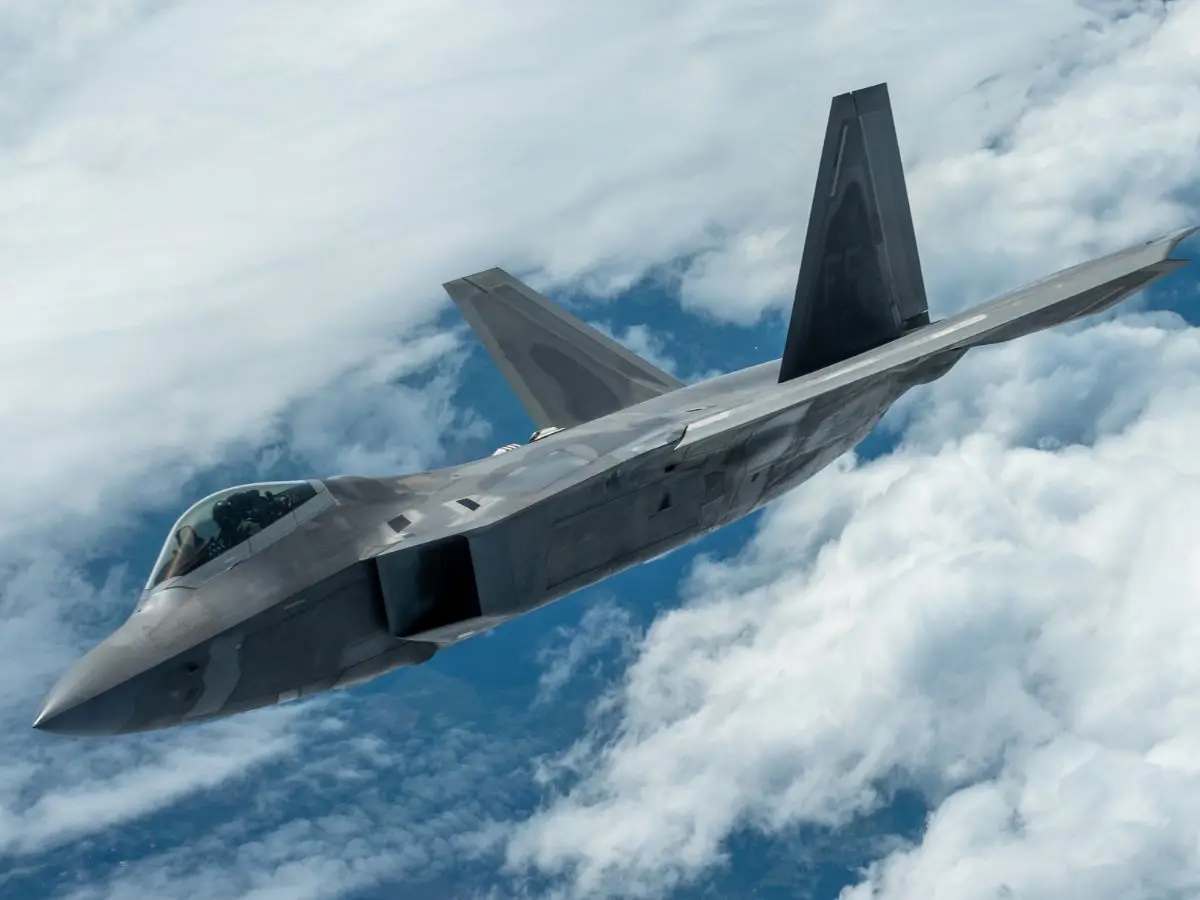
In May 2011, the Air Force took the unprecedented step of grounding all 187 operational F-22s while investigators searched for the source of the problem. This left the US temporarily without its premier air superiority fighter. The grounding highlighted the seriousness of the issue: if a pilot lost consciousness at altitude, the consequences could be fatal not only for the crew but also for the aircraft worth over $150 million each.
Theories and investigations
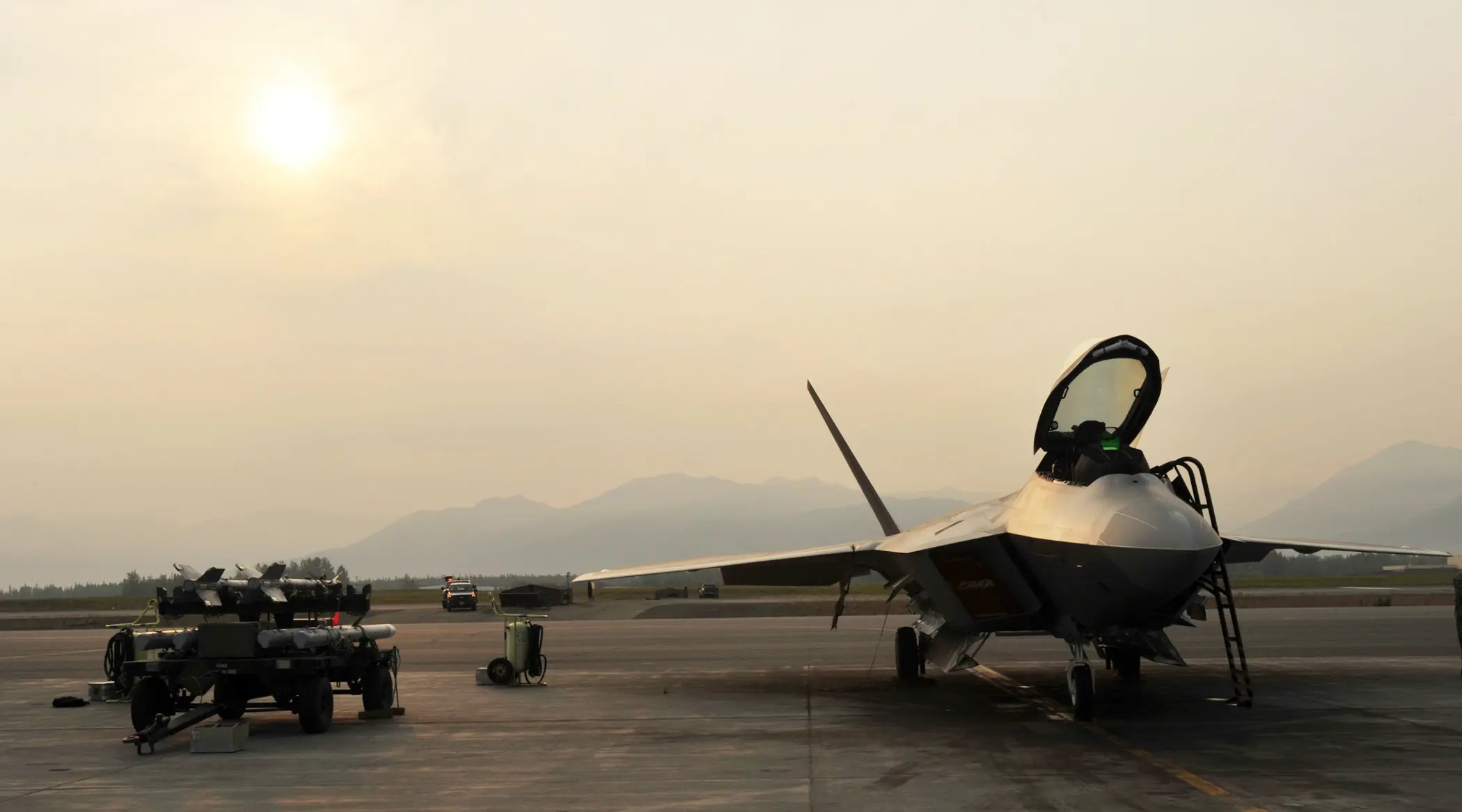
A range of theories emerged during the investigation. Some suspected contaminants in the aircraft’s On-Board Oxygen Generation System (OBOGS), which supplies breathable air during flight. Others believed bleed-air from the engines, possibly carrying trace amounts of oil or fuel vapour, was leaking into the cockpit. There were also suggestions that carbon monoxide might be seeping in during certain manoeuvres. At one point, attention even turned to ground de-icing chemicals that could have been drawn into the jet’s systems.
The human cost
The reports were not just technical anomalies, they affected pilots directly. Capt. Josh Wilson, one of several aviators who spoke publicly, described almost blacking out in the cockpit after being overcome by fumes. The risk was so concerning that some pilots refused to fly, creating a public controversy and increasing pressure on the Air Force to act swiftly.
Fixes and modifications
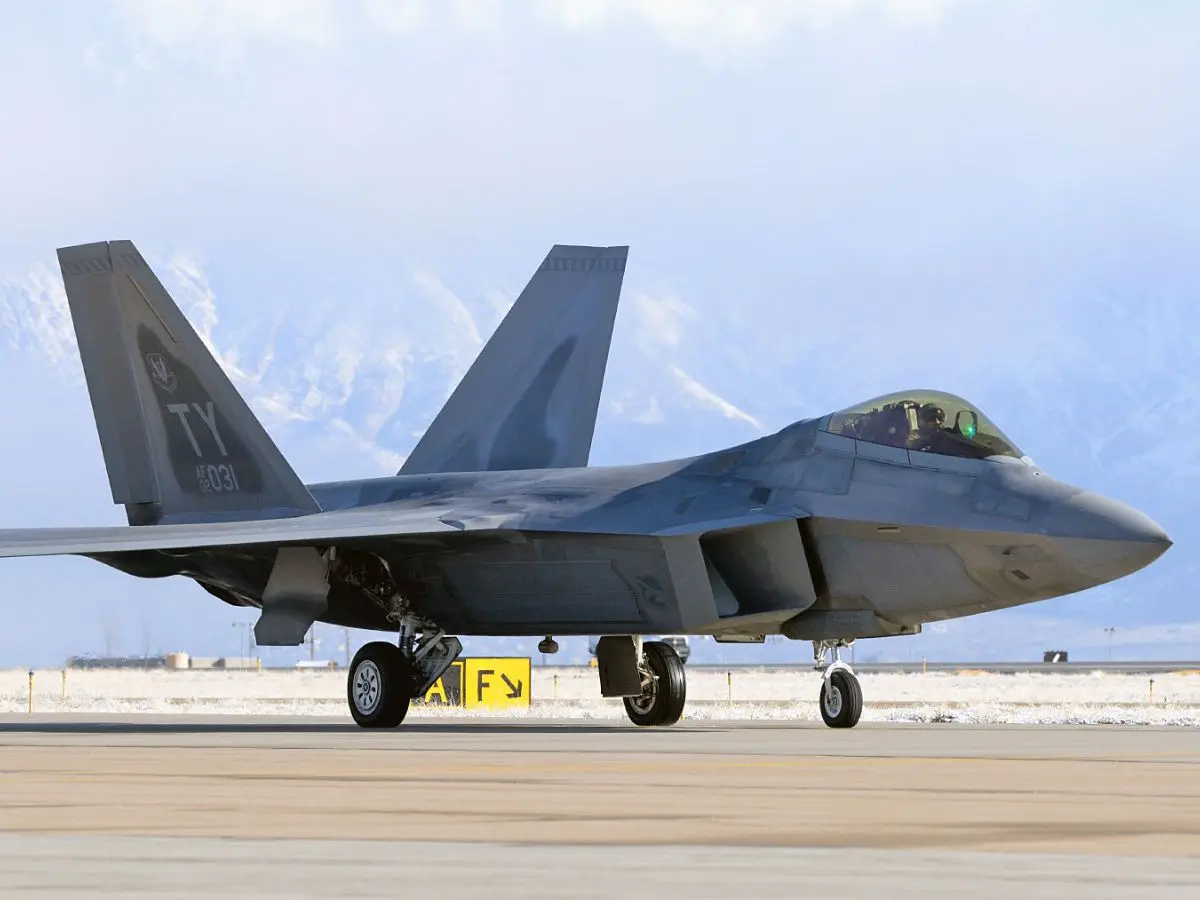
Eventually, the Air Force introduced several changes. An automatic backup oxygen system was installed to give pilots immediate emergency supply in the event of a failure. Modifications were also made to the oxygen equipment and the breathing regulator to reduce the risk of contamination. By 2012–2013, confidence in the Raptor gradually returned, although a single definitive cause of the odour problem was never confirmed.
A strange lesson in high technology
The F-22 odour mystery remains one of the most unusual safety challenges ever faced by a modern combat aircraft. It revealed the vulnerability of even the most advanced fighter to unforeseen human factors, where something as simple as the air in the cockpit could threaten a pilot more than enemy missiles. For the Air Force, it was a sobering reminder that the cutting edge of technology can bring with it unexpected and unsettling risks.
)
)
)
)
)