How did a Gulf nation barely bigger than Nagaland build the world’s most powerful currency?

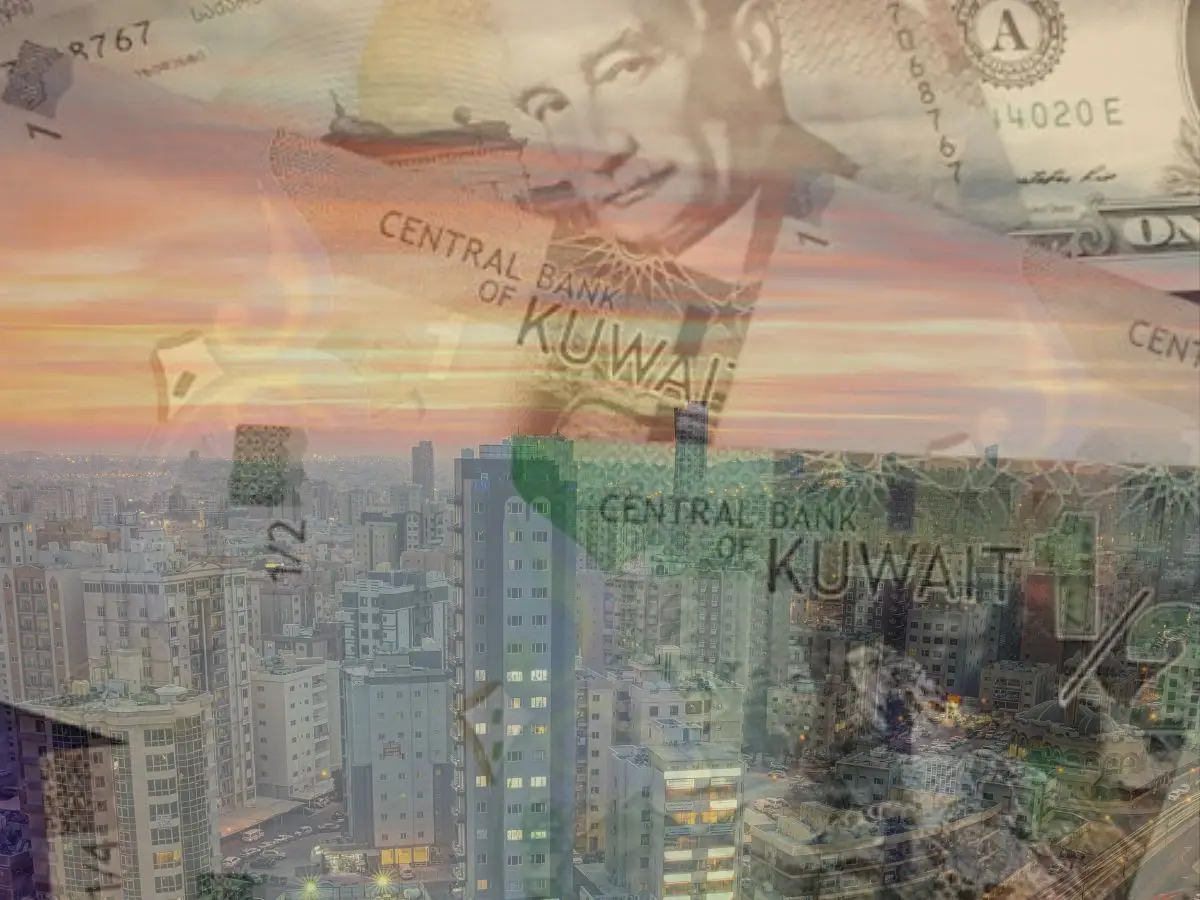
Despite its modest size, Kuwait boasts the world's most valuable currency, the Kuwaiti Dinar (KWD), with an exchange rate of approximately 1 KWD = 3.26 USD.
1. Kuwait: A Tiny Powerhouse
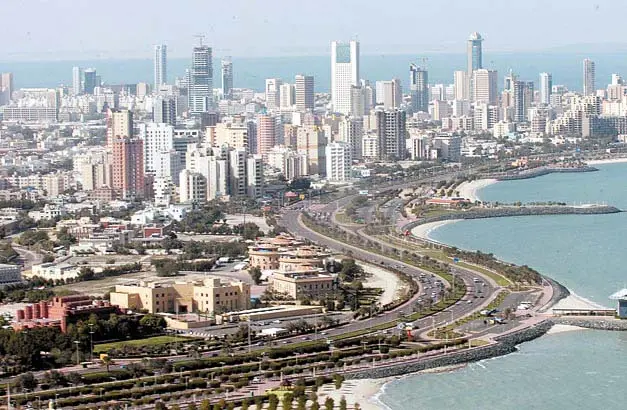
Kuwait, a small nation of approximately 5 million people, occupies just 17,818 square kilometres, slightly larger than India's Nagaland. Despite its modest size, Kuwait boasts the world's most valuable currency, the Kuwaiti Dinar (KWD), with an exchange rate of approximately 1 KWD = 3.26 USD. Its compact geography and strategic Gulf location allow it to efficiently manage infrastructure and economic policies that reinforce its currency strength.
The Oil Wealth Advantage
Kuwait's economic strength stems from its vast oil reserves, ranking among the top globally. The country has a crude oil production capacity of 3.2 million barrels per day. Oil exports constitute a significant portion of its GDP, contributing to a nominal GDP of $160 billion. This concentrated resource wealth provides a continuous inflow of foreign currency, supporting both the dinar and government spending.
Strategic Currency Pegging
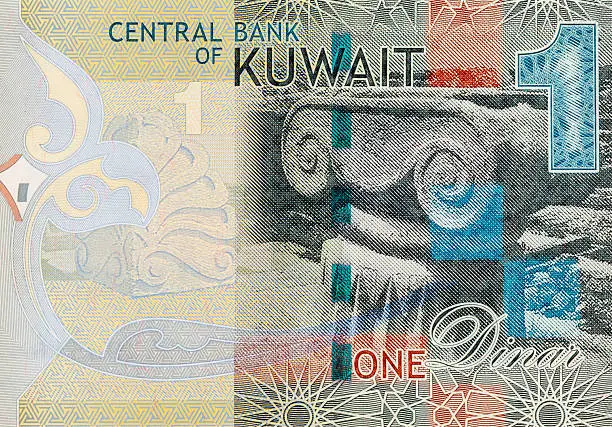
The Kuwaiti Dinar's high value is maintained through a strategic peg to a basket of international currencies, rather than a single currency like the US Dollar. This approach allows Kuwait to manage its currency's value more effectively, insulating it from fluctuations in any single foreign currency. The peg also provides predictability for trade, investment, and international contracts.

Fiscal Discipline and Sovereign Wealth Fund
Kuwait's government exercises fiscal discipline, with a low unemployment rate and moderate inflation. The country also manages a substantial sovereign wealth fund, the Kuwait Investment Authority, which invests globally, further bolstering its economic stability. These investments act as a buffer against oil market volatility and enhance the long-term strength of the dinar.

Limited Domestic Market
With a population of just over 5 million, Kuwait's domestic market is limited. However, this constraint is offset by its strategic location and strong trade relations, particularly in the oil sector, which drive economic growth and support the high value of its currency. The government also leverages free trade zones and international partnerships to expand its economic reach beyond domestic consumption.

High GDP Per Capita
Kuwait's GDP per capita stands at approximately $32,000 (nominal) and $51,000 (purchasing power parity). These figures place Kuwait among the wealthiest nations globally, reflecting its economic prosperity and the strength of its currency. High per capita income allows for significant domestic savings and investment, which further stabilises the dinar.

Political Stability Amid Challenges
Despite facing political challenges, including parliamentary dissolutions, Kuwait maintains a relatively stable political environment compared to many of its regional counterparts. This stability contributes to investor confidence and supports the strength of the Kuwaiti Dinar. Strong institutions and consistent regulatory frameworks also encourage foreign capital inflows.
Diversification Efforts
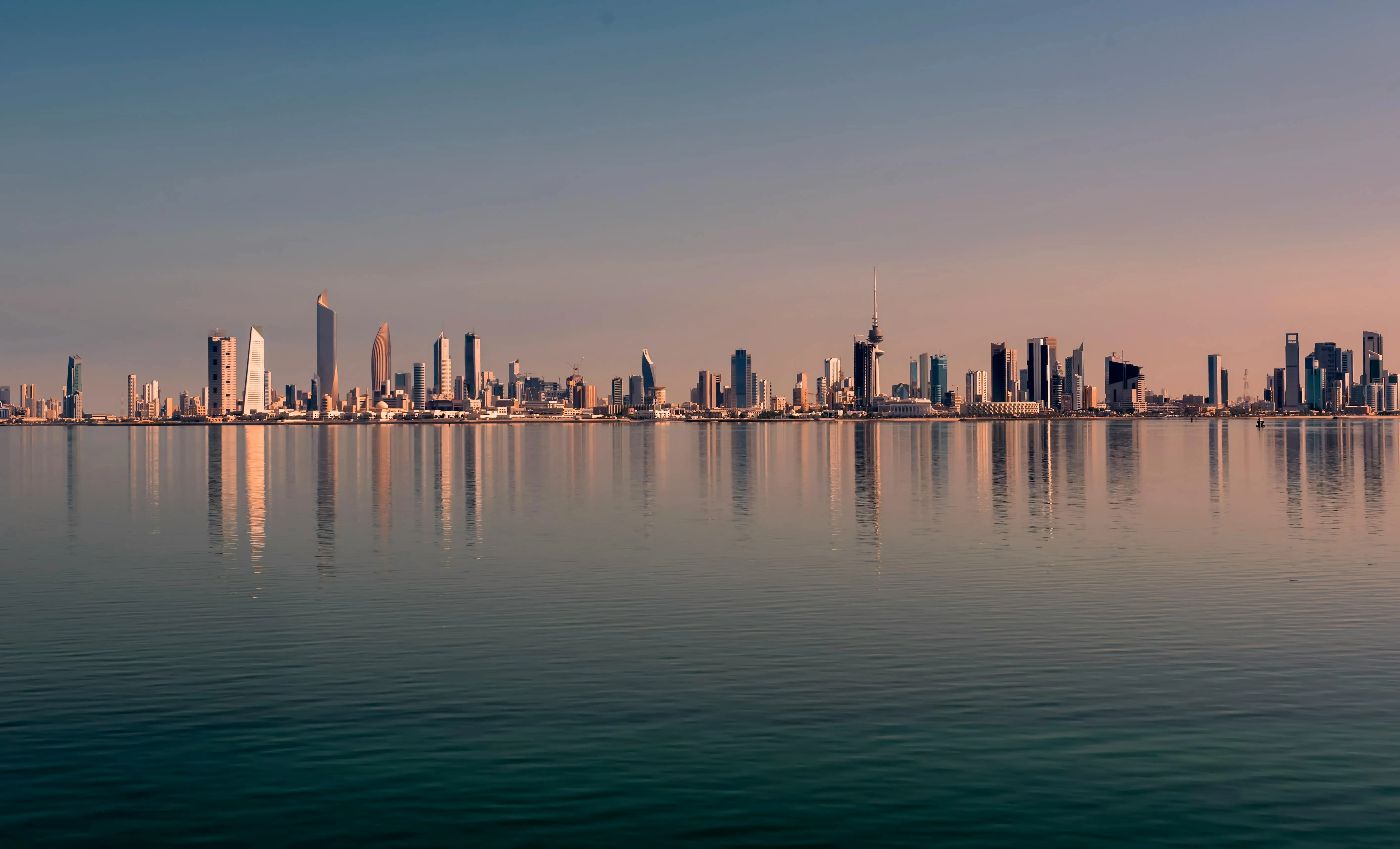
Recognising the volatility of oil prices, Kuwait is actively pursuing economic diversification. Investments in sectors such as finance, real estate, and infrastructure aim to reduce dependency on oil revenues and ensure long-term economic stability. These initiatives also create employment opportunities and stimulate private-sector growth.
Kuwait's economic strength and strategic location enhance its influence in the Middle East. It plays a significant role in regional organisations and maintains strong diplomatic relations, further supporting the value of its currency. The country’s reputation for stability makes it a hub for regional banking, finance, and investment.

Comparison with India
In contrast, India's currency, the Indian Rupee (INR), is valued at approximately 1 USD = 87.9 INR in 2025. Factors such as a large population, trade deficits, and inflation contribute to the lower value of the INR compared to the Kuwaiti Dinar. While India’s economy is rapidly growing, structural challenges and fiscal pressures limit the rupee’s global strength. Kuwait's rise to having the world's most powerful currency is a testament to the effective management of its oil wealth, strategic fiscal policies, and efforts towards economic diversification.
)
)
)
)
)