How deadly is Iran’s Fattah-2 hypersonic missile, and how can USS Abraham Lincoln’s air defence stop it?

Iran’s Mach 15 Fattah-2 missile threatens Gulf assets with a 1,500 km range. The USS Abraham Lincoln counters this using 25-knot mobility, Aegis radars, and SM-6 interceptors to block strikes.
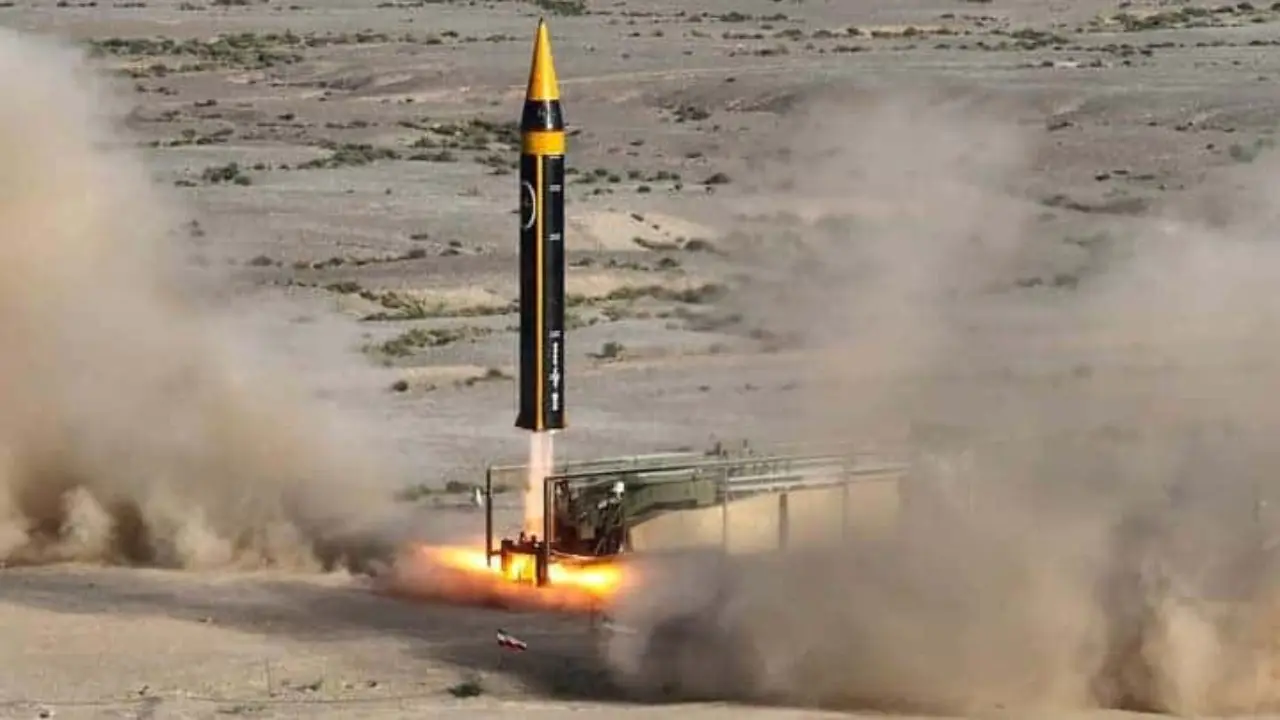
Fattah-2 reaches Mach 15
Iran's Fattah-2 hypersonic glide vehicle travels at Mach 15, or roughly 18,500 kilometres per hour. It uses a liquid-fuel engine to change trajectory mid-flight, making radar tracking incredibly difficult for standard air defence platforms.
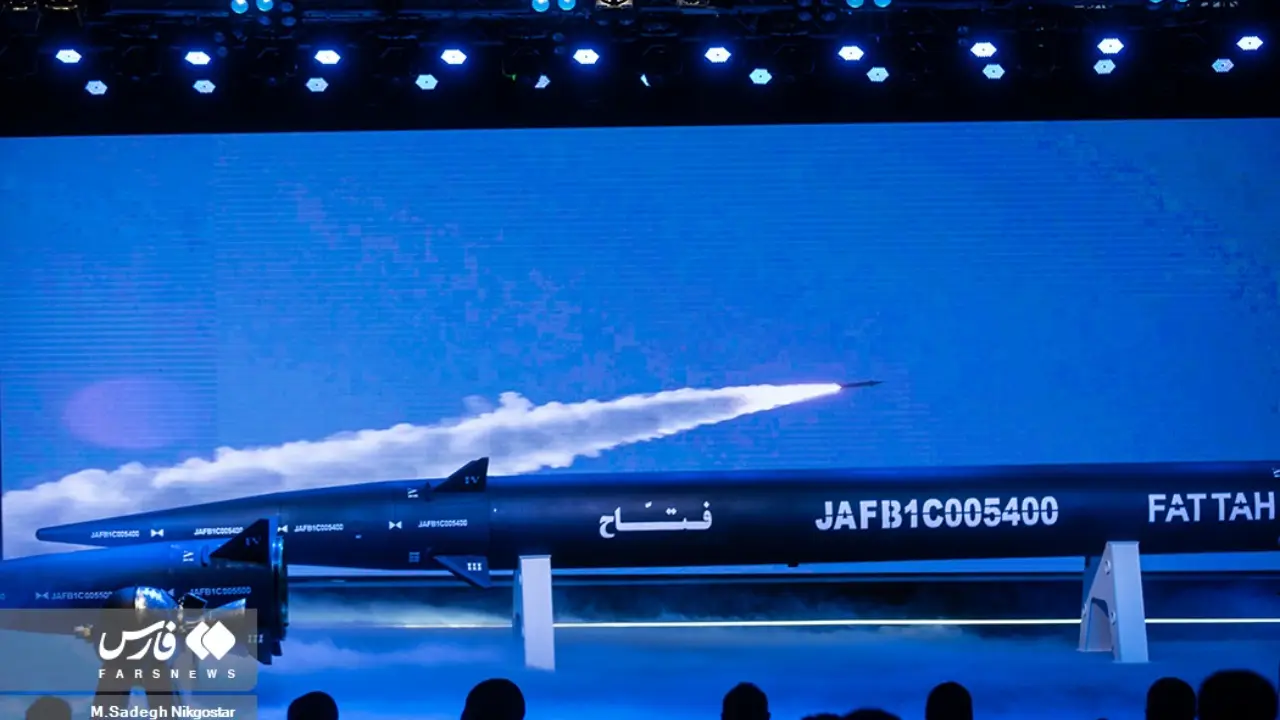
1,500 km strike range
The precision-guided missile has an operational range of 1,500 kilometres. This radius places United States military bases in the Gulf and naval assets in the Arabian Sea within potential striking distance.

Carries 200 kg payload
Measuring 12 metres in length, the road-mobile weapon carries a 200-kilogramme explosive payload. However, striking a moving ship at sea requires near-real-time satellite targeting, which remains a significant intelligence gap for Iran.

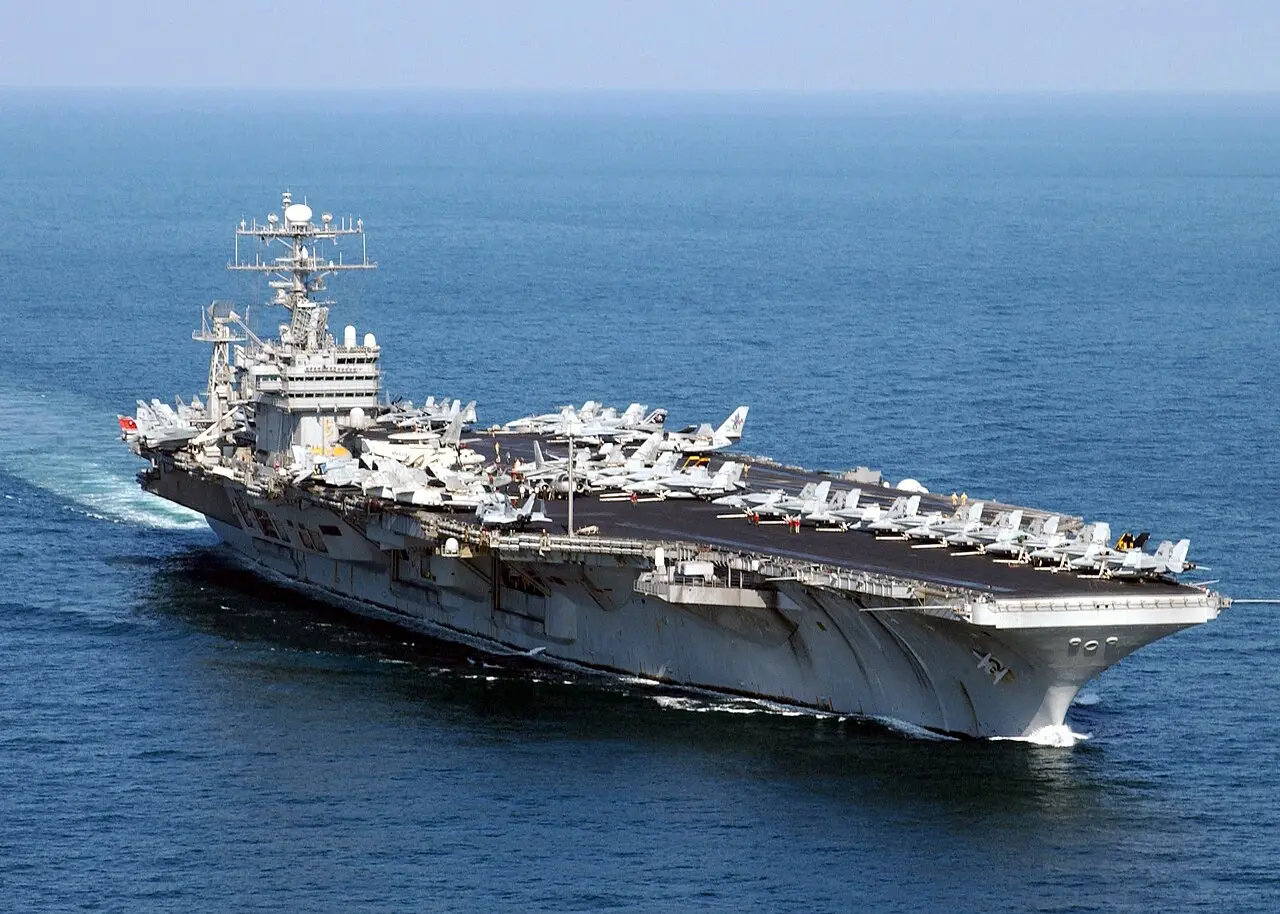
Carrier speeds past 25 knots
The USS Abraham Lincoln is a Nimitz-class nuclear-powered aircraft carrier that sails at speeds exceeding 25 knots. It constantly changes direction, turning the warship into a highly elusive target for long-range ballistic weapons.

Aegis system tracks threats
The aircraft carrier never travels alone and relies on escort cruisers and destroyers equipped with the Aegis combat system. These warships use advanced long-range radars to detect and track incoming hypersonic or ballistic threats well out at sea.
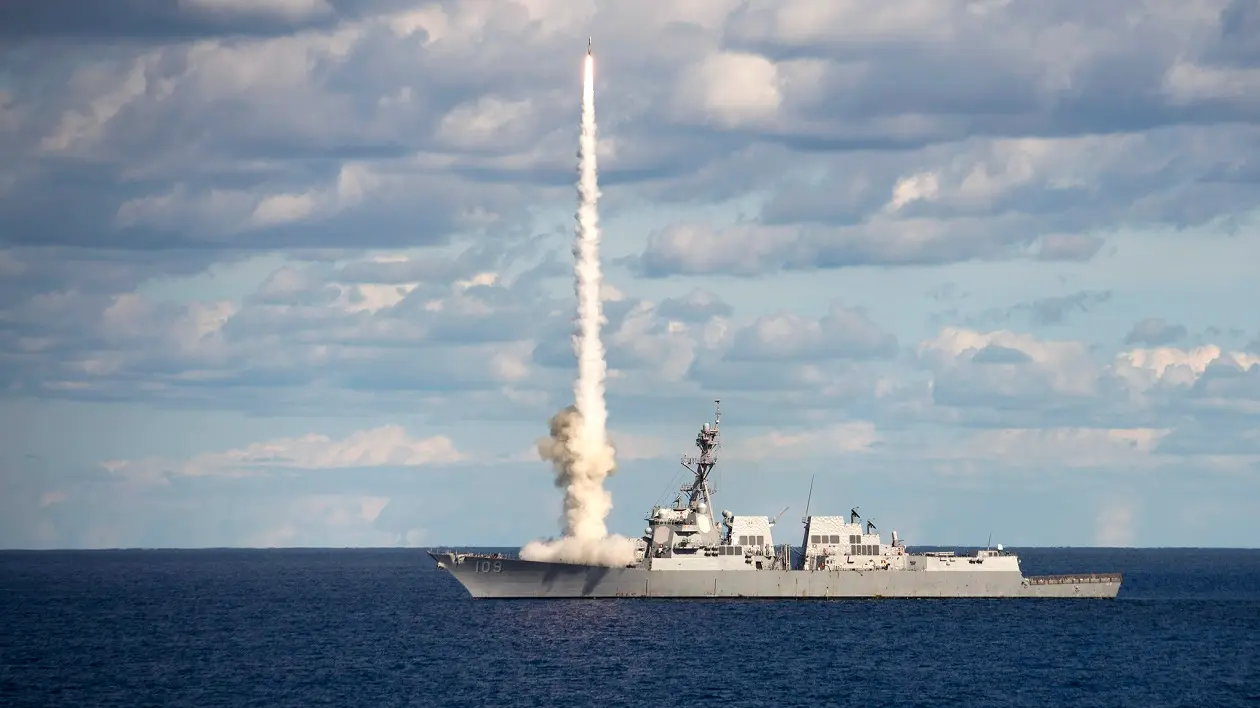
SM-6 interceptors block missiles
To neutralise incoming attacks, the strike group deploys the RIM-174 Standard Missile 6 (SM-6). The inner defence rings also use electronic warfare to jam the communication links and guidance sensors of incoming projectiles.
Drones needed for saturation
A single Fattah-2 strike is highly unlikely to breach the carrier's layered shield. A successful assault would require launching hundreds of drones and cruise missiles simultaneously to exhaust the American interceptor stockpile first.
)
)
)
)
)