How deadly is India’s new Apache helicopter?

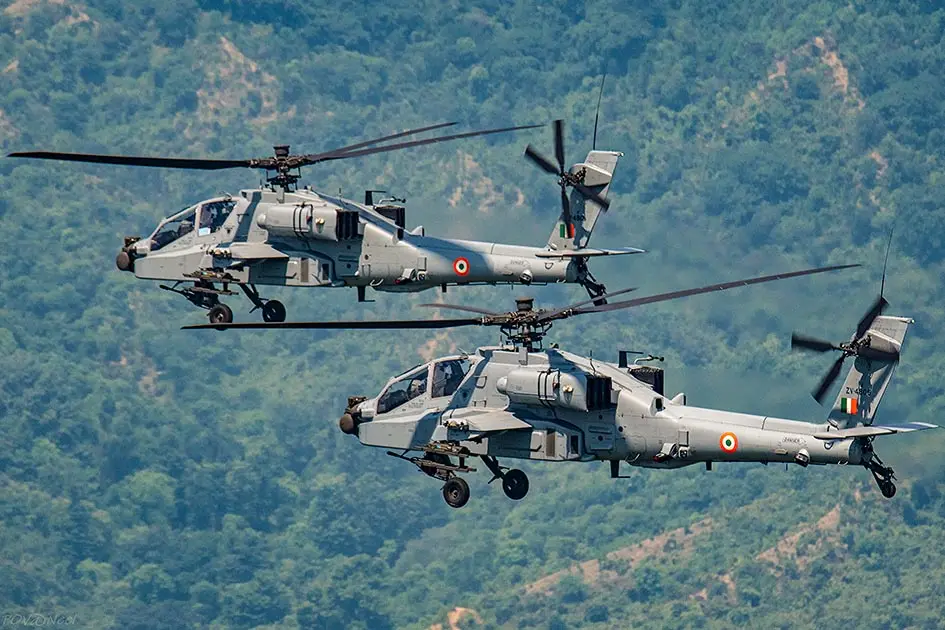
In July 2025, India formally inducted three AH‑64E Apache helicopters into the Army Aviation Corps. They join the existing fleet of 22 Apaches already operating with the Indian Air Force, giving India one of the most advanced attack helicopter forces in the region.
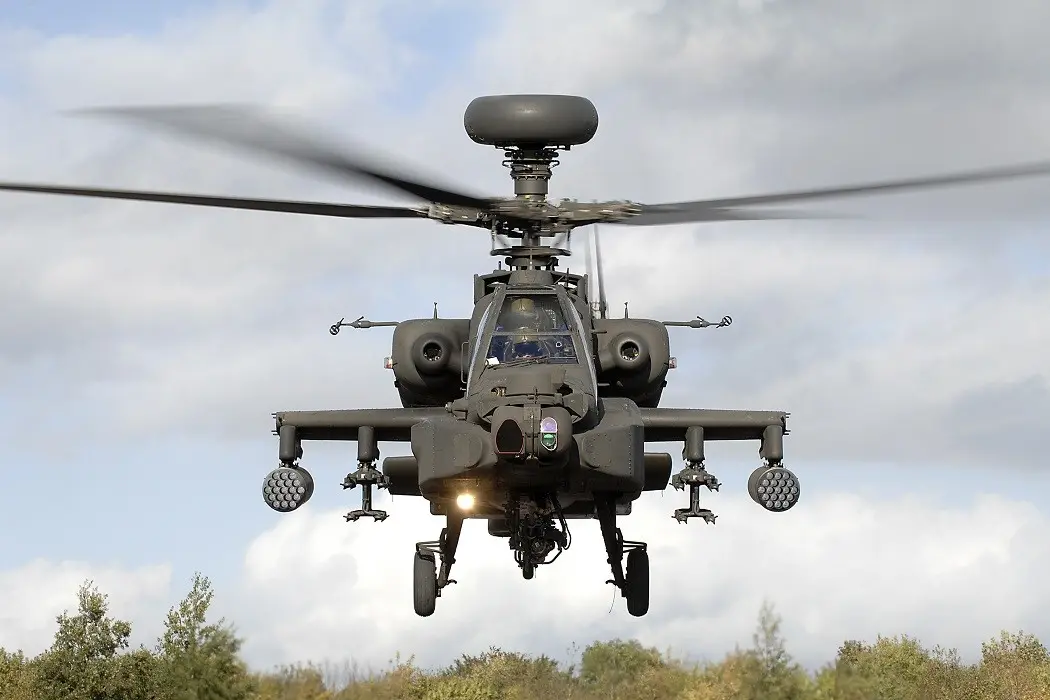
Modern War Machine for India
In July 2025, India formally inducted three AH‑64E Apache helicopters into the Army Aviation Corps. They join the existing fleet of 22 Apaches already operating with the Indian Air Force, giving India one of the most advanced attack helicopter forces in the region.
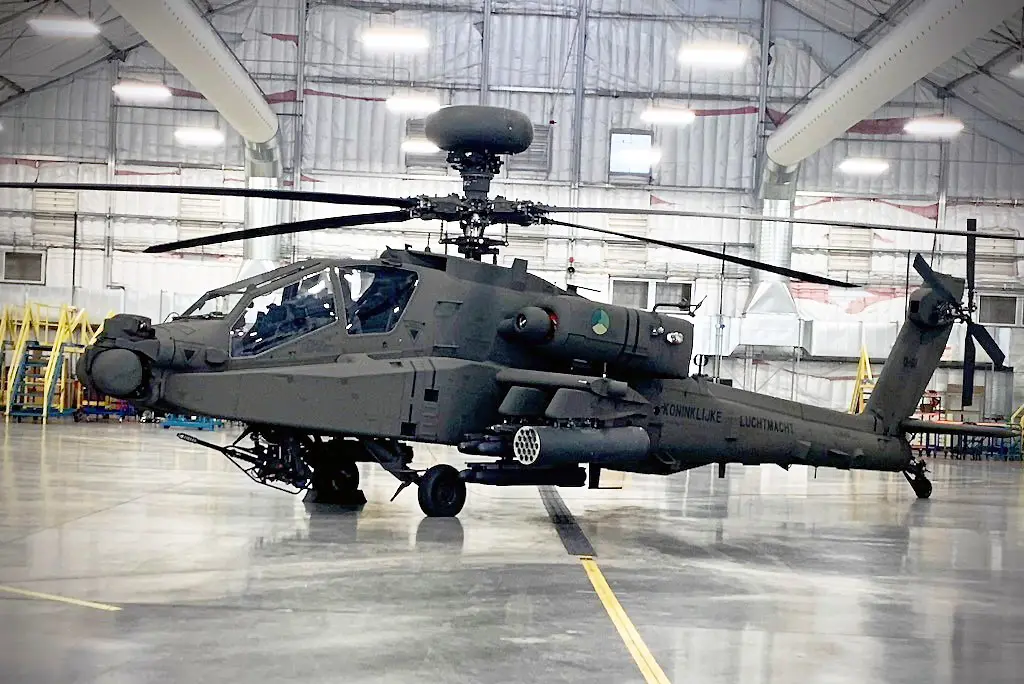
Payload That Hits Hard—and Precisely
The AH‑64E carries a 30 mm M230 chain gun capable of firing 1,200 rounds, Hellfire anti-armour missiles with fire-and-forget capability, Hydra 70 rockets, and even air‑to‑air Stinger missiles. These weapons enable surgical strikes and high‑value target elimination at stand-off range.
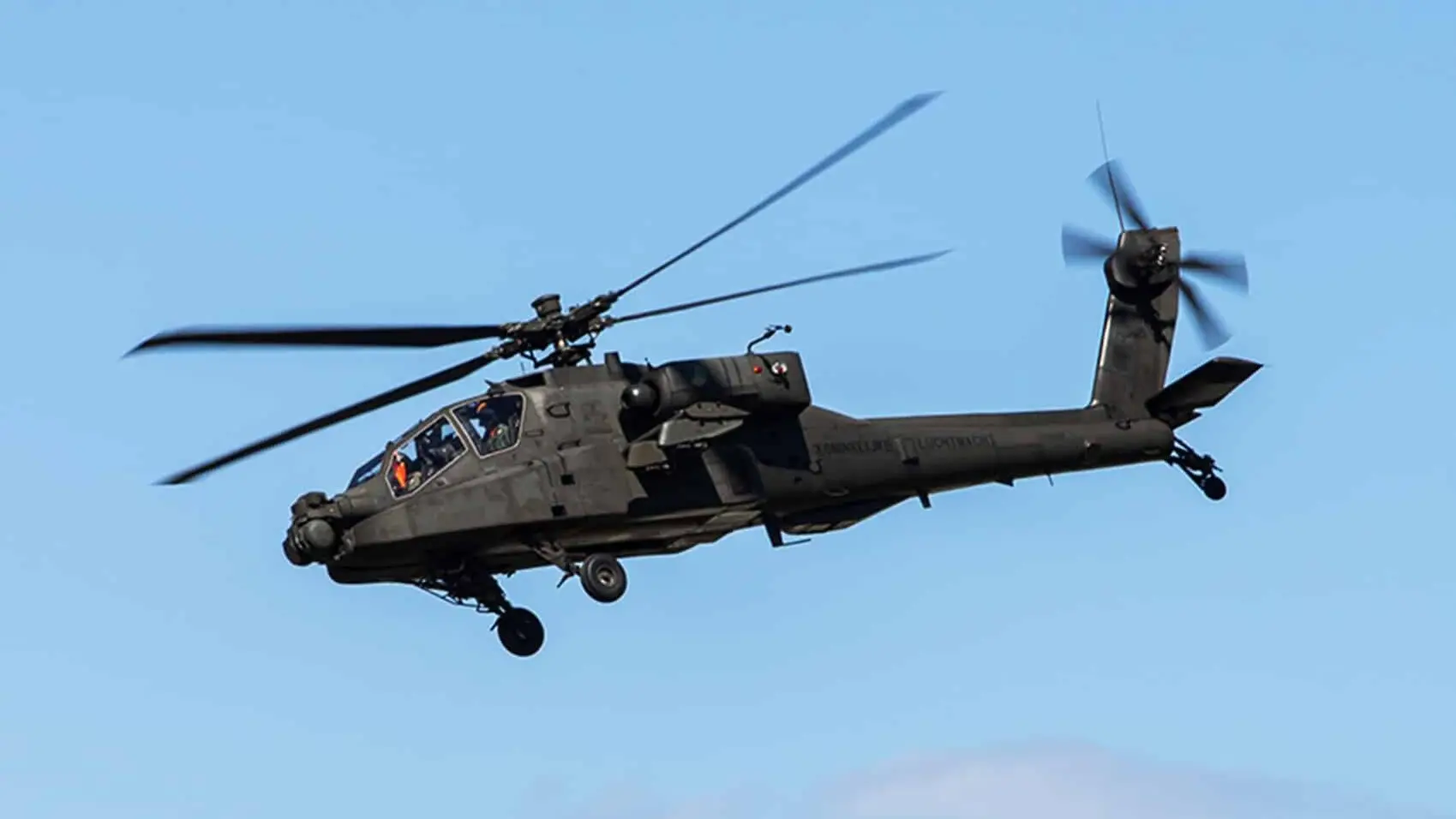
The APG‑78 Advantage
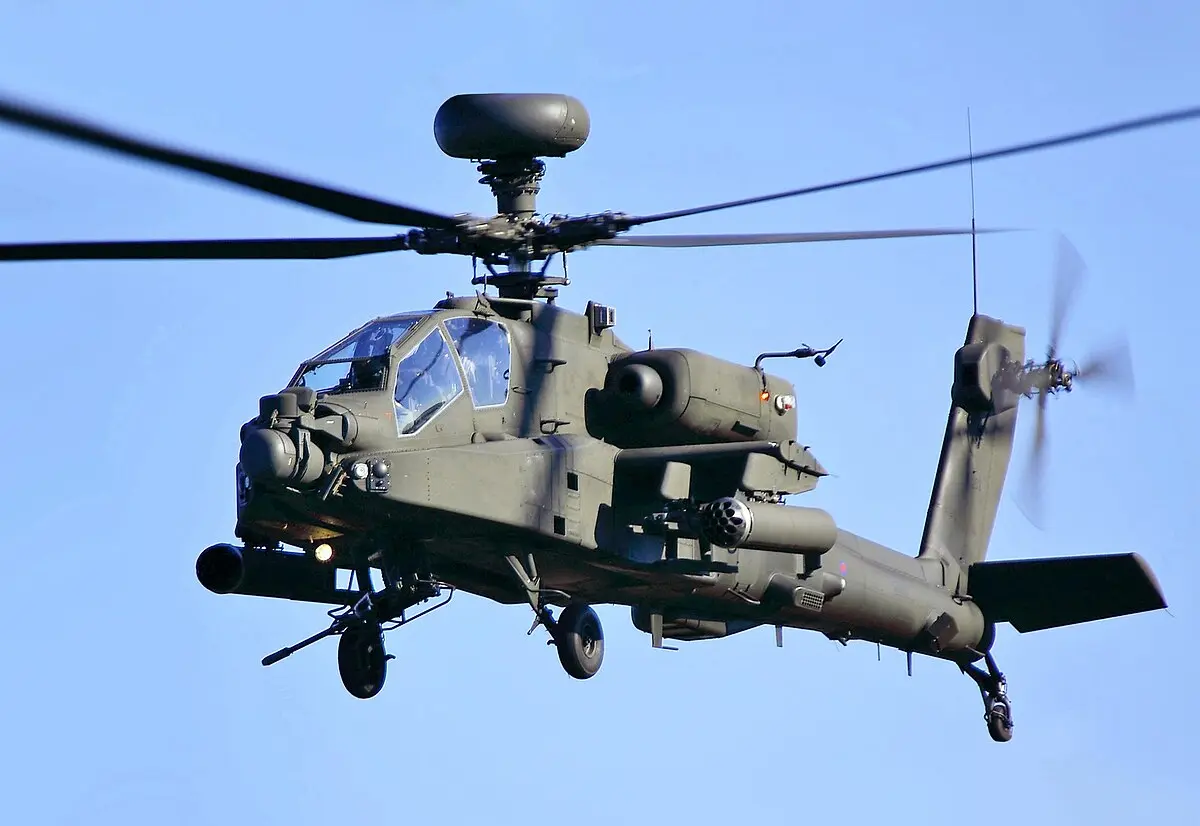
Mounted above the rotor, the Longbow fire-control radar can track up to 128 targets simultaneously and engage up to 16 even in low-visibility conditions. This allows Apaches to detect and engage threats without exposing themselves.
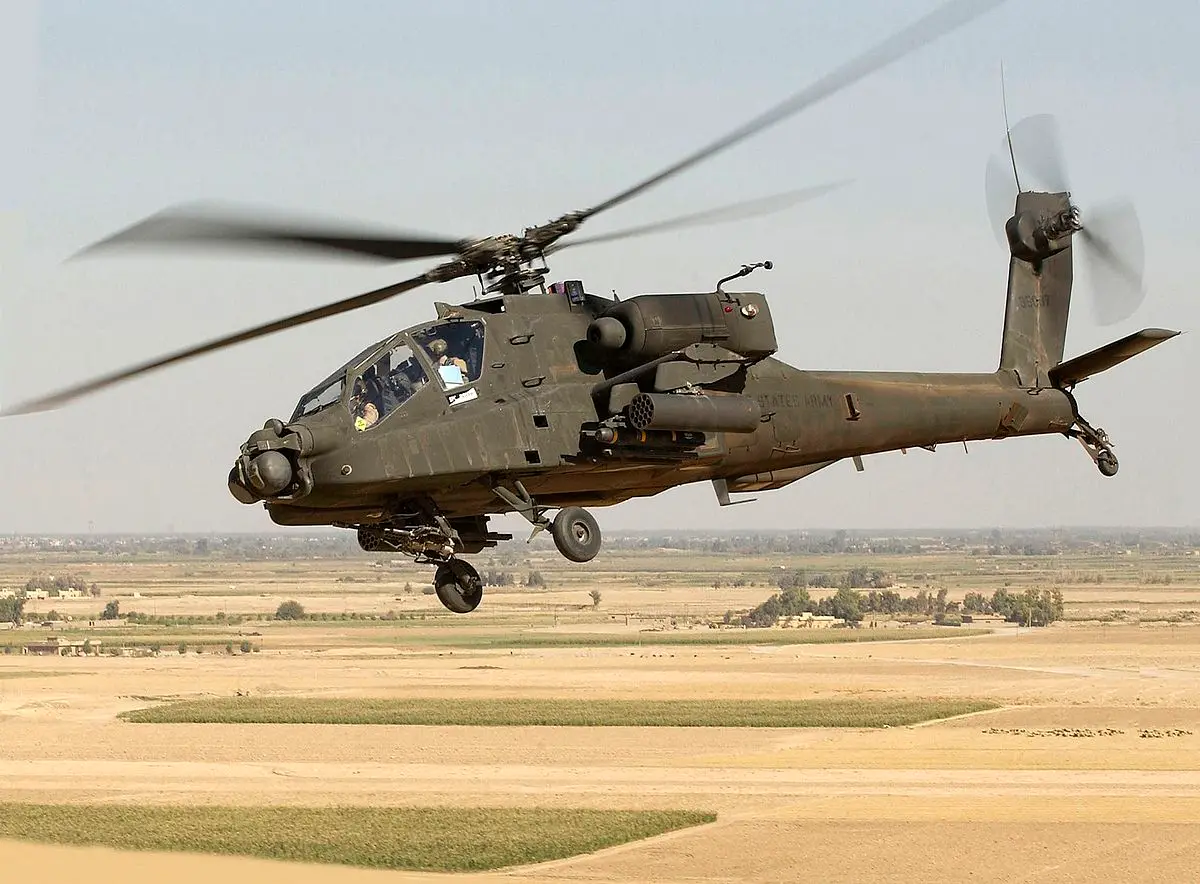
Full Networking: From Cockpit to Drone
The Apache AH‑64E integrates with reconnaissance drones (MUM‑T), Link 16 datalink systems, AWACS, and battlefield networks. This allows pilots to identify, designate, and strike targets rapidly using shared intelligence and real-time feeds.
All‑Weather, Day/Night Capability
Equipped with infrared sensors, laser targeting systems, and night vision, the Apache can operate in adverse weather, smoke, dust, or darkness. The helicopter is built for sustained missions without sacrificing accuracy or pilot situational awareness.
High Altitude Limits Tested in Himalayas
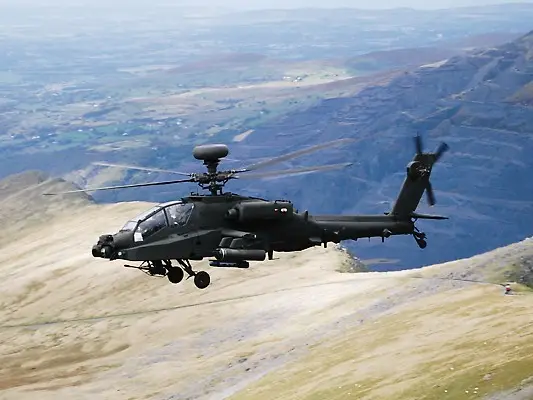
Despite its performance, the Apache has faced challenges above 13,000 ft. In Ladakh, one Apache performed a forced landing and was later dismantled and retrieved manually due to reduced lift and engine stress at extreme altitude.
Robust Survivability and E‑Defence Systems
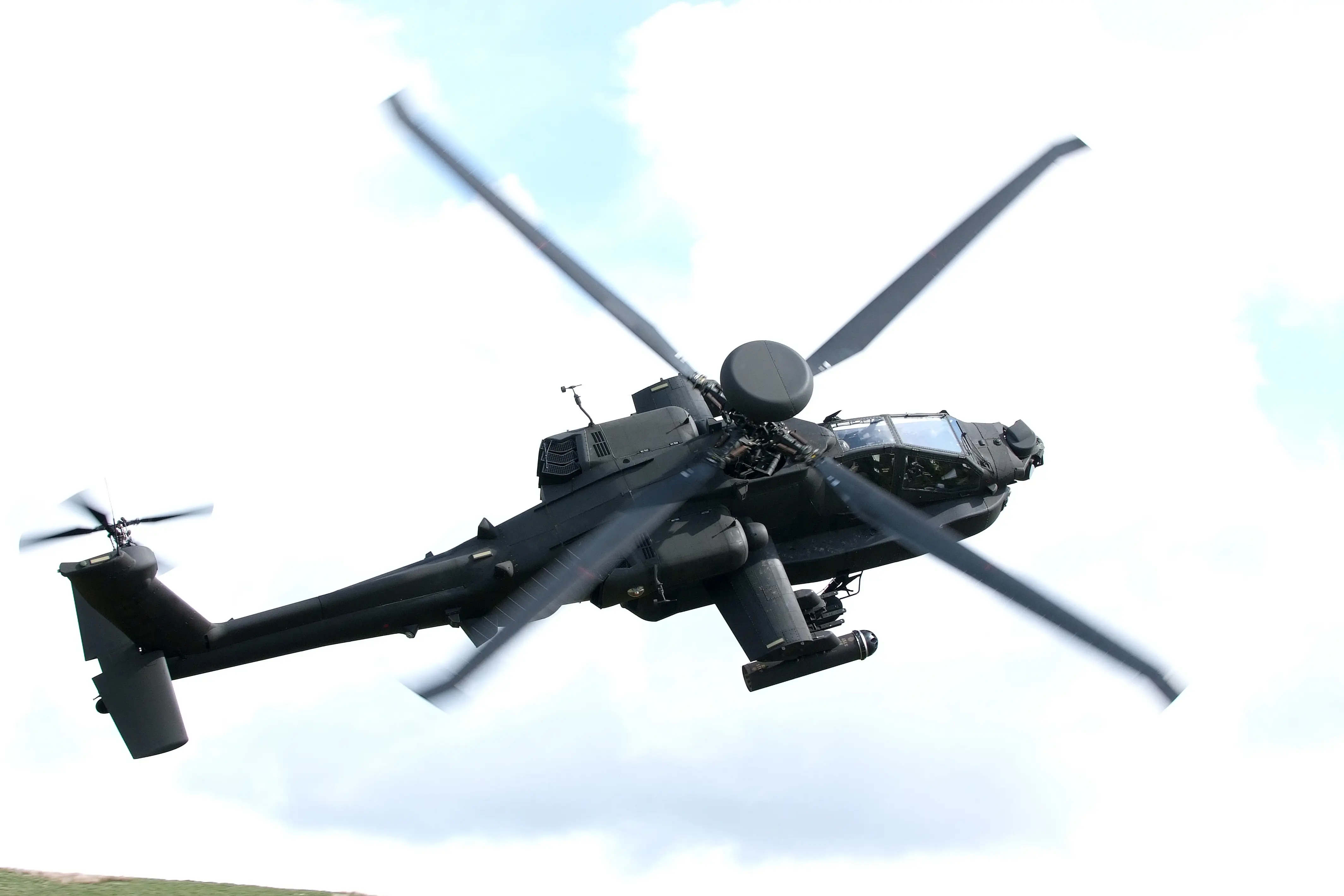
Apaches feature armour plating, crash‑resistant crew seats, infrared suppression systems, flares, and electronic warfare countermeasures. These layers protect pilots and sensors in hostile, anti‑aircraft environments.
Operational Deployment Along Western Border
India has launched its first Apache squadron near Jodhpur (Rajasthan) to guard the western border with Pakistan. This deployment underscores its strategic importance in Surprise and counter‑armoured missions under high-threat scenarios.
A Game‑Changing Platform
India’s AH‑64E Apache helicopters represent a significant shift in combat aviation. Their combination of lethal payload, networked systems, all‑weather readiness, and countermeasures make them one of the most formidable attack platforms available. Yet challenges like high-altitude operations and strategic integration remain areas to watch.
)
)
)
)
)