How could 3I/ATLAS’s speed and trajectory shift after solar heating

Solar heating can cause 3I/ATLAS’s icy surface to evaporate, creating jets that slightly shift its speed and trajectory. Surprisingly, changes are small, hinting at a massive nucleus. Scientists track these to predict the comet’s path better.
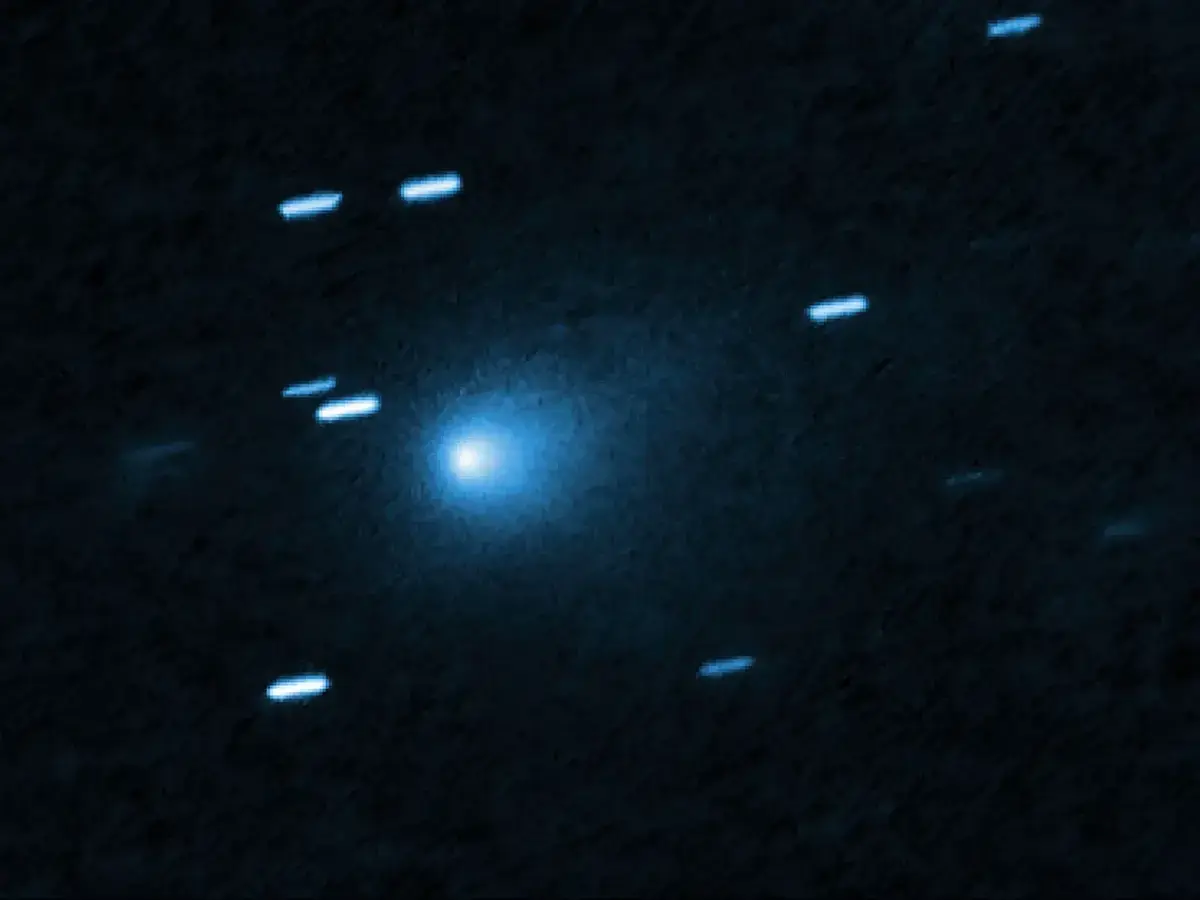
3I/ATLAS’s High Speed Near the Sun
3I/ATLAS travels faster than any previous visitor, around 58 kilometres per second. As it approaches the Sun, the comet’s gravity pulls it in, increasing its speed up to 68 kilometres per second at the closest point, called perihelion.
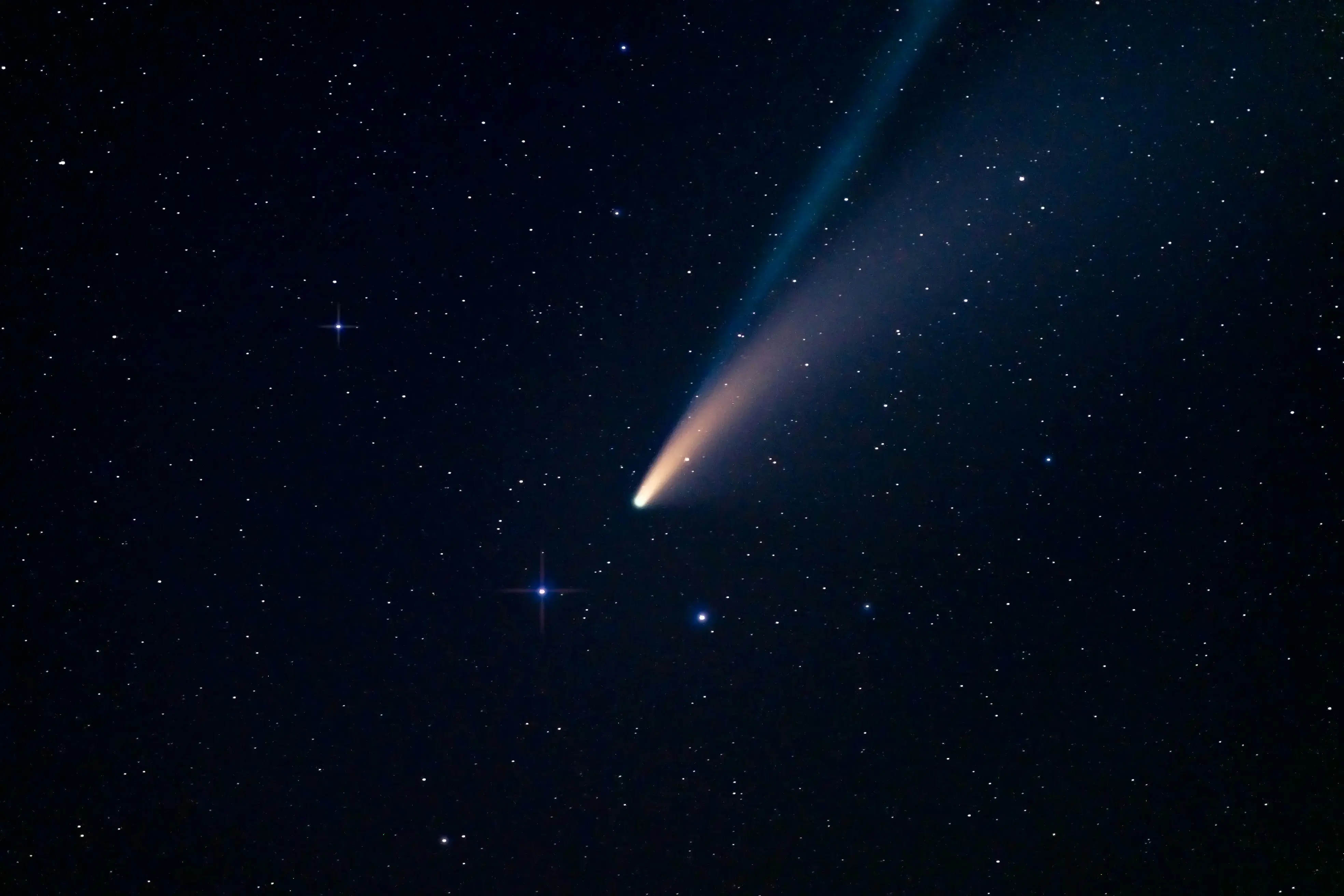
The Role of Solar Heating
Solar radiation heats the comet’s icy surface, causing ices to evaporate into gas and dust in a process called outgassing. This outgassing creates jets that can push the comet, affecting its speed and direction beyond gravity alone.
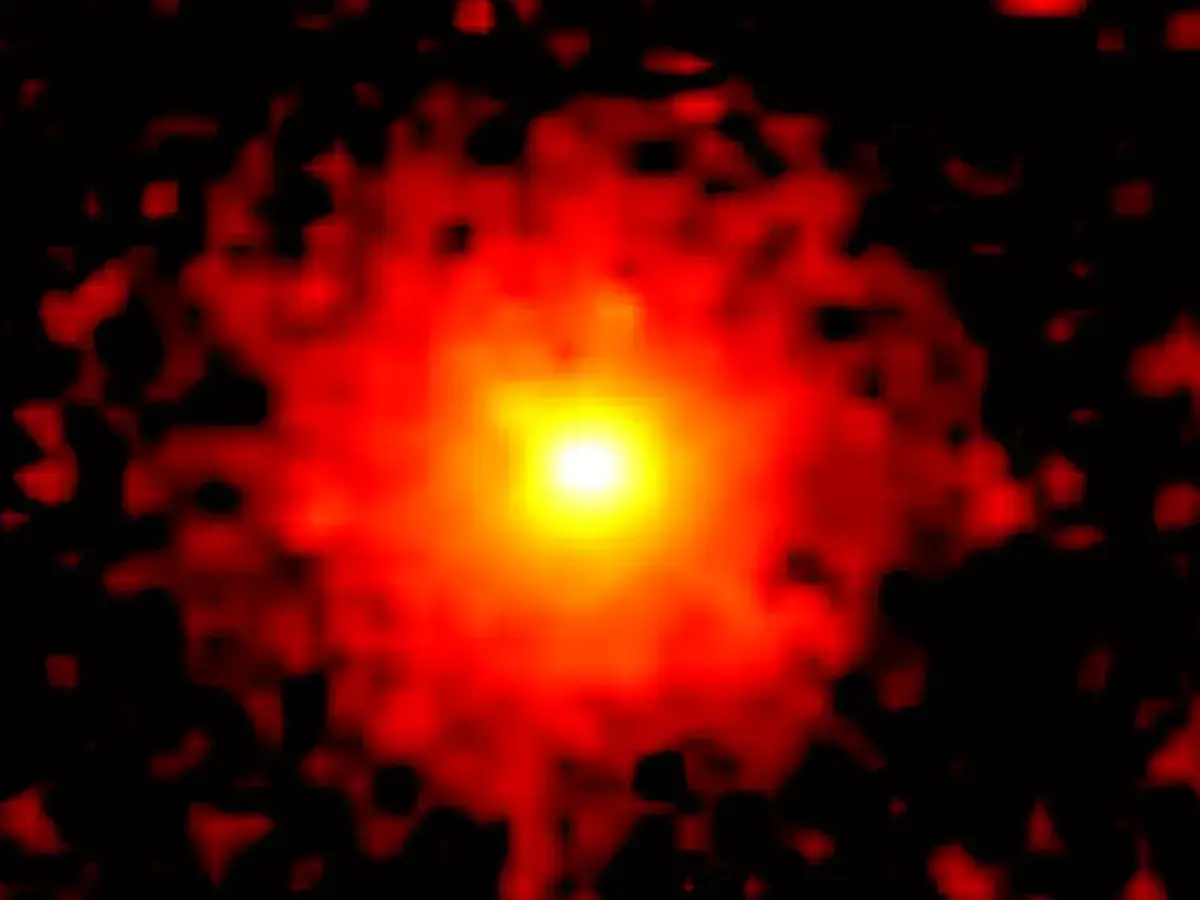
Non-Gravitational Forces Change Trajectory
These gas jets work like tiny thrusters on the comet’s surface. They cause non-gravitational acceleration, shifting the trajectory and speed slightly. Scientists track these shifts to better predict where 3I/ATLAS will travel next.
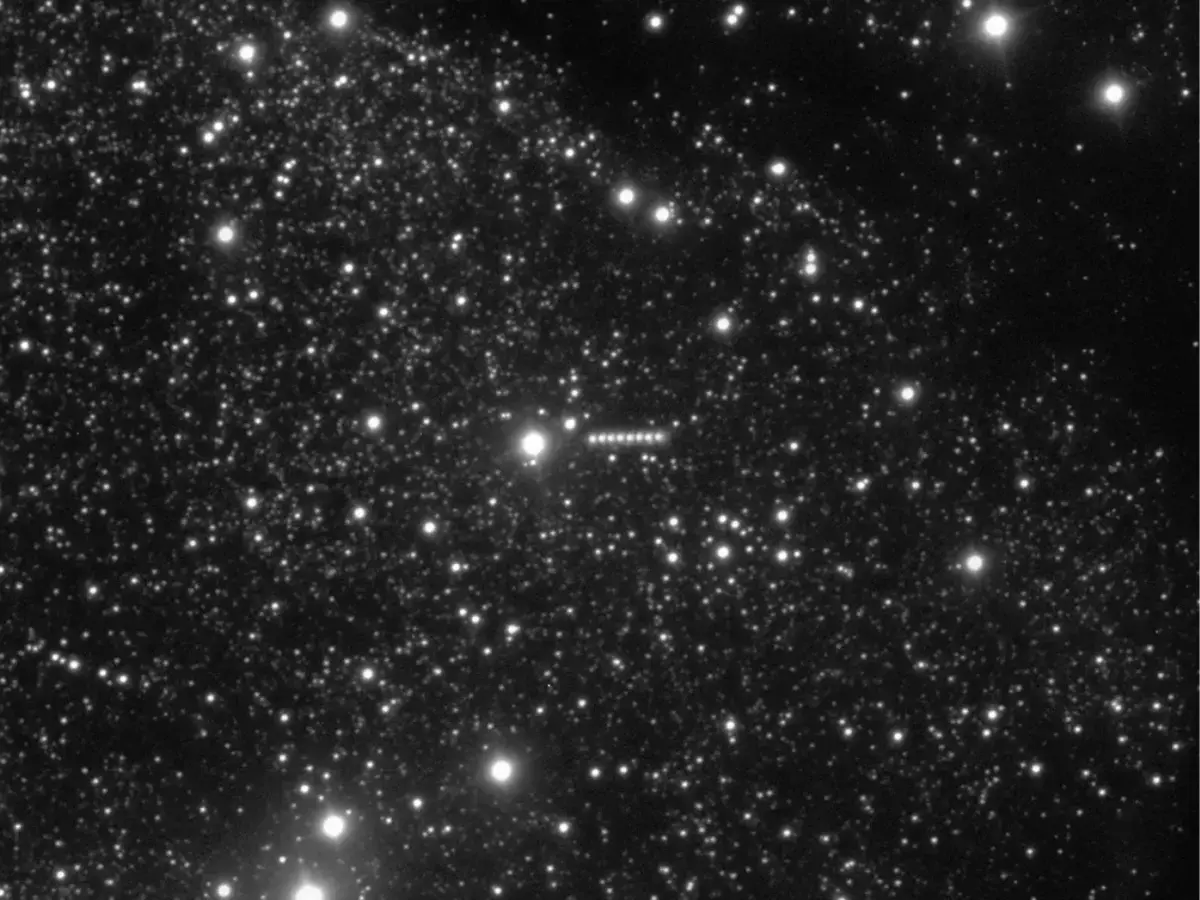
Surprising Minimal Acceleration
Unexpectedly, 3I/ATLAS shows very little change in speed despite significant outgassing. This suggests it has a large and dense nucleus, likely larger than 5 kilometres in diameter and more massive than first thought.
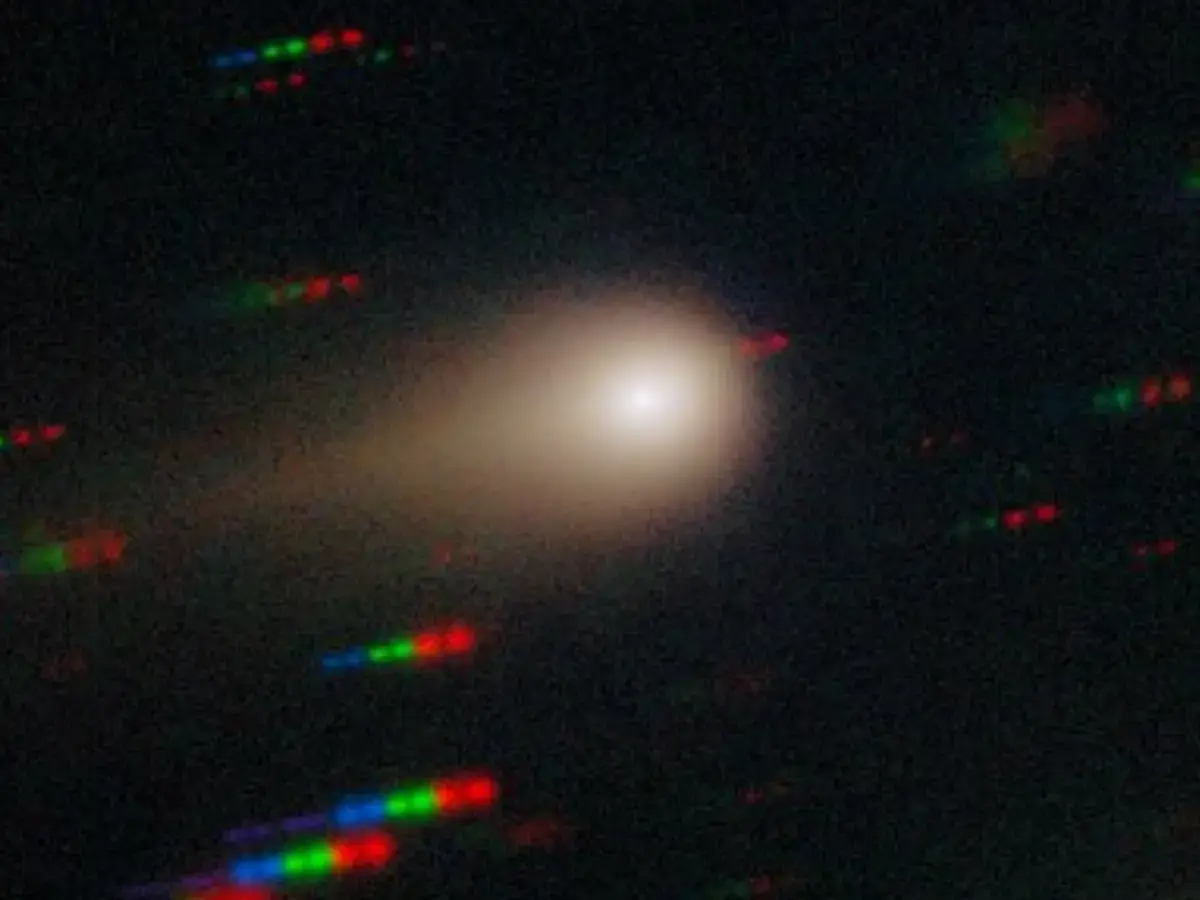
Orbit Shape and Path Shifts
3I/ATLAS follows a hyperbolic orbit with an eccentricity above 6, meaning it is not bound by the Sun’s gravity and will leave the solar system. Its trajectory near the Sun may shift slightly due to jets, but it remains on an escape path.
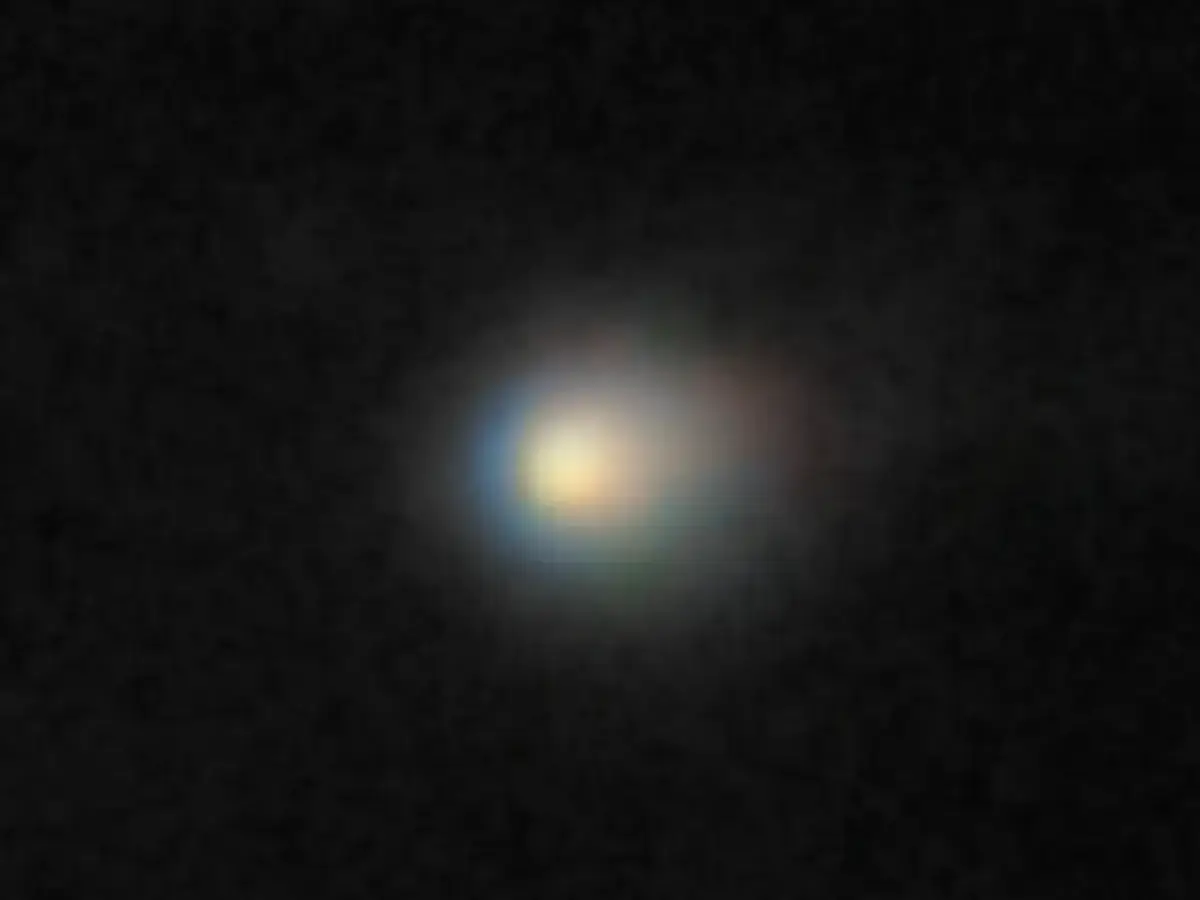
Importance of Space Observatories
Telescopes like Hubble and ESA’s Mars spacecraft observe 3I/ATLAS closely during perihelion to gather data on these effects. These observations help refine models for comet behaviour in extreme solar conditions.
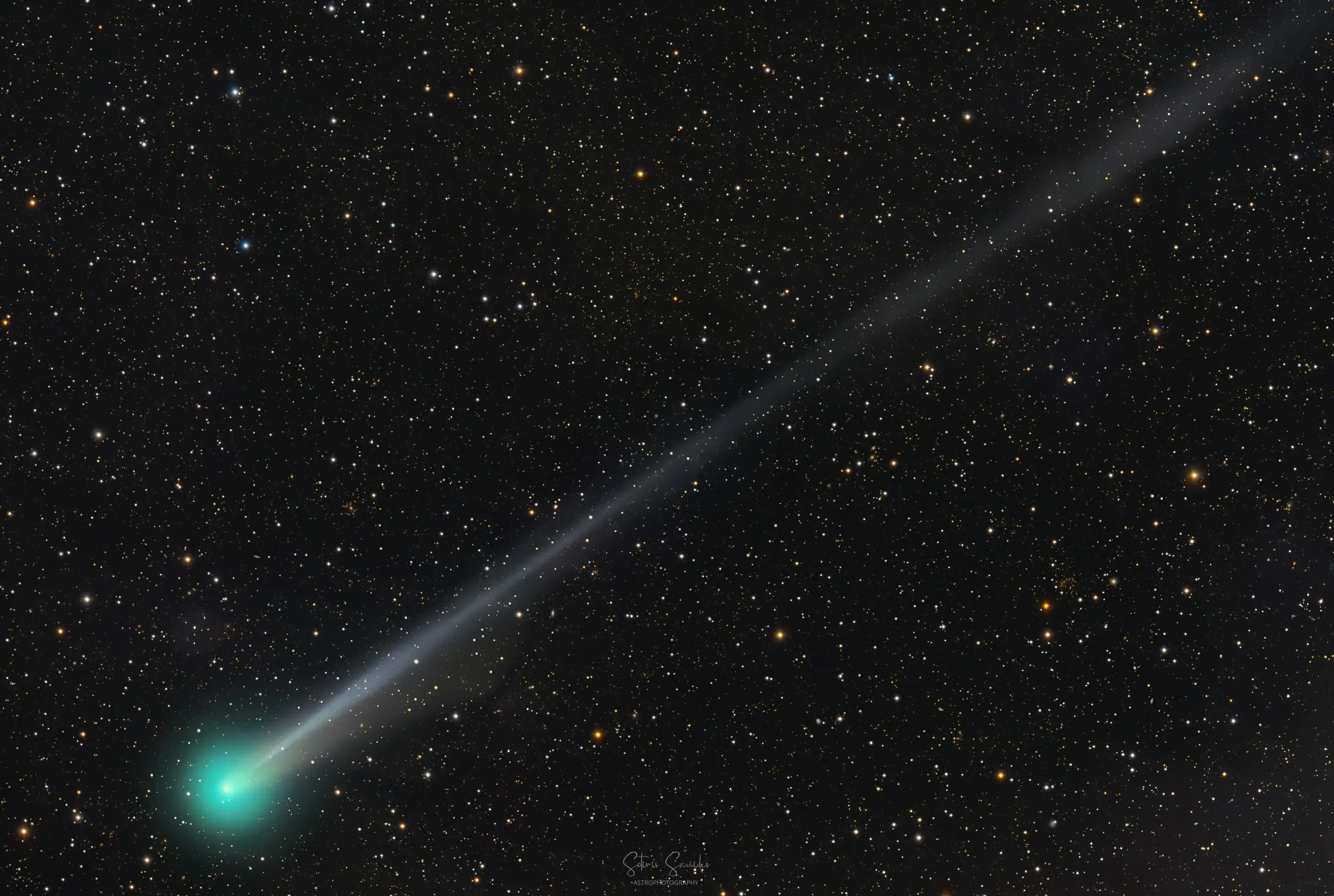
Preparing for Future Visitors
Understanding how solar heating alters 3I/ATLAS’s movement helps astronomers better predict future interstellar objects’ paths and remove uncertainty in planetary defence plans.
)
)
)
)
)