How cockpit design gives fighter pilots a 360-degree advantage

Modern fighter jet cockpits are built for 360-degree visibility using bubble canopies, helmet displays, and sensor fusion. These upgrades give pilots a crucial edge in speed, awareness, and survival during high-stakes missions.
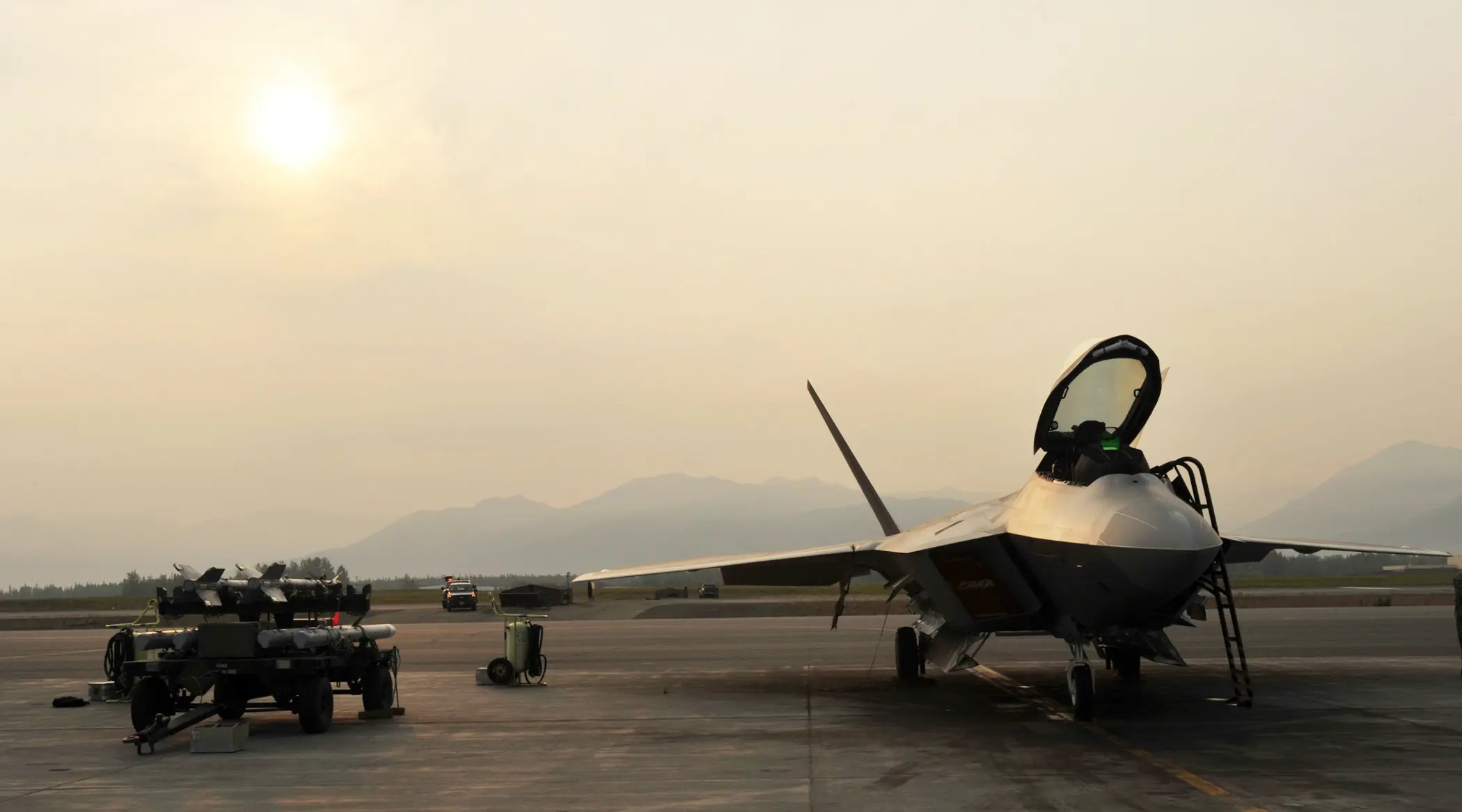
The importance of visibility
In a dogfight or high-speed mission, pilots need to see all around not just in front. A cockpit that gives 360-degree visibility reduces blind spots and helps pilots react faster.
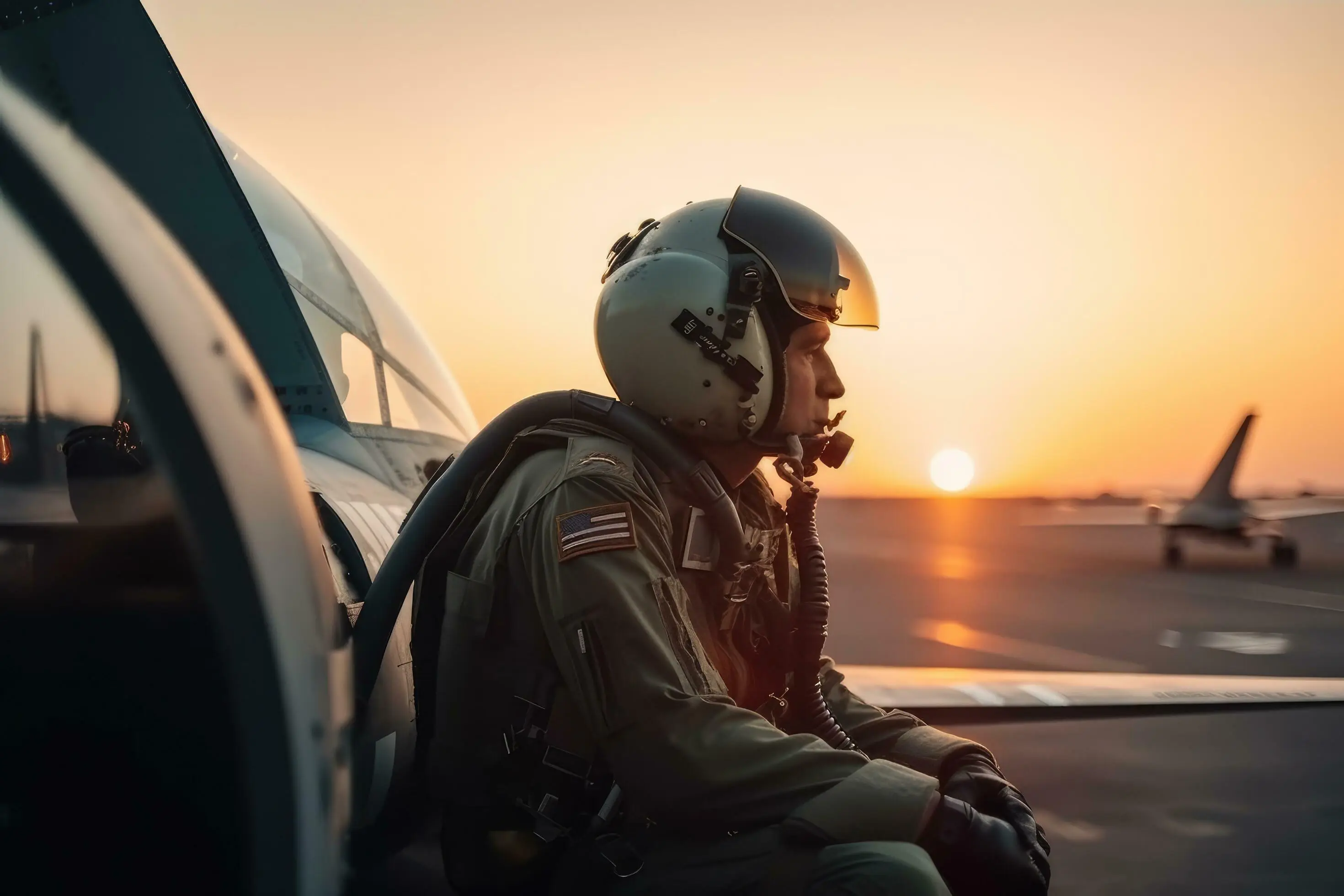
Bubble canopy design
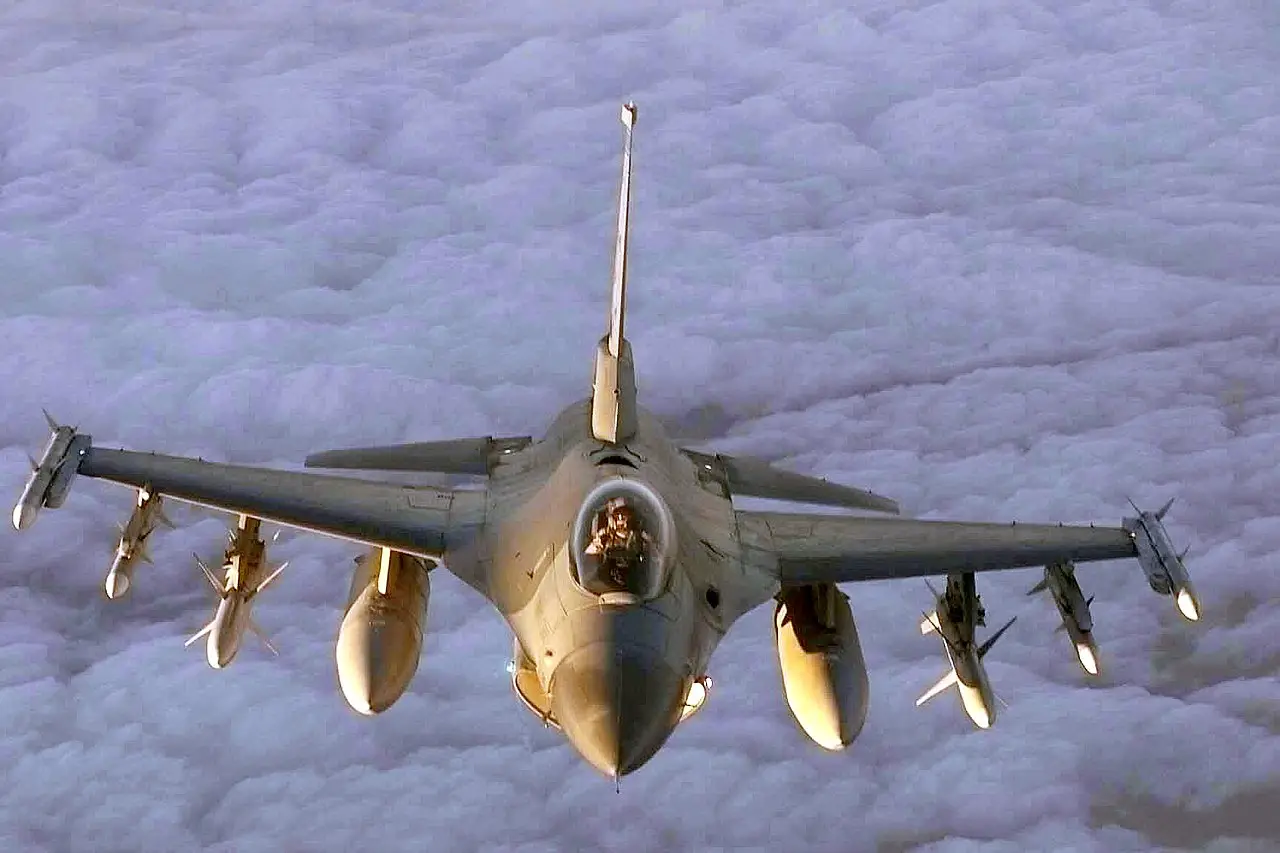
Many modern jets have bubble canopies a clear, dome-shaped glass around the cockpit. This design lets pilots see above, below and sideways without obstructions. The Mirage 4000 and F-16 have this feature, enhancing pilot awareness.
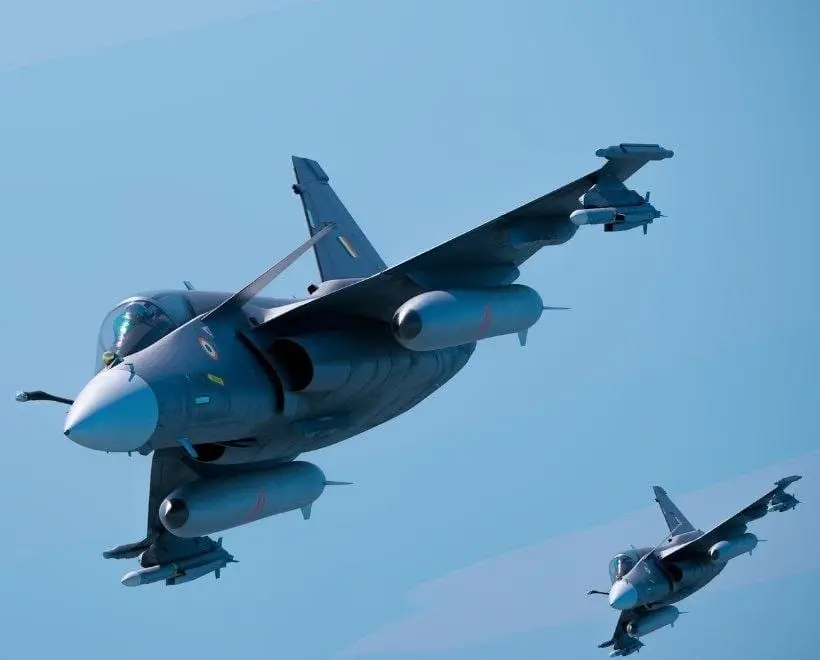
Helmet-mounted displays (HMD)
New tech like the helmet-mounted display projects vital information directly onto the pilot’s visor. Pilots can see targeting data, radar info, and even infrared images, all while looking around naturally.
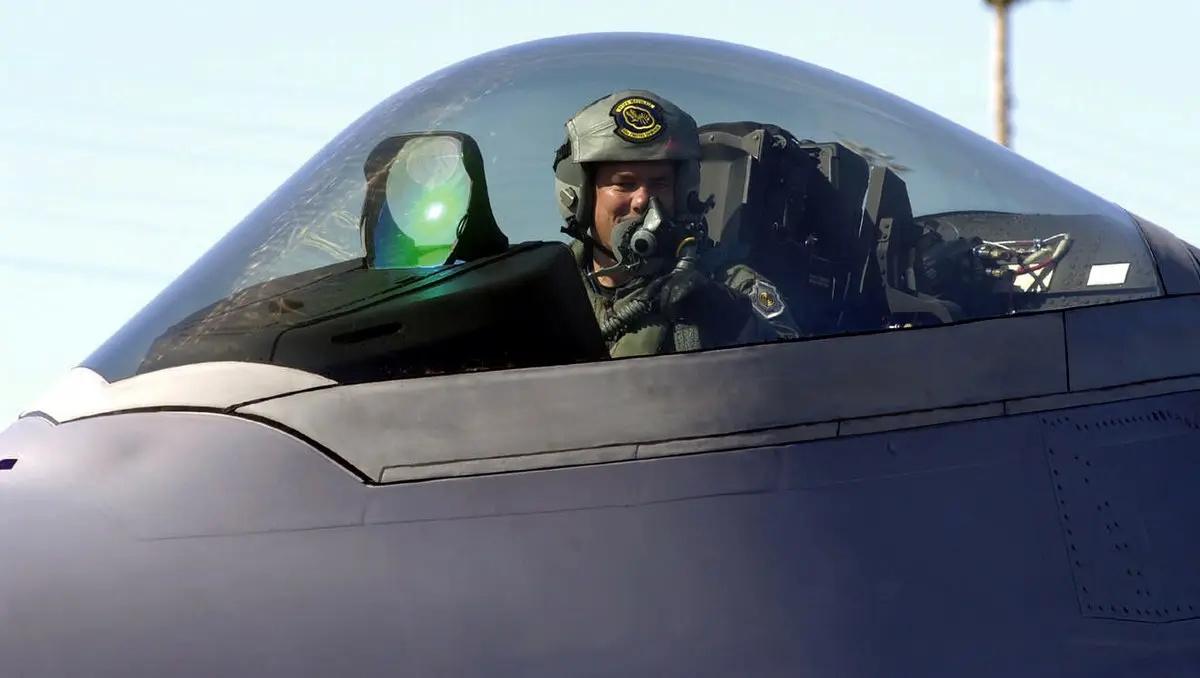
Hands-on-Throttle-And-Stick (HOTAS)
Controls are placed on the throttle and stick so pilots can operate key systems without looking away. This keeps their focus outside the cockpit and helps with faster reactions.
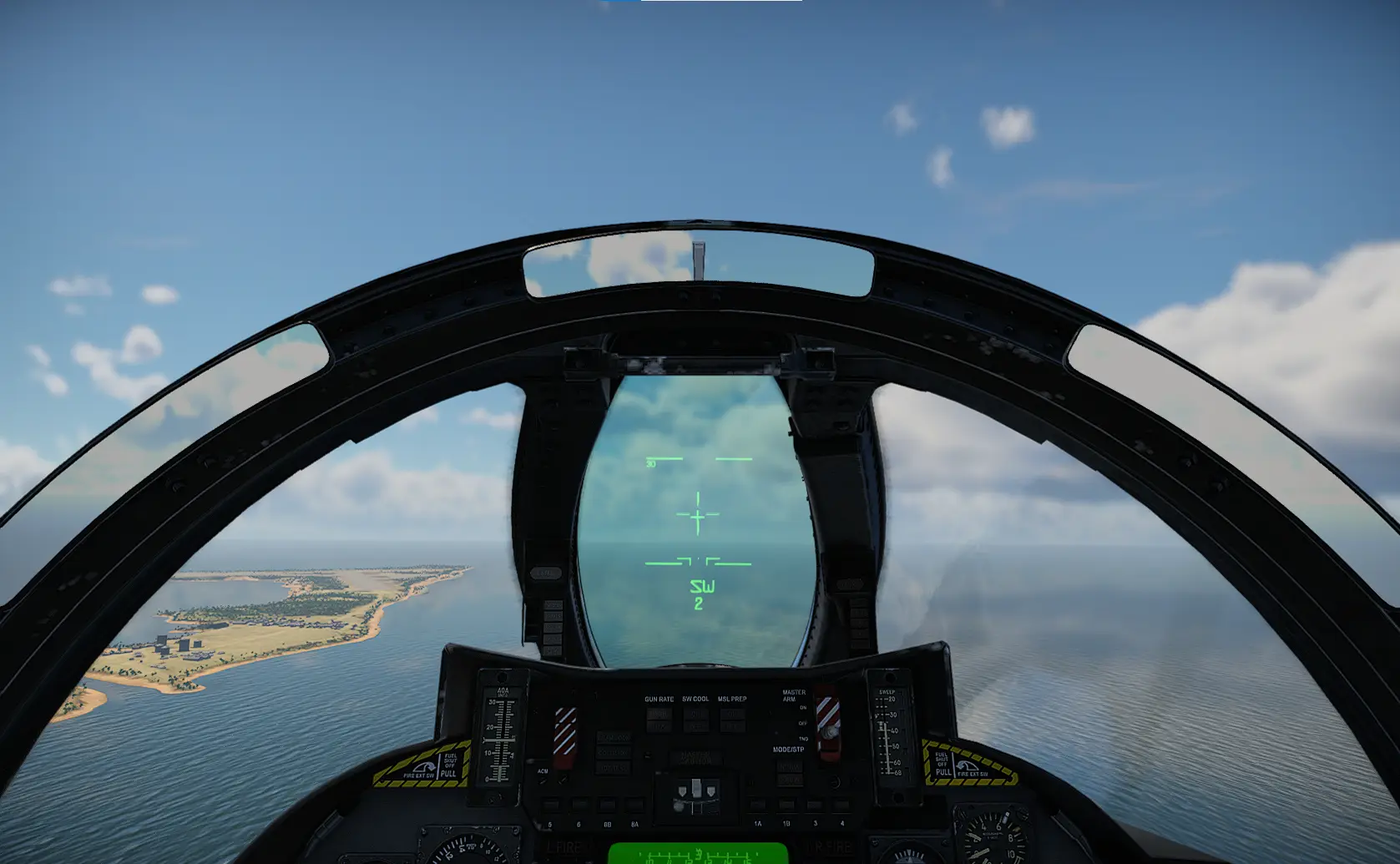
Advanced sensor fusion
Cockpits now combine data from many sensors into one clear picture for pilots. This means pilots get real-time info on enemy positions and friendly aircraft, all displayed intuitively, improving decision making.
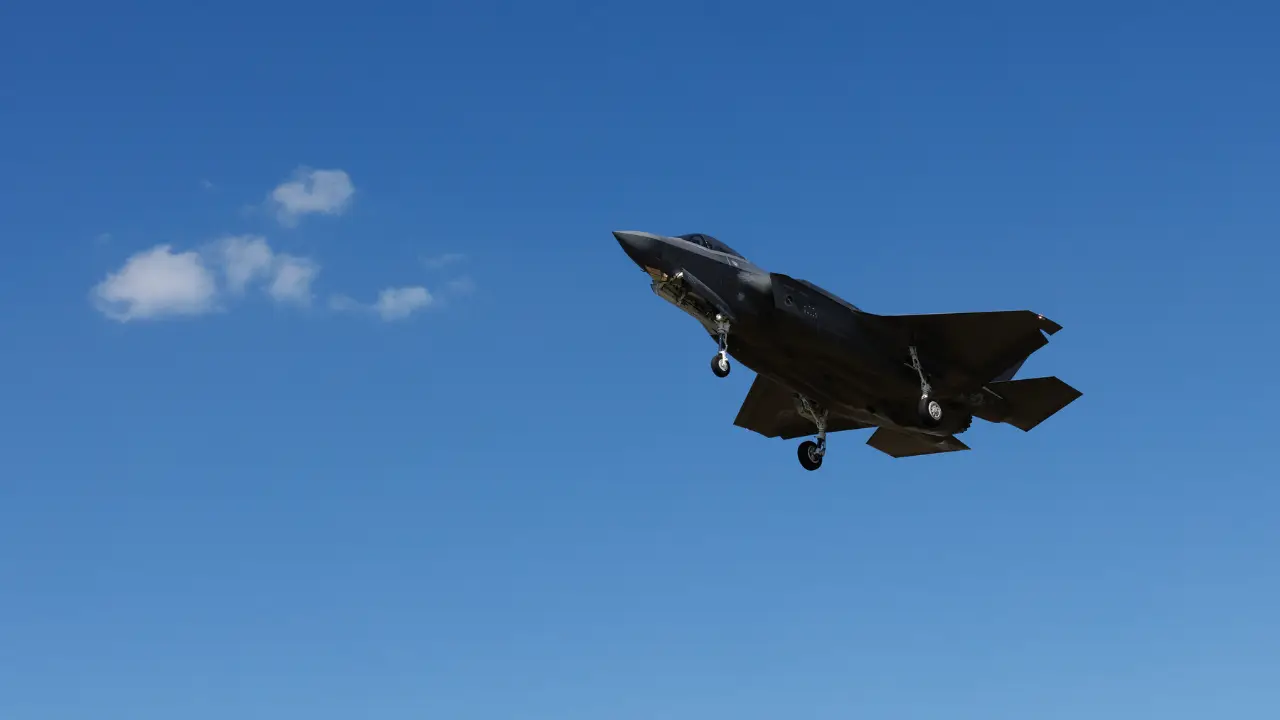
Reducing cognitive overload
Designers carefully arrange cockpit instruments to avoid overwhelming pilots. Interactive screens and simplified controls help pilots manage complex data and maintain high situational awareness.
The future of 360-degree advantage
Cockpit tech will continue evolving with augmented reality and eye-tracking to further improve pilot awareness and reduce distractions. This means future fighter pilots will have even greater advantage in the skies.
)
)
)
)
)