How closing the 'Strait of Hormuz' could trigger a global shipping crisis

Strait of Hormuz is a critical oil and LNG trade route. Closure could disrupt global energy supply, spike oil prices to $130, delay shipping, raise insurance and freight costs, and trigger inflation and supply chain chaos.
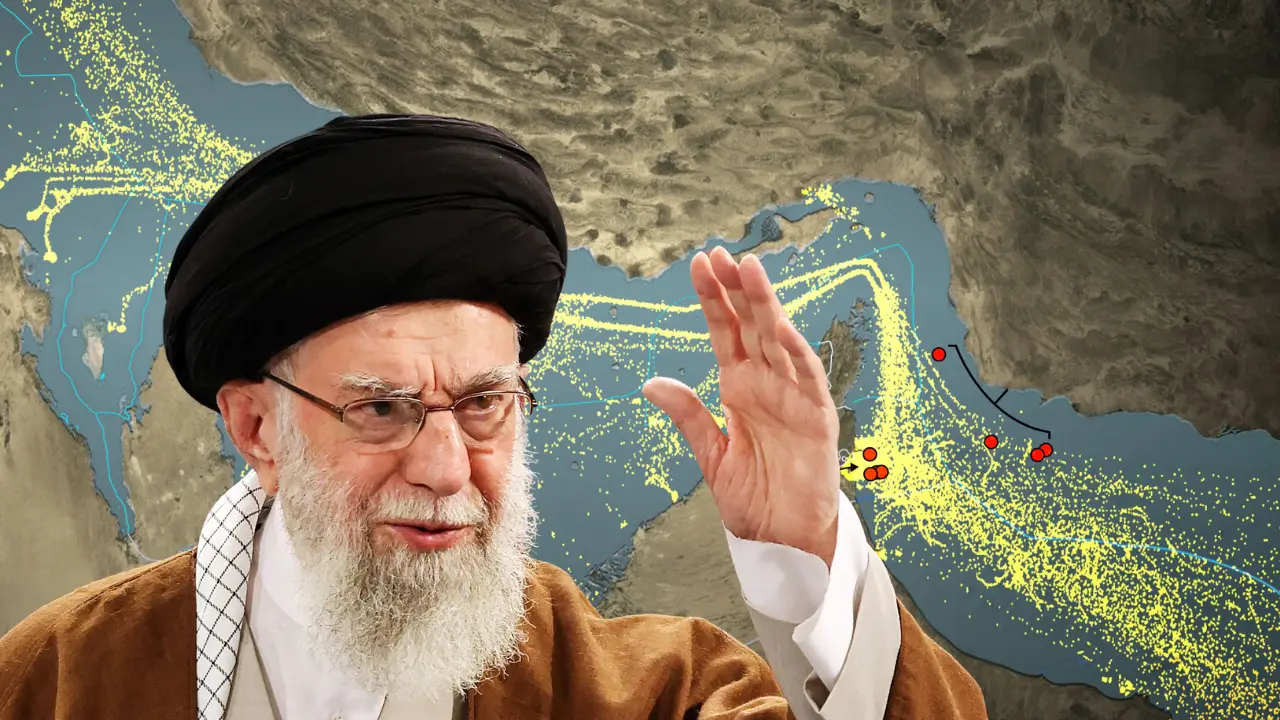
Strait of Hormuz – A Vital Global Waterway
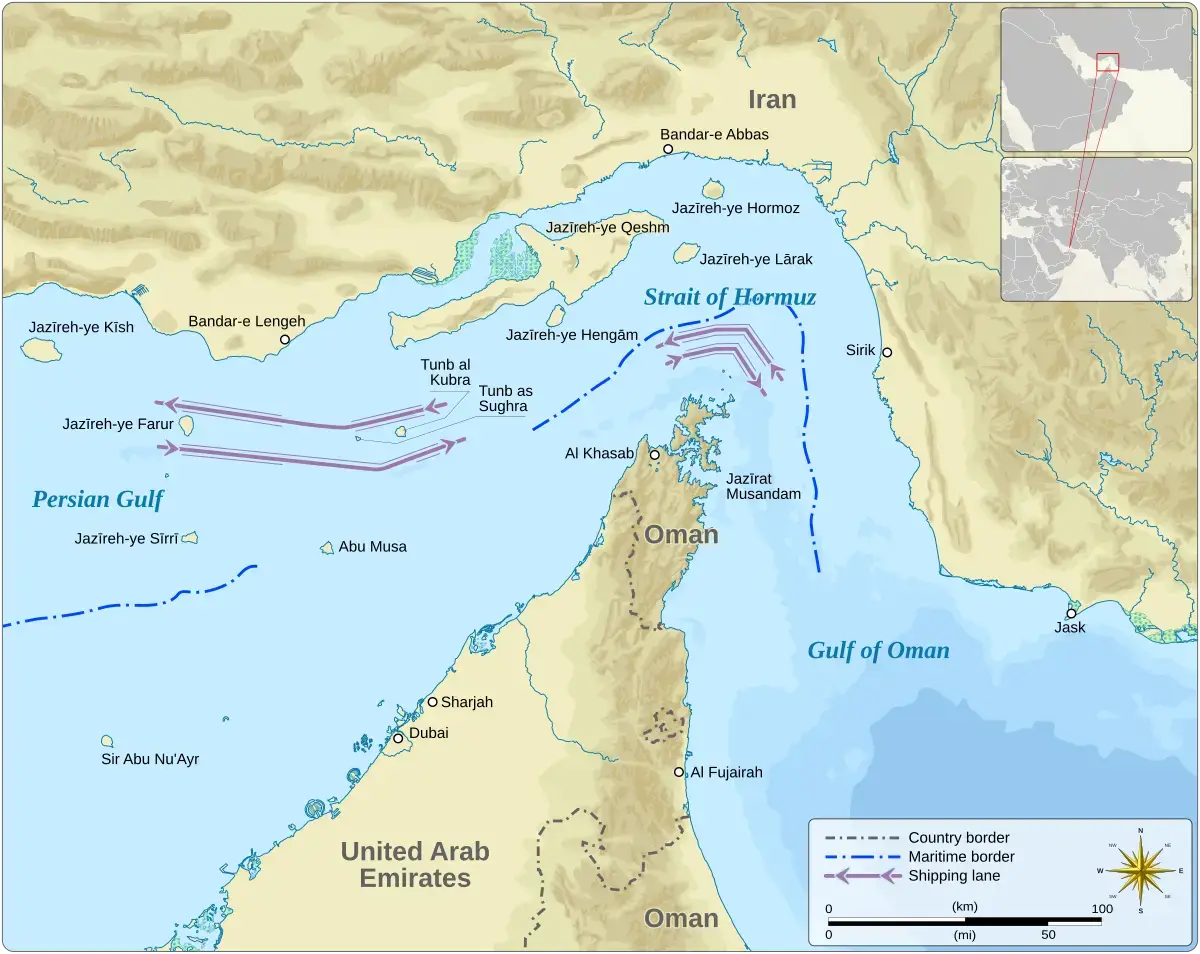
The Strait of Hormuz links the Persian Gulf to the Gulf of Oman. It handles about 25 per cent of the world’s oil trade and 30 per cent of liquefied natural gas shipments. Closing it would disrupt global energy supplies and shipping.
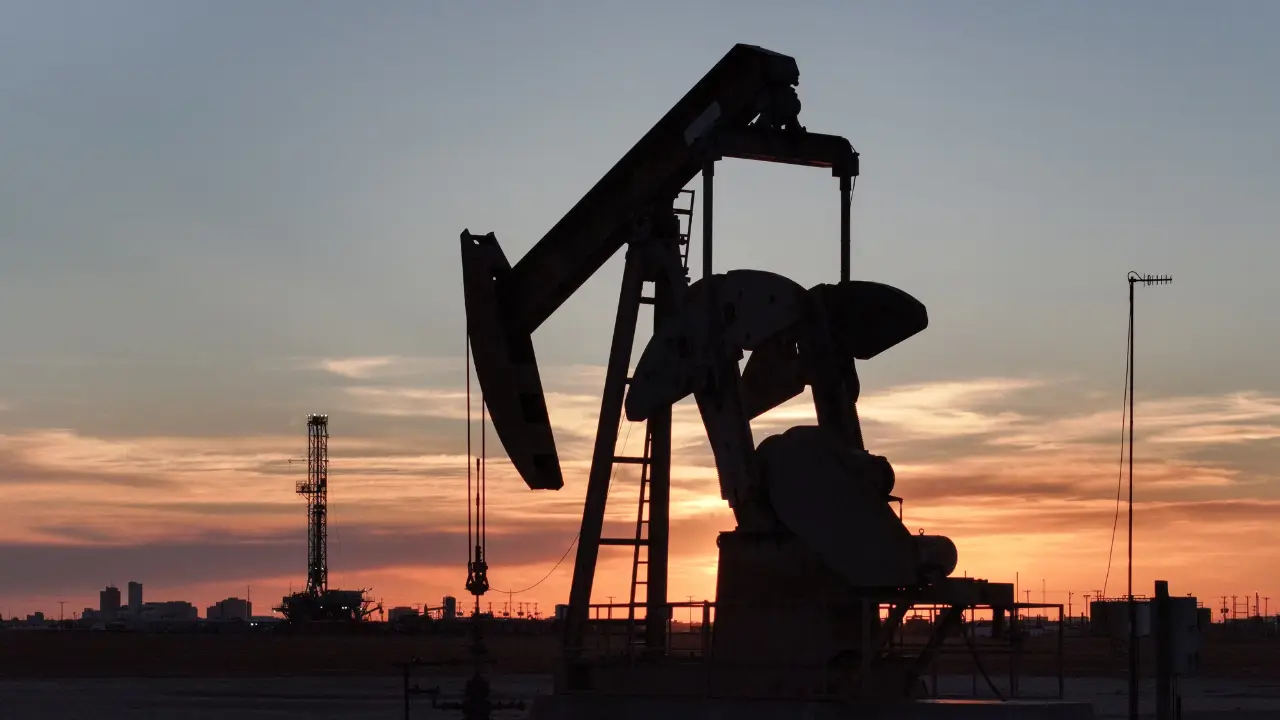
Oil and LNG Flows at Risk
About 20 million barrels of oil and 30 per cent of global LNG pass daily through the Strait. Major exporters include Saudi Arabia, Iraq, UAE, Kuwait, and Iran. Key importers like China, India, Japan, and South Korea rely heavily on this route.
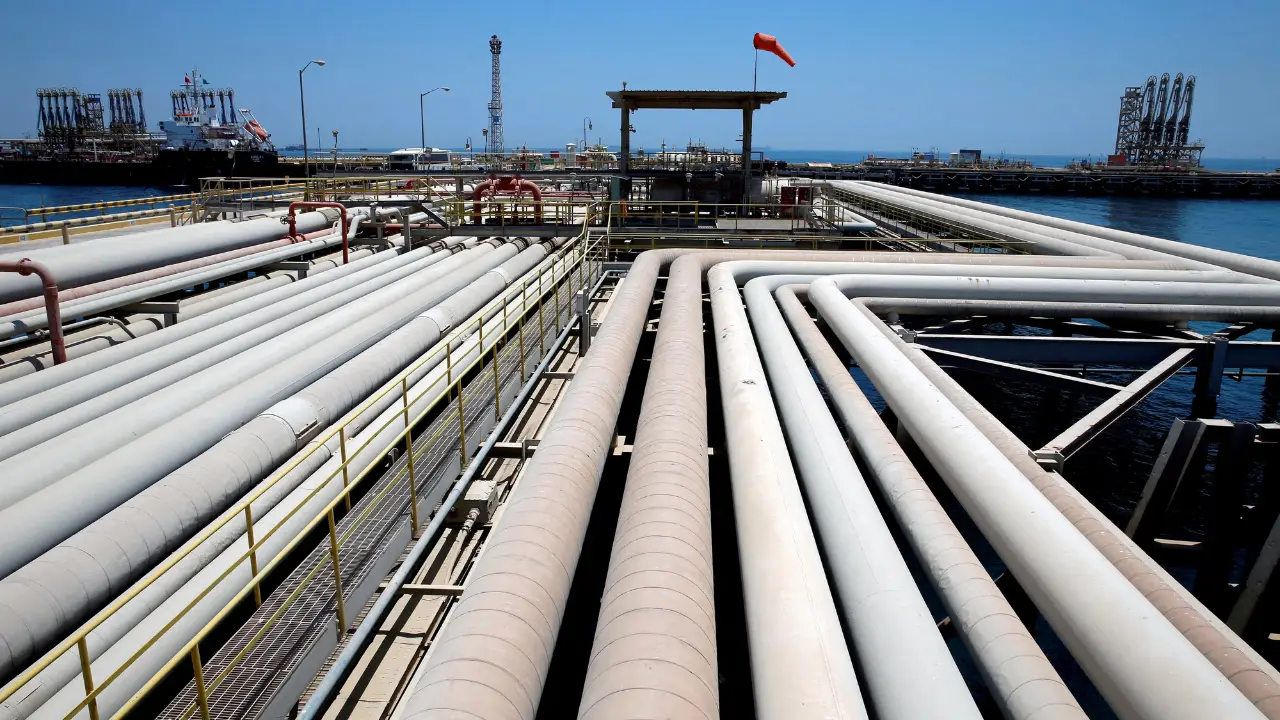
Shipping Disruptions
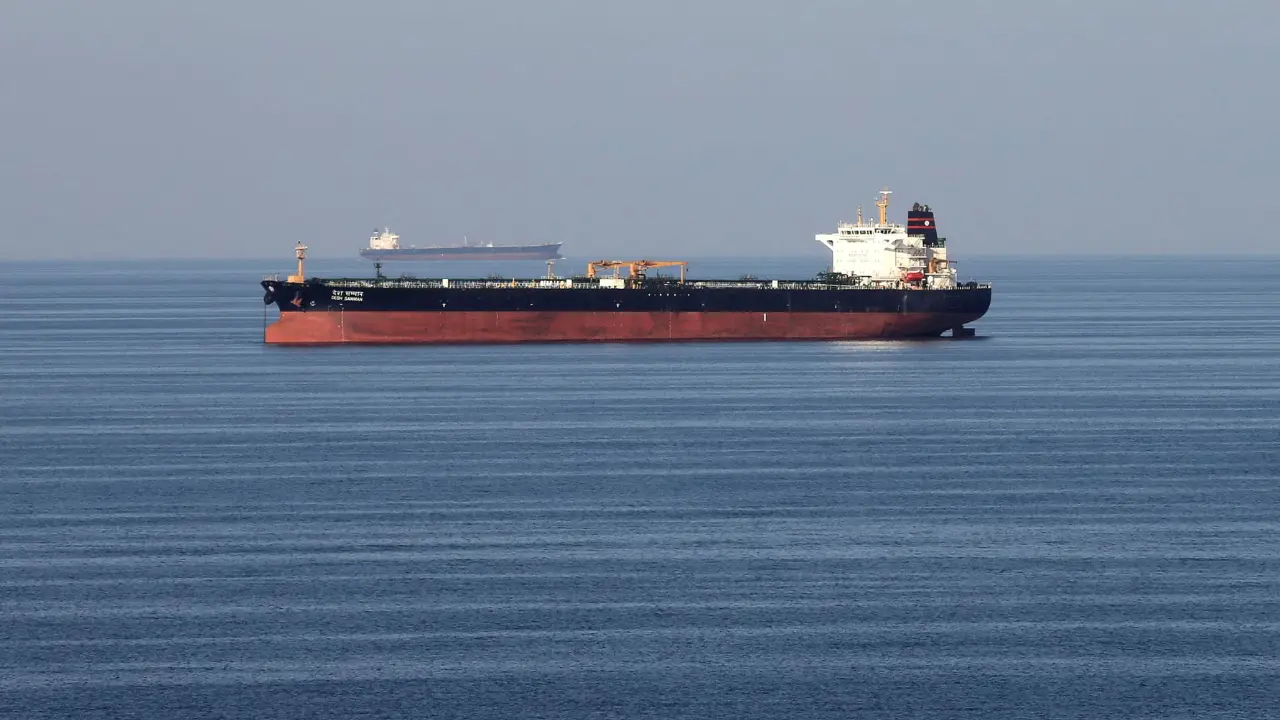
If closed, oil tankers and LNG carriers would be stranded or forced to take other routes or pipelines. This adds hundreds of millions of dollars, and also would cause delays and higher shipping costs worldwide.
Rising Freight and Insurance Costs
War risk insurance premiums would soar, making the Strait of Hormuz uninsurable. Shipping companies might suspend operations, pushing freight costs higher. These costs would be passed directly to the consumers, raising prices for fuel and goods globally.
Complete Supply Chain Paralysis
The Strait also carries goods like fertilisers and grains. Closure would cause port congestion in the Gulf and disrupt global supply chains, which would affect industries from agriculture to retail.

Economic and Energy Price Impact
Oil prices could jump to $120-$130 per barrel recently, with fuel costs rising sharply. Higher energy prices would increase costs for shipping and goods, triggering inflation and economic strain in many countries.
)
)
)
)
)