How close does an enemy jet have to get to actually see the F-22 fighter jet on radar?

Hostile fighter jets must fly within 20 to 30 kilometres to establish a steady radar lock on the F-22 Raptor. With a 0.0001 square metre frontal cross-section, the American stealth aircraft can target adversaries from 100 kilometres away.
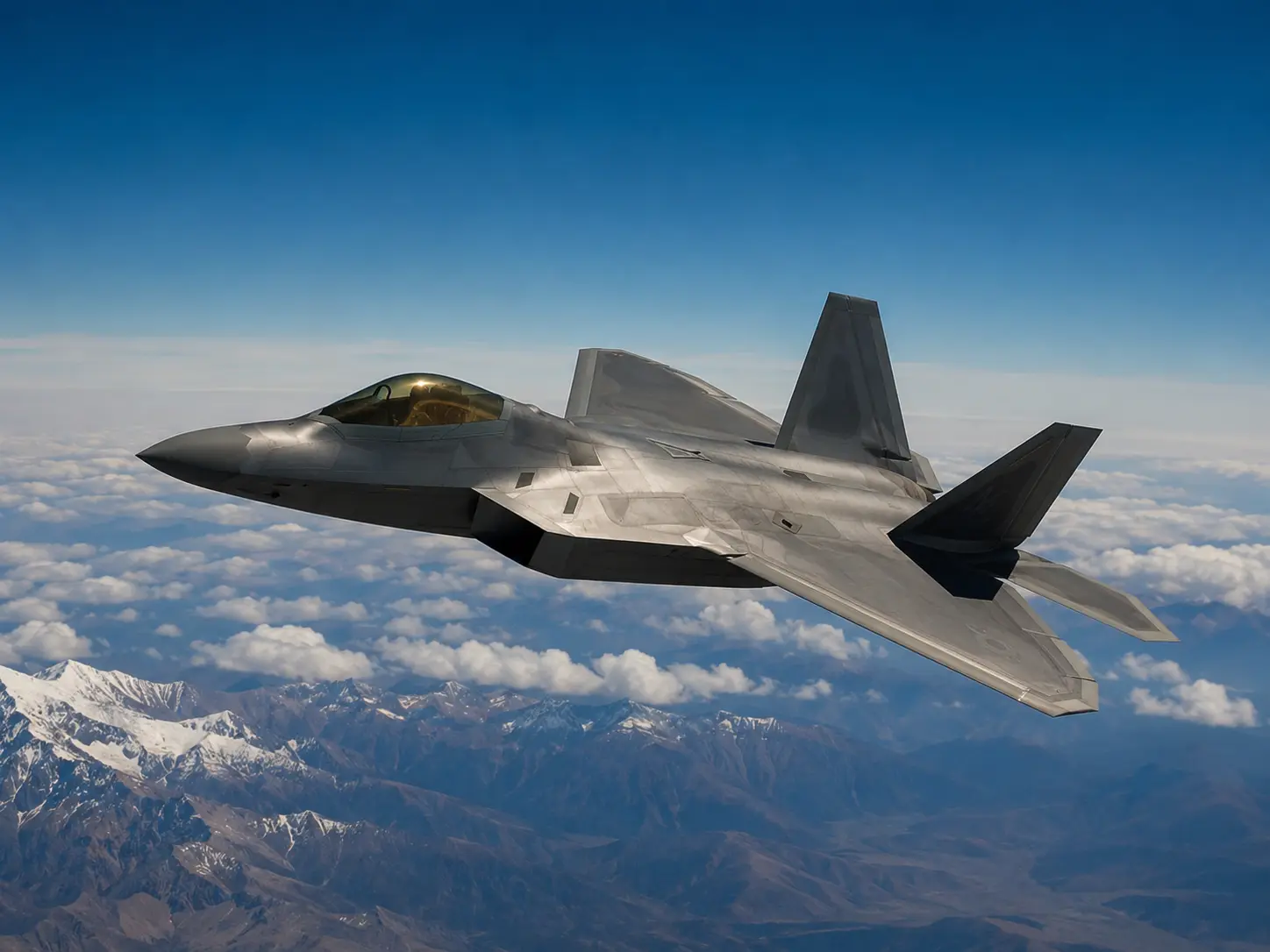
Marble-sized 0.0001 signature
The F-22 Raptor maintains an extremely small frontal radar cross-section estimated at just 0.0001 square metres. This microscopic return means standard enemy radar screens register the American fighter jet as nothing larger than a bumblebee or a small steel marble. Consequently, hostile radar systems struggle to separate the aircraft from natural atmospheric background noise.
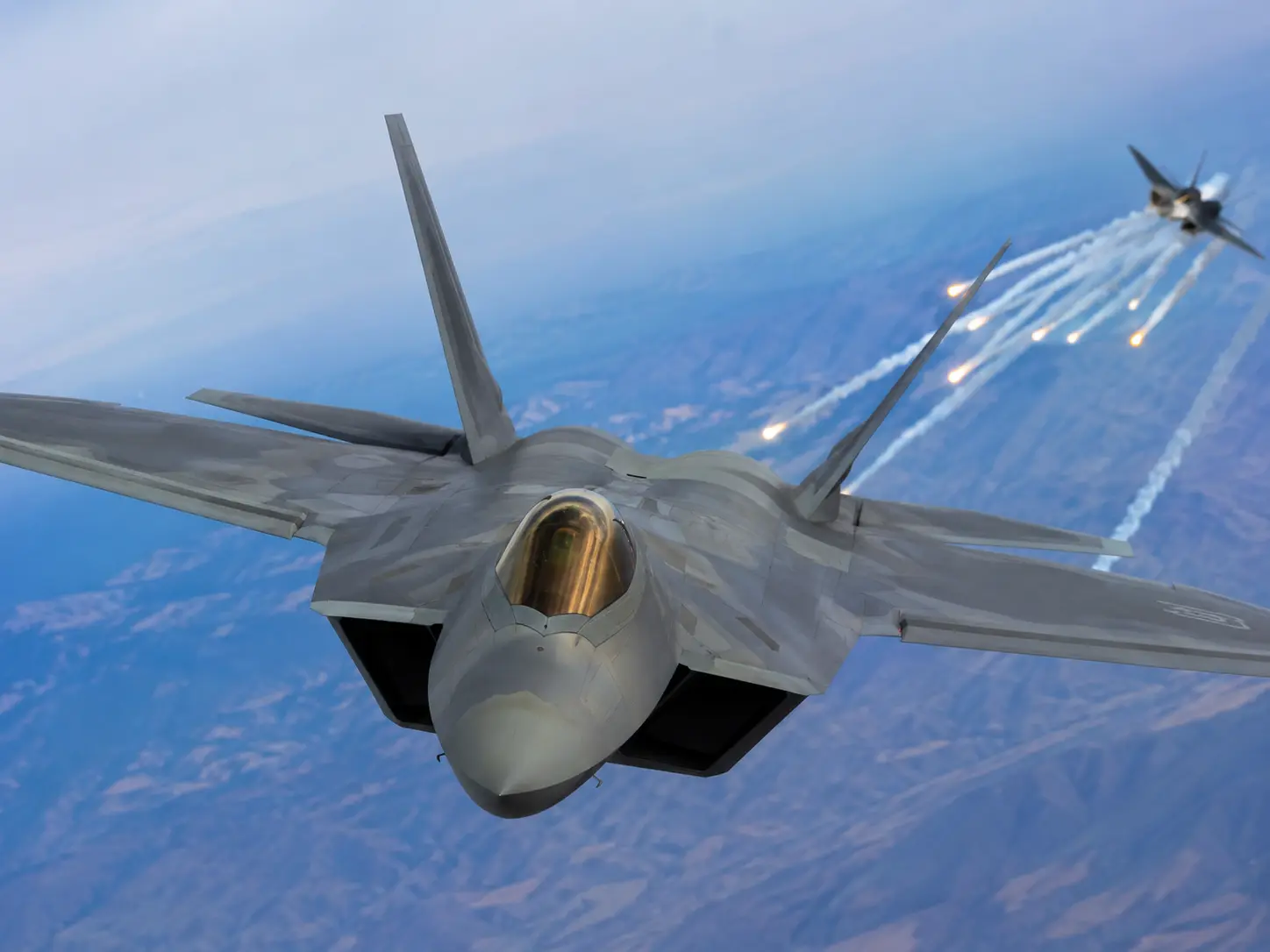
Detection strictly under 30 km
Conventional fourth-generation fighters like the Russian Su-35 generally track standard jets from massive distances. However, against the advanced stealth architecture of the F-22, these powerful Irbis-E radars cannot secure a definitive weapon lock until closing within 20 to 30 kilometres. This narrow detection window leaves enemy pilots completely vulnerable to long-range American missiles.
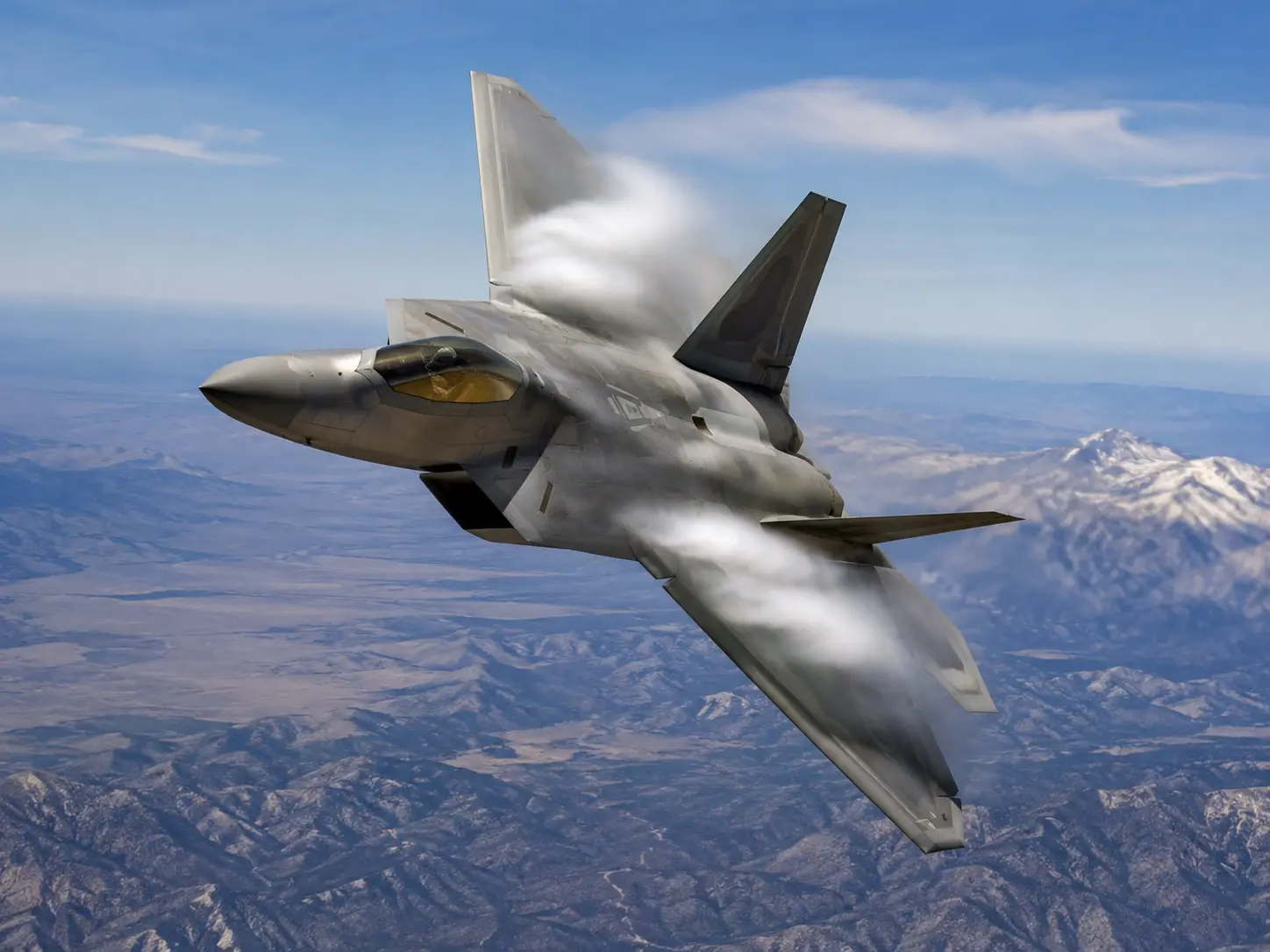
F-22 strikes at 100 km
While hostile jets remain blind beyond 30 kilometres, the F-22 utilises its AN/APG-77 active electronically scanned array radar to spot adversaries from over 200 kilometres away. The Raptor pilot can comfortably fire an AIM-120D AMRAAM missile from a distance of 100 kilometres. Hostile aircraft are routinely destroyed well before their cockpit instruments register an American presence.
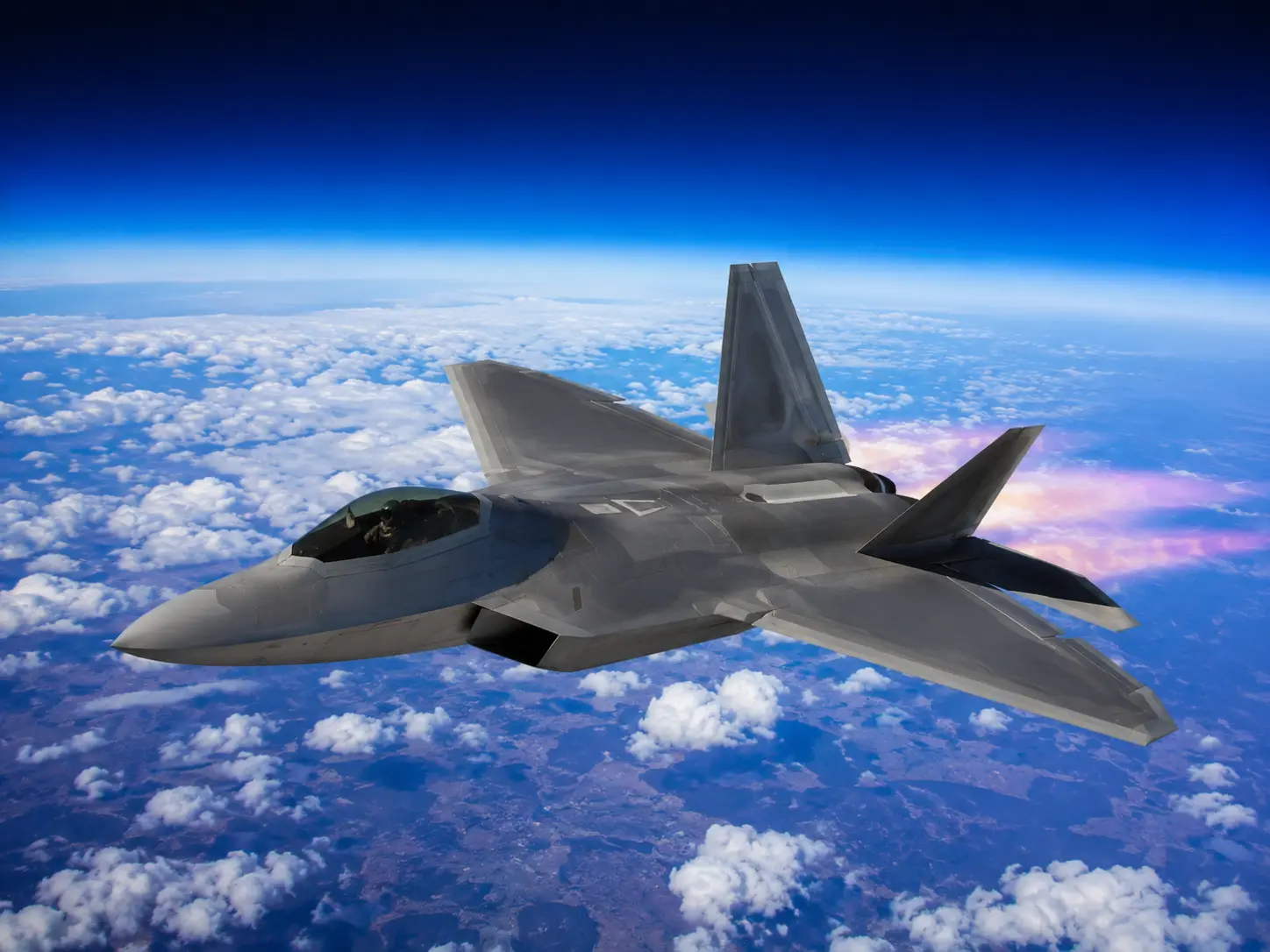
Infrared sensors at 50 km
Because traditional radar waves fail to bounce off the F-22 airframe effectively, modern adversaries increasingly rely on infrared search and track heat sensors. Advanced optical systems on aircraft like the Dassault Rafale can detect the thermal exhaust of the Raptor at roughly 50 kilometres. Yet, tracking atmospheric heat does not instantly provide the precise targeting coordinates required for radar-guided missiles.
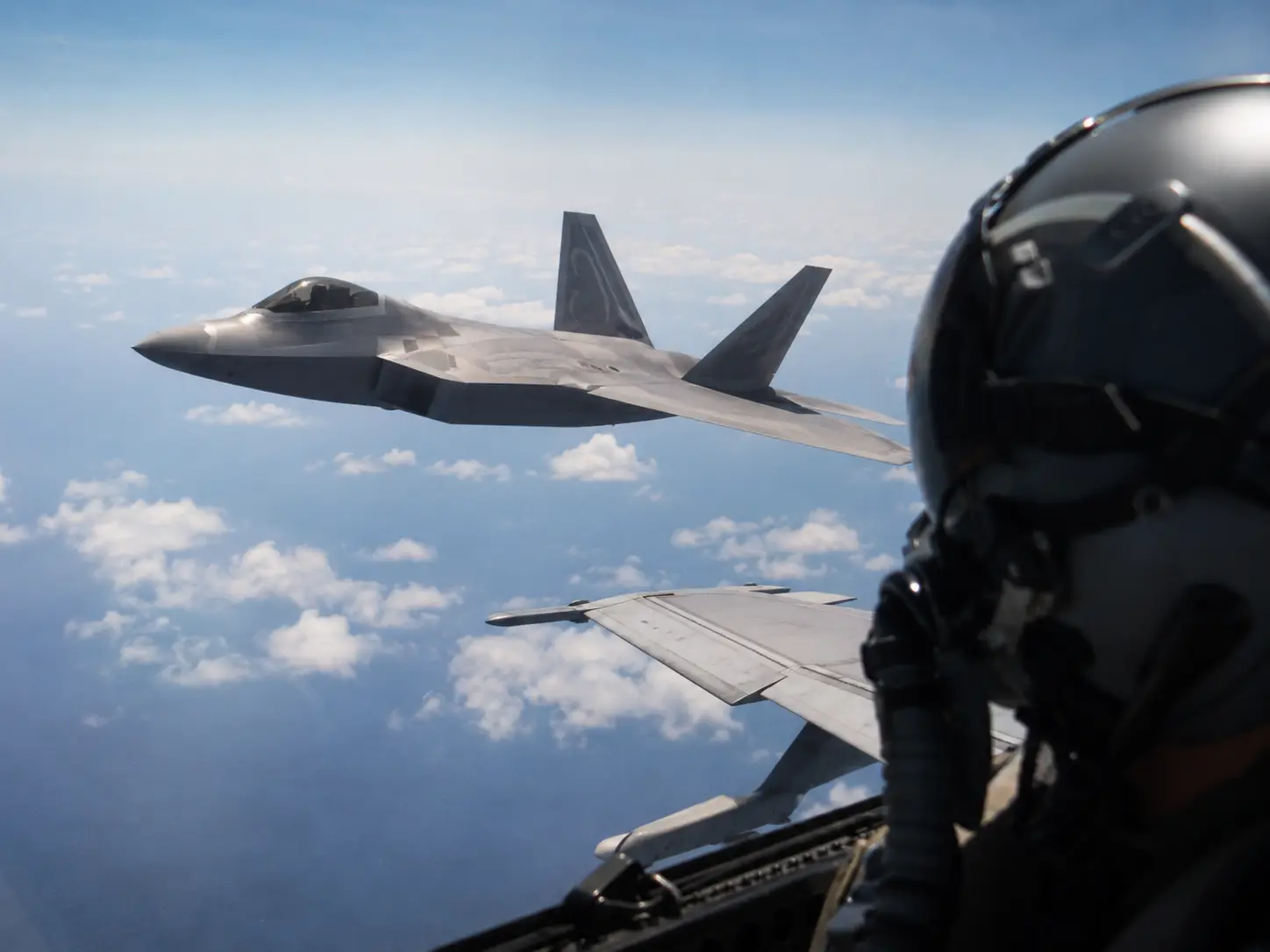
External fuel tanks kill the stealth
The Raptor only maintains its near-invisible radar signature when carrying its entire payload of missiles internally. If an F-22 equips legacy external drop tanks or wing pylons for transit missions, its radar cross-section spikes by several orders of magnitude. This curved external hardware reflects hostile radar waves directly back to enemy fighters, allowing them to track the jet from 100+ kilometres away.
)
)
)
)
)