How close are we to 'first contact' with aliens and what if they’re not friendly?

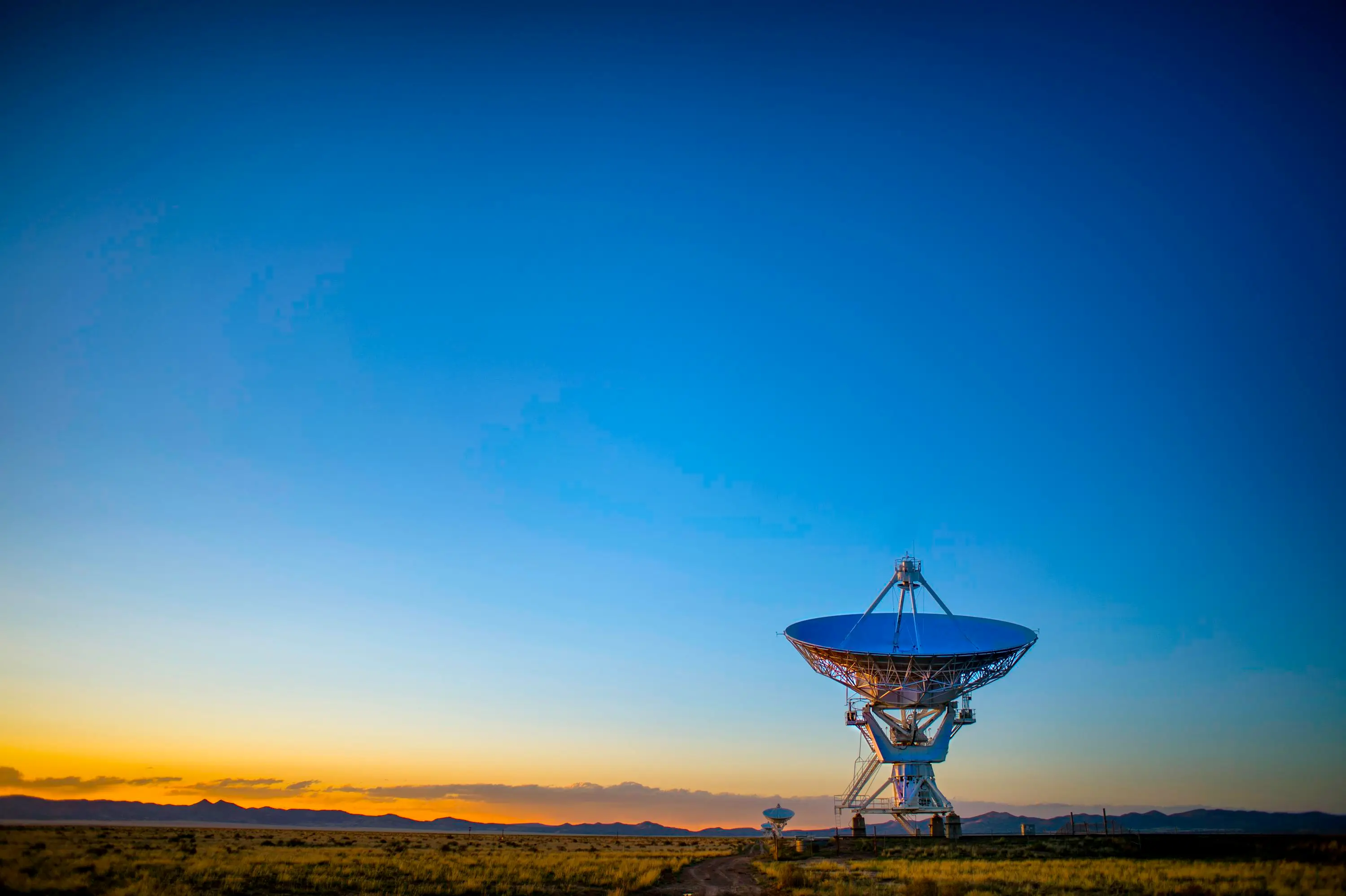
SETI has reviewed over one million objects for technosignatures as part of large-scale radio surveys, while new systems like LaserSETI are being constructed to monitor laser pulses across the sky, enhancing our detection capabilities for intelligent signals.

Scientific Consensus On Extraterrestrial Life
Surveys reveal that a strong majority of scientists, especially astrobiologists, consider extraterrestrial life, at least in simple form, likely to exist elsewhere in the universe. Agreement on intelligent life is lower but still notable.

Progress in Searching: From Radio to Laser
SETI has reviewed over one million objects for technosignatures as part of large-scale radio surveys, while new systems like LaserSETI are being constructed to monitor laser pulses across the sky, enhancing our detection capabilities for intelligent signals.

Hints from Exoplanet Atmospheres
Astronomers using the James Webb Space Telescope (JWST) have identified promising biosignature gases like dimethyl sulphide in the atmosphere of exoplanet K2-18b, located 124 light-years away, though confirmation remains pending.
Timeline for Contact Remains Distant
Projections suggest that even if alien civilisations are listening, two-way communication with beings beyond about 50 light-years would take at least half a century. Some models estimate a "contact era" could still be 400 years away.

Ethical and Strategic Concerns
Debate continues over whether humanity should actively reach out via Active SETI. Critics emphasise the risks of revealing Earth’s location without global consensus.
Preparing for the Impacts of Contact
Plans are underway among scientists to study the psychological and societal impacts of actual detection, not just the technology. Research is being funded to explore how culture, media, and politics might shape reactions and policies.

Looking Ahead: Advanced Missions
NASA's planned Habitable Worlds Observatory, expected to launch in the 2040s, aims to directly image Earth-like exoplanets and search for possible biosignatures in their atmospheres.

Conclusion
While scientists widely acknowledge the possibility of extraterrestrial life, actual contact, especially involving intelligent beings, remains a distant prospect. Technological advances are improving detection potential, yet timelines span decades to centuries, with societal readiness still evolving.
)
)
)
)
)