How cartels use jets, cruise ships and taxis to move drugs across borders

Cartels don’t just rely on hidden jungle airstrips or border tunnels anymore. To outsmart law enforcement, they exploit everyday transportation systems like private jets, luxury cruise liners, and even city taxis.
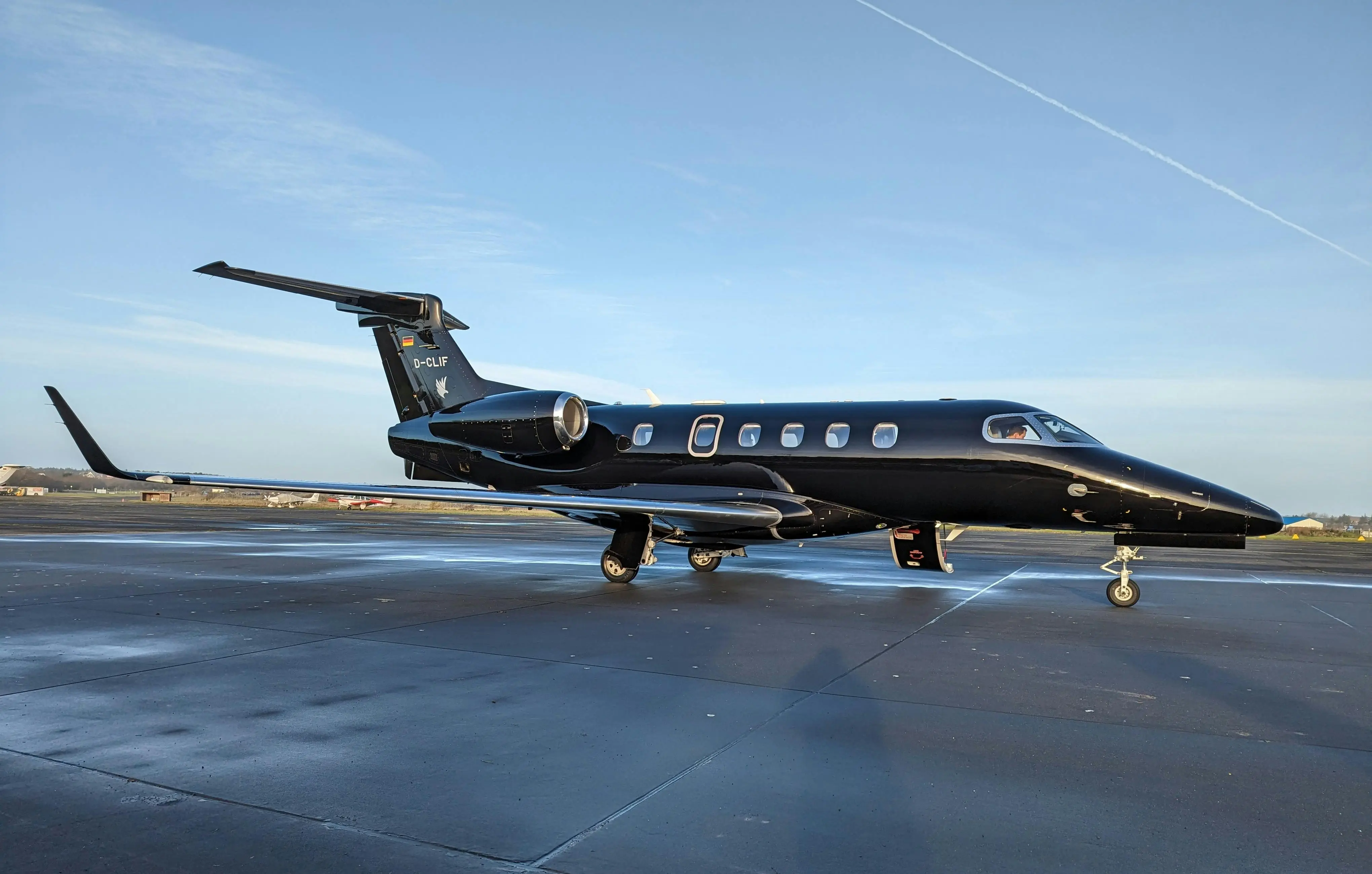
Private Jets as Flying Safes
Cartels often charter or buy small private jets to move cocaine and heroin across continents. Hidden compartments in fuel tanks and cargo bays make detection harder, while the private aviation sector’s lighter security checks compared to commercial airlines help traffickers fly under the radar.
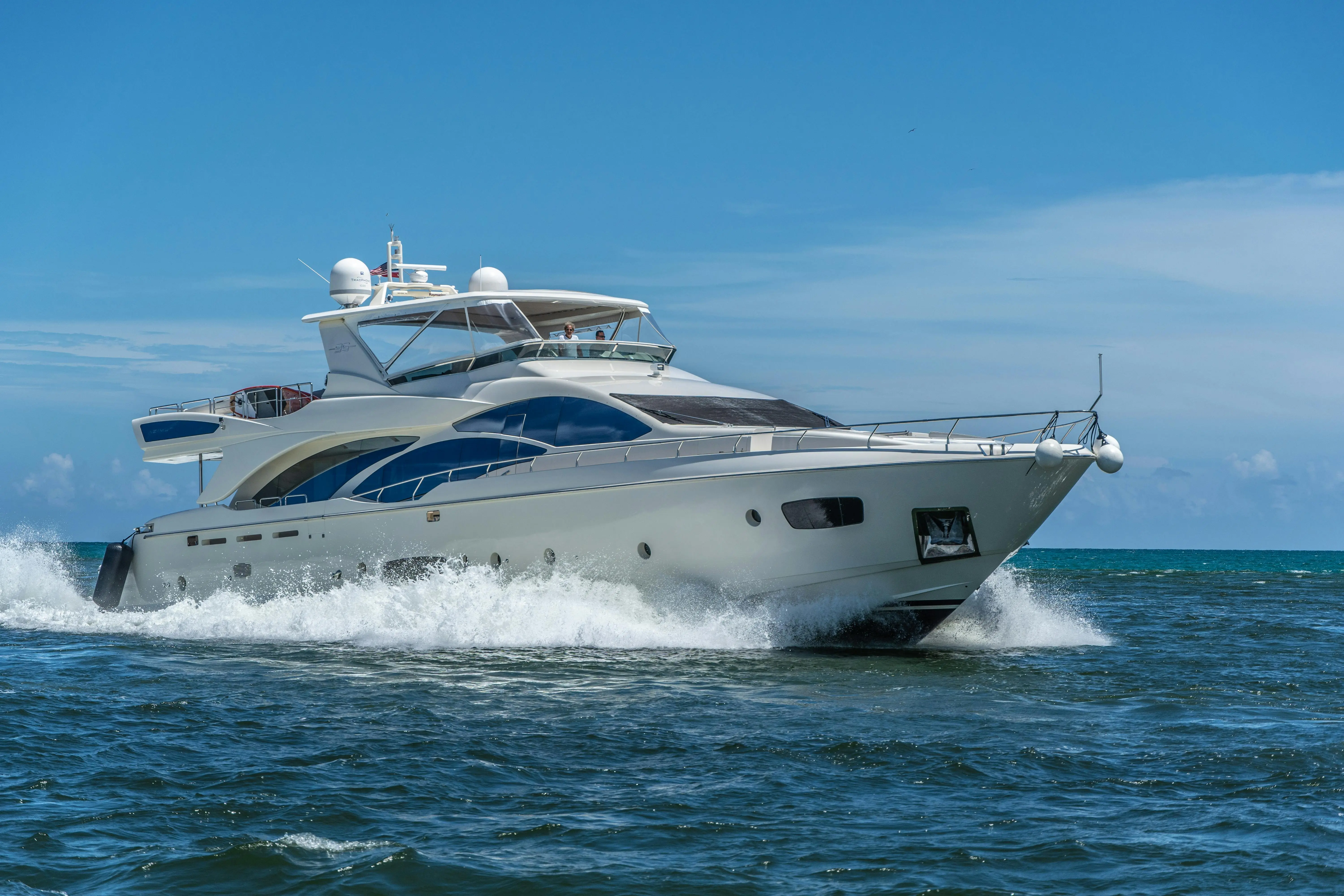
Luxury Cruiseliners as Floating Warehouses
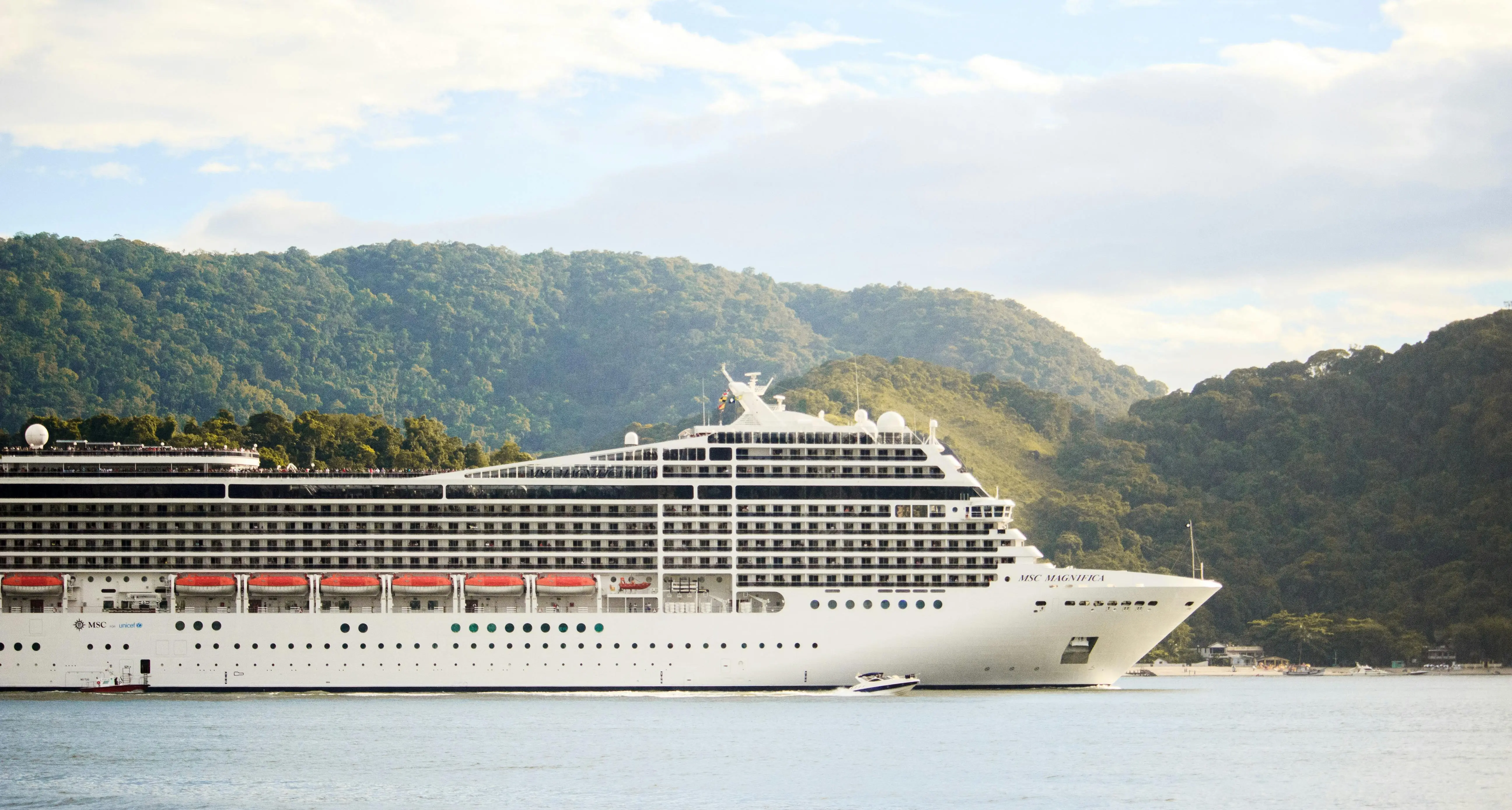
Cruise ships, which dock in multiple international ports, provide cover for drug trafficking. Cartels slip packages into crew luggage, food supplies, or shipping containers loaded onto the ship. Some gangs recruit cruise staff as couriers in exchange for large payouts.
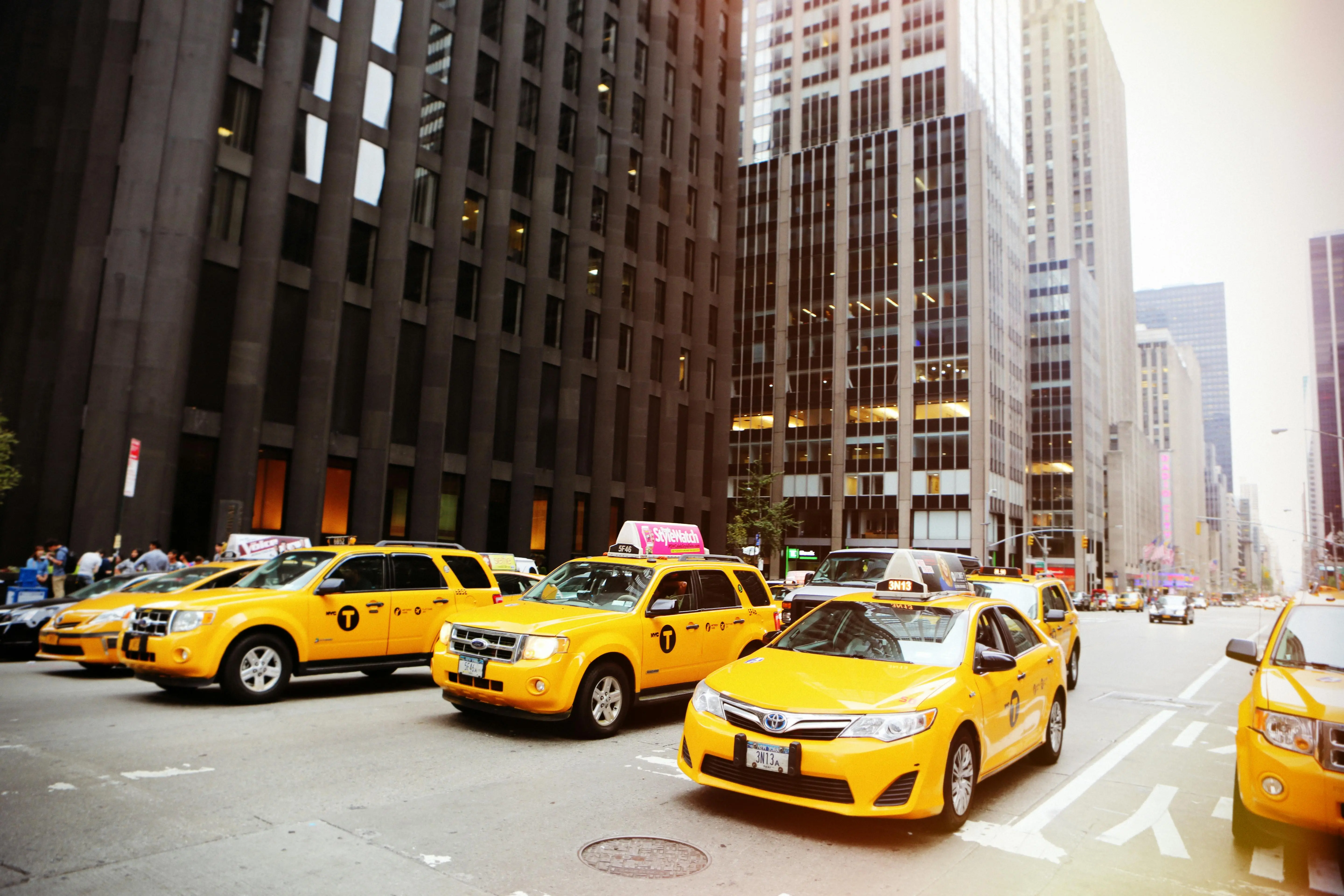
Taxis and Ride-Sharing as Urban Mules
In major cities like New York, London, and Mexico City, taxis and ride-hailing services are used to move smaller drug consignments. Since taxis blend into city traffic, they’re ideal for moving narcotics from ports or airports to stash houses without drawing attention.
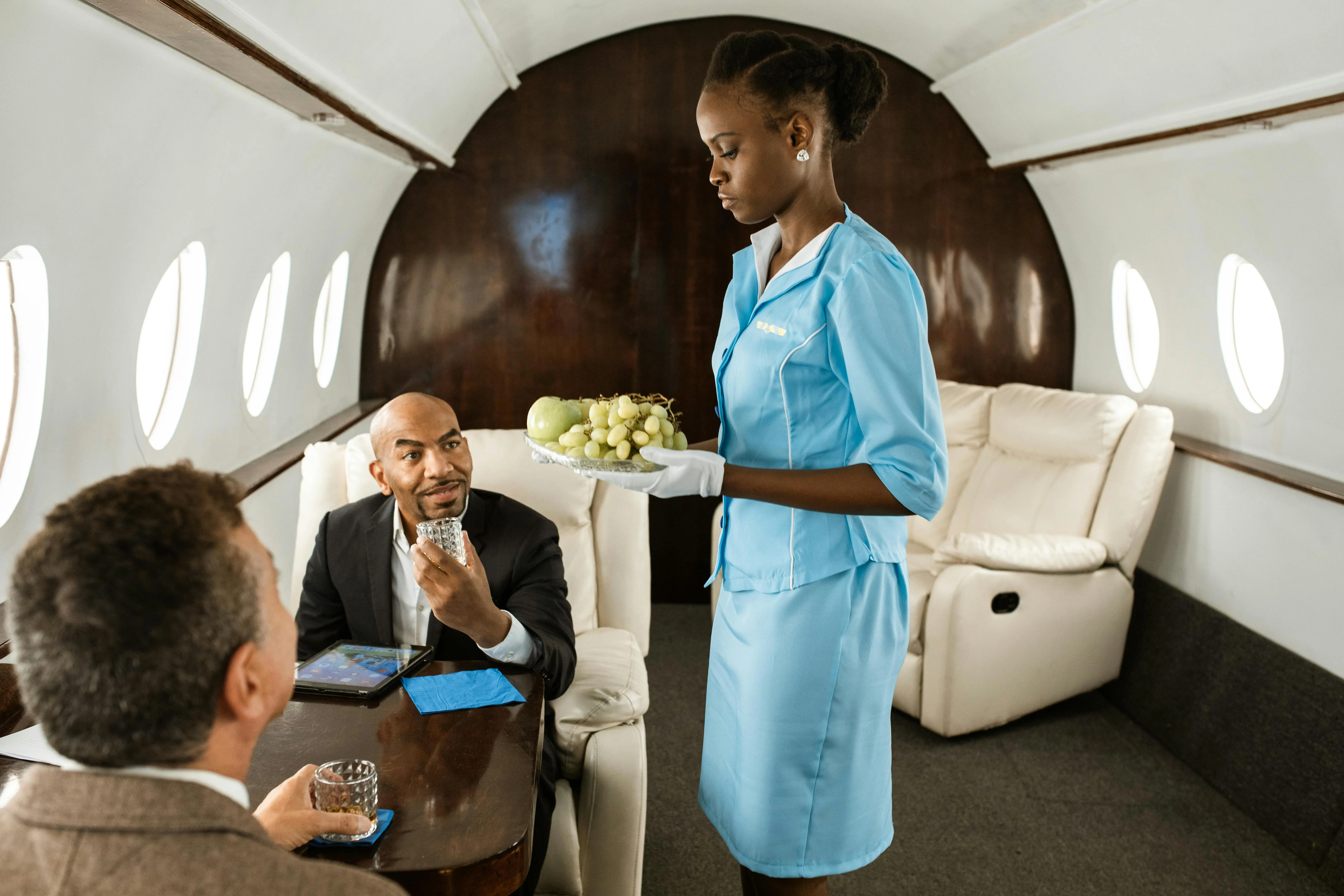
Jet-Set Smuggling Networks
Cartels often pair drugs with luxury lifestyles. Wealthy “business travellers” carry cocaine in designer luggage or disguise it as personal medication. Some gangs even hide narcotics in the walls of private jet cabins, counting on VIP immunity at international terminals.
Cruise Passengers as “Holiday Mules”
Ordinary-looking cruise passengers, sometimes duped with free vacations, are given suitcases with hidden drug compartments. Because cruises attract retirees and families, authorities often underestimate the scale of trafficking happening on board.
Taxi-to-Port Supply Chains
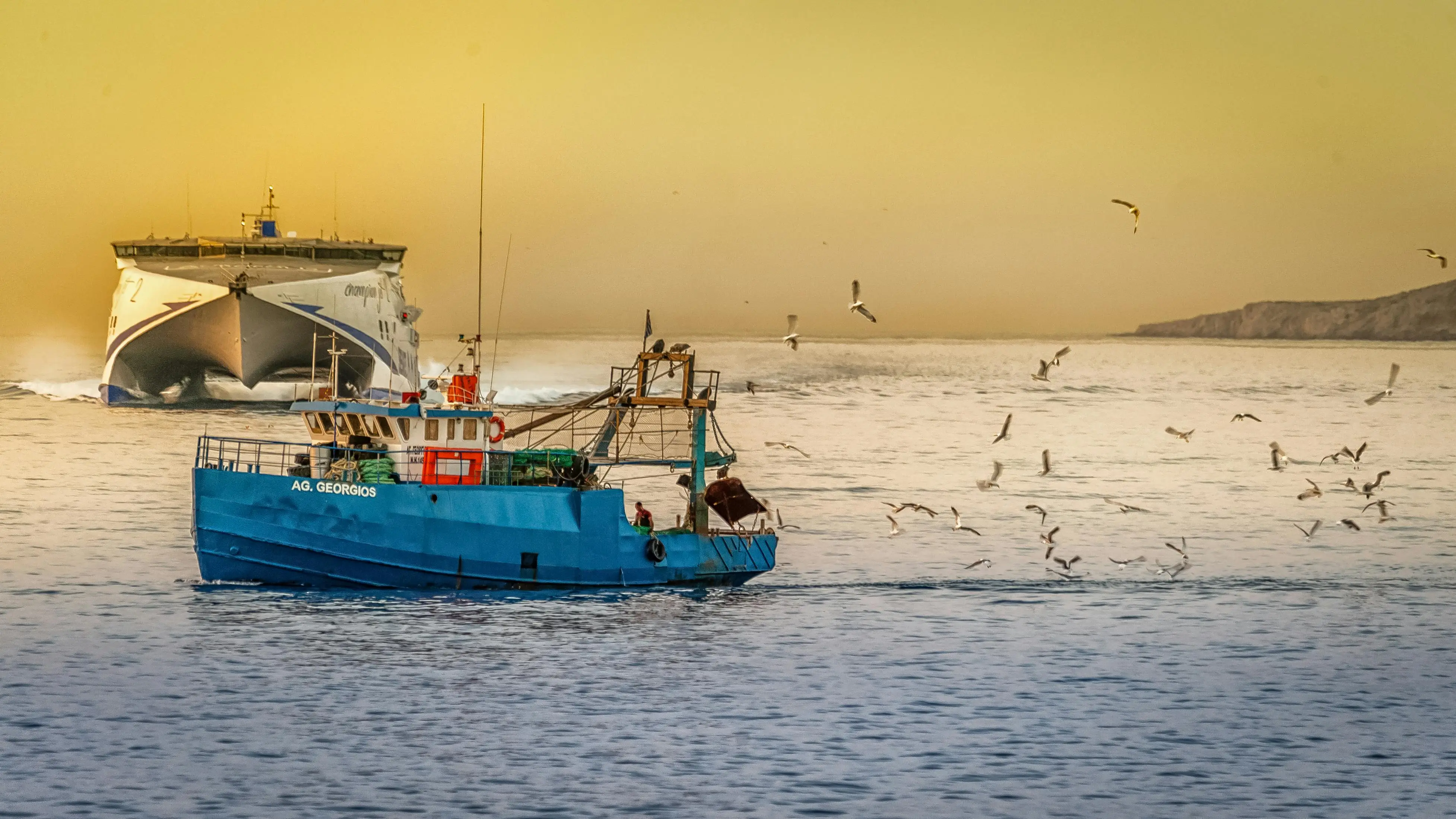
In drug-exporting regions, taxis are used to discreetly deliver narcotics to coastal towns, where shipments are loaded onto yachts or fishing boats. This low-cost, low-profile transport method helps cartels bypass military checkpoints.
Layered Smuggling for Diversion
Cartels often combine all three: a taxi delivers narcotics to a port, a cruise liner hides it among cargo, and a jet takes it onward once it reaches Europe or Asia. Each layer adds distance between the cartel bosses and the drugs, making prosecution extremely difficult.
)

)
)
)