How can weather affect a rocket launch?

Rocket launches are precision operations where even minor weather disturbances can cause catastrophic failure. Space agencies follow strict 'Launch Commit Criteria' to monitor wind, lightning, and atmospheric conditions.
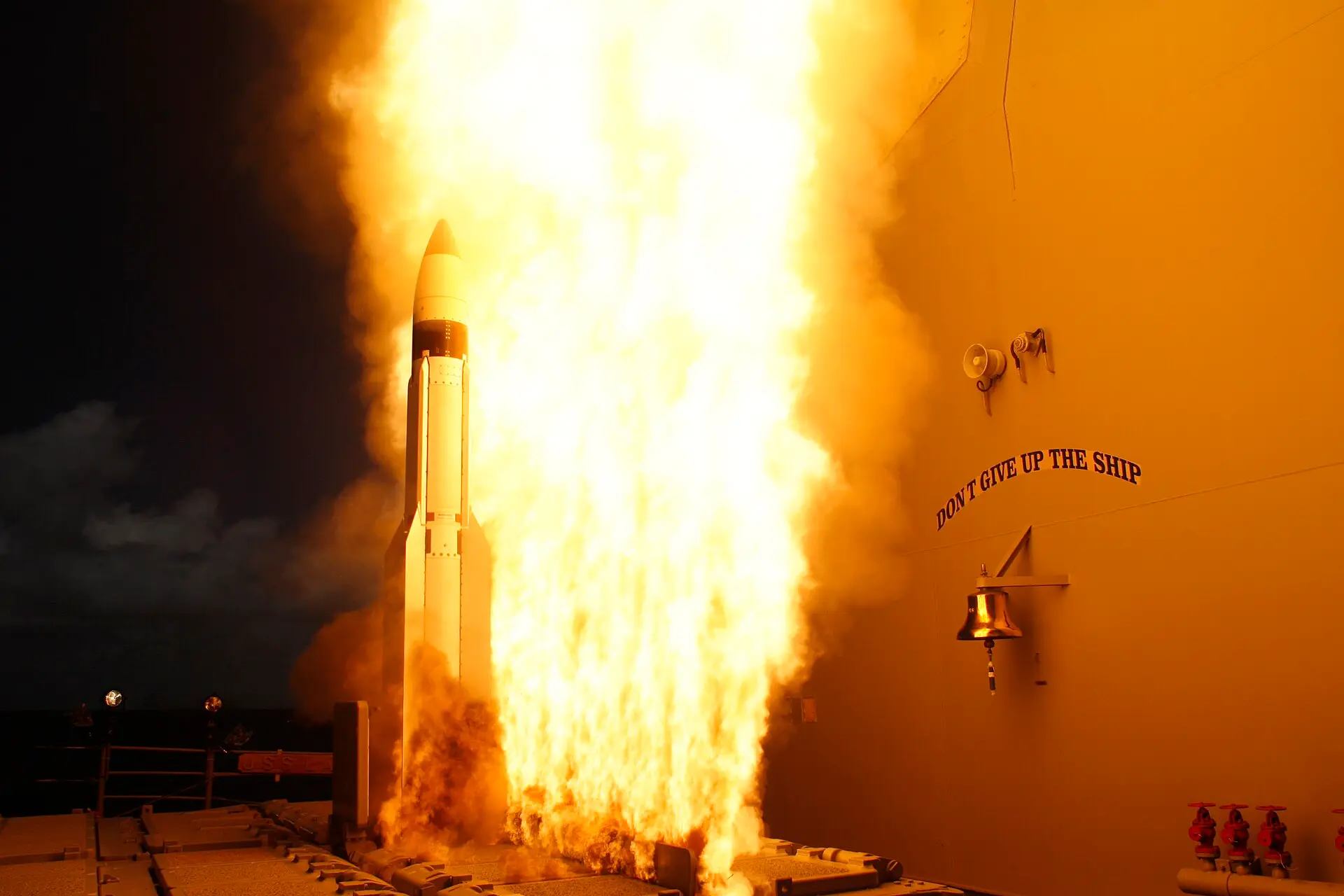
Danger of Wind Shear
Rapid changes in wind speed or direction at different altitudes can exert crushing structural forces on a rocket. Engineers track upper-level winds using balloons to ensure the vehicle isn't pushed off its precise flight path.
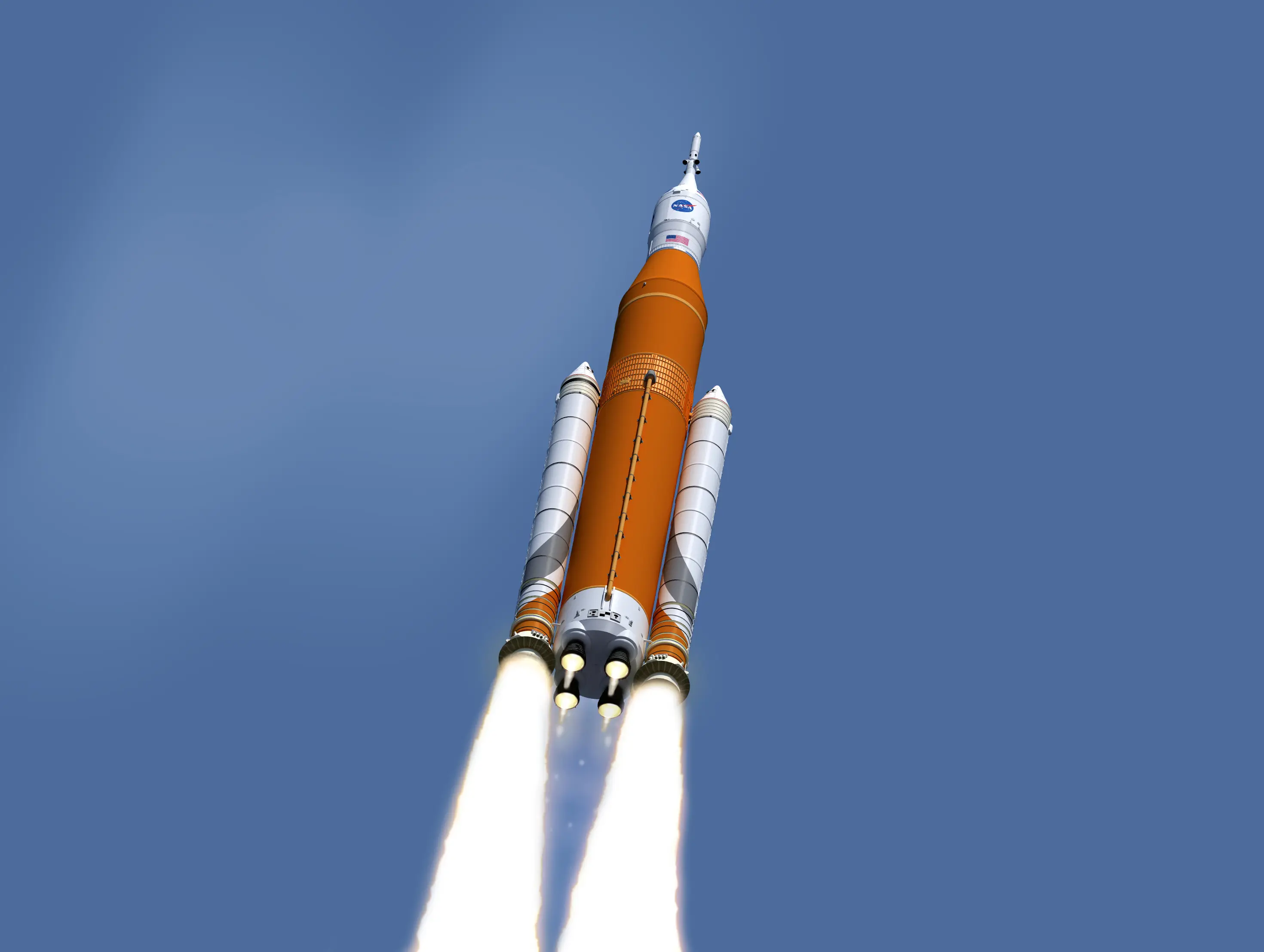
Lightning and Electric Fields
Rockets can actually trigger their own lightning strikes if they fly through electrically charged clouds. Launch rules forbid liftoff if strong electric fields are detected near the pad to prevent this self-triggered discharge.
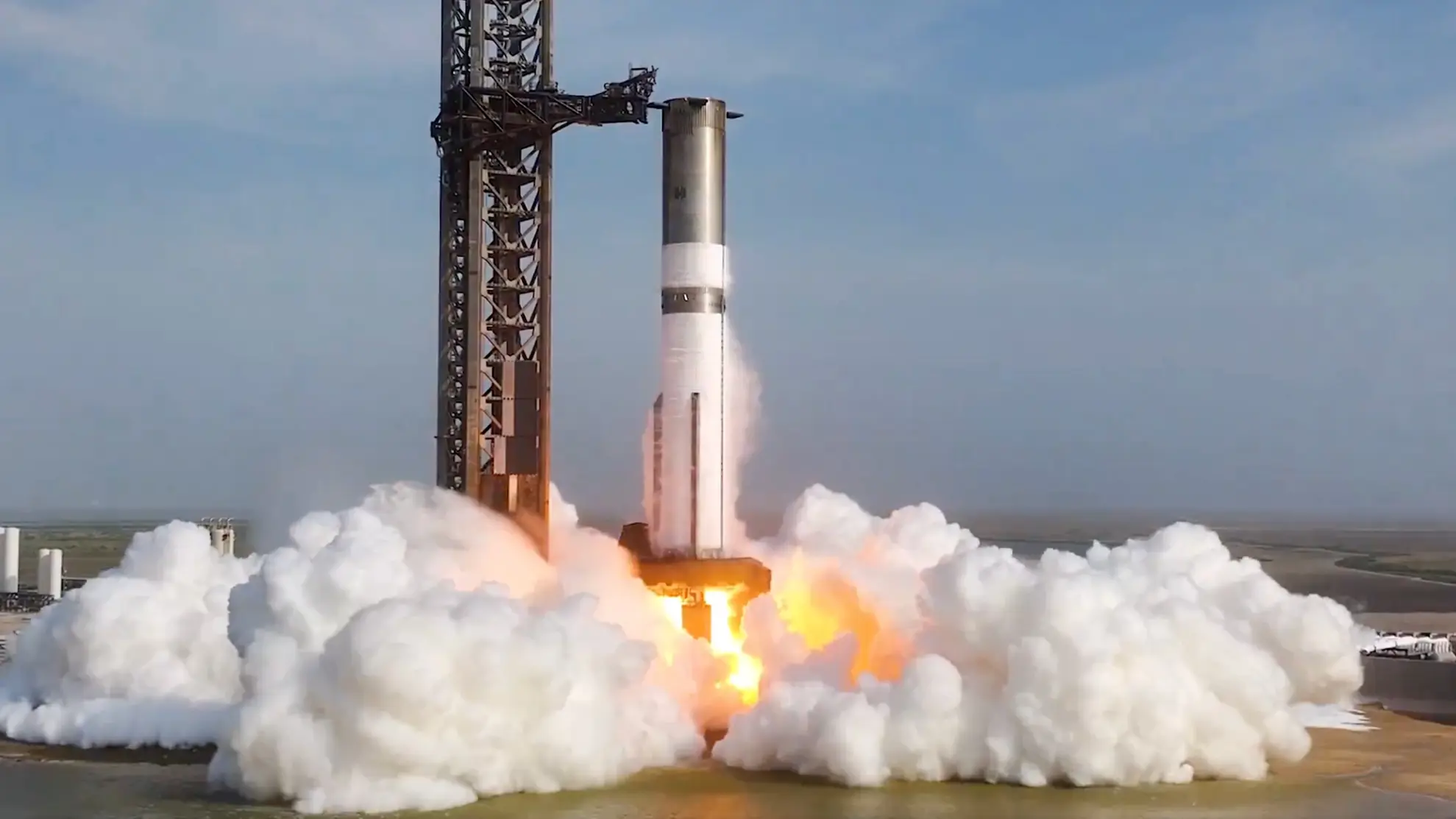
Temperature Extremes
Freezing temperatures can harden rubber seals and lower the pressure of liquid propellants. Conversely, extreme heat can affect onboard electronics and cause issues with cryogenic fuel storage.
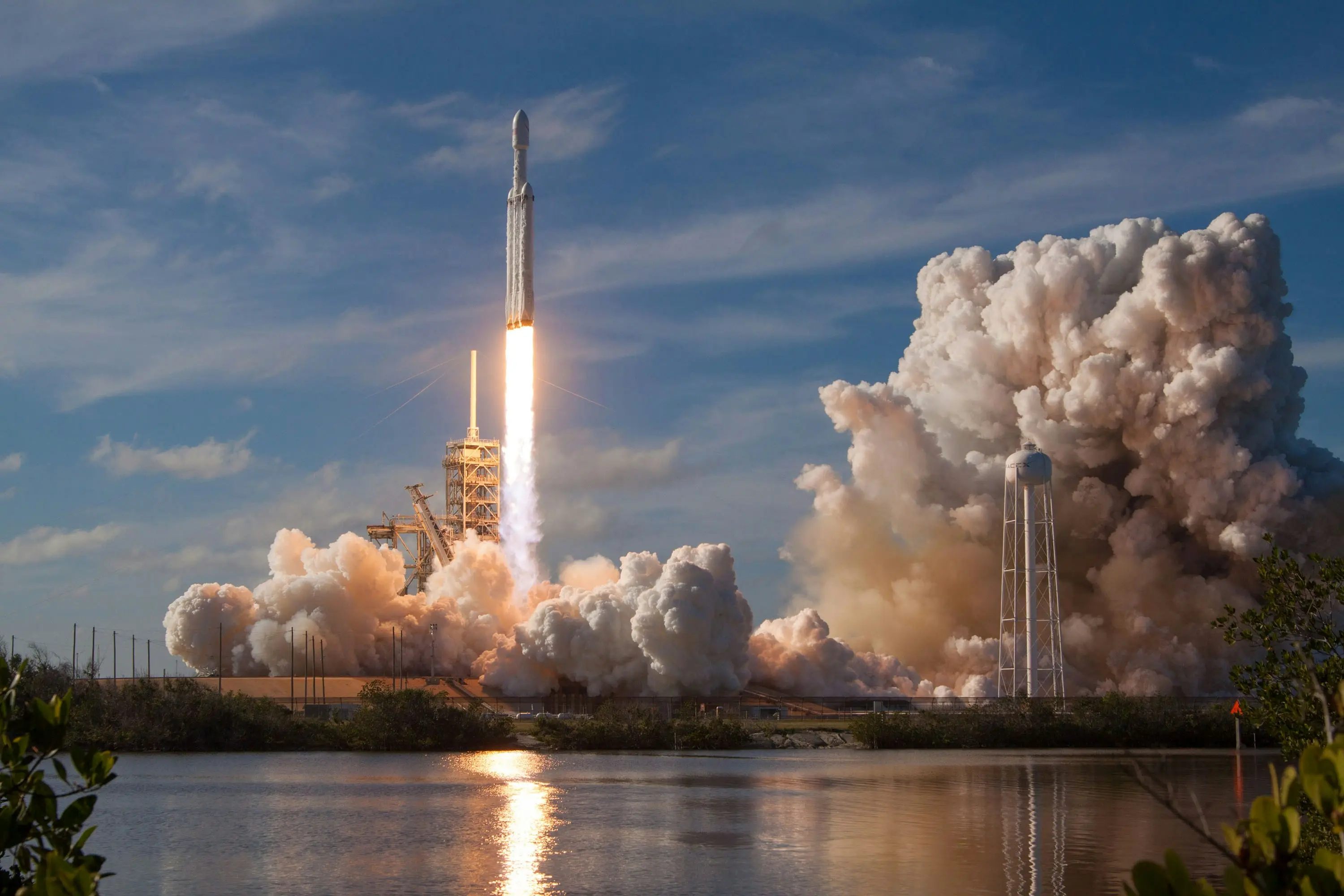
Cloud Thickness and Icing
Flying through thick cloud layers poses a risk of ice forming on the rocket's exterior. NASA rules prohibit launching through clouds more than 1,400 metres thick if they extend into freezing temperatures.
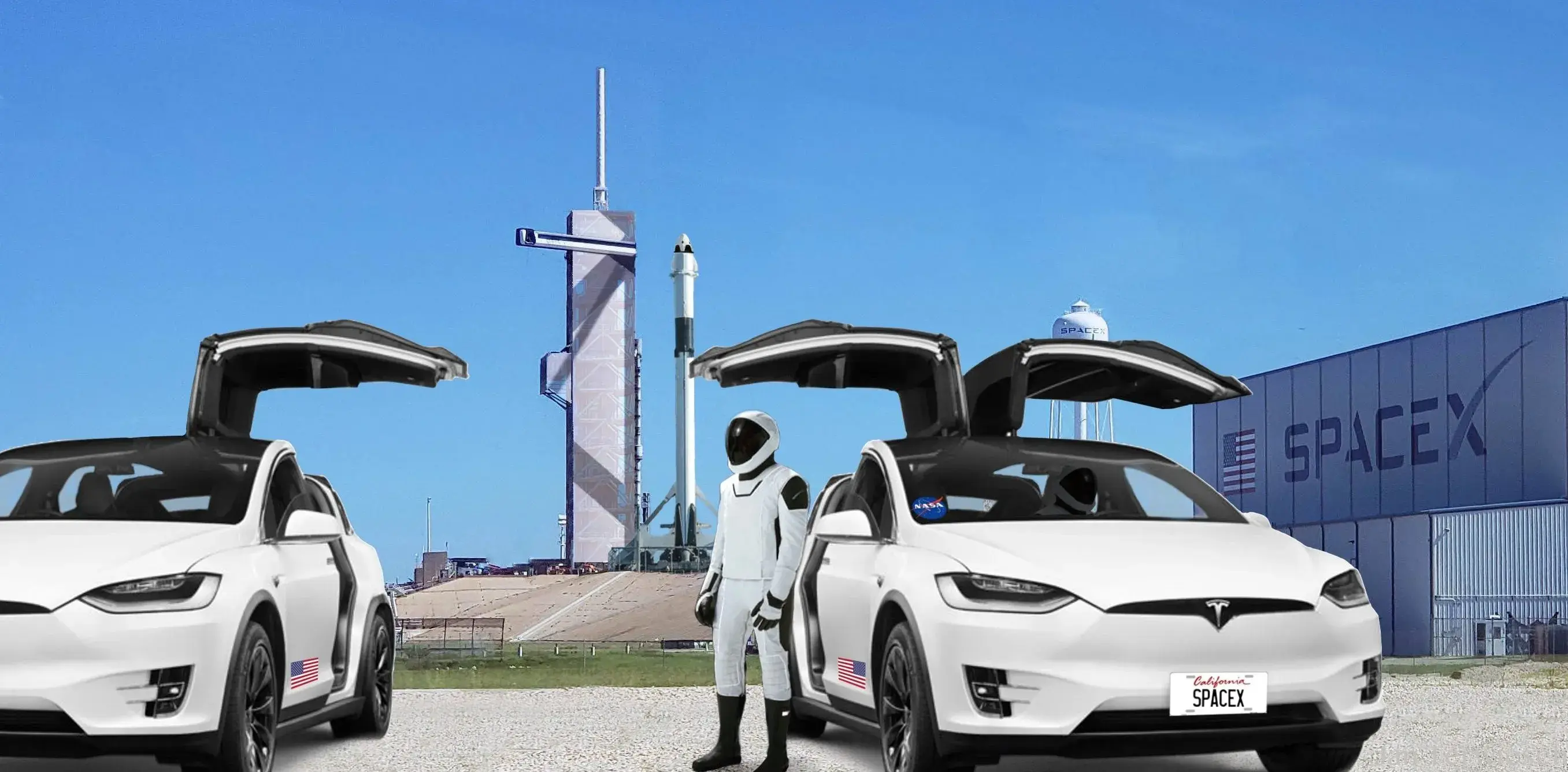
Precipitation and Visibility
Rain, snow, or hail can damage the rocket's thermal protection system and sensitive sensors. Good visibility is also required so cameras can track the rocket visually during the initial ascent.
Ground-Level Winds Strong
Winds at the launch pad can blow the rocket against the launch tower during liftoff. For vehicles like the Falcon 9, sustained winds at the pad cannot typically exceed 30 knots (56 km/h).
Solar Activity and Radiation
Intense solar flares can increase radiation levels, interfering with the rocket's radio communications. Launches are scrubbed during severe solar storms to protect the electronic circuits and navigation systems.
)
)
)
)
)