How can the USS Abraham Lincoln defend the entire fleet while the USS Gerald R. Ford attacks Iran?

In a potential war. The USS Abraham Lincoln can protect the US fleet using F-35C patrols, E-2D radar planes, and Aegis destroyers. By handling all defensive duties, it allows the USS Gerald R. Ford to dedicate 100 per cent of its advanced jets to striking Iran.

The Shield and Sword Strategy
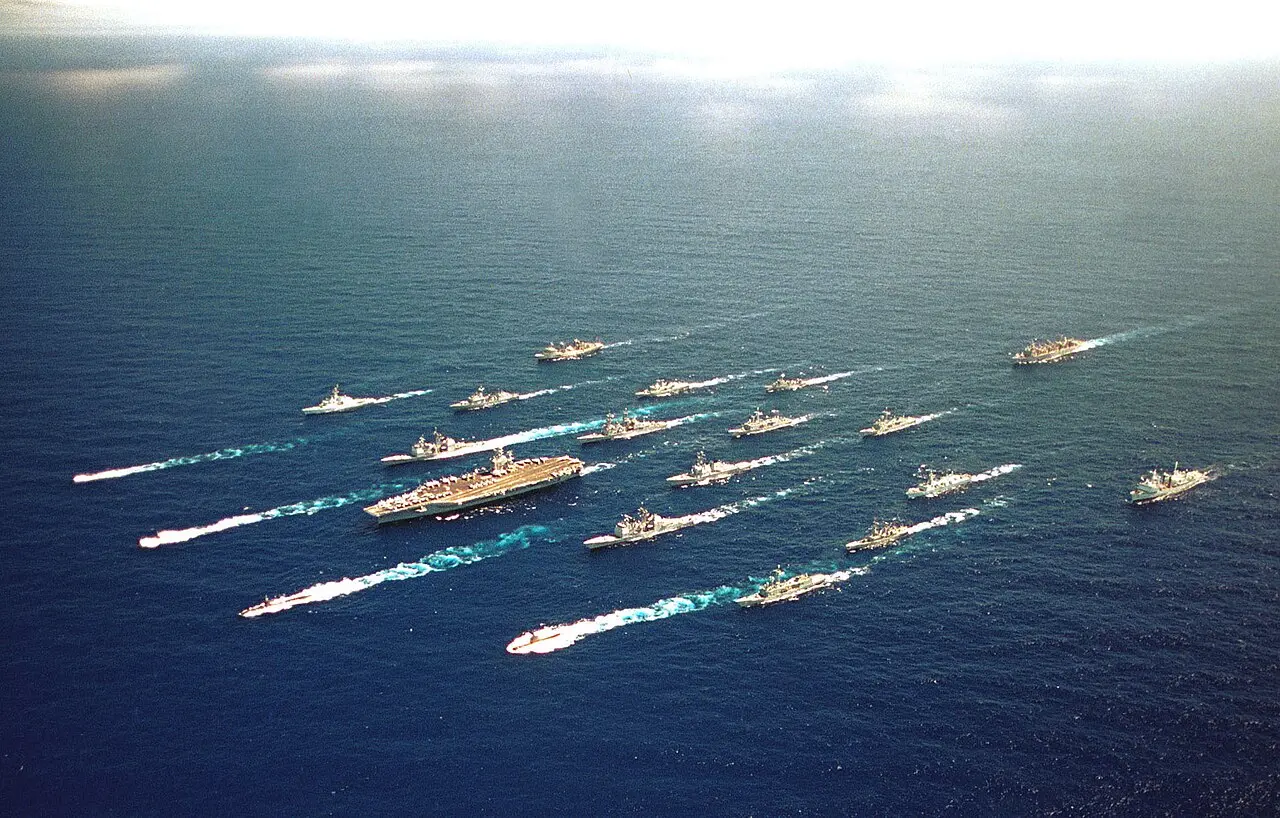
Deploying two carriers allows the US Navy to split critical missions for maximum efficiency. While the USS Gerald R. Ford acts as the offensive sword, the USS Abraham Lincoln serves as the defensive shield for the entire fleet.
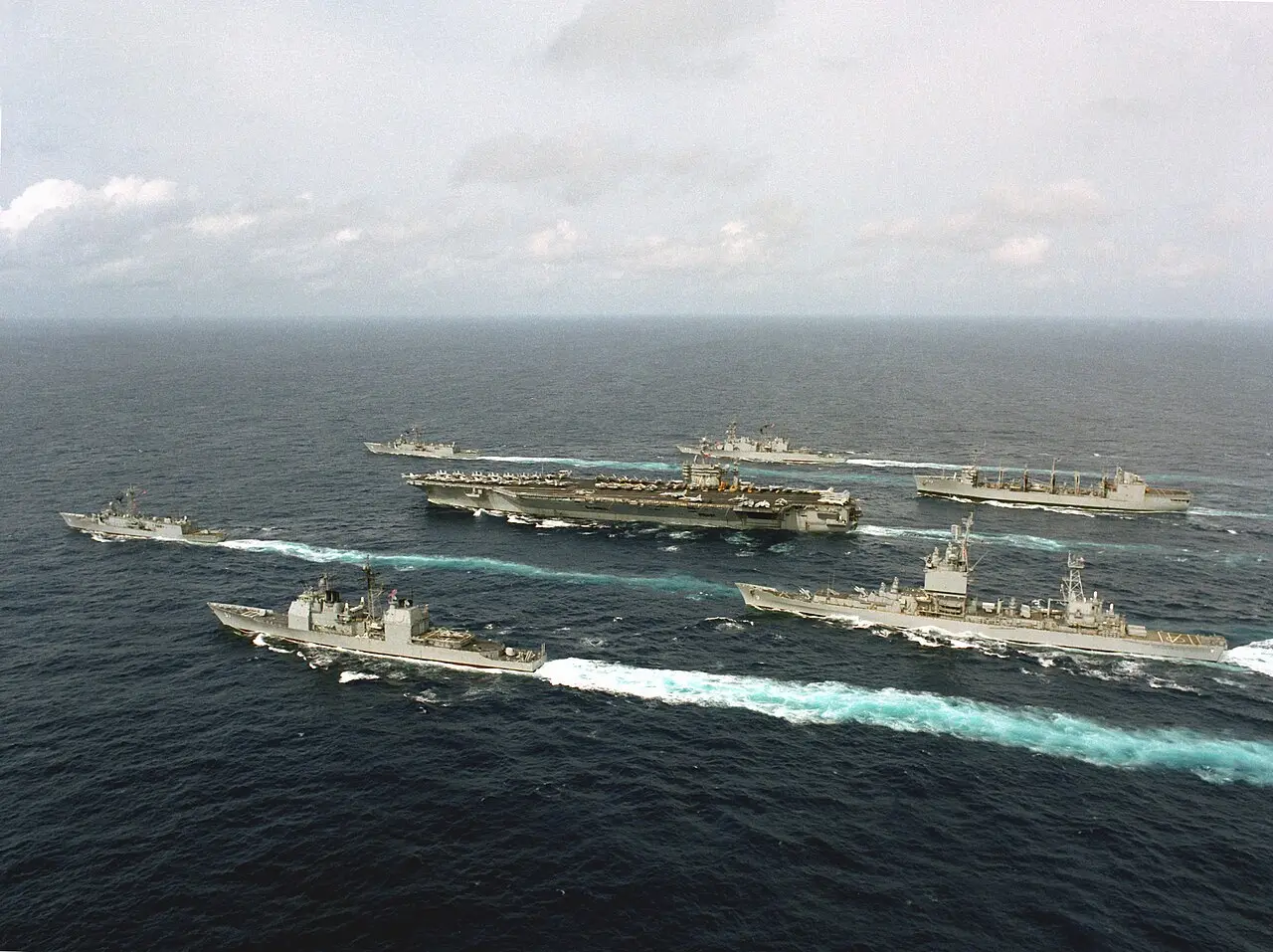
The Floating Command Centre
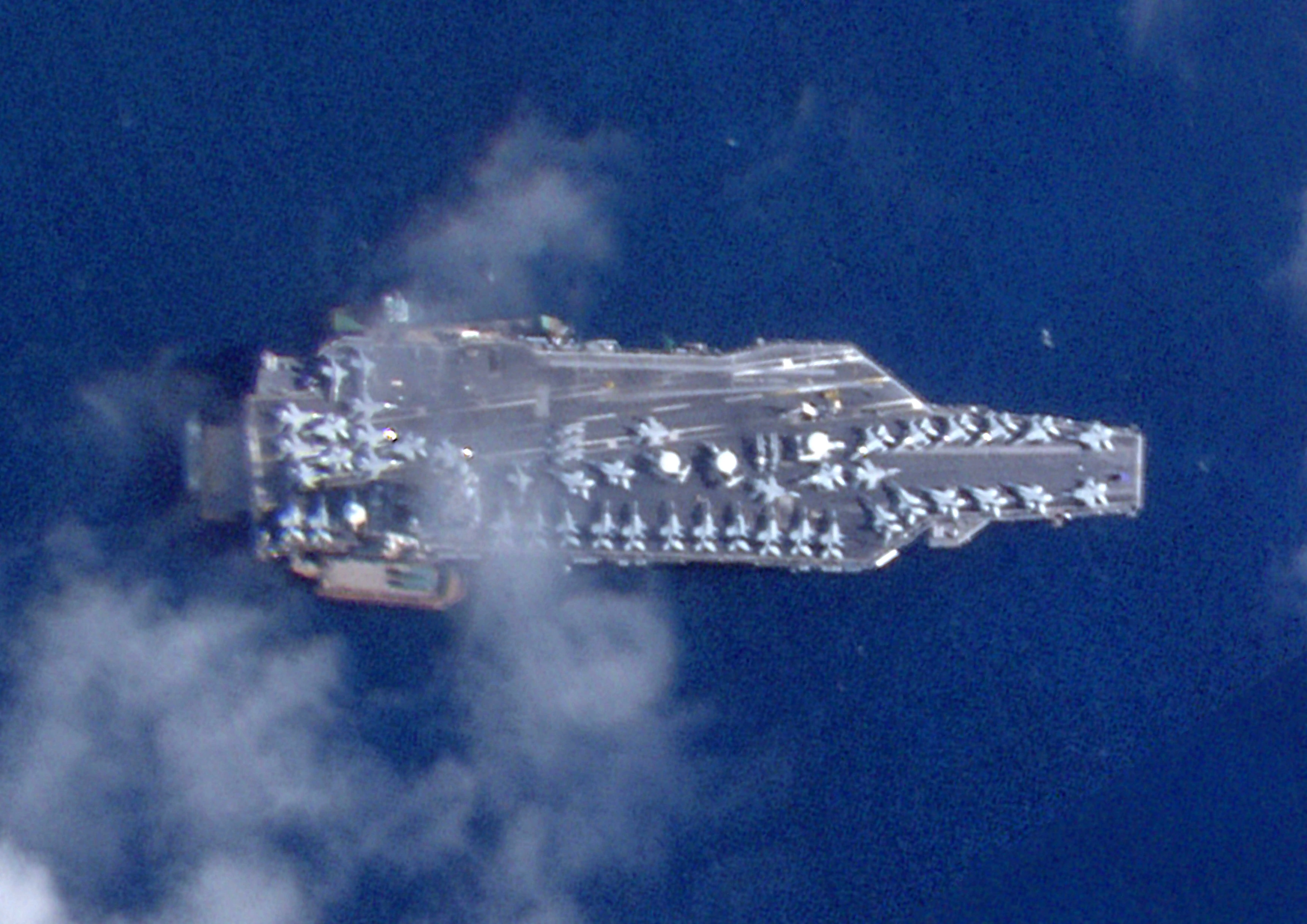
The USS Abraham Lincoln coordinates the airspace and defensive perimeter for the armada. Operating an air wing of over 60 aircraft, the carrier directs anti-submarine and anti-air operations to ensure no Iranian threats breach the strike group.
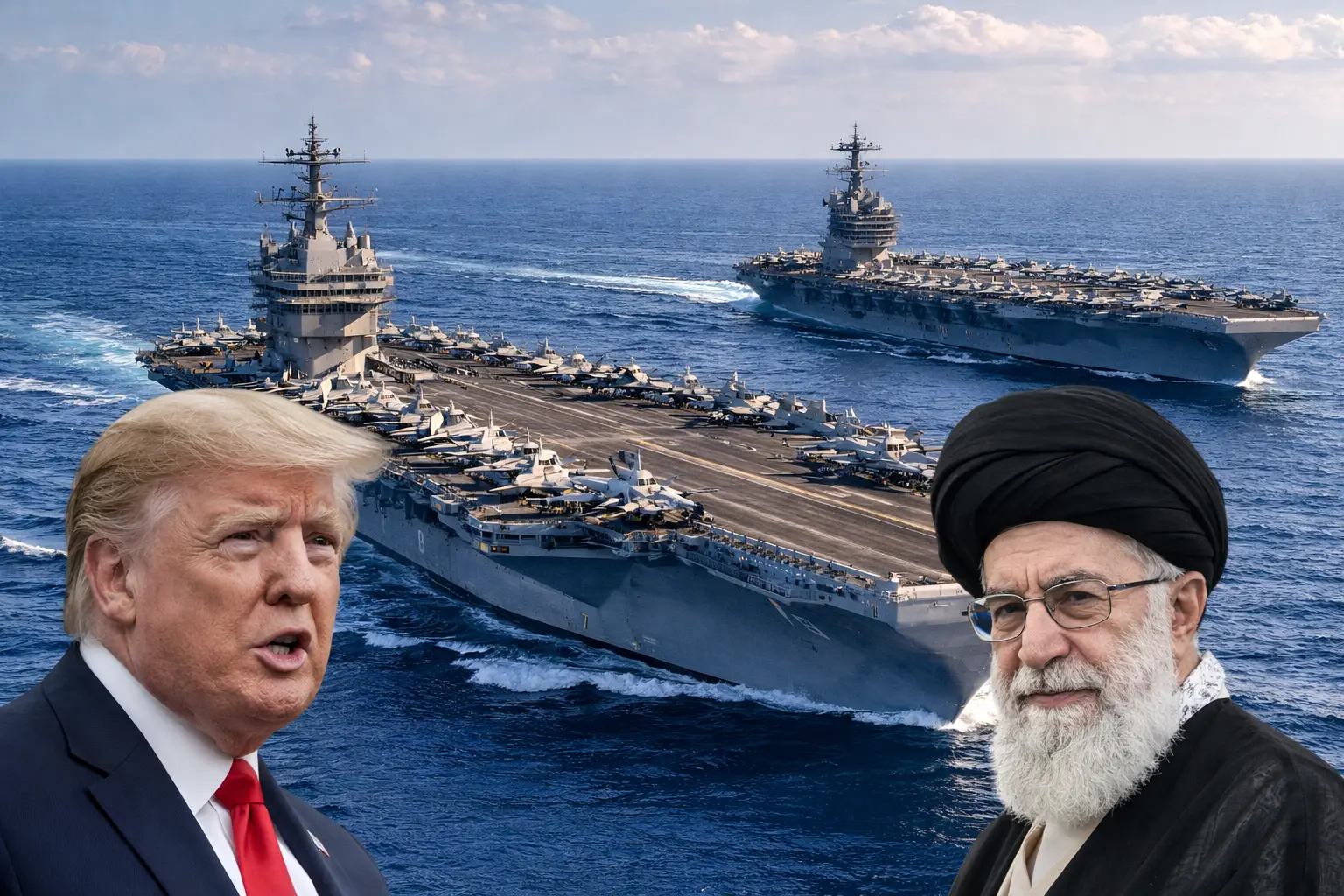
'Eyes in the Sky' Early Warning
To detect incoming threats, the Lincoln launches E-2D Advanced Hawkeye aircraft. These twin-engine radar planes scan vast areas of the Middle East, identifying low-flying Iranian drones and cruise missiles hundreds of miles away.
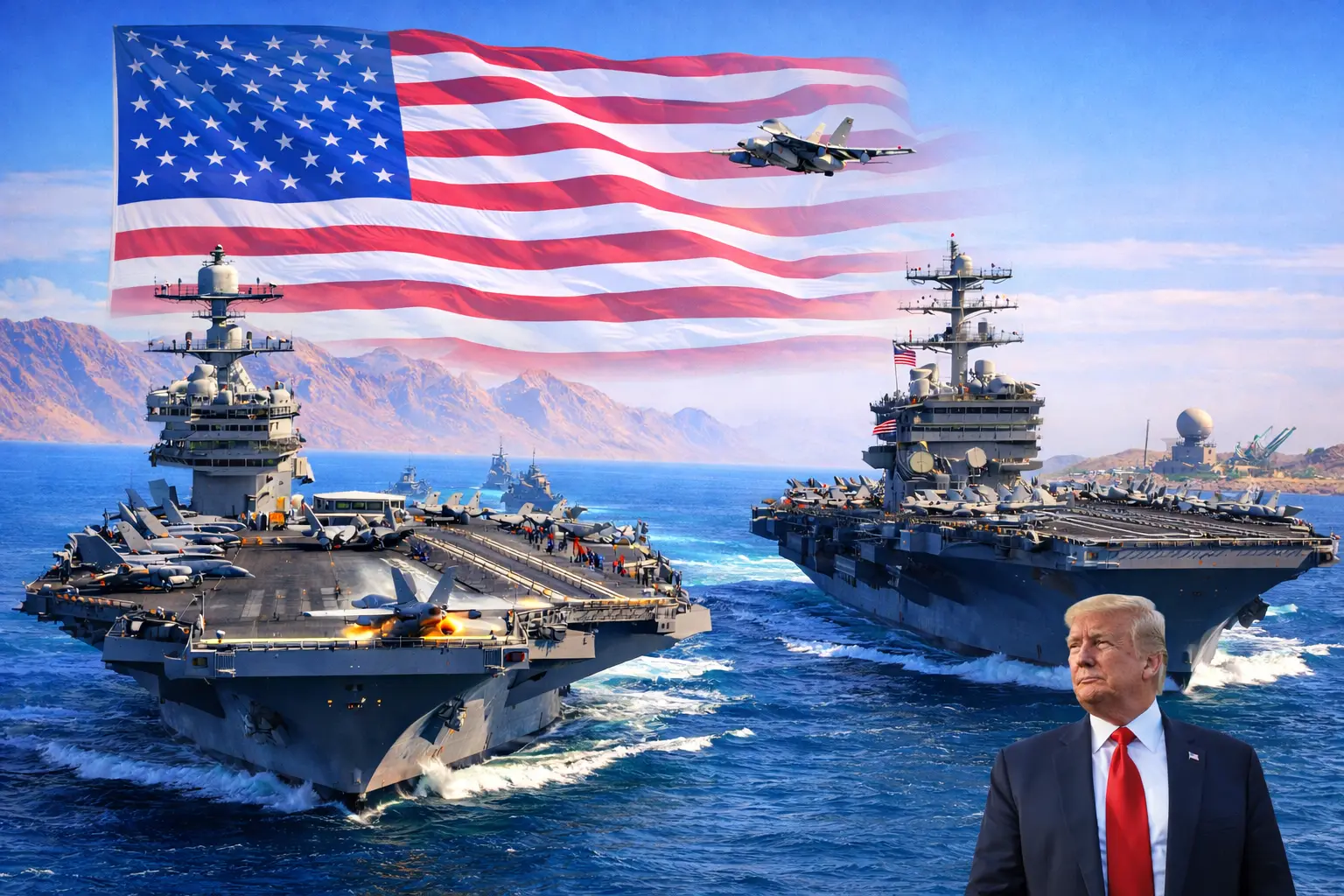
Continuous Combat Air Patrols
The Lincoln dedicates its F-35C and F/A-18 Super Hornet squadrons to Combat Air Patrols. These fighter jets remain airborne around the clock to intercept and shoot down enemy aircraft before they reach the fleet.
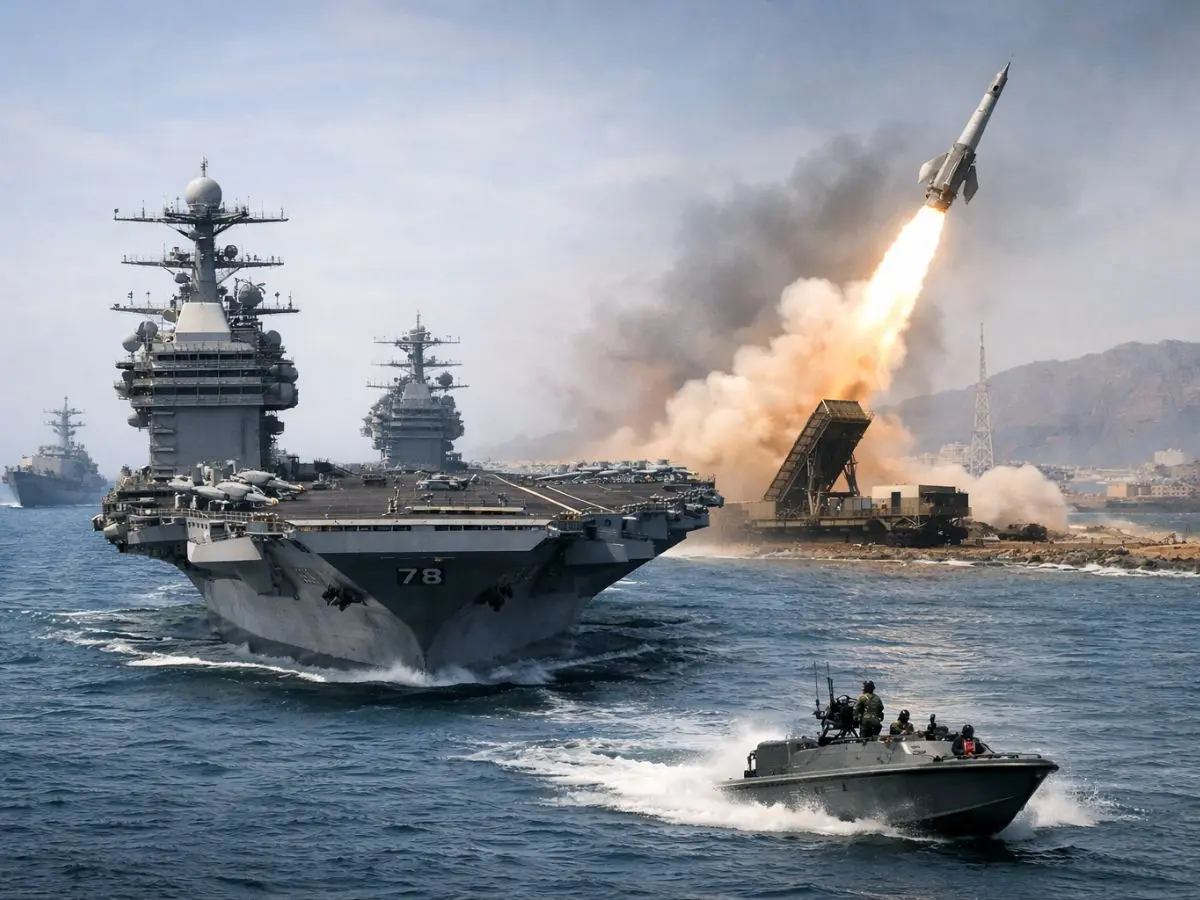
Commanding the Aegis Destroyers
The carrier directs an escort of at least three Arleigh Burke-class guided-missile destroyers. Using the Aegis Combat System, these ships fire SM-6 interceptor missiles to destroy incoming Iranian ballistic threats from safe distances.
The Electronic Warfare Bubble
To protect the fleet from guided weapons, the Lincoln deploys EA-18G Growler aircraft. These specialised jets blast powerful jamming signals to blind enemy radar systems and disable the GPS guidance of incoming drones.
Freeing the Ford for Attack
By absorbing the heavy defensive responsibilities, the Lincoln frees the USS Gerald R. Ford. This allows the newer carrier to use its advanced EMALS catapults to generate a 30 per cent higher sortie rate for offensive strikes.
)
)
)
)
)