How can India reduce its dependence on LPG imports?

The 2026 Hormuz crisis has forced India to aggressively reduce its 60 per cent reliance on LPG imports. By scaling up electric cooking, rural biogas, and DME blending, India aims to secure its domestic fuel supply against global shocks.
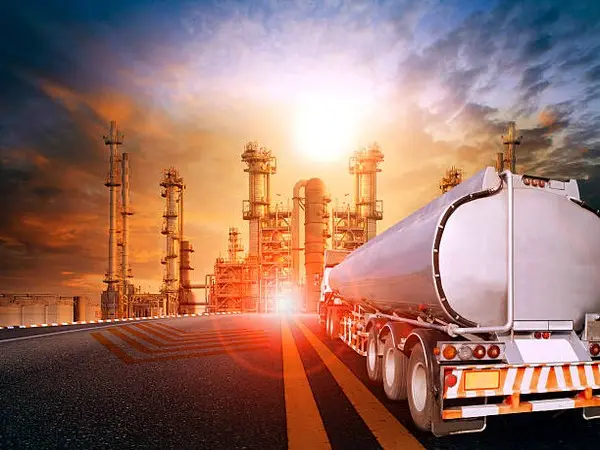
The 60 Per Cent Vulnerability
India consumes over 31 million metric tonnes of LPG annually, but domestic production only meets roughly 40 per cent of this demand. The ongoing Hormuz blockade has highlighted the severe economic and supply risks of relying so heavily on Middle Eastern imports.

The E-Cooking Revolution
Electric cooking is emerging as the fastest urban alternative to imported LPG. According to the International Institute for Sustainable Development (IISD), an induction stove is now up to 20 per cent cheaper to operate annually than a standard LPG cylinder.
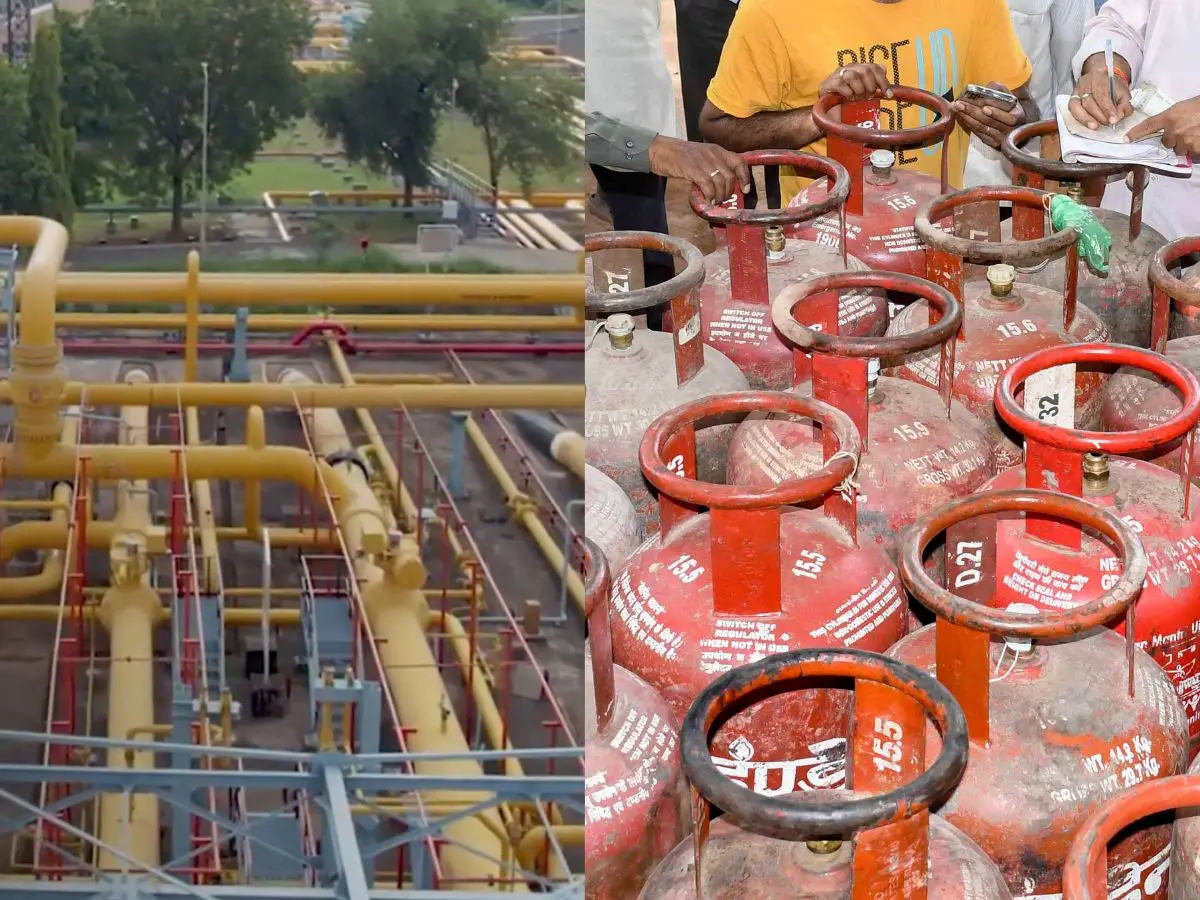
Halving Future LPG Demand
A massive shift towards electricity for cooking could drastically alter India's energy landscape. Analysts project that sustained urban adoption of e-cooking could halve the nation's total LPG demand by 2050, potentially saving up to Rs 2.4 trillion in government subsidies.
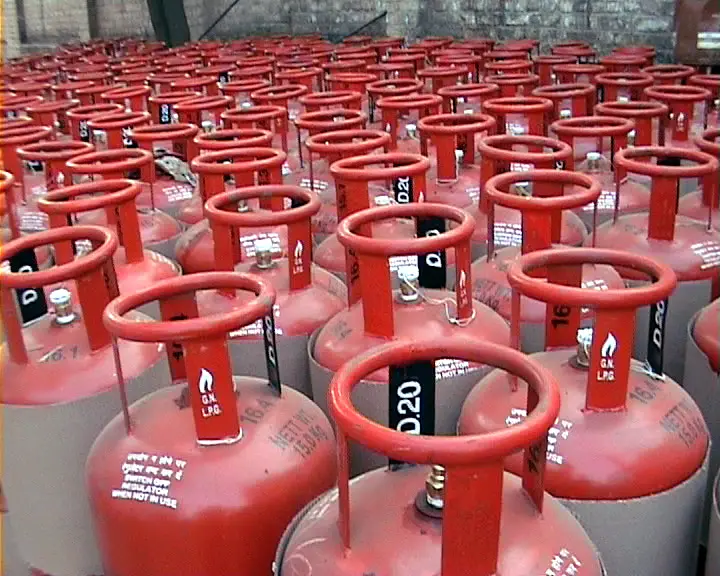
Decentralised Rural Biogas
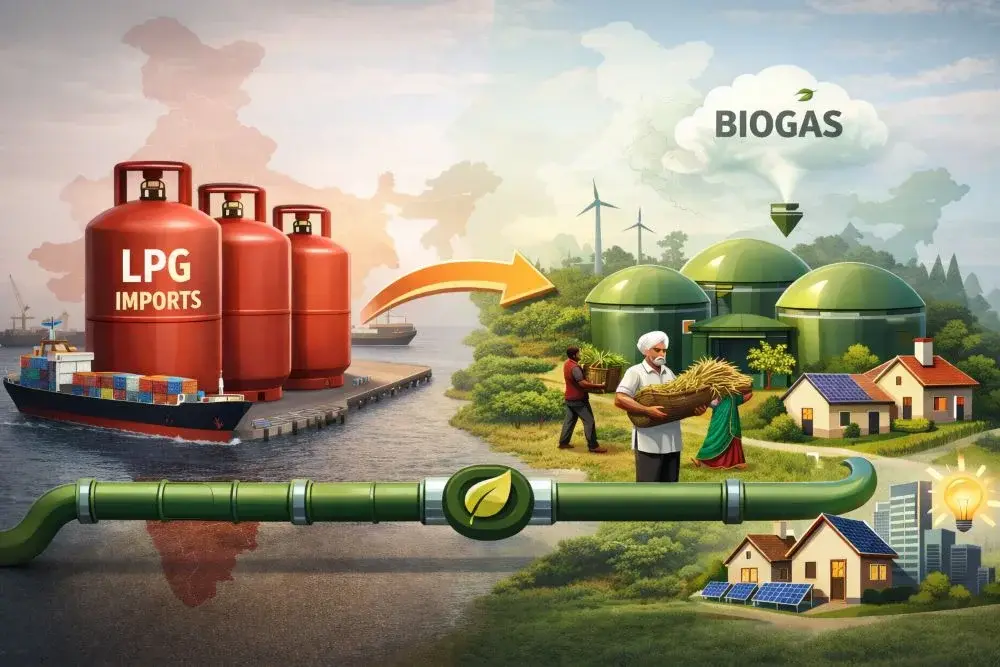
For rural areas with reliable agricultural waste, decentralised biogas plants offer a fully indigenous fuel source. Households adopting biogas completely eliminate their need for imported LPG while simultaneously reducing their traditional firewood consumption by nearly 70 per cent.
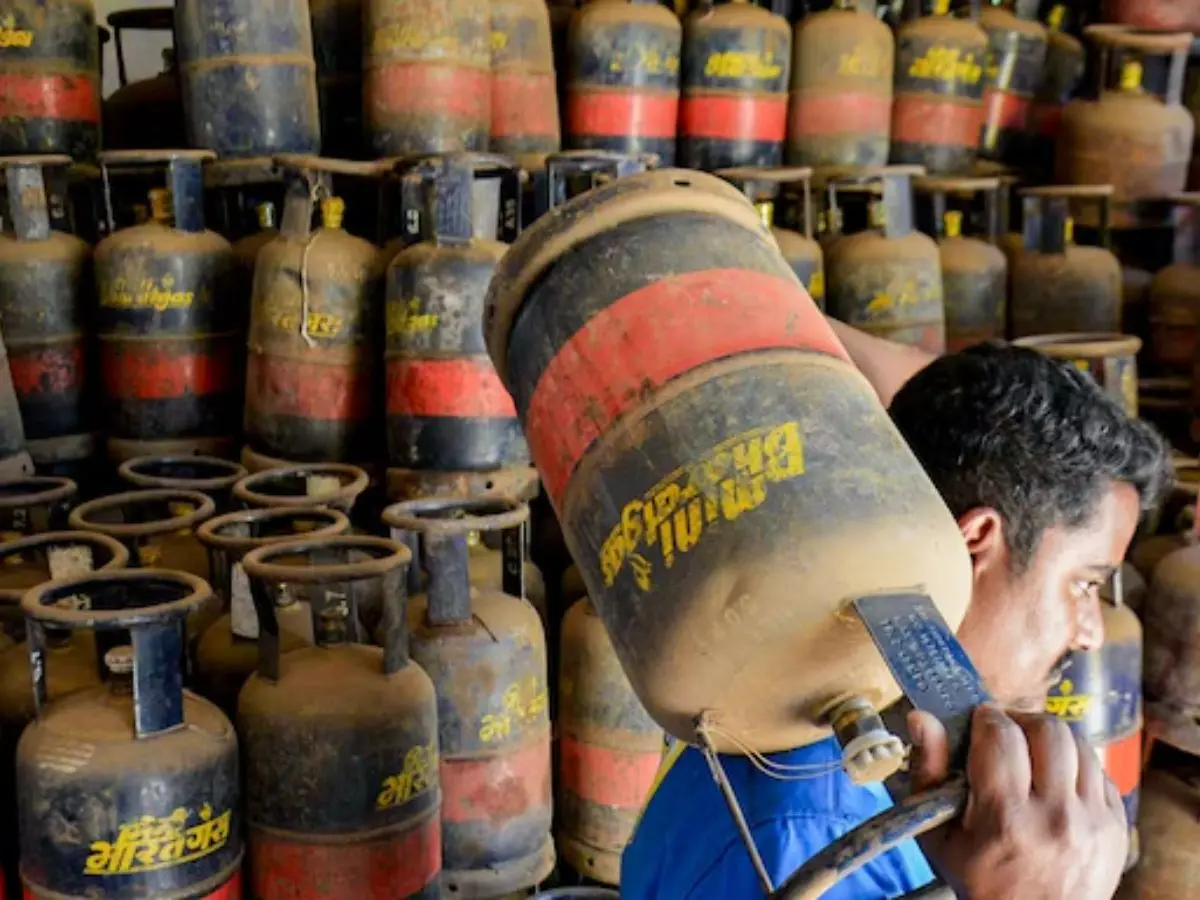
Blending DME with LPG
To stretch existing supplies without replacing infrastructure, India has authorised the blending of Dimethyl Ether (DME) with traditional cooking gas. The Bureau of Indian Standards recently approved a 20 per cent DME blend, which requires zero modifications to existing household cylinders or stoves.
Diversifying Import Routes
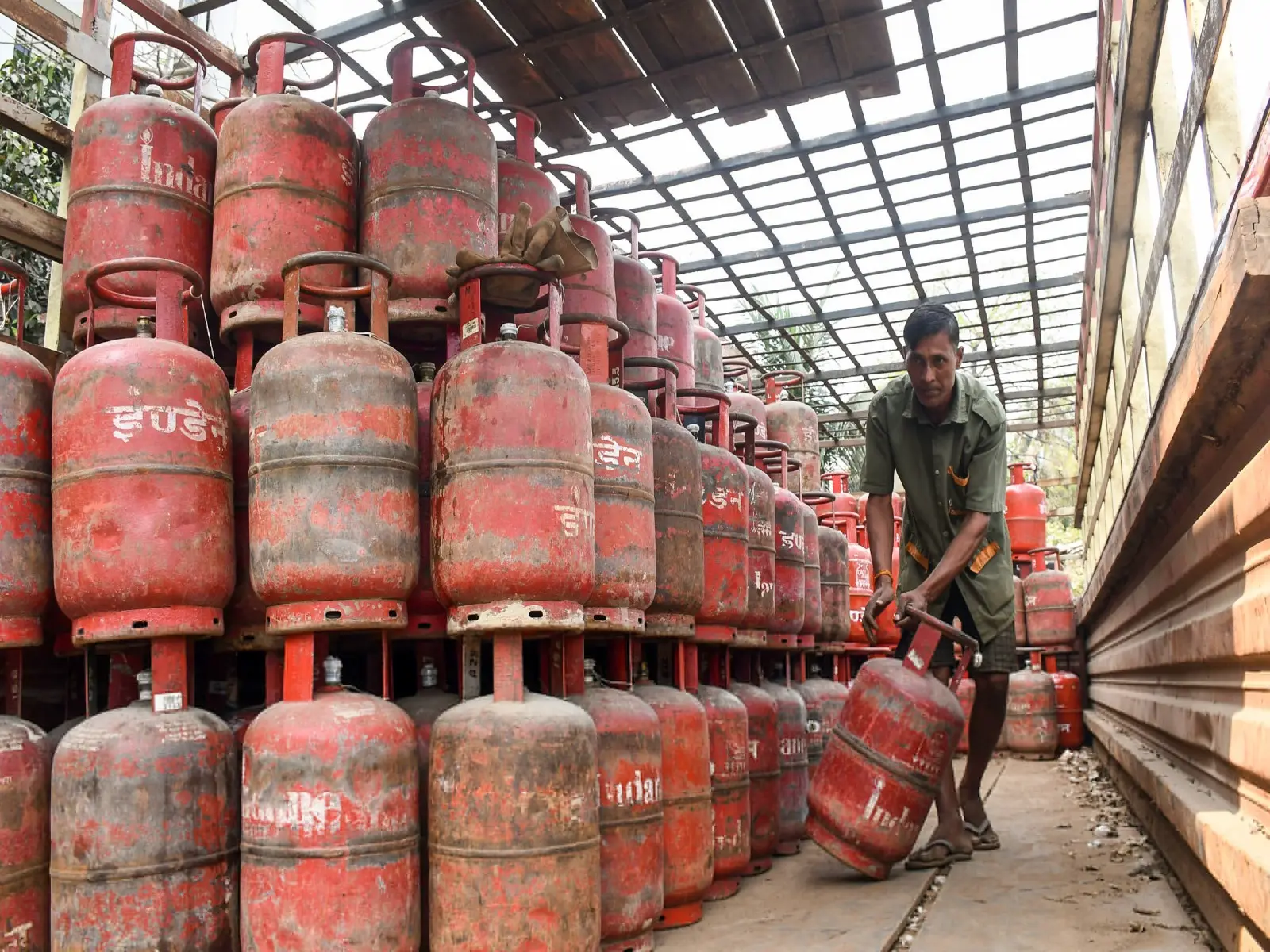
While domestic alternatives scale up, India is urgently restructuring its global supply chains to bypass conflict zones entirely. State-run oil companies have recently secured historic contracts to import millions of tonnes of LPG from the US Gulf Coast and Argentina.
Redirecting Fuel Subsidies
To accelerate this national transition, experts recommend restructuring the massive LPG subsidy budget. By redirecting a portion of these funds as capital incentives for induction stoves and biogas installations, India can permanently insulate its kitchens from geopolitical shocks.
)
)
)
)
)